




Home / Technical

Technical Notes

Read practical machining articles written for South African production realities. These notes explain setup choices, handling practices and process improvements in a clear, workshop-focused way.

Technical Notes
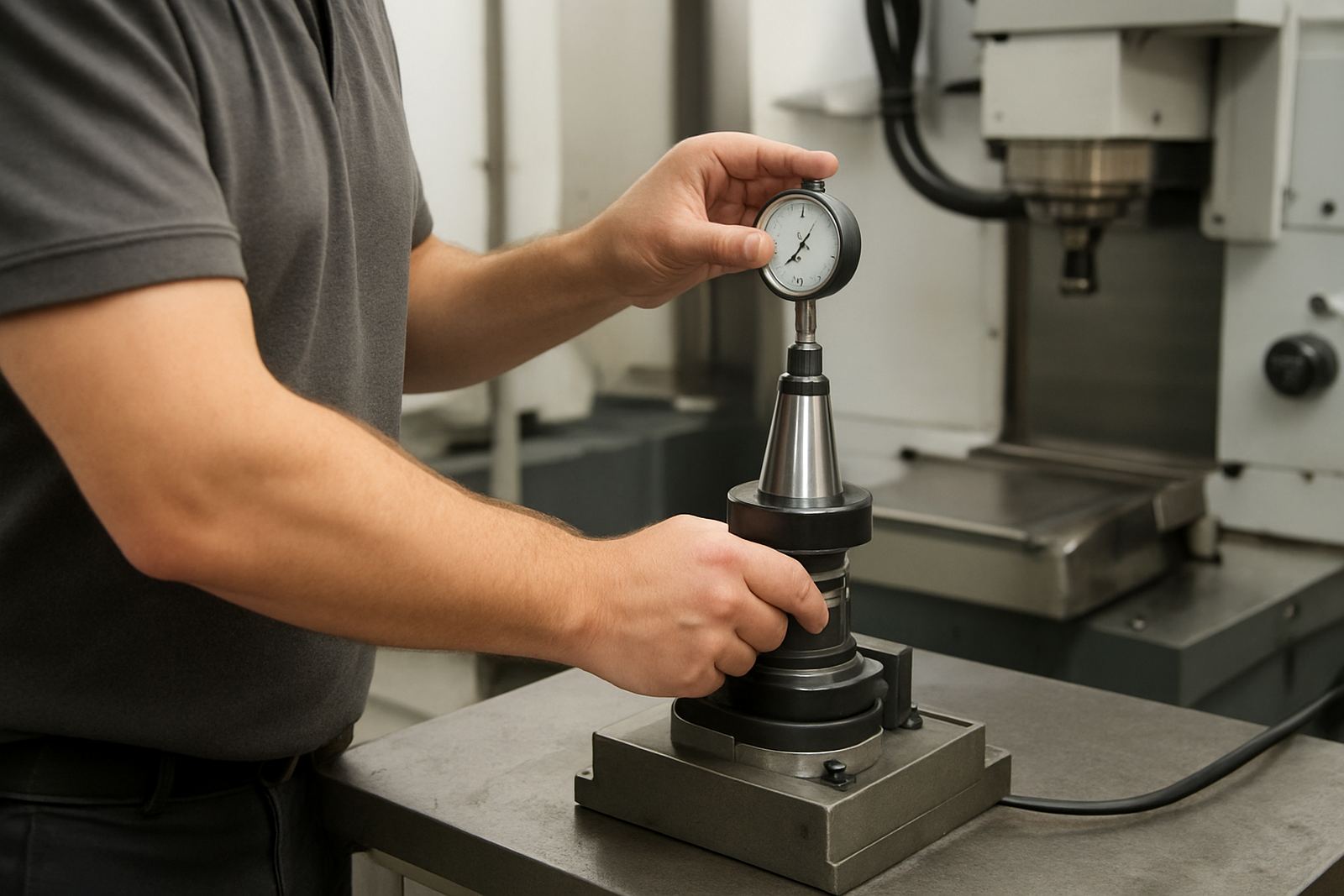
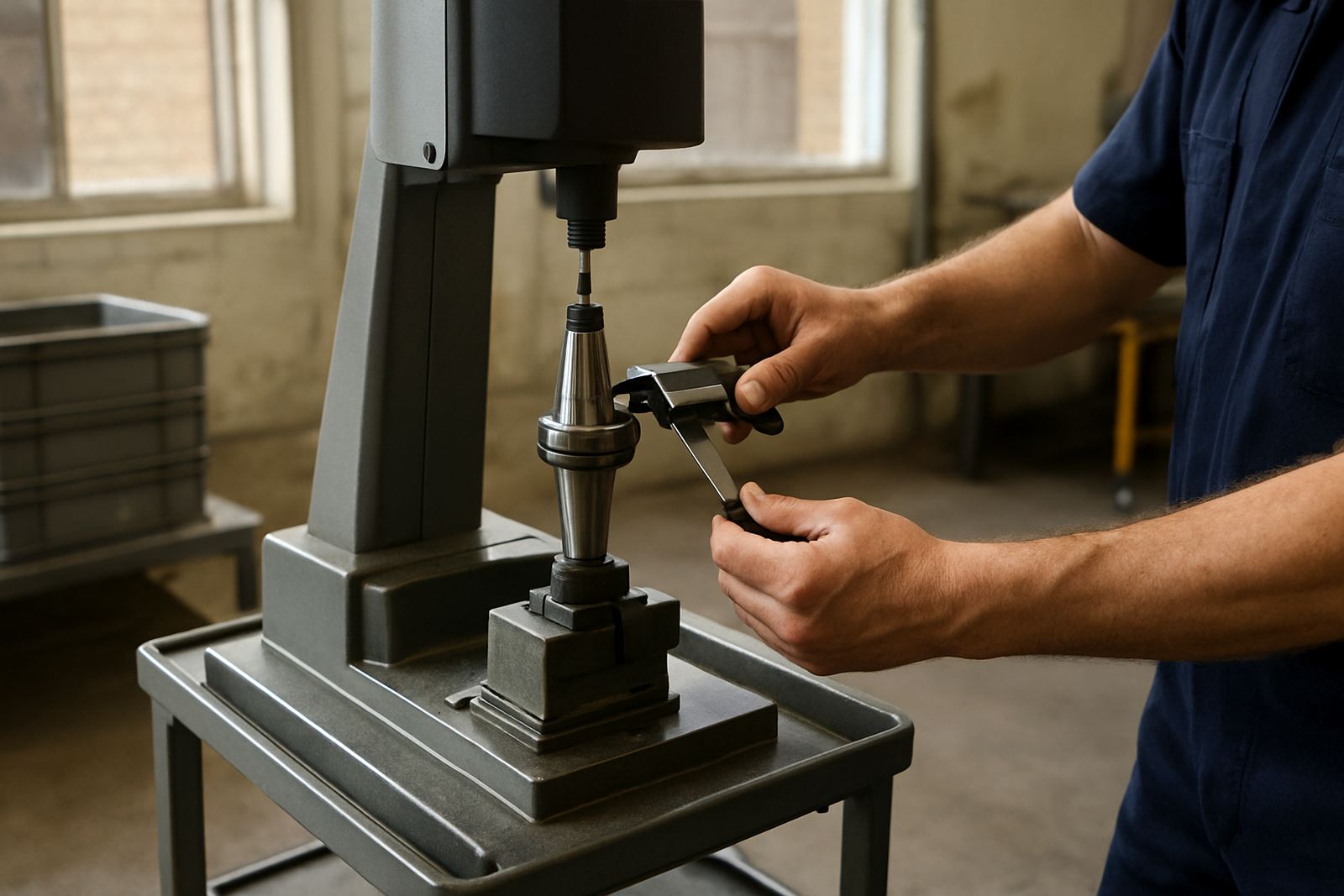
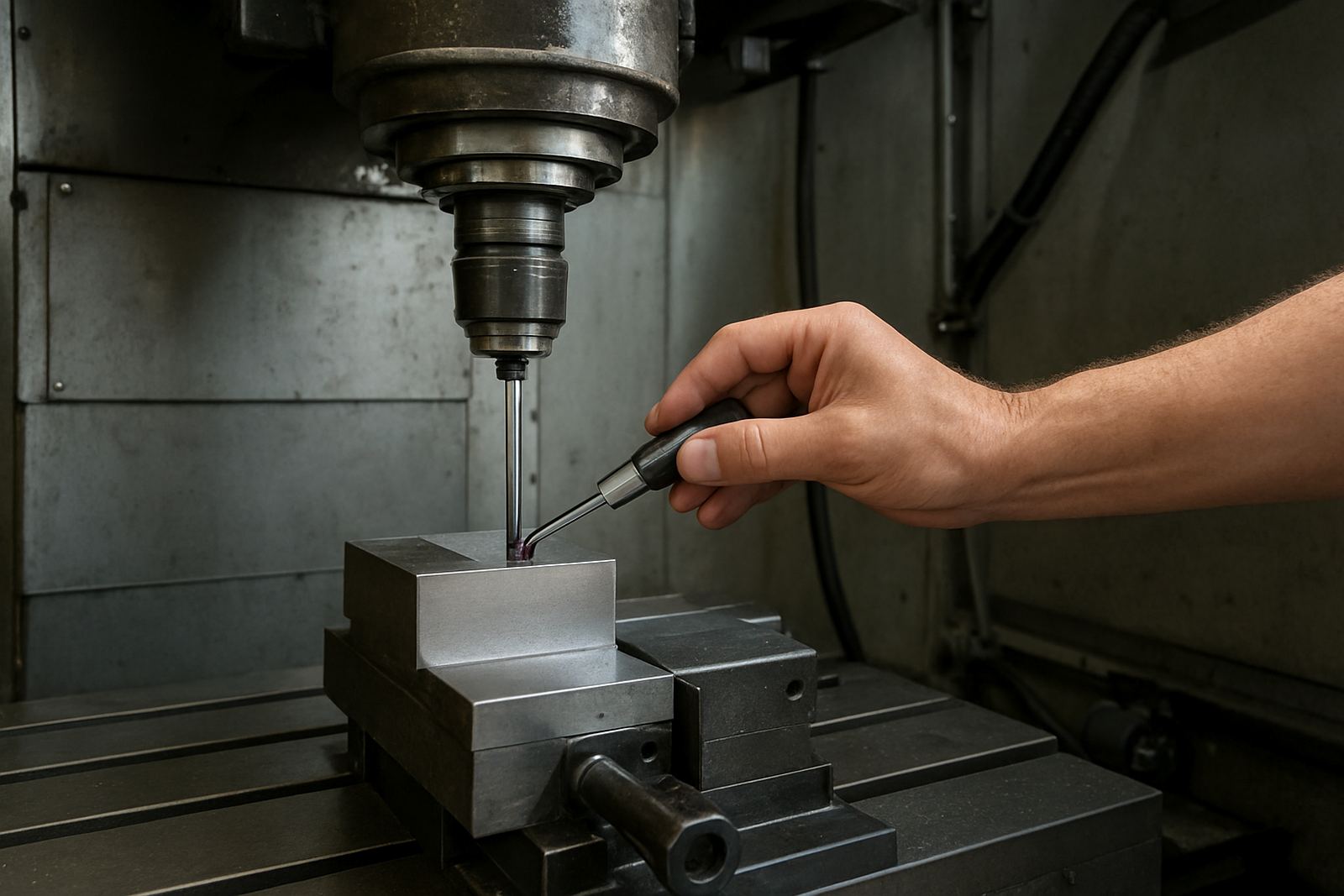
Holder Runout Basics

Holder Runout Basics

Why holder runout matters for finish, tool life and dimensional control.

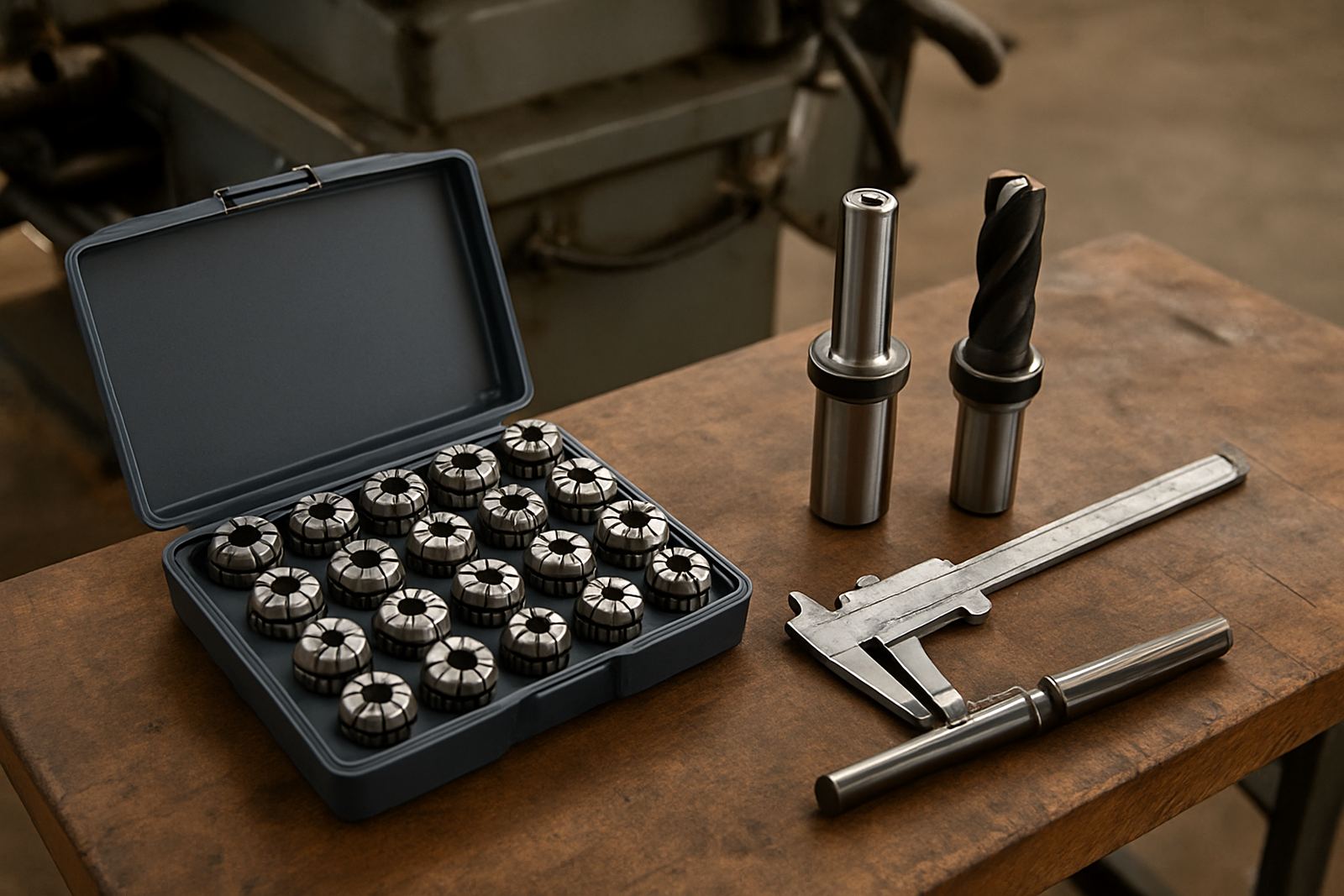
Choosing Collet Sizes

Choosing Collet Sizes

A practical look at selecting the right collet range for common shank sizes.

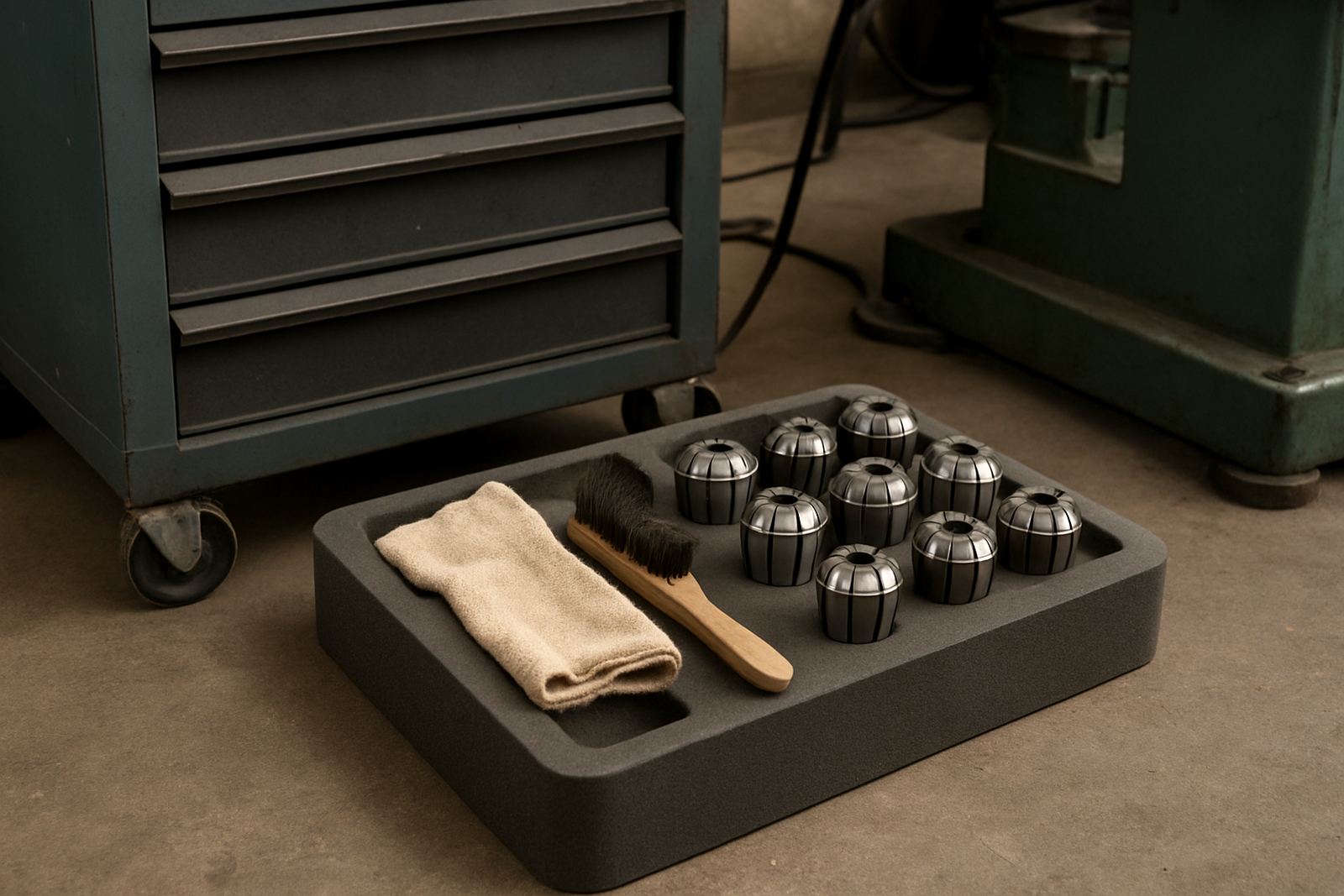
Collet Care Tips

Collet Care Tips

Cleaning and storage habits that help maintain gripping accuracy over time.

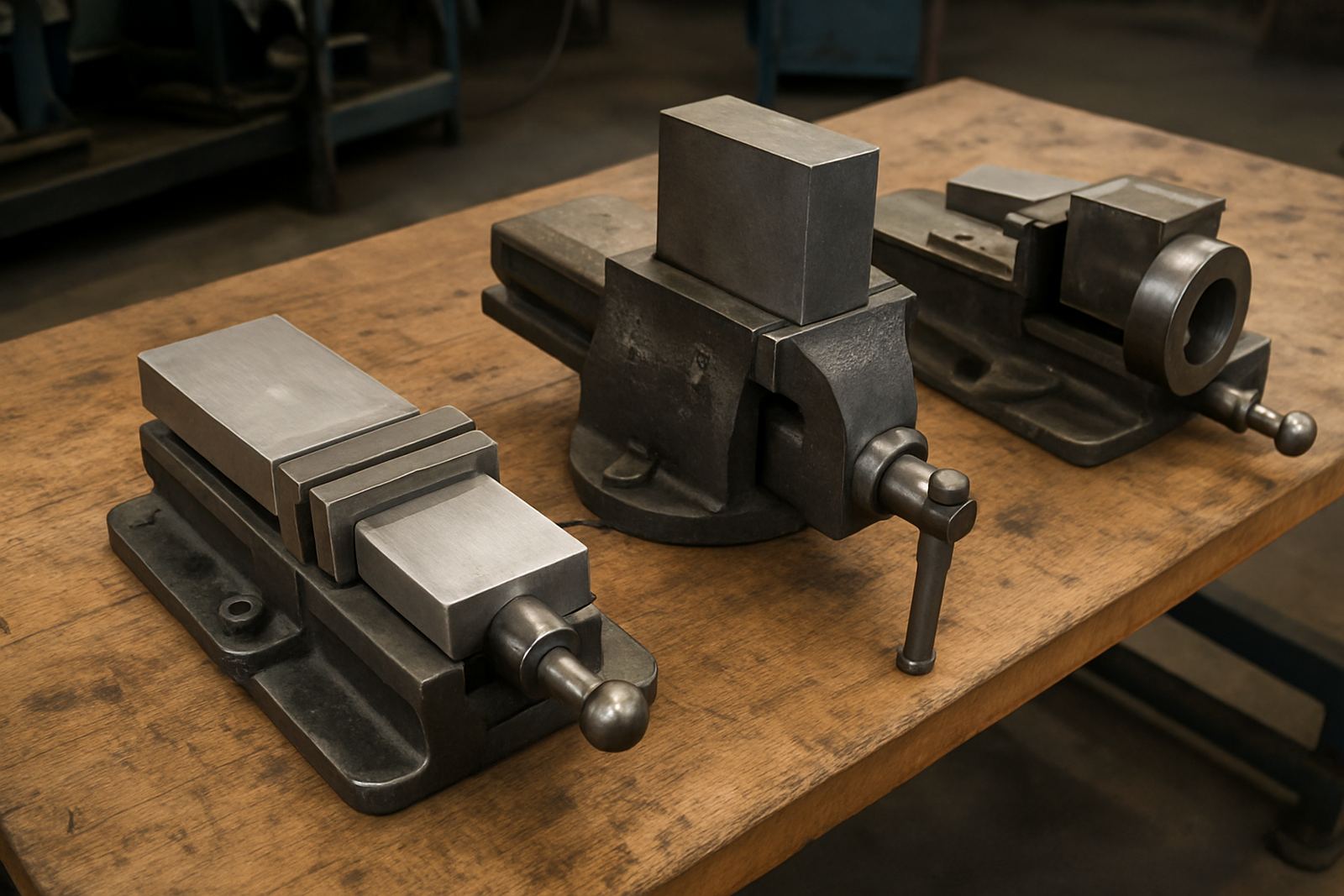
Vise Jaw Selection

Vise Jaw Selection

How jaw type affects grip, part access and repeatability in milling setups.

Soft Jaws Explained

Soft Jaws Explained

When to use machinable jaws for turning repeat parts and awkward geometries.

Balancing High Speed Tools

Balancing High Speed Tools

The role of balancing in vibration control during higher spindle speed work.

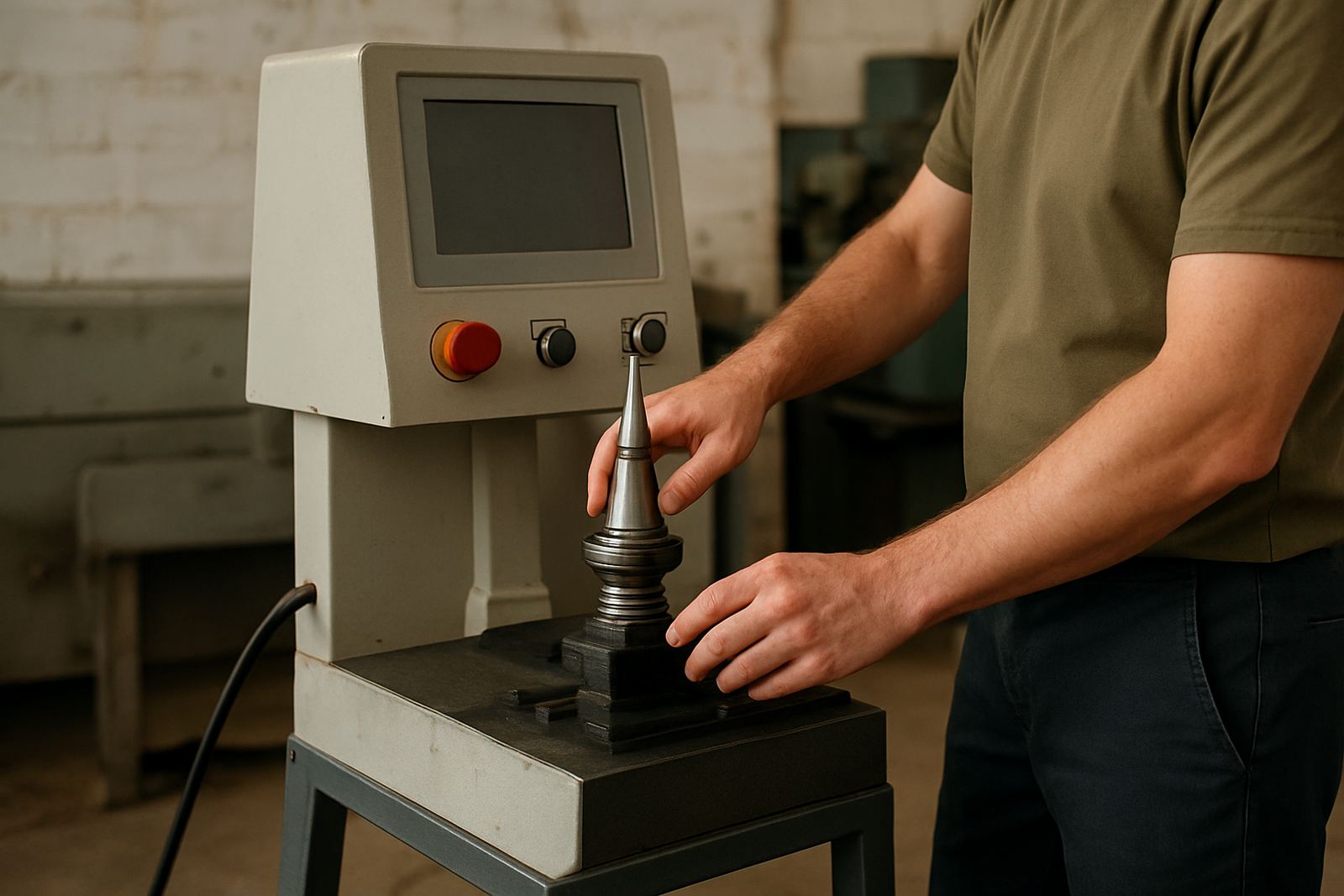
Presetter Workflow

Presetter Workflow

Simple presetter routines that reduce machine-side setup time and errors.

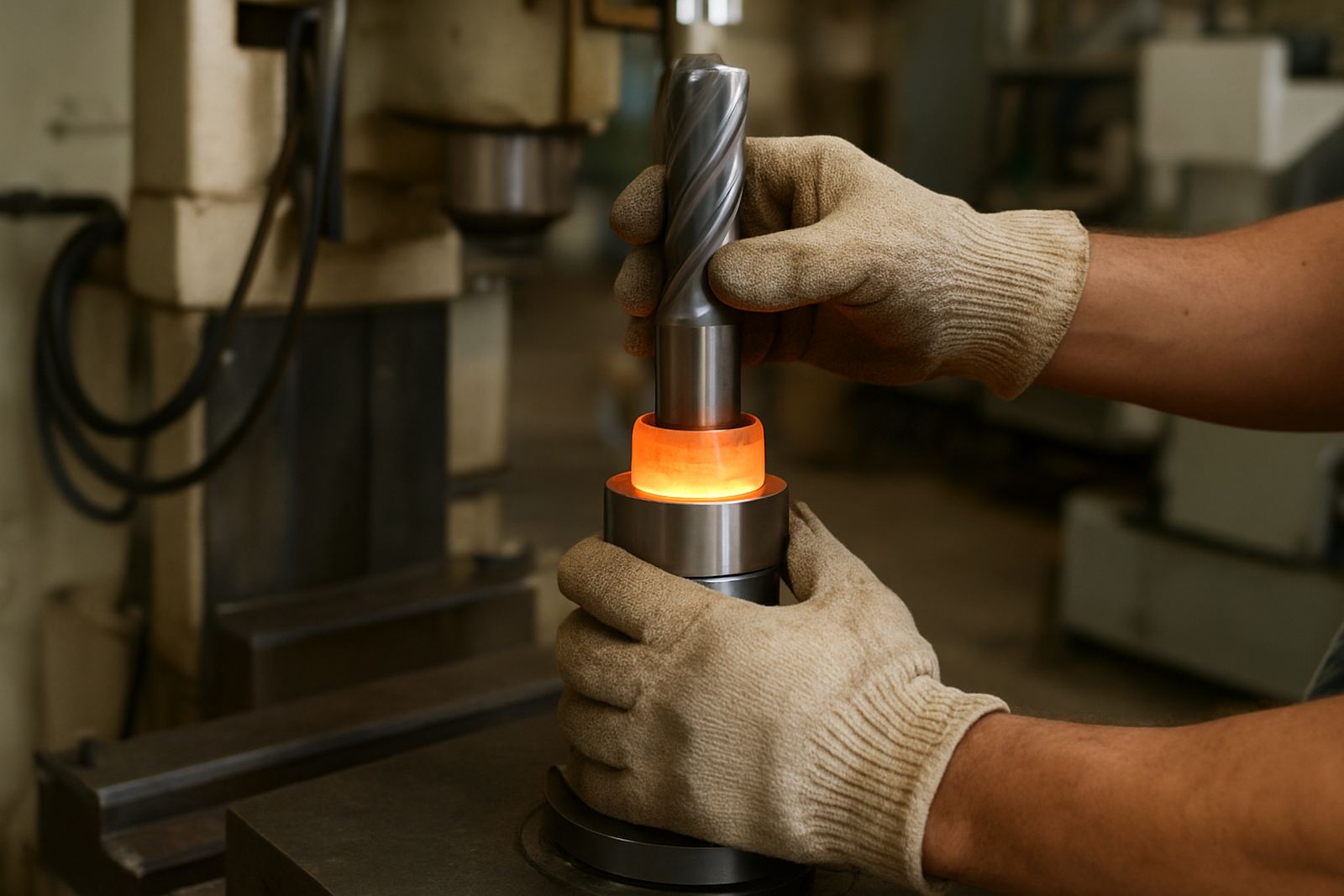
Shrink Fit Benefits

Shrink Fit Benefits

Where shrink fit clamping offers a real advantage over general purpose systems.

Hydraulic Holder Uses

Hydraulic Holder Uses

Best-fit applications for hydraulic holders in finishing and reaming operations.

Face Milling Setup

Face Milling Setup

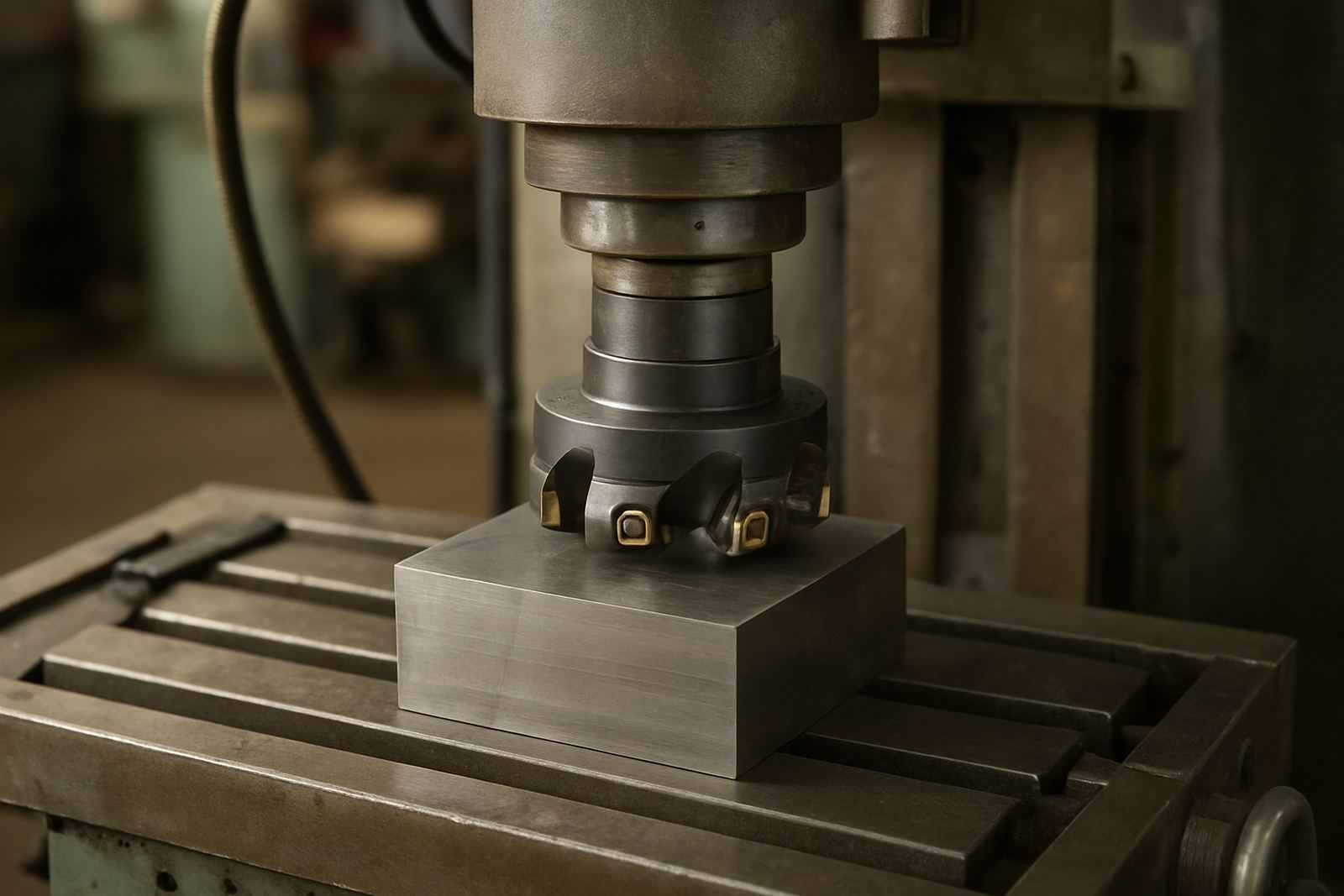
Key checks before running face mills on steel and cast materials.

Boring Bar Stability

Boring Bar Stability

Tips for reducing chatter and improving bore quality on internal machining jobs.

Zero Point Basics

Zero Point Basics

How zero point clamping shortens setup time and improves location repeatability.

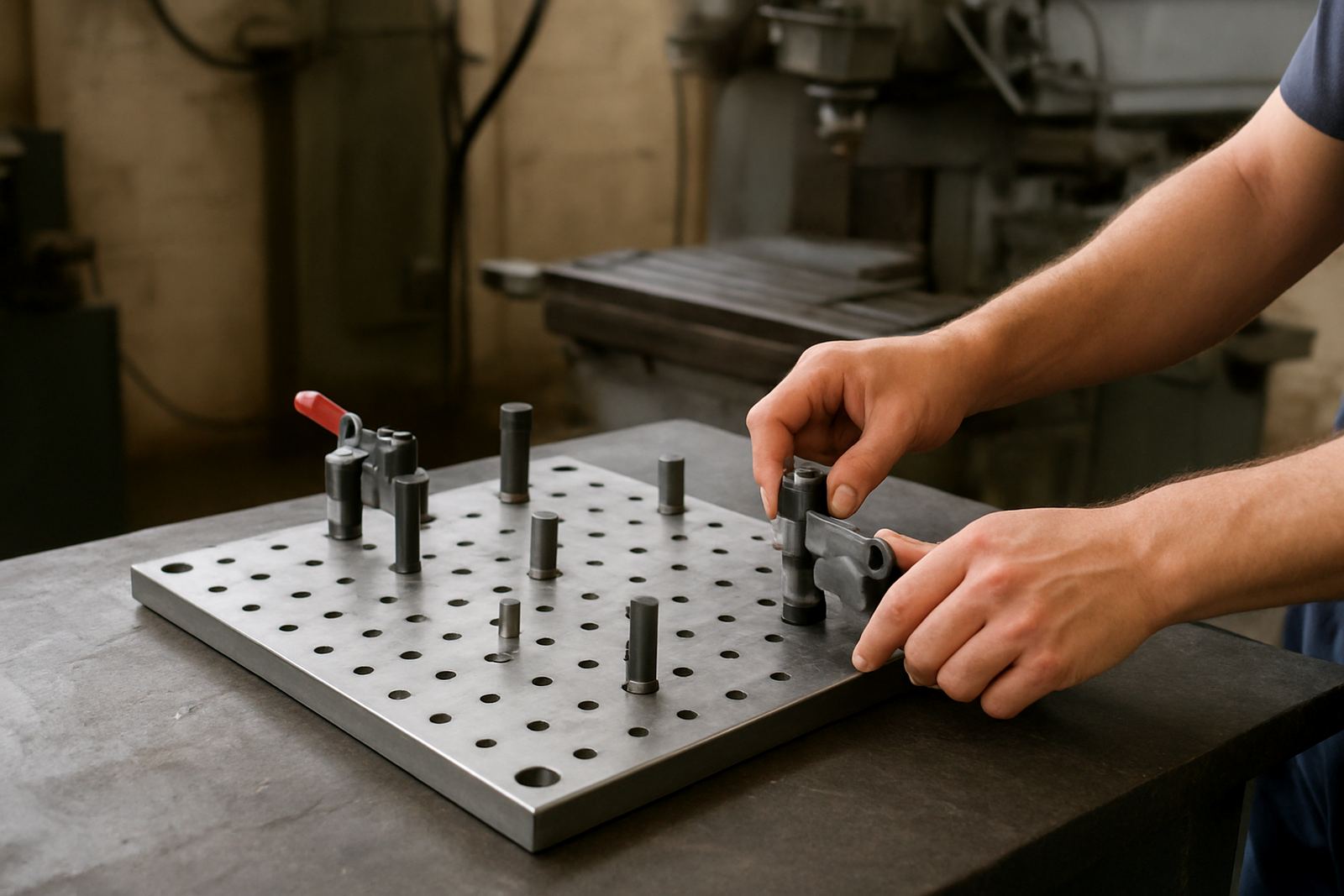
Fixture Plate Patterns

Fixture Plate Patterns

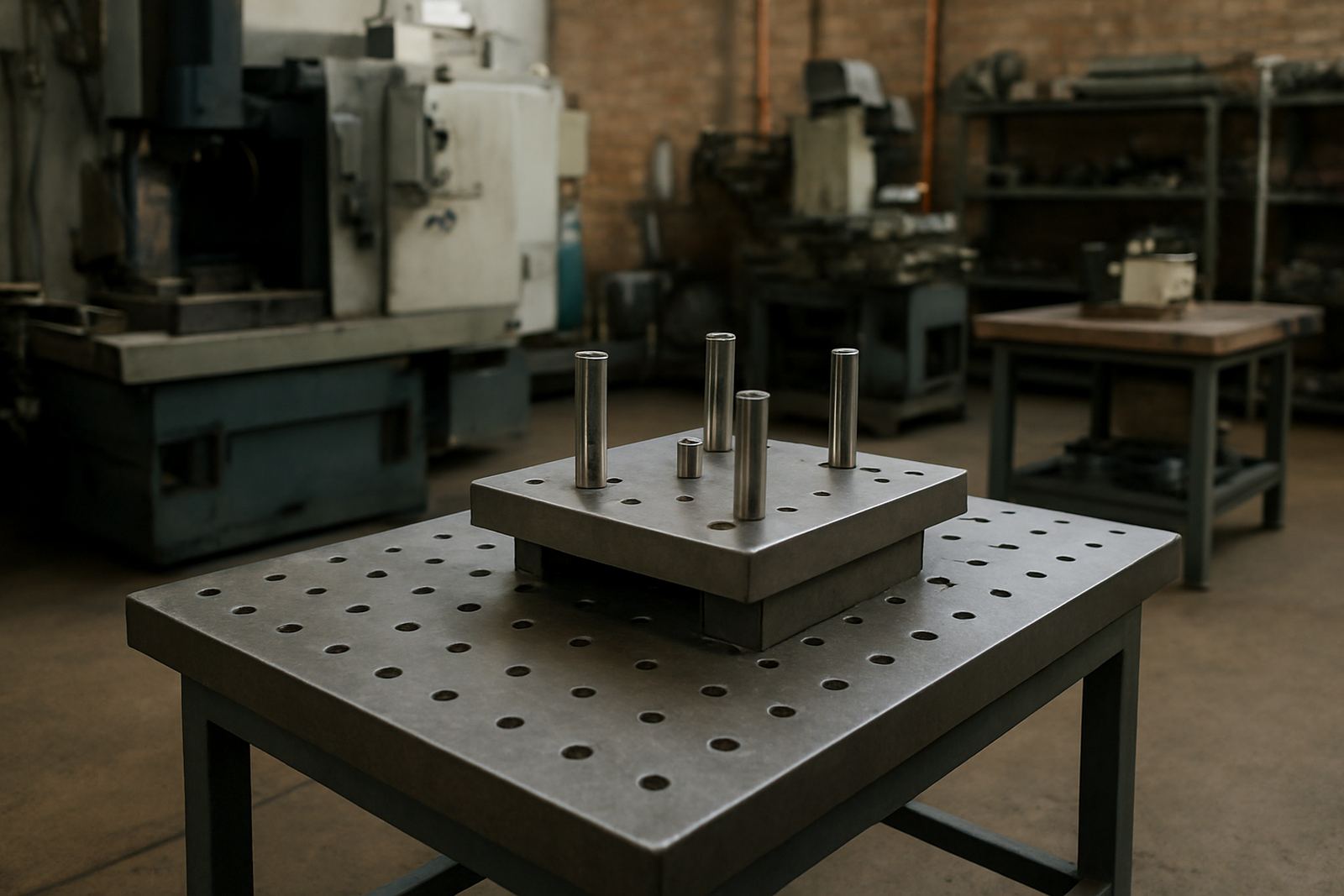
Common hole pattern strategies for modular fixture plate planning.

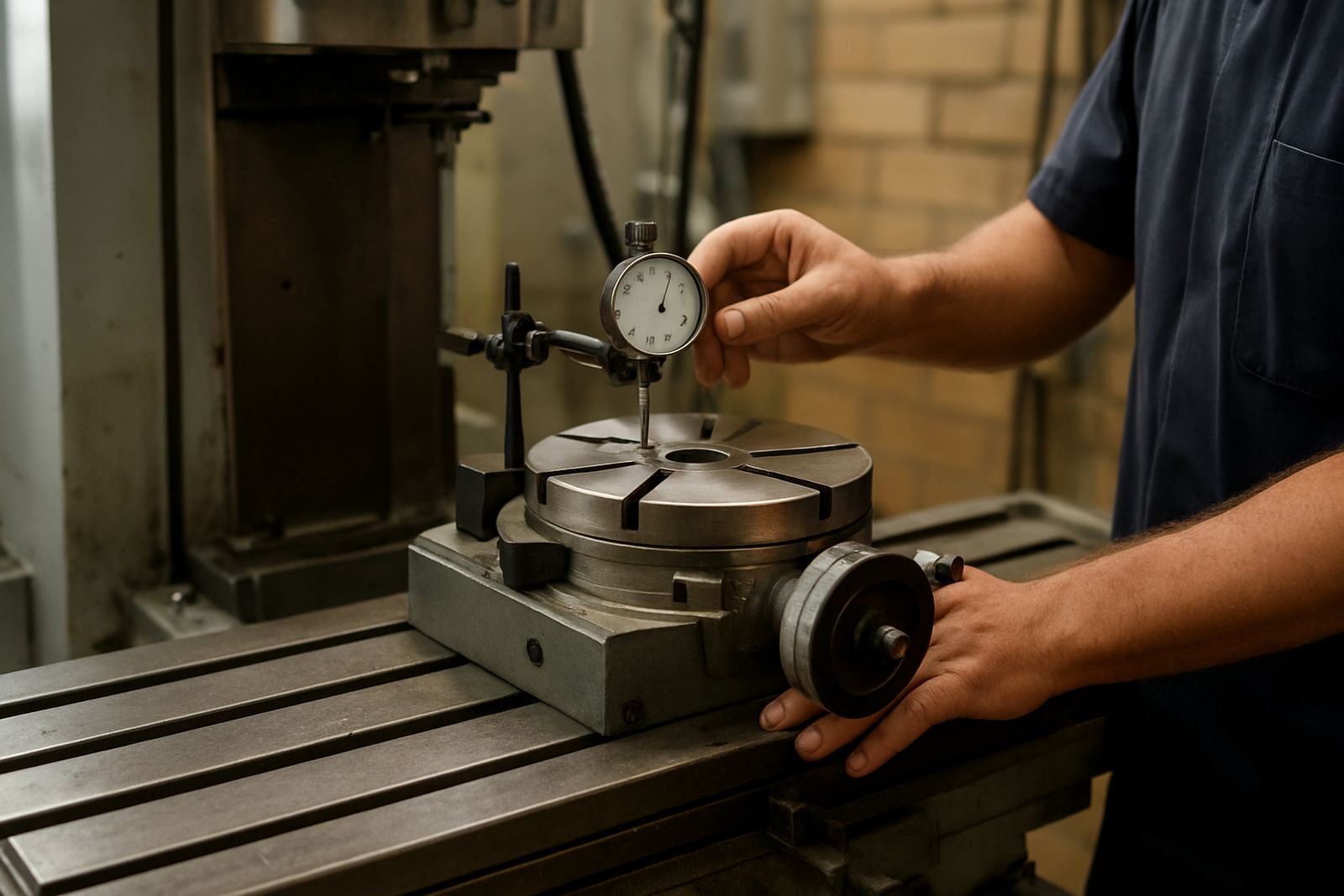
Rotary Table Checks

Rotary Table Checks

Inspection points before adding a rotary table to a milling process.

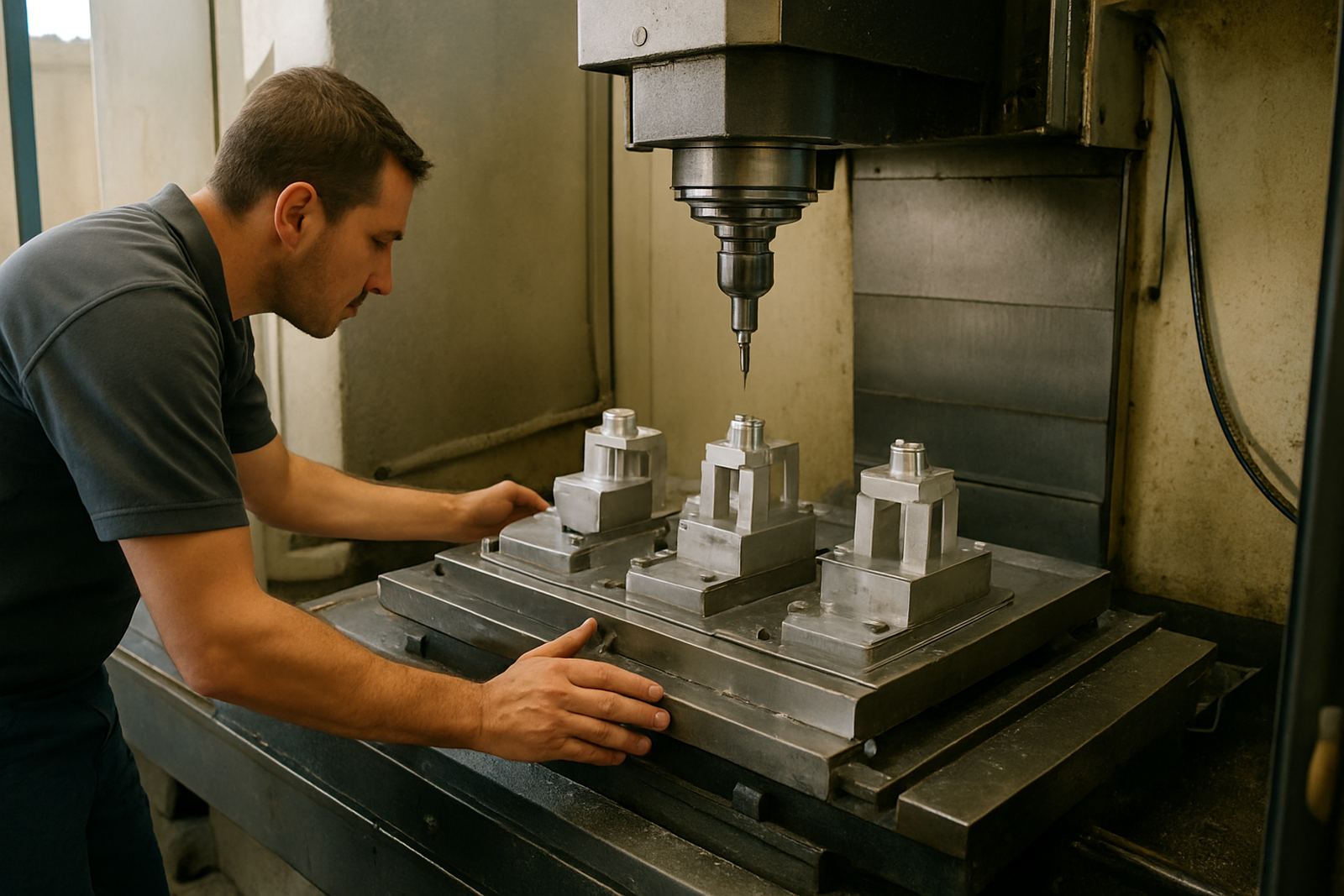
Tombstone Planning

Tombstone Planning

Ways to organise multi-face setups for better spindle utilisation.

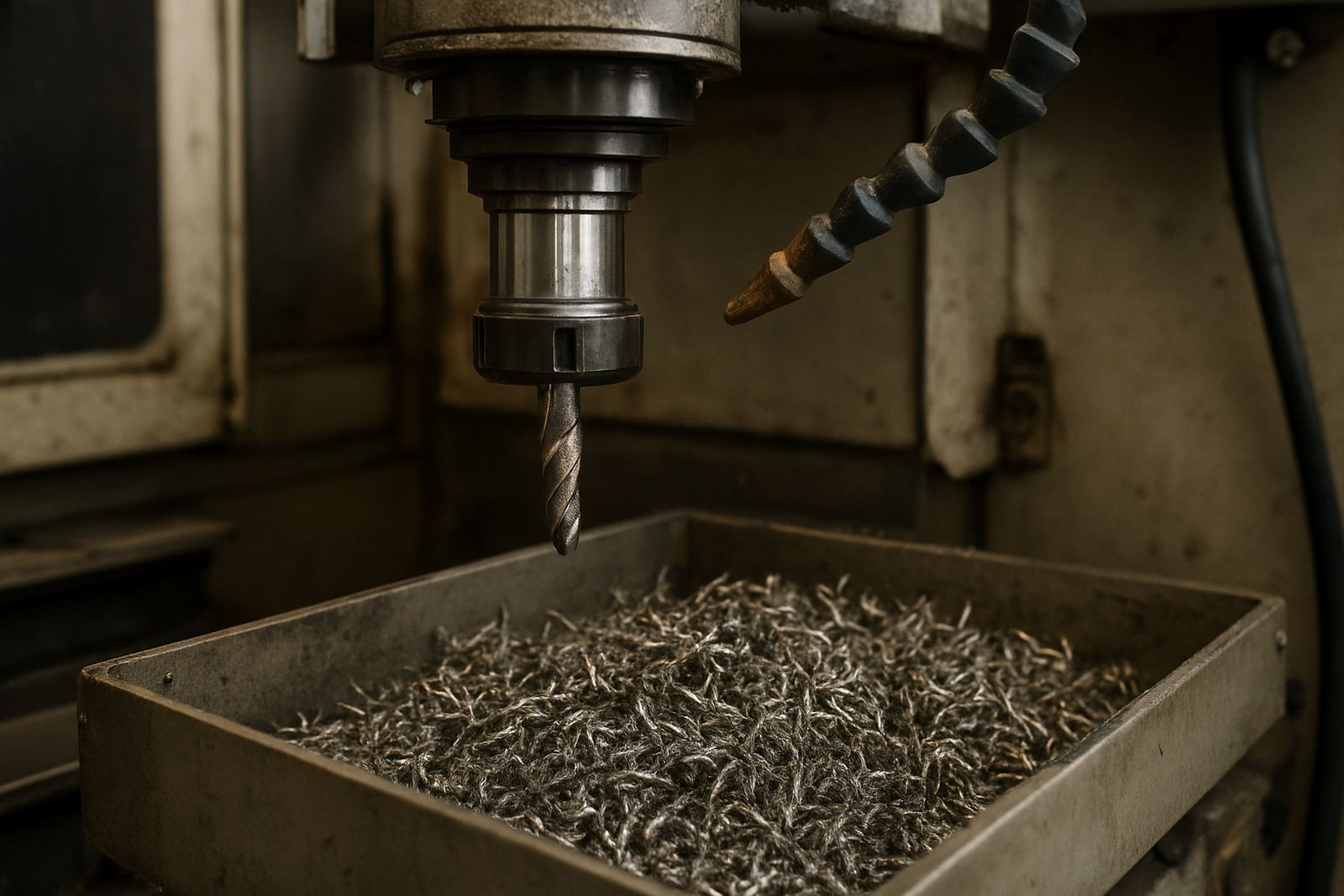
Coolant Through Tools

Coolant Through Tools

Benefits of coolant-through setups for drilling and chip evacuation.

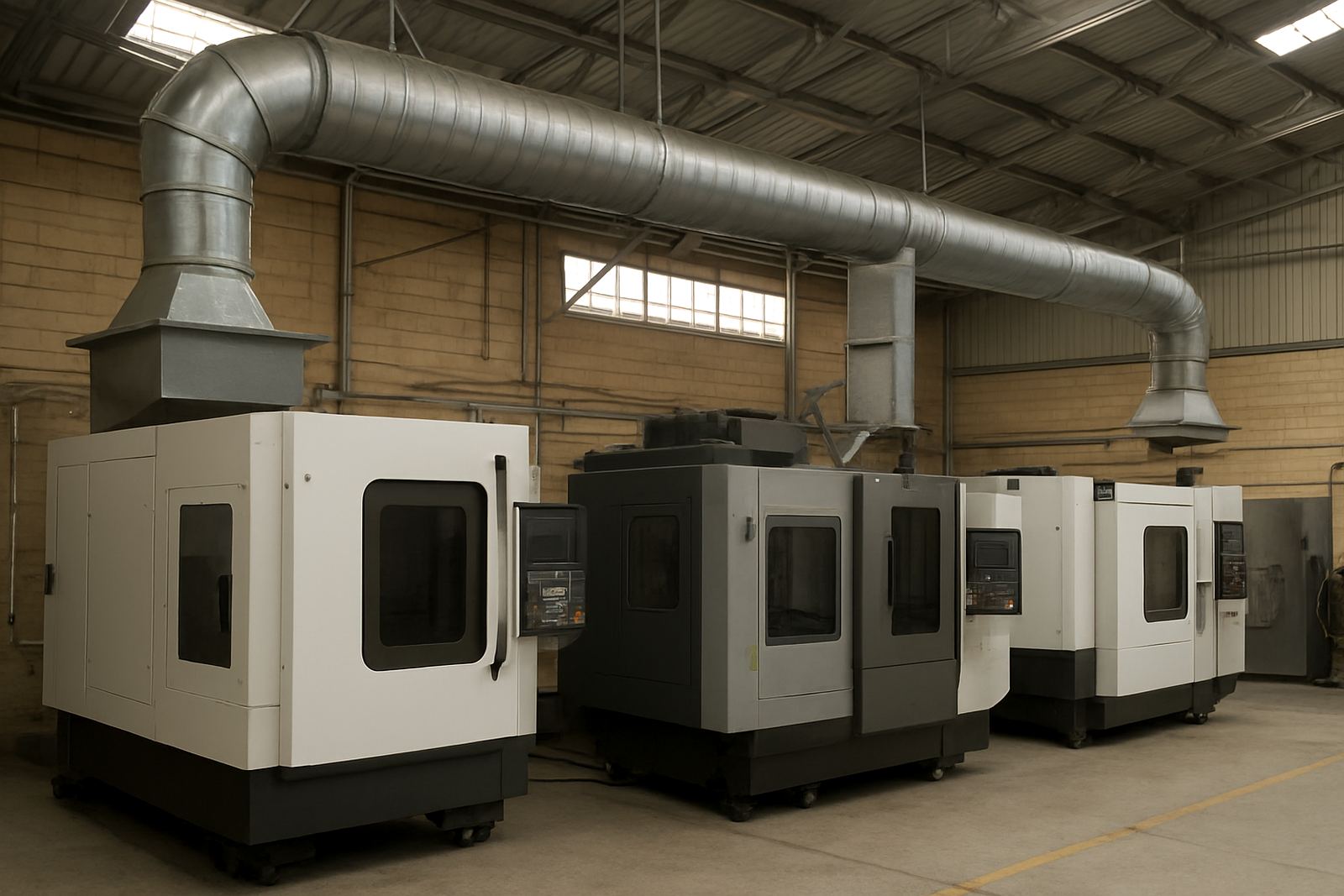
Mist Control Workshops

Mist Control Workshops

Why mist extraction matters for cleaner air and machine area visibility.

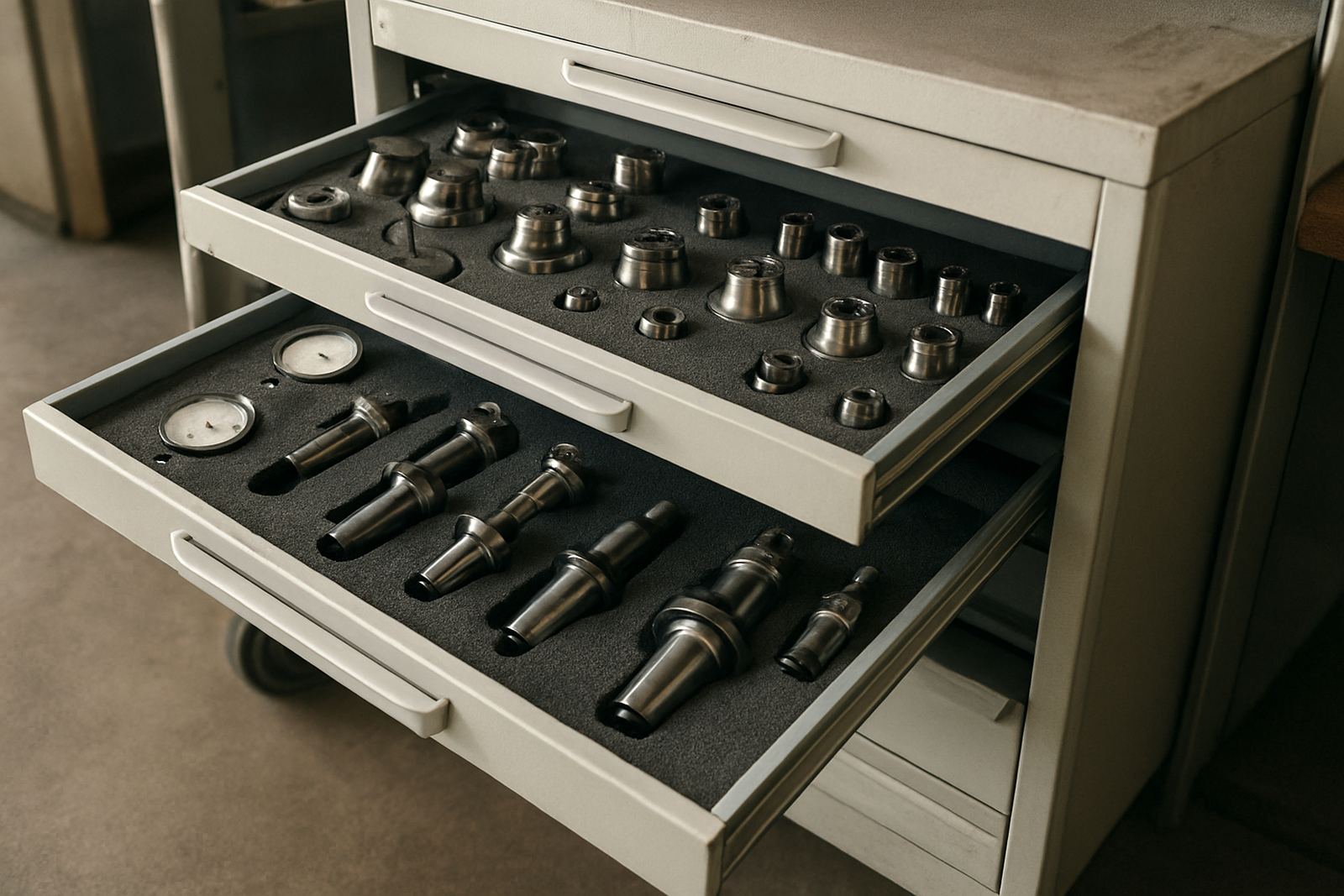
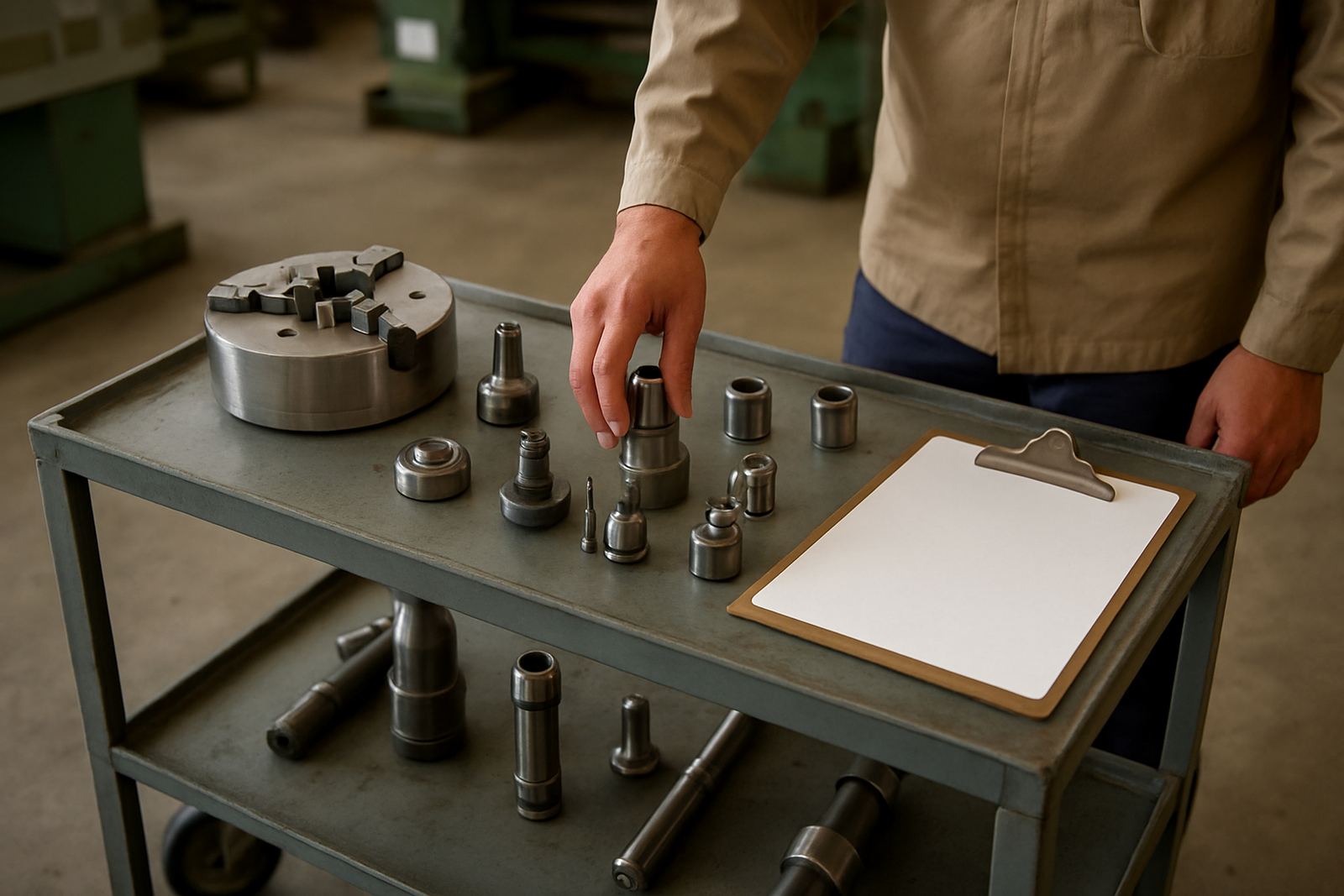
Tool Storage Methods

Tool Storage Methods

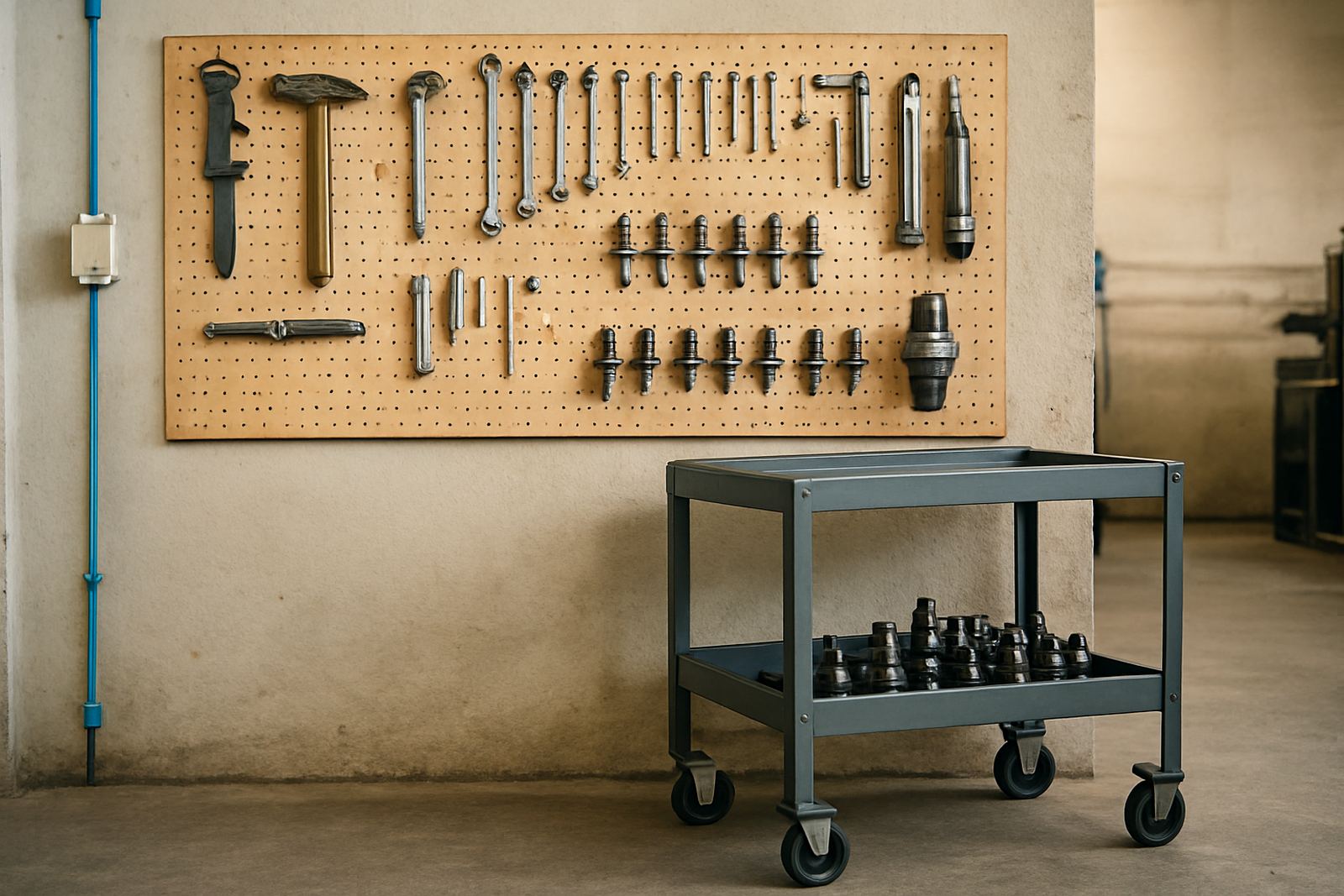
Storage ideas that protect holders, cutters and gauges between jobs.

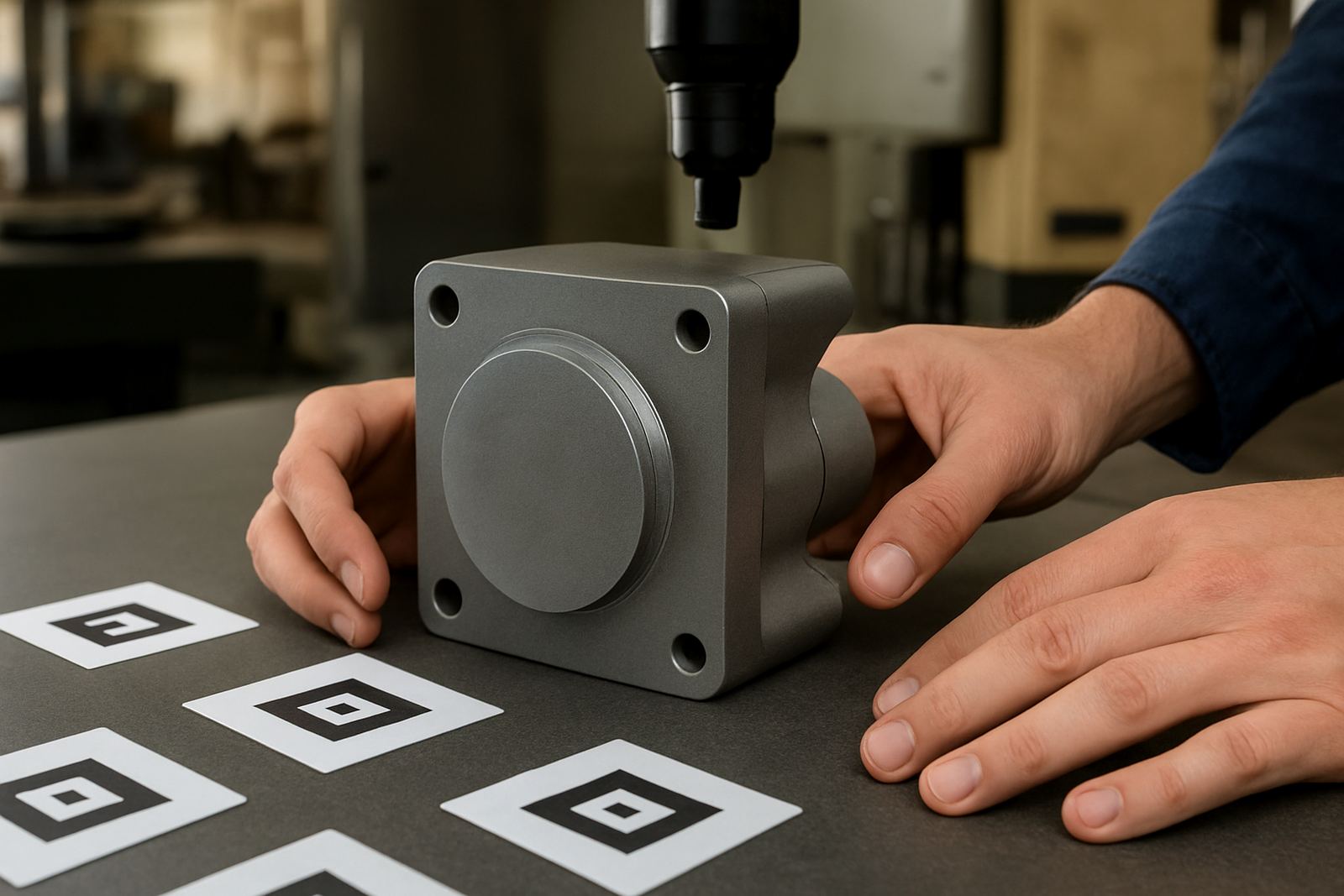
Scanner Prep Parts

Scanner Prep Parts

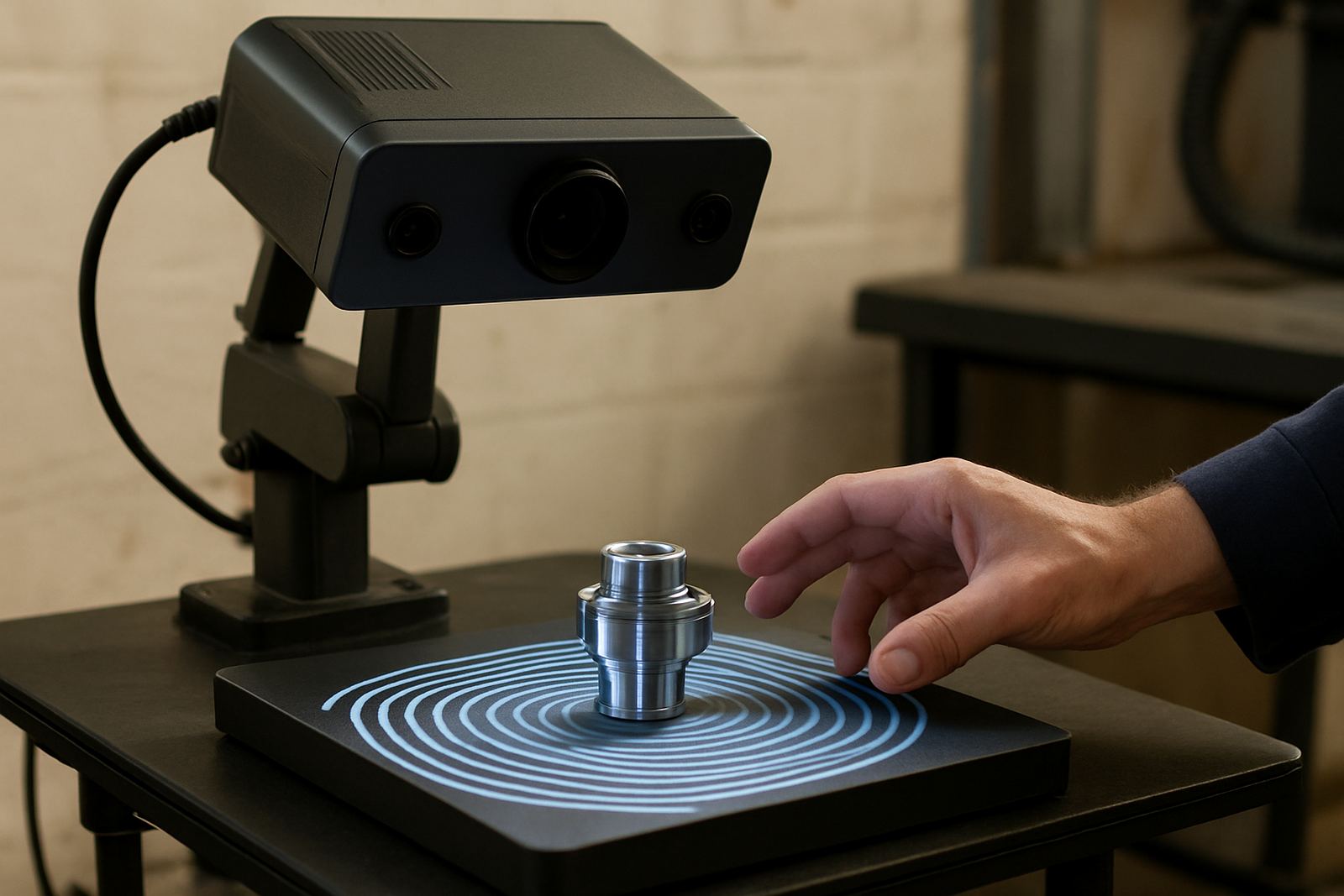
Preparing reflective or worn parts before scanning for better capture quality.

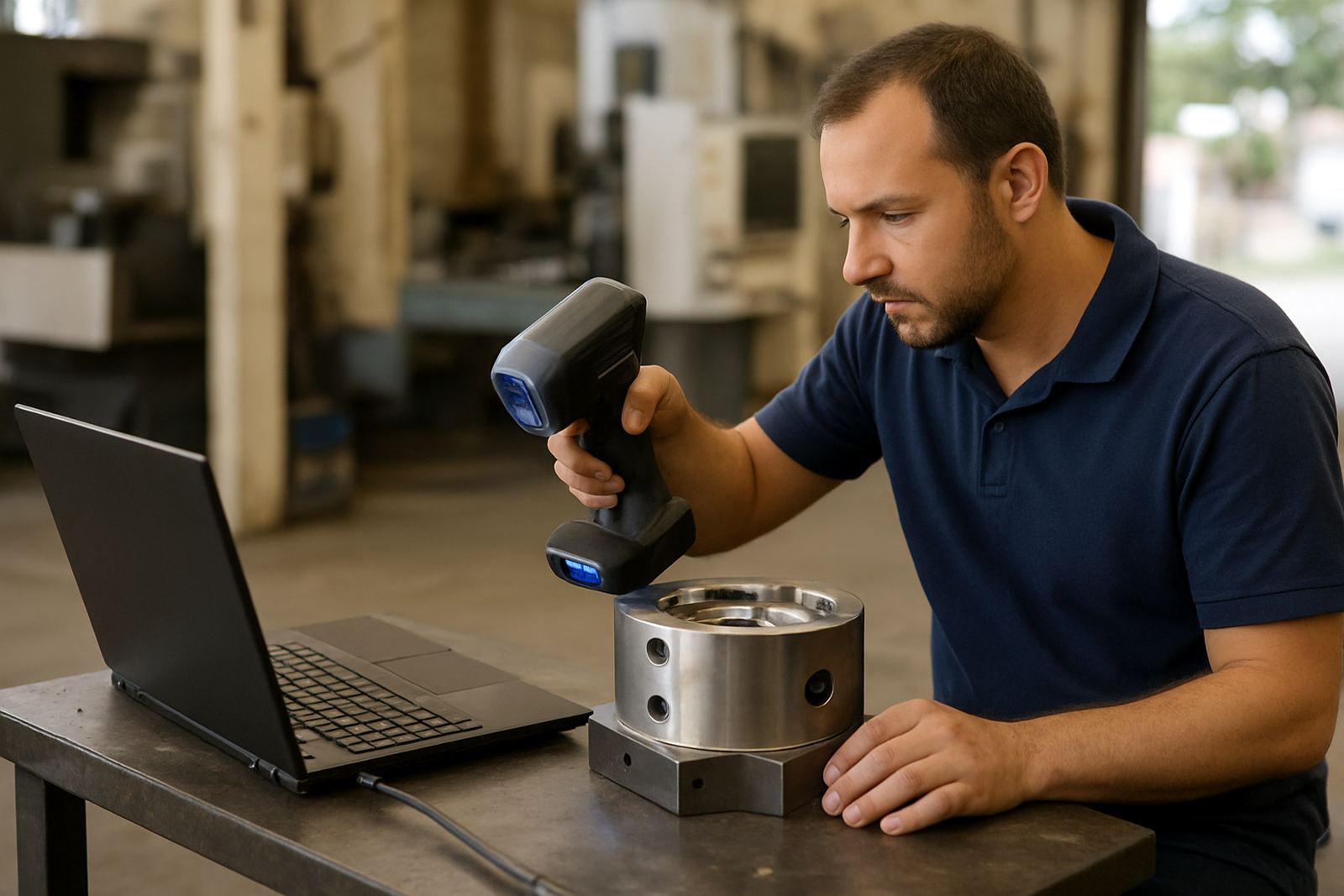
Handheld Scan Workflow

Handheld Scan Workflow

Typical steps from live scanning to usable geometry output.

Desktop Scan Benefits

Desktop Scan Benefits

When a desktop scanner is the better choice for small detailed components.

Reverse Engineering Start

Reverse Engineering Start

A practical starting point for legacy components with no current drawings.

Filament Material Basics

Filament Material Basics

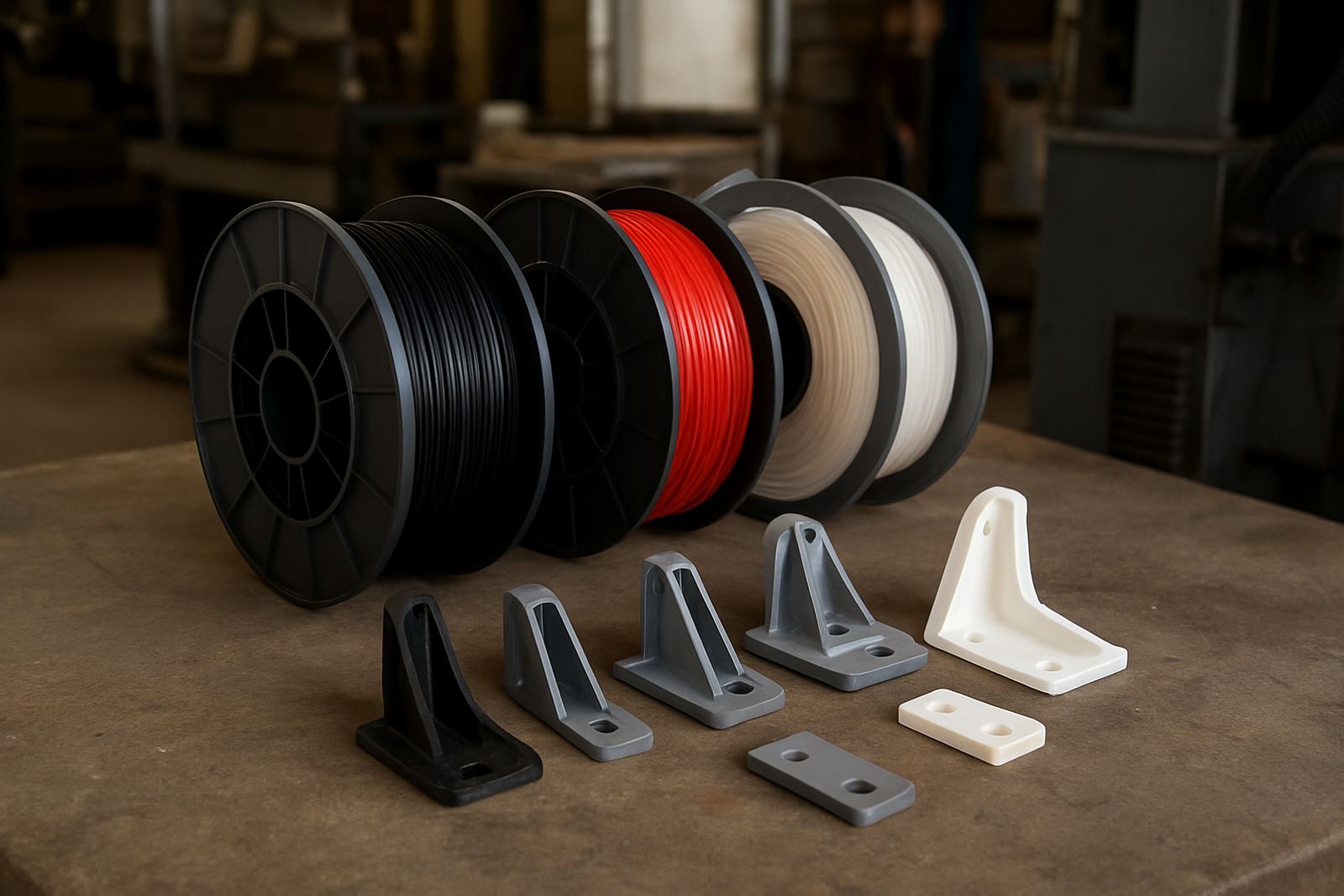
How common filament types differ in rigidity, heat resistance and use.

Resin Print Finish

Resin Print Finish

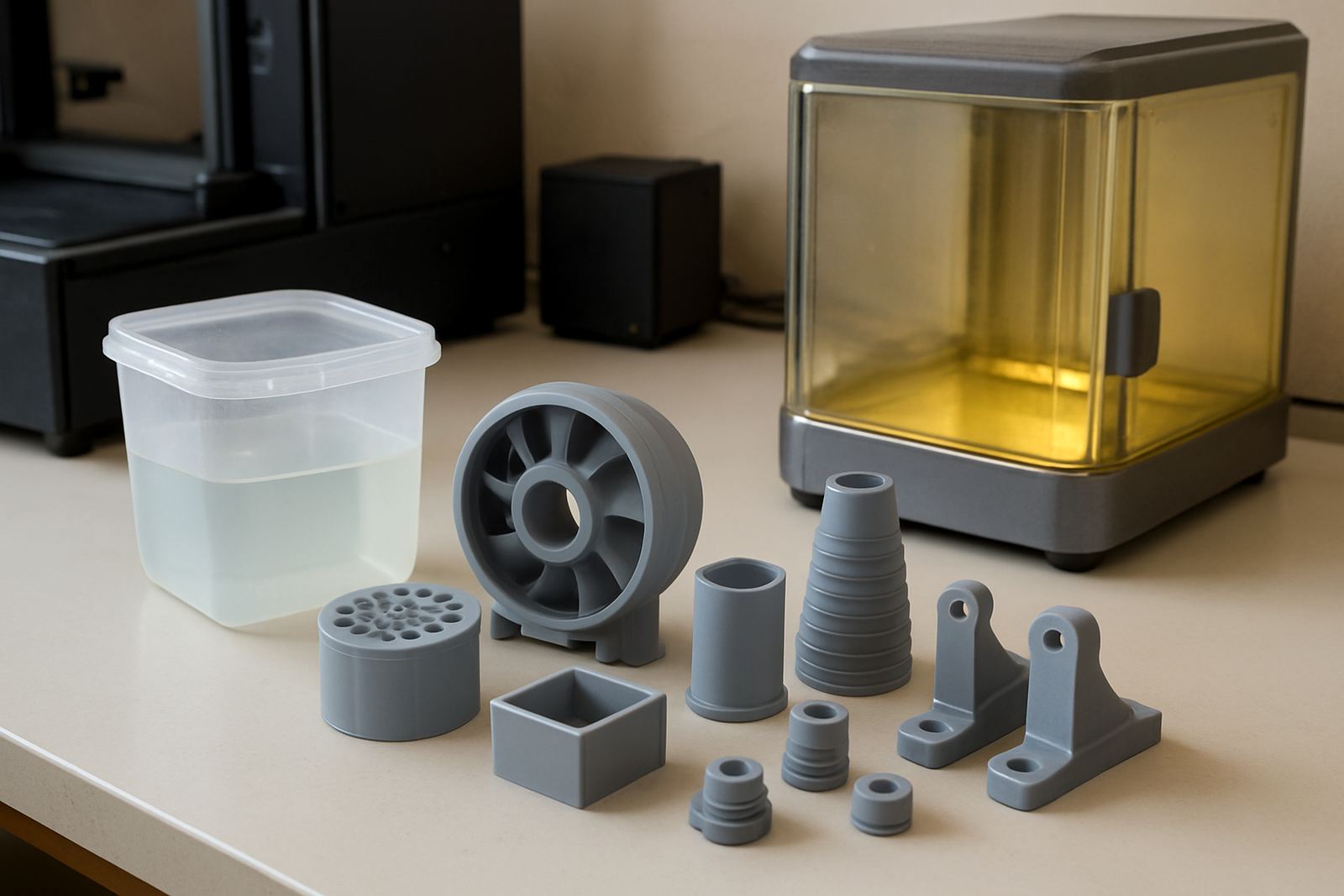
Understanding surface quality, support marks and post-curing requirements.

Printed Jig Design

Printed Jig Design

Design considerations for durable printed jigs used in light production.

Hybrid Fixture Ideas

Hybrid Fixture Ideas

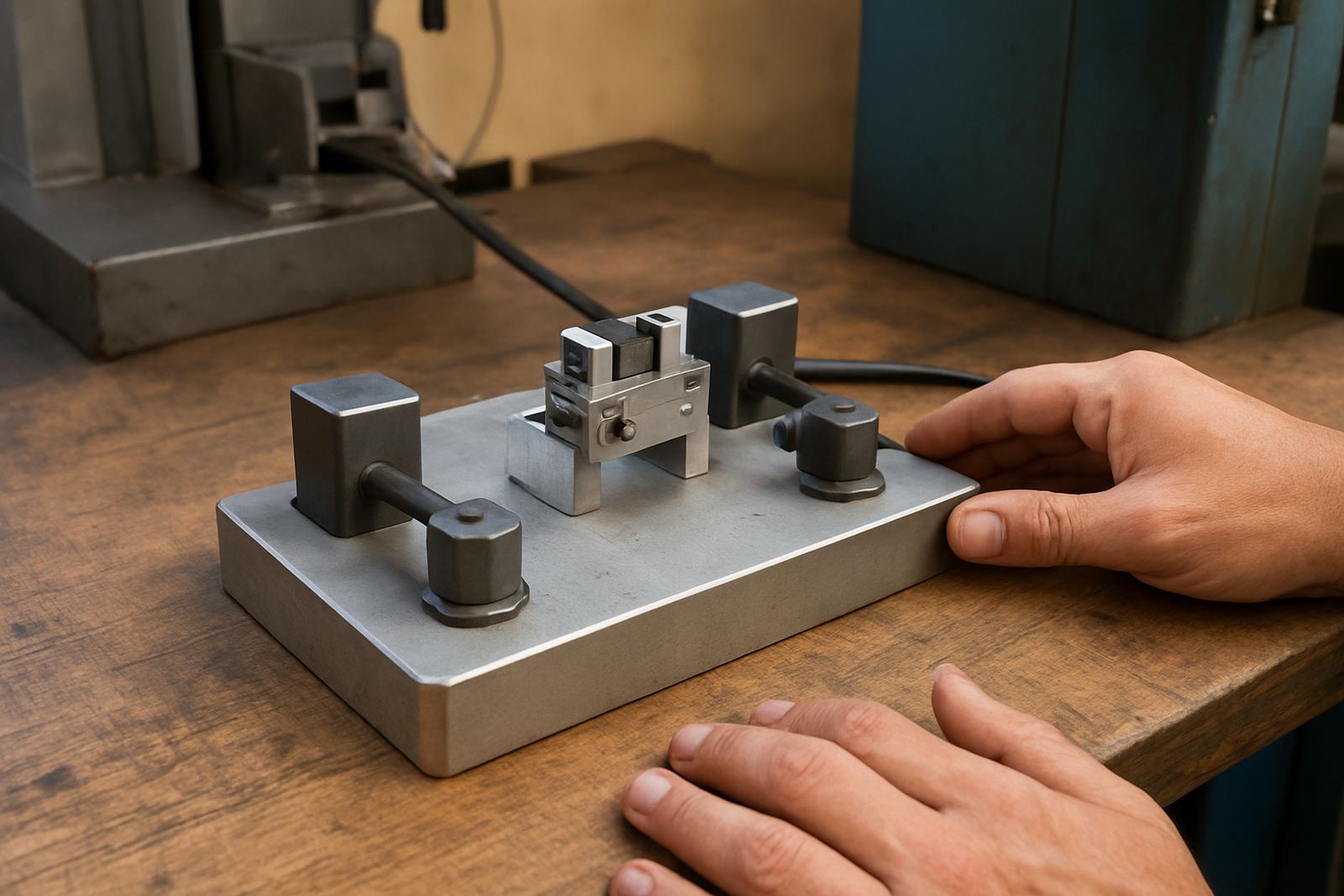
Combining machined bases with printed locators to speed up fixture development.

Five Axis Clamping

Five Axis Clamping

Clamping principles that preserve access during multi-side machining.

Jobbing Shop Efficiency

Jobbing Shop Efficiency

Low-cost improvements that help jobbing shops reduce setup drag.

Batch Changeover Tips

Batch Changeover Tips

Ways to shorten changeovers without compromising setup accuracy.

Thin Part Workholding

Thin Part Workholding

Approaches for clamping thin components without distortion.

Heavy Roughing Holders

Heavy Roughing Holders

Selecting robust holder styles for roughing cuts and interrupted surfaces.

Small Tool Finishing

Small Tool Finishing

Fine finishing considerations when using smaller cutters and lighter engagements.

Datum Setting Basics

Datum Setting Basics

How to establish reliable part datums for repeat jobs and fixture transfers.

Probe Routine Value

Probe Routine Value

Simple probing routines that catch setup mistakes before cutting begins.

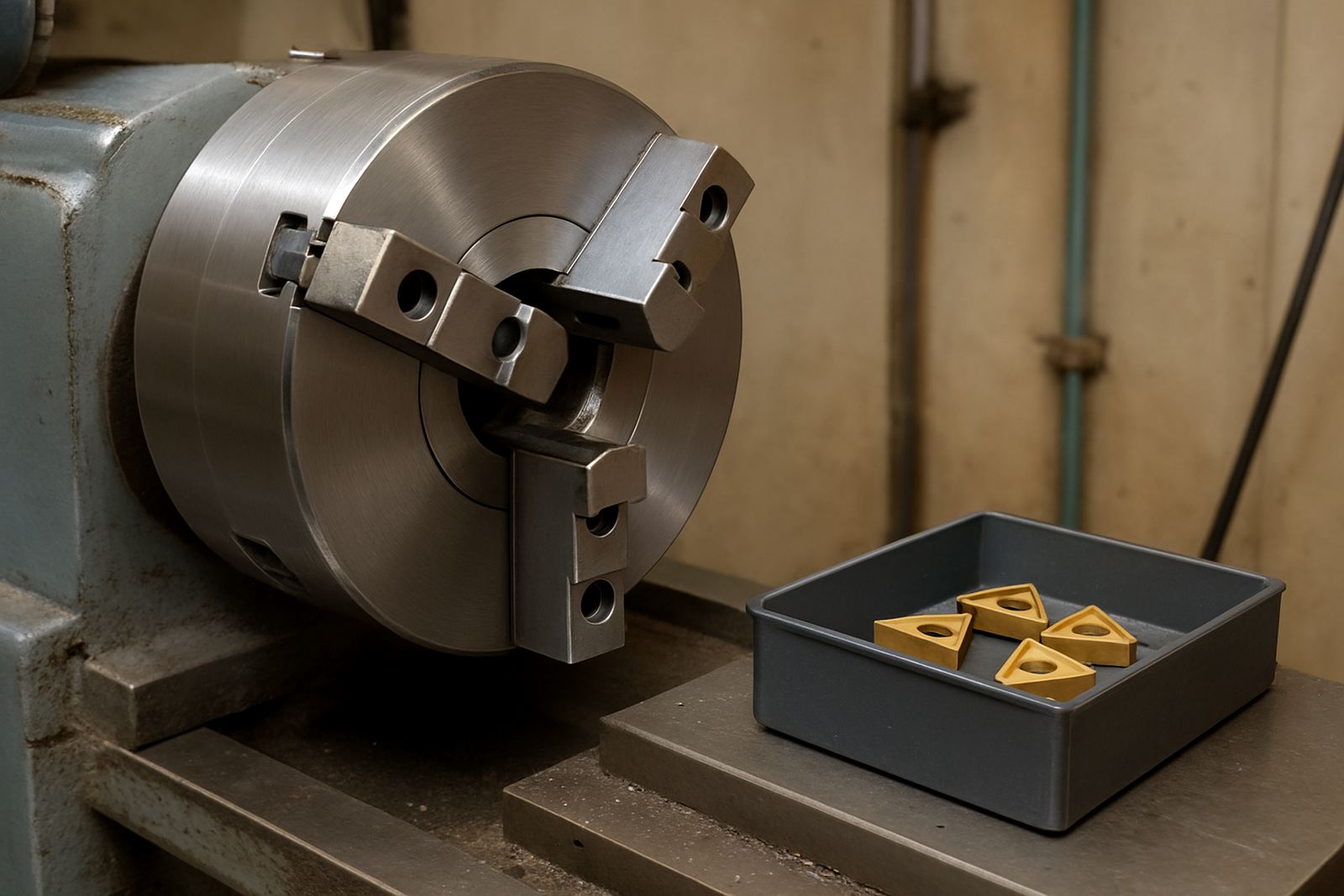
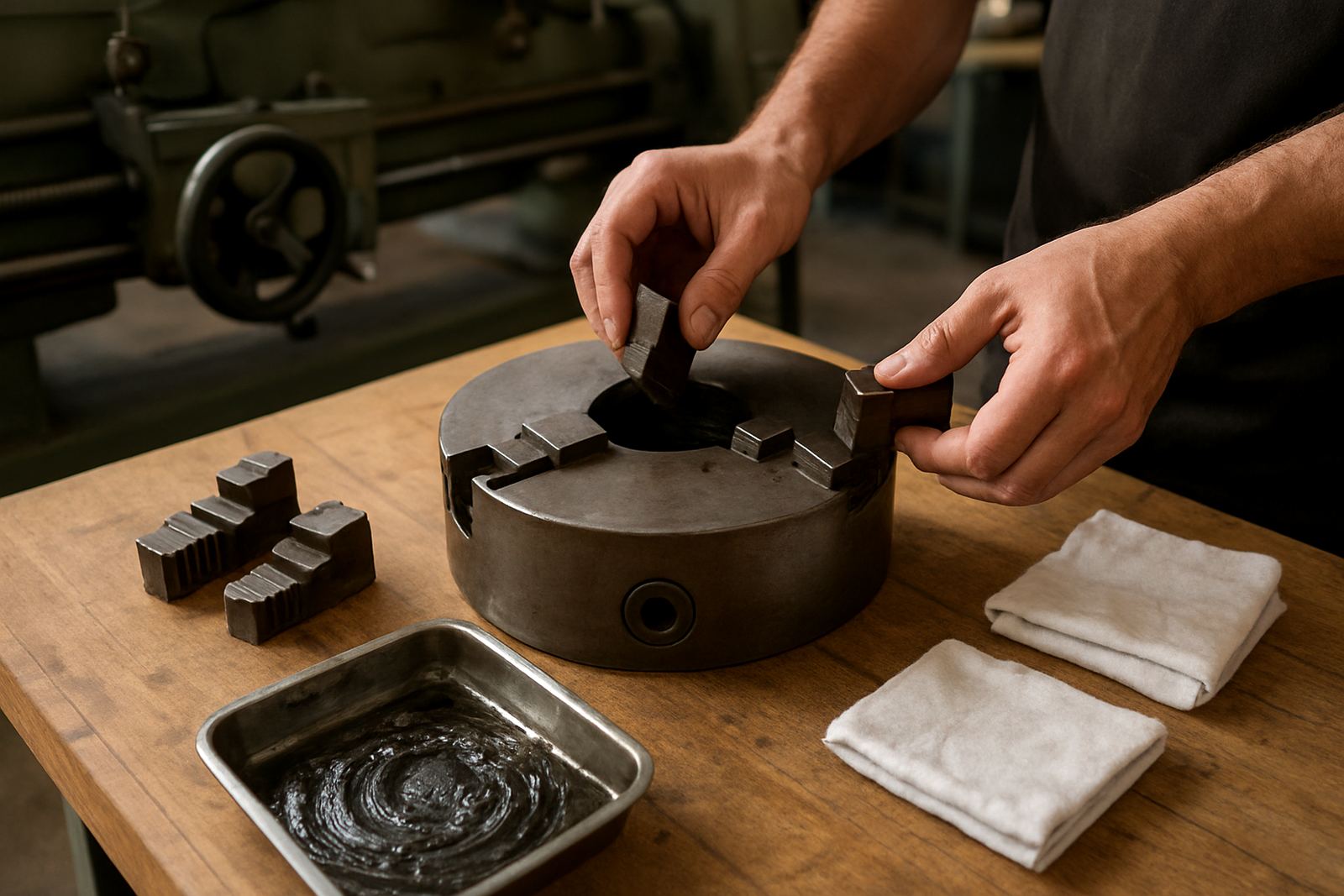
Manual Chuck Care

Manual Chuck Care

Routine cleaning and jaw checks that keep manual chucks dependable.

Power Chuck Safety

Power Chuck Safety

Safety and maintenance points for power chuck use in production turning.

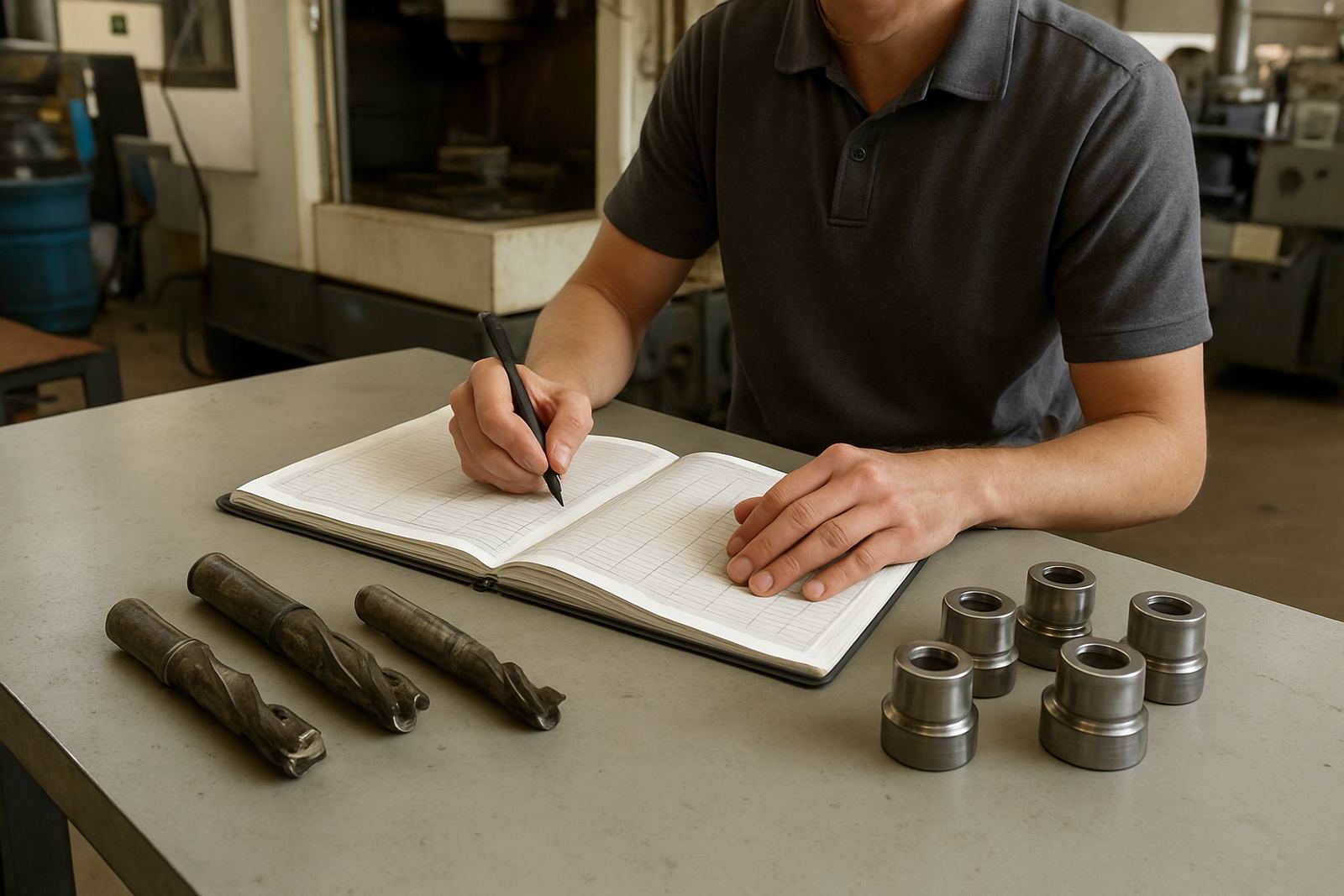
Tool Life Recording

Tool Life Recording

Basic ways to track tool life and spot waste in repeat machining.

Shop Floor 5S

Shop Floor 5S

Applying tidy, repeatable tool organisation principles in machining areas.

Regrind or Replace

Regrind or Replace

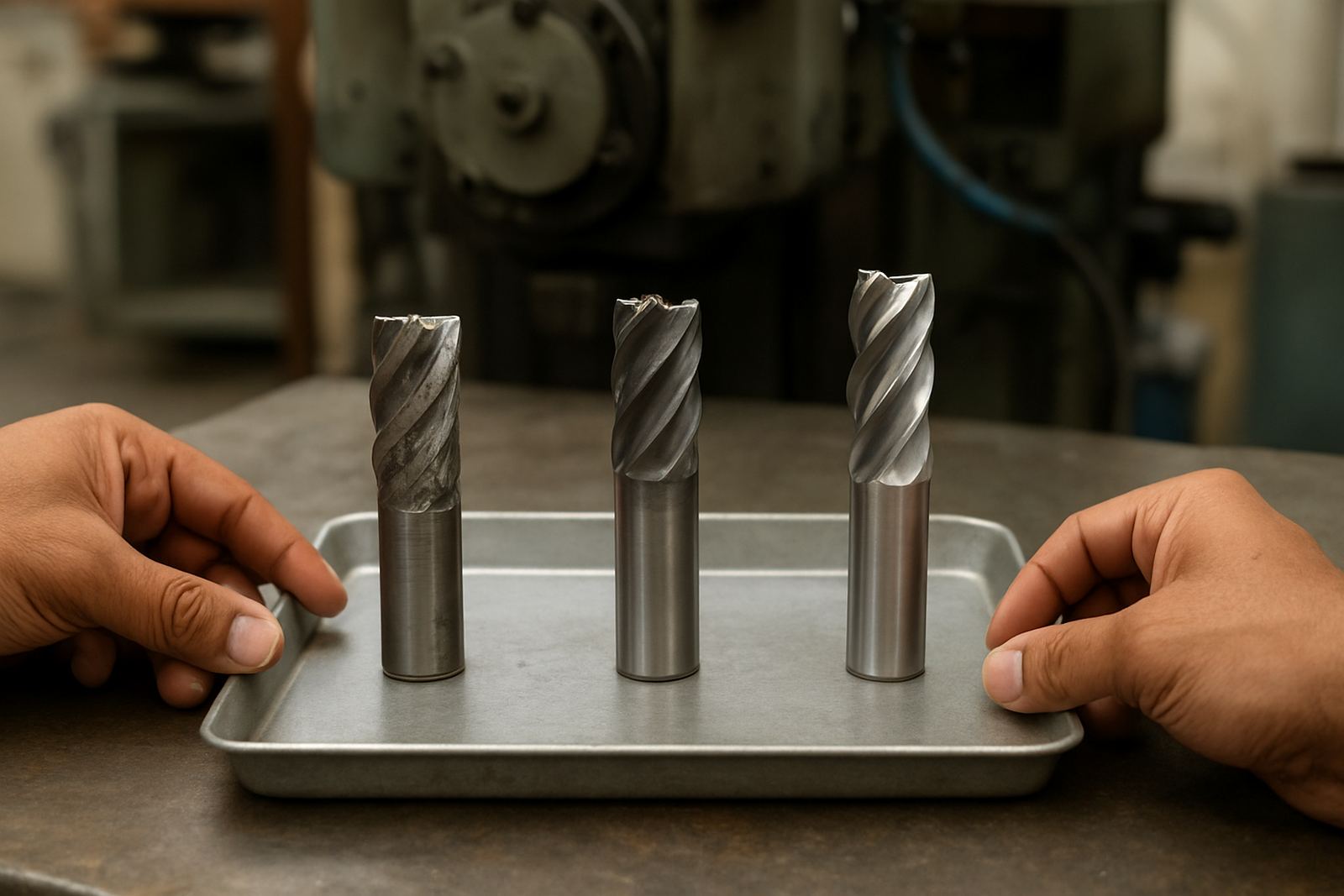
Questions to ask when deciding whether a tool should be reground or retired.

National Supply Planning

National Supply Planning

How shops can order smarter when tooling support comes from a central base.

How to choose the right note for your job

Start with the problem you are trying to solve. If your issue is chatter, poor finish or short tool life, read the notes on toolholding, runout and setup. If the challenge is part verification, changeover time or repeatability across shifts, look at inspection, presetting and alignment. For additive and scanning work, the articles focus on practical use on the shop floor, not theory for the sake of it.

The range is written for machine shops in Gqeberha, Kariega, Despatch and the rest of the country, where downtime is expensive and loadshedding can interrupt a shift without warning. Choose the note that matches your machine, your material and the way the job is actually run. That keeps the reading useful from the first paragraph.

Toolholding, collets and setup discipline

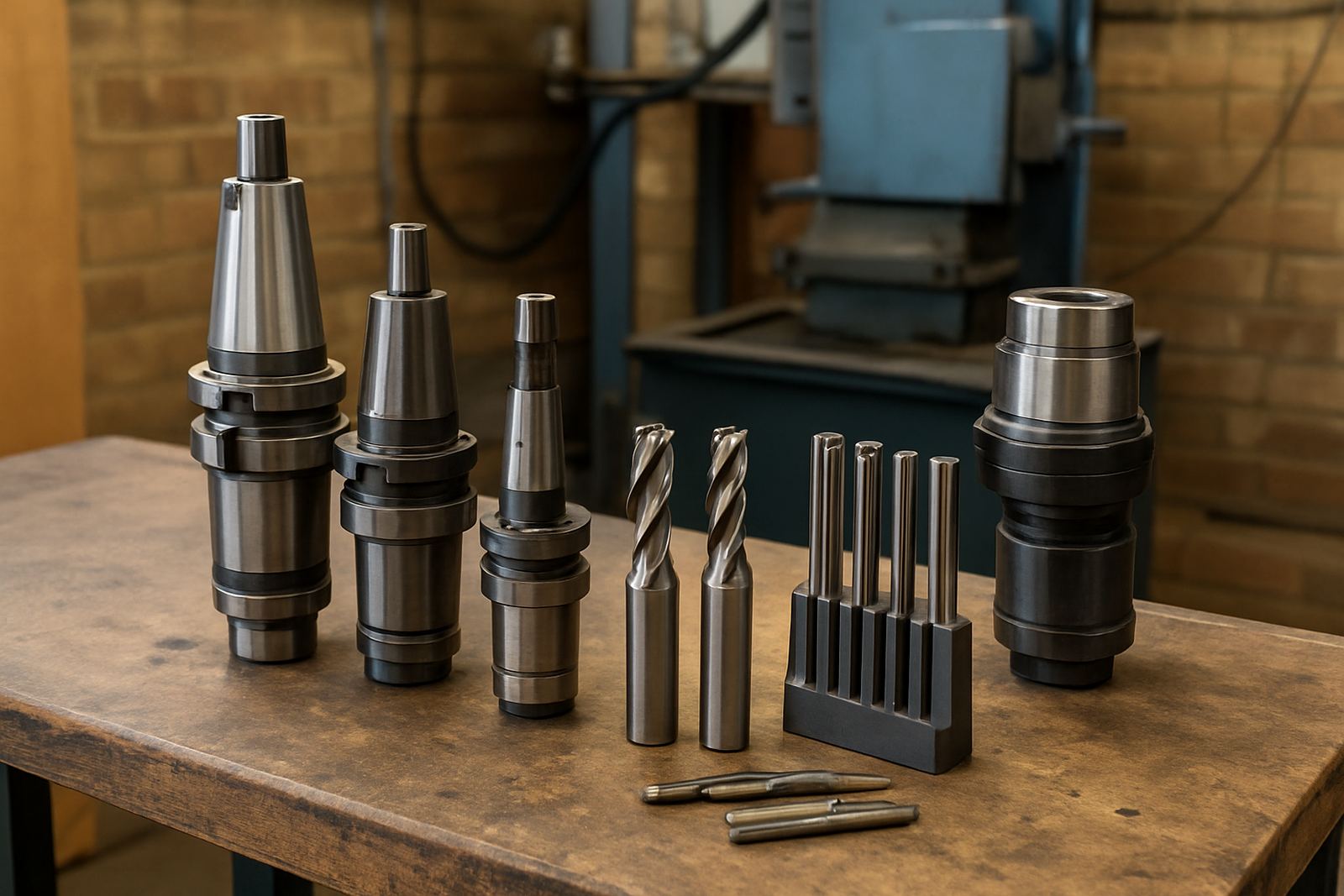
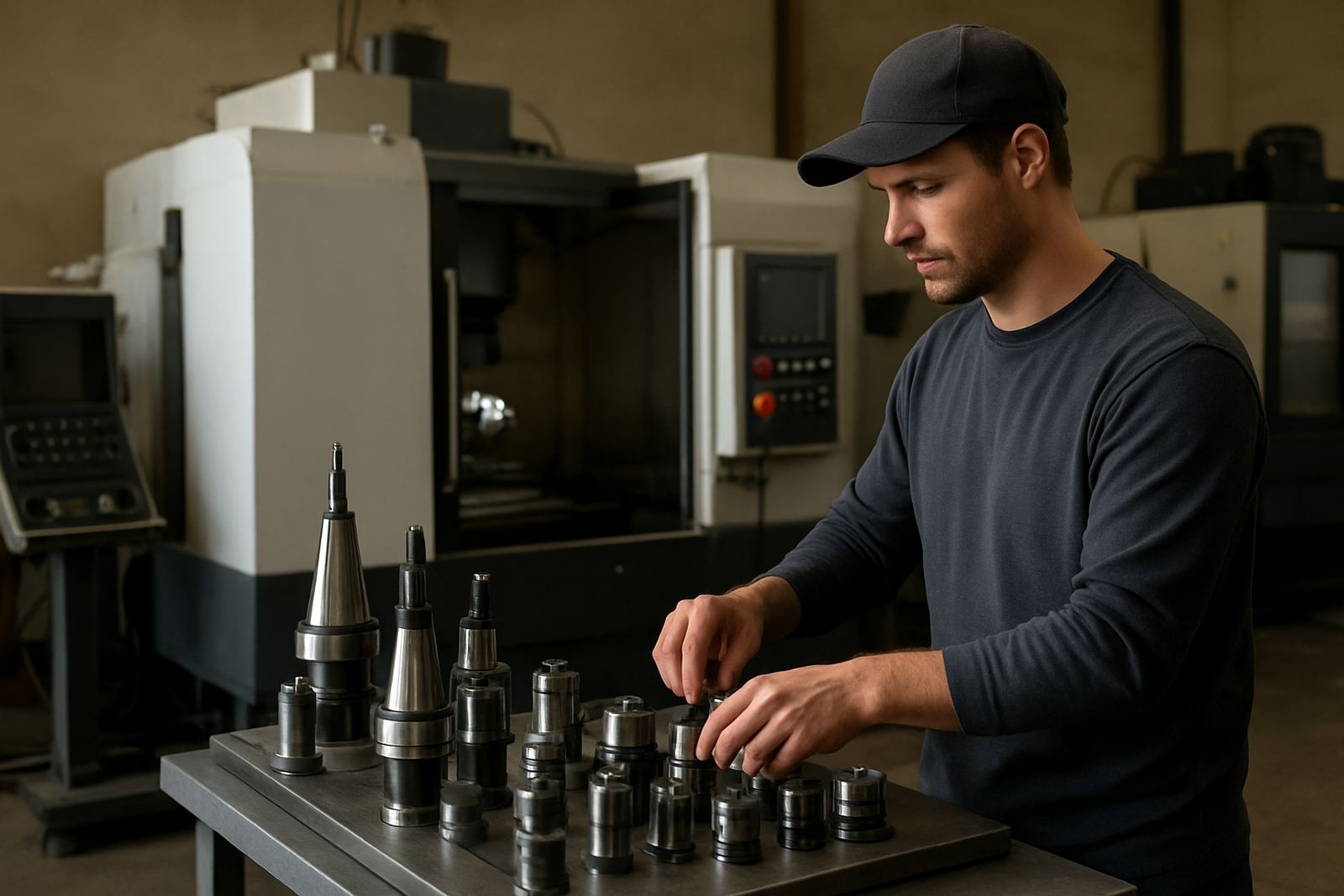
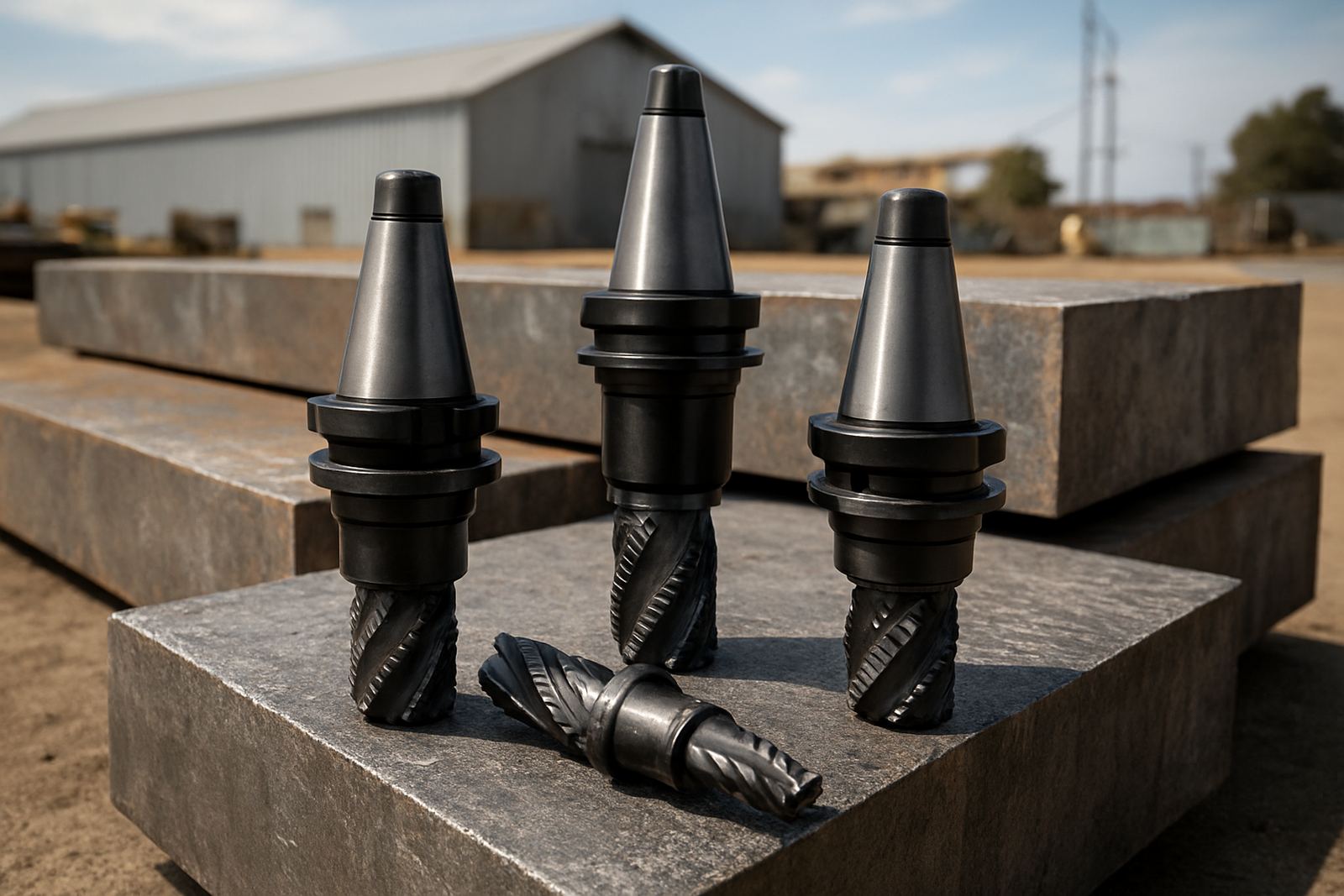
Small setup faults add up quickly on CNC lathes and milling machines. A holder with poor cleanliness, a worn collet or a taper with debris can affect finish, size and tool life. The notes in this section explain practical checks that a setter can do before a run starts, including how to spot wear, how to handle holders safely and when to send parts for inspection.

  • Check tool overhang before blaming the insert or cutter
  • Keep holder tapers, nuts and collets clean and dry
  • Confirm runout before a long batch starts
  • Match the setup to the material, cut depth and spindle speed

Good discipline on the bench often saves more time than a machine adjustment later. A minute spent checking can avoid a lot of scrap, and a bit of swarf inside a taper is enough to throw a job off.

Workholding fixes that improve repeatability

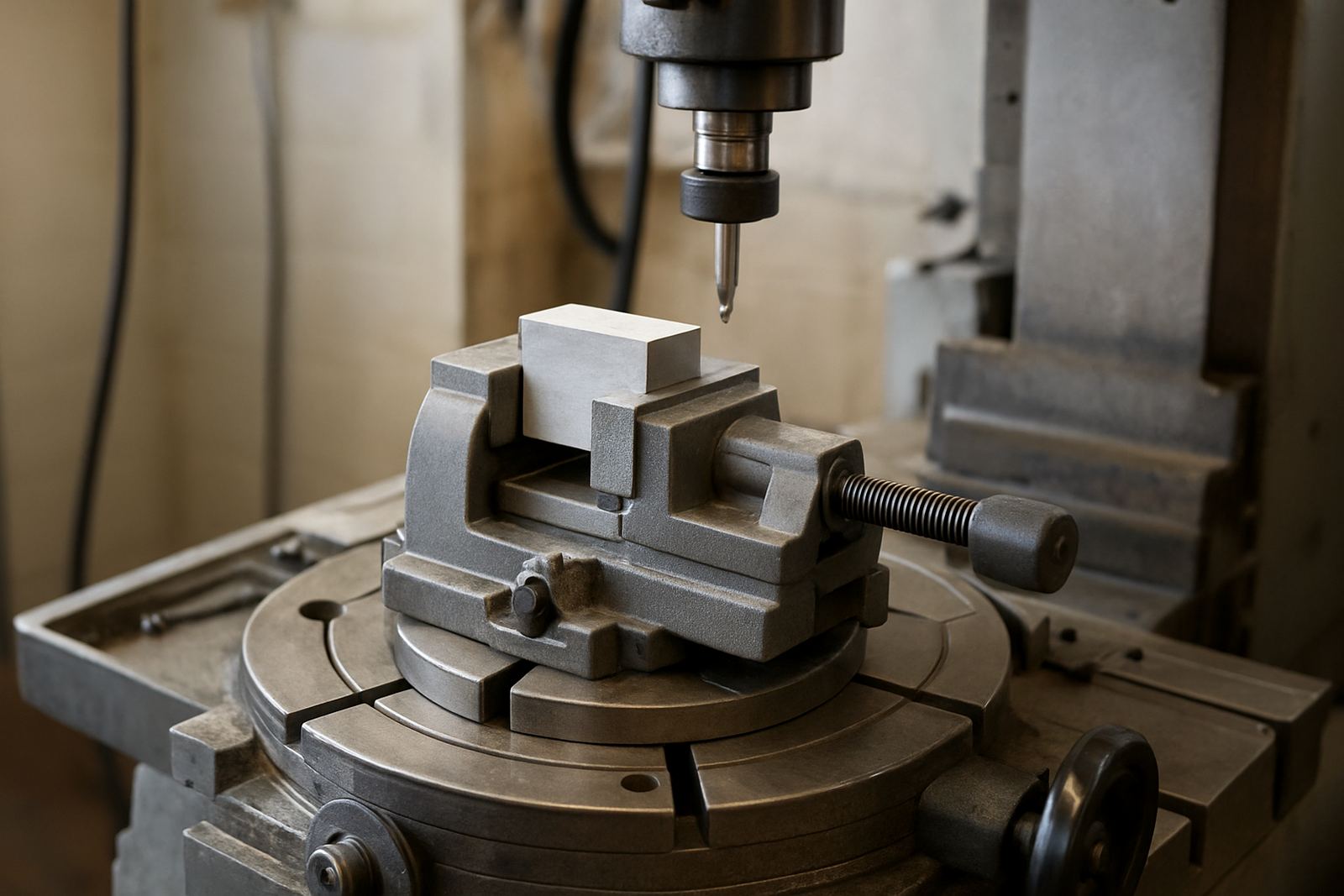
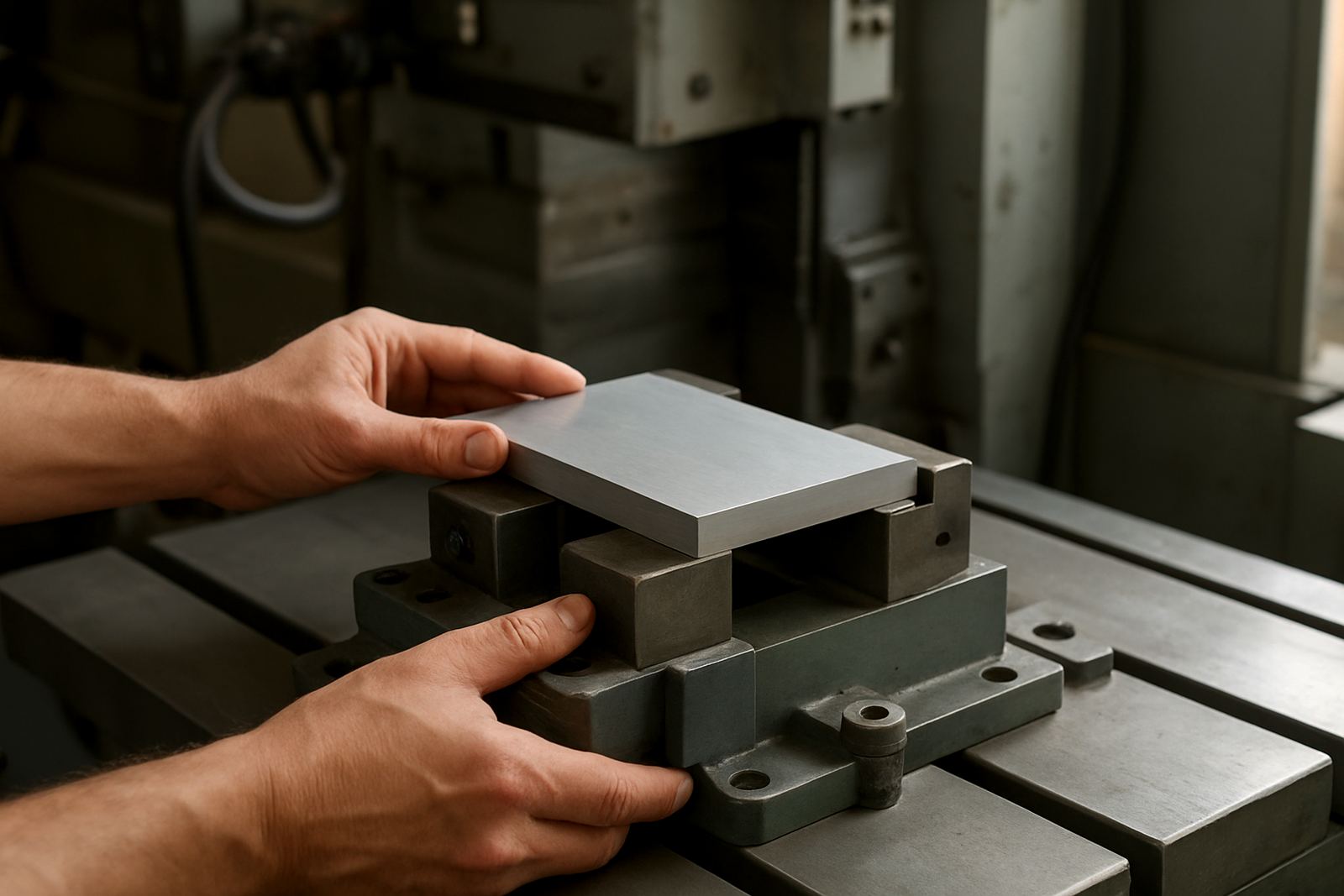
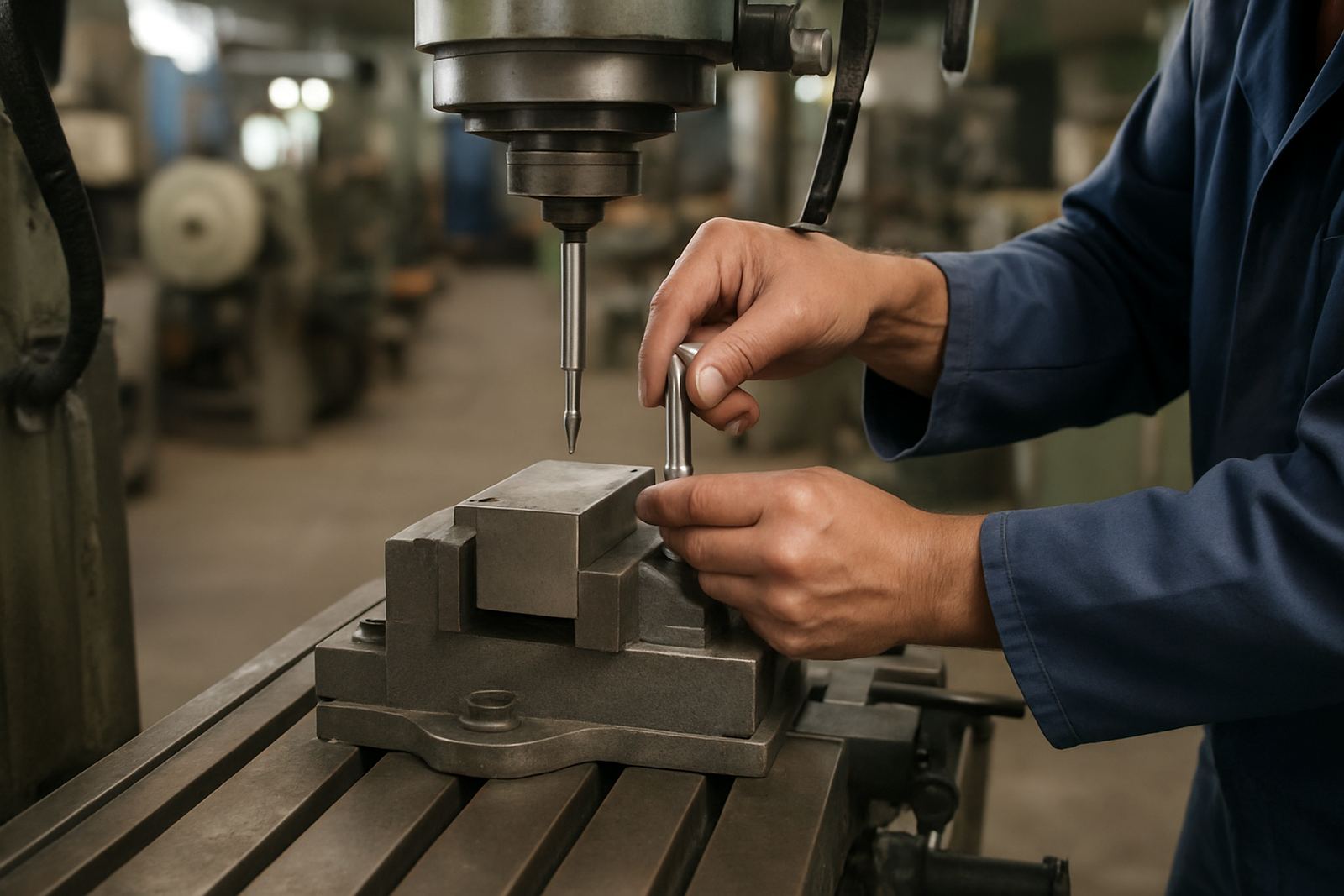
Many production problems come from the workpiece moving, not from the programme. The articles here look at chuck jaw machining, vise alignment and clamping force in a practical way. That matters on mixed batches, especially when the same machine is used for small parts one hour and heavier components the next.

You will also find guidance on when to recheck jaws after a changeover, how to reduce marking on finished faces and how to keep parts seated properly during longer cycles. In coastal areas around Gqeberha, humidity can affect surface condition and storage, so the notes also touch on handling and protection. It is simple work, but it helps a lot.

Presetting and inspection before production starts

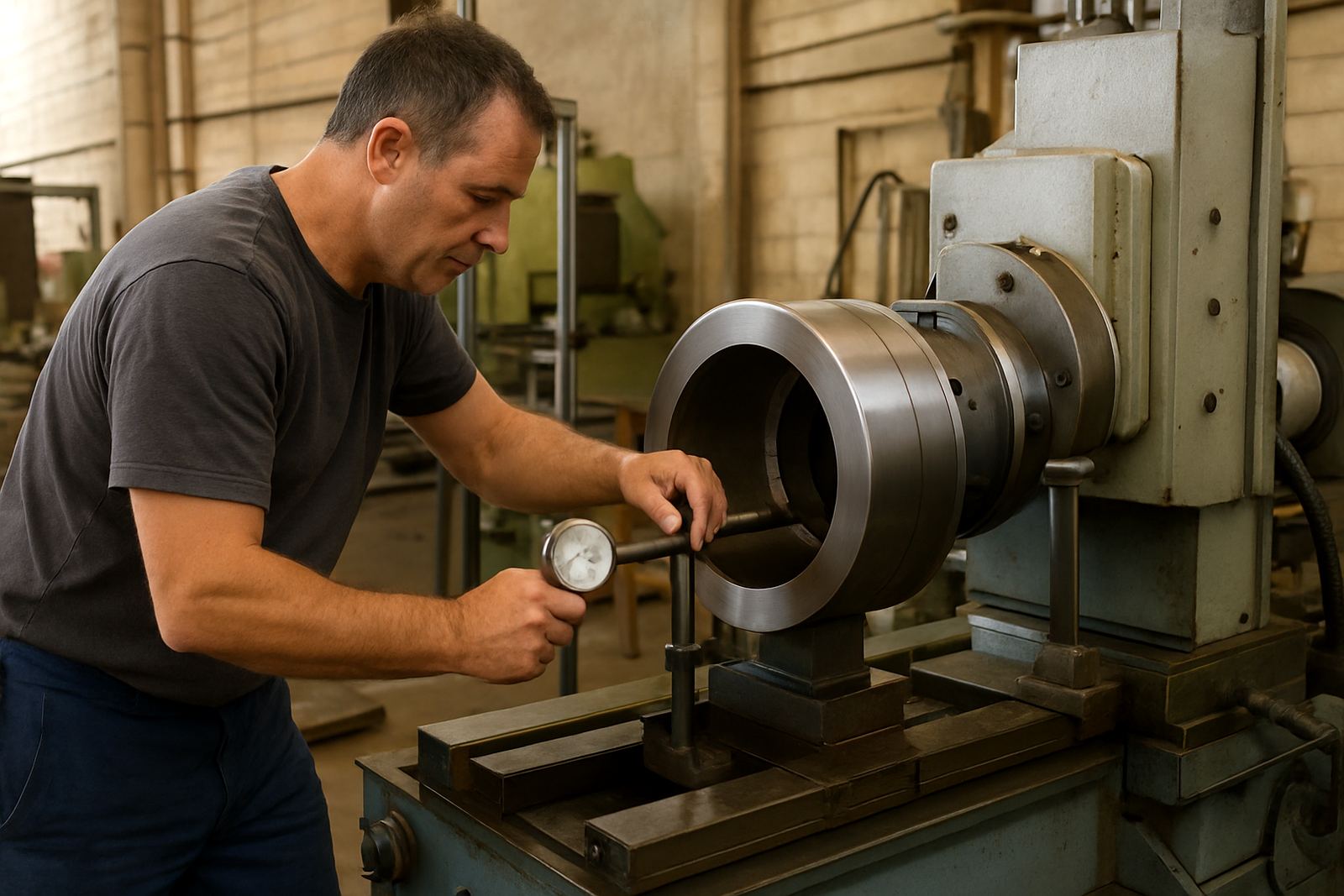
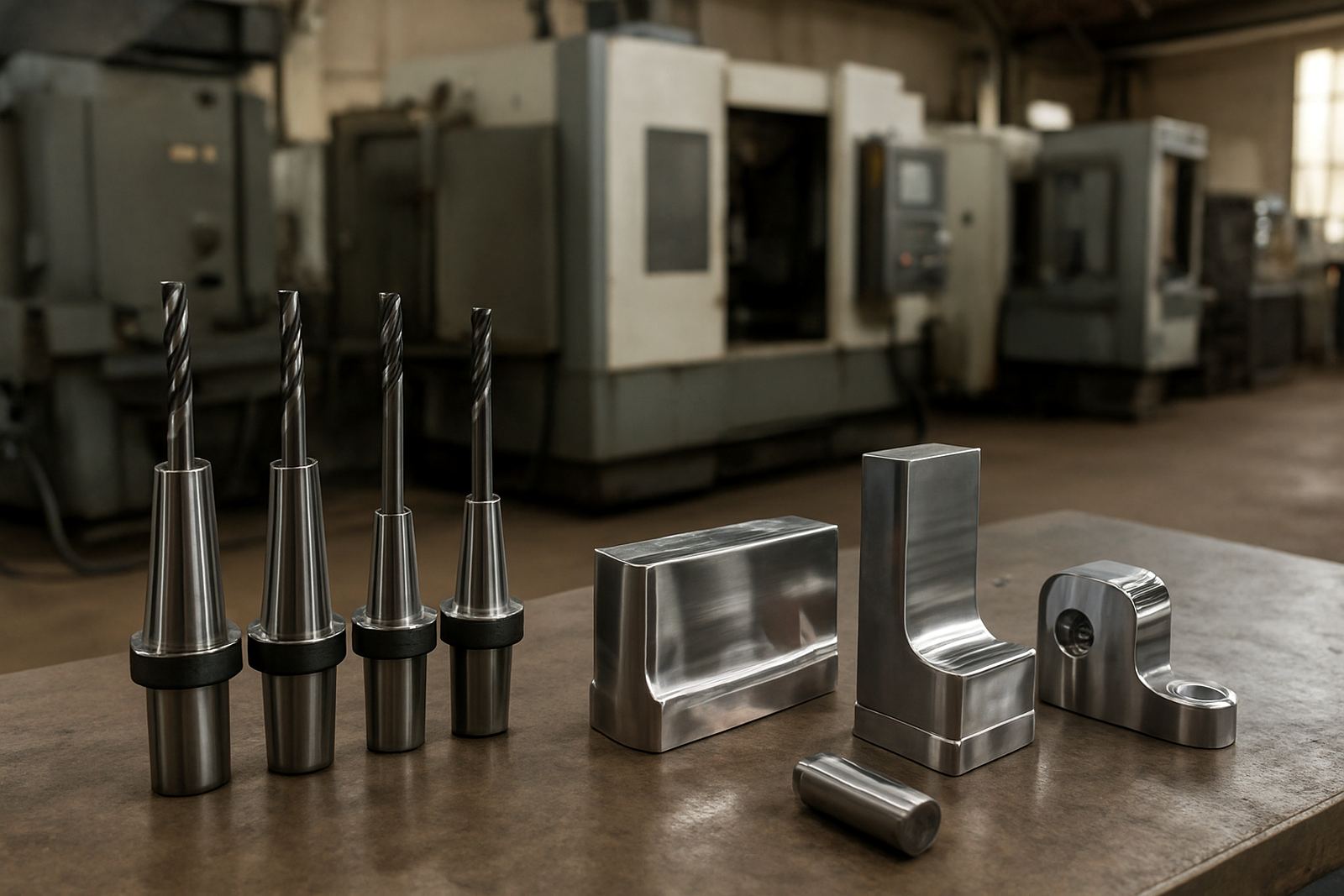
Presetting and inspection are not only for high volume plants. They are useful on short runs where every setup needs to be right first time. The notes explain how presetting shortens machine downtime, how to verify tool lengths outside the machine and how to confirm that a cutter is ready for the next job.

  • Reduce first-off errors by checking tools before loading
  • Use inspection notes to catch wear before it becomes scrap
  • Record repeat setups so the next shift starts faster
  • Keep a simple routine for holders, gauges and sockets

In a busy shop, a steady process beats guesswork. When the team knows what to check and in what order, the machine starts cutting sooner and the supervisor gets fewer surprises at the end of the shift. That is the point of the technical notes here.

3D printing and scanning in the workshop

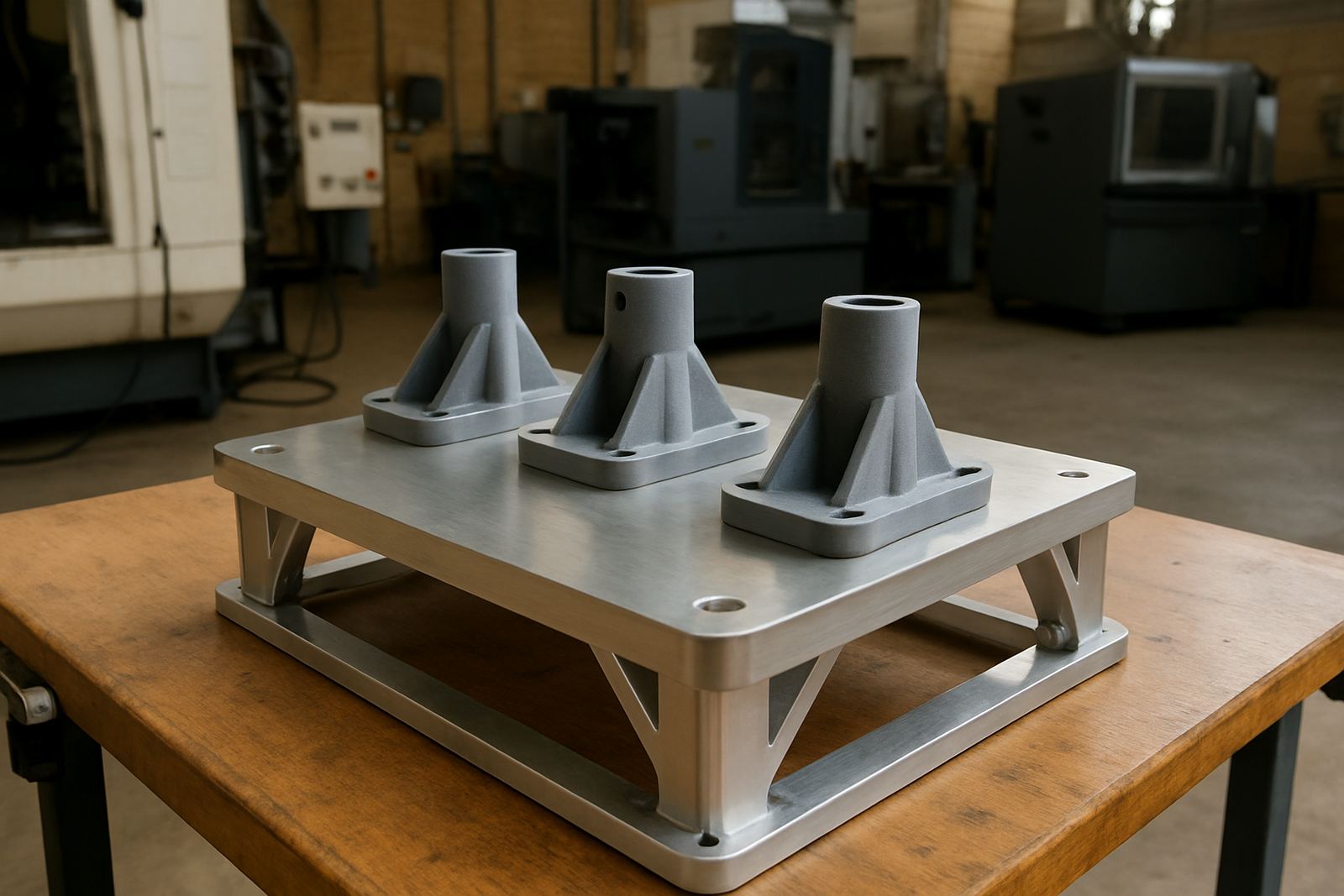
Scanning and printing are useful when a shop needs fast checking, fixture support or a shape that would take too long to machine from solid. The notes explain where these tools fit into day to day production, especially when a customer needs a quick turnaround and the job must still hold size.

Topics include scanner calibration, printer maintenance and practical handling of printed parts. The focus is on what works in a manufacturing bay, not a lab. For many South African workshops, that means keeping equipment ready despite dust, heat and power interruptions. A machine that is maintained properly will give steadier results, and that saves time on follow-up work.

Keeping machines ready for the next shift

Service notes cover the tasks that stop small problems becoming bigger ones. Tool regrinding, holder cleaning, runout checks and collection and delivery all support the same goal: keeping production moving. The articles explain what to watch for, what can be done in-house and when a part should be sent out for proper attention.

For factories in Struandale, Markman, Coega and the Port Elizabeth CBD, this practical approach matters because transport, shift timing and municipal conditions can all affect a day’s output. A workshop that keeps a clear routine can hold tolerance better and waste less material, which is always worth it.

Questions we get asked

Who are these technical notes written for?

They are written for setters, operators, production managers and workshop teams who need practical machining guidance for real shop conditions.

Do the articles cover CNC, scanning and 3D printing?

Yes. The notes cover CNC setup, toolholding, workholding, inspection, scanning and 3D printing topics that support production work.

Can these notes help with repeatability and setup time?

Yes. The focus is on better preparation, cleaner handling, checking runout and improving the steps that affect repeatability and changeover time.

Planning something? Send the team a message.

Contact form