
Why power chuck safety starts before the first part runs
A power chuck is not just a clamping device, it is part of the safety system on the lathe. In production turning, the chuck has to grip repeatably, release cleanly and hold true when the machine is running at speed. If jaws are worn, dirt builds up under the work or the draw force is wrong, the setup can lose grip without warning.
In South African machine shops, this matters even more because many plants run mixed shifts, load-shedding recovery, and quick changeovers between jobs. A chuck that worked on the last batch can become a problem on the next one if the operator assumes everything is still correct. Good safety is about consistency, not luck.
Power chuck care also links directly to surface finish and tool life. When the workpiece is not properly centred or supported, the insert takes more shock and the machine starts chasing vibration. That means more scrap, more downtime, and more risk to the operator standing at the front of the machine.
Daily checks that should never be skipped
Before starting a run, the operator should check the chuck, jaws and mounting area for chips, coolant build-up and scoring. A few chips trapped under a soft jaw can throw the part out of line, and a smear of swarf in the scroll area can affect how evenly the chuck closes. That is simple but it gets missed often on busy shifts.
- Inspect the chuck face and jaw seats for swarf, dings and wear.
- Check that the jaw numbers or positions match the intended setup.
- Confirm the clamping pressure is within the machine maker’s setting.
- Look for oil leaks, loose fittings or damaged air and hydraulic lines.
- Test the part grip with a light pull before full production starts.
If the machine uses hydraulic or pneumatic actuation, the supply should be checked as part of the morning routine. Pressure that is too low will reduce grip, while pressure that is too high can mark the part or overload the chuck. Either way, the setup is no good if the settings are being guessed.
Jaw condition, gripping length and safe clamping practice
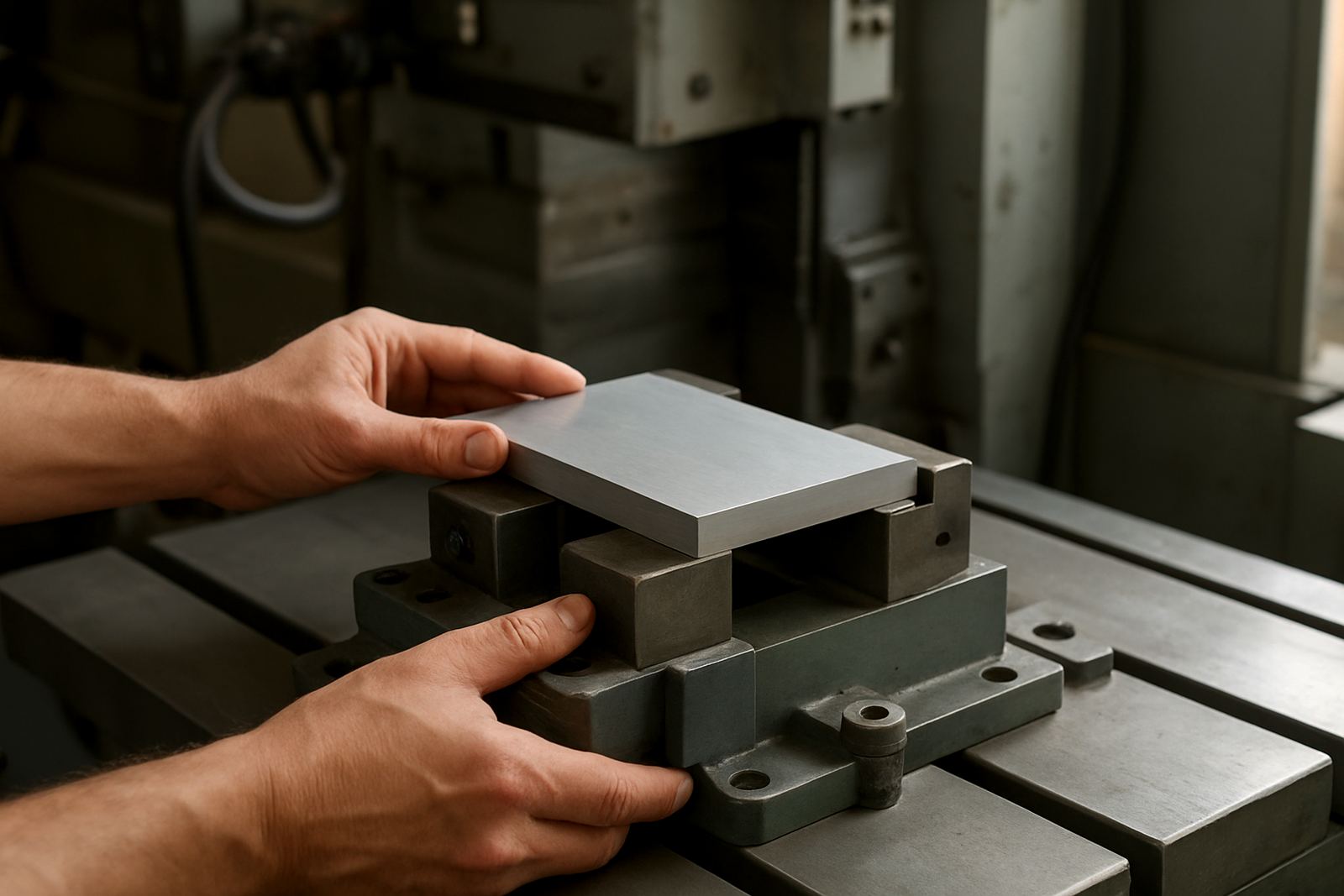
Jaws wear in production, especially where the same part is run day after day. Once the gripping faces have grooves, bell-mouth wear or damaged serrations, the chuck may still close but it will not hold the work evenly. That can be dangerous on bar work, thin-wall components and longer shafts where the overhang is already high.
Use the correct jaw type for the job and make sure the gripping length is long enough for the part. Short engagement is a risk, especially on harder materials or when the cut is interrupted. If the job needs a custom soft jaw bore, the work should be machined in the same clamping condition that will be used in production, not by eye.
- Do not clamp on damaged or dirty gripping surfaces.
- Keep the part fully supported where the job allows it.
- Use the minimum overhang practical for the cut.
- Recheck grip after the first few parts, especially on new setups.
On some jobs a quick visual check is not enough. The part can feel tight by hand yet still move when the spindle comes up to speed. That is why experienced setters use repeatable clamping habits and do not rush the first-off inspection, even when the job is urgent.
Runout control and why it matters for safety
Runout is often treated as a quality issue, but it is also a safety issue. If the chuck or jaws are not concentric, the part starts to orbit around the spindle line and the cutting forces rise. That extra load can loosen a marginal setup, increase vibration and make the chuck work harder than it should.
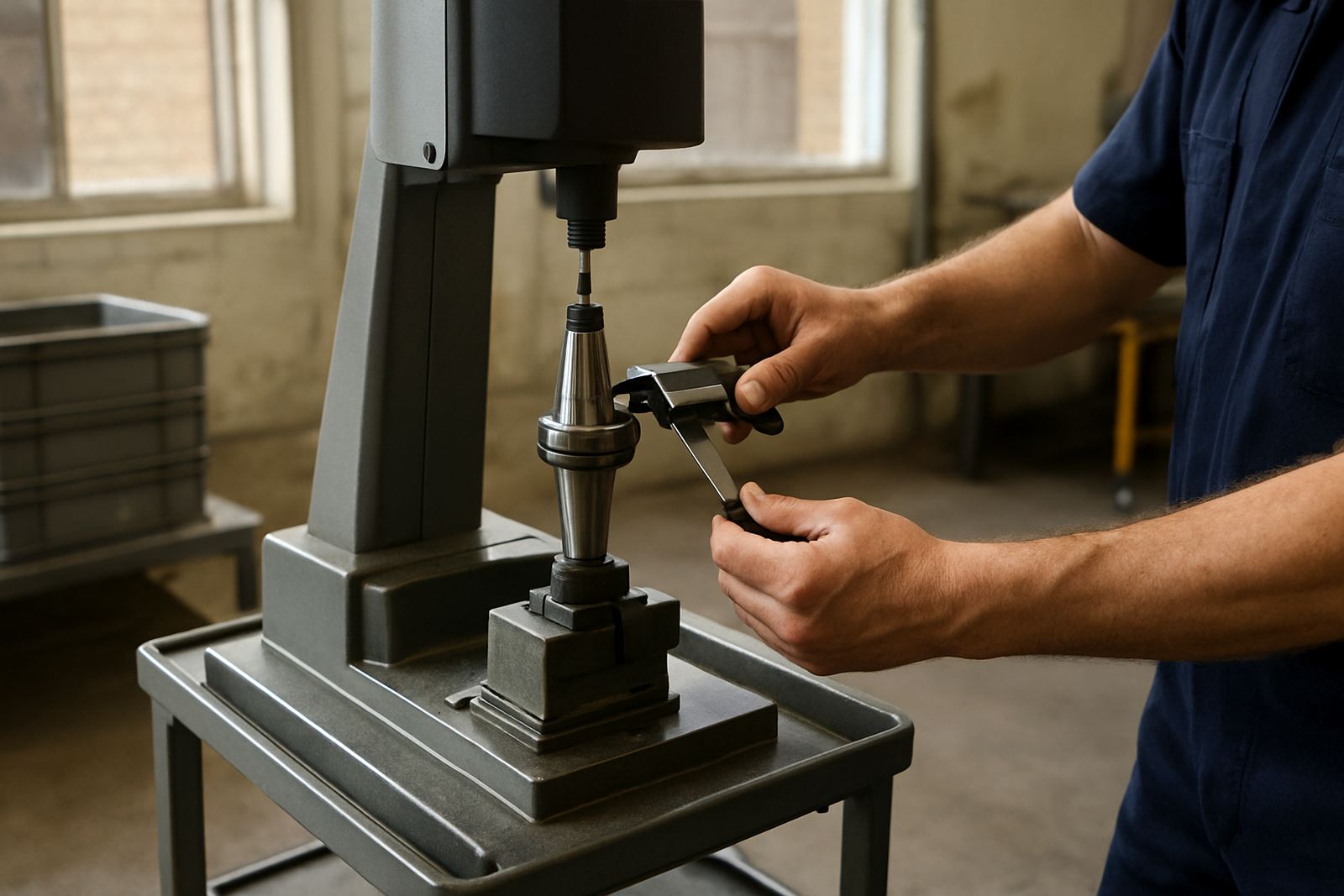
Regular runout checks on the chuck body, jaws and mounted work help catch problems before they turn into scrap or a breakdown. In a shop doing turning for shafts, bushes or flange parts, even a small error can cause tool chatter and uneven wear across the jaw faces. Once that begins, the setup can get worse through the shift.
Chuck jaw machining and presetting should be handled carefully so that the final clamping position is known, repeatable and documented. If a shop is running multiple part numbers, each setup should have a clear record of the jaw position, pressure setting and preferred holding method. That reduces confusion when a different operator takes over after tea break or a power interruption.
Maintenance after coolant, swarf and coastal humidity
In coastal areas like Gqeberha and the surrounding industrial zones, humidity and fine swarf can shorten chuck life if maintenance is neglected. Coolant can wash contaminants into places where they should not be, while moisture left sitting on the chuck can lead to corrosion on jaws, seals and mounting faces. Over time, that affects both safety and repeatability.
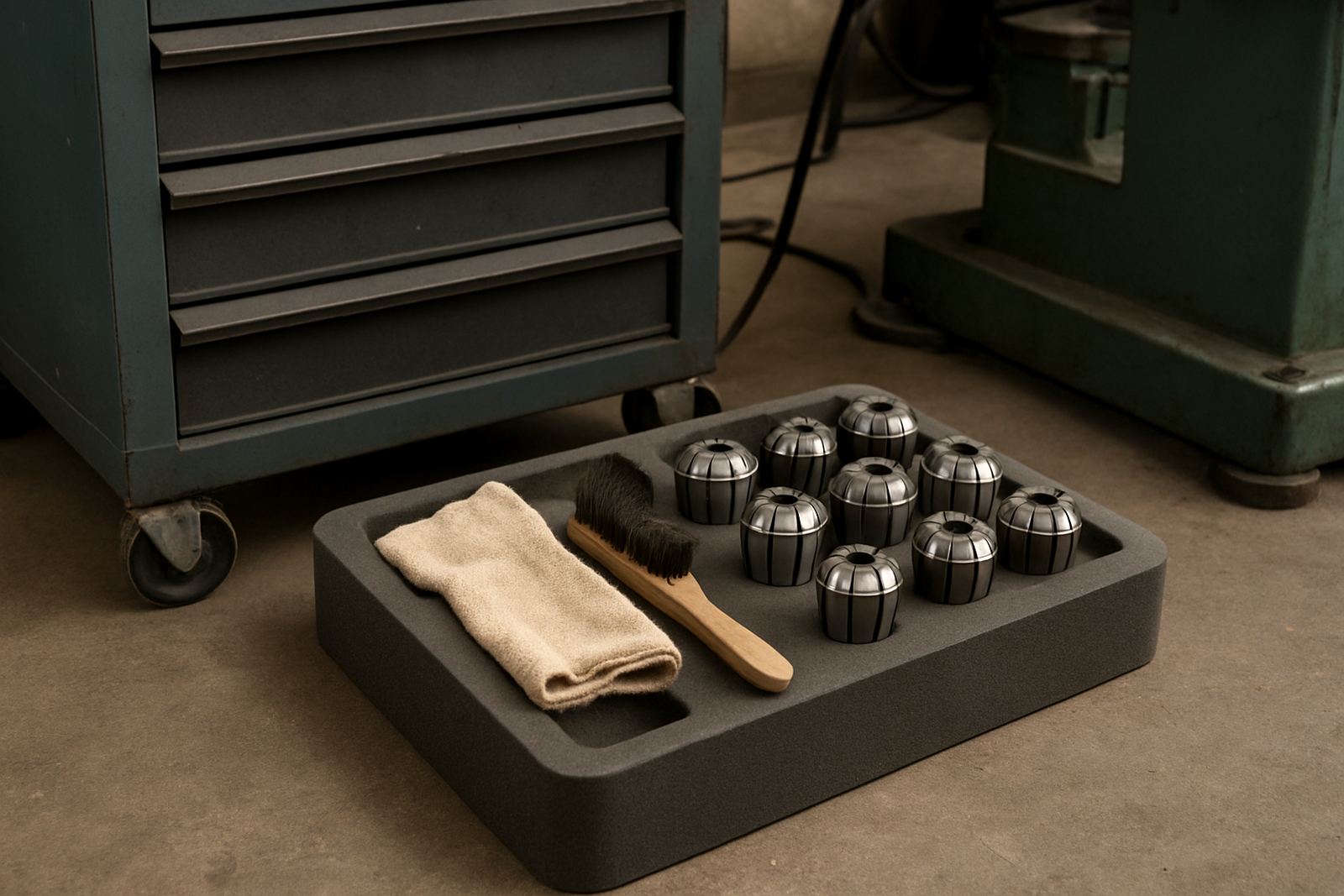
A clean-down after the shift should be part of the routine, not something done only when the machine looks bad. Wipe the chuck, blow out loose chips carefully and inspect the moving parts for signs of stiffness. If the shop runs in a dusty area or handles abrasive material, more frequent cleaning may be needed. A chuck that feels sticky is already telling you the service interval has been missed.
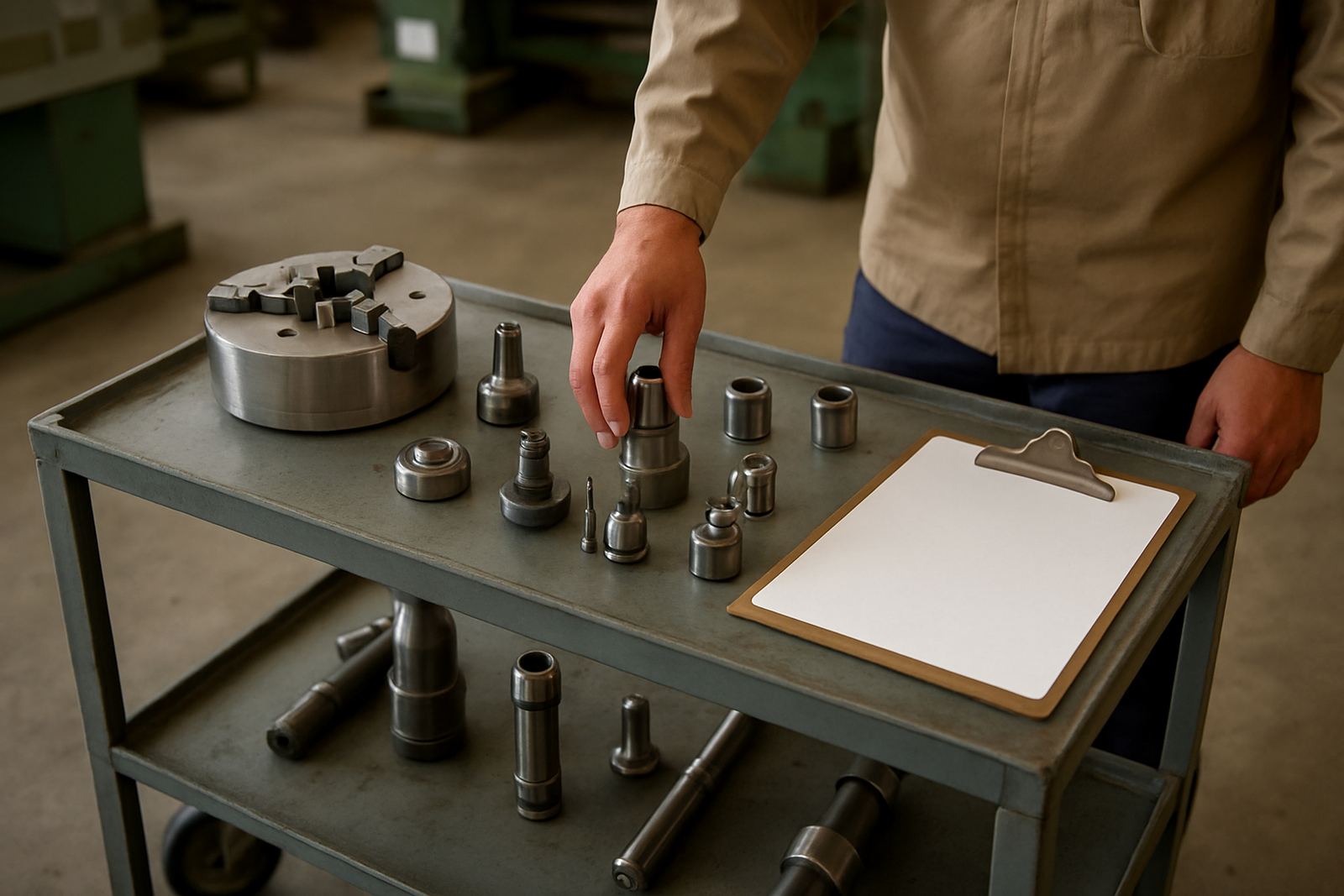
Servicing should also include holder cleaning where relevant, plus inspection of associated clamping components. Shops in Struandale, Markman and Coega often run demanding schedules, so a simple plan for collection and delivery of parts for inspection or repair can keep the machine line moving while maintenance is done properly.
A practical Gqeberha example from the shop floor
Consider a turning shop in Struandale running medium production of mild steel shafts for local industrial use. The operator notices a slight increase in vibration on the second shift, but the parts are still coming off within tolerance. After a closer look, the soft jaws show uneven contact and a small chip line under one jaw seat. The chuck had not failed, yet the signs were there.
The fix was straightforward: clean the chuck thoroughly, inspect the jaw faces, recheck runout and recut the soft jaws before the next batch. That stopped the vibration and brought the finish back in line. More importantly, it reduced the chance of a part creeping in the chuck during a heavier cut. A small issue on a Friday afternoon can turn into a serious incident by Monday if no one takes it seriously.
That kind of maintenance discipline matters whether the job is being run in Gqeberha, Kariega, Despatch or further inland. Safe chuck use is not about adding delay. It is about making sure the machine holds the part the same way every time, so the operator can focus on the cut instead of worrying about what the chuck might do.
How shops can keep chuck safety under control
The best shops use a clear standard for chuck care, and they train every operator to follow it. There should be a routine for inspection, a record for jaw wear, and a process for reporting any grip issue before the next cycle starts. If a chuck or jaw set is not right, it should come out of service straight away.
- Set a weekly check for chuck condition and jaw wear.
- Record clamping pressure and any adjustment made during the run.
- Keep spare jaws, seals and cleaning tools in the same place.
- Schedule runout checks after heavy jobs or machine incidents.
- Do not allow makeshift fixes on a clamping system.
For many machine shops, the challenge is not knowing what to do, but keeping the routine going when production is busy. A proper maintenance habit saves time in the long run, protects operators and keeps turning work predictable. That is the real value of chuck safety, especially in a shop that cannot afford avoidable stoppages.