Why boring bar stability matters on real jobs
Boring looks simple from the outside, but inside the hole there is very little forgiveness. If the bar is long, the overhang is too much or the holder is not clamped properly, chatter starts quickly and the bore finishes with a rough surface or a taper. On tight tolerance work, that can mean scrapped parts and extra time on the machine.
In shops around Struandale and Coega, this often shows up on pump bodies, hydraulic housings and long internal steps where the machinist needs reach more than stiffness. The bar may cut one part cleanly and then start singing on the next one because chip load, stick-out or spindle speed changed just enough. That is why stability must be planned before the tool enters the job.
Start with the shortest overhang you can manage
The simplest rule is still the best one: keep the boring bar as short as possible. Every extra millimetre of stick-out reduces rigidity and increases the chance of vibration. If the setup allows it, move the clamping point closer to the cut and avoid extending the bar just to save a few seconds of setup time.
- Use the shortest practical overhang for the bore depth
- Check that the bar seats fully in the holder or bore adapter
- Confirm the tool is square to the workpiece before starting
- Recheck clamping after the first test cut, not at the end of the job
A good fitter will also look at the machine itself. Worn slides, loose turret stations or a tired tailstock setup can turn a decent bar into a noisy one. If the machine is running on generator power during load-shedding, the voltage dips can also affect spindle consistency, so it helps to keep cutting conditions steady and simple.
Choose the right bar style for the bore depth
Not every boring bar handles depth in the same way. A solid bar may be fine for shallow work, while deeper bores often need a damped or more rigid arrangement to stay quiet. The wrong geometry can leave you with a nice-looking first pass and a poor finish after the tool reaches full depth.
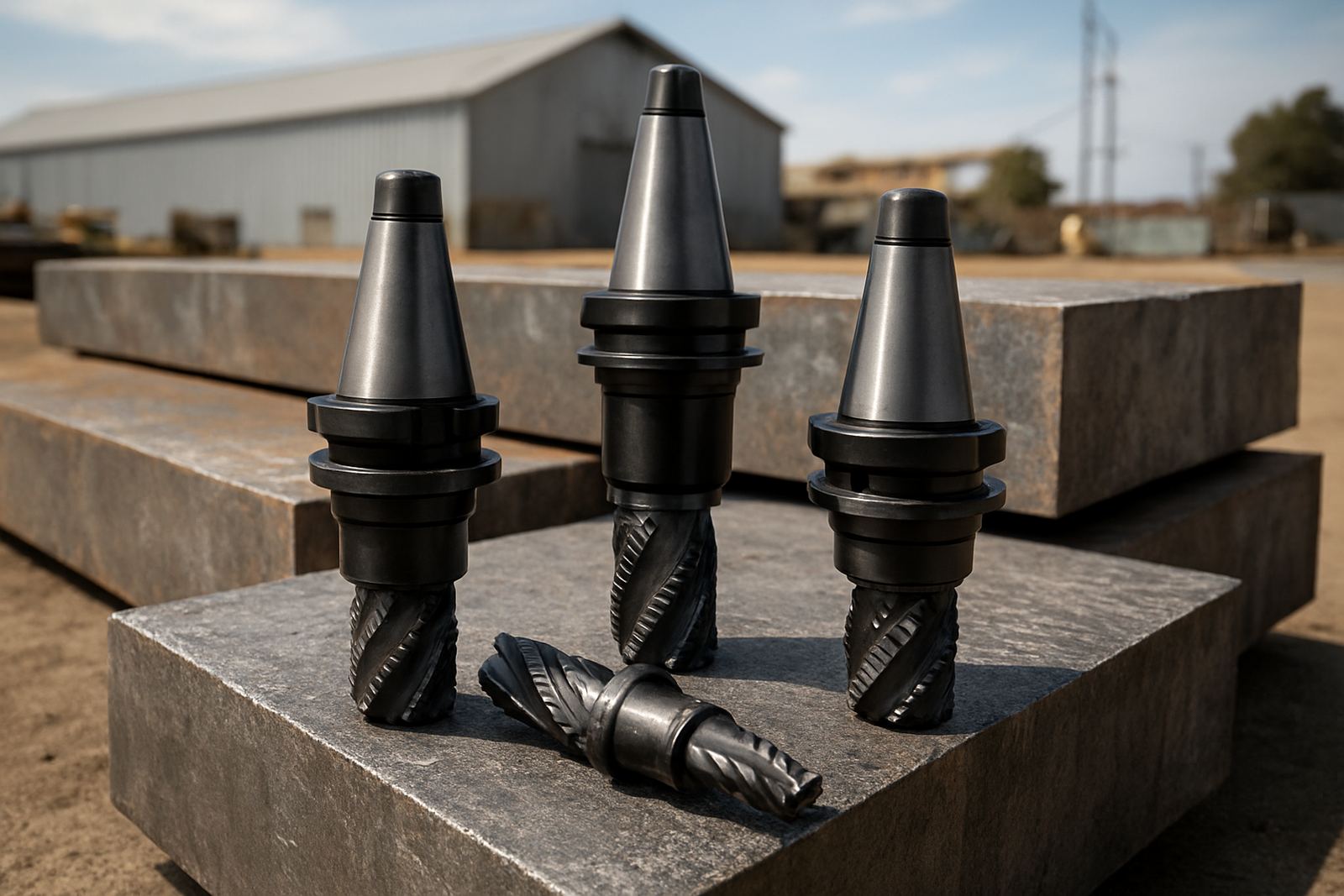
Tool material matters too. Carbide sections help with stiffness, but only if the setup and cutting data are matched to the job. For small-diameter holes, a bar that is too light can deflect under load and leave size variation from one side of the bore to the other. In these jobs, the bar is not just a cutter, it is part of the measuring system because any movement changes the final bore size.
Where possible, keep an eye on the relation between bore diameter and bar diameter. The thinner the bar, the more attention it needs from the operator. That is especially true in South African machine shops doing short-run work, where the same setup may need to handle cast iron one day and stainless the next.
Cutting data and chip control can calm the chatter
Many chatter problems are caused by speed choices that are close to the wrong vibration zone. If the bar starts to hum, a small adjustment in spindle speed can make a big difference. Feed rate also matters, because a very light feed can let the tool rub instead of cut, which makes the vibration worse. The goal is a clean chip, not dust and heat.
- Change speed in small steps, not big jumps
- Keep feed steady so the tool stays in cut
- Use coolant consistently to help chip evacuation
- Break long chips before they pack inside the bore
On coastal jobs in Port Elizabeth CBD or Kariega, humidity can also affect stored tooling and holders, so clean contact surfaces are important before setup. A little rust, swarf or oil film on the clamping faces can be enough to disturb repeatability. It sounds small, but small faults are often where chatter begins.
Measure runout and alignment before the first part
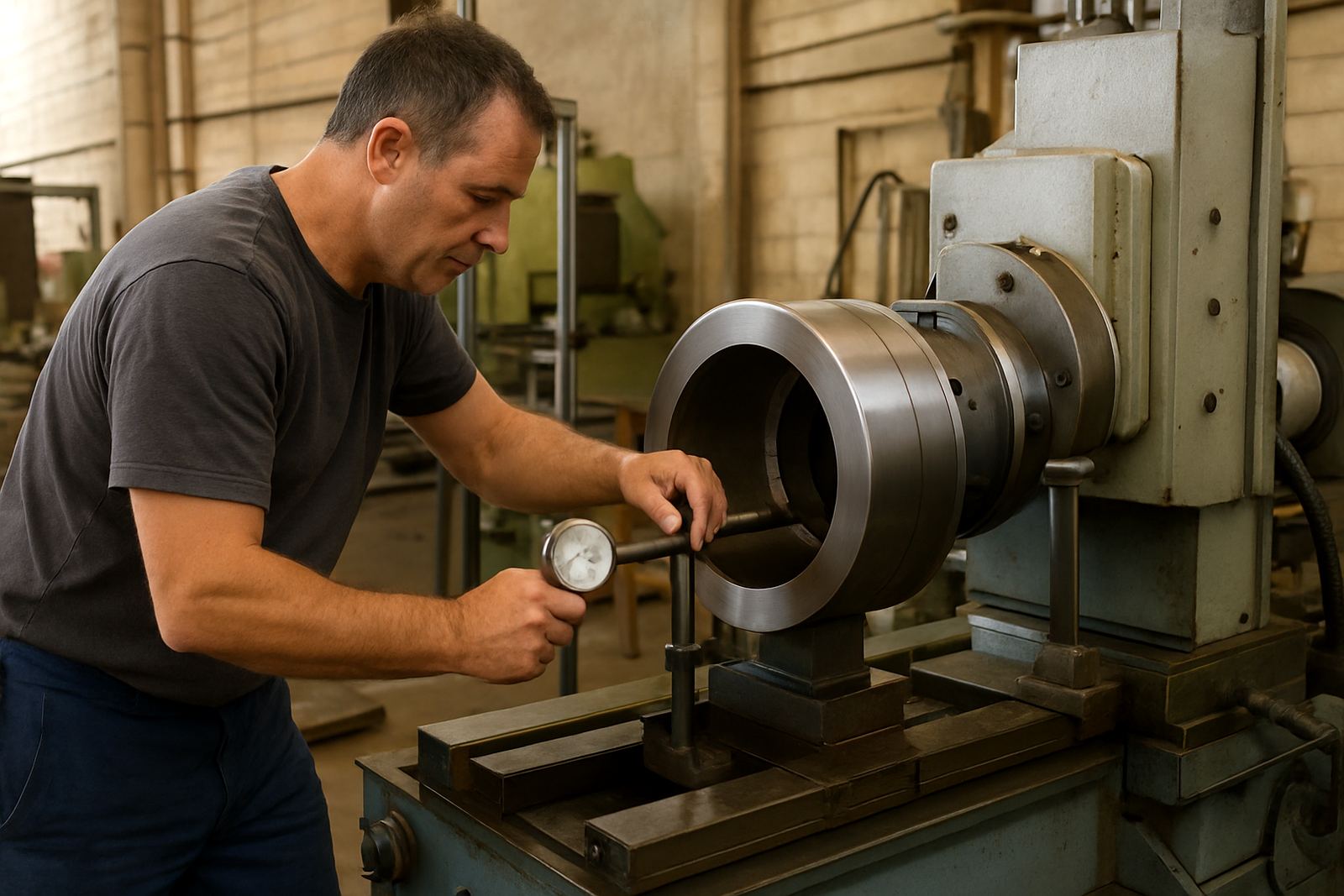
If a boring job is drifting, the first place to check is runout. A bar that looks fine by eye may still be cutting off-centre because the holder, insert seat or spindle interface is not true. That creates unequal cutting force and pushes the tool into vibration.
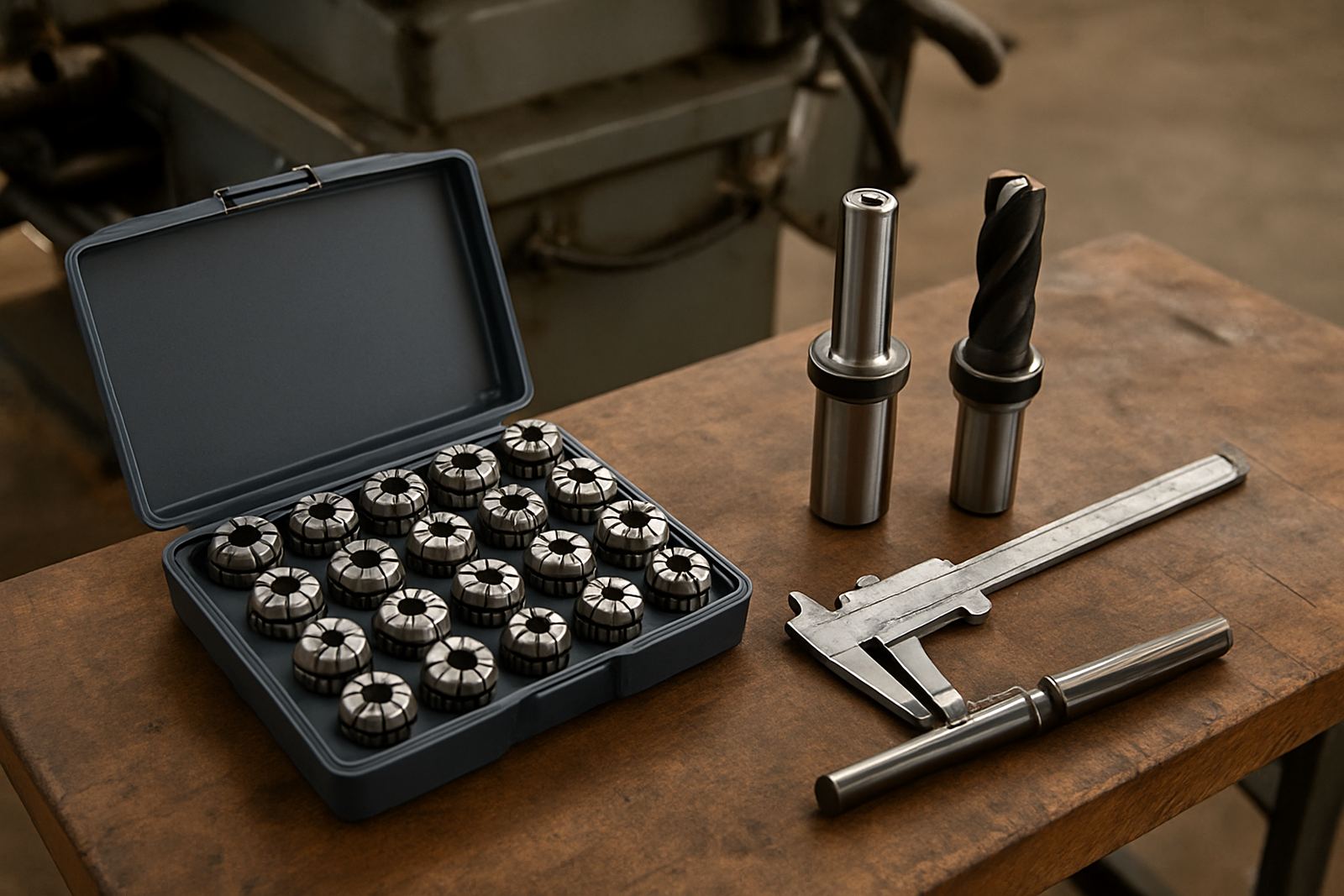
Use a proper inspection routine before production starts. Check the holder cleaning, runout and presetting first, then confirm the bore line with a test piece. If the job uses a chuck or vise, make sure jaw alignment is correct and that the workpiece is clamped evenly. A few minutes spent checking these details can save an hour of hand finishing later.
For shops doing repeat work, presetting helps a lot because it reduces setup variation between operators. It also makes it easier to spot a problem early if the same bore starts giving a different result on the second shift.
A Gqeberha example: the job that stopped chattering
A machine shop in Struandale was finishing an internal bore on a housing used in heavy equipment. The bore was within size on paper but the surface finish kept failing inspection. The operator had already changed insert grades, coolant pressure and speed, yet the cut still left chatter marks at depth.
The issue turned out to be a combination of overhang, slight runout and a vise alignment problem from a previous setup. Once the bar was shortened, the holder cleaned properly and the workholding rechecked, the cut settled down. The bore came back within tolerance and the finish improved without any change to the part drawing. That job is a good reminder that boring stability is often a system problem, not just a tool problem.
For local shops in Markman, Despatch and Coega, that kind of result matters because turnaround time is tight and many jobs are already running against delivery schedules. A steady boring setup saves rework, saves inserts and keeps the machine earning instead of standing still.
Keep the support services in the same maintenance loop
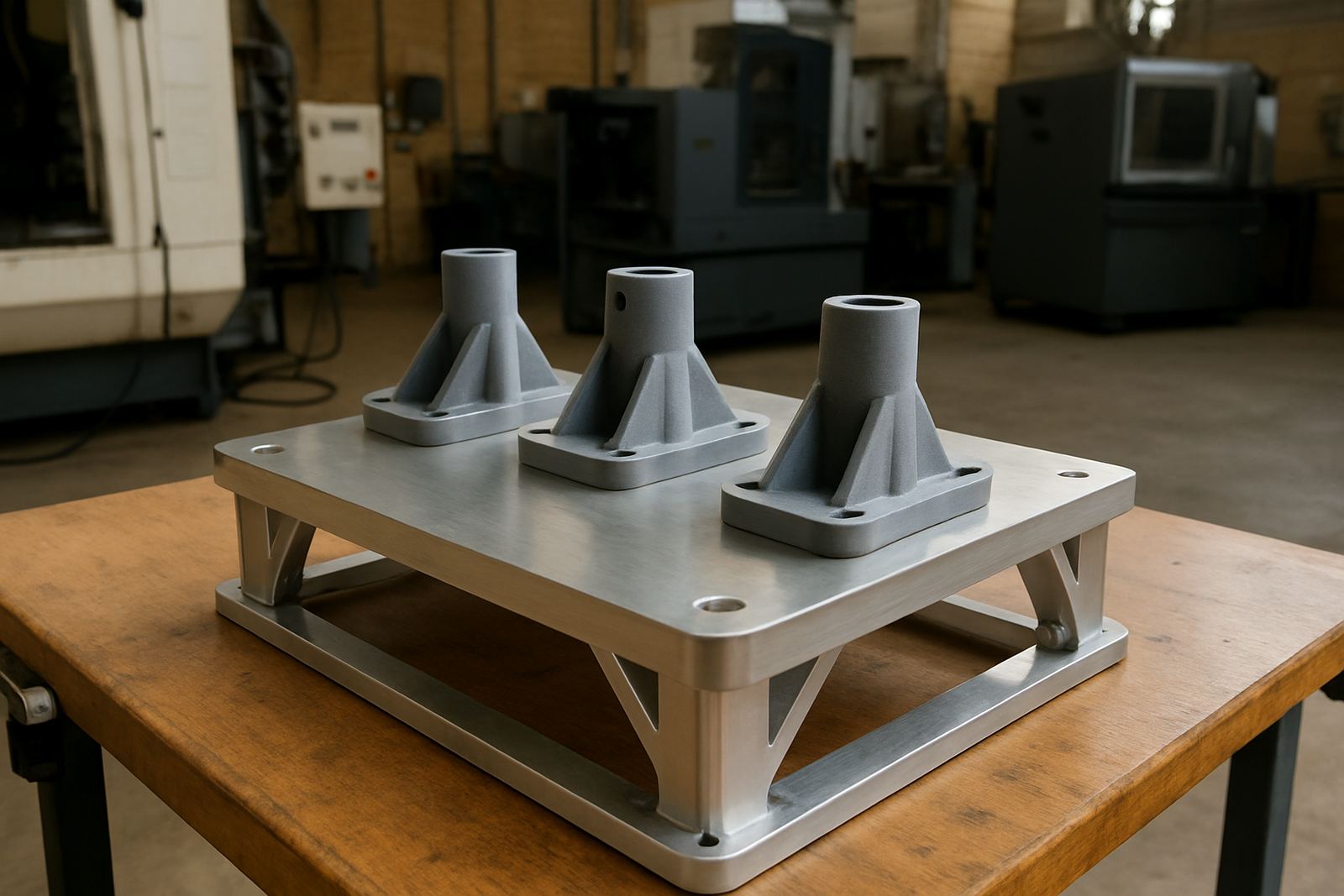
Boring performance holds up better when the rest of the tooling system is maintained properly. Tool regrinding, tool inspection, holder cleaning and chuck jaw machining all support better accuracy on the machine. If a shop is also using scanning or 3D printing for fixtures and checks, scanner calibration and printer maintenance should stay on schedule so the measuring side remains trustworthy.
A practical maintenance list for busy internal machining work can include the following:
- Inspect bars and holders after each job
- Remove swarf from clamping faces
- Check insert seating and clamp pressure
- Verify alignment after any crash or heavy cut
- Record the speed and feed that gave the best finish
In the long run, boring bar stability comes from routine discipline. The shops that keep records, clean their tooling and watch setup details usually spend less time fighting chatter and more time making accurate bores.