

Start With the Function, Not the Machine
A datum is only useful if it reflects how the part will work in service. Before you pick a zero point, ask what surfaces are critical, how the part is clamped later, and which features must stay consistent from batch to batch. On a shaft job, that may be the centreline. On a plate, it could be one machined edge and one face. If the datum choice is wrong, every later operation carries that error through the job.
For repeat work, keep the original setup notes with the drawing and job card. Write down the machine, fixture, cutter offsets, probe method and any packed-up height used. That record matters even more when a part returns months later after the first run has been approved and signed off.
Choose Primary, Secondary and Tertiary Faces Carefully
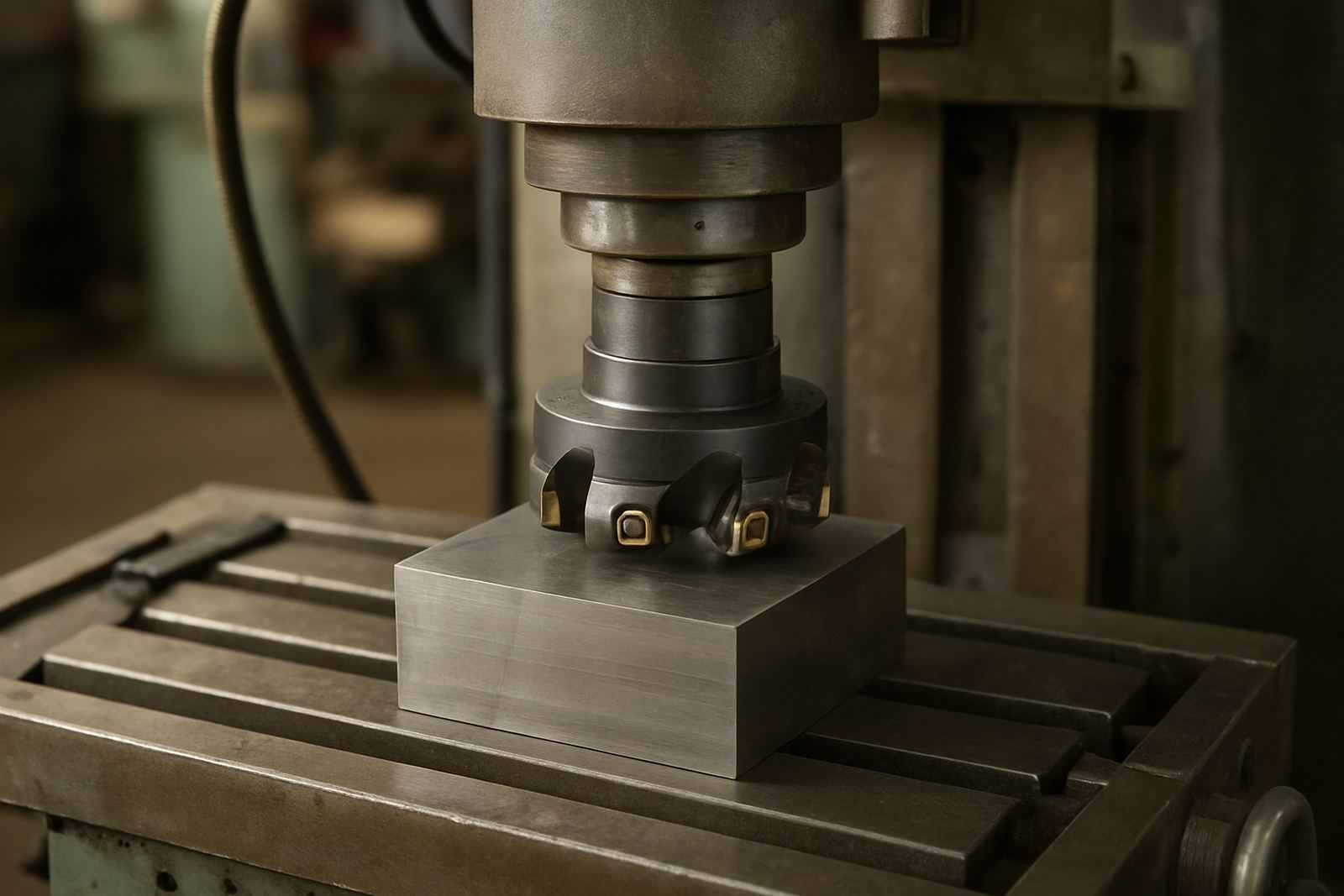
The classic three-point approach is still the cleanest way to establish a repeatable part location. The primary datum controls one plane, the secondary controls movement across the first, and the tertiary locks the part in place. In practice, this means selecting surfaces that are clean, stable and easy to inspect before clamping.
- Use a machined face where possible, not a flame-cut edge or casting skin.
- Keep the part seated on the same features every time.
- Avoid using thin or flexible faces that deflect when clamped.
- Mark the chosen datums on the part drawing and in the setup sheet.
If the part has no suitable finished faces yet, create them first with a roughing operation and treat those as the reference for later steps. That one decision can cut setup variation by a lot, especially on small batches where there is no room for drift.
Fixture Transfers Need a Witness of the First Setup
When a part moves from one machine to another, the first setup should leave behind a clear witness. This can be a skimmed face, a dowel pattern, a bored hole or a pinned corner on the fixture. The goal is to make the next setup match the first one without guessing. If the second operator has to interpret the first setup from scratch, errors creep in fast.
In a busy shop in Struandale or Markman, that witness feature is what keeps the morning shift aligned with the afternoon shift. It also helps when a job goes out for a second process and comes back later. A fixture transfer should feel like picking up where the last operation ended, not starting over. A small mark, a hole, or a known stop face can save hours.
Use Checks That Match the Tolerance
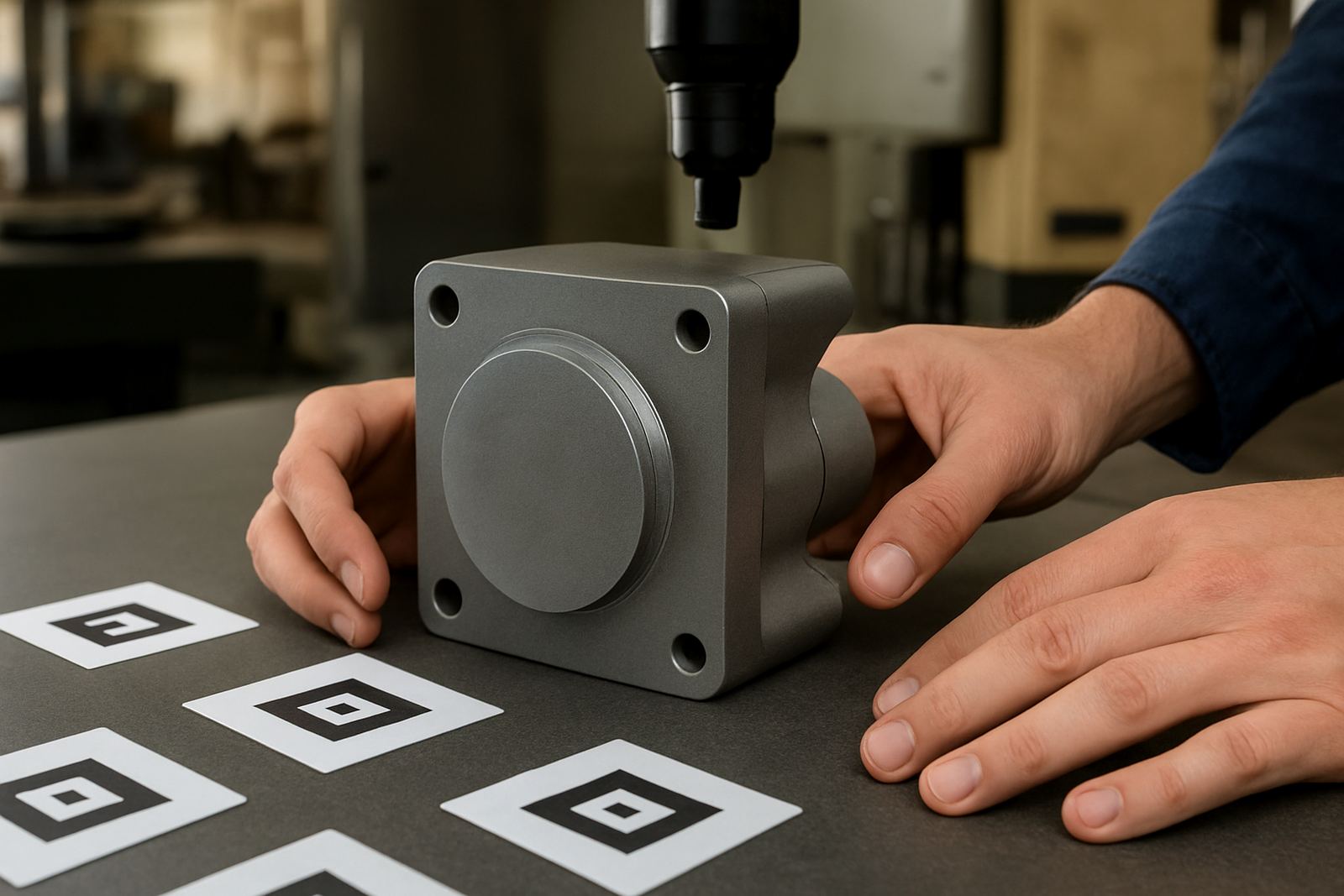
Datum setting is not only about putting the part in the right place. It is also about proving that it stayed there. For tighter work, check runout, parallelism and squareness at the same time you set the datum. For larger fabrications, a simple indicator sweep or height gauge check may be enough. The inspection method must suit the tolerance on the drawing, otherwise the datum is only assumed, not confirmed.
Good workshops build the check into the routine:
- Clean the seating face before measuring.
- Zero the indicator on a known reference.
- Record the reading before cutting starts.
- Recheck after tool changes or long pauses.
This matters on long jobs interrupted by load-shedding or machine stoppages. If the part is lifted out, the location must be verified again on restart. A quick check is cheaper than scrapping a finished component because of one missed shift in position.
Repeat Jobs Need a Standard Way of Clamping
Once a part has been approved, the clamping method should stay the same unless the drawing changes. Same jaws, same stop, same torque on the clamp, same packing under the part. Even a small change in clamp pressure can move thin sections or soft materials enough to affect size. Keep the fixture clean and the contact points in good condition, because dirt and burrs are common causes of datum creep.
On aluminium, brass and thin-wall steel parts, pay attention to marking under the jaws. On cast or plated parts, watch for irregularities that change the seating face. In humid coastal conditions around Gqeberha, rust film and moisture can also affect repeatability if parts are stored without protection. A light wipe-down and proper storage go a long way. It is basic, but it works.