
Why high speed imbalance shows up so quickly
At lower speeds, a toolholder or cutter that is slightly out of balance may not cause much trouble. Once the spindle starts running faster, that small offset creates centrifugal force and the machine begins to shake. The result is often visible on the part first: chatter marks, rough finishes, tapered holes and inconsistent dimensions. You may also hear a high pitched whine that gets worse as speed increases.
For shops in Struandale, Markman and Coega running long shifts on production work, this matters every day. If a job needs clean edges, tight hole sizes or repeatable surface quality, balancing becomes part of the setup not an afterthought. It is particularly important on slender cutters, long extensions, drilling heads and any tool package that is built up from multiple parts.
What vibration does to tools, spindles and parts
Vibration is not only a finish problem. It also shortens the life of bearings, toolholders, collets and cutting edges. The machine has to work harder to hold position, and that extra strain can show up as premature wear, loosened fasteners and poor repeatability. On a machine that already deals with dust, heat or coastal humidity, the problem can become costly very quickly.
In practical terms, imbalance can lead to:
- rougher surface finish and visible chatter marks
- reduced tool life because the cutting edge keeps bouncing
- higher spindle load and more heat in the setup
- noise and vibration that affect operator confidence
- inconsistent dimensions across a batch
When a job runs close to tolerance, those issues can mean rework or scrap. That is why many shops check tool condition, holder cleanliness and runout before they even think about cycle time.
Where balancing starts in the tool path
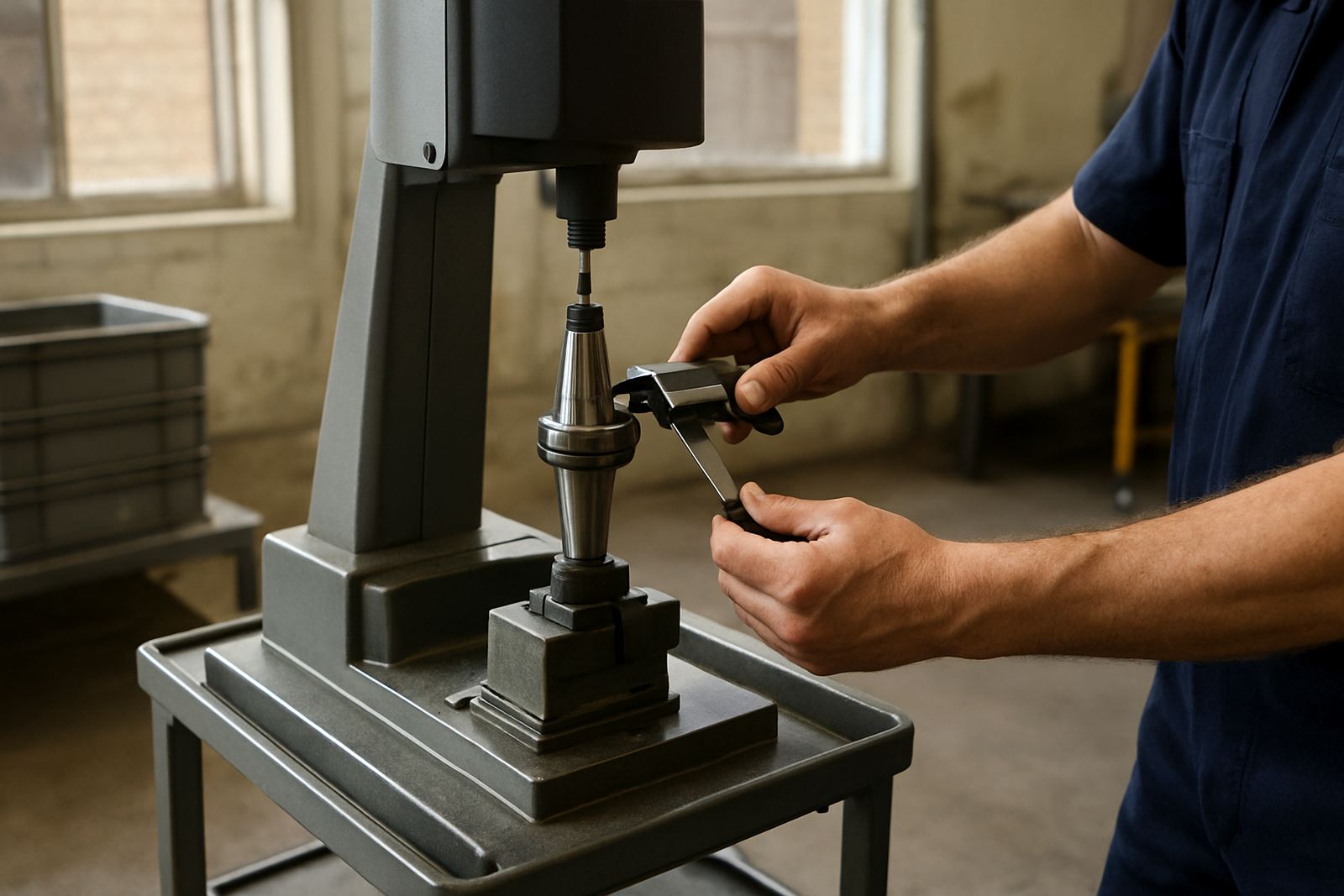
Good balancing begins with the basics. A clean collet, a sound holder and a properly seated cutter make a bigger difference than many people expect. Dirt in the taper, swarf under a collet or a damaged chuck jaw can create uneven loading that behaves like imbalance at speed. A quick holder cleaning and runout check can save hours of troubleshooting later.
Presetting also helps because it lets the team build the tool outside the machine and confirm measurements before the spindle is under pressure. If a cutter needs a longer overhang than planned, or if a tool assembly has several adapters, the risk of imbalance increases. The more parts in the stack, the more important it is to check the complete assembly not just the cutter itself.
- inspect toolholders and collets for wear or marks
- make sure taper faces and clamping surfaces are clean
- check runout before a high speed job starts
- keep overhang as short as the job allows
- use the correct holder style for the cutter and speed
Balancing methods that suit production shops
Not every job needs the same level of balancing. A workshop doing general milling at moderate speed will not approach the problem in the same way as a shop running high speed finishing on small diameters. The point is to match the balancing method to the spindle speed and the part quality required.
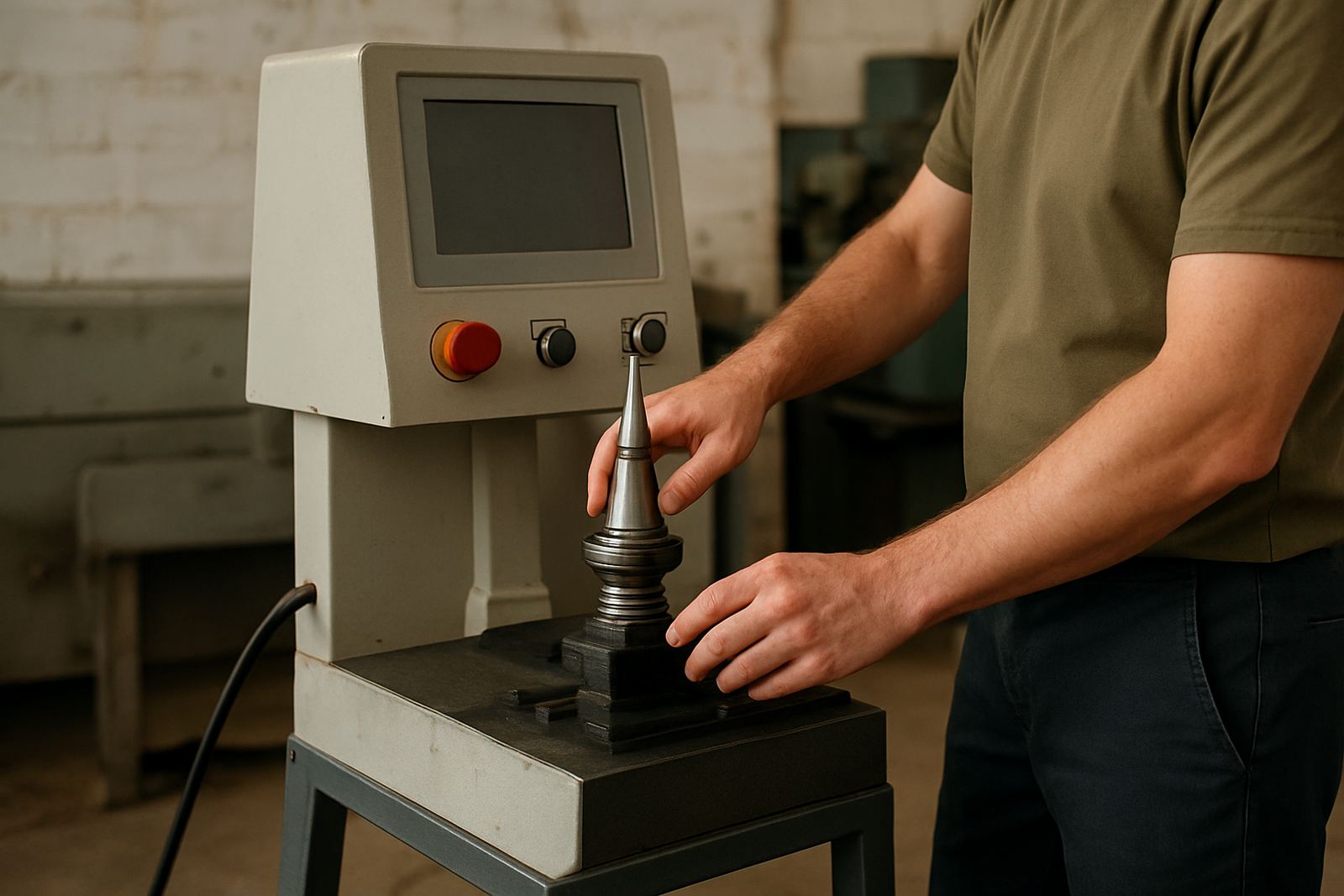
In many cases, the most useful steps are simple and fast. Check the tool on a presetting station, confirm concentricity, inspect the holder and clean the clamping surfaces. For more demanding work, static or dynamic balancing of the assembled tool can reduce vibration enough to make a clear difference in finish and tool life. This is especially useful where the job runs continuously, or where the same tool is used again and again through the week.
For machine shops that cannot afford long stoppages, the service has to be practical. Collection and delivery across Gqeberha, Kariega, Despatch and the industrial areas around the bay can help keep tools moving between the floor and the service bench without slowing production.
A local example from a bay-side production floor
A shop in Coega running a repetitive finishing operation on aluminium parts was seeing a marked change in surface quality as spindle speed went up. The machine operator first suspected the cutter, then the program, then the spindle. The real issue was a built up tool assembly with slight imbalance and a bit of contamination in the holder. The job was not failing completely, but the finish was drifting and the team was having to rework parts by hand.
After inspection, holder cleaning, runout checks and a fresh balancing check, the machine ran smoother at the same speed. The finish improved, tool wear settled down and the operator had less noise to manage during the shift. It was a good reminder that on higher speed work, small faults become big faults quickly. A few minutes spent checking the setup can save a full day of nuisance work.
A practical balancing routine for South African workshops
Most shops do not need a complicated routine. They need a repeatable one that operators can follow under pressure. Start with inspection, then clean the holder and verify the tool is mounted correctly. Check runout and look for any signs of wear on collets, jaws or mating faces. If the tool is going to run fast, give extra attention to overhang and balance before it reaches the spindle.
A solid routine usually includes:
- tool inspection before the job starts
- holder cleaning after heavy use or dusty work
- runout checks when finish quality changes
- presetting for accurate height and length setup
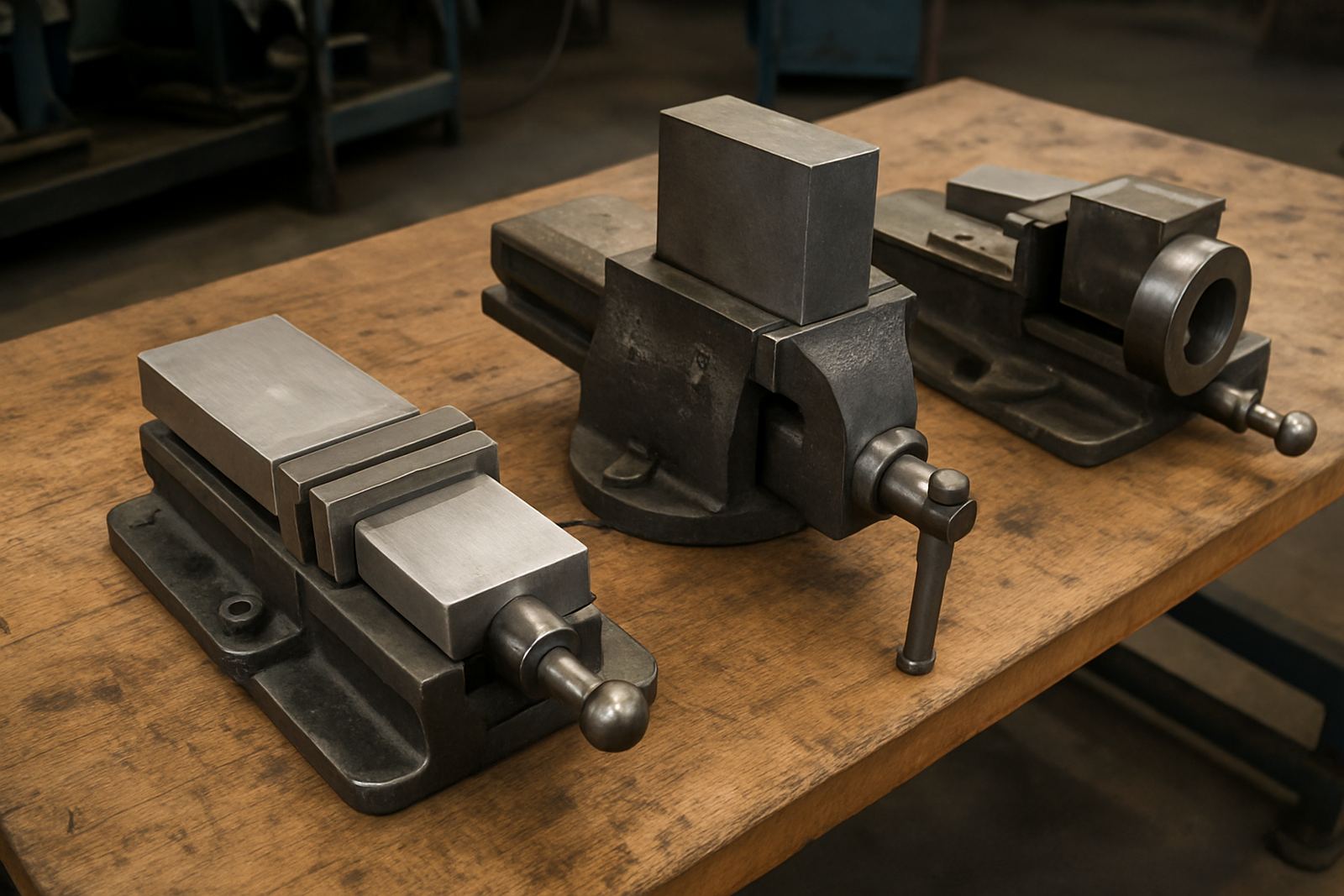
- regular maintenance on chucks, vises and scanner systems
Shops in Port Elizabeth CBD, Struandale and the wider Nelson Mandela Bay area often have mixed workloads, so the routine has to suit both urgent jobs and repeat production. Balancing high speed tools is not just about running faster. It is about keeping the machine calm enough to cut accurately every time.