
Why small cutters behave differently
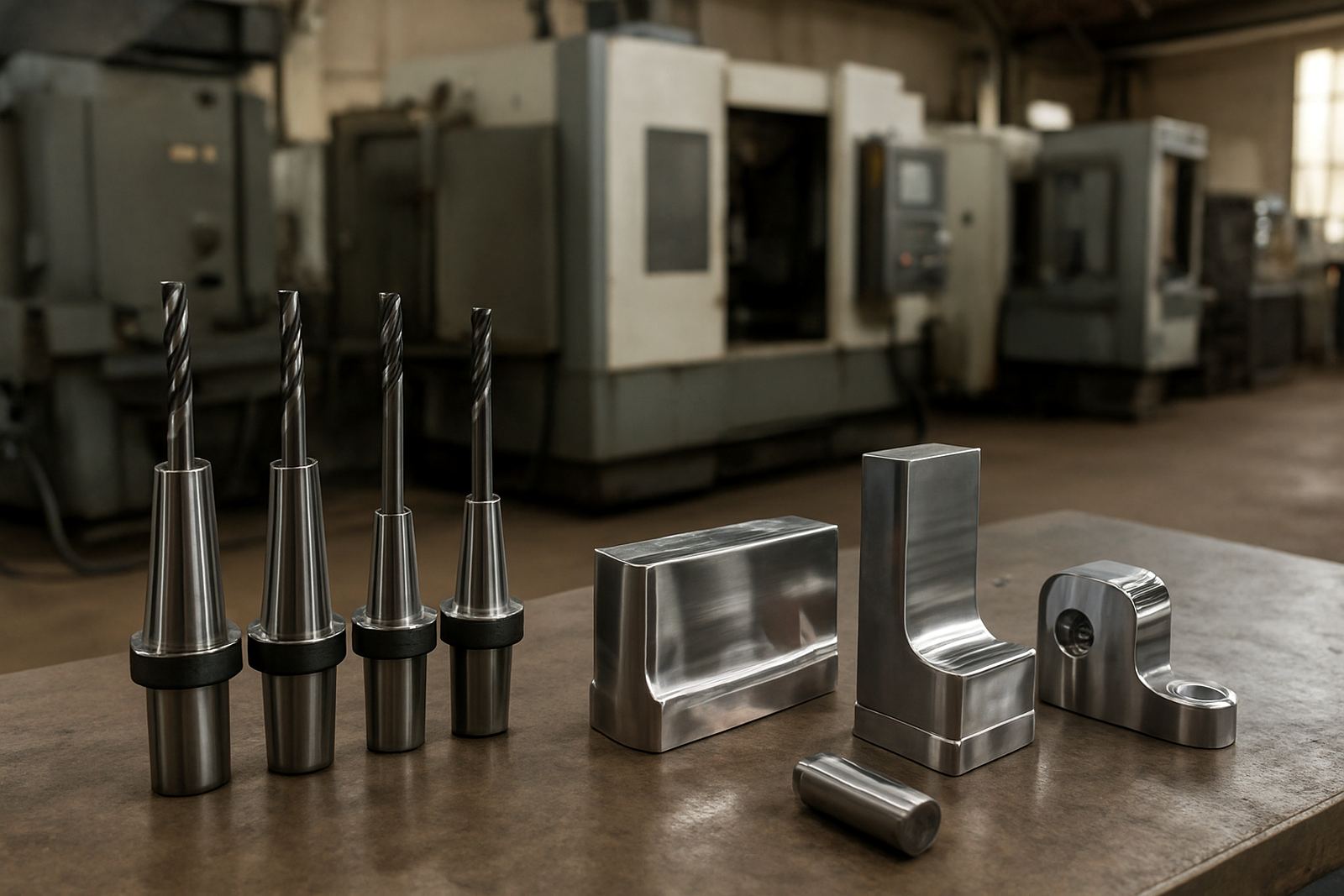
When you move down to smaller end mills, ballnose cutters or engraving tools, the setup becomes far more sensitive. A cutter with a 3 mm or 6 mm diameter will show the effect of runout, stickout and vibration much faster than a larger tool. That is why fine finishing is not just about spindle speed, it is about how every part of the tool path supports the cutter.
In a finishing pass the aim is to remove a consistent, thin layer of material and leave a clean surface without chatter marks. If the tool deflects even a little, the finish changes. On aluminium, mild steel or plastics, the wrong combination of speed and feed can give you a shiny part that still measures out, or a part that measures right but looks rough.
- Keep tool stickout as short as the part allows
- Check holder condition before every finishing job
- Use the smallest practical step-over for the surface finish needed
- Set the cutter to suit the material, not just the machine
Runout is the first thing to check
With small tools, runout becomes expensive very quickly. A few microns at the holder can turn into broken corners, poor size control and a finish that changes from one part to the next. If the cutter is not concentric, one flute cuts harder than the other and the load is uneven. That is a common reason for premature wear on fine finishing work.
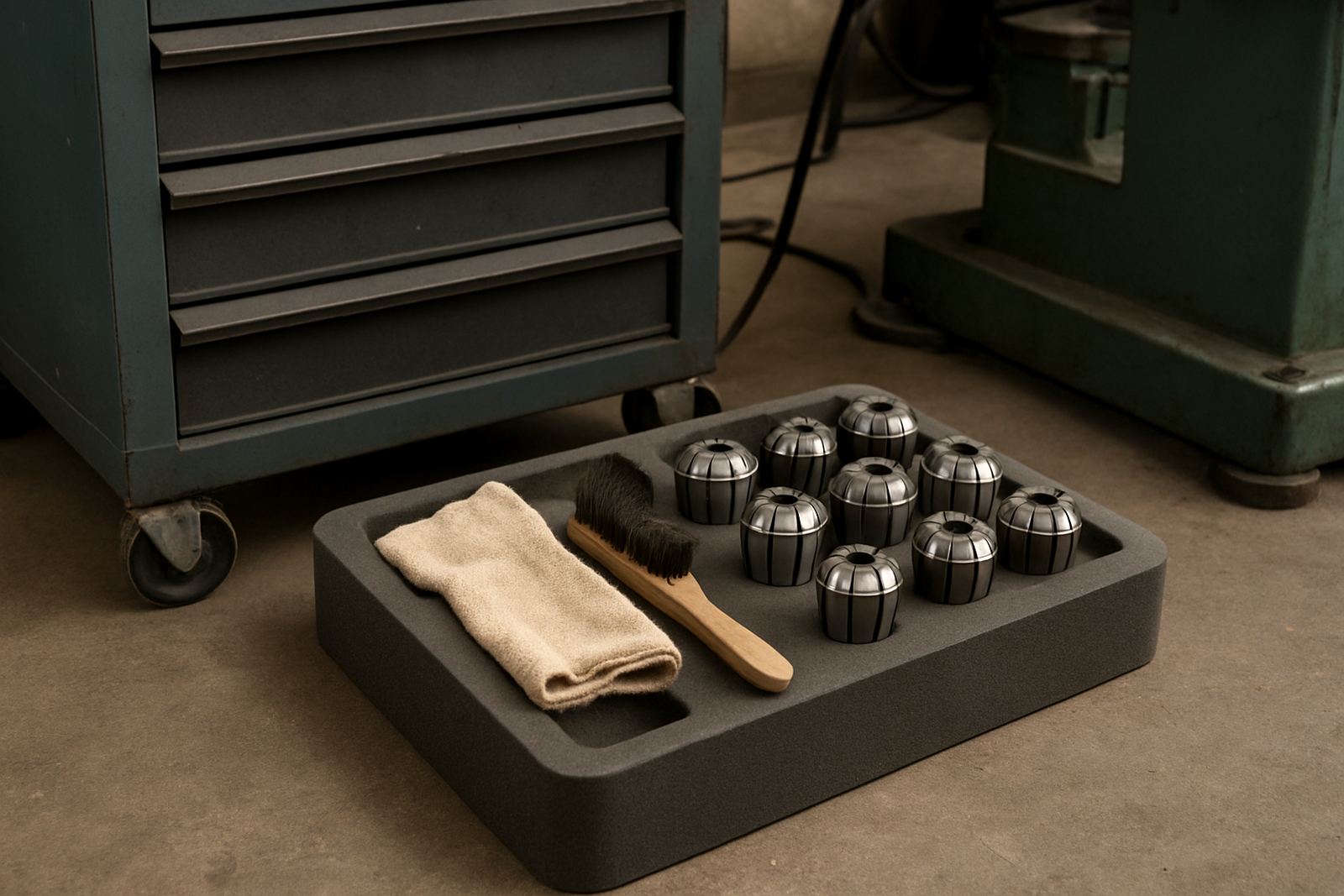
A proper runout check should be part of the routine, especially after tool changes or when a job starts showing more noise than normal. Tool holders, collets and nuts need to be kept clean. Chips or dried coolant on the seating faces can push the cutter off centre and the problem may only show up once you are already in production.
- Inspect collets for wear marks and grip loss
- Clean the taper, nut and shank before assembly
- Measure runout close to the cutter tip
- Replace damaged holders before they start affecting finish
Light engagement still needs discipline
Some operators think a light finishing pass means the tool is safe from trouble. In practice, small cutters can chatter when the cut is too light, especially on long overhangs or thin-walled parts. A finish pass needs enough engagement to keep the flutes working steadily, but not so much that the cutter starts to flex. That balance changes with material and geometry.
A practical approach is to test on a scrap or a non-critical area first. If the finish starts showing washboard marks, reduce stickout, adjust spindle speed or change the step-over. For stainless and harder steels, slower surface speed and careful coolant application may give better results than trying to force a high-speed pass. On softer materials like aluminium, chip evacuation matters just as much as speed.
- Do not leave the cutter hanging out further than necessary
- Keep coolant or air blast directed at the cutting point
- Use a stable finishing strategy rather than aggressive climb changes
- Watch the sound of the cut, it often tells you before the surface does
Holder selection affects the final surface
The holder is often overlooked on finishing work, but it plays a major part in how the cutter behaves. A holder that grips unevenly or allows small movement will show up as marks on the part. For fine finishing, the holding system should match the cutter size and the type of work being done. If the job involves repeated tool changes, the repeatability of the holder matters just as much as the first setup.
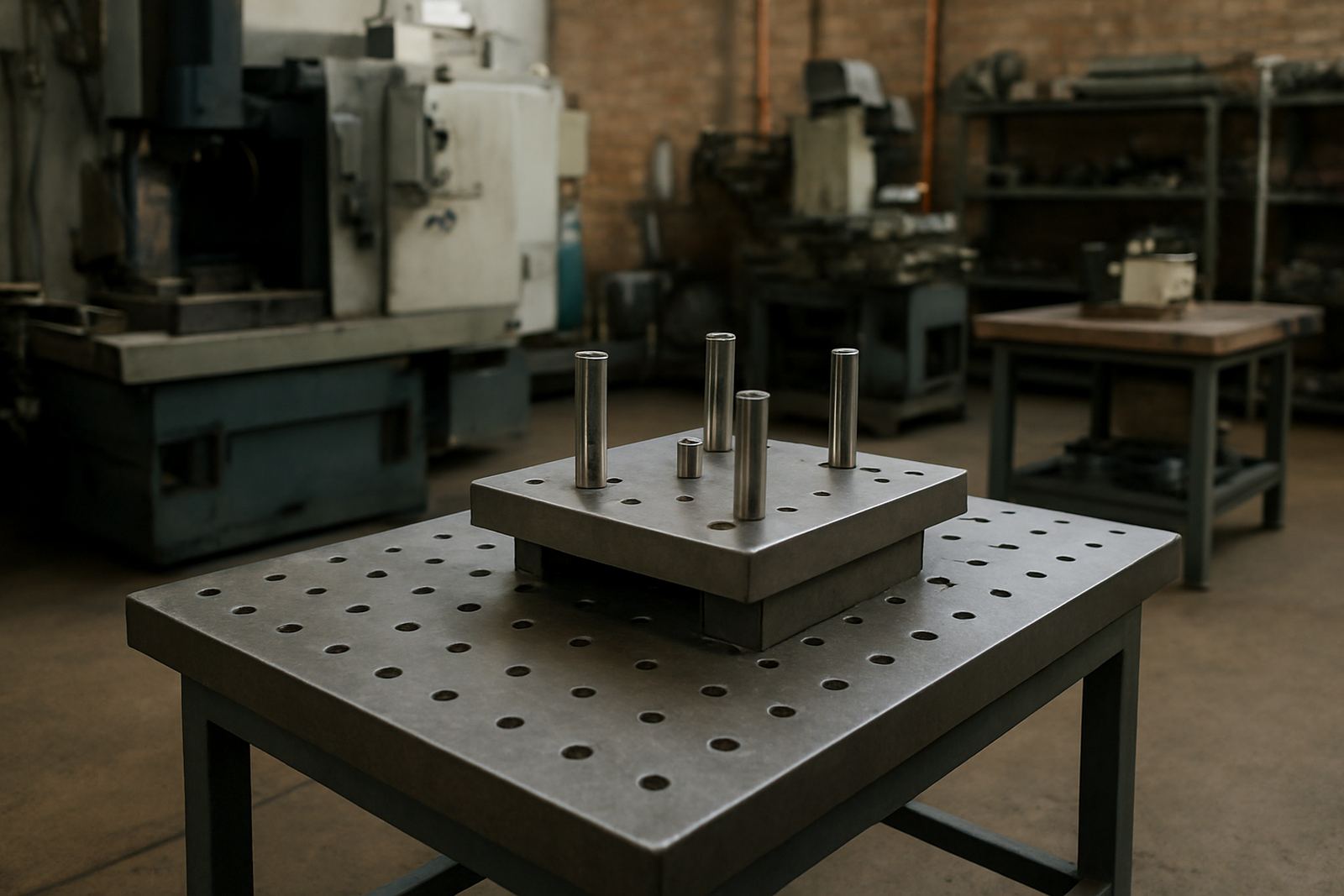
Tool holders, collets and workholding systems all work together. If the part is clamped poorly, the tool may be blamed for a problem caused by the vise or fixture. Before a finishing run it is worth checking jaw pressure, part support and whether the component is twisting under load. That is especially important on narrow parts and thin sections.
- Match the holder to the cutter diameter and duty
- Keep clamping surfaces free of swarf
- Check whether the part moves when side pressure is applied
- Use presetting where repeat setups are common
Surface finish is tied to machine condition too
Even a good tool will struggle if the machine setup is not right. A spindle with bearing wear, loose drawbar tension or a table that is not aligned can make a fine finish job difficult. On smaller cutters these issues show early because the tool is not strong enough to hide them. That is why inspection and maintenance should be part of finishing work, not only breakdown repairs.
For machine shops in Gqeberha, especially around Struandale and Markman, the local conditions also matter. Coastal humidity can affect storage, and fine tools left unprotected may corrode faster than expected. On busy shifts, chips and coolant carry-over can build up around holders and affect repeatability. A clean machine is not about appearance, it is about keeping tolerances steady.
- Keep an eye on spindle condition and noise changes
- Store cutters in a dry area when not in use
- Inspect fixtures for movement after repeated cycles
- Schedule regular holder cleaning and preseting checks
A Gqeberha example from small part work
A shop in Struandale machining small aluminium components for export had a recurring issue on the final pass. The parts measured correctly but the finish varied from job to job. The first assumption was that the program needed changing, but the real cause was a mix of collet wear, excess stickout and a clamp that allowed the part to lift slightly at one corner.
After the holder was cleaned, the runout checked and the vise aligned again, the same cutter produced a far more even finish. The operator also reduced the finishing step-over and kept the cutter closer to the work. The result was less rework and more consistent output across the batch. It was not a dramatic change, just a few practical corrections made in the right order.
That is usually how small tool finishing improves in real production. The gains come from measuring, checking and tightening up the setup before chasing speed. On a small cutter, a tiny fault can become a big finish problem very quickly.
- Check the toolpath before increasing spindle speed
- Fix clamping issues before blaming the cutter
- Keep a record of what settings gave the best finish
- Repeat the same setup method on future batches