Why 5S matters on a busy South African shop floor
In a machine shop, every minute spent looking for the right collet, gauge or clamp is a minute the spindle is not making parts. 5S gives the team a simple way to sort, set in order, clean, standardise and sustain the workplace so the basics stay under control. For shops in Struandale, Markman and Coega, where shift changes, contract work and tight delivery dates are part of daily life, that kind of order makes a real difference.
It also helps with safety. Loose cutters, oily rags, mixed inserts and damaged fixtures create trip risks and make it easier for small faults to grow into scrap. When load-shedding hits and power comes back, a shop that has labelled locations, clear count systems and ready inspection routines gets back into production faster. That matters whether you are running one CNC machine or a full cell with turning, milling and inspection work.
Start with the tooling that causes the most confusion
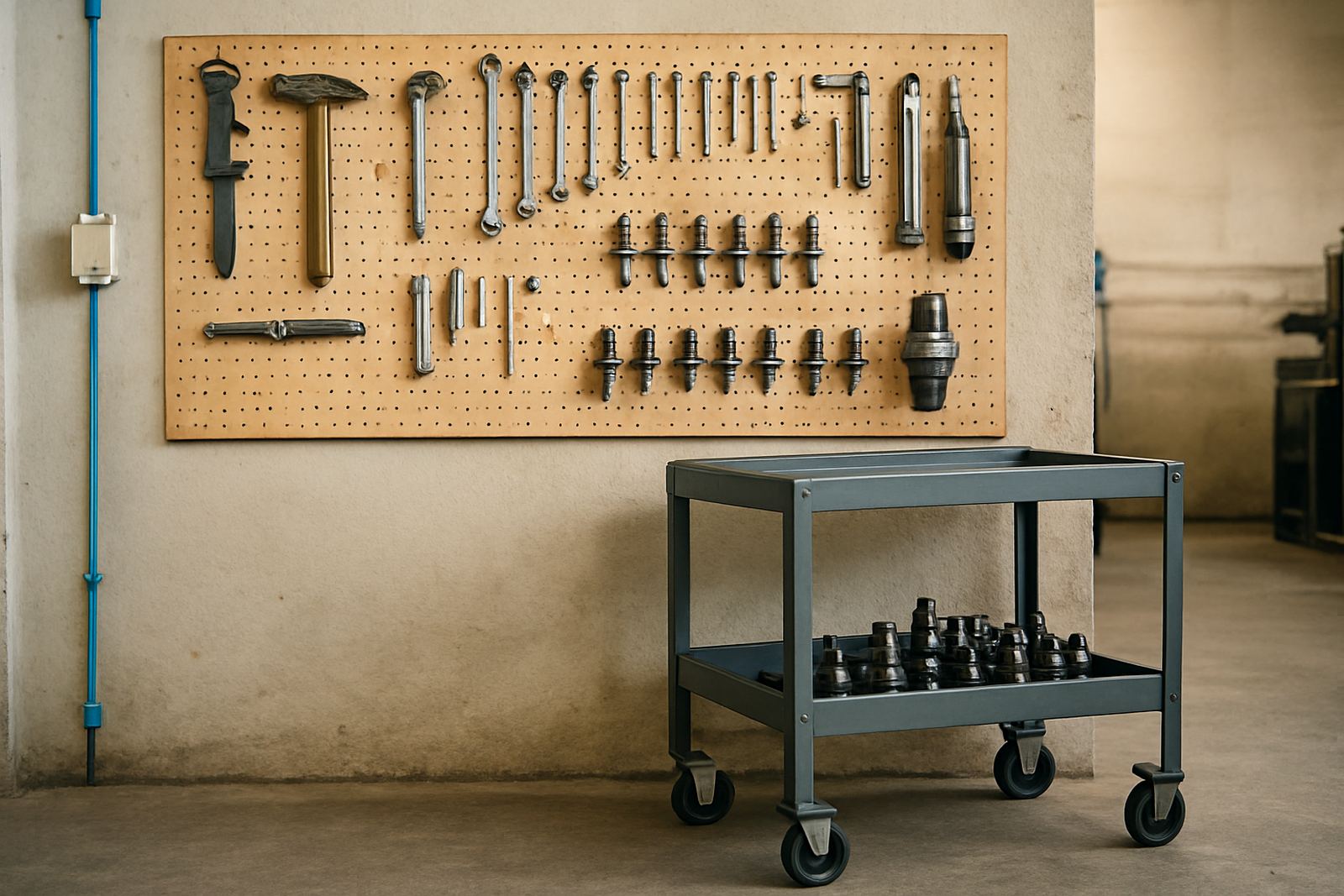
Most 5S problems in machining start at the tool storage point. If holders, collets and spares are kept in open trays with no fixed location, the team ends up guessing. A good first step is to separate daily-use items from seldom-used items, then group tooling by machine type, spindle interface or job family. That way the right parts stay near the right machine and less-used items do not clutter the working area.
In practice, this means creating simple, visible zones. Keep active sets at point of use, hold back duplicates in a labelled store, and send worn tools for regrinding or inspection before they are mixed back in with serviceable stock. If a holder is dirty, damaged or showing runout issues, it should not sit in the same place as a ready-to-run setup.
- Separate daily production tooling from maintenance and backup stock.
- Label each storage location by machine, diameter range or operation.
- Keep damaged, worn and awaiting-service items in a clearly marked area.
- Use the same return point after every job so the routine stays consistent.
Set in order with fixed points, labels and counts
Set in order is where many shops get relief quickly. A holder rack with fixed positions removes guesswork. A drawer with foam cut-outs or outlined slots shows at a glance whether something is missing. This is especially useful in Gqeberha where workshops often run mixed work for automotive, general engineering and export supply, and tool changes happen several times a day.
The aim is not fancy storage, it is repeatable storage. Use the same layout every day, and make the layout clear enough that a new operator can find what they need without asking three people. If you keep preset tooling for common jobs, mark each assembly with job number, length, diameter and machine number. That reduces mix-ups and helps during night shift handovers, which is important when staffing is lean.
- Use labels that can be read from standing height.
- Mark minimum and maximum stock levels for consumables.
- Keep gauges, collets and spares in separate, named locations.
- Record the return condition so damaged items are spotted early.
Clean, inspect and reset before the next job
Cleaning in 5S is not only about sweeping chips. In machining, cleaning includes holder wiping, jaw face cleaning, chip removal from vices and checking that measuring equipment is ready for the next set-up. If a chuck jaw is packed with swarf or a vice is out of alignment, the next part can be out before the first cut is finished.
A short end-of-shift reset works well. The operator clears the machine area, returns tools to their assigned places, checks for damage and flags anything that needs attention. On coastal sites around Port Elizabeth CBD and the harbour side industrial areas, humidity can be a problem, so a dry, sealed storage method helps protect precision items from surface corrosion. A quick wipe before storage can save a costly replacement later.
- Wipe holders and collets before they go back into storage.
- Check for nicks, burrs and contamination on seating surfaces.
- Keep inspection tools in closed cabinets or lined cases.
- Log tools that need regrinding, calibration or service.
Make maintenance part of the 5S routine
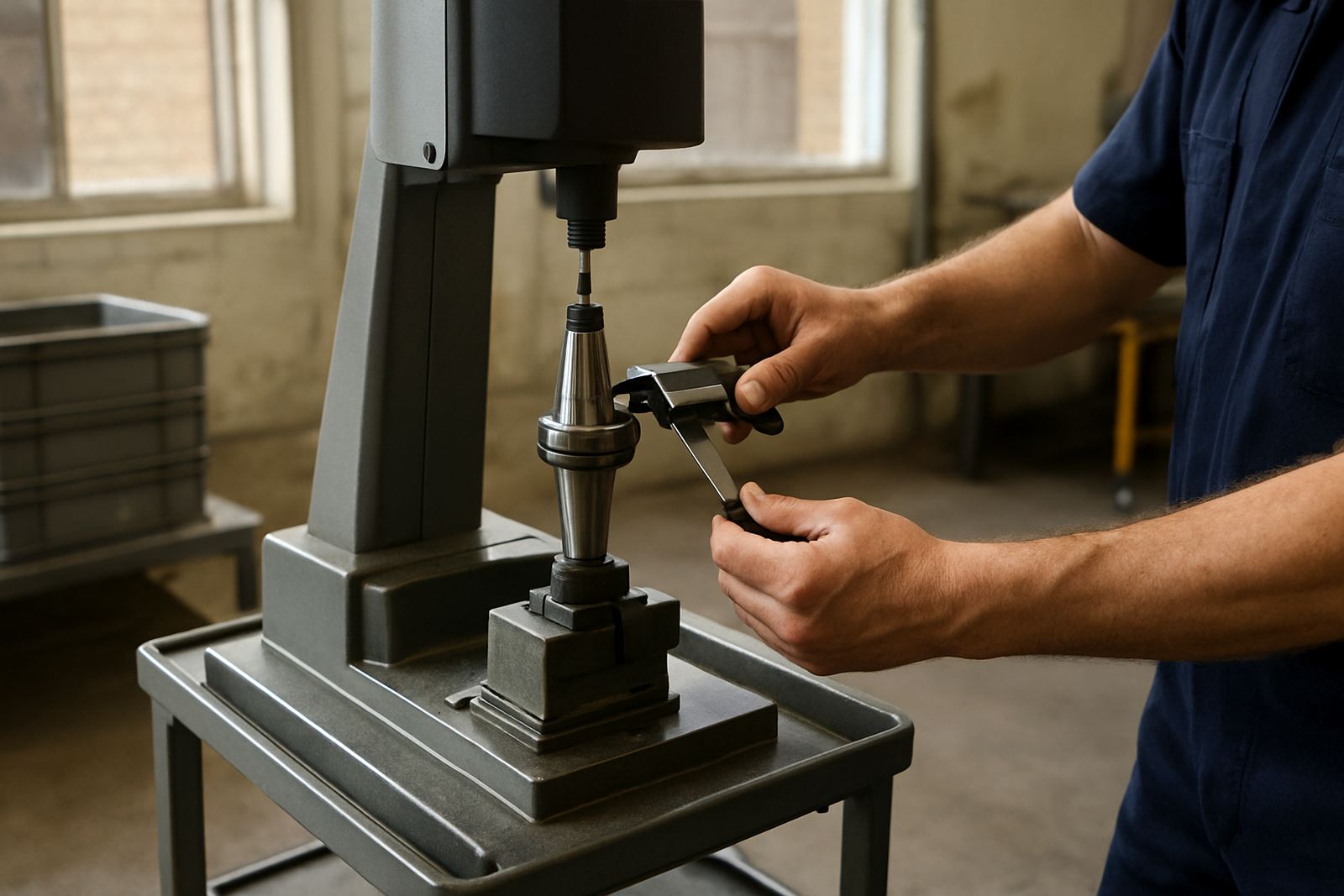
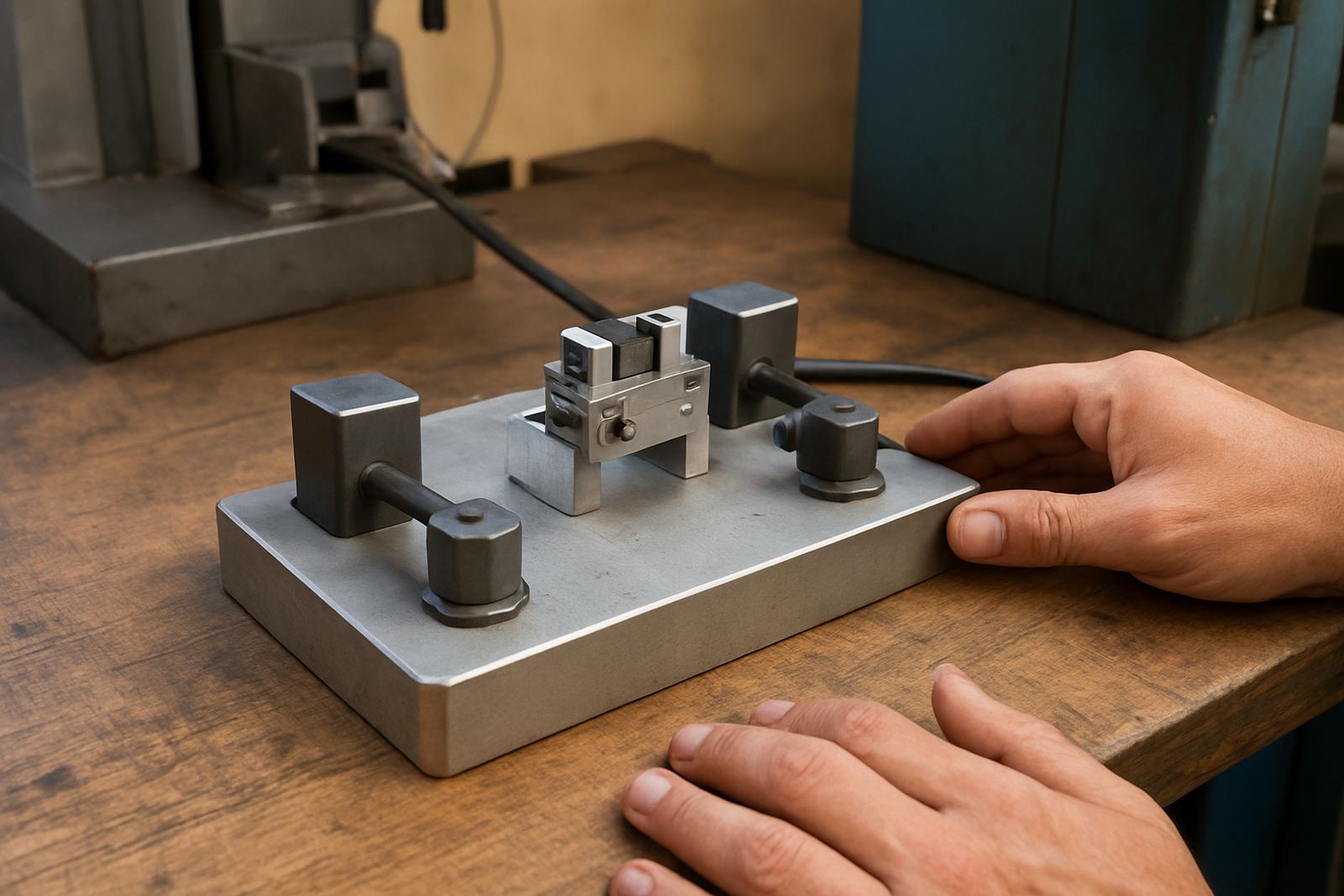
5S lasts only if maintenance is built into the routine. A shop that treats holder cleaning, runout checks, scanner calibration and printer maintenance as optional will soon see the storage system slip. The same applies to presetting equipment and workholding. If the data is wrong or the fixture is loose, the neatest rack in the world will not stop rework.
Local machine shops can keep this simple. Set weekly checks for high-use tooling, monthly reviews for storage condition and a clear route for collection and delivery when items need external service. In Kariega and Despatch, where workshops may support both production and repair work, a fixed service cycle keeps tooling moving instead of piling up in corners. It also helps managers budget properly because they can see what needs attention before it becomes an emergency.
Good 5S maintenance is not about adding admin. It is about keeping the shop ready for the next order without last-minute scrambling, and yes sometimes that means a 10 minute reset before tea break instead of after the shift ends.
How a Struandale shop can run 5S without slowing output
A practical example is a medium-sized shop in Struandale supplying turned and milled parts to customers across the Eastern Cape. The team runs two CNC machines, one manual setup area and a small inspection room. Before 5S, holders were stored in mixed tubs, collets were shared without clear counts, and the vice keys and gauges were never in the same place twice. The first week of change focused on sorting only the items used every day. After that, the team added labels, storage points and a simple return check at the end of each shift.
By week three, the operators were spending less time hunting for setup parts and more time on machining. The supervisor could see at a glance which items needed regrinding, which holders were due for inspection and which workholding parts had to be cleaned before reuse. The biggest gain was not speed alone, it was consistency. That is what keeps jobs moving when a supplier in Coega needs a repeat run and the next load-shedding slot is already on the board.
Keeping 5S alive after the first clean-up
The hardest part of 5S is not starting, it is keeping it going. Shops often tidy up once, then drift back to old habits when the pressure is on. The fix is to make 5S part of the daily close-out, the weekly production meeting and the handover checklist. If the team knows what good looks like, and checks it the same way every time, the system holds.
Give one person responsibility for each zone, but keep the rules simple enough that everyone can follow them. Review the layout when machine types change, when a new product family arrives or when a storage cabinet gets full. In a shop that serves towns from Gqeberha to Kariega and Despatch, the value is clear: cleaner benches, fewer missing items and less time spent correcting avoidable errors.
Tooling, based in Struandale, works with machine shops that want this level of control over cutters, holders, collets and workholding. The right support makes it easier to keep the shop floor orderly, especially when production is tight and every setup counts.