

How to choose the right machining route
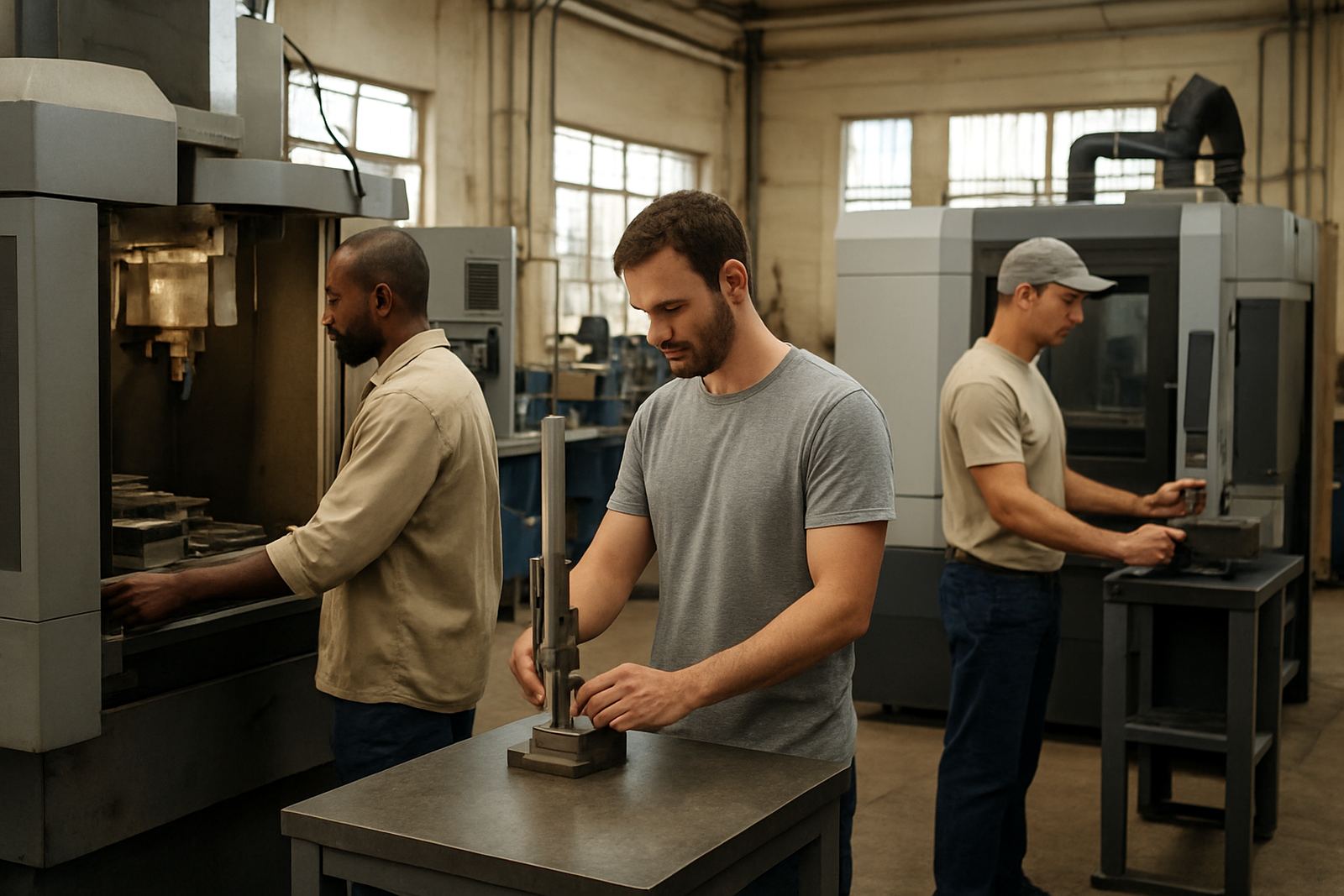
Start with the part, not the machine. Material, tolerance, finish, batch size and clamp points all affect what will work best on the floor. A small brass run for a local instrument maker needs a very different setup to a high-volume steel job for automotive suppliers in Gqeberha or a maintenance workshop in Kariega.
In practice, the best choice is usually the one that reduces setup time and keeps repeatability steady through the full shift. That means checking tool reach, holder condition, collet accuracy and workholding stability before cutting starts. It also means planning for power interruptions and warm coastal conditions, because both can affect consistency if the process is not set up properly.
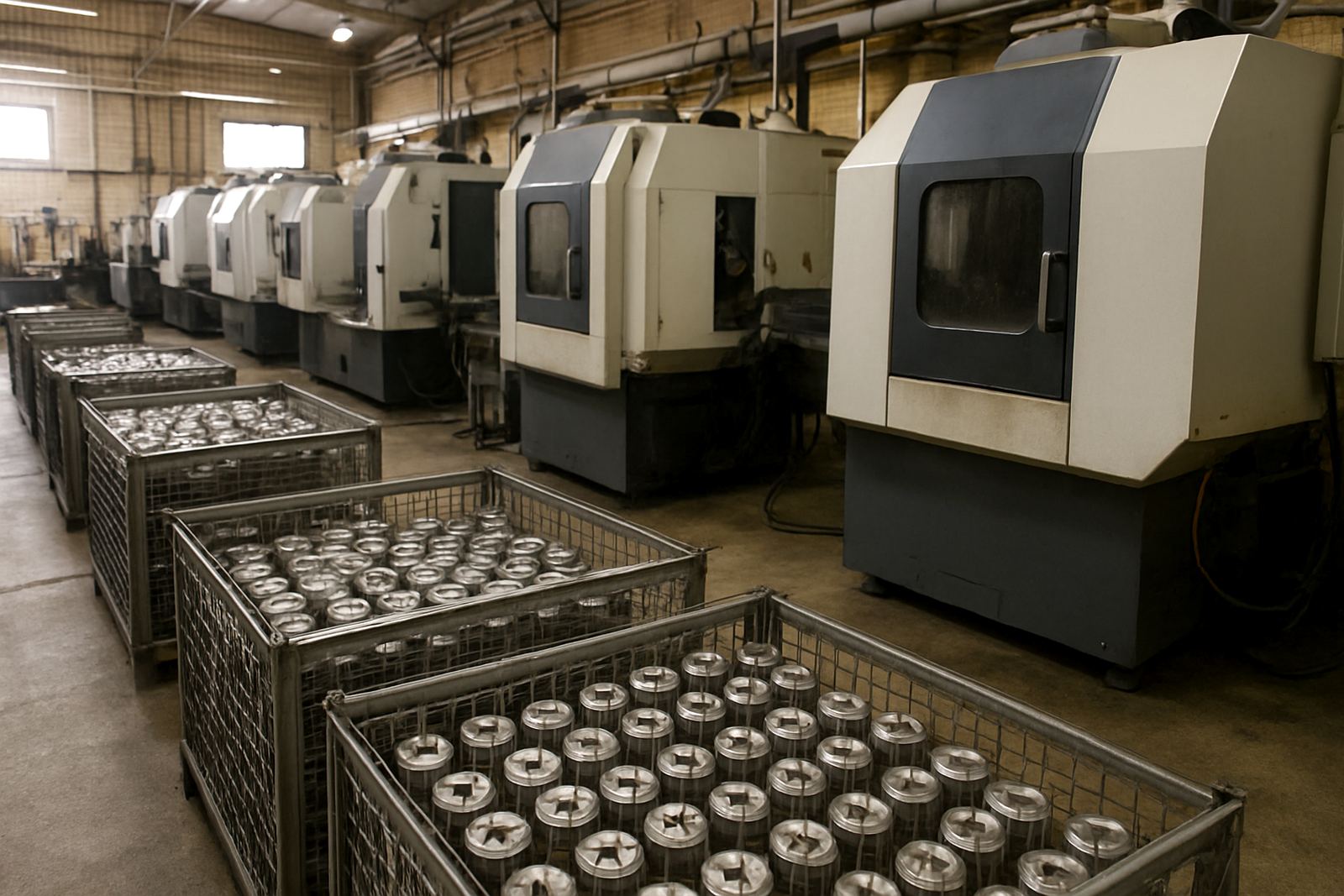
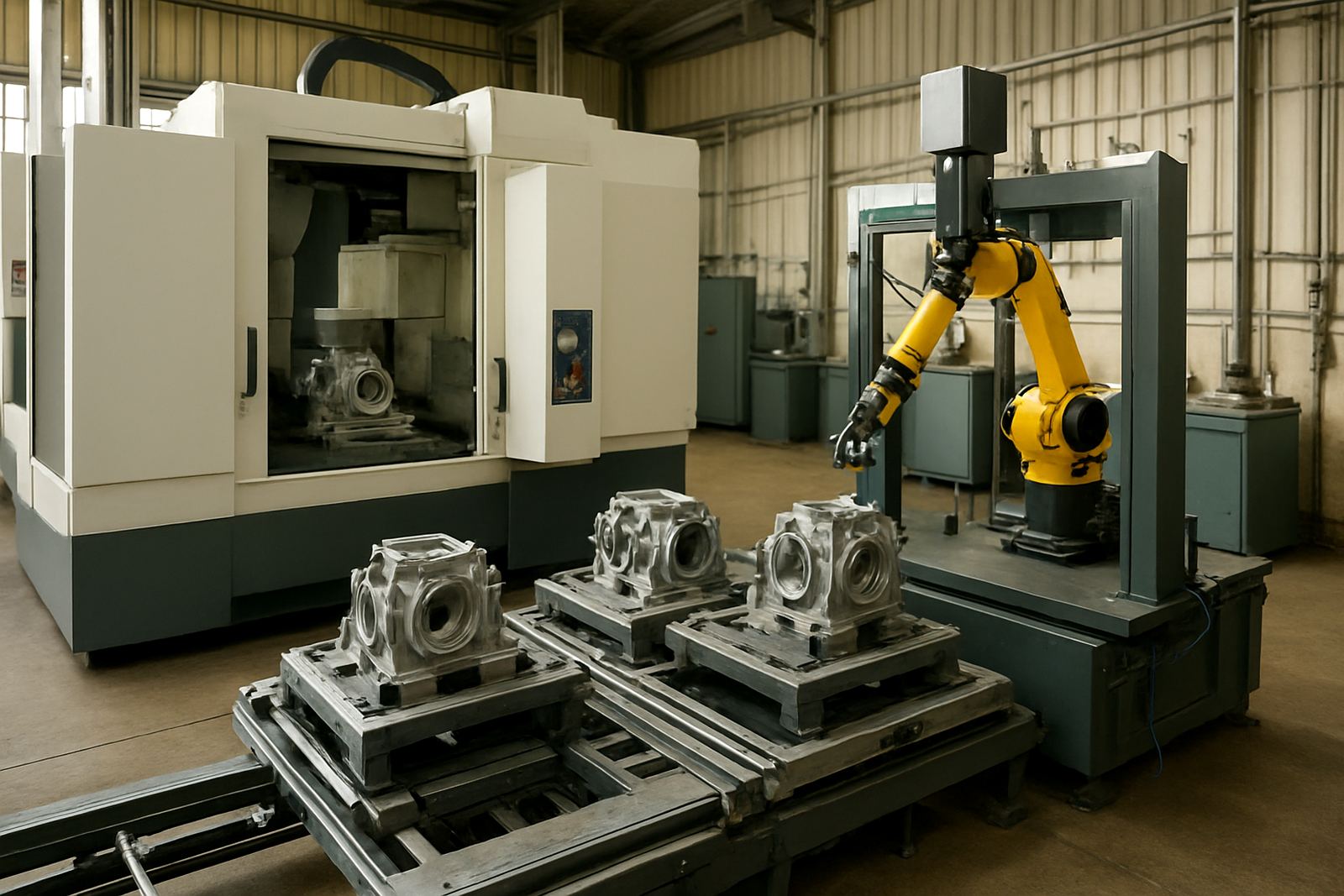
High-volume component production
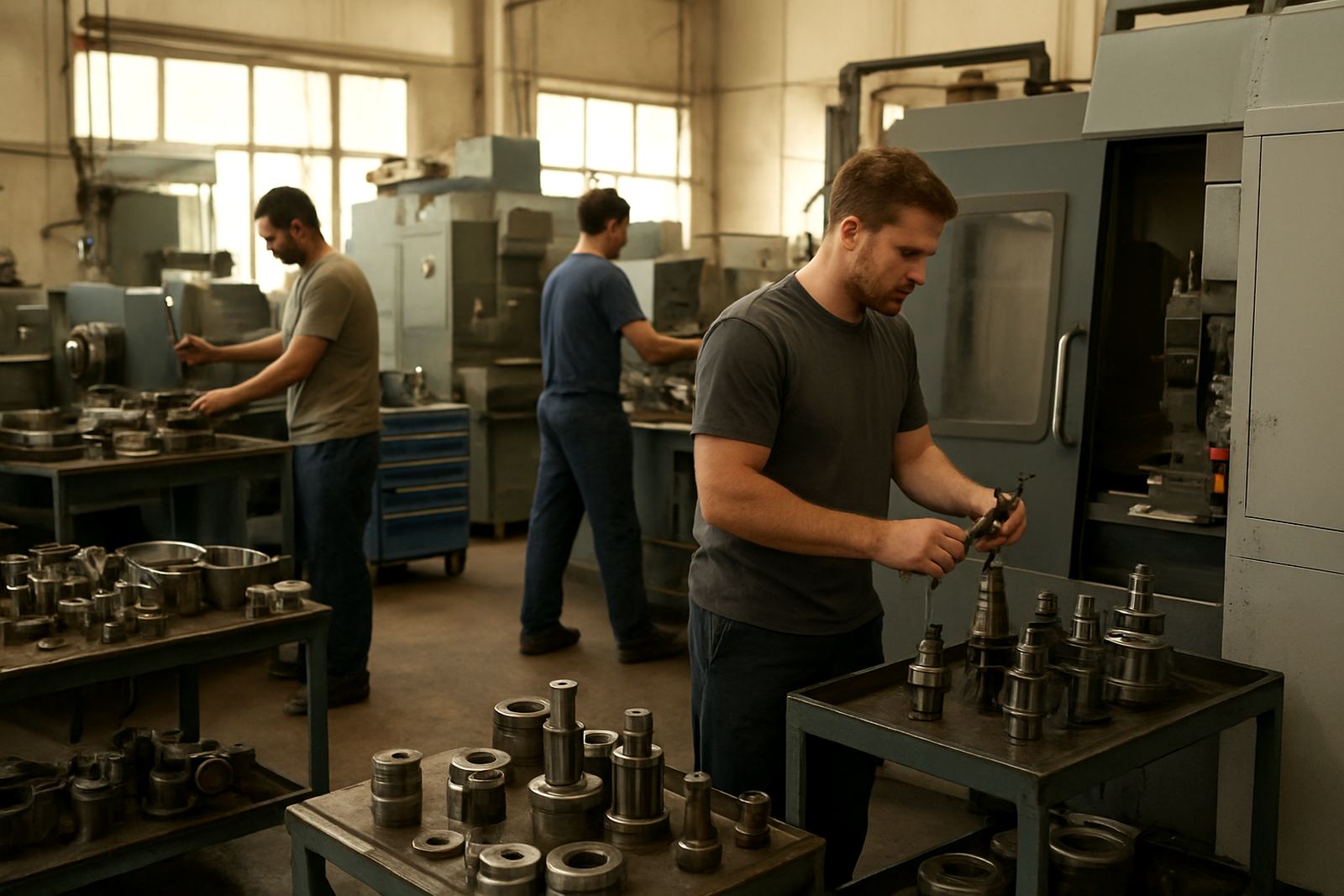
When the same part comes back again and again, speed and repeatability matter most. This is where presetting, runout checks and clean holder interfaces help keep tool life predictable and scrap low. Shops in Struandale and Markman often use these methods to keep batches moving even when labour is stretched.
- Tool holders matched to the spindle and cutting load
- Collets sized correctly for the cutter shank
- Workholding that stops lift, shift or vibration
- Inspection routines that catch wear before it becomes a scrap issue
For longer runs, even a small improvement in clamping or tool balance can save real money over the month.
Precision work for tight tolerance parts
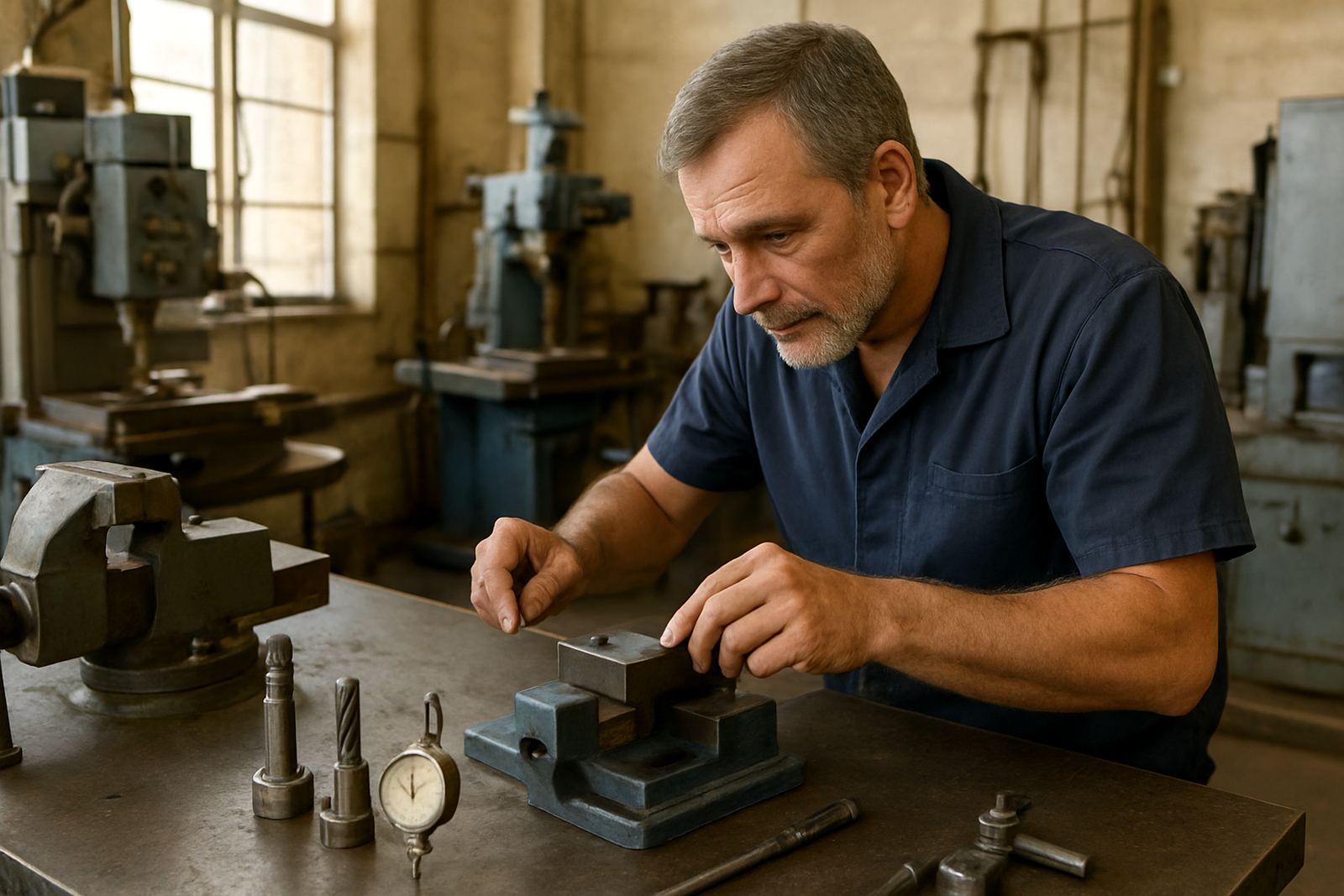
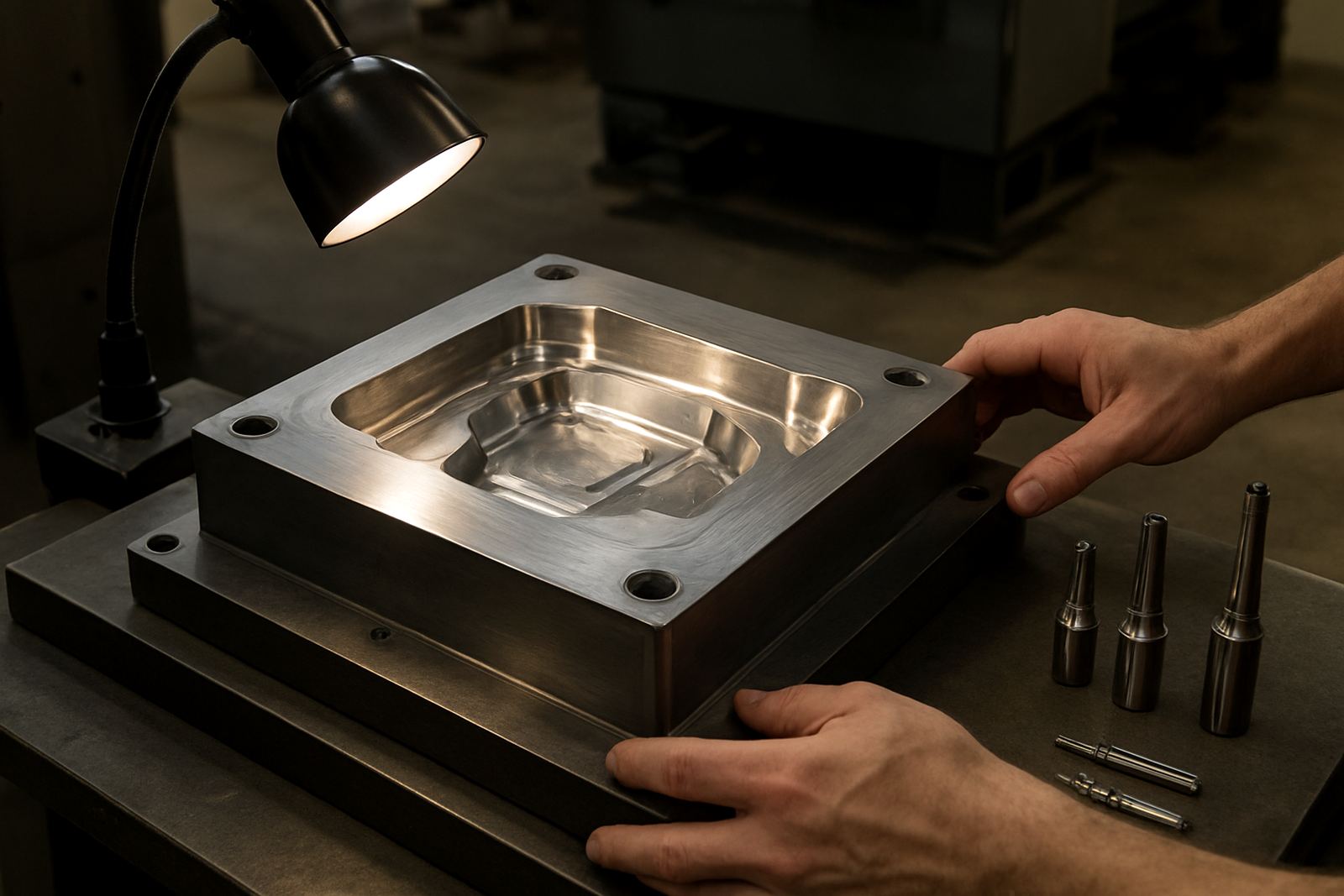
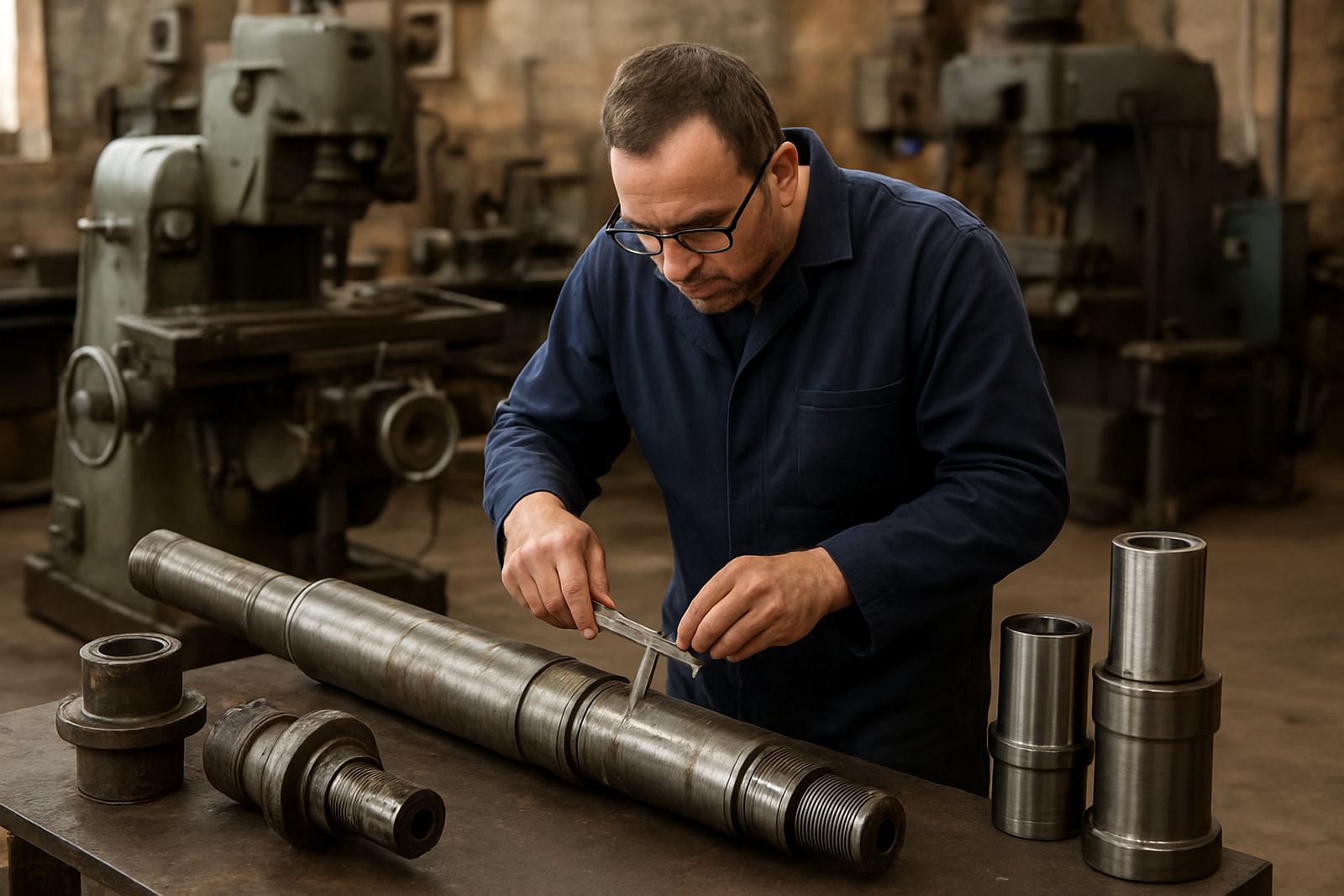
Tight tolerance work leaves little room for error. Medical components, mould inserts, gauges and fine mechanical parts all need stable toolpaths and accurate setup. If the holder is dirty or the vise is slightly out, you can lose accuracy before the first chip is made.
Tool regrinding, holder cleaning and chuck jaw machining support this kind of work by keeping the machine side of the job as consistent as possible. In humid coastal conditions, regular cleaning also helps prevent surface rust and false readings on critical faces.
Workholding for awkward shapes and mixed batches
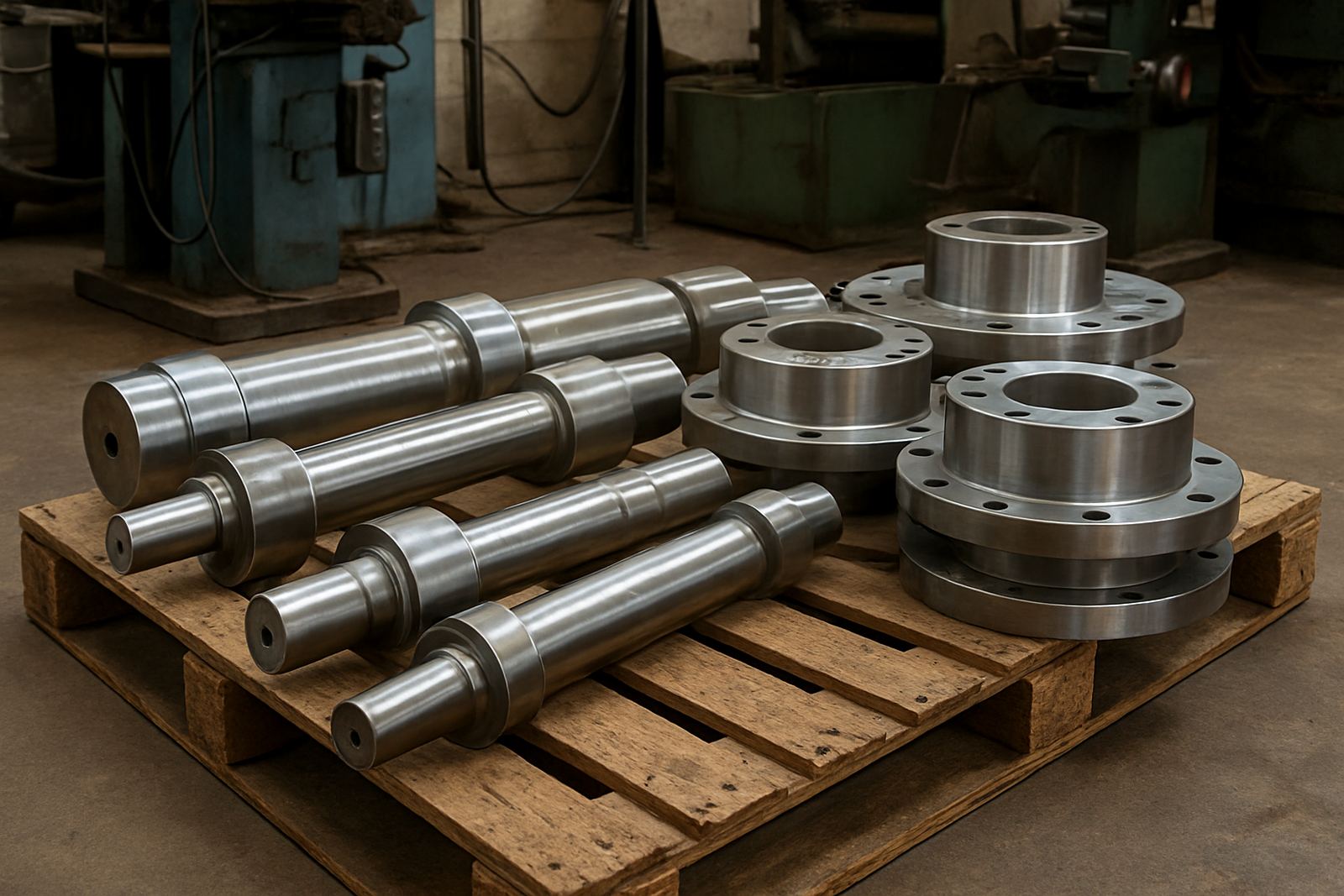
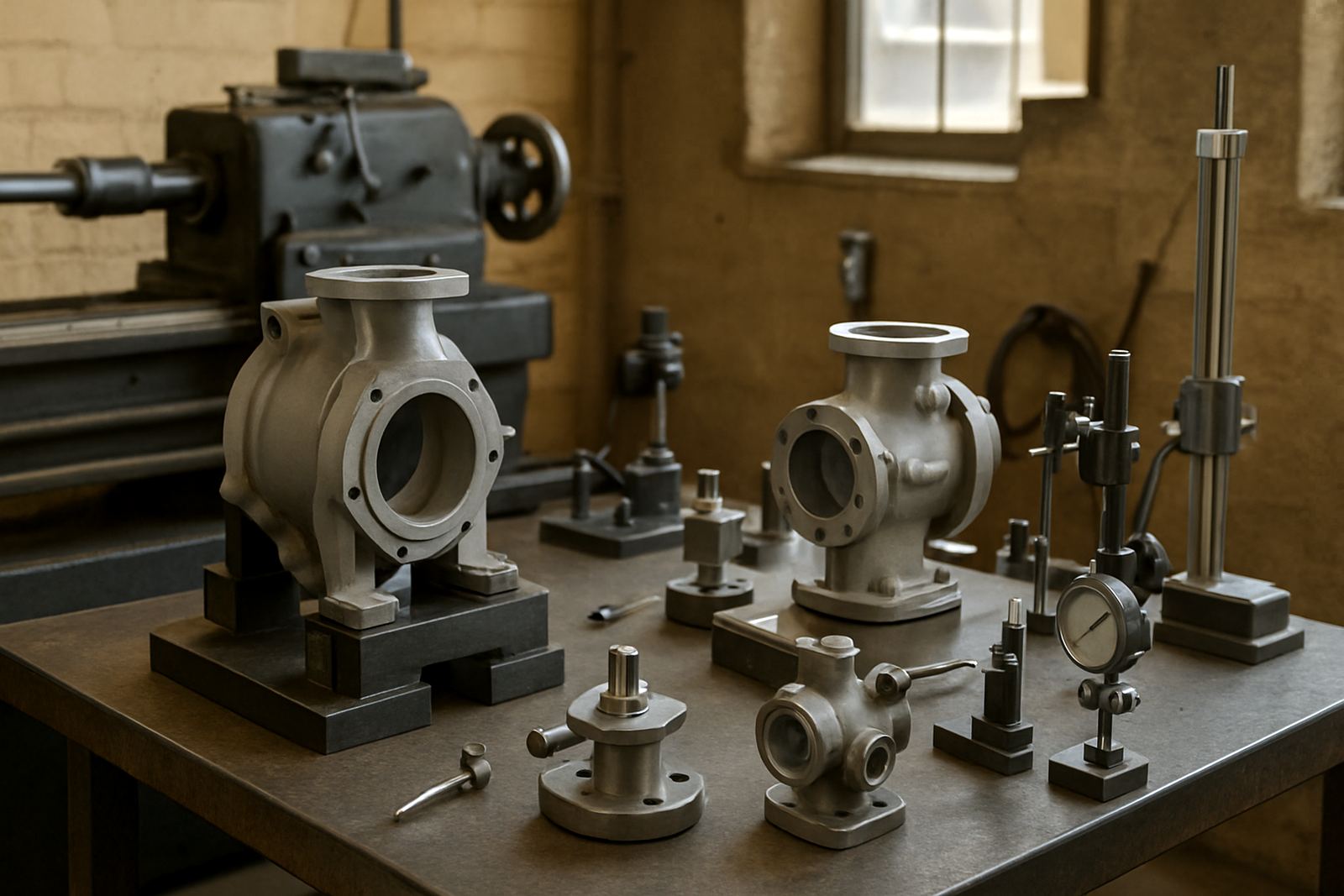
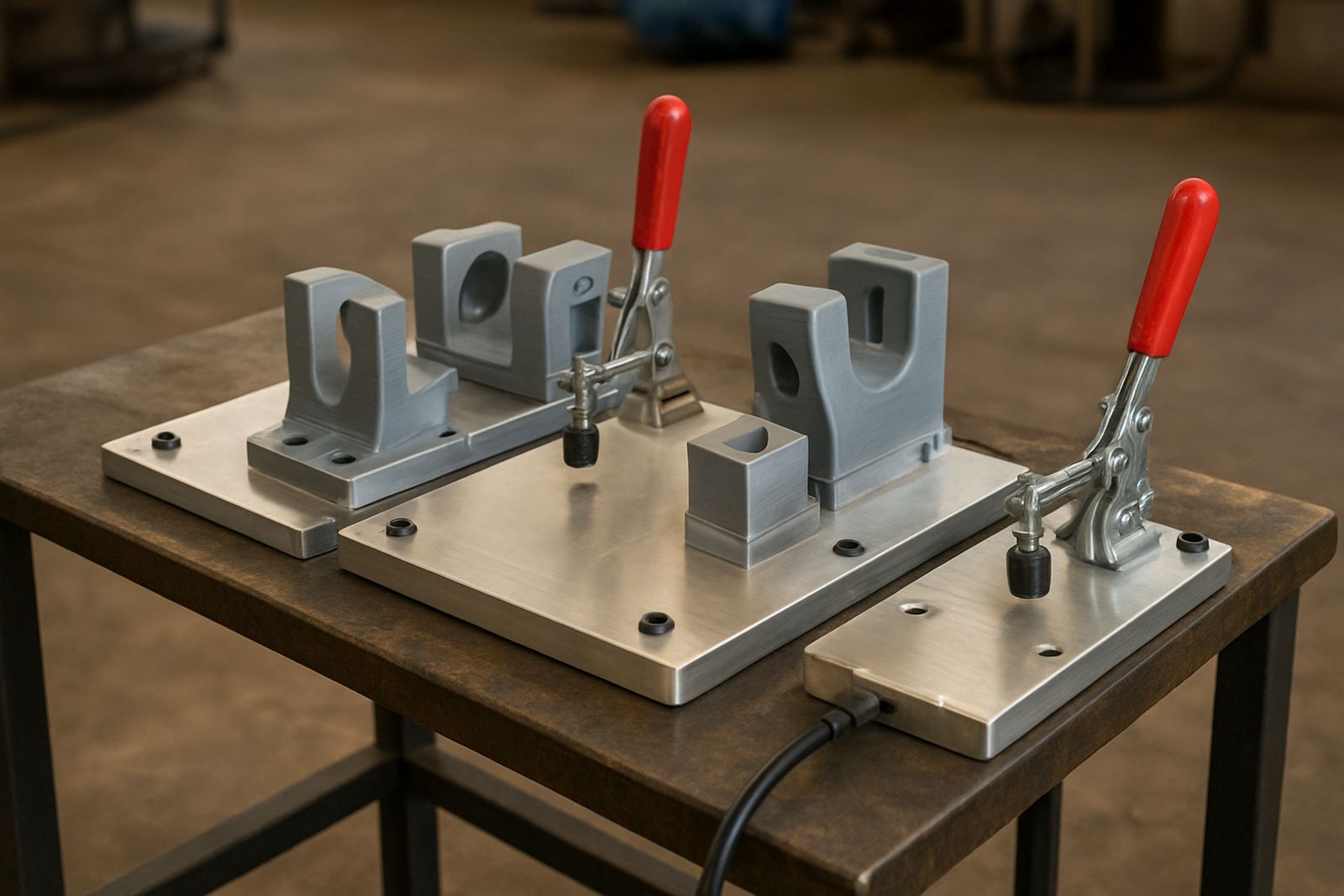
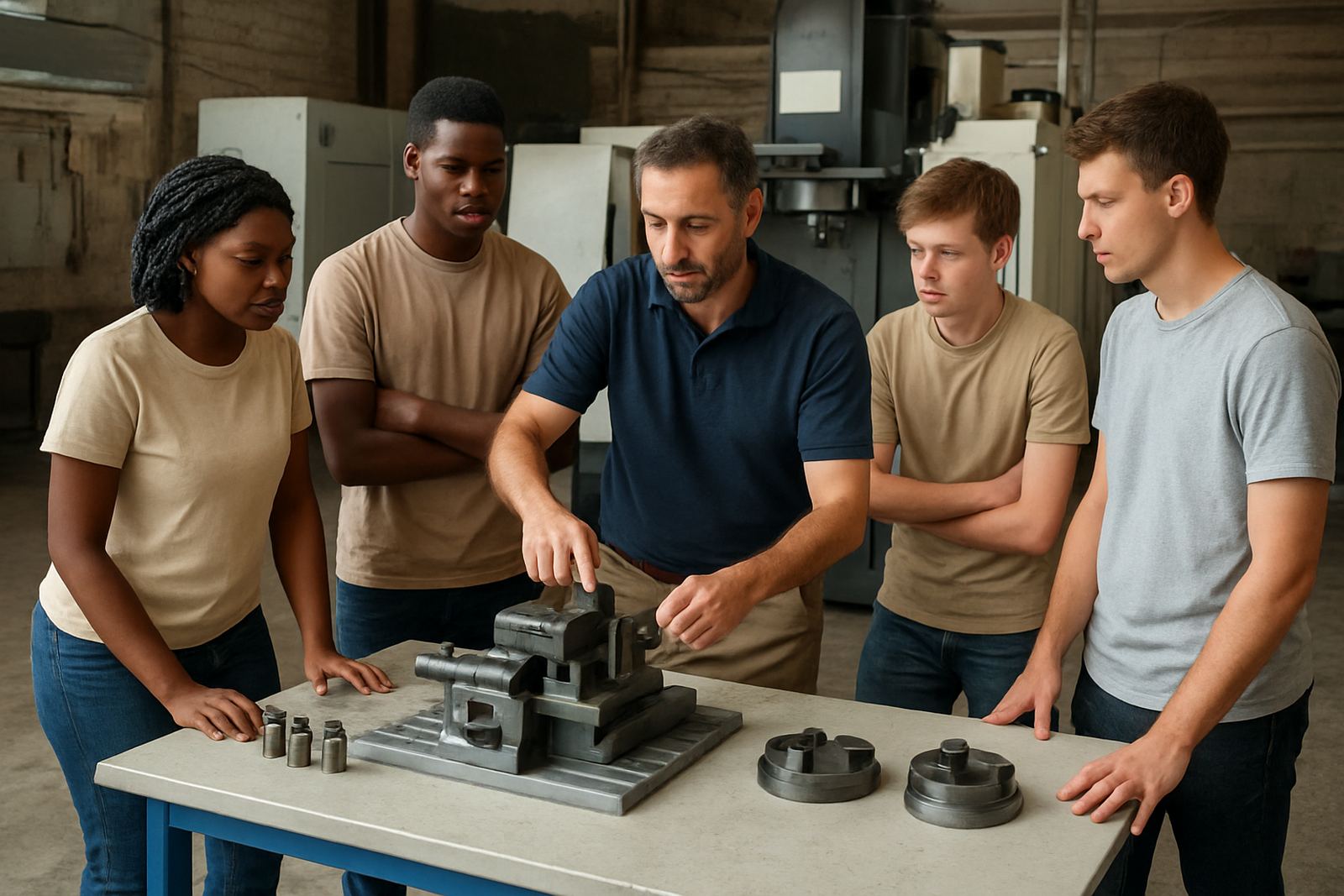
Not every part fits neatly into a standard clamp. Castings, thin plates, long shafts and short repeat jobs often need different jaws, stops or alignment methods. That is where proper workholding selection pays off, especially for shops handling both new production and repair work.
- Vise alignment for flat work and light machining
- Chuck jaw machining for round components and re-clamping accuracy
- Special fixture support where the part shape changes from job to job
- Collection and delivery for parts moving between departments
Good workholding also helps with safety. A secure setup reduces chatter, protects cutters and makes the operator’s job cleaner and faster.
3D printing and scanning for development work
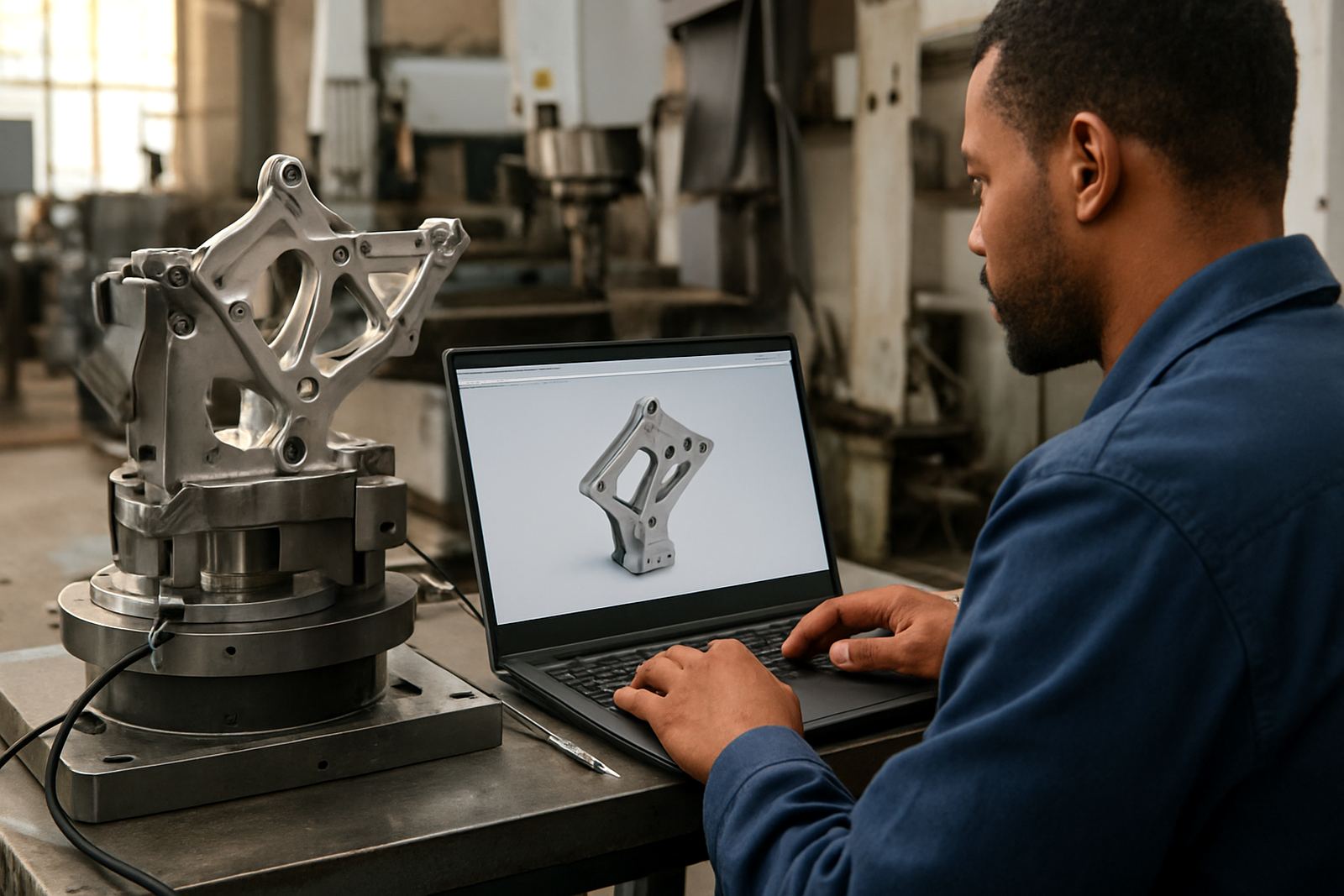
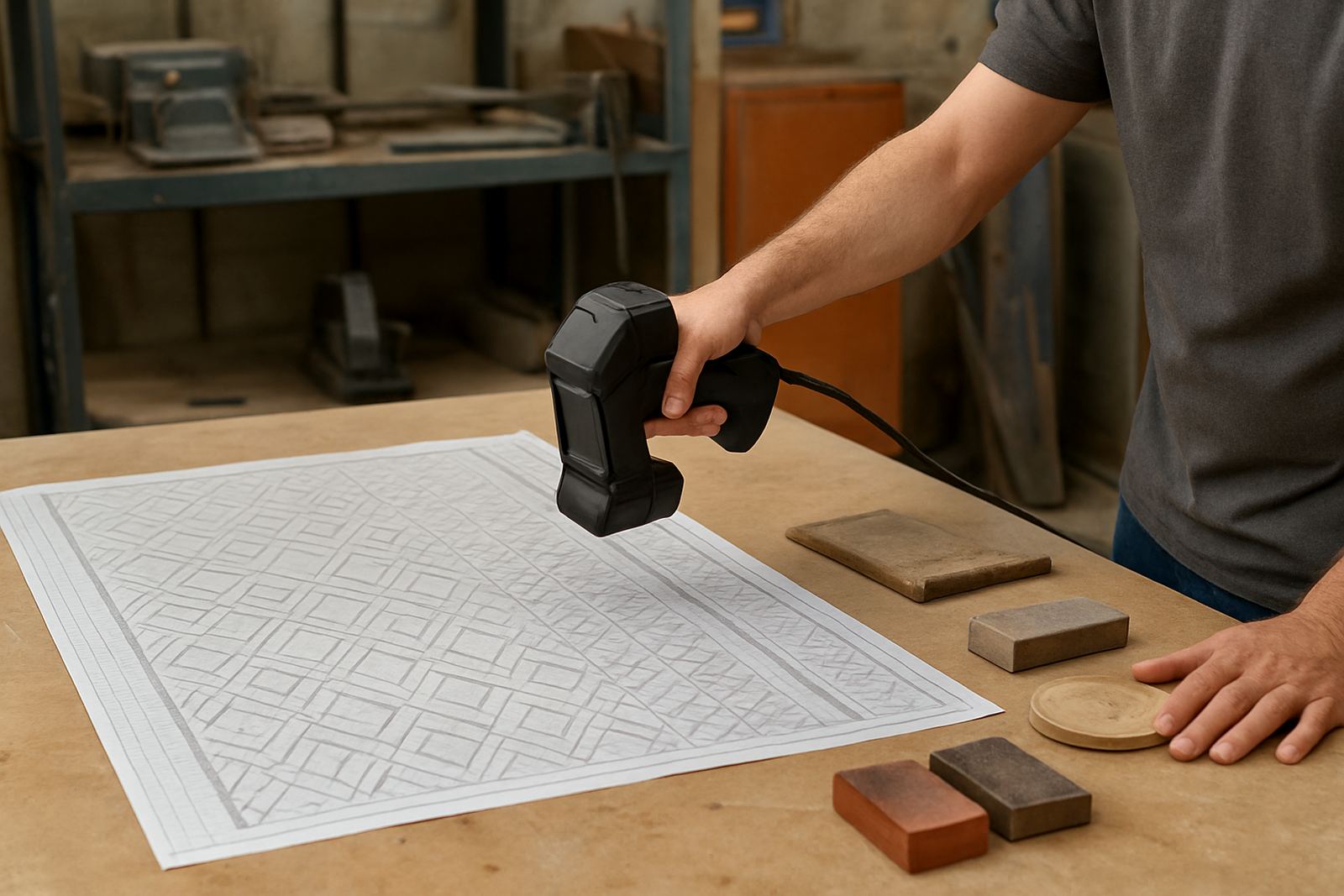
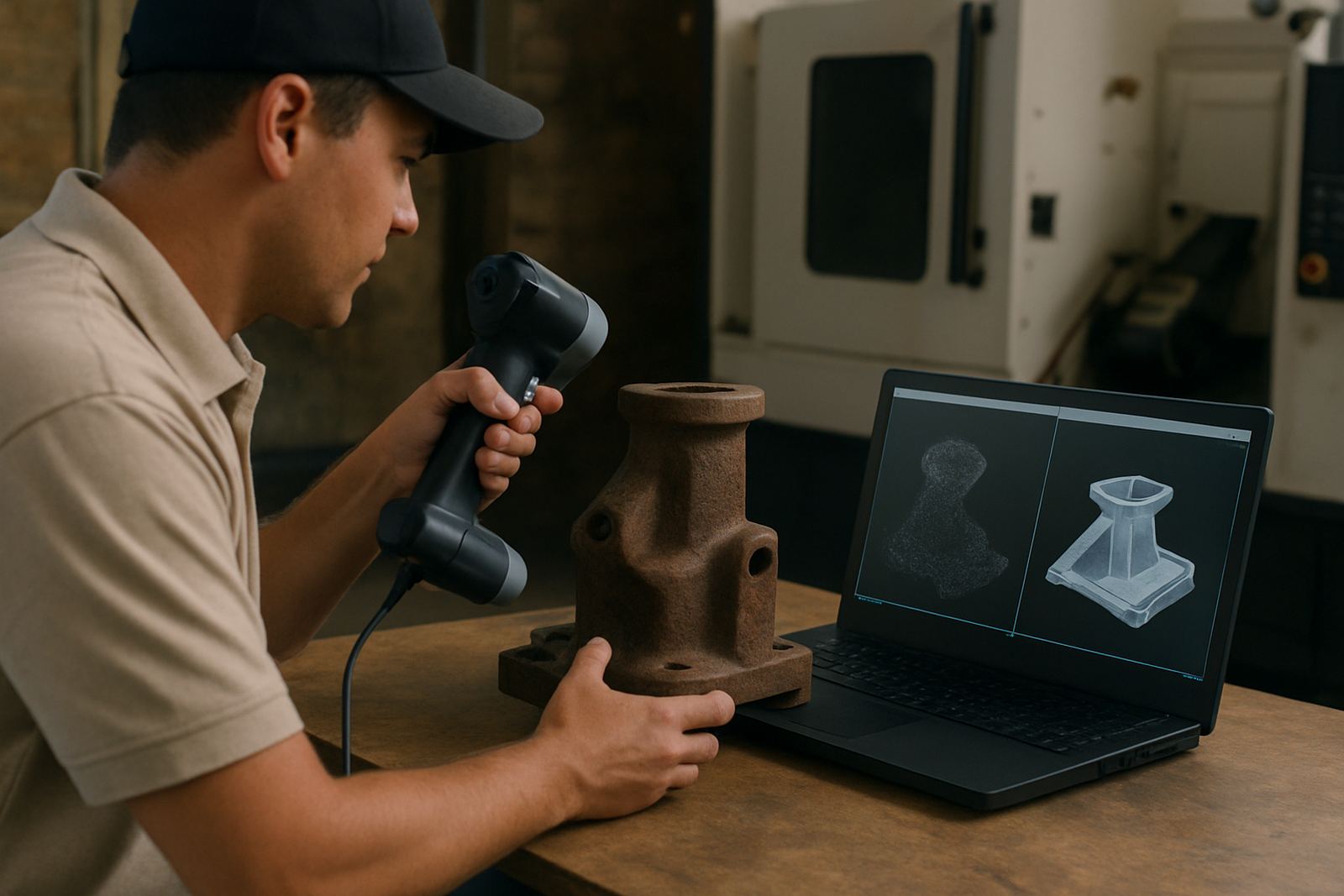
Not every application starts with a billet of metal. Some jobs need prototypes, jigs, inspection aids or replacement covers before full production begins. 3D printing and scanning are useful for this because they shorten the path from idea to fit check.
Scanning helps when a worn part needs to be measured against the original shape, or when a new component must match an existing assembly. Printer maintenance and scanner calibration keep these systems accurate enough for workshop use, which matters when a jig needs to fit first time and there is no room for trial and error.
Support for busy machine shops
Most shops cannot afford long delays when a tool holder wears, a cutter starts wandering, or a chuck needs attention. That is why practical support services matter just as much as the product range. In and around Port Elizabeth CBD, Despatch and Coega, quick turnaround can be the difference between finishing on time or missing the dispatch window.
Tooling support includes:
- Tool regrinding and inspection
- Holder cleaning and runout checks
- Presetting service for faster machine set-up
- Scanner calibration and printer maintenance
With load-shedding still part of the working day, shops also need tooling that holds its settings well after a restart, not something that drifts the moment power comes back on.
Choosing by material, machine and location
Material and environment both shape the right choice. Aluminium, mild steel, stainless and engineering plastics each place different demands on cutters, holders and clamping force. A coastal workshop in Gqeberha may need more regular cleaning than an inland site, while a plant in Coega may prioritise fast changeovers for shift work.
If you are unsure where to start, look at three things: the part material, the accuracy target and the number of setups needed per job. That usually points to the right combination of machining tools, holding systems and digital manufacturing support. From there, you can build a process that suits the job instead of forcing the job to suit the process.