Start With What the Tool Is Telling You
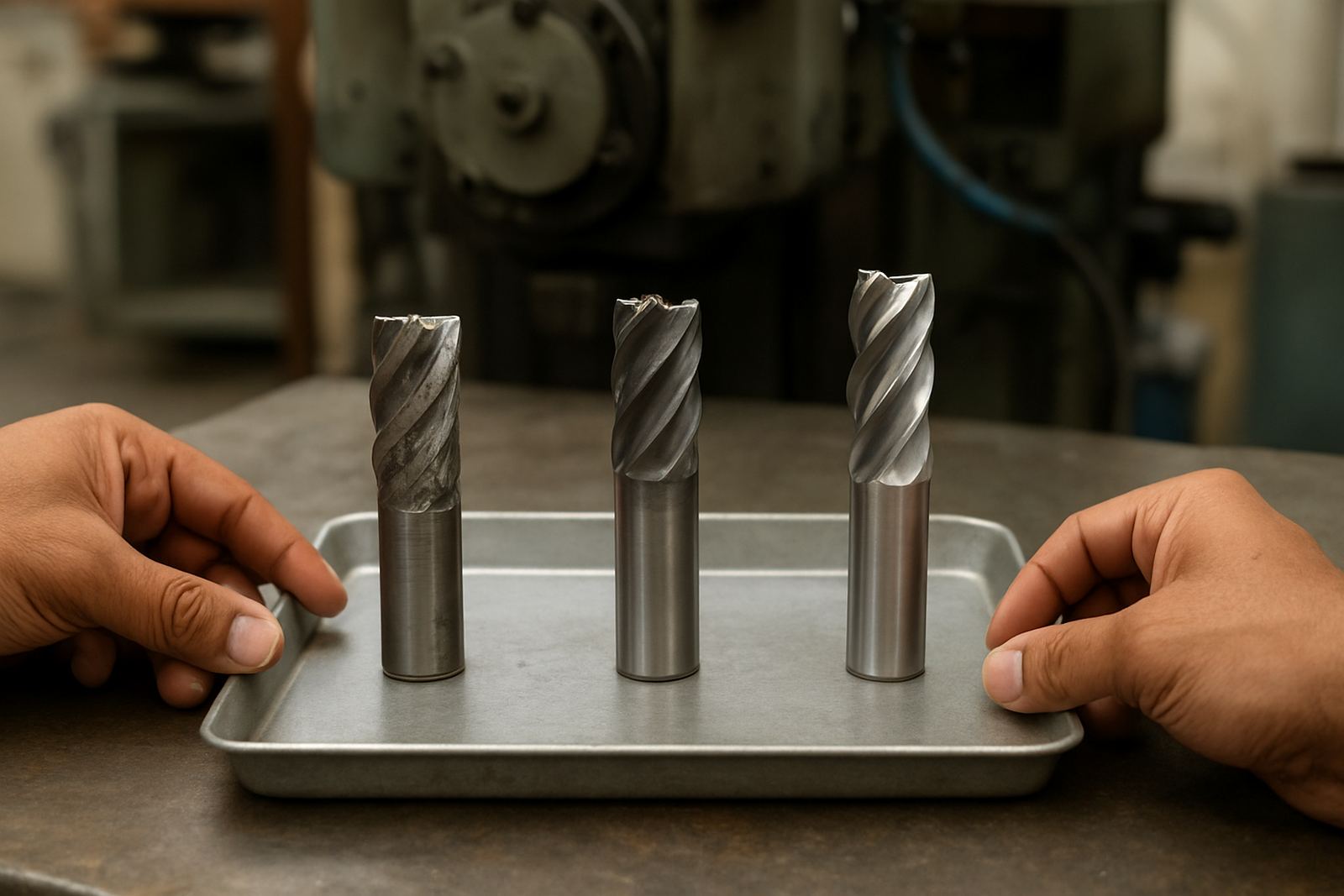
A worn tool usually gives clear signs before it fails completely. You may see chipping on the cutting edge, inconsistent finish, rising spindle load, chatter, or parts that suddenly need extra deburring. If the tool is still holding geometry and the body is sound, regrinding may bring it back into service. If the damage has moved into the shank, flutes or seat area, replacement is often the safer call.
In Struandale and Markman, where many shops run mixed batches and short lead times, the pressure is often to keep cutting no matter what. That can work for a while, but the real question is whether the tool is still making parts within tolerance. Once a tool starts pushing setup corrections into every job, it is costing more than it looks like on the purchase order.
- Check for edge wear, chips and built-up material on the tool.
- Look at part size drift, finish quality and cycle consistency.
- Listen for chatter, squeal or changes in spindle load.
Ask Whether the Tool Still Has Usable Geometry
Some tools are designed with enough material to be reground several times. Others are not. A good inspection will show whether the flute profile, point angle, relief or cutting length can be restored without affecting performance. If the tool has already been shortened too much, the cutting reach may no longer suit the job. That matters on deep pockets, long reach setups and workholding that leaves little clearance.
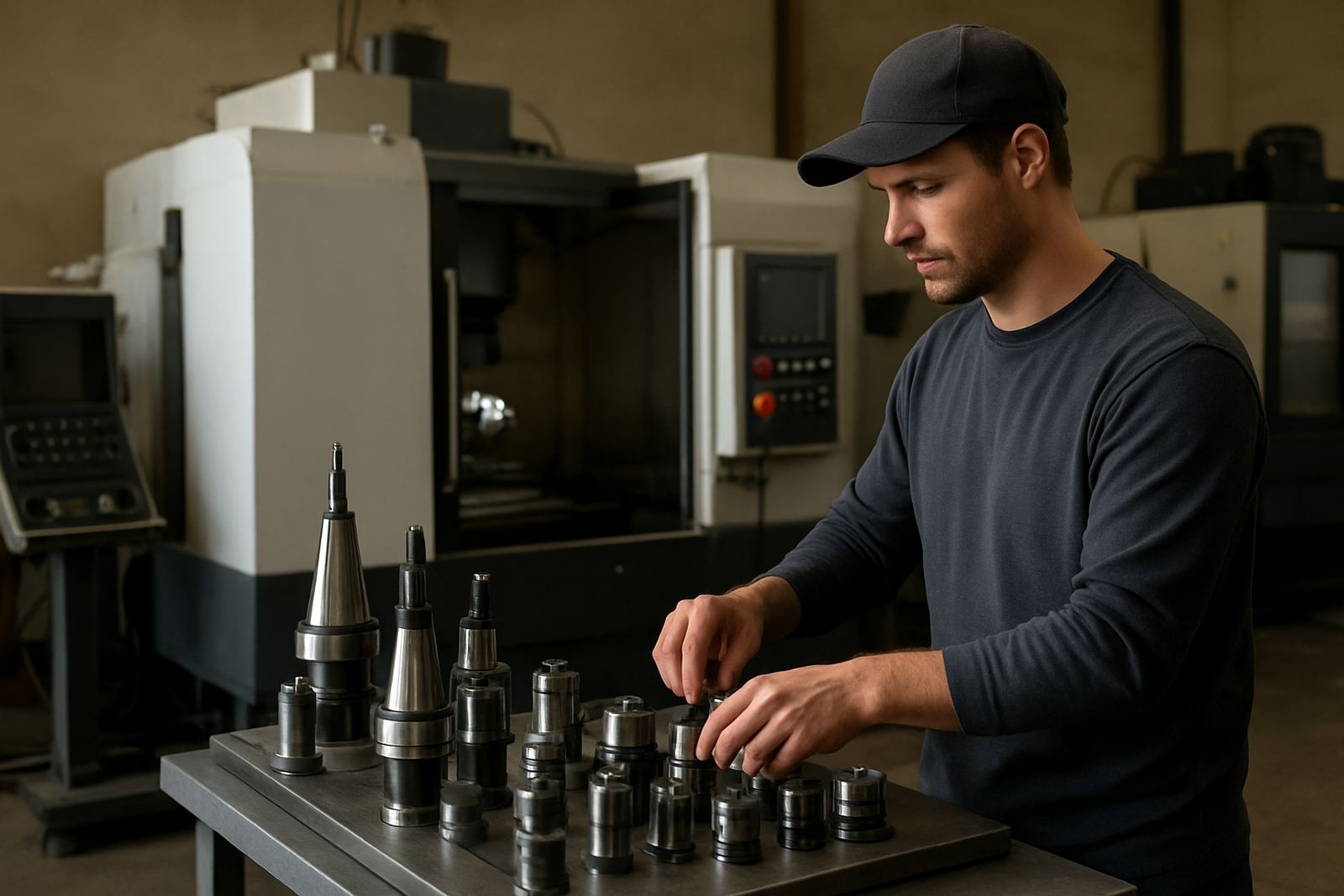
Tool inspection should include runout checks and a close look at the holder as well. A tool can look tired when the real problem is a dirty holder, worn collet or damaged taper. We see this often in Gqeberha workshops that run through shift changes and power interruptions. After load-shedding, a machine may come back to life with a slight alignment issue and the tool gets blamed first. Sometimes it is the holder, not the cutter.
- Measure the remaining flute length and cutting diameter.
- Confirm the tool can still reach the required depth safely.
- Inspect the holder, collet and taper before condemning the tool.
Compare Regrind Cost Against Real Production Cost
Price is only one part of the decision. A regrind is worthwhile when it restores accuracy quickly and keeps the job moving. Replacement makes more sense when downtime, setup time and scrap will exceed the cost of a new tool. A low-cost regrind that still leaves poor performance is not a saving, it is delay.
For machine shops in Coega or Despatch handling repeat work, the smarter approach is to track the numbers. How many components did the last tool run before wear set in? What was the scrap rate during the final shift? Did the operator need to slow feed rates or reduce depth of cut just to keep the job stable? Those answers show the real cost. A tool that saves 300 Rand on regrind but loses 2 hours of spindle time is not a win.
- Compare regrind cost to the value of lost machine time.
- Include scrap, rework and extra setup time in the calculation.
- Check whether the same part quality can be repeated after regrind.
When Replacement Is the Better Call
Retirement is the right answer when the tool is unsafe, structurally damaged or no longer capable of holding tolerance. Cracks, severe heat damage, broken shanks, bent bodies and deep seat wear usually mean the tool has reached the end of its useful life. If the job is critical and the part cannot tolerate risk, replacement protects both the customer and the workshop.
In fast moving production, it is tempting to stretch every tool to the last possible pass. That can work on roughing operations with generous allowances, but it is poor practice on finishing, threading or tight-tolerance work. A tool that has already caused a stopped machine, a rejected batch or a damaged holder should be assessed hard and honestly. Sometimes the cheapest tool is the one you remove from service sooner.
- Retire any tool with cracks, distortion or major breakage.
- Replace tools that can no longer meet tolerance after inspection.
- Do not reuse a tool that has damaged the holder or spindle interface.
The Holder and Workholding Can Change the Answer
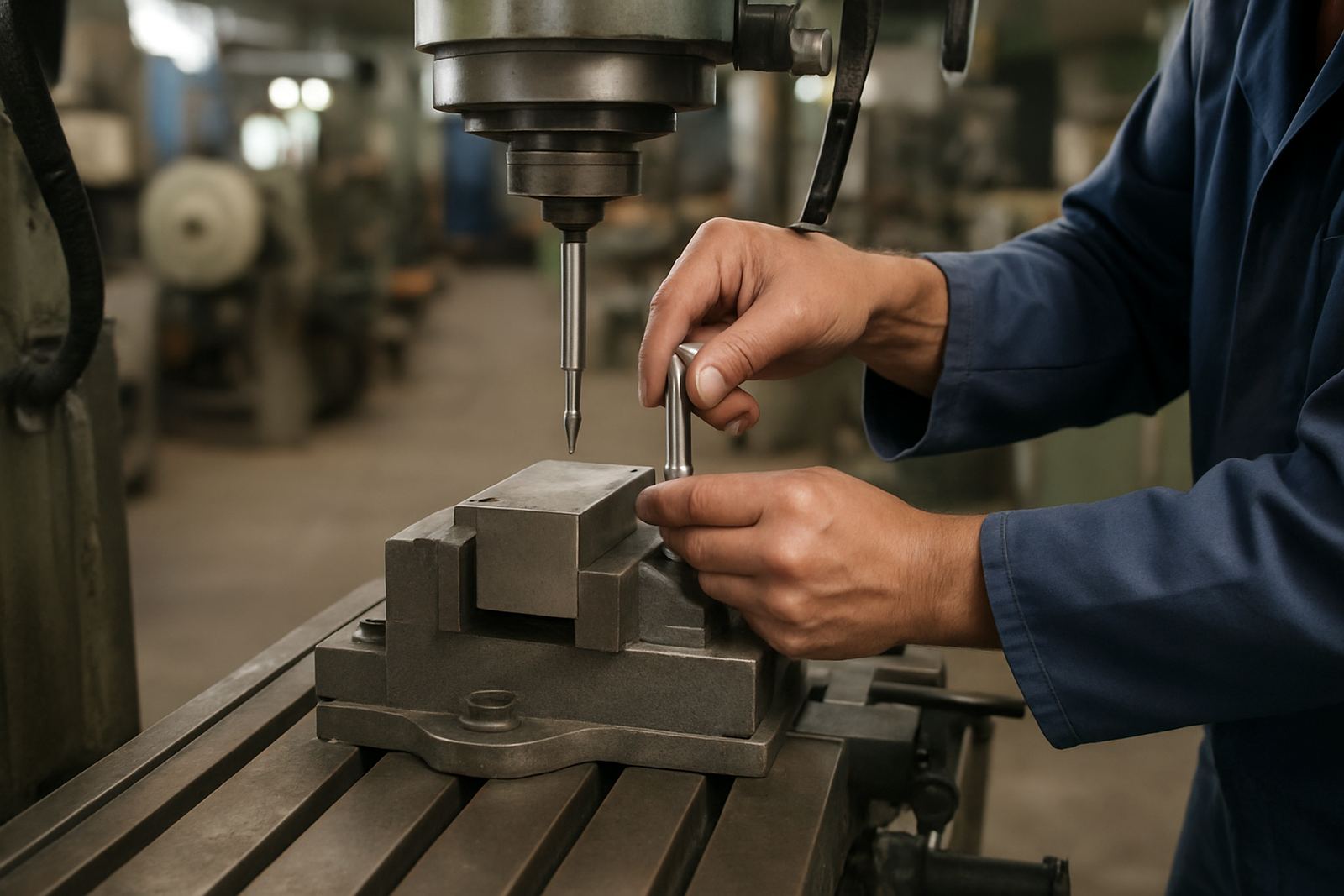
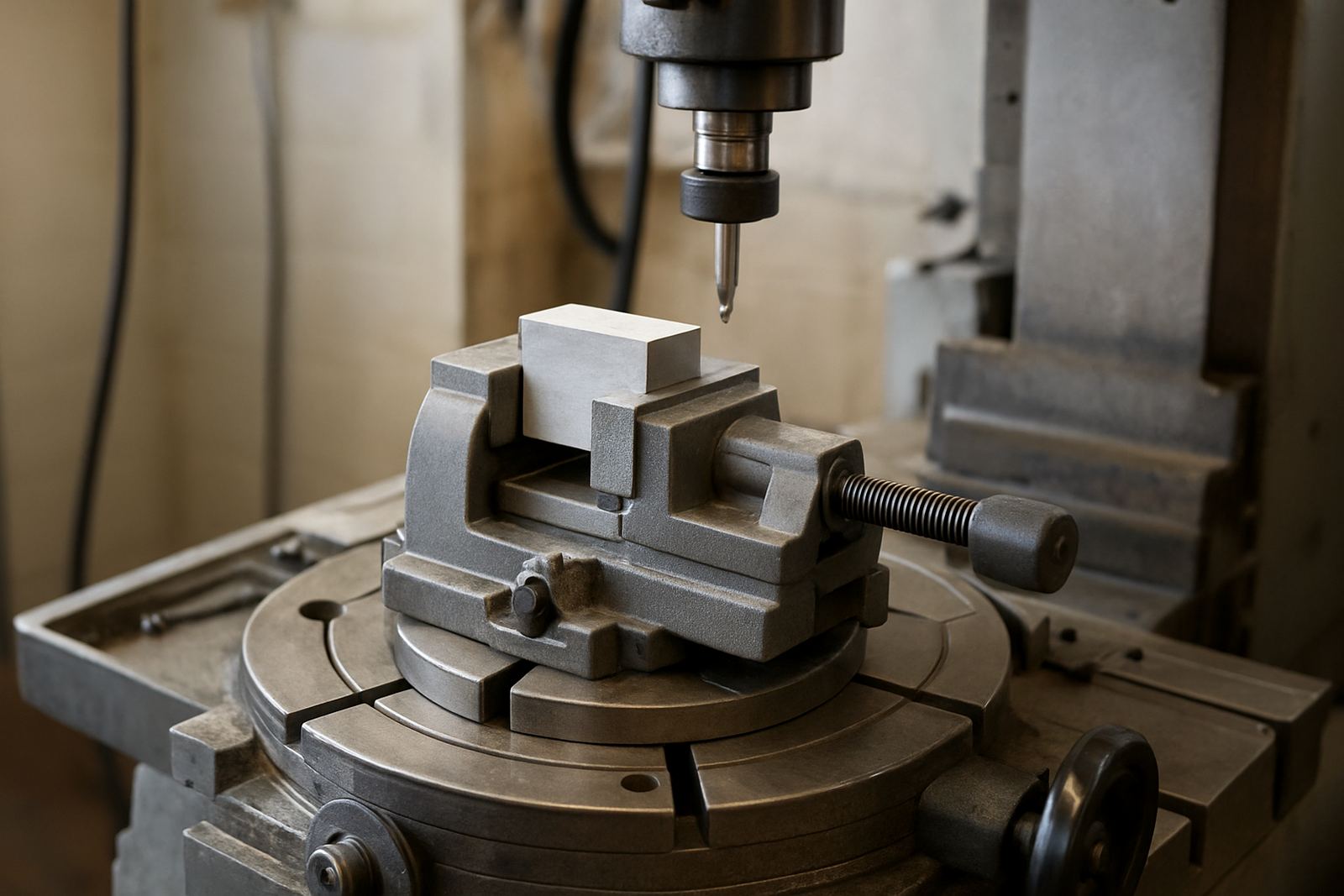
Many teams focus only on the cutter, but the holder, chuck jaws, collet and vice setup can change whether a tool should be reground at all. If a tool is running with poor concentricity, the cutting edges wear unevenly and the whole tool appears worse than it is. Holder cleaning, presetting service, chuck jaw machining and vice alignment can recover accuracy before a replacement decision is made.
This matters in shops around Port Elizabeth CBD and Kariega where jobbing work often changes from one component to another in the same day. A tool that seems finished may simply be fighting bad setup. Once the holder and workholding are corrected, a regrind may perform properly again. That said, if alignment issues have already damaged the tool body, you may be too far gone. The inspection needs to be honest and measured.
- Clean holders and check for contamination before judging wear.
- Measure runout at the cutting edge and near the gauge line.
- Verify vice and chuck alignment before sending tools out.
Build a Simple Rule for the Shop Floor
The best shops do not guess. They use a straightforward rule that operators, setters and supervisors can follow without arguing every time a tool comes off the machine. First inspect the cutting edge. Then check geometry, runout and the holder. After that, compare regrind value against replacement value. If the tool can be restored to spec and the saving is real, regrind it. If not, retire it and move on.
A practical example from a Gqeberha workshop: a carbide cutter used on small batches in Struandale kept producing good first-off parts, then drifting once the job hit its second shift. The team thought the cutter was finished. After inspection, the holder was cleaned, the collet replaced and the tool reground. The tool returned to stable cutting and completed another run. The key was not assuming the answer too quickly. Regrind or replace should be a decision based on condition, cost and the part requirement, not on habit.
For shops serving local industry and nationwide customers, that kind of discipline keeps production predictable. It also reduces waste, which matters when lead times are tight and material costs are rising.
- Use one inspection process for every worn tool.
- Record how many parts each tool produces before rework.
- Keep a clear line between acceptable wear and unsafe wear.