Where jobbing shops lose the most time
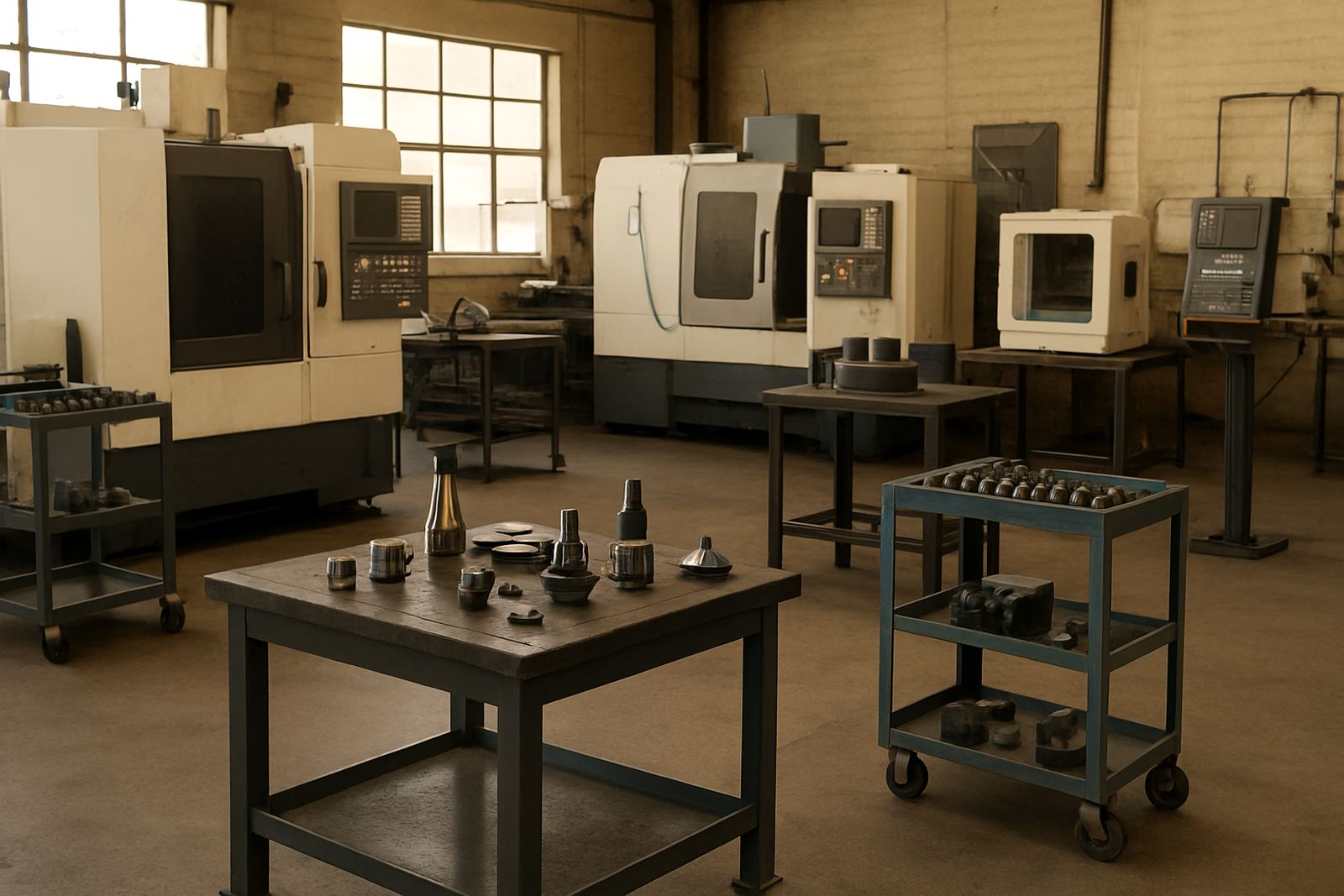
In a jobbing shop, the machine is often ready before the job is. The delays usually come from tool changes, checking offsets, redoing clamping, and hunting for the right holder or collet. Add short notice work, mixed batch sizes and a few worn accessories, and the setup time can climb fast.
The first step is to track where the minutes go. Many shops in Struandale and Markman find that the machine is cutting for only part of the shift, while operators are busy measuring, adjusting and rechecking. That does not mean the shop needs expensive automation. It usually means the basics need attention first.
Look closely at the repeated losses: poor tool storage, dirty tapers, tired jaws, inconsistent preset values and toolholders that have never been checked for runout. These are small faults on their own, but together they slow every changeover. A machine that should take 12 minutes to set can easily take 25 if the same corrections are being done over and over.
Cheap upgrades that pay back quickly
The best savings often come from simple maintenance and disciplined handling. A clean holder seats better, a checked collet grips better, and a properly aligned vice reduces scrap and rework. None of that requires a new machine. It just needs routine.
- Clean toolholders and cones before fitting them back into the spindle
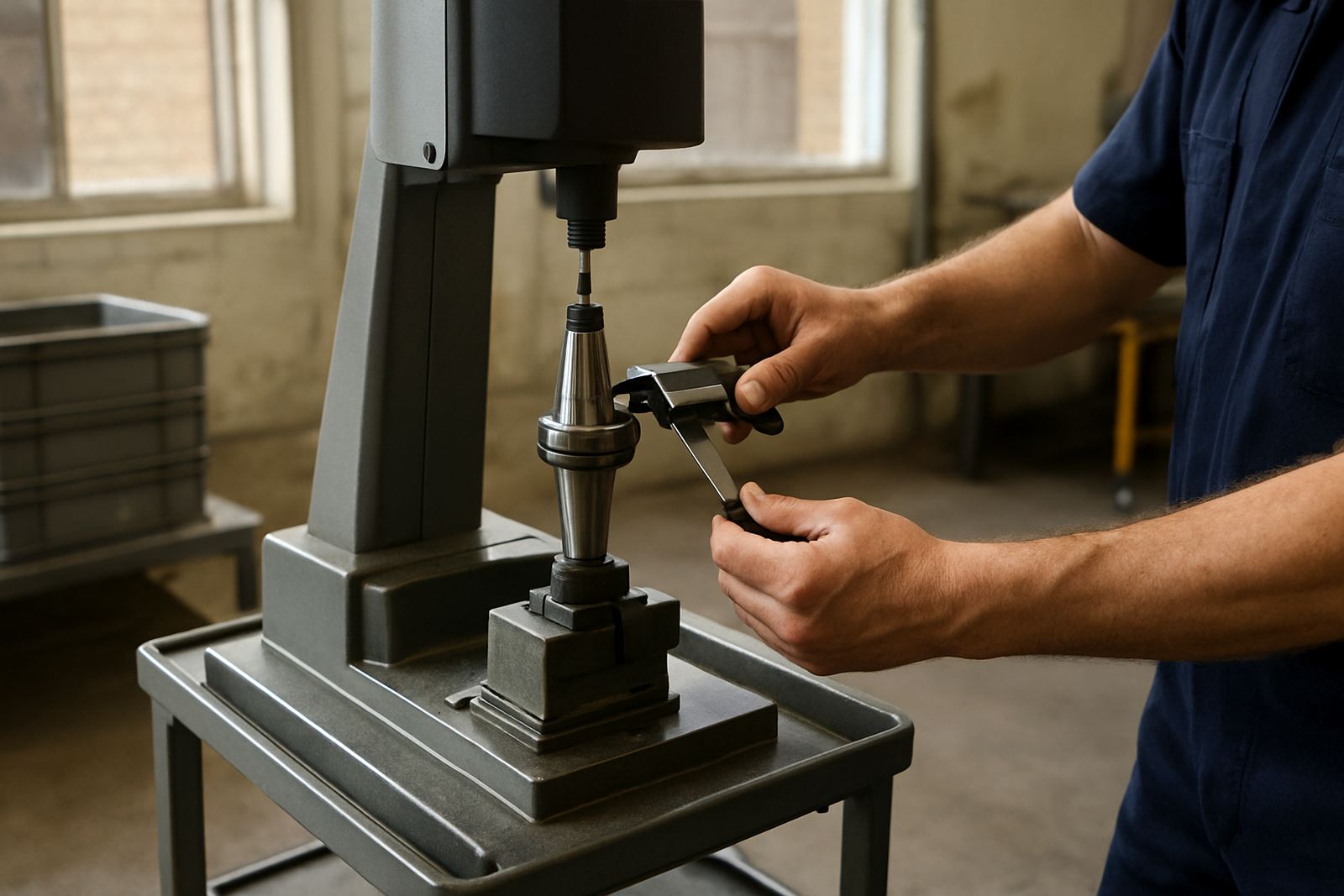
- Check runout on tools that are used for finishing or close tolerance work
- Keep collets matched to the correct shank sizes, not “almost fitting” sizes
- Inspect chuck jaws for wear and machine them when grip marks start to drift
- Set one standard place for preset tools, gauges and wrenches
These changes cost little but they stop a lot of repeat adjustments. If you are running stainless, aluminium or mixed mild steel jobs, the difference shows up quickly in surface finish and tool life. On a busy Monday morning, that matters more than a new brochure feature ever will.
Why presetting tools cuts the morning scramble
Presetting is one of the most practical ways to reduce setup drag in a jobbing shop. When tools are measured and prepared before they reach the machine, operators spend less time pausing to set lengths and confirm offsets. That keeps the spindle doing actual work, not standing still while someone checks the same dimension three times.
For smaller shops, a dedicated presetting service can be cheaper than tying up a skilled machinist on measuring duty. It also reduces variation between shifts. If one operator sets a tool at 07:10 and another must replace it after lunch, the second person should be able to trust the setup without starting from zero.
At Tooling, presetting support fits neatly alongside holder checks and tool inspection. When the basics are consistent, the shop can move faster with less risk of a bad first part.
Workholding that stops the remake cycle
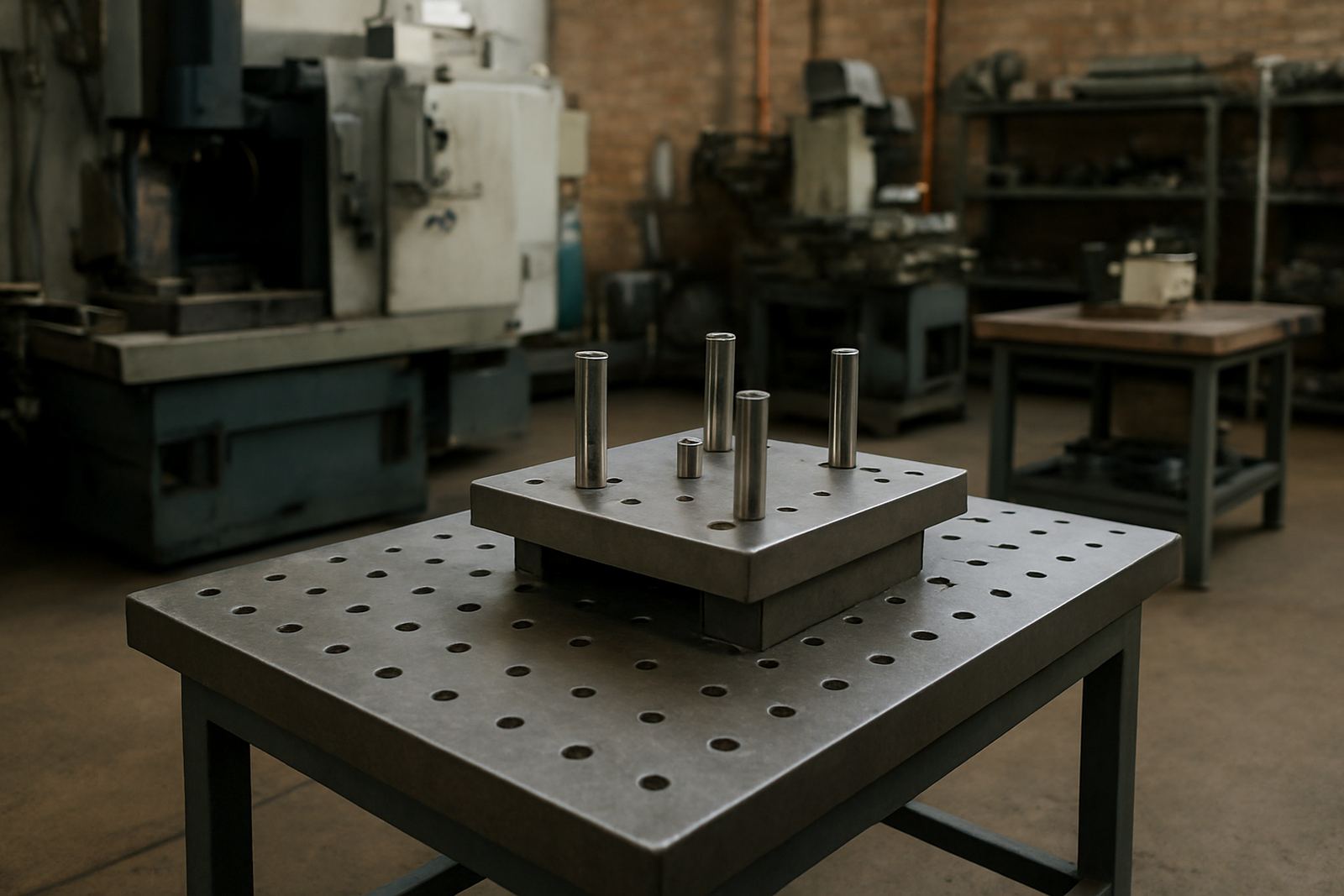
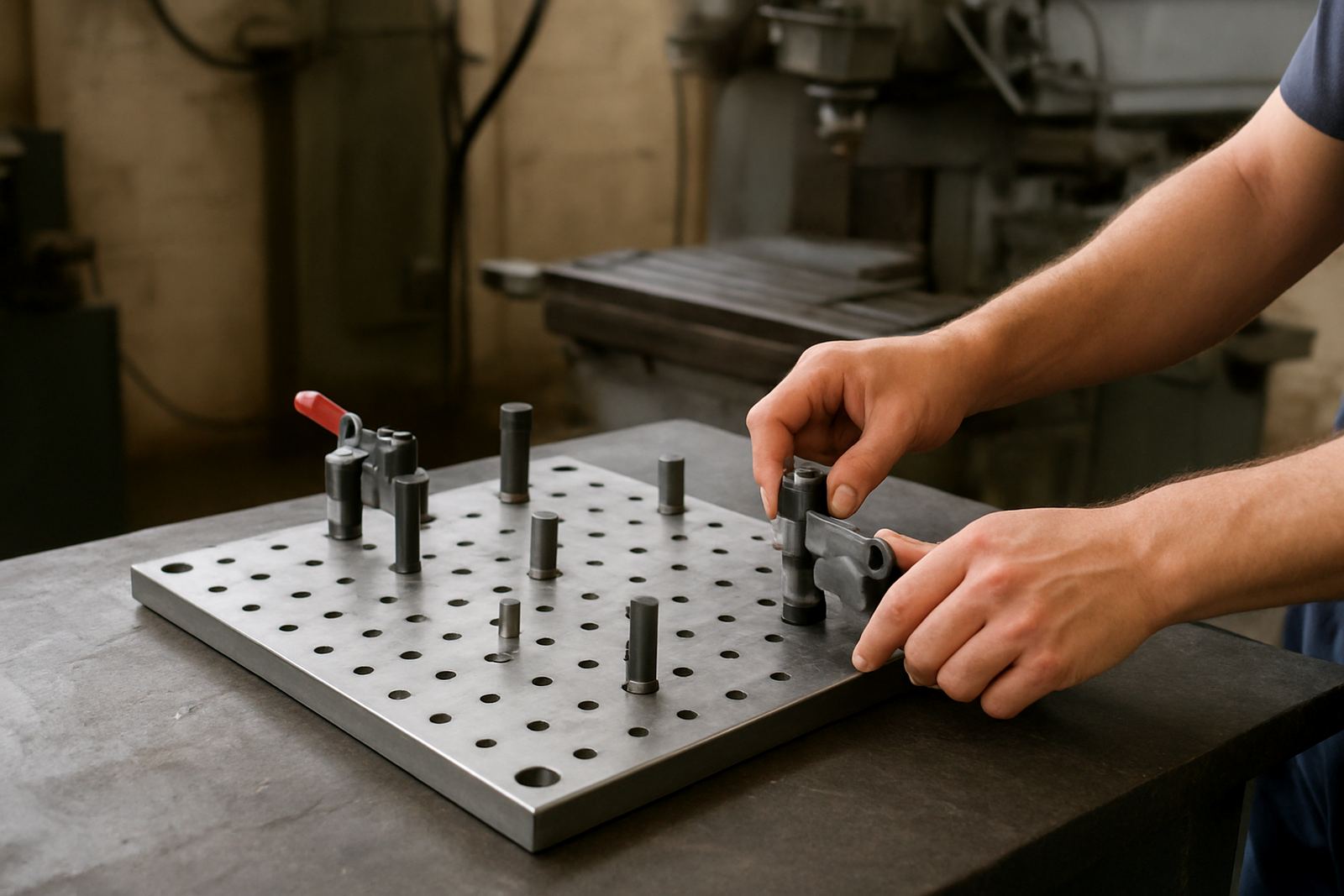
In a jobbing environment, workholding often gets blamed only after something moves. By then the part has already been cut, and the remake cycle begins. A vice that is a fraction out of alignment or jaws that have worn unevenly can waste valuable material, especially on shorter turnaround jobs where there is no extra stock to spare.
Vise alignment and chuck jaw machining are low-cost ways to remove that risk. They help the machine start from a repeatable position, which means less fettling and fewer first-off surprises. In some shops the real saving is not the time on the machine but the time not spent apologising to a customer about a delayed batch.
- Check vice alignment after moving the machine or changing the table layout
- Use proper jaw machining before grip quality starts affecting concentricity
- Keep dedicated soft jaws or prepared jaws for repeat families of parts
- Mark clamping points so operators do not guess their positions
For small batch work, repeatable clamping is one of the best ways to protect the schedule. A part held right first time is a part that can move through the shop without extra handling.
Inspection habits that catch problems before they bite
Many jobbing shops only inspect tools when something goes wrong. That is too late. A quick inspection routine can catch cracked holders, dirty taper seats and worn cutting tools before they create scrap. It also makes stock control easier, because you can see what is ready for work and what needs attention.
Tool inspection does not need to be complicated. Start with the items that affect accuracy most: toolholders, collets, cutters and gripping surfaces. If the team knows what good looks like, they will spot trouble earlier. That saves time and reduces the pressure on the operator who is trying to keep three jobs moving at once.
In coastal areas like Gqeberha humidity can also be part of the problem. Light surface corrosion and sticky dirt build up faster than many shops expect. A proper cleaning routine for holders and accessories helps prevent that quiet loss of accuracy that only shows up in the finished part.
A practical example from Struandale to Coega
Consider a typical jobbing shop working between Struandale and Coega on a mix of bracket work, repair jobs and repeat components. The machine is busy, but the operator keeps losing time on tool setting, a vice that needs resetting after each job, and holders that have not been checked for a while. The result is a stop-start day with too much measuring and not enough cutting.
After tightening the routine around holder cleaning, runout checks and presetting, the same shop can often recover hours over a week. Not because the work got easier, but because the repeated friction disappeared. Even a small reduction in setup time per job can add up to one more job completed before the afternoon rush. In a business where delivery promises matter, that is real money.
It also helps with power interruptions. When load-shedding or supply dips break the flow, a shop with good preparation can restart faster. Tools are ready, offsets are known, and the first part back on the machine does not need a full detective story.
Small service choices that keep the shop moving
Low-cost efficiency is not only about the machine room. Collection and delivery, quick turnaround on tool regrinding, and support for scanner or printer equipment all help reduce dead time. If a cutter can be reconditioned instead of replaced, or a measuring aid can be brought back into service quickly, the job progresses with less interruption.
For shops serving Kariega, Despatch and the Port Elizabeth CBD, the key is to keep the support chain short. When the team knows who handles inspection, who checks holders, and who can sort a faulty accessory, there is less back-and-forth and fewer rushed decisions.
Tooling works with machine shops across the region from Struandale, Gqeberha and beyond, supporting the practical side of machining efficiency. It is steady work, not flashy work, but that is usually what keeps a jobbing shop profitable.
For service support or to discuss the right setup routine for your shop, use our contact form.