
What these case studies cover
The examples below are drawn from day to day work in machine shops, production plants and maintenance departments from Gqeberha to Kariega and beyond. Some projects focus on tighter tolerances, others on faster changeovers, and some on keeping equipment running during load-shedding and busy shift cycles.
Each case study is written by location and customer type only, so you can see the application without exposing client details. If you are comparing options, look at the machine type, material, tolerance target and the service interval. That gives a practical picture of whether you need a holder check, a presetting session, scanner calibration or a full tooling review.
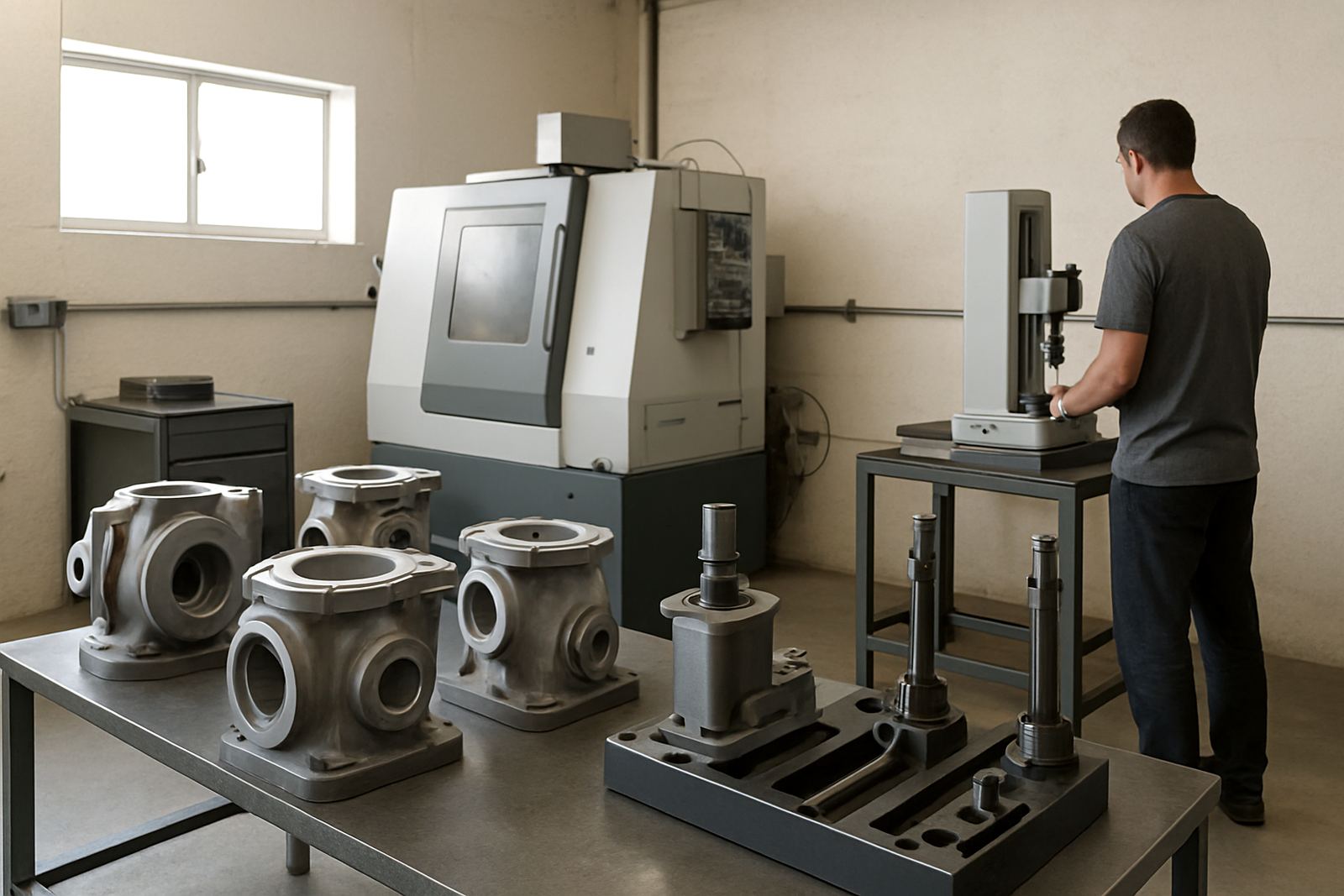
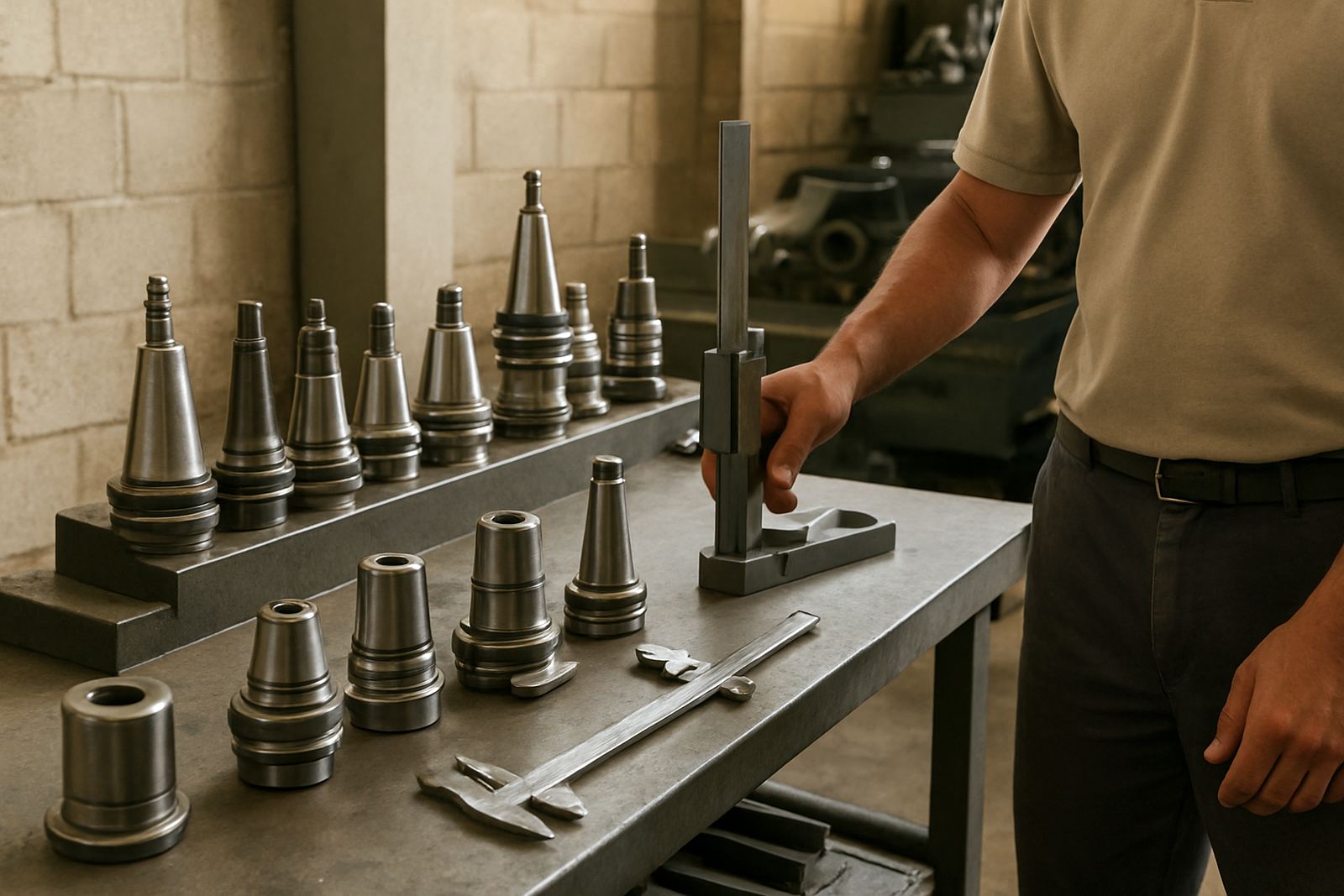
Heavy machining in Coega with faster setup control
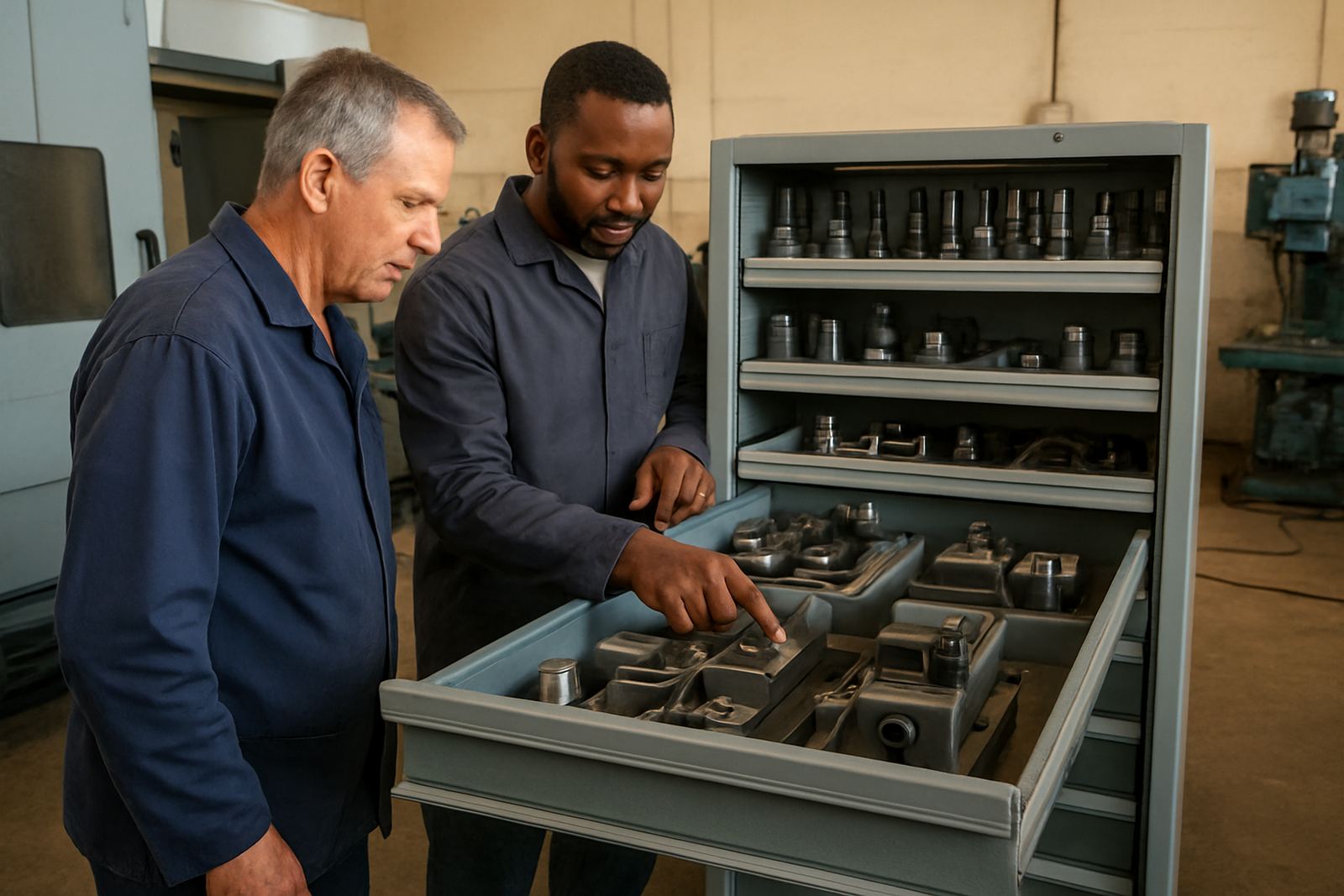
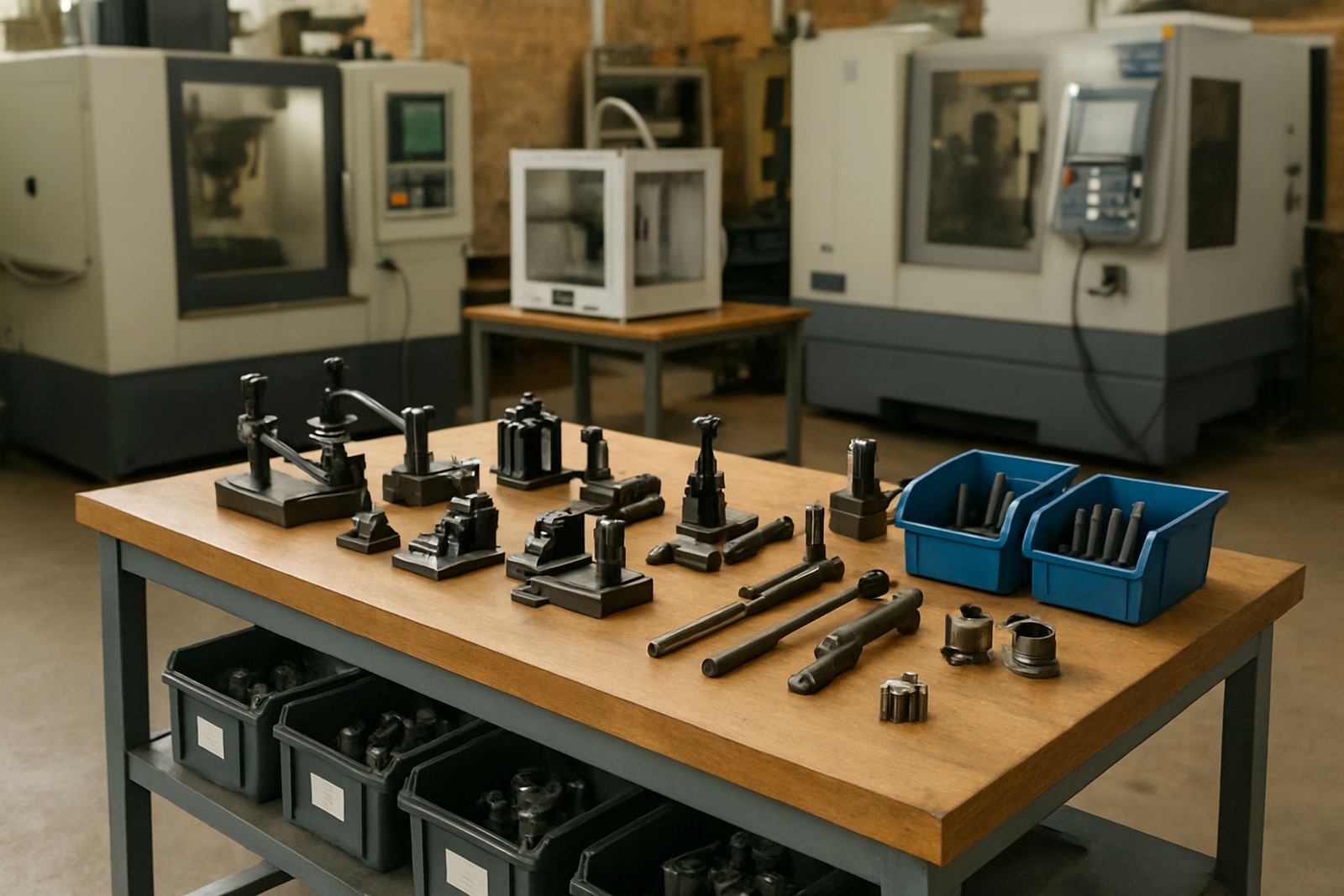
A general engineering plant in Coega was losing time on repeated setup checks and inconsistent runout on several high use holders. Tooling supplied inspection support, runout checks and holder cleaning, then set a repeatable presetting routine for the team. The workshop saw fewer first-off rejects and more stable tool life on medium batch work.
- Problem: variable tool performance after changeovers
- Action: holder inspection, cleaning and presetting support
- Result: quicker setup, better repeatability and less scrap
For shops running tight schedules, the gain is not only in accuracy. It is also in reducing the small delays that stack up across a full week.
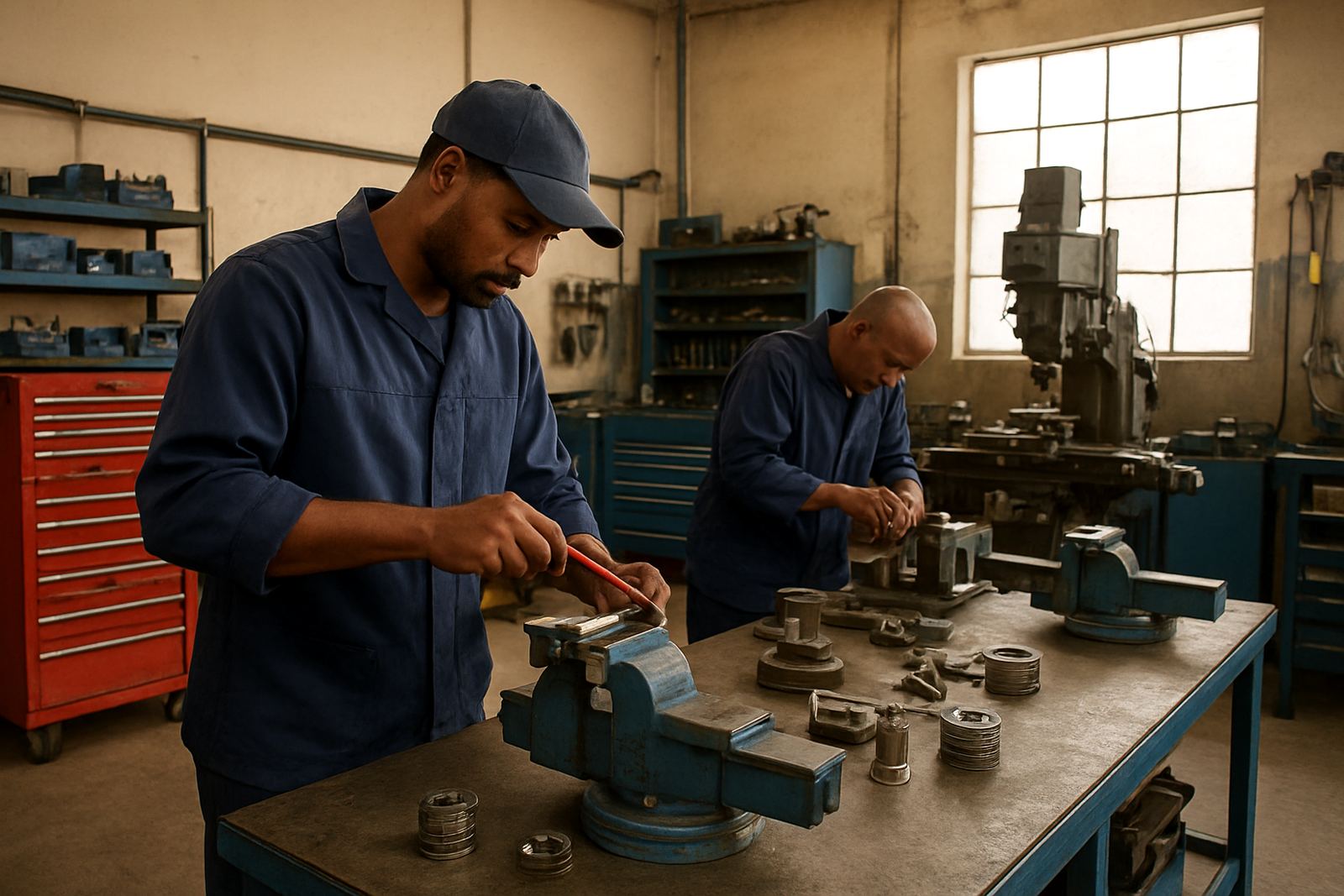
Kariega component maker improving workholding accuracy
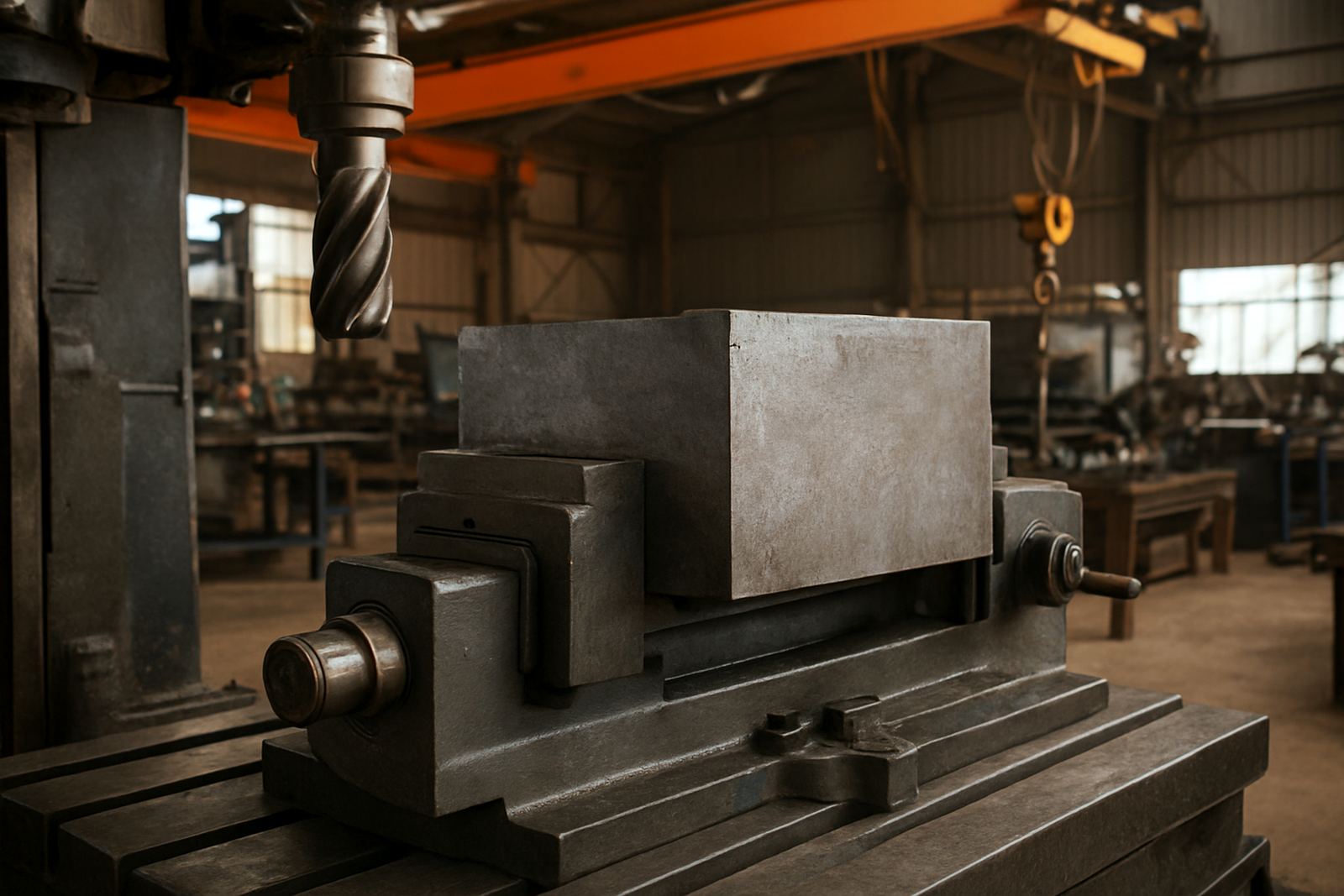
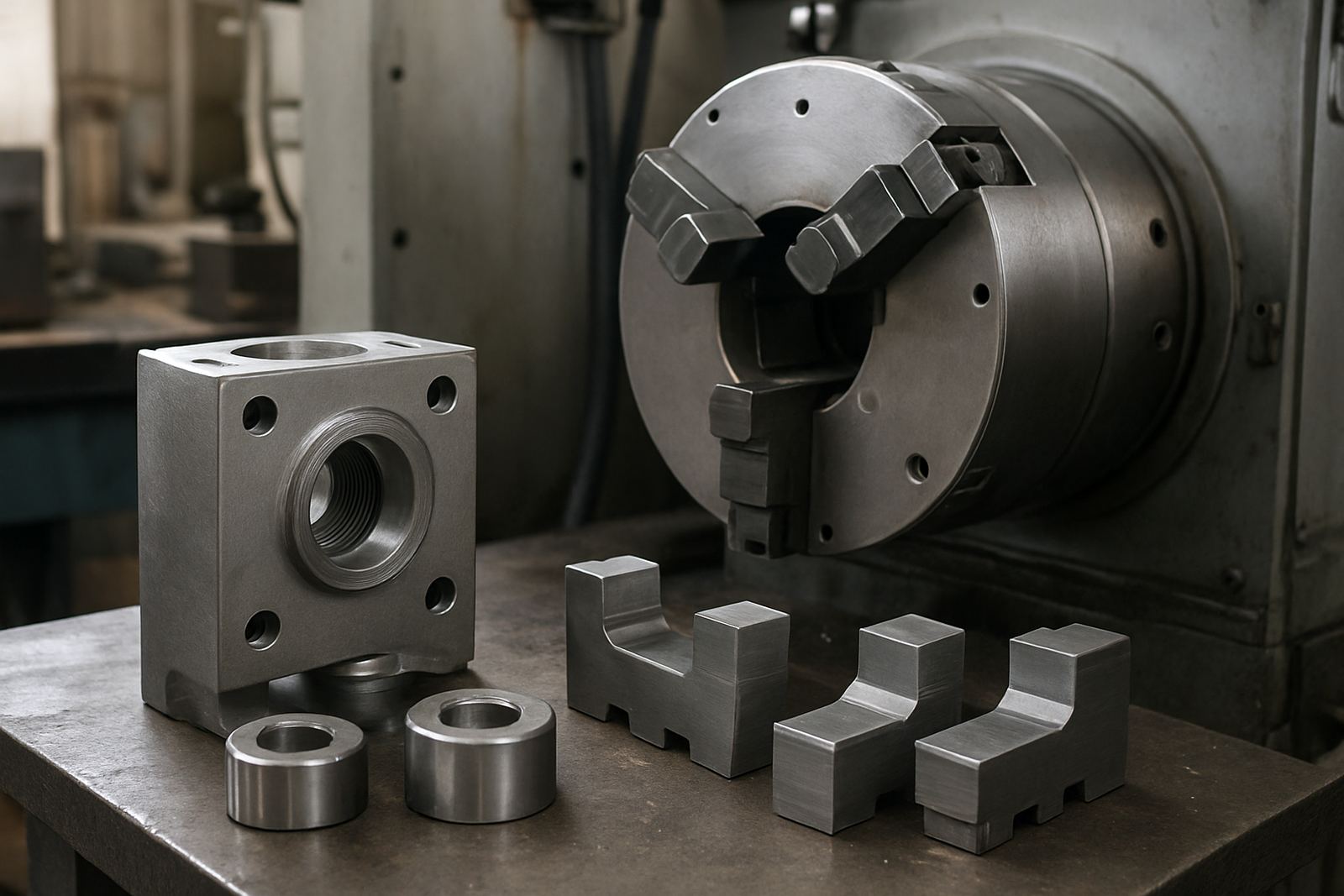
A Kariega manufacturer making repetitive components needed better clamping consistency on a milling line. Tooling checked the vise alignment, machined chuck jaws for better grip and reviewed the workholding arrangement with the setters. The change helped the team hold size more consistently on long production runs.
This type of work is common where a part shifts slightly under load or where operators are changing over between sizes several times a shift. In those cases, the right jaw profile and a square, stable setup matter as much as the cutting programme itself.
- Measured alignment before and after adjustment
- Reduced part movement during machining
- Improved confidence for operators on repeat jobs
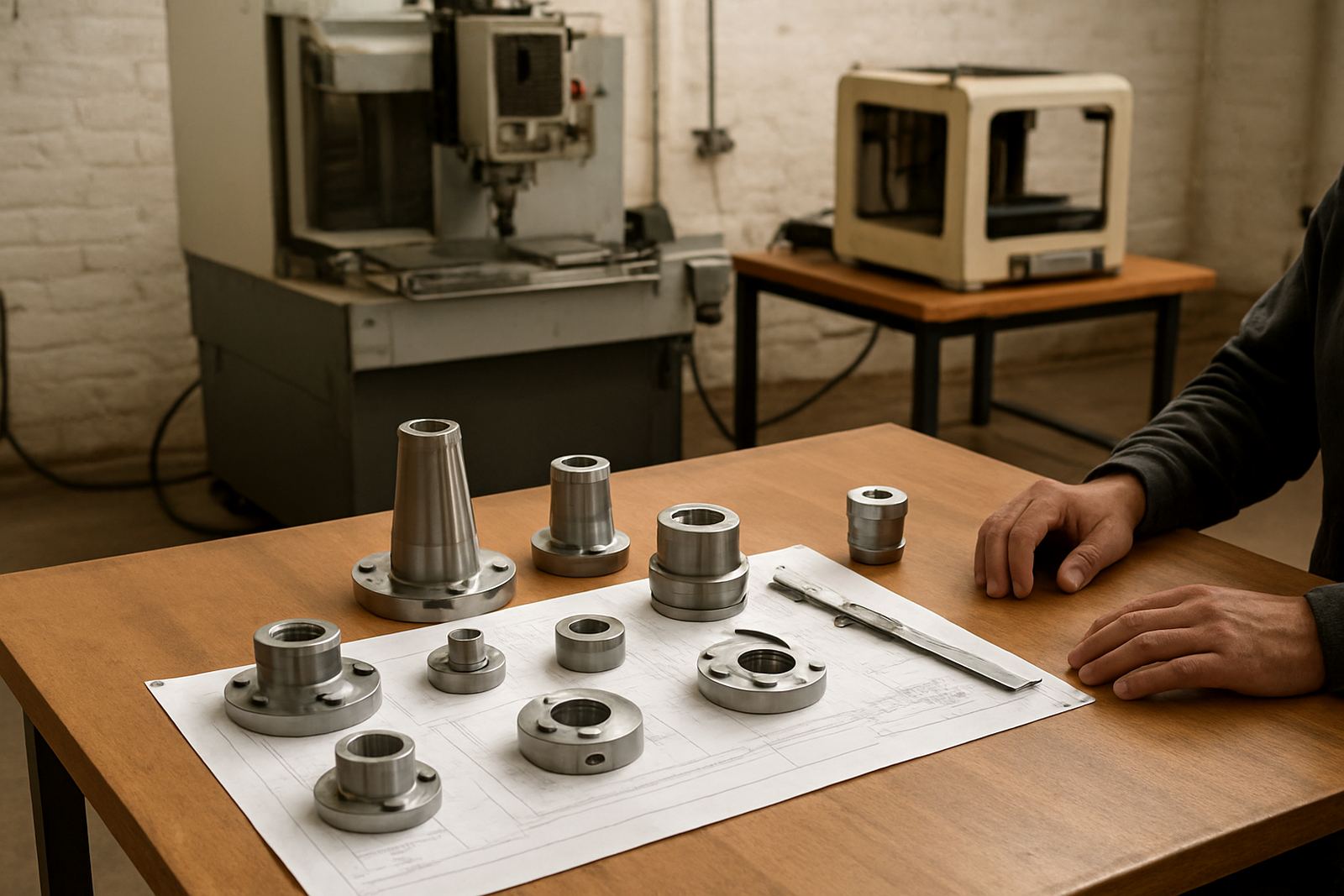
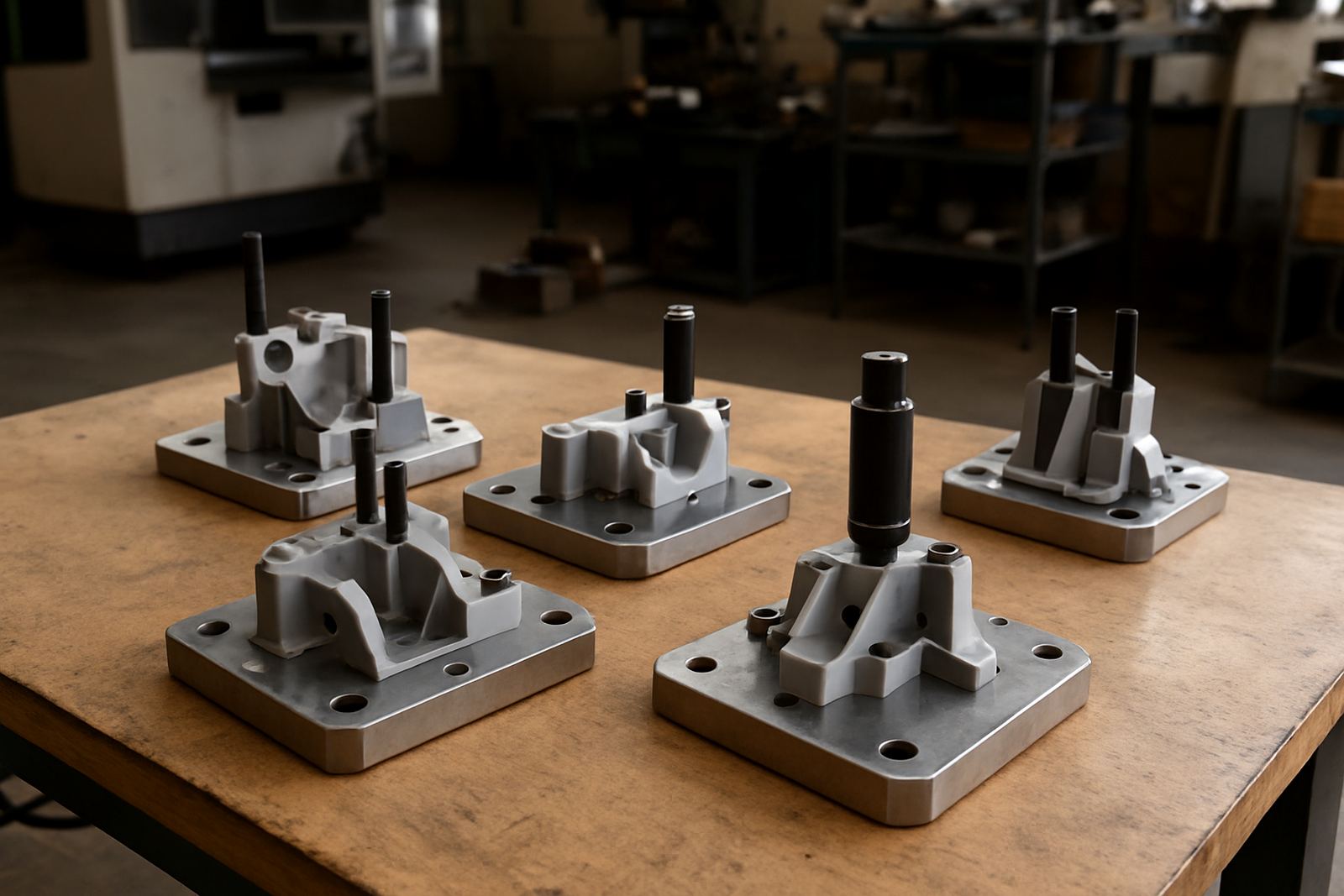
Port Elizabeth CBD prototype cell with scanning and print support
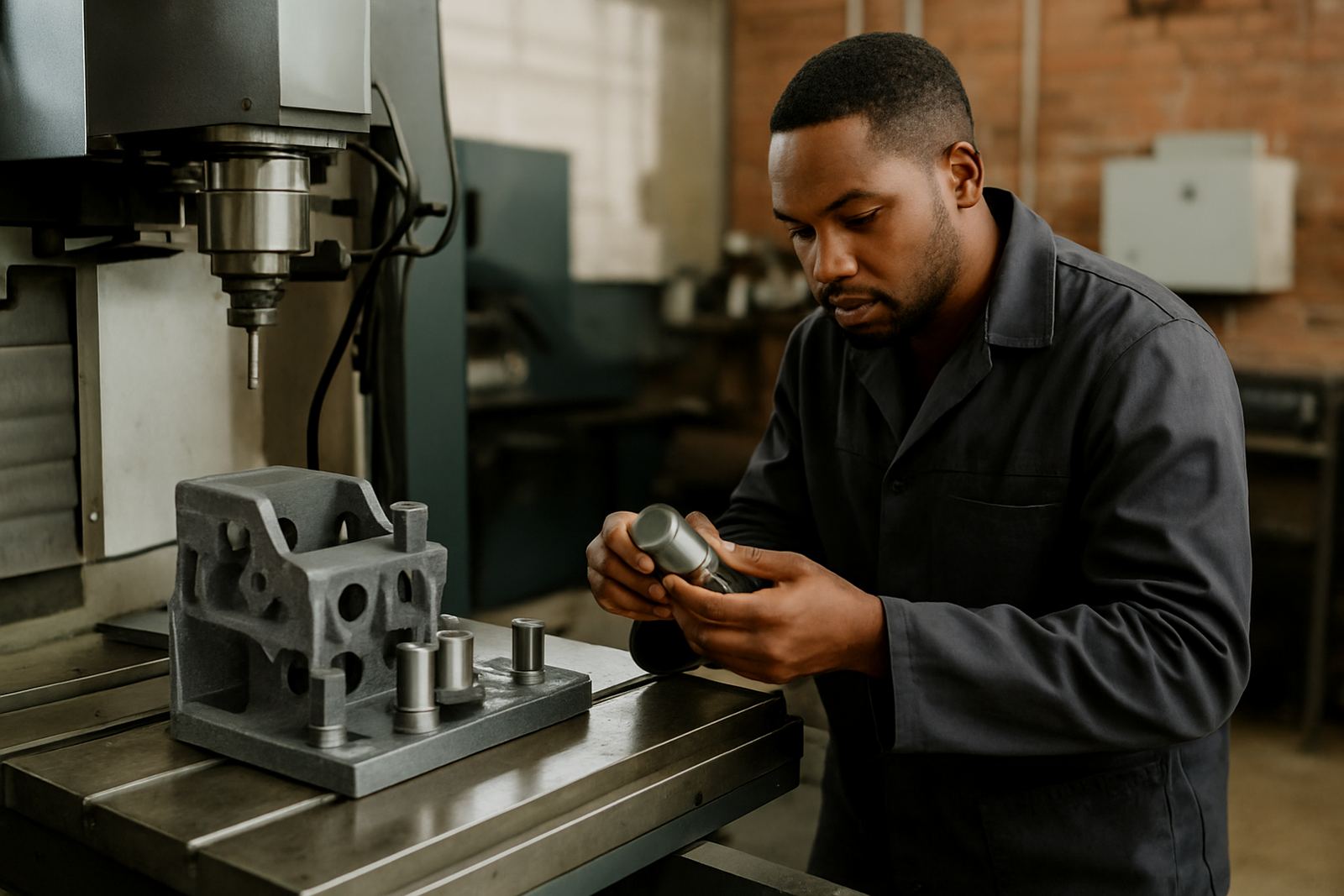
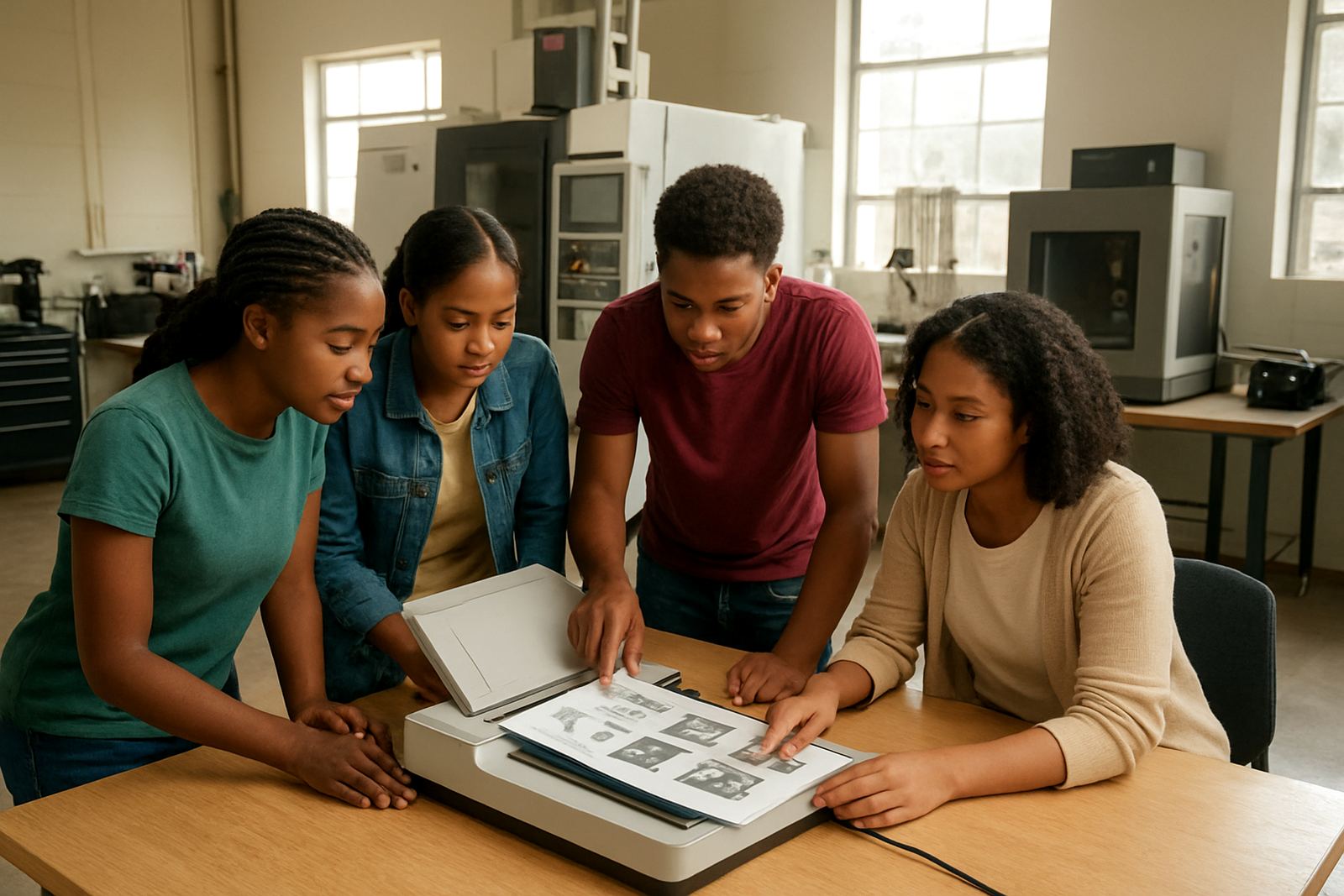
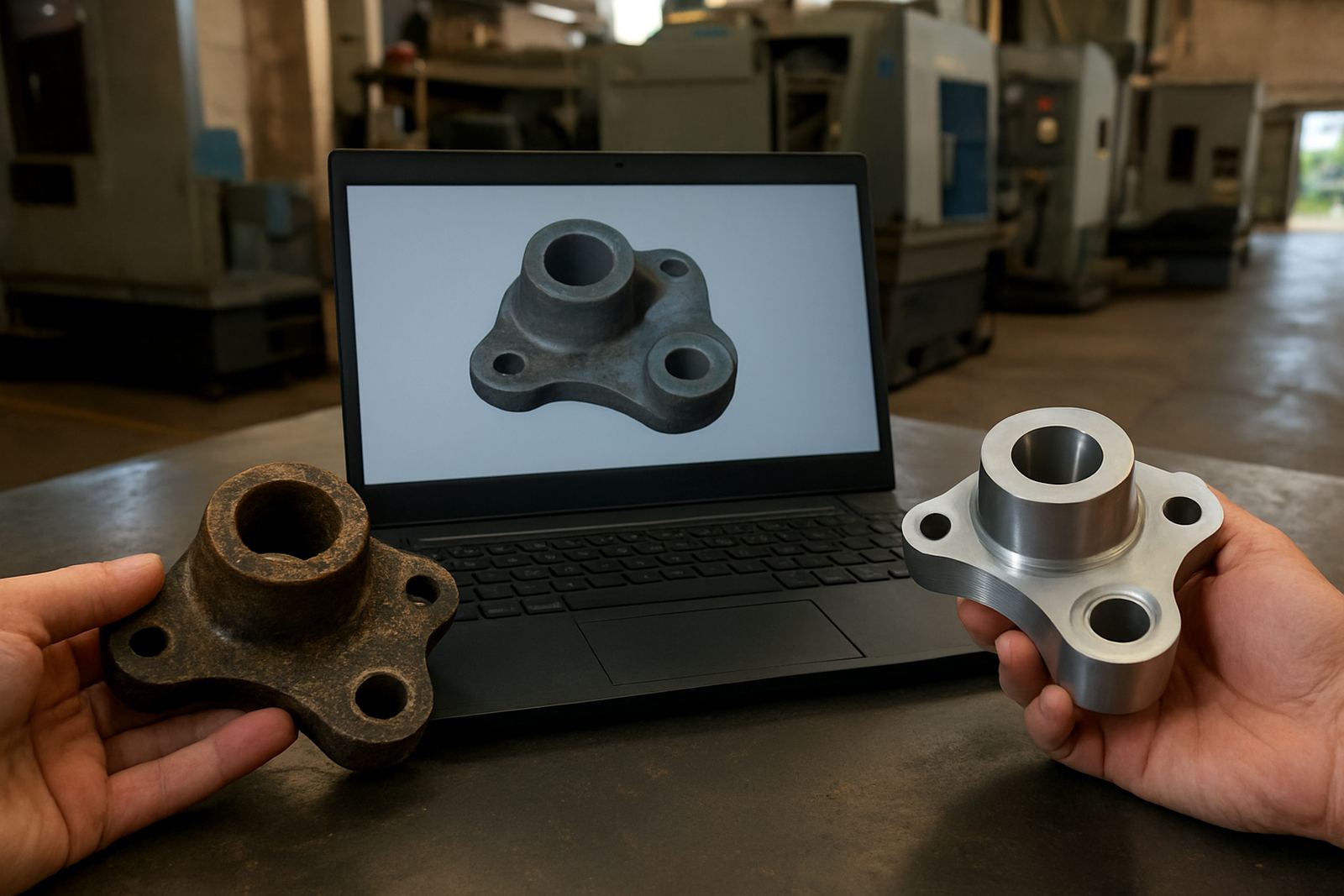
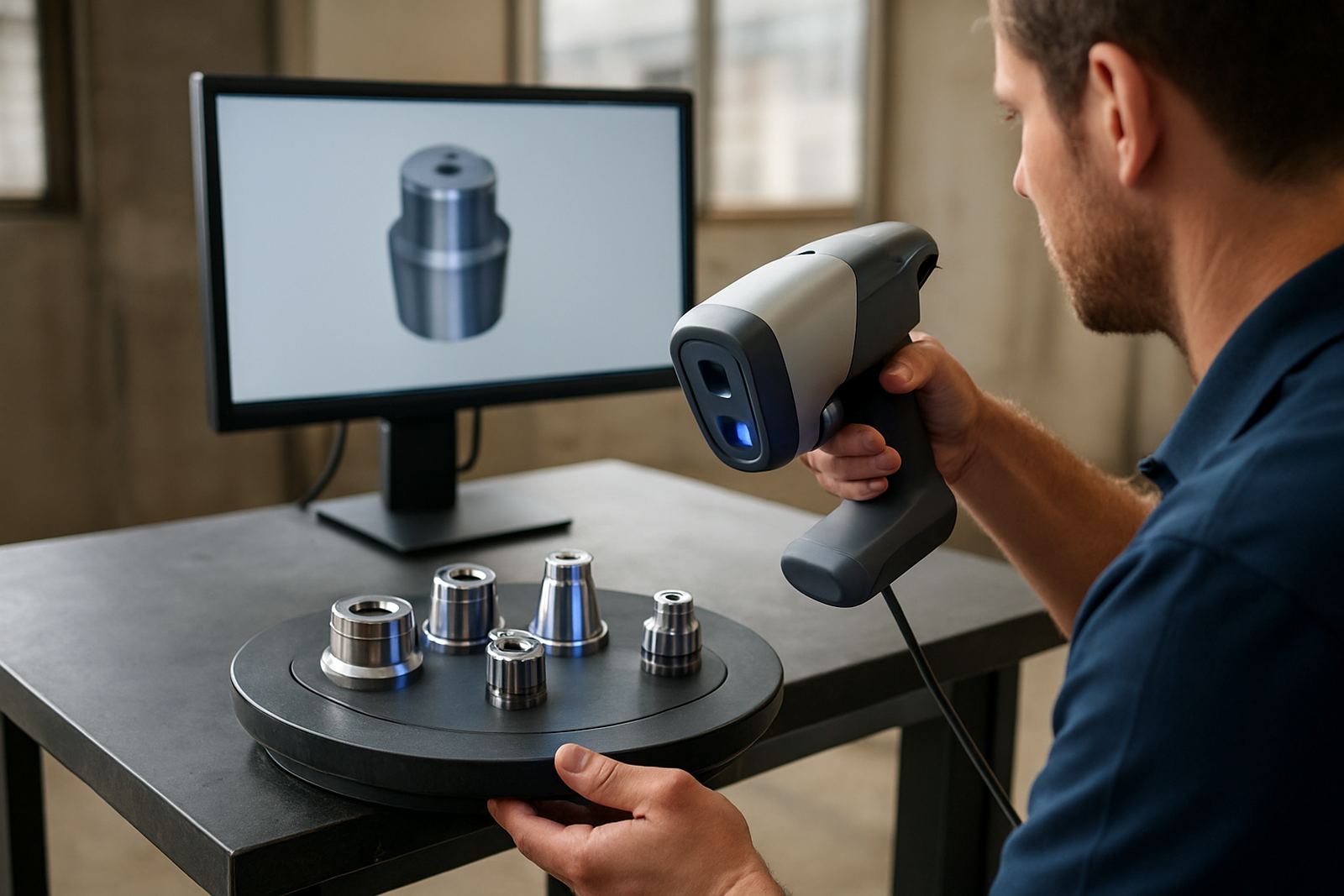
A development workshop in Port Elizabeth CBD needed help moving from manual checks to a more controlled prototype process. Tooling assisted with scanner calibration and printer maintenance, allowing the team to verify geometry more reliably before committing to production tooling. That reduced back and forth between the model and the finished part.
The workshop also asked for advice on tolerances that could be measured quickly on site. That saved time when clients wanted samples turned around fast and could not wait for a full external inspection cycle.
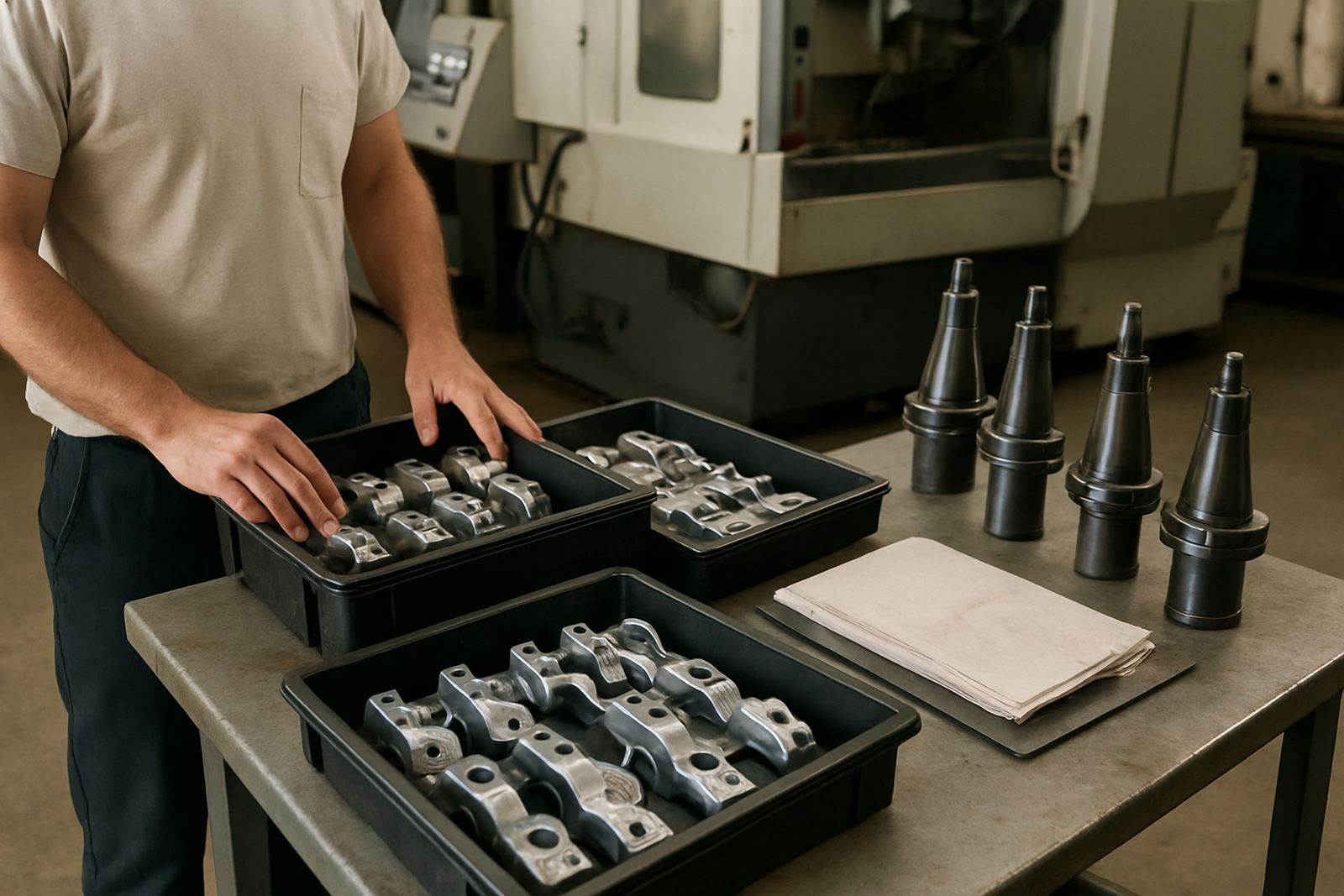
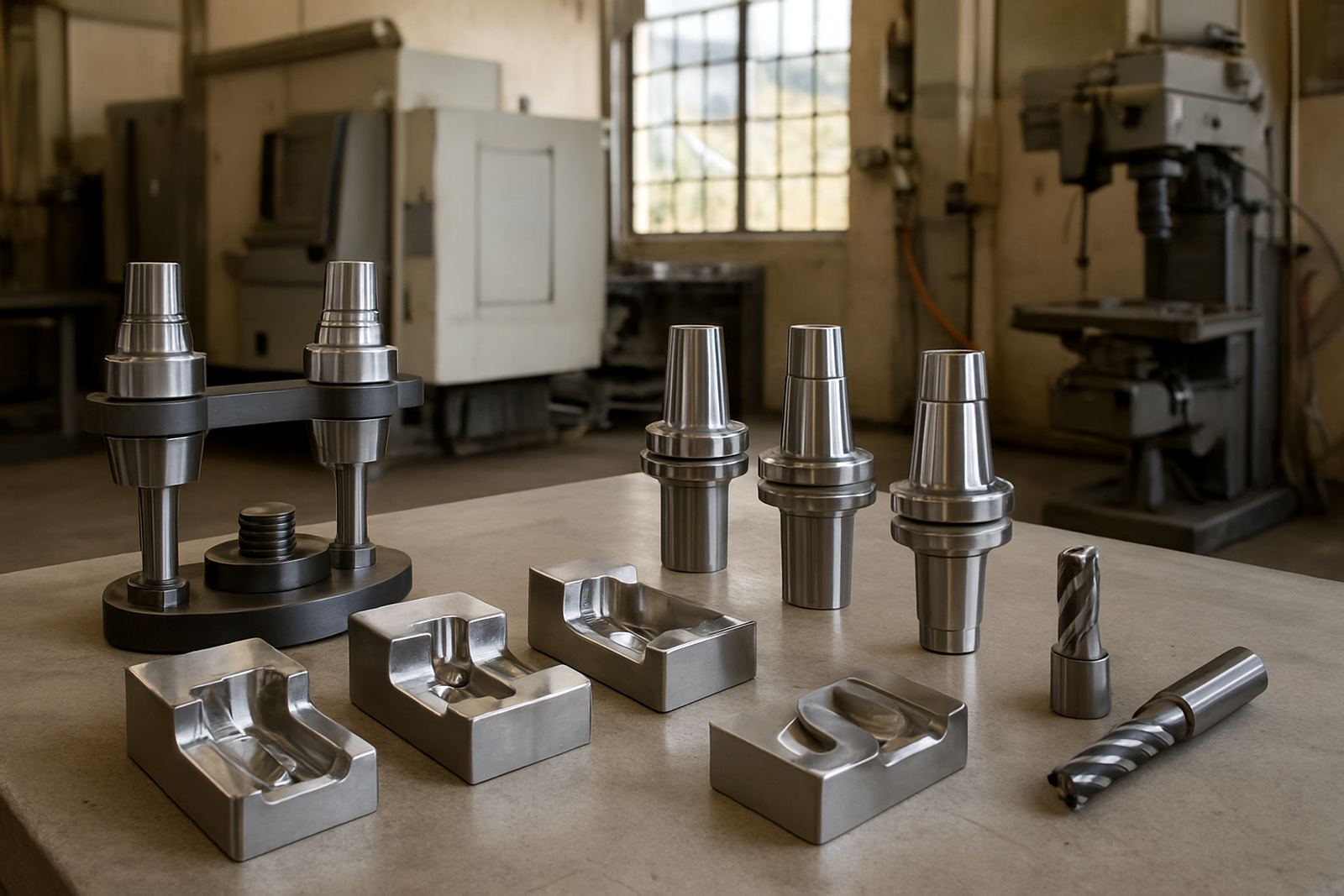
Markman production line keeping holders and collets in order
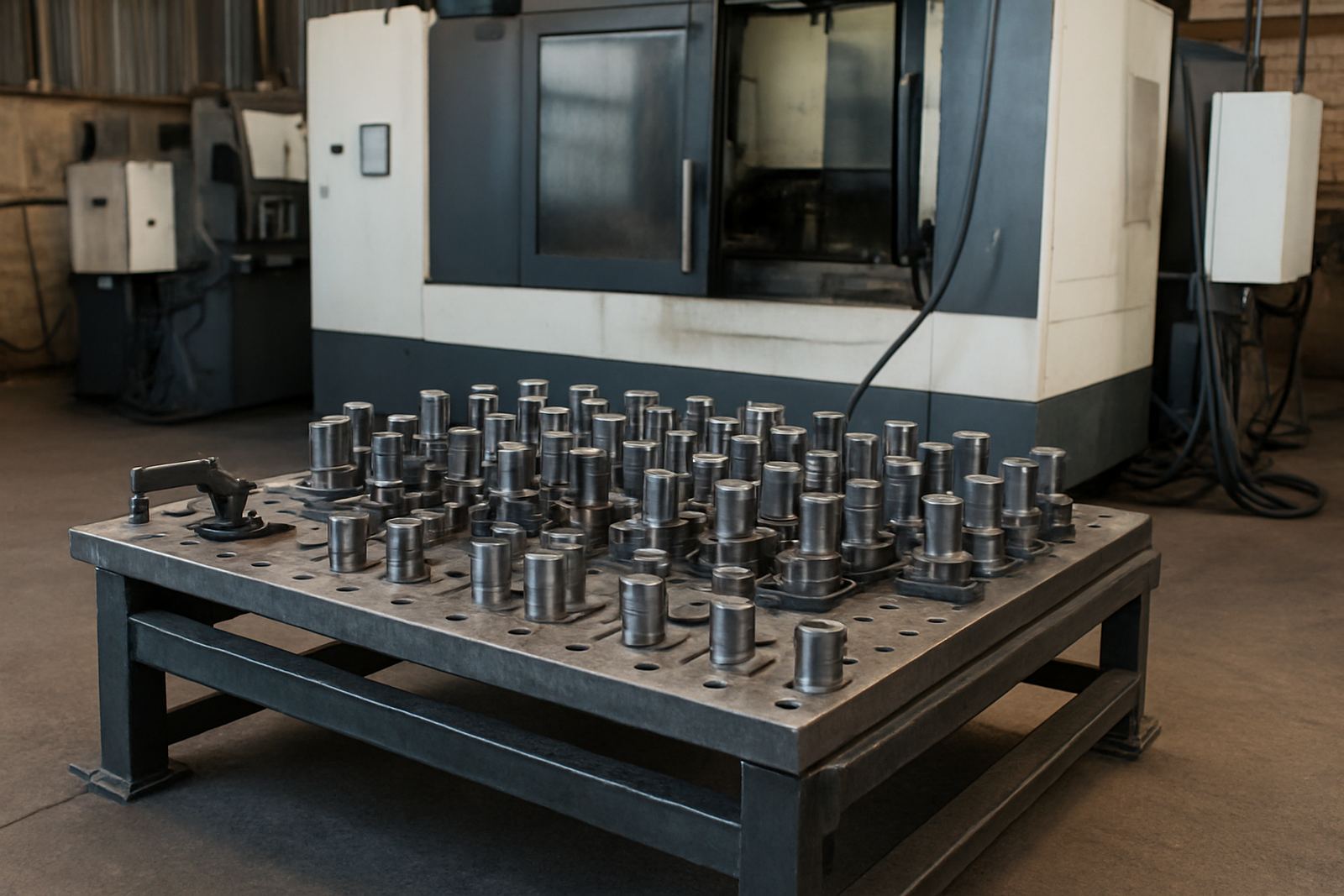
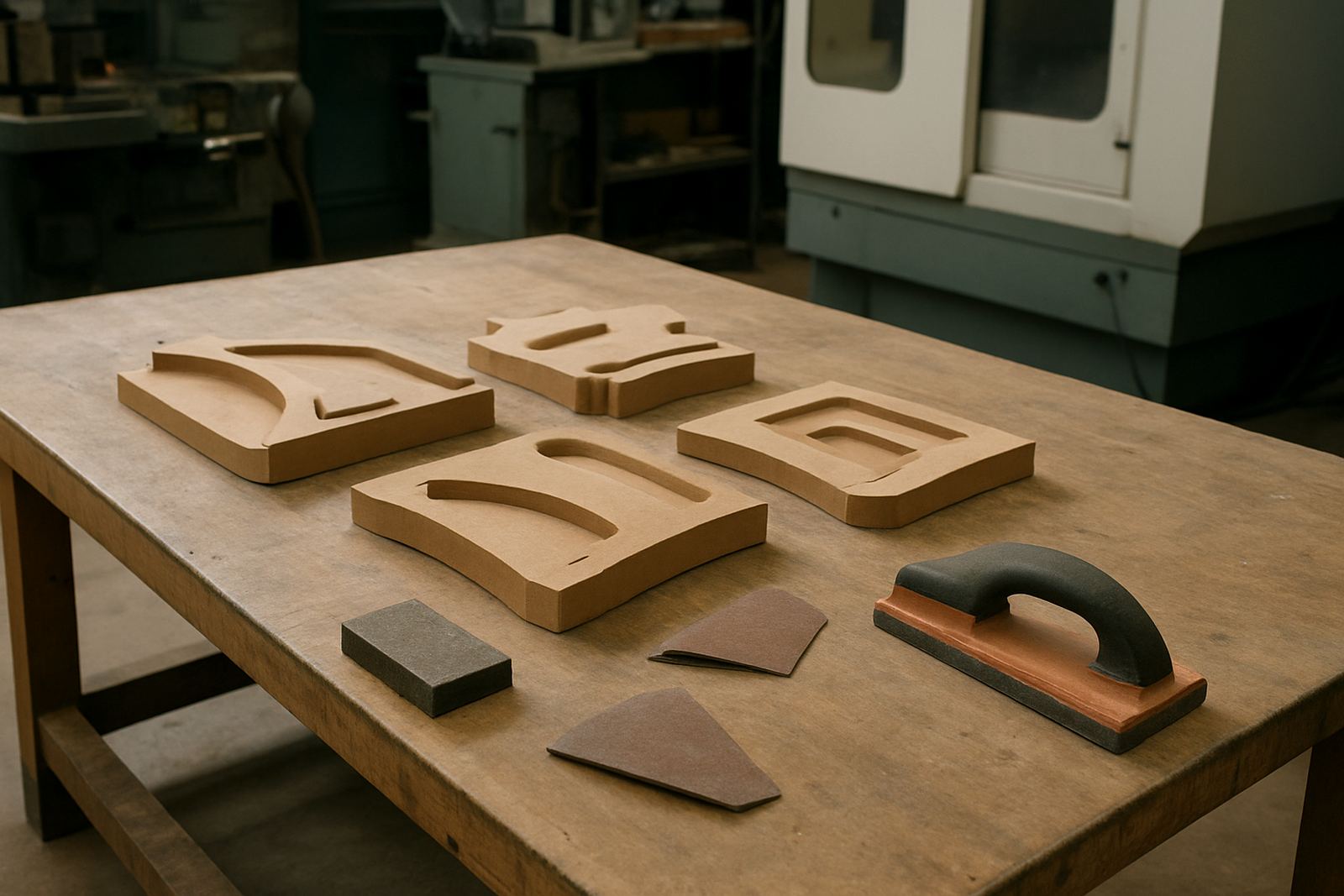
A busy production site in Markman had a recurring issue with worn collets, dirt in the taper and uneven tool seating. Tooling handled tool regrinding where needed, plus collet checks and holder cleaning to keep the machine spindle interface in better condition. Small faults were picked up before they became costly breakdowns.
In a coastal area like Gqeberha, humidity and dust can work against precision gear. Regular cleaning and inspection makes a real difference, especially where machines run through two or three shifts and there is little spare capacity.
- Better spindle contact from cleaner interfaces
- Less variation between operators and shifts
- Lower risk of unplanned stoppages
Despatch maintenance team managing mixed equipment
A maintenance department in Despatch needed support across several machine types, from conventional workshop equipment to newer CNC units. Tooling coordinated collection and delivery, then handled inspection, service checks and training around basic care between visits. That kept the team moving without pulling machines out of service for too long.
Customers often choose this route when they need practical help, not just parts. If your operation has limited in-house time for fine adjustments, this kind of support can keep production steadier and easier to plan.
How to choose the right example for your shop
The right case study is the one that matches your own bottleneck. If your issue is accuracy, look at runout, alignment and inspection. If the trouble is speed, focus on presetting, holder condition and repeatability. If your work involves CAD comparison, scanning or printed parts, choose the examples that show calibration and maintenance on that side of the operation.
Tooling serves machine shops nationwide from Struandale, Gqeberha, with practical support for customers in Struandale, Markman, Coega, Kariega, Despatch and the Port Elizabeth CBD. The aim is simple: keep the process controlled, keep the equipment working and help each job start on a better footing.
- Need setup control? Look at alignment and presetting work
- Need better part quality? Start with inspection and runout checks
- Need uptime? Use collection, delivery and scheduled servicing