
Why coolant through tools matter in day-to-day drilling
Coolant through tools send coolant straight to the cutting edge and out through the drill or cutter, instead of relying only on external flood. That matters when a hole is deep, the material is sticky, or the chip has nowhere to go. The fluid helps cool the cutting zone, clear swarf, and keep the tool cutting instead of rubbing.
In practical terms, that means better chip evacuation, less heat build-up and more stable drilling. On stainless, alloy steel and other demanding materials, a through-coolant setup can make the difference between a hole that holds tolerance and one that needs rework. It also helps when the machine is running for long shifts, because heat and chip load build up quickly in South African production work, especially when a team is chasing a delivery before knock-off.
Where the gain shows up in real production
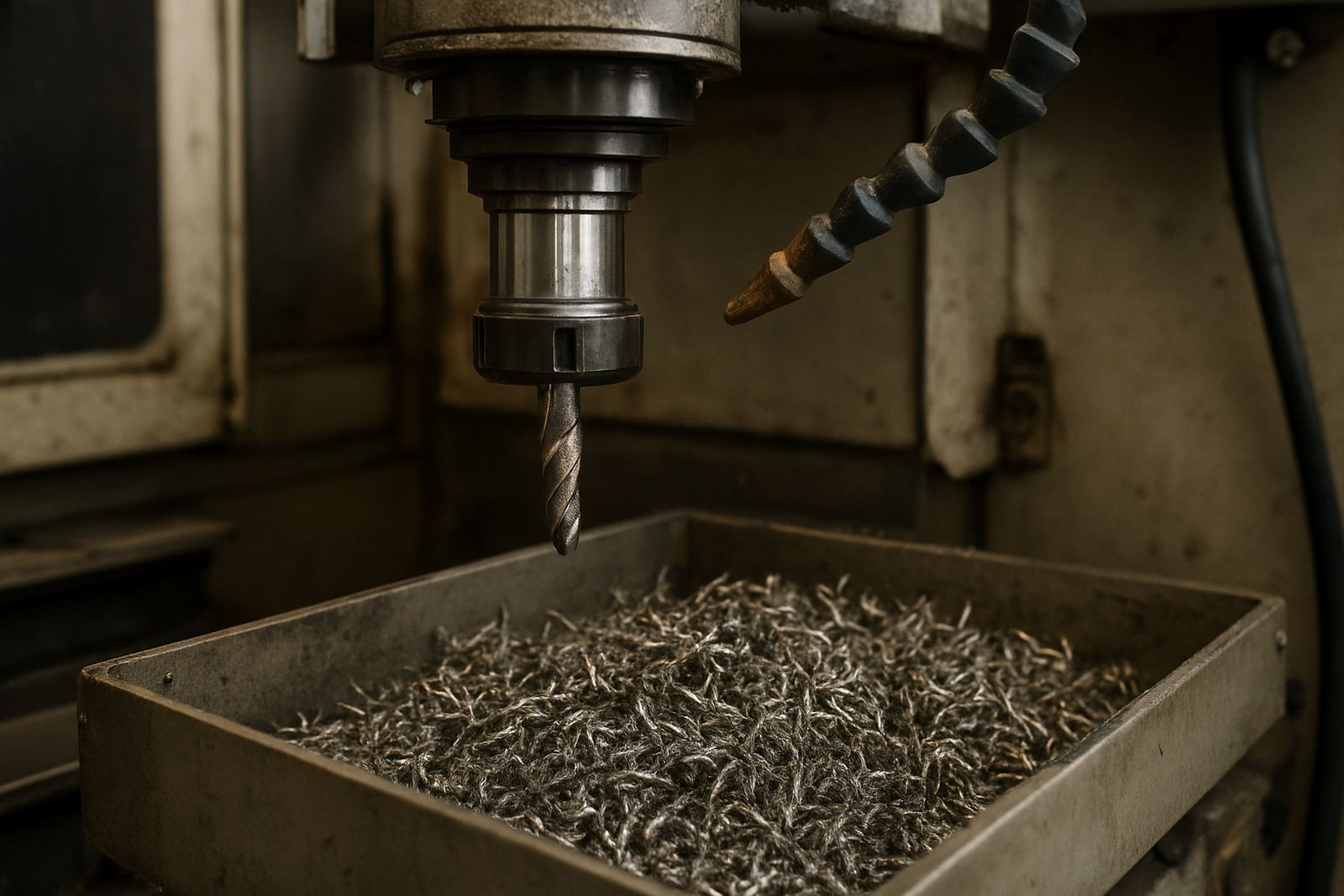
Most shops notice the benefit first on deeper holes, small diameters, and work that produces long stringy chips. Instead of chip packing, the coolant pushes chips out through the flutes and reduces the risk of drilling bind-up. That gives you steadier feed rates and fewer broken tools.
- Cleaner hole finish on blind and deep holes
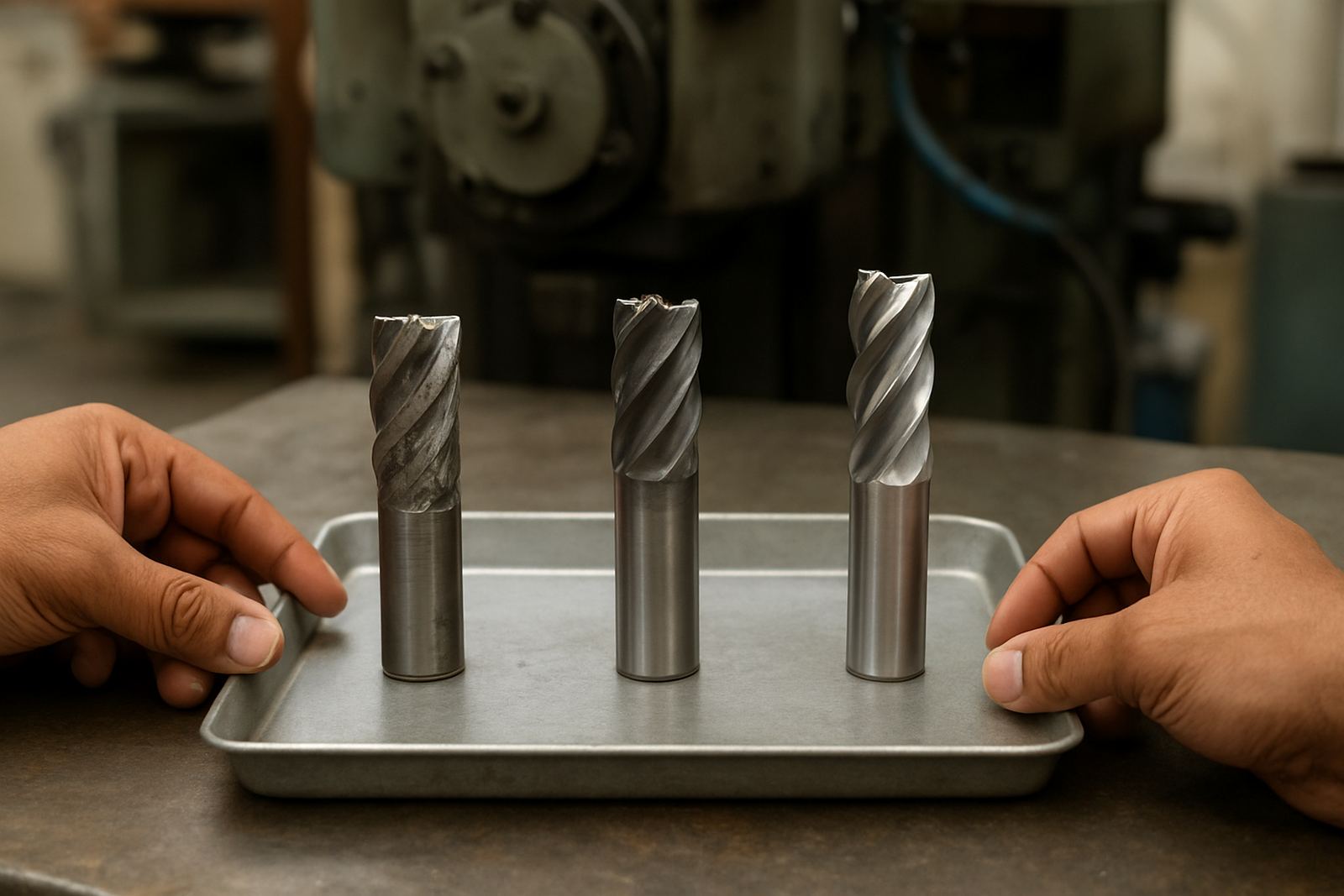
- Less tool wear from heat and chip recutting
- Better performance on stainless, carbon steel and cast materials
- Improved consistency across long production runs
- Reduced downtime for chip clearing and tool checks
For shops that machine parts in batches, this is not a small saving. If one operator has to stop every few parts to clear chips, the lost time adds up fast. A through-coolant tool helps keep the process moving, and in many cases the machine can hold better repeatability from first part to last.
Matching the setup to the machine and holder
Coolant through tools only work properly when the whole setup supports them. The tool holder, collet, machine spindle, seals and coolant pressure all need to be checked. If the holder leaks or the collet grip is poor, you lose pressure before the coolant reaches the tip. That is why holder condition and runout matter just as much as the drill itself.
In a Struandale workshop, for example, a machining team might run small components in the morning and longer hole-making jobs after lunch. If the holders have dirt in the taper or the collets are worn, the drill will not perform as expected. A proper inspection, holder cleaning and runout check can prevent a lot of trouble before the job starts. It is also worth checking that the machine can supply enough pressure for the application, because low pressure often gives poor chip flushing and false confidence.
- Confirm coolant pressure and flow at the machine
- Check seals, collets and holder bores for wear
- Keep the coolant clean and filtered
- Match the tool geometry to hole depth and material
- Inspect runout before critical jobs
Chip evacuation on deep holes and blind bores
Chip evacuation is where coolant through tools earn their keep. In a blind hole, chips have nowhere to escape if the flute space is too tight or the feed is too slow. They start to recut, the temperature rises, and the cutting edge chips or wears prematurely. With coolant delivered through the centre, the flow helps lift chips out and keeps the cutting face clear.
This is especially useful on parts with stepped bores, cross holes or interrupted cuts. A steady stream can reduce the risk of a chip jam and the sudden spike in torque that breaks a tool. It also improves consistency when working on batch jobs, where one bad hole can hold up an entire order. For smaller machine shops in Port Elizabeth CBD or Markman, where every machine hour has to count, that reliability matters.
Getting the coolant right for South African workshop conditions
Our local conditions are not gentle on tooling. Coastal humidity in Gqeberha can affect coolant quality, and power interruptions can leave machines sitting warm between shifts. If coolant is dirty, mixed badly, or left to stand too long, it starts to smell, separate or lose performance. That affects both the tool and the finish.
Good housekeeping helps: keep concentration within spec, skim tramp oil, and make sure pumps and hoses are in working order. If the machine sits through load-shedding, check the line before restarting. A blocked passage or air pocket can reduce flow right when the tool needs it most. For shops in Coega, Despatch or Kariega, where production schedules are tight, these checks are worth the time.
- Test coolant concentration regularly
- Remove swarf build-up from tanks and filters
- Check hoses for kinks and leaks
- Restart machines carefully after outages
- Keep records of coolant changes and maintenance
When a tool holder, collet or chuck is the real problem
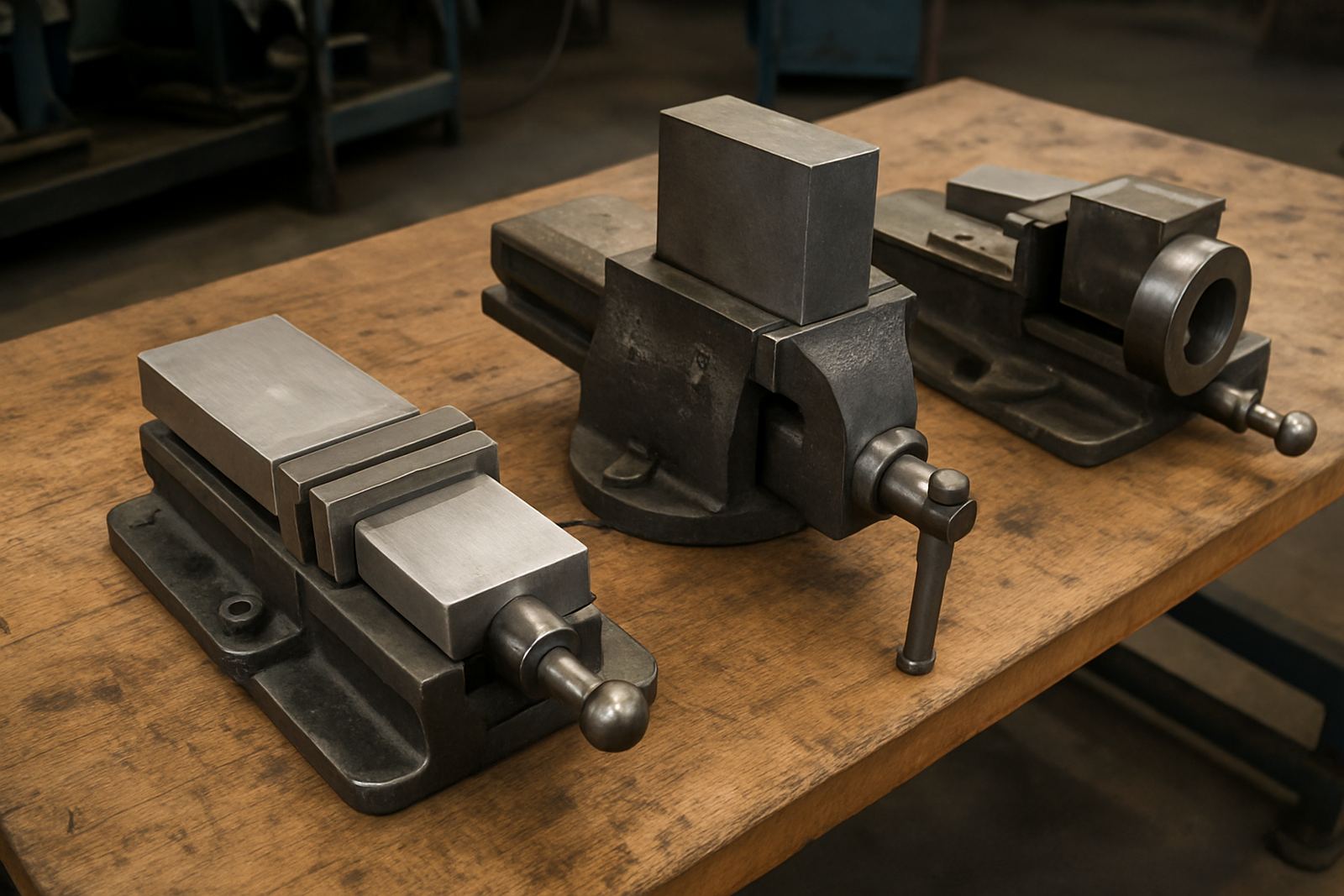
Not every drilling issue is caused by the drill. If a hole is oversize, the finish is rough, or the tool fails too early, the holder system may be part of the fault. Runout, poor clamping and worn jaws can throw the setup off centre. In through-coolant work, even a small leak or misalignment can reduce pressure and chip clearing enough to spoil the job.
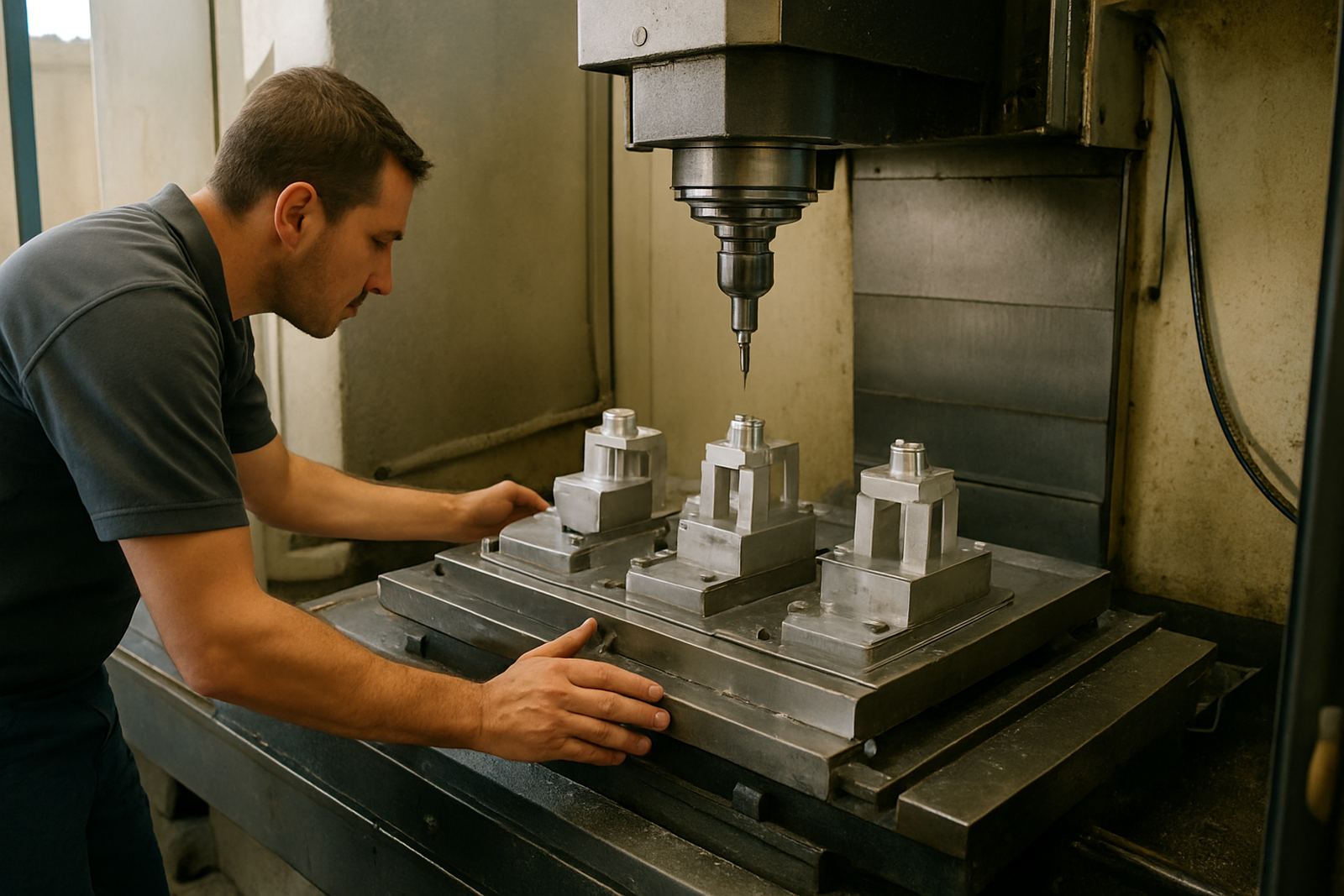
That is where practical support helps. A regrind, holder inspection, chuck jaw machining or vise alignment service can restore accuracy before a production run. Presetting also saves time on the machine and helps operators get the tool in place with less trial and error. It sounds simple, but on a busy floor it keeps jobs moving and avoids last-minute surprises.
A practical example from a Gqeberha job shop
A machine shop in Struandale was drilling long holes in steel components for a local industrial customer. The team had repeat chip packing, and the drills were wearing out before the job was complete. After checking the setup, the issue came down to a mix of worn holders, poor chip evacuation and inconsistent coolant delivery. Once the holders were cleaned, runout was checked and the coolant path was set up properly, the drilling cycle became much steadier.
The result was fewer broken drills, less manual chip clearing and a better hole finish across the batch. The operators did not need to fight the machine on every part, and the job moved through with less disruption. That is the real value of coolant through tools: not just better cutting, but less waste of time, fewer interruptions and more predictable output.
For shops serving the Eastern Cape and further afield, the message is simple. If your work includes deep drilling or difficult materials, coolant through tools deserve a close look. The gains often come from the full setup, not only the cutter itself.