Start with a repeatable setup routine
The fastest changeovers usually come from doing the same steps in the same order. A written routine removes guesswork, helps new operators, and keeps experienced staff from skipping small checks when the pressure is on. In a machine shop, one missed step can cost a full run of scrap, so the routine must cover the basics clearly.
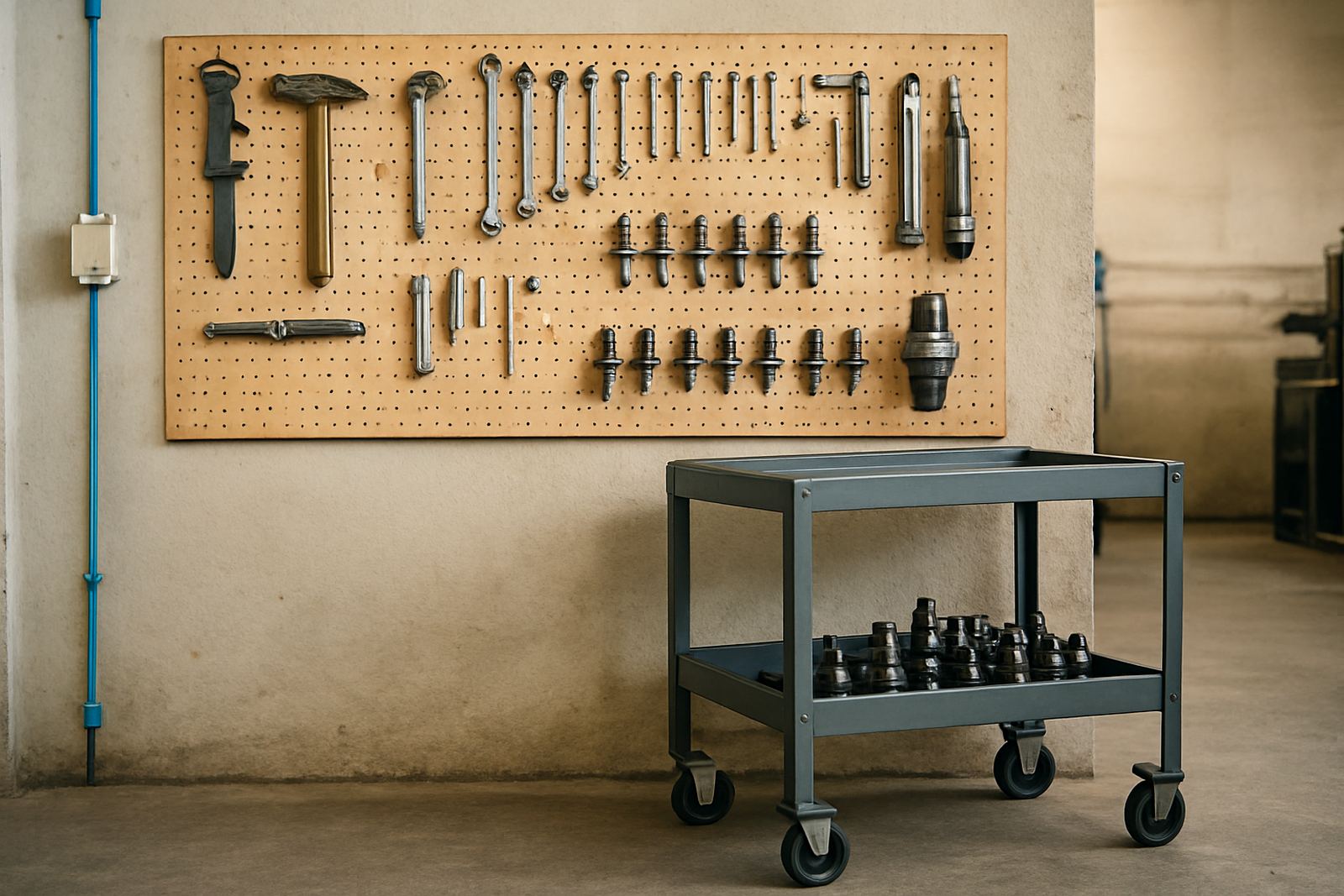
Keep the process close to the machine. That means the new job pack, tool list, holder list, offsets and measuring kit should be ready before the old batch finishes. If the next job needs a different collet or chuck jaw setup, have it assembled and checked before the spindle stops. It sounds simple but it saves minutes on every changeover and often a lot more when there is more than one machine waiting.
Prepare tooling off the machine
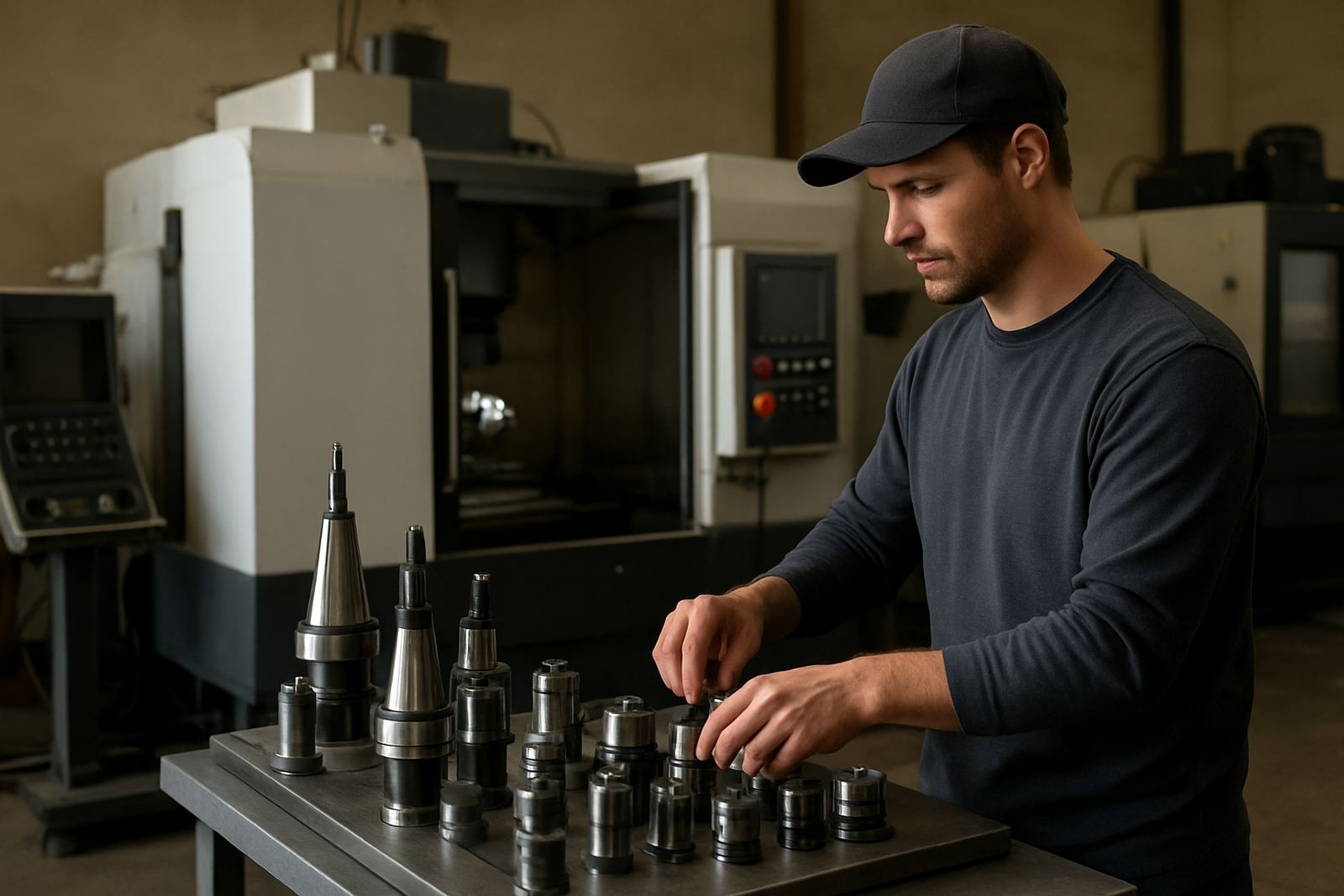
A strong changeover plan moves as much work as possible to the bench. Tool holders can be fitted with cutters, lengths can be preset, and critical dimensions can be checked before the machine is cleared. That way the operator is not searching for the correct tool after the last part comes off the table.
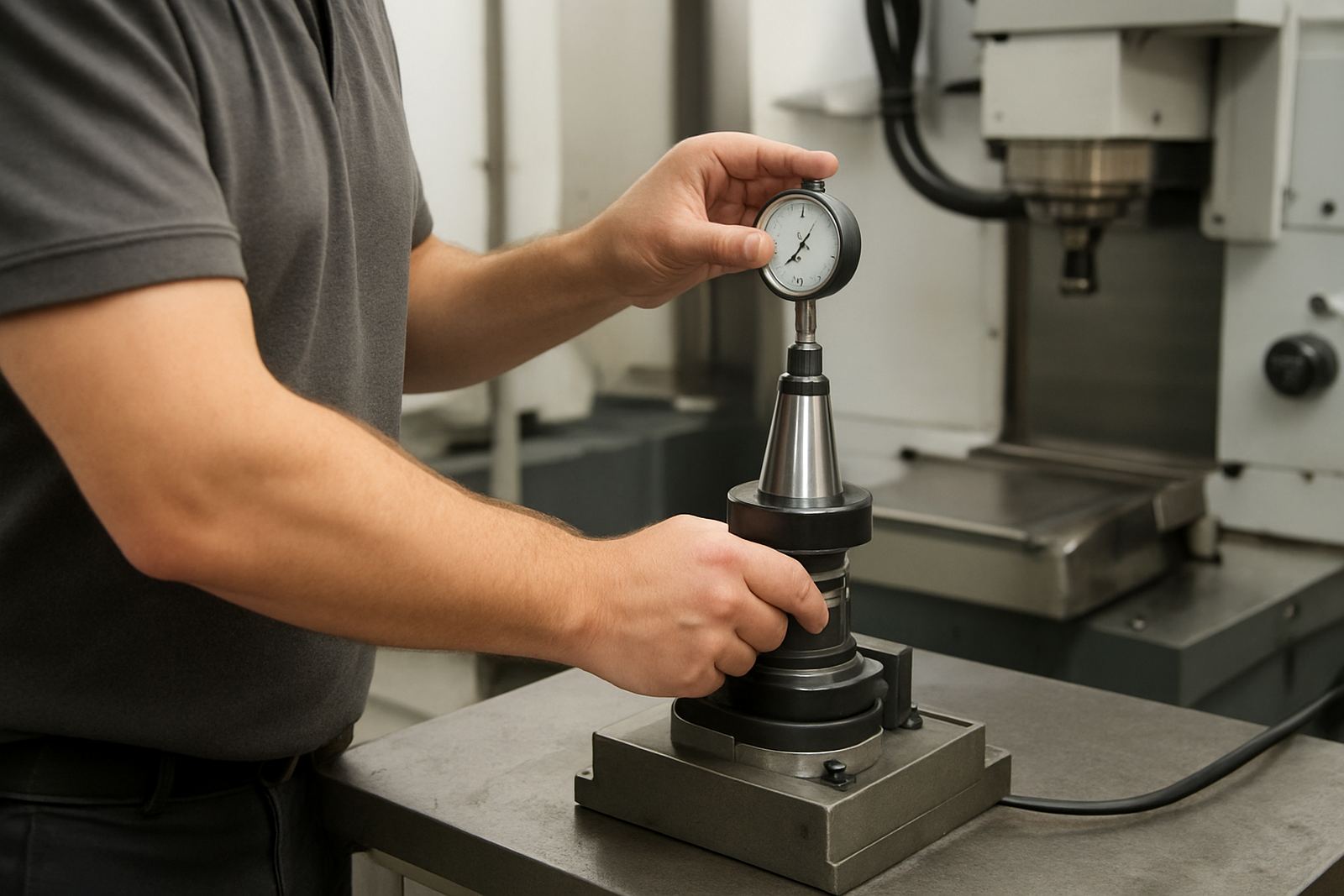
For shops working with short runs, this matters even more. A few extra minutes spent on the bench can prevent an hour of machine downtime later. Runout should be checked, holders cleaned, and worn tools removed before they are put back into circulation. If your process includes collets, inspect them for wear or damage and keep matched sets together. In humid coastal conditions, especially around Gqeberha, light corrosion can creep in quickly if tooling is left unprotected.
- Preset common tools outside machine time where possible
- Clean holders and mating surfaces before installation
- Check runout on critical tools before the first part
- Keep spare collets and inserts organised by size and job type
Use fixtures that repeat accurately
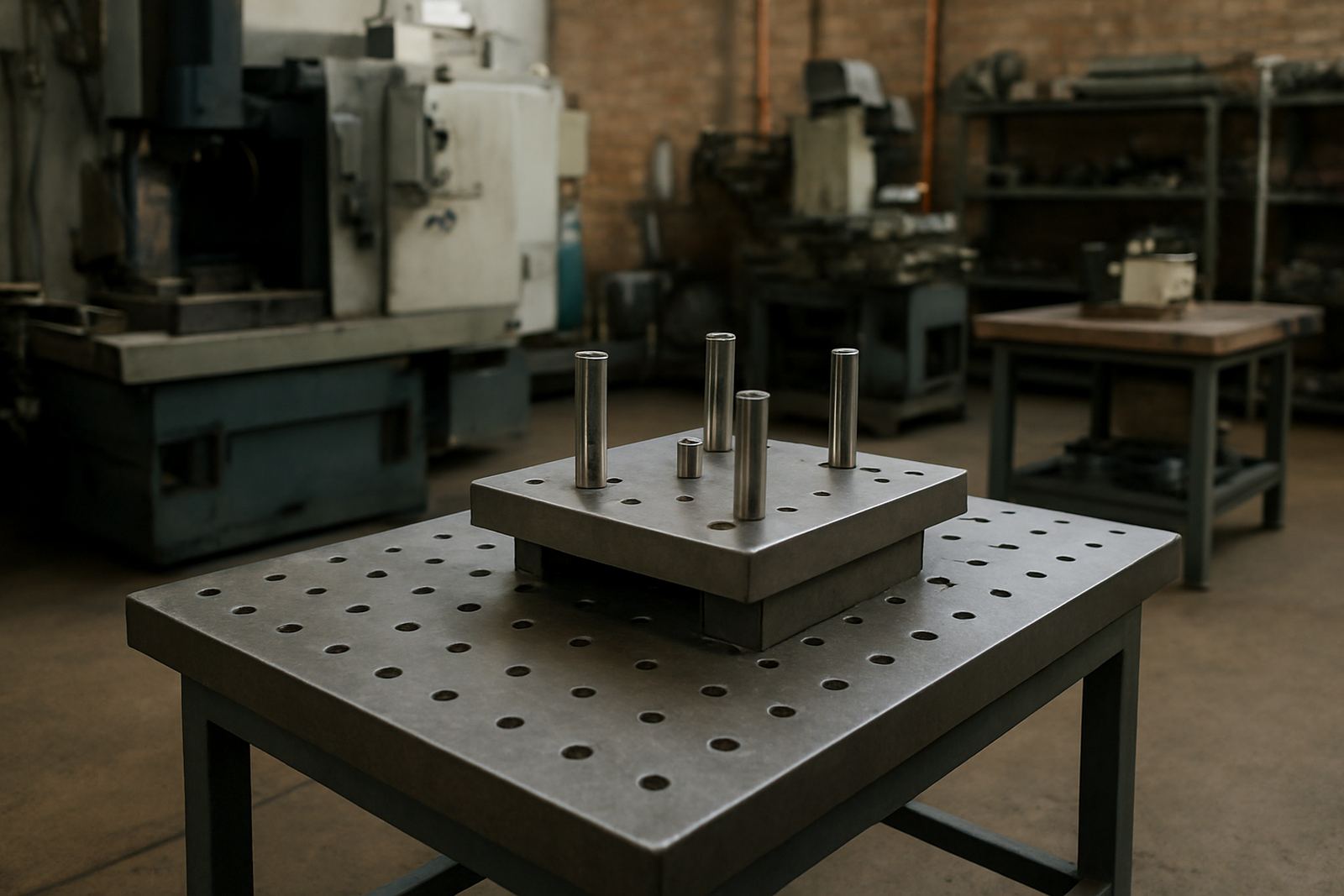
Workholding is one of the easiest places to lose time. If a job needs frequent changeovers, the vise, chuck, fixture or clamp arrangement should return to the same position without constant adjustment. Accuracy during batch changeover depends on repeatability, not just speed.
Where possible, use locating stops, dedicated jaws, or a fixture plate that suits a family of parts. Chuck jaw machining can also help when a shop runs the same blank size often. A proper fit reduces setup time and gives better grip, which matters when parts are expensive or the material is slippery. It is better to spend a little time getting the setup right than to spend the next shift chasing dimensions.
- Use dedicated soft jaws for repeat jobs
- Mark fixture positions and clamp points clearly
- Check vise alignment after any heavy knock or service
- Replace or machine jaws before they start marking parts
Measure first part fast, then confirm it
The first part after changeover should be treated like a test. Measure the critical dimensions early, before the machine runs too many pieces. That means checking the most important features first, then confirming the secondary dimensions once the process is stable. It is easier to make one small offset correction than to discover a full batch drift later.
Keep the measuring tools that matter close to the machine. If the job depends on scanner work, presetting, or tool inspection, then those checks must fit into the changeover plan rather than sitting outside it. On some jobs, a quick runout check is enough to confirm the setup. On others, especially precision components, you may need a more detailed inspection before production starts. The rule is simple: verify the setup before the material stack builds up.
Plan around load-shedding and power recovery
In South African workshops, the schedule is not only about machine capacity. Load-shedding, voltage dips and unexpected power recovery can interrupt a changeover right in the middle of setup. If that happens, a half-finished tool list or loose workholding can waste more time than the outage itself. A good batch plan assumes interruptions will happen and makes it easy to restart safely.
Save offsets, record tool lengths, and label preset tools so they can go back in the same order after an interruption. If a CNC machine restarts after a stop, confirm the datum, the tooling and the workholding before the next cut. Shops in Markman, Coega and Struandale often work under tight delivery windows, so even a 20 minute delay can affect the rest of the day. It helps to build a recovery checklist into the changeover, not only the normal start-up sequence.
- Back up offsets and job notes before running a batch
- Label preset tooling for quick reinstallation
- Confirm clamps and jaws after any stoppage
- Keep a restart checklist near each machine
Use support services to keep changeovers consistent
Some changeover time is caused by worn or dirty equipment rather than poor planning. Tool holders with built-up debris, dull cutters, misaligned vises and poorly maintained printers or scanners all slow the handover between batches. Regular tool regrinding, holder cleaning, scanner calibration and printer maintenance keep the setup process more predictable. That predictability is what shortens changeovers without harming accuracy.
A practical example: a machine shop in Gqeberha running short aluminium batches was losing time on every job because the same holders kept needing re-cleaning and the vise would drift slightly after heavy clamping. Once the shop tightened its presetting routine, aligned the vise properly and checked runout before each batch, the first part came in faster and the scrap rate dropped. The operators did not work harder, they just removed the small faults that kept repeating.
For shops serving Kariega, Despatch, Port Elizabeth CBD and the wider Eastern Cape, collection and delivery can also help when a critical holder, jaw set or scanner needs attention off-site. When parts and tooling move on time, the floor stays productive and the changeover stays controlled.
Build a changeover habit the whole team follows
The best way to shorten changeovers is to make them boring. That happens when everyone knows where the tooling goes, who checks what, and what must never be skipped. A clear handover between the operator, the setter and the support team means fewer delays and fewer surprises. It also makes it easier to train new staff and keep standards the same across shifts.
Keep the rules practical. Use the same naming for jobs, the same storage locations for holders and gauges, and the same sign-off point before production starts. If the job card says a collet must be checked, then it gets checked. If the setup requires chuck jaw machining or scanner calibration, schedule it before the batch begins. Short changeovers are not only about speed, they are about discipline.