Start with the job, not the spool price
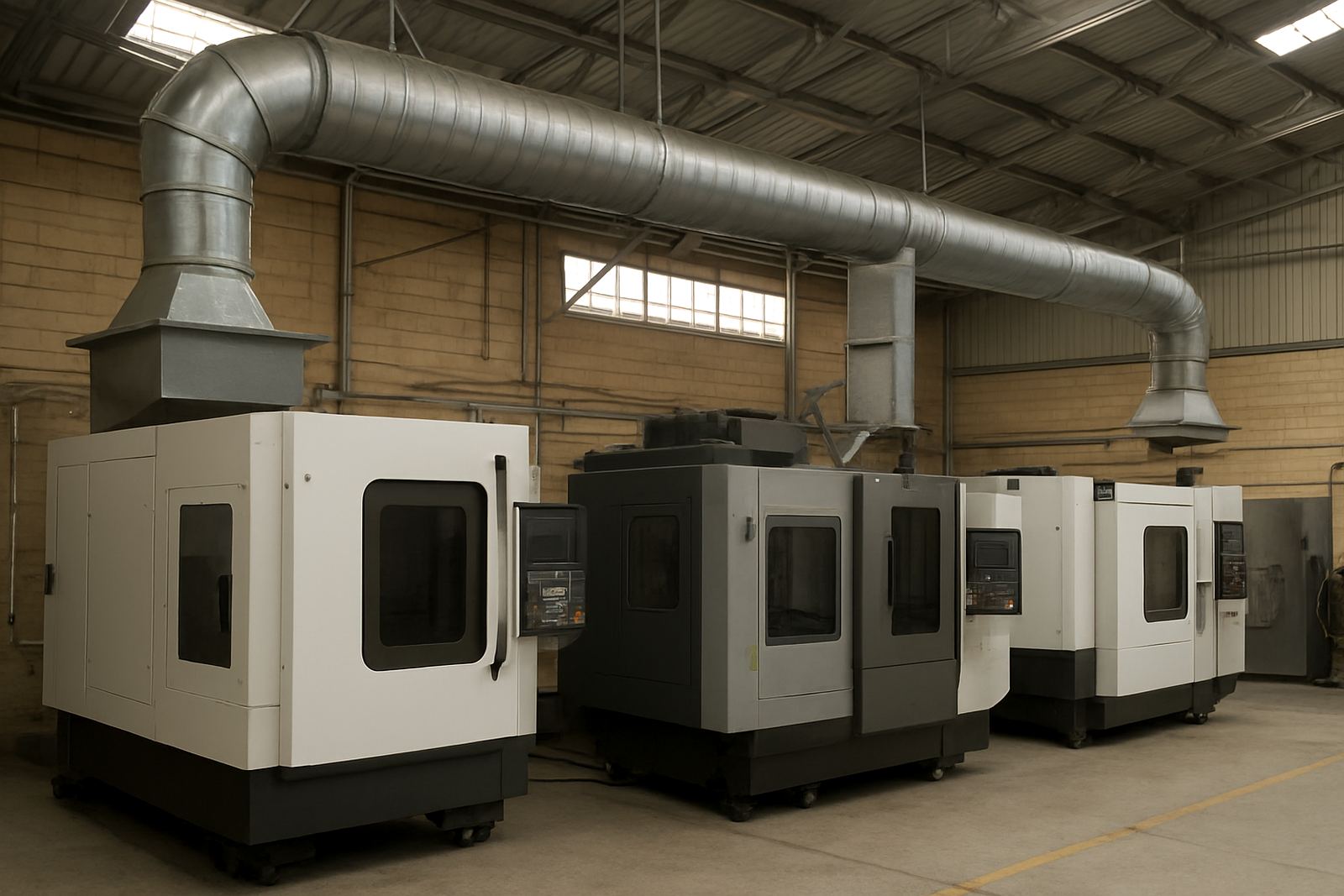
In South African machine shops, a printed part often has to do more than just look neat. It may be a jig, a cover, a clip, a bracket or a quick-fit aid used next to a milling machine, a scanner station or a packing bench. If the part must sit near a warm motor, a sunny window or inside a vehicle in Gqeberha, the filament choice matters as much as the print settings.
The usual mistake is to choose the cheapest spool and hope for the best. That works for a mock-up, but not for a fixture that must keep its shape through a long shift. A good rule is to ask three questions before you print: how stiff must the part be, how hot can it get, and will it carry load, clip on, or just guide another component? Once you know that, the material choice becomes much easier.
- Prototype only: look for easy printing and fast turnaround.
- General workshop use: balance stiffness, impact resistance and cost.
- Heat near machines: check the softening point, not just the print finish.
- Outdoor or vehicle use: think about sun, humidity and dimensional stability.
PLA: easy to print, but keep it away from heat
PLA is popular because it prints cleanly and does not usually fight the operator. It is fairly rigid, gives good detail and suits test pieces, visual models and low-load parts. For a busy team in Struandale or Markman, that means quick concept prints and simple check gauges can come off the machine without too much trouble.
Its weakness is heat. PLA can start to soften earlier than people expect, especially in a closed car, near warm equipment or in a storeroom that gets strong afternoon sun. It is best used where temperature is controlled and the part is not under constant stress. If a cover, holder or clip must stay true in a hot bay, PLA is usually not the first choice.
When PLA makes sense, it saves time and frustration because the print is usually stable and tidy. Just do not confuse easy printing with industrial durability.
- Best for: prototypes, models, simple alignment aids and presentation parts.
- Not ideal for: hot environments, load-bearing clips and parts near motors.
- Strength: good stiffness, moderate impact resistance.
- Workshop note: a part can look perfect and still warp if left in a warm vehicle, so test it properly.
PETG: a useful middle ground for shops and field use
PETG sits in the middle for many users. It is tougher than PLA, handles a bit more heat and usually copes better with knocks and repeated handling. For South African workshops, that makes it a sensible option for guards, brackets, cable guides and jigs that may be moved around the shop floor or taken from Gqeberha to Kariega for a fitment.
It is not the stiffest material, but it offers a good mix of strength and flexibility. That flexibility can help when a part has to snap over an edge without cracking. It is also useful where humidity is part of everyday life, especially in coastal areas where printed parts are stored in a container, office or service vehicle.
For this reason PETG is often the practical choice when PLA feels too soft in heat but a tougher engineering material would be overkill. It is a good all-round material for many everyday workshop jobs.
- Best for: working jigs, brackets, guards, housings and general-purpose parts.
- Heat resistance: better than PLA, but not suitable for high-temperature machine areas.
- Handling: tougher and less brittle than PLA.
- Local benefit: handles coastal humidity better than many basic materials, though storage still matters.
ABS and similar materials: stronger heat performance, more control needed
ABS-type materials are chosen when a part must cope with more heat and more abuse. They are often used for functional parts that need better durability, especially where workshop temperatures rise and the part is not just cosmetic. In a machine shop, this can mean clips, covers and service components that need a longer working life.
They can be more demanding to print. Draughts, uneven cooling and poor temperature control can cause distortion, so the printer setup matters. If load-shedding interrupts a long print, the part may cool at the wrong time and pull out of shape. That makes these materials less forgiving than PLA or PETG, but the payoff is better performance in harsher conditions.
For parts that live near warm tooling, heated enclosures or production equipment, this extra effort can be worth it. The key is not to force the material into a job it was never meant to do.
- Best for: covers, brackets and parts that face more heat or wear.
- Printing note: needs better temperature control and a steadier environment.
- Risk: warping if the print area is open or draughty.
- Practical check: if the part must sit in a warm bay all day, test it before making ten more.
Engineering filaments for jigs, fixtures and production aids
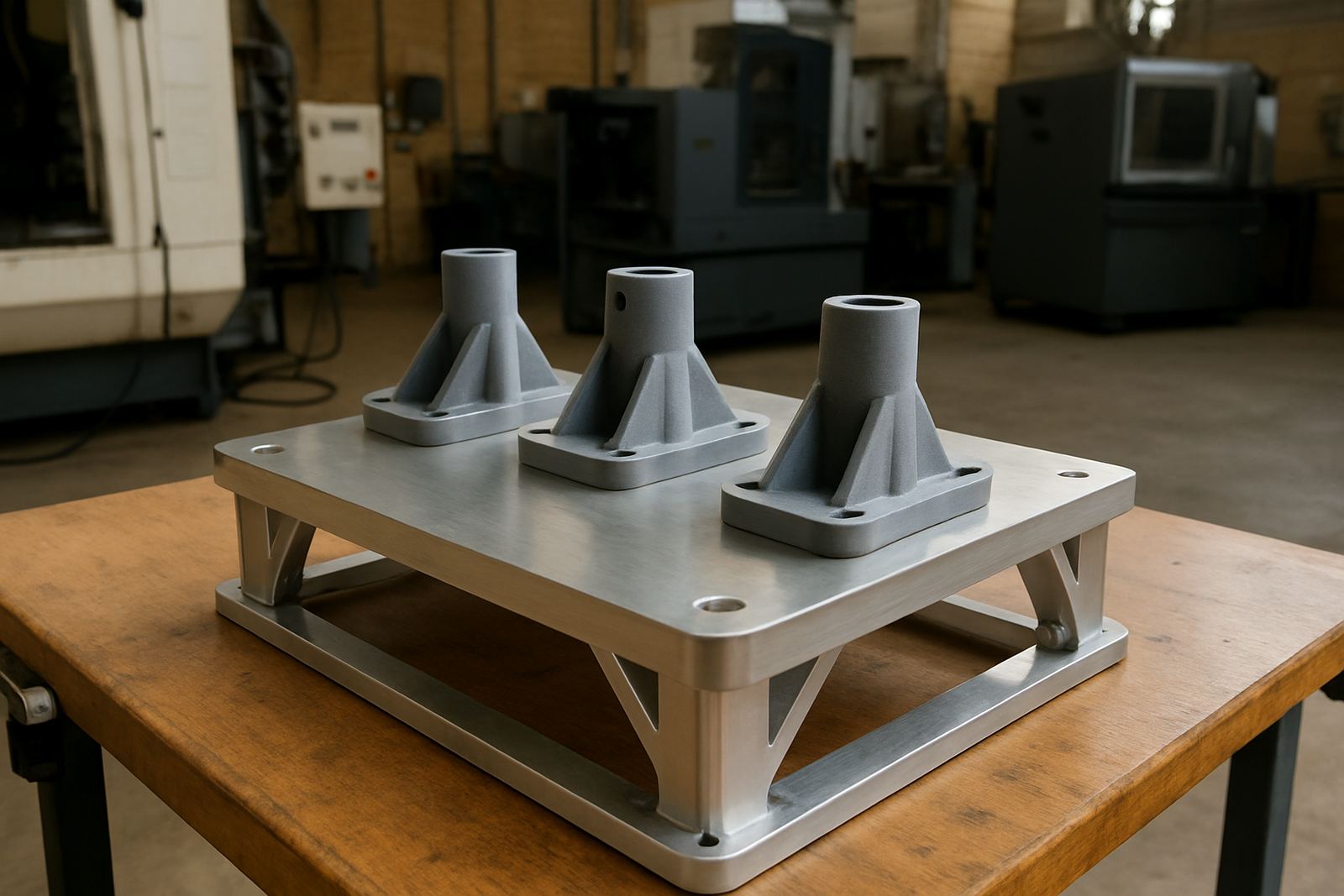
Some jobs call for engineering-grade filaments with better stiffness, wear resistance or heat handling. These are not everyday materials for simple prototypes. They are for parts that sit in repeat-use positions, hold tools or help keep processes accurate. A fixture in a production line, a scanning aid or a mounting component can all benefit from that extra consistency.
These materials are often chosen when the part needs to keep its dimensions under load. If a jig opens up slightly after a few days, the whole process can drift. That is why dimensional stability matters as much as raw strength. In manufacturing, a part that is only a little off can cause rework and time loss, which costs more than the material itself.
The user should also think about storage. Moisture can affect some engineering filaments, so sealed storage and dry handling are important, especially near the coast. If the filament has been left open in a humid storeroom in Port Elizabeth CBD, expect trouble unless it is dried first.
- Best for: jigs, fixtures, tool aids and repeat-use production parts.
- Benefits: better stiffness, better wear behaviour, better shape retention.
- Storage: keep dry and sealed, especially in coastal areas.
- Process note: if a part affects accuracy, measure it after printing and again after a few days of use.
Match the filament to the workshop reality
The right filament is the one that suits the real job, not the one that sounds strongest on paper. If the part is only a visual sample, print it in an easy material and move on. If the part will live in a hot, dusty or humid area, choose with that in mind. And if the part affects machine accuracy, treat material choice as part of the measurement process.
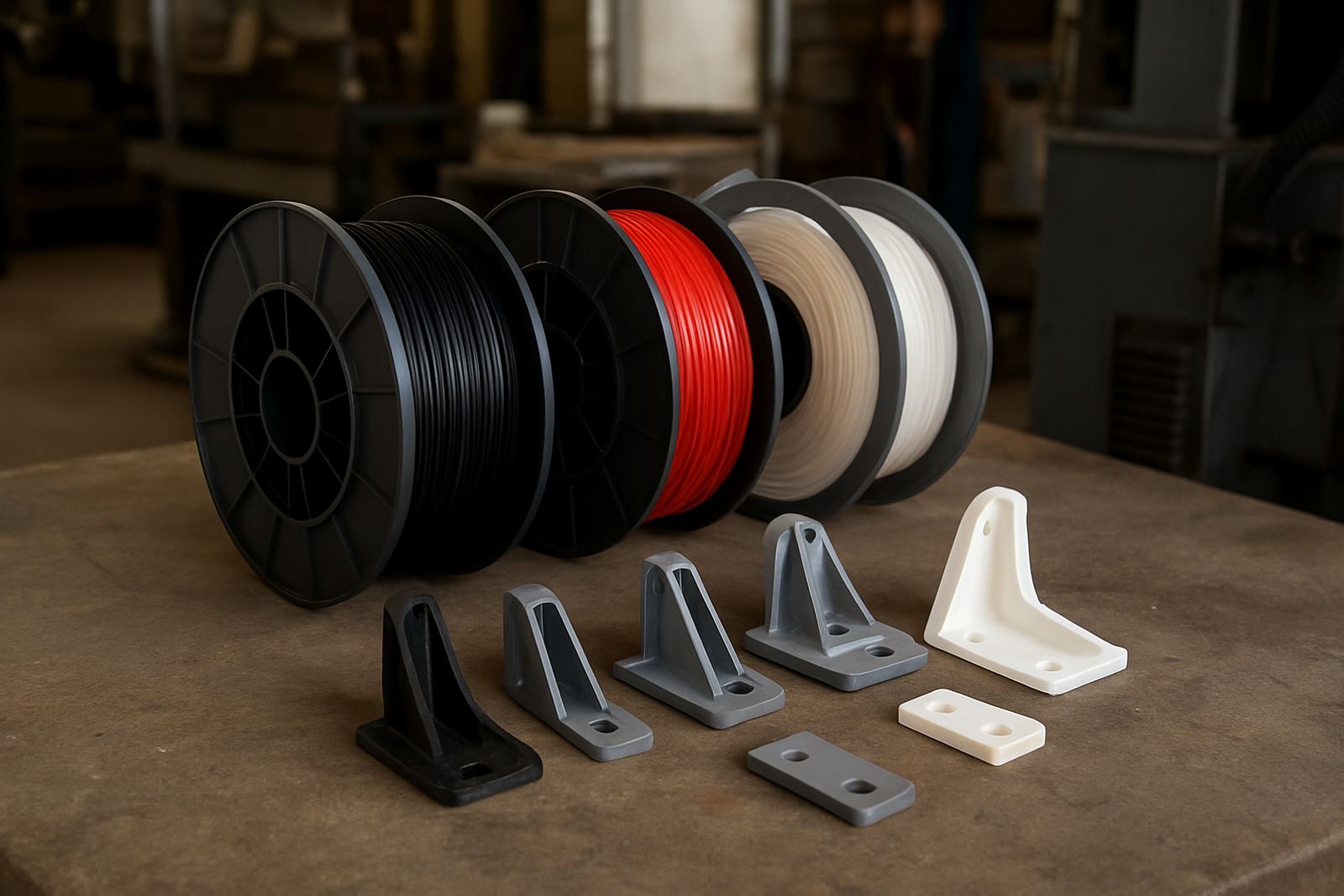
In practice, many South African teams keep more than one filament on hand. A shop in Coega might use PLA for quick concepts, PETG for daily working parts and a tougher engineering filament for fixtures that stay in service. That gives flexibility without overcomplicating the process. It also helps when a client in Despatch needs a part urgently and the first print needs to be right the second time. Small detail, big save.
Good filament choices reduce reprints, keep machines moving and make support parts last longer. That is what matters in a real workshop: less fuss, fewer surprises and a part that does what it should.
- Choose PLA for quick, low-heat prototypes.
- Choose PETG for everyday functional parts with better toughness.
- Choose ABS-type materials for warmer, harsher environments.
- Choose engineering filaments when accuracy, wear and stability matter most.