
Why storage matters between machining jobs
In a busy machine shop, tools do not fail only on the machine. They get damaged while waiting for the next setup, left on benches, mixed with scrap, or stored where moisture and swarf can get to them. A holder with a nick on the taper, a cutter with a chipped edge, or a gauge that has picked up dirt can throw off the whole job. That means more scrap, more rework and more time spent checking what should have been ready already.
For shops in Gqeberha, the storage problem is not the same as it is in the interior. Coastal humidity, fine dust, and load-shedding all affect how long tooling stays in good condition. If power is down and a machine is off for the day, the storage system still has to protect the tooling until the next shift starts.
Keep holders clean, dry and identified
Tool holders are expensive to replace and they lose accuracy quickly if they are handled badly. After use, wipe them clean, check the taper and face, and store them where they will not get bumped by other metal parts. Do not leave holders loose in a drawer or box where they can knock against each other. One small mark on the contact surface can create runout, and that is a problem you only notice when the part starts failing tolerance.
A simple holder storage routine works well if it is followed every time:
- Clean the holder before it goes back on the rack
- Check for coolant residue, rust and scoring
- Keep paired components together where possible
- Label the storage position clearly, especially for special setups
- Separate damaged or unverified holders from ready-to-use stock
In many shops, a basic shadow board or numbered rack is enough. What matters is consistency, not fancy fittings. If operators can return the holder without guesswork, tools stay organised and the setup process is faster the next morning.
Store cutters so cutting edges stay protected
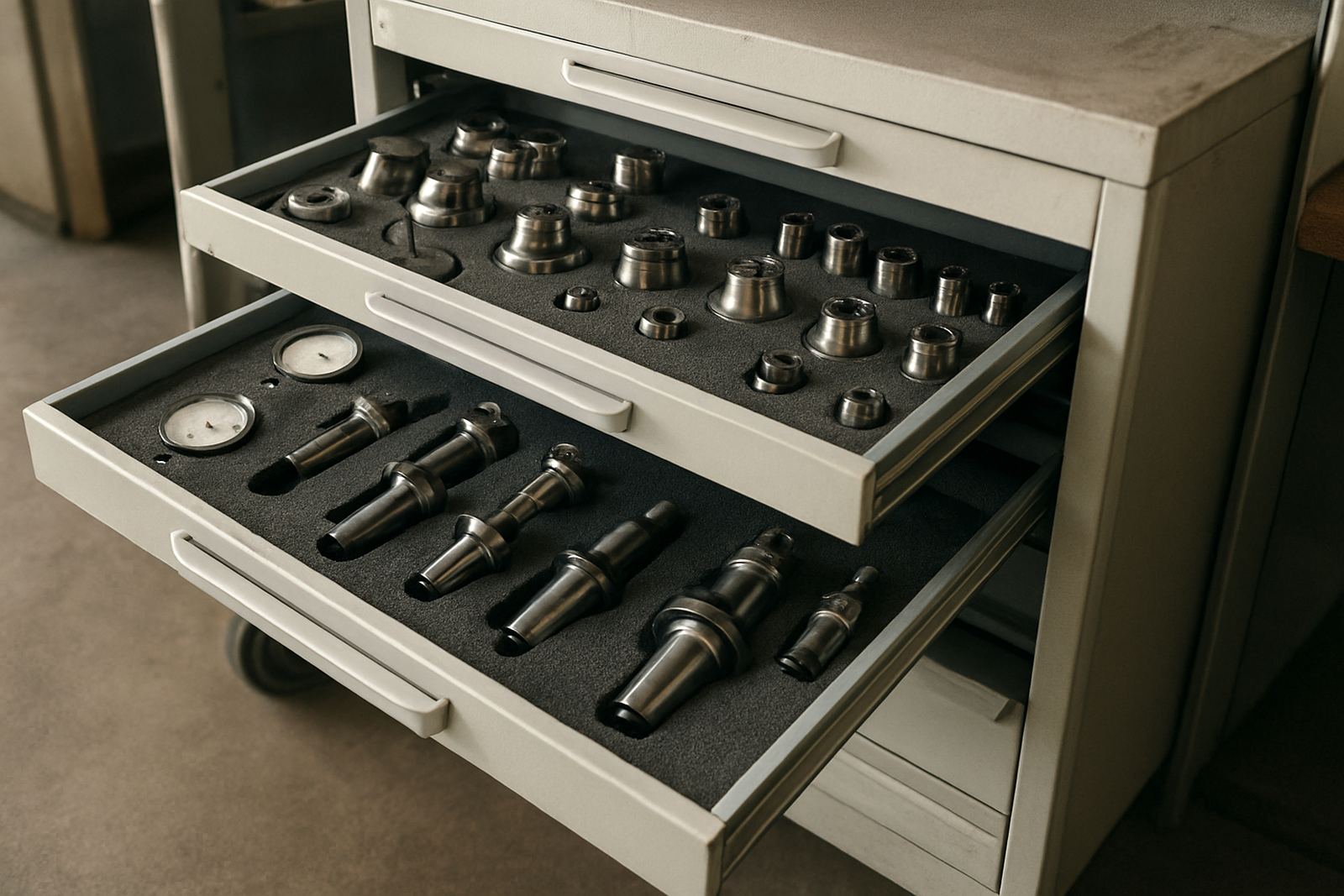
Cutters need more care than many people expect. End mills, drills, reamers and inserts should be stored so the cutting edges do not touch each other. A box with loose bits rolling around is asking for chips on the edges. If the cutter has a sleeve, tube or tray slot, use it every time. If not, create one. Foam inserts, partitioned drawers and small labelled tubs all work if the tools are sorted by diameter and type.
For small cutters and precision tools, sealed storage helps in coastal workshops where humidity can creep in overnight. Add a drying agent where needed, and replace it on a schedule instead of waiting until the box smells damp. It is also worth keeping new stock separate from used stock, because it is easy to mix them up when the rush starts.
- Group cutters by diameter and tool type
- Use sleeves or holders that stop edge contact
- Keep inserts in their own marked containers
- Store high value cutters away from general hand tools
- Review damaged stock before it gets put back by mistake
Give gauges and measuring tools their own space
Gauges, micrometers, indicators and setting tools should never be stored with heavy tooling. They need a dry, stable place away from chips, oil mist and vibration. A measuring tool that has been dropped into a drawer with spanners will not inspire confidence on the next job. Even if it still reads correctly, operators may stop trusting it and that creates delays.
Use fitted trays or dedicated cases, and return each tool to the same slot every time. If the workshop uses presetting equipment, store the related adapters and references together so the setup operator does not have to hunt for matching parts. Tooling teams in Struandale and Markman often see that the shops with the best measuring discipline are the ones that waste less time during changeovers. It sounds small but it adds up over a week.
Match storage to the type of workshop
No two machine shops store tooling in exactly the same way. A high-mix jobbing shop in the Port Elizabeth CBD may need quick-access drawers and portable cases for urgent work. A larger production floor in Coega may prefer fixed racking, numbered bins and controlled issue points. Shops in Despatch, Kariega and elsewhere in the Eastern Cape often need storage that can be moved between machines when the schedule changes.
When choosing a method, think about these practical points:
- How often the tools are used
- Whether one person or many people access them
- How much floor space is available
- Whether tools move between machines often
- How much dust, oil or moisture is present
If a storage system is too complicated, operators will work around it and the order disappears. Keep the layout simple enough for a night shift, a relief operator or a new trainee to understand without a long explanation.
Use checks, cleaning and delivery to keep stock moving
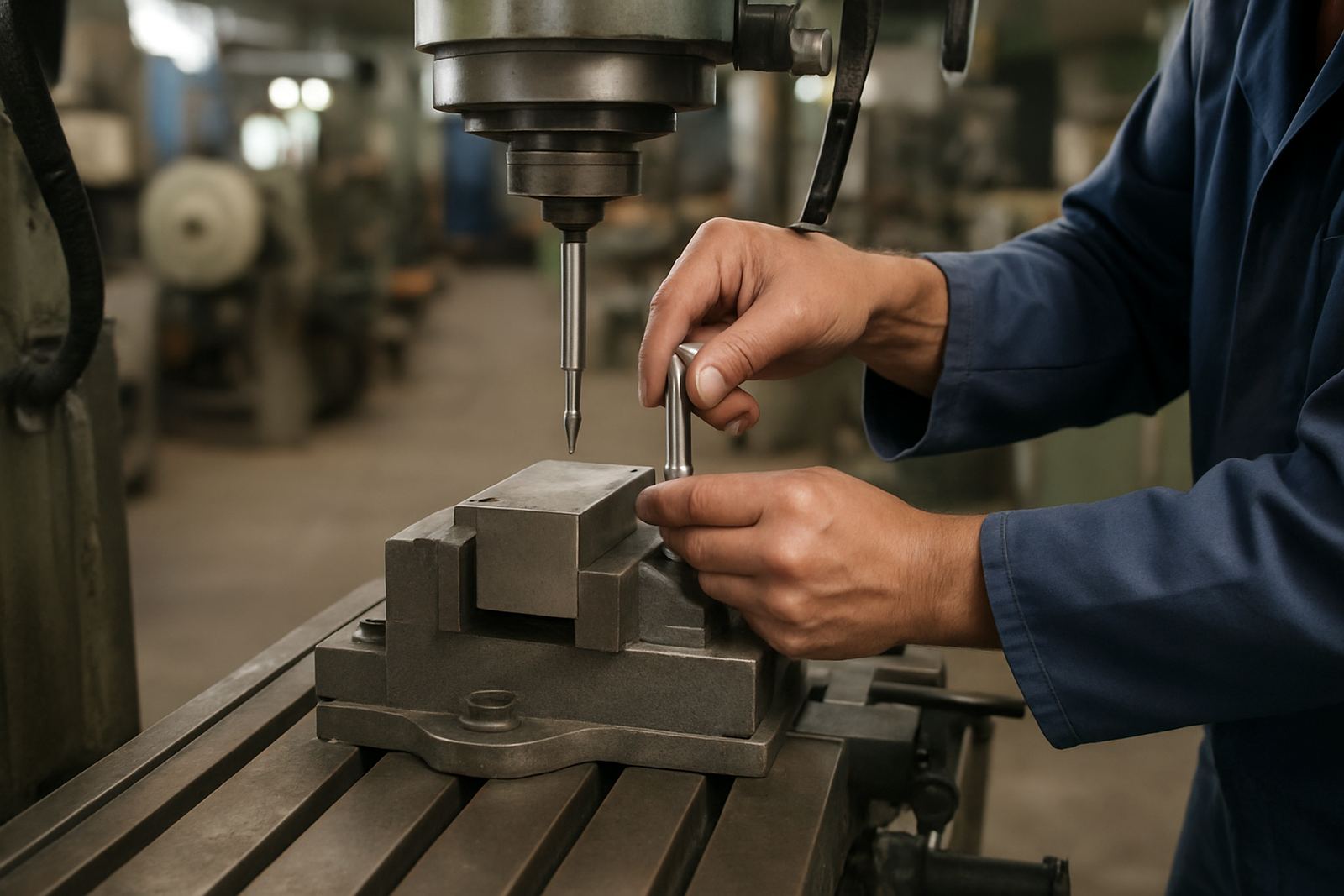
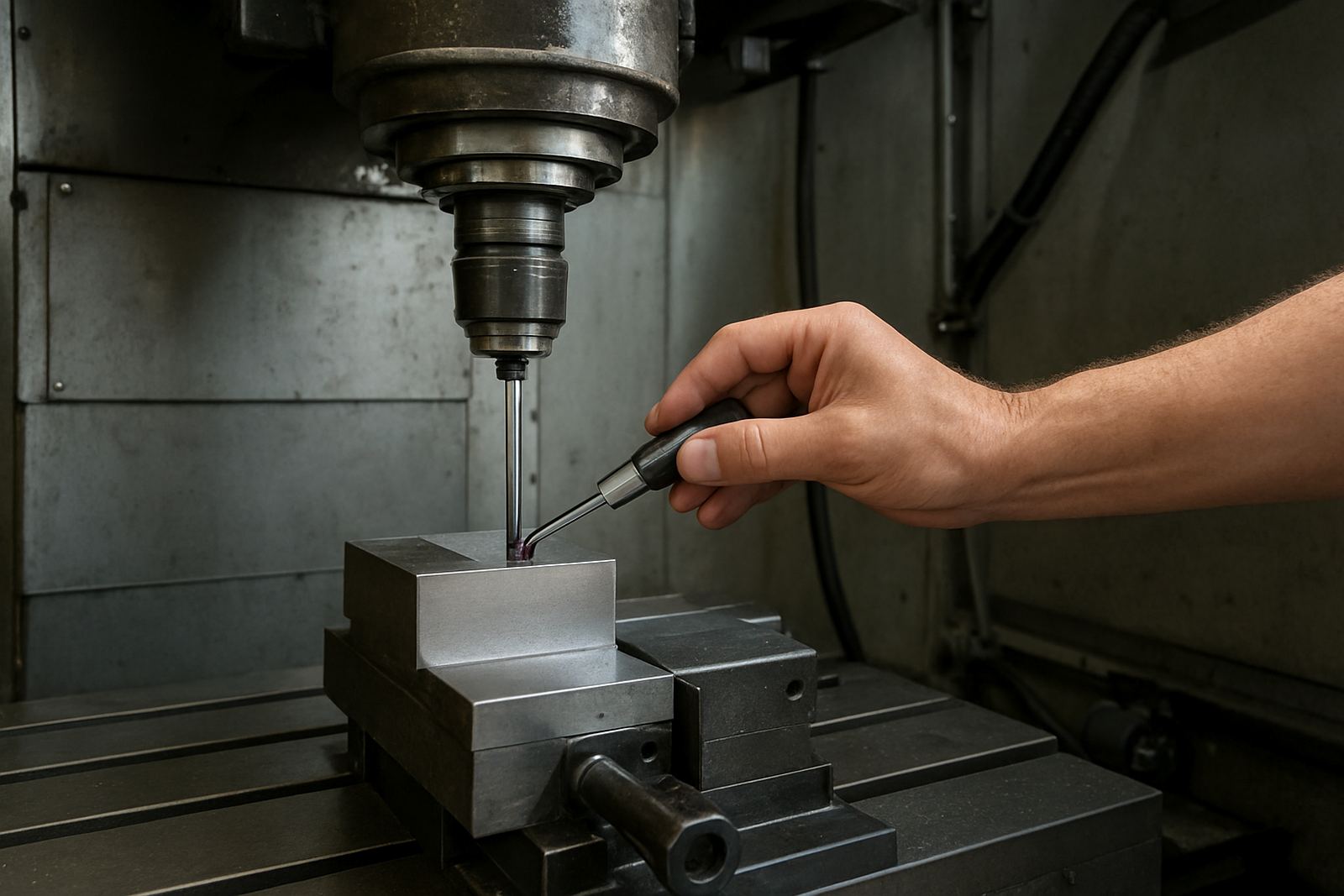
Storage works best when it is tied to a routine. A weekly check for runout, wear and contamination catches problems before they reach the machine. Holder cleaning and inspection should happen before storage, not after a job fails. For shops that send tooling out for regrinding, chuck jaw machining or scanner calibration, collection and delivery can save a great deal of time, especially when machines cannot stop for long.
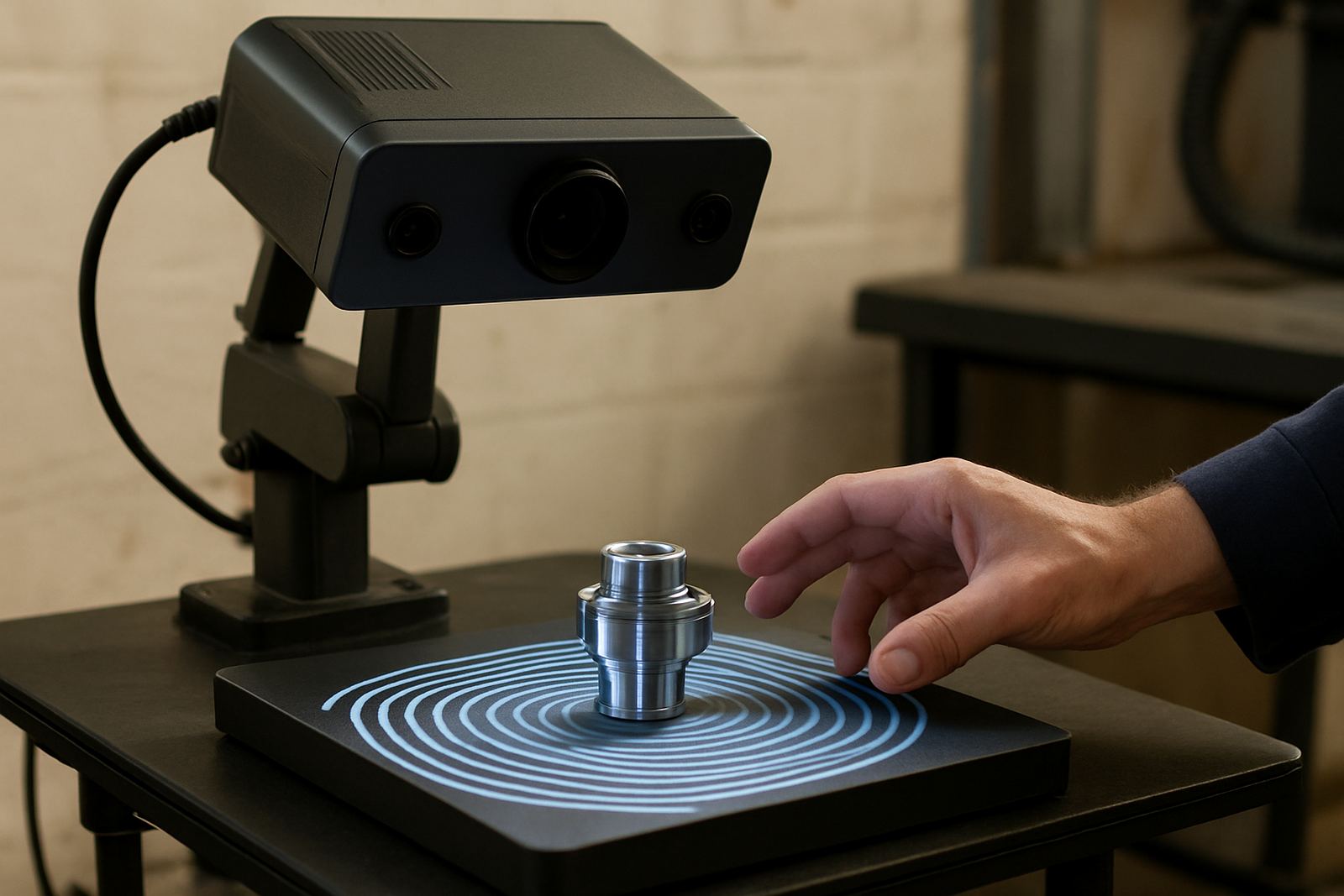
Tooling in Struandale supports machine shops across Gqeberha and nationwide with practical services that fit production schedules. That includes tool regrinding, holder cleaning, presetting service, vise alignment, printer maintenance and scanning support. If you already have a storage system in place, these services help keep the tooling that goes back into storage ready for the next shift instead of slowly drifting out of spec.
At the end of the day, the best storage method is the one people actually use. Simple racks, labelled boxes, clean trays and a clear return process will do more for tool life than a complicated cabinet that nobody follows.