Why presetting pays off on the shop floor
When a cutter, holder or tool assembly reaches the machine already measured and checked, the operator can load it with far less guesswork. That matters in South African workshops where one machine may be shared across several jobs, power interruptions can upset a shift, and a late changeover can throw the whole day off. Presetting reduces that pressure by moving measuring work to a controlled station instead of doing it at the spindle.
For shops in Struandale, Markman and Coega, the benefit is especially clear on repeat work. Instead of stopping a machine to touch off every tool again, the setter can rely on a recorded length, diameter and offset. The result is less scrap, less spindle wear and fewer arguments about where an error started. It also helps with tool life because worn tools are spotted before they reach the machine side.
- Shorter machine-side setup times
- More consistent first-off parts
- Better control of tool wear and offsets
- Less chance of mix-ups during shift handovers
Build a presetter station that suits your volume
A presetter does not have to be fancy, but it must be stable, clean and easy to use. Set it up away from grinding dust, forklift traffic and coolant splash. In coastal areas around Gqeberha, humidity can creep into holders and measuring faces, so the station needs a dry cabinet, regular cleaning and a habit of wiping tools before measurement. If the area is not controlled, the numbers will drift no matter how skilled the operator is.
The best routine starts with the basics: clean holder tapers, inspect cutting edges, confirm clamping pressure and check that each assembly is complete. If a tool holder or collet has damage, measure it later? No, stop and sort it before the tool goes onto the presetter. Simple discipline at this point prevents bad readings and wasted setup time later.
- Keep the station level and vibration free
- Use clean cloths, air lines and approved cleaning fluid
- Separate measured tools from unmeasured tools
- Store printed records or digital values next to the job card
The presetter workflow from the first tool to the last
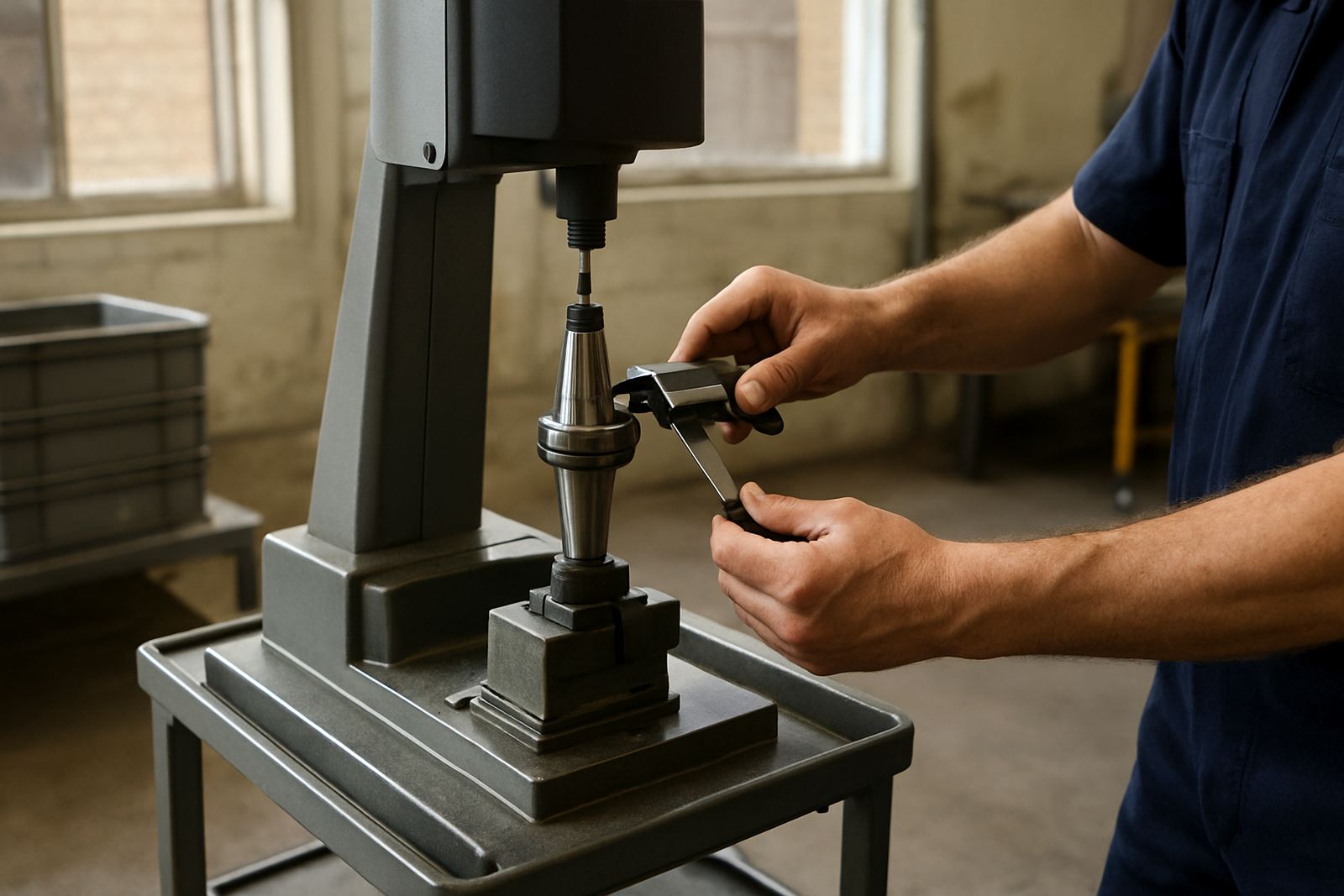
A reliable workflow keeps everyone doing the same steps in the same order. Start with tool identification, then cleaning, then inspection, then measurement and recording. Once values are captured, label the assembly clearly so the machine setter can load it without confusion. If your shop handles short runs, this consistency becomes even more valuable because the team may change over several times a day.
A practical workflow looks like this:
- Match the tool to the job card and machine number
- Clean the holder, collet and cutting area
- Check for chips, wear, pull-stud condition and clamp force
- Measure gauge length, overhang and runout where needed
- Record the offset, tool number and any wear notes
- Tag the assembly and move it to the machine queue
It sounds basic, but this is where many delays begin. A tool that is 0.2 mm out because it was not seated properly can cause a batch of parts to miss size. That is expensive, especially when material is stainless, aluminium billet or other higher value stock.
How to stop runout and offset errors before they start
Runout is one of the biggest hidden causes of poor finish and tool breakage. On a presetter routine, it should be checked early, not after the operator finds chatter on the machine. Collet condition, holder cleanliness and jaw alignment all affect the reading, so the inspection has to be part of the same process rather than a separate favour somebody does when time allows. If the tool is not clamped squarely, the offset figure is only half the story.
Tooling teams often see the same issues again and again: dirty tapers, worn collets, mixed tool lengths and handwritten notes that are unclear. A proper routine removes that noise. For shops using multiple shifts, the value is even greater because one person’s careful setup must be understood by the next person at 2 a.m. when load-shedding has already pushed the programme back.
- Check concentricity before a job starts
- Re-check after cleaning if the first reading looks odd
- Keep one naming system for all tools and offsets
- Record wear allowances separately from master values
A Gqeberha example: one job, fewer machine stops
Consider a local machine shop in Struandale running a batch of turned components for a supplier in Kariega. The team has three machines sharing the same group of end mills, drills and boring tools. Without presetting, each machine operator measures tools on the machine, adjusts offsets and tests the first part before moving on. That adds minutes to every changeover, and when a tool is not seated properly the whole batch can drift.
With a presetter routine, the tools are measured once, checked against the job sheet and sent to the machines ready to load. The operator still verifies the first part, of course, but the setup time is shorter and the handover is cleaner. In a week with power cuts, that matters a lot because the team can restart faster when the supply returns. The shop keeps moving and the planner has a better chance of meeting delivery dates.
For many businesses in the Port Elizabeth CBD, Despatch and Coega, that difference shows up as fewer urgent callouts and less overtime. It is not about fancy kit alone, it is about using the equipment properly and sticking to a repeatable method.
When to bring in inspection, cleaning and collection support
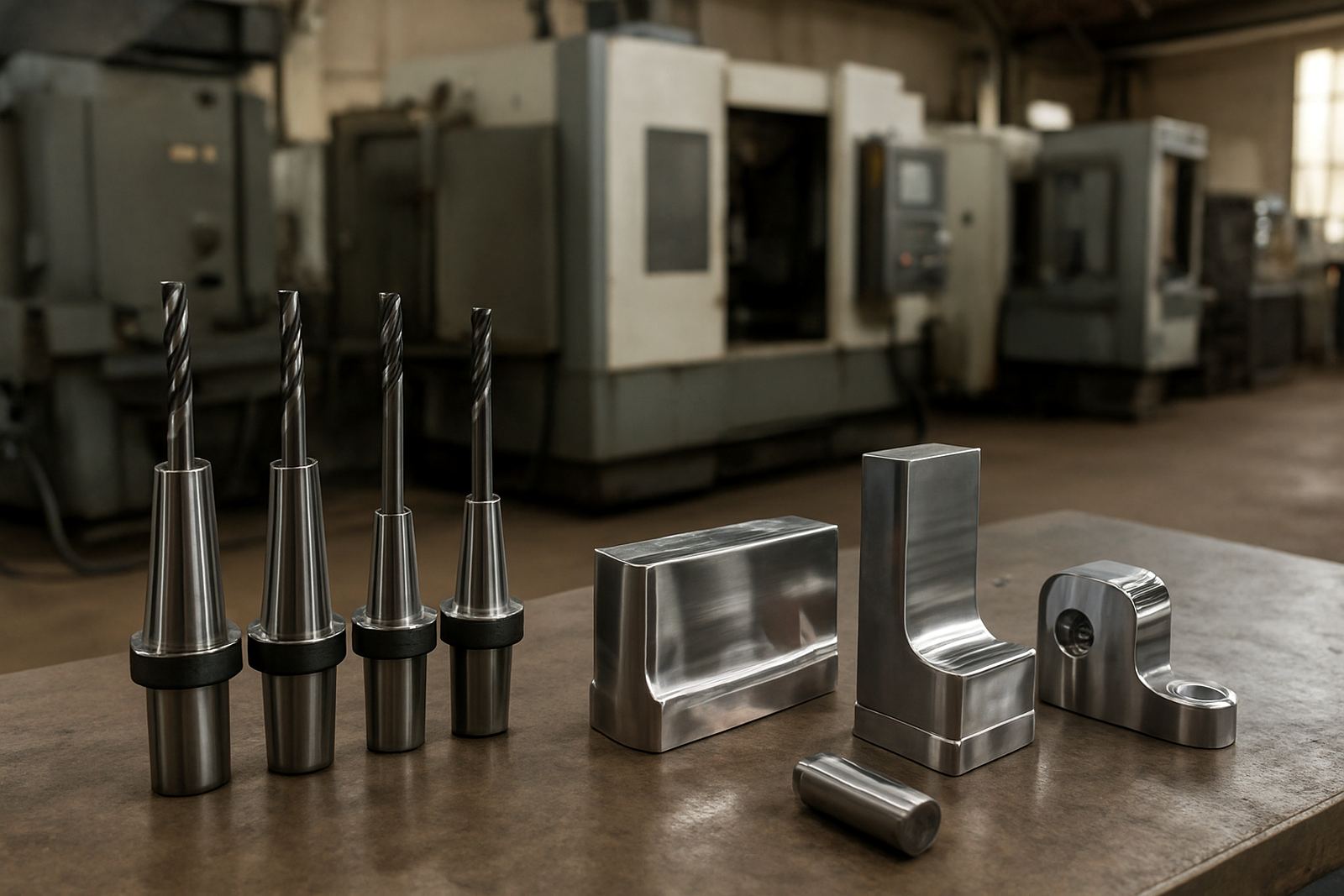
Presetting works best when the rest of the tool condition is under control. If holders are dirty, jaws are worn, or a chuck needs attention, the presetter figures will not solve the real fault. That is why support services like tool inspection, holder cleaning, tool regrinding, chuck jaw machining and vise alignment form part of a good workflow. They keep the measuring process honest.
Shops that do not have in-house capacity for every task often arrange collection and delivery so tools can be checked and returned without losing a full day. In the Eastern Cape, where one job may come from Markman and the next from Uitenhage or Despatch, reducing transport hassle helps keep production steady. It is one less thing for the foreman to chase while the machine bay is already full.
- Send damaged holders for inspection before measuring again
- Clean and verify reusable tooling on a set schedule
- Use presetting records to track wear trends over time
- Revisit alignment when jobs keep drifting in size
A workable presetter routine for busy South African shops
The best routine is the one your team can do every day without cutting corners. Keep the process short, visible and signed off. Train each setter to follow the same order, keep the same labels and record the same values. That way, the machine side becomes quicker, the numbers are easier to trust and there is less pressure on the operator to fix avoidable mistakes at the spindle.
For machine shops serving nationwide customers from Gqeberha, presetting is not just about speed. It is about confidence. When the tool arrives checked, cleaned and correctly identified, the machine can get on with making parts instead of sorting out preventable issues.