What this catalogue covers for local workshops
This catalogue brings together the core equipment and consumables used in day to day machining. From tool holders and collets to workholding, scanners and additive equipment, each product line is selected for South African production conditions where dust, heat, vibration and load-shedding all affect output. The aim is simple: keep machines cutting, keep setups repeatable and keep scrap down.
Customers in Struandale, Markman, Coega, Kariega, Despatch and the Port Elizabeth CBD often need different solutions depending on part size, batch volume and the age of the machine park. A small job shop may need quick change tooling and accurate presetting, while a larger plant may be looking at scanning or 3D printing to shorten lead times. The range supports both, and it is backed by practical service from people who work with machining every day.
How to choose the right product line
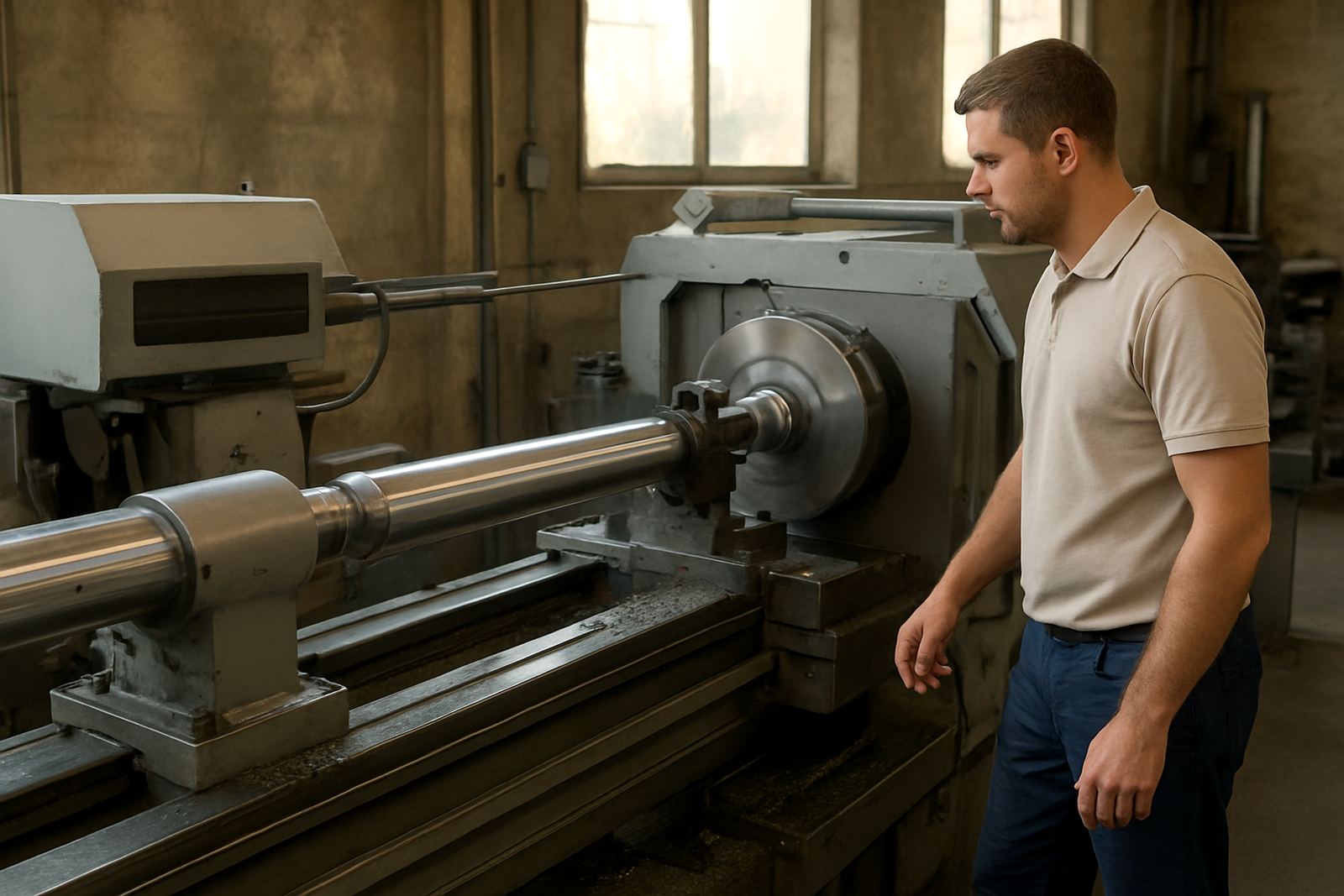
The best choice starts with the machine and the part, not the catalogue. A lathe chuck jaw, a milling vise or a holder for a high speed spindle all need different levels of rigidity, balance and access. If the part runs close tolerance, then runout, clamping method and repeatability matter just as much as the cutting tool itself. For coastal sites, corrosion resistance and easy cleaning also make a real difference.
- Match the holder or workholding to the spindle taper, material and cutting load
- Check whether you need faster set up, higher accuracy or longer tool life
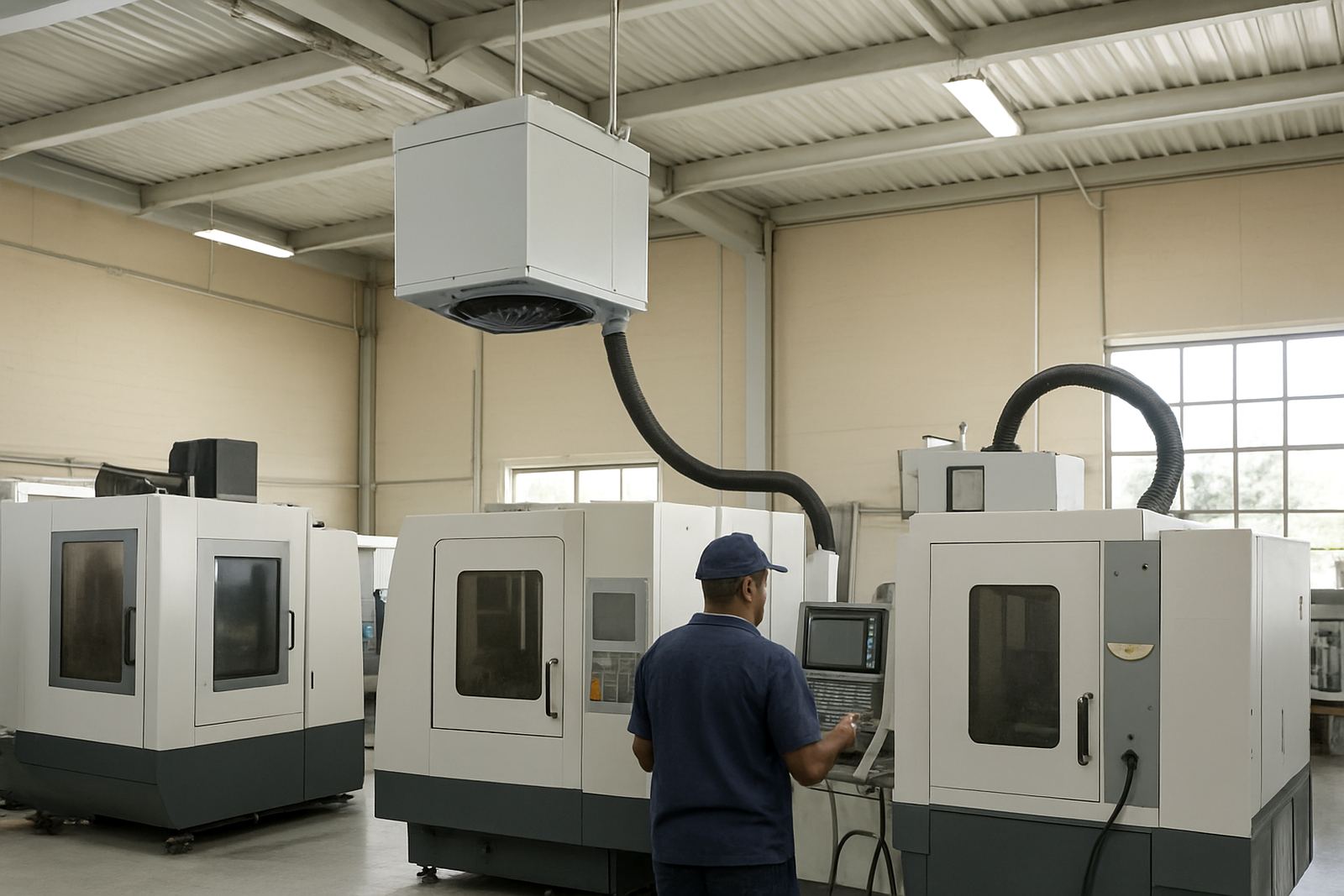
- Consider whether the machine runs in a clean cell or a harsher production area
- Plan for support services such as presetting, inspection and runout checks
In many cases the right answer is not one product, but a small system that includes the tool, the holder and the setup process around it. That saves time on the floor and reduces rework, which matters when every hour counts.
CNC tooling, holders and workholding that stay consistent
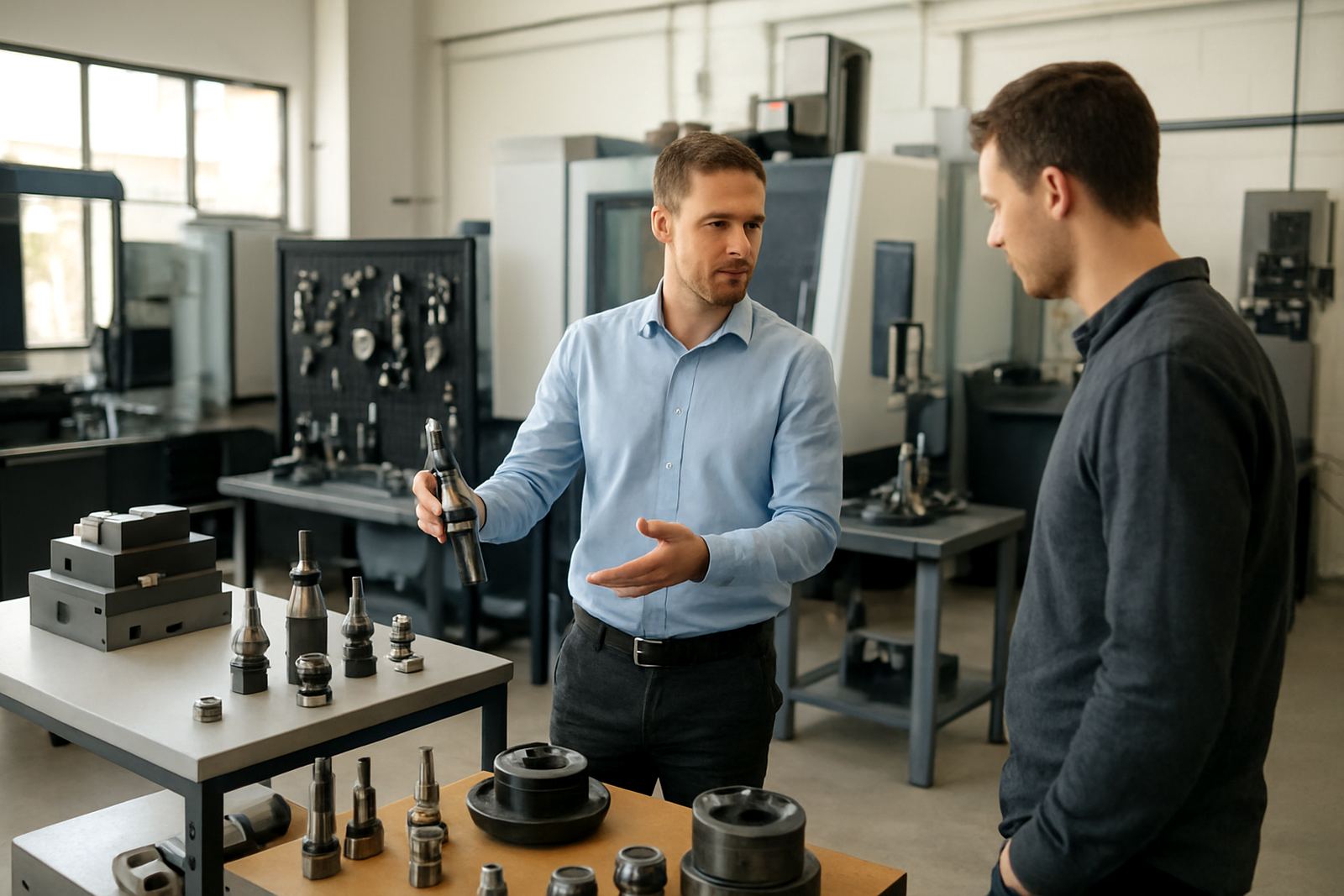
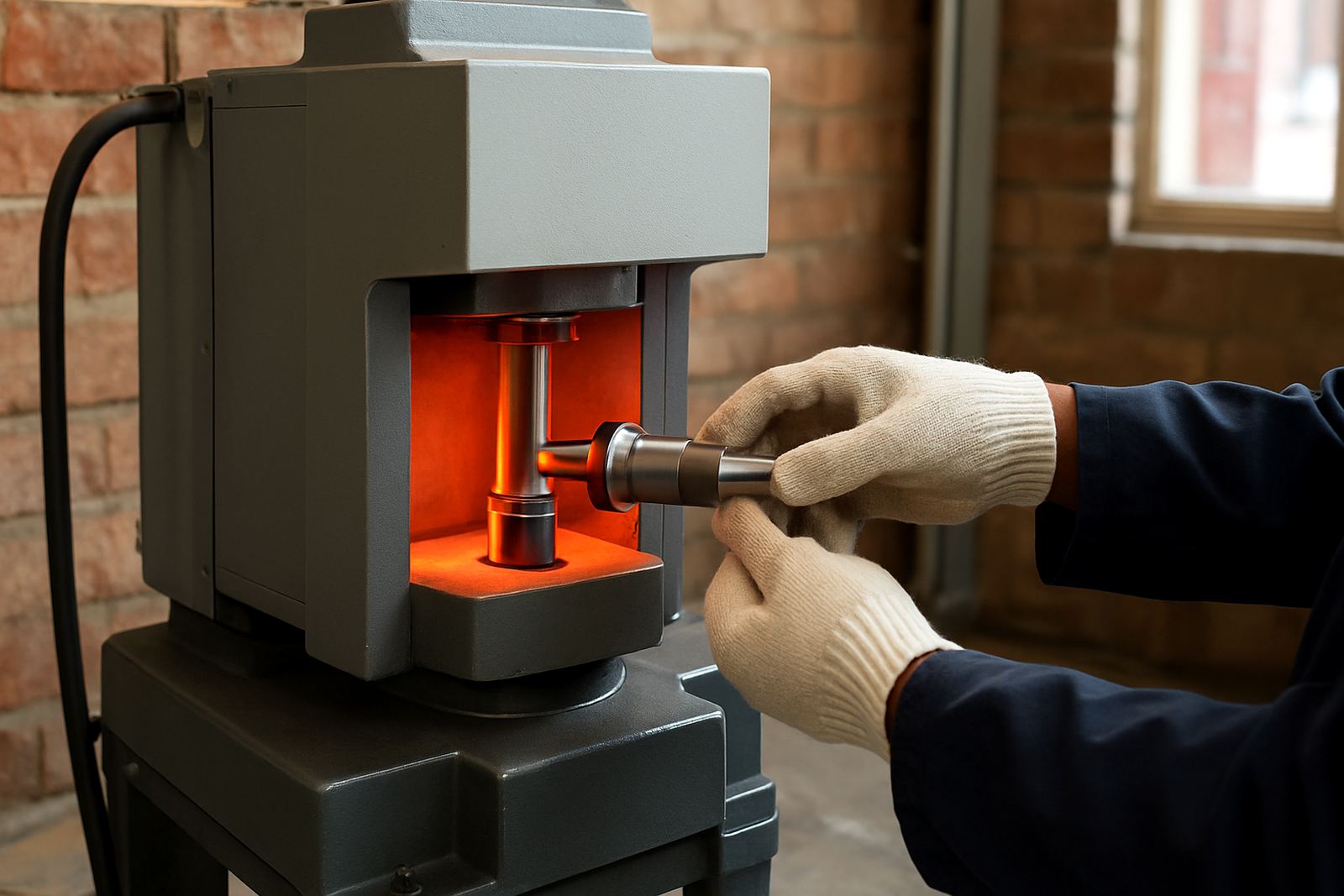
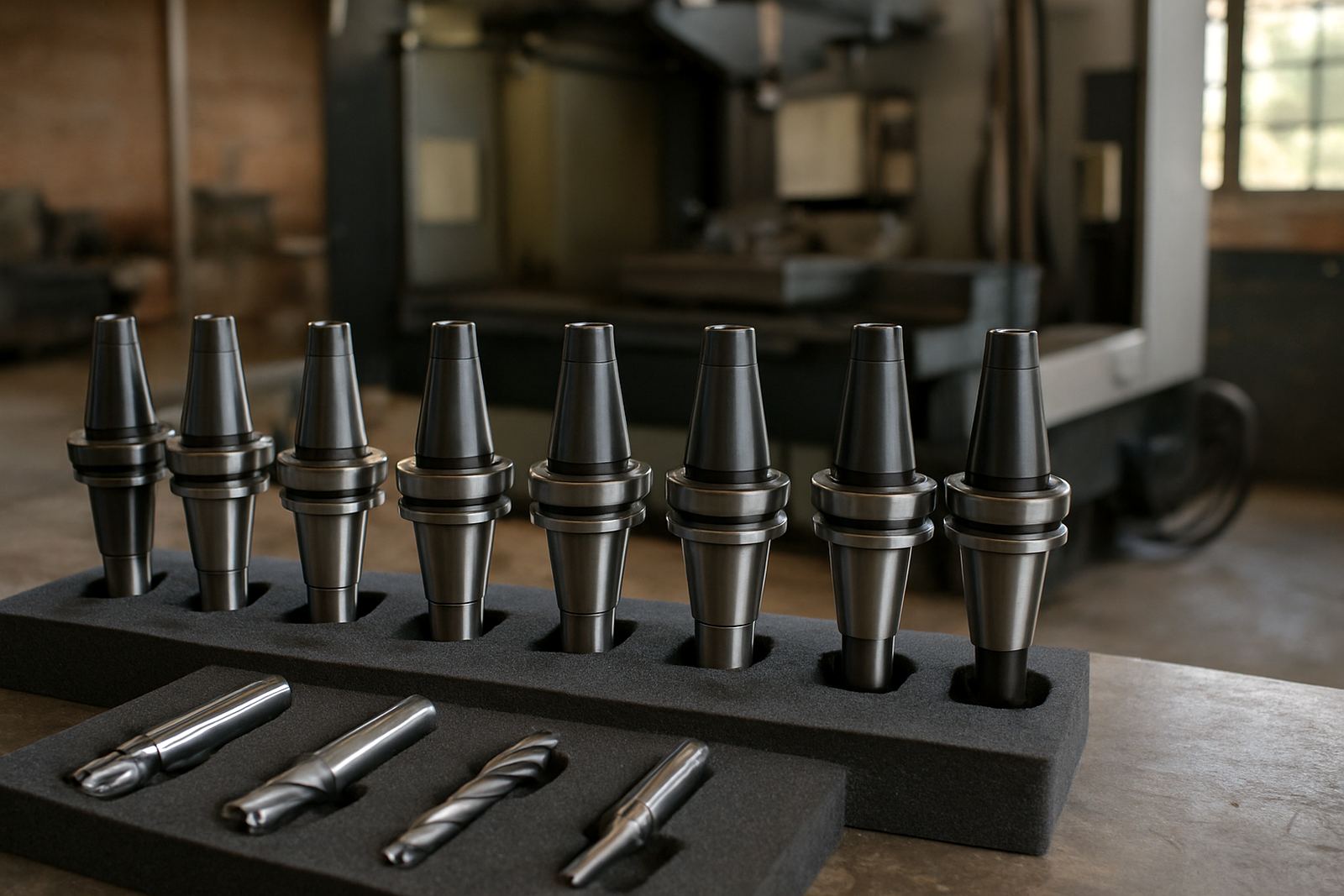
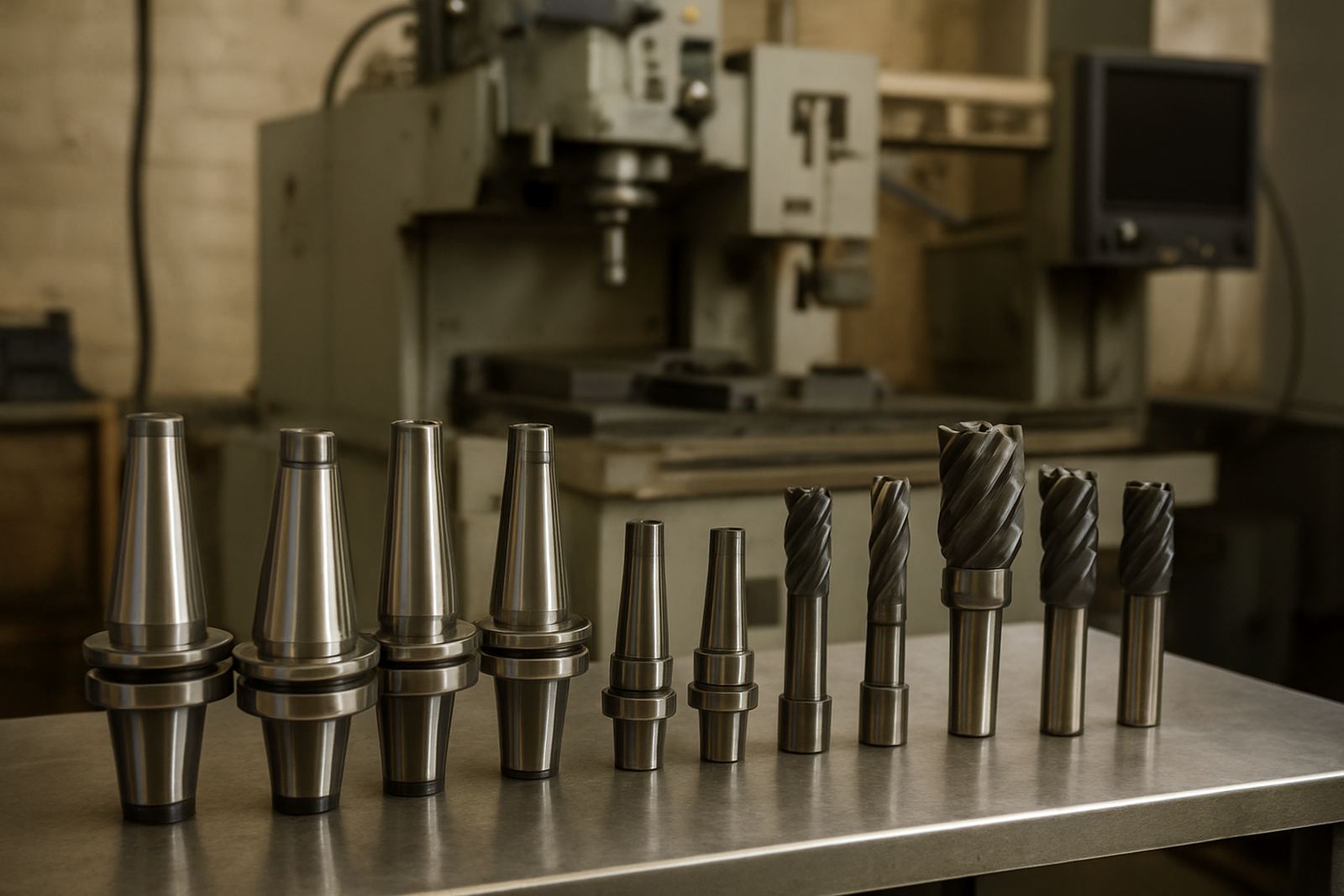
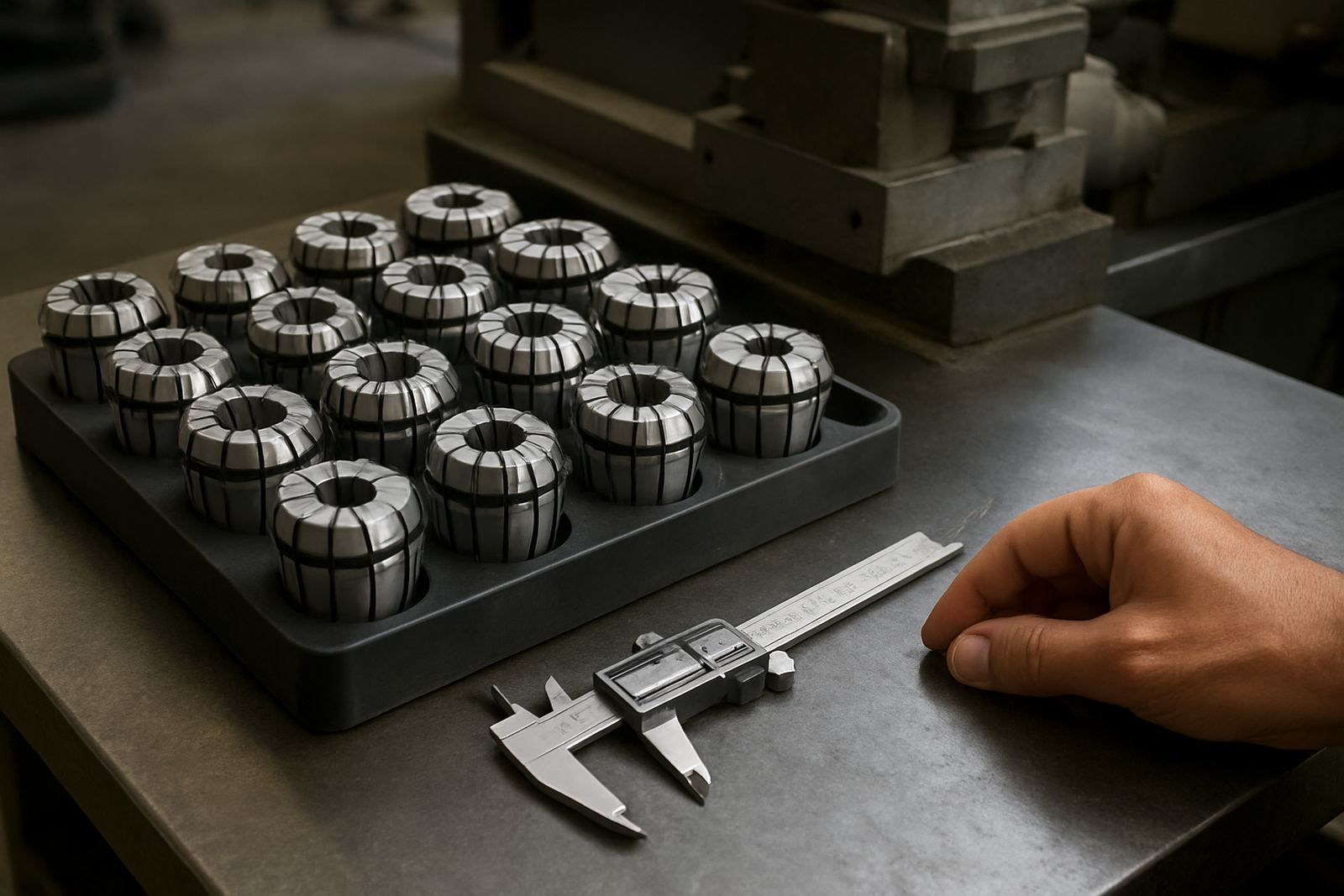
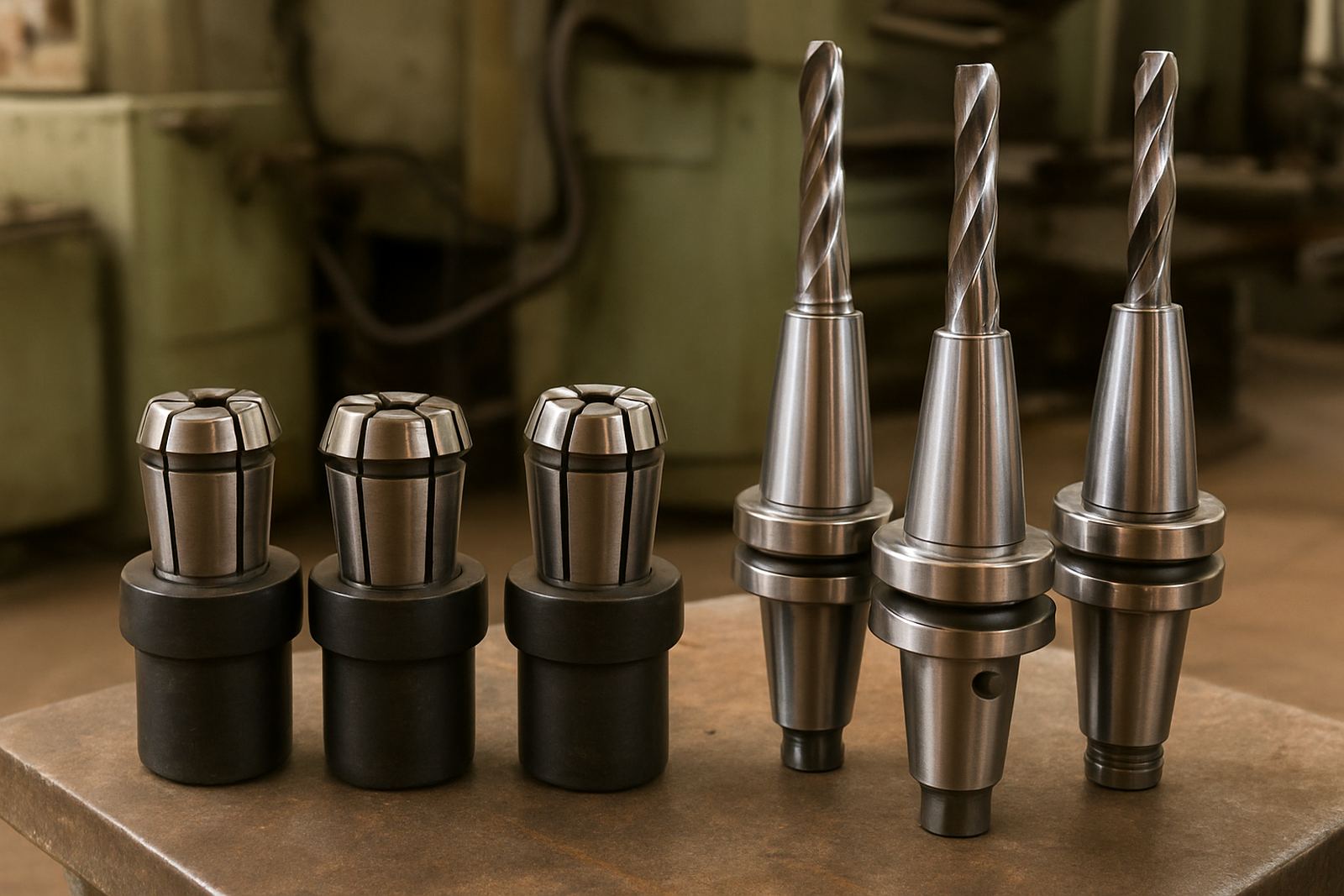
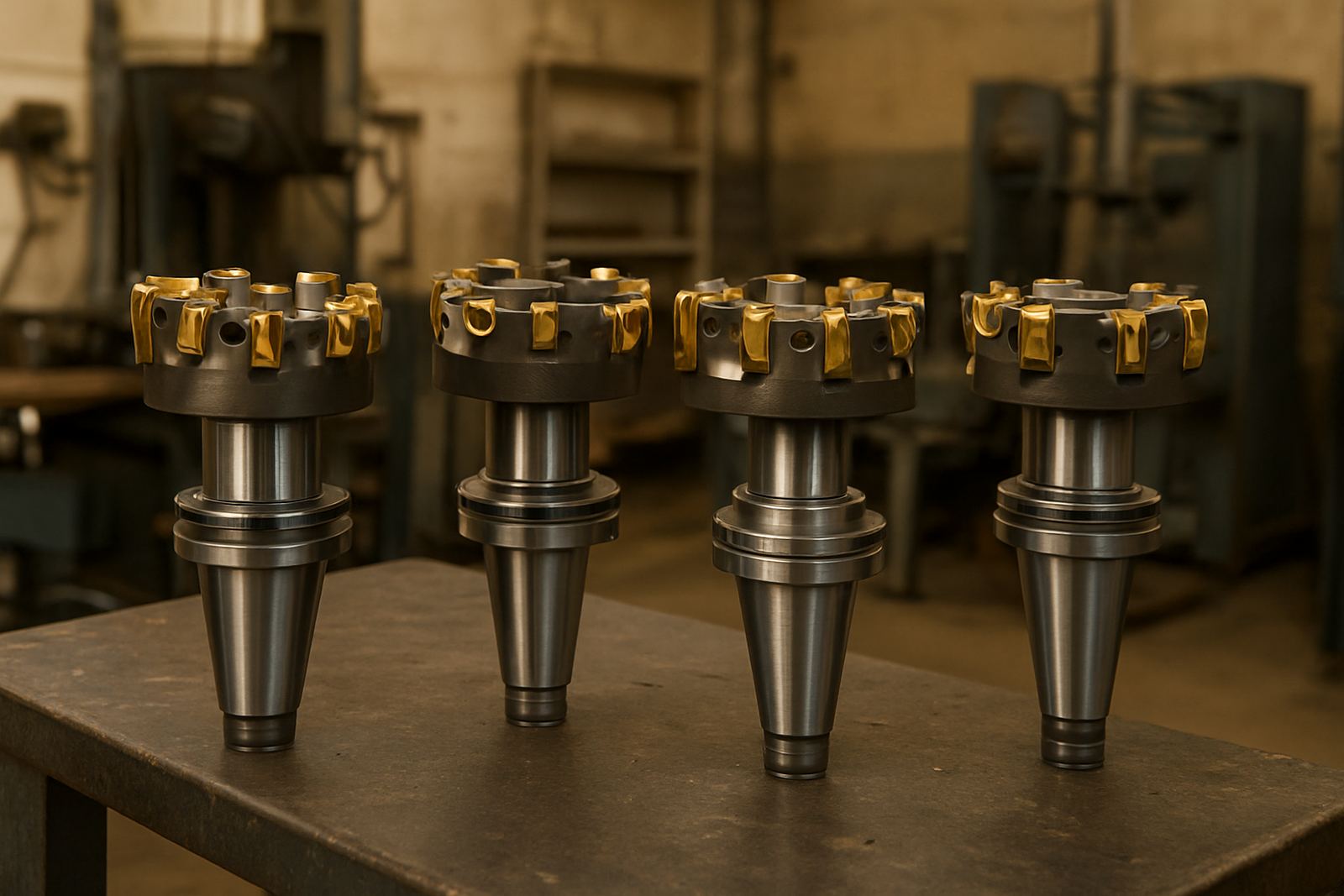
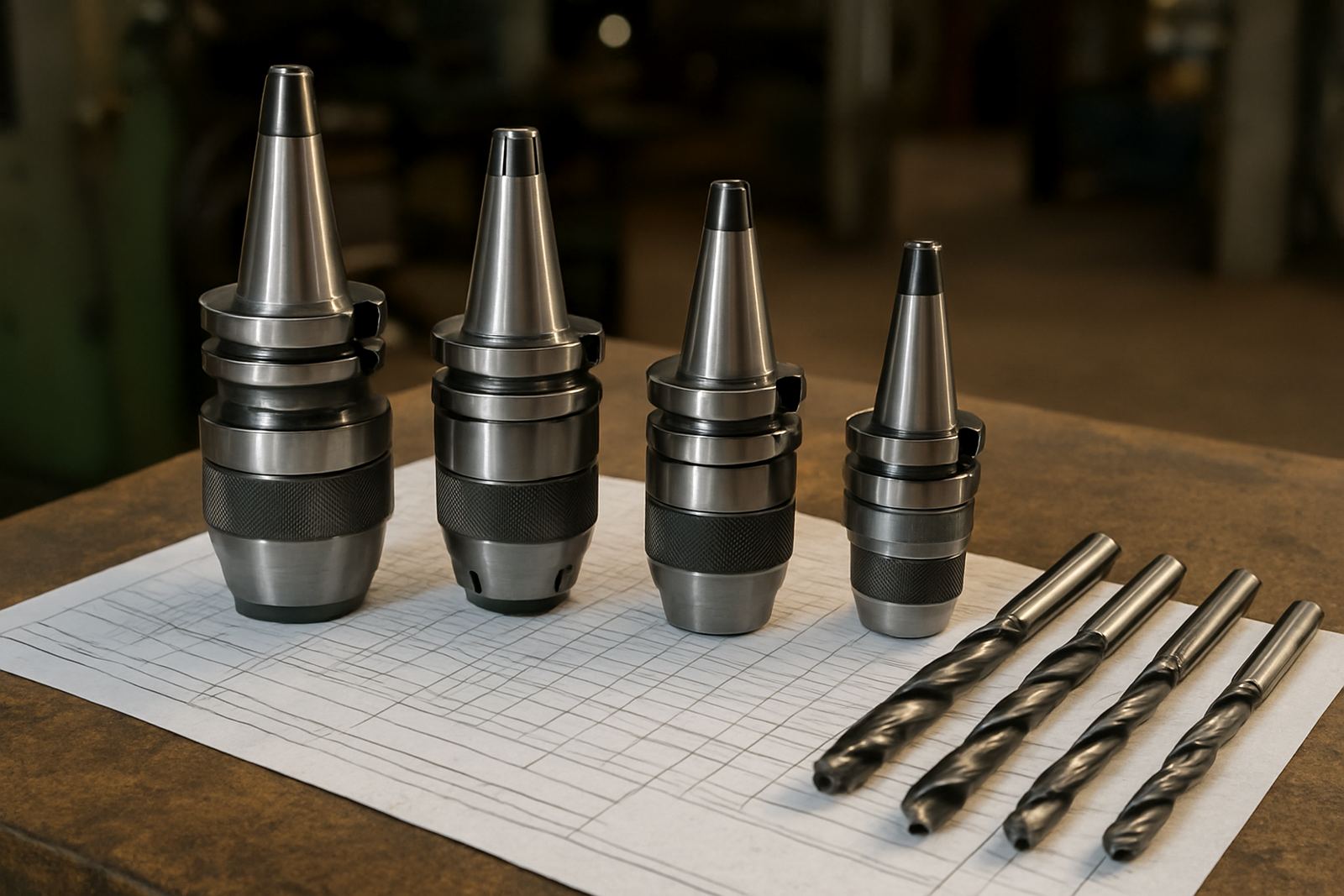
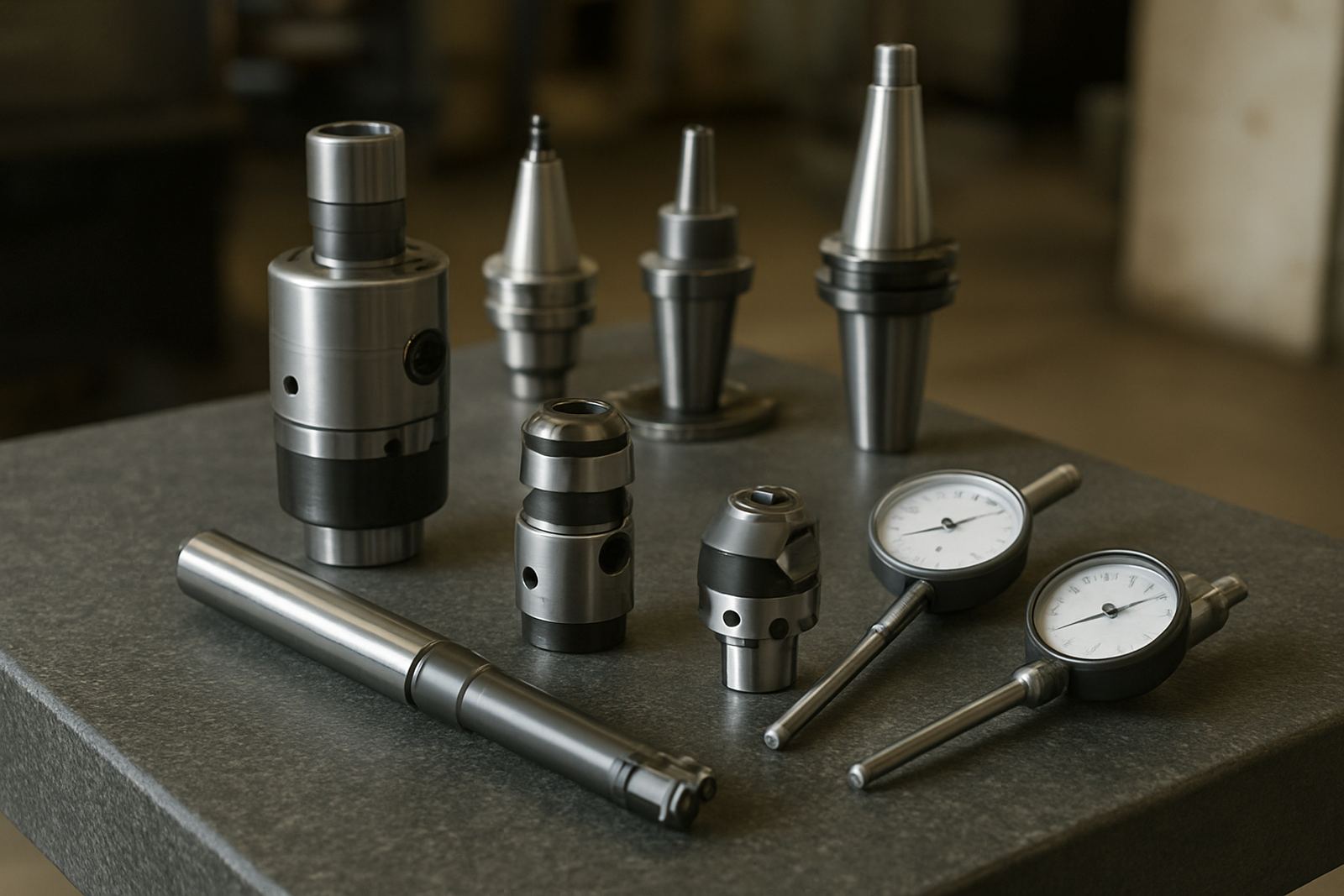
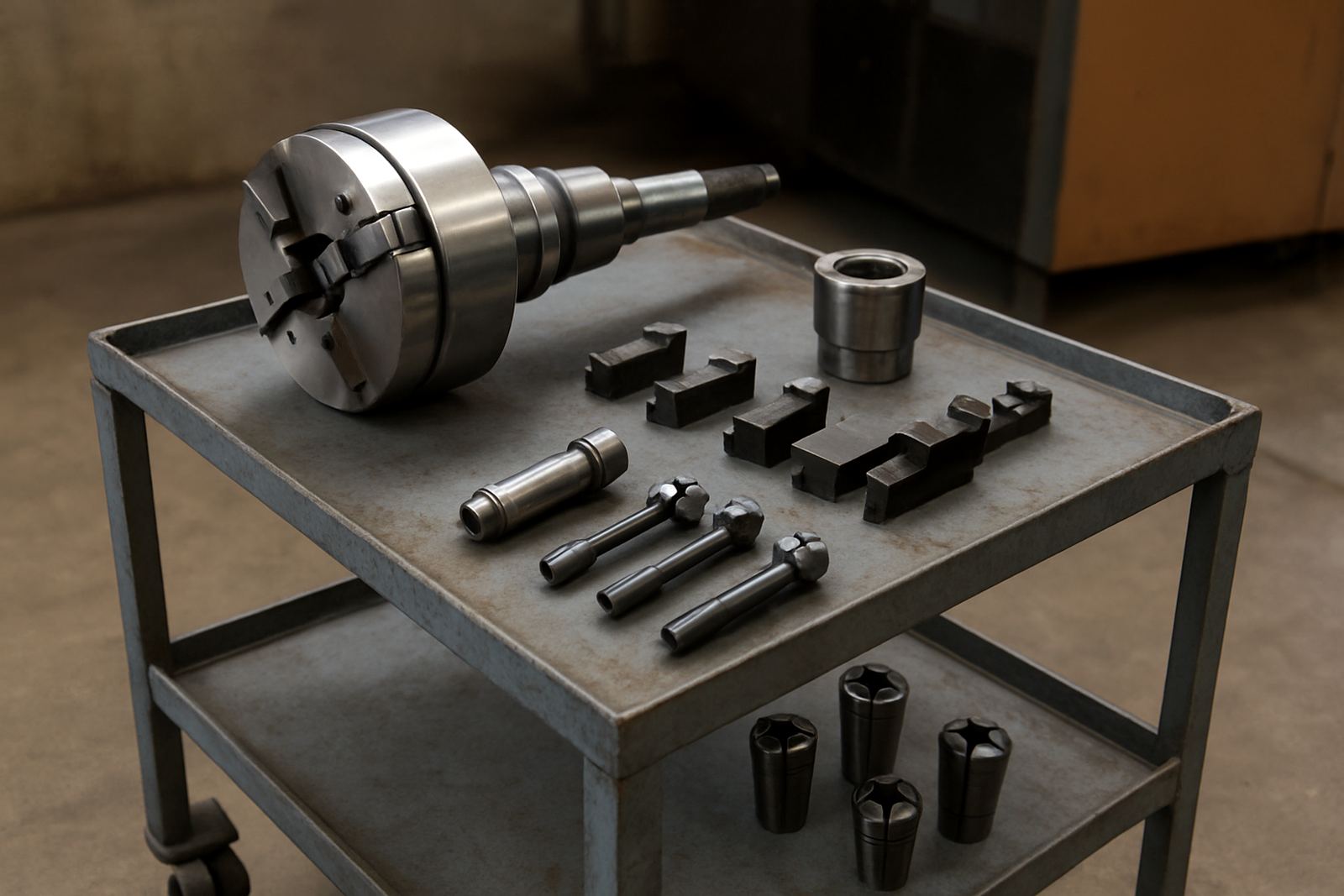
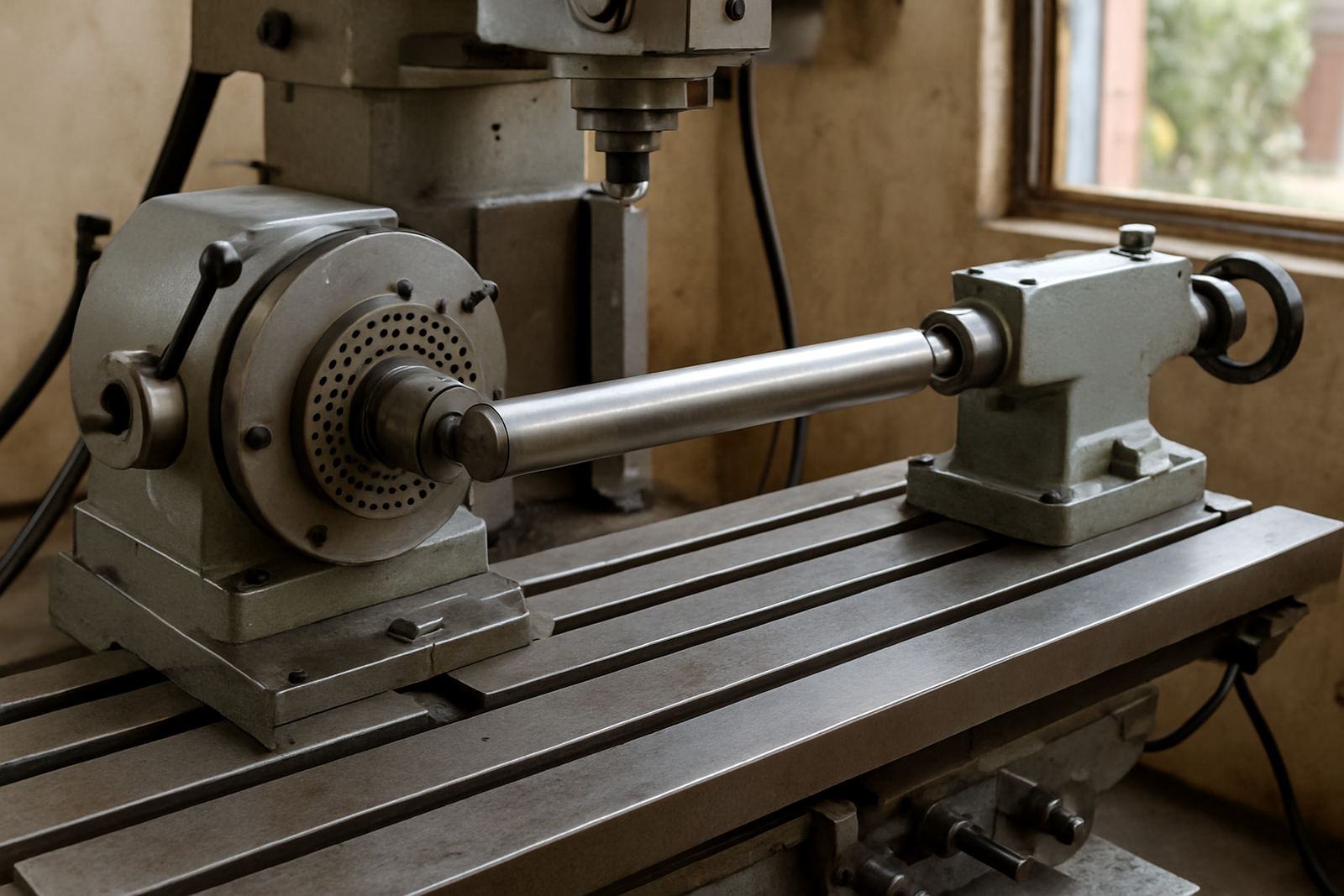
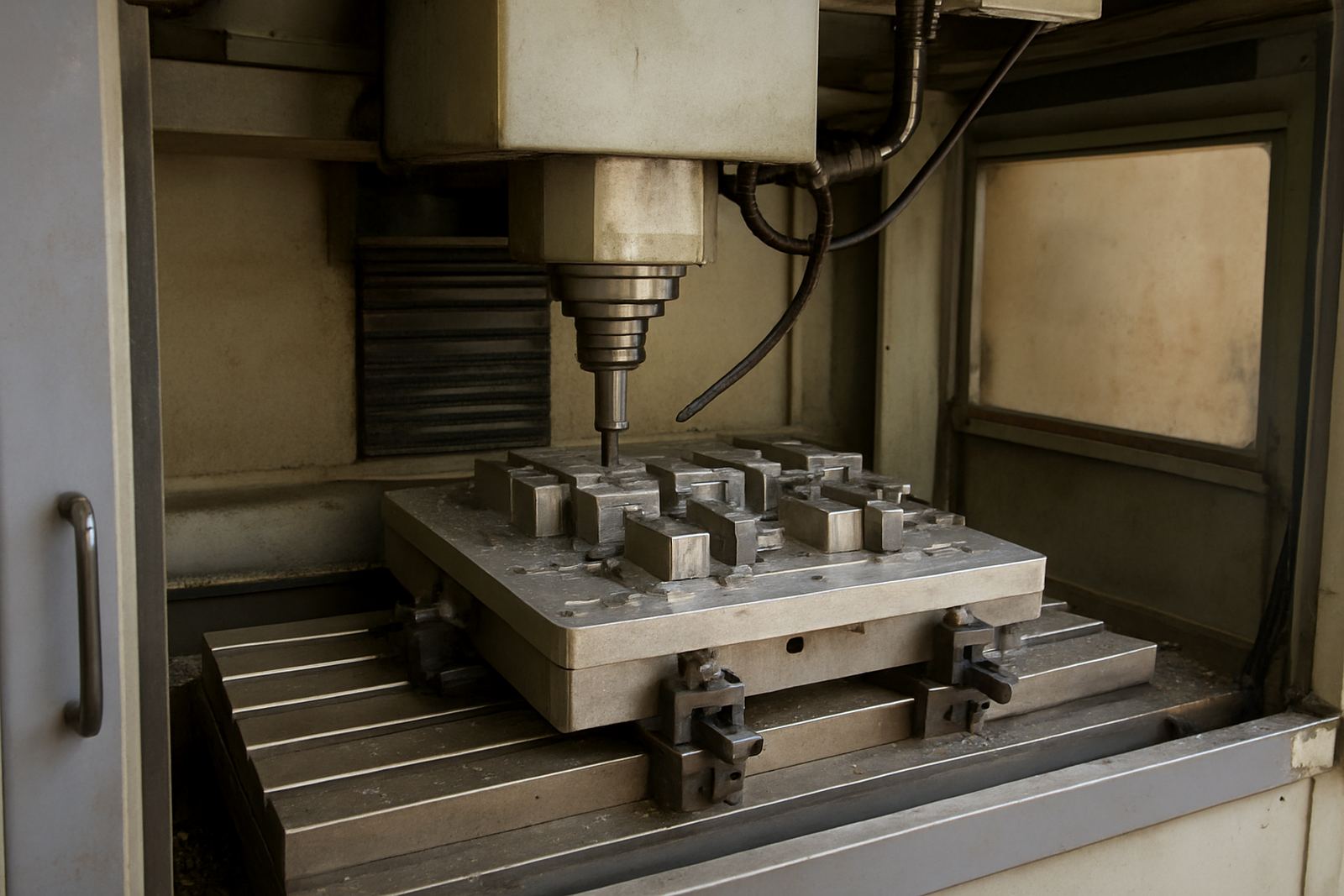
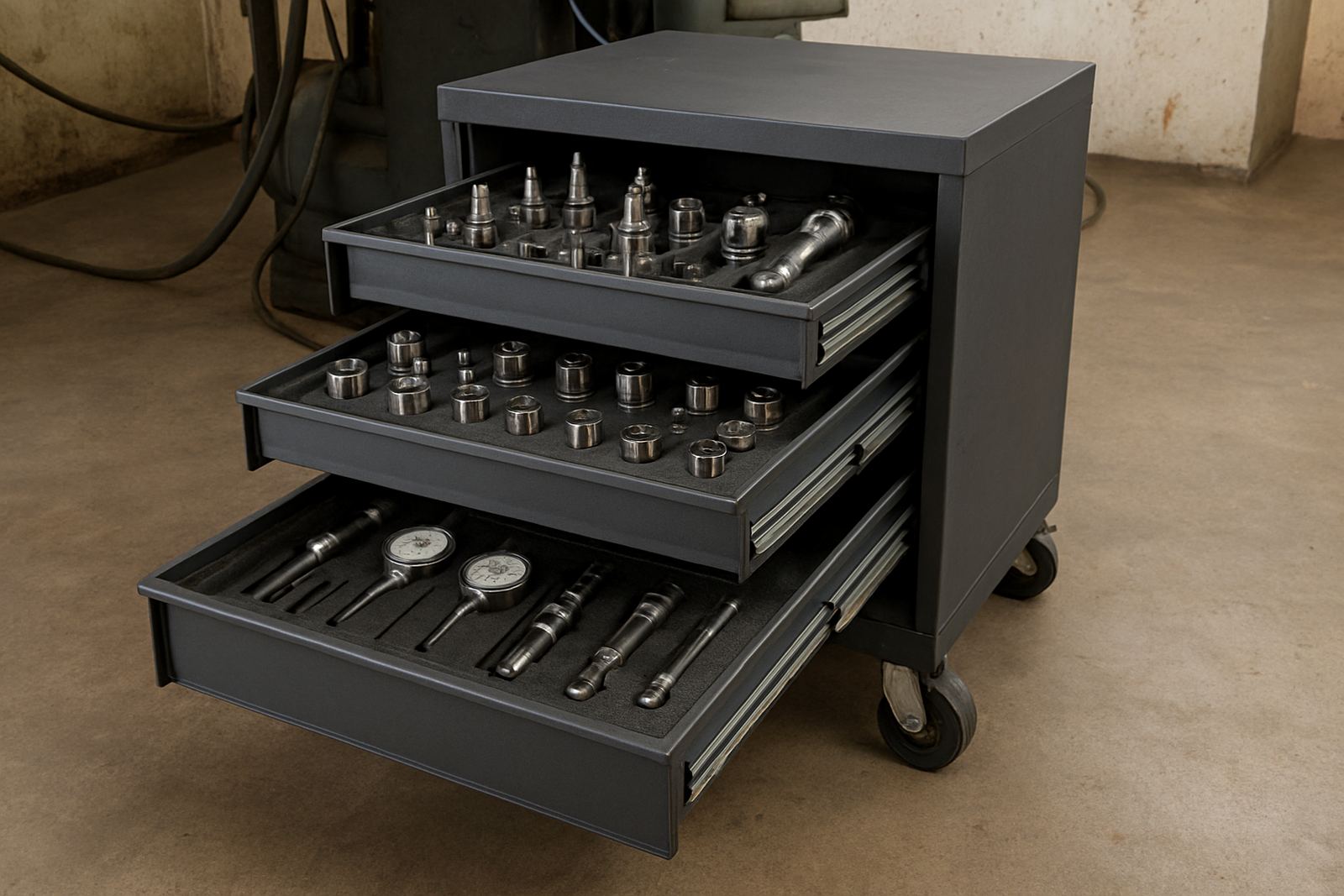
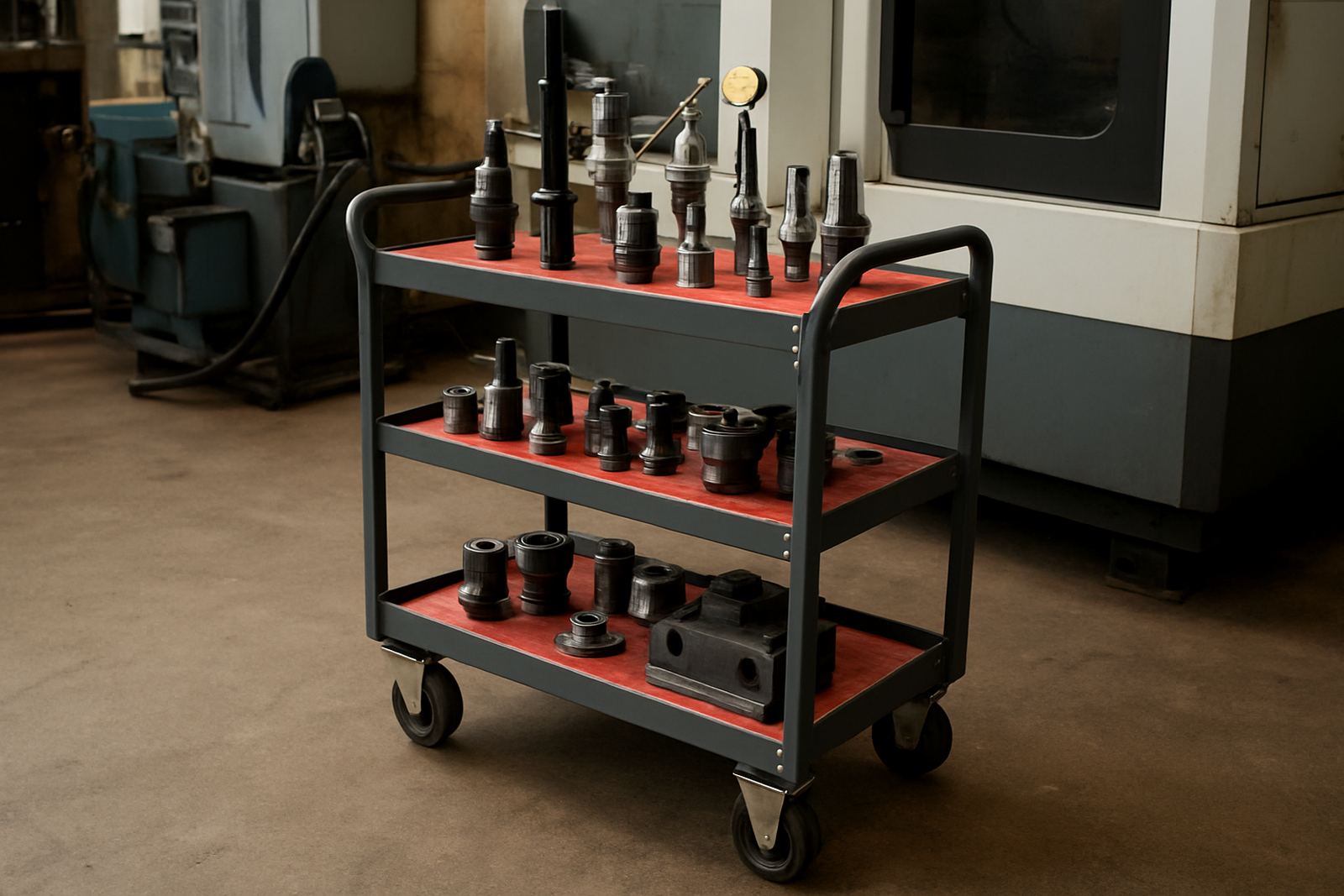
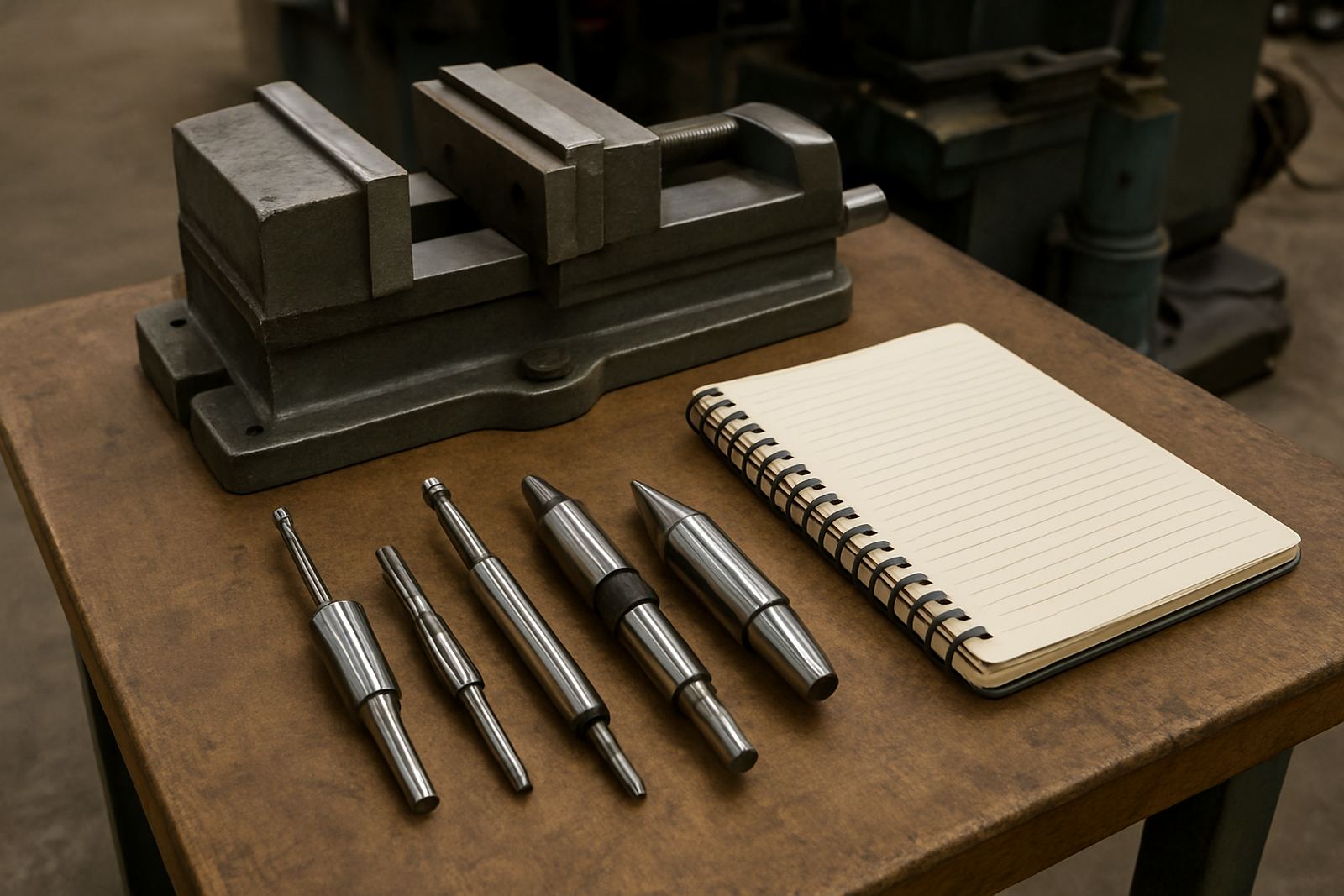
Tool holders, collets and workholding systems sit at the centre of accurate machining. If they are not square, clean and properly fitted, the machine will never give its best. Tooling supplies components that help workshops hold size, improve finish and keep production moving across general engineering, maintenance, mould making and light manufacturing.
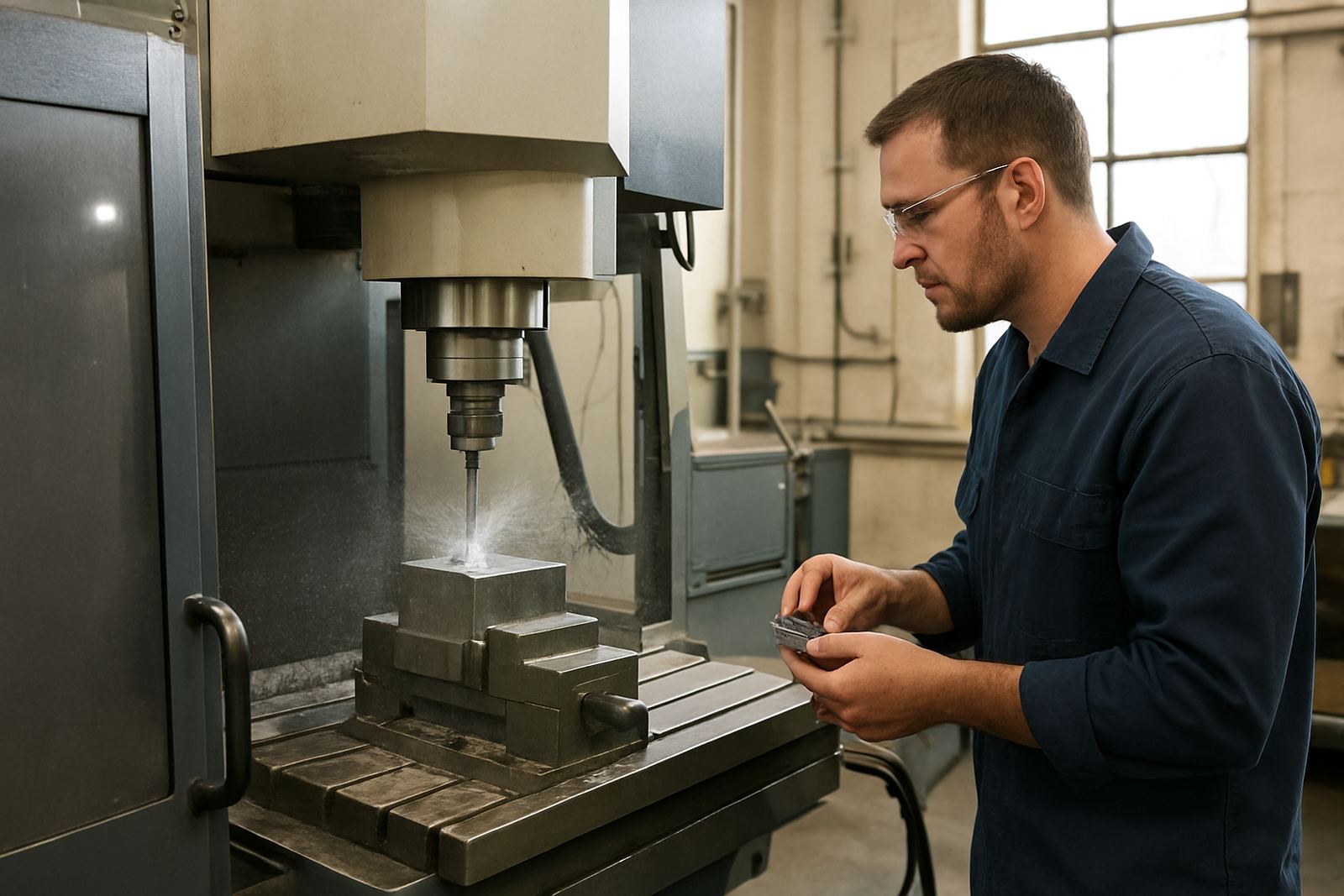
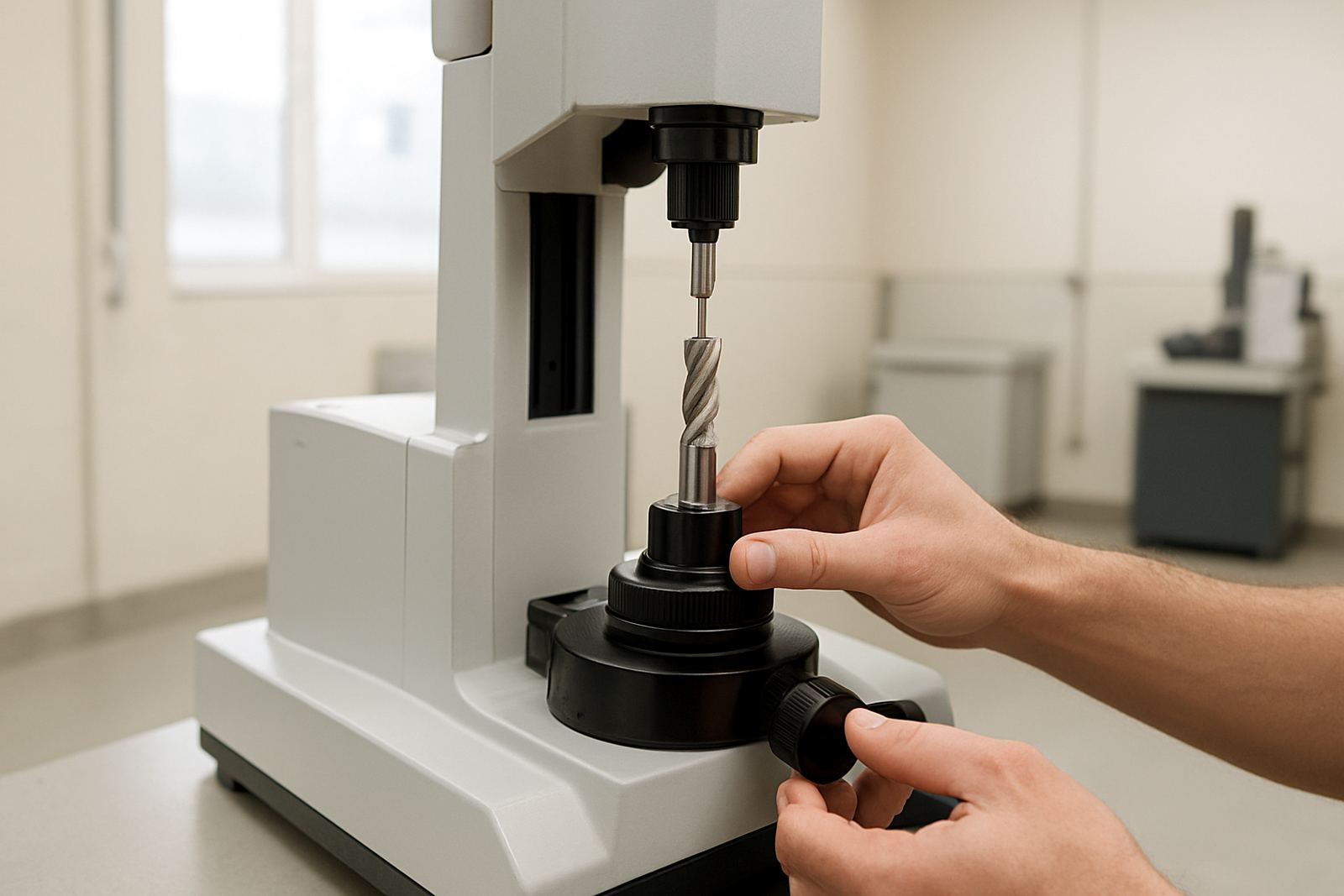
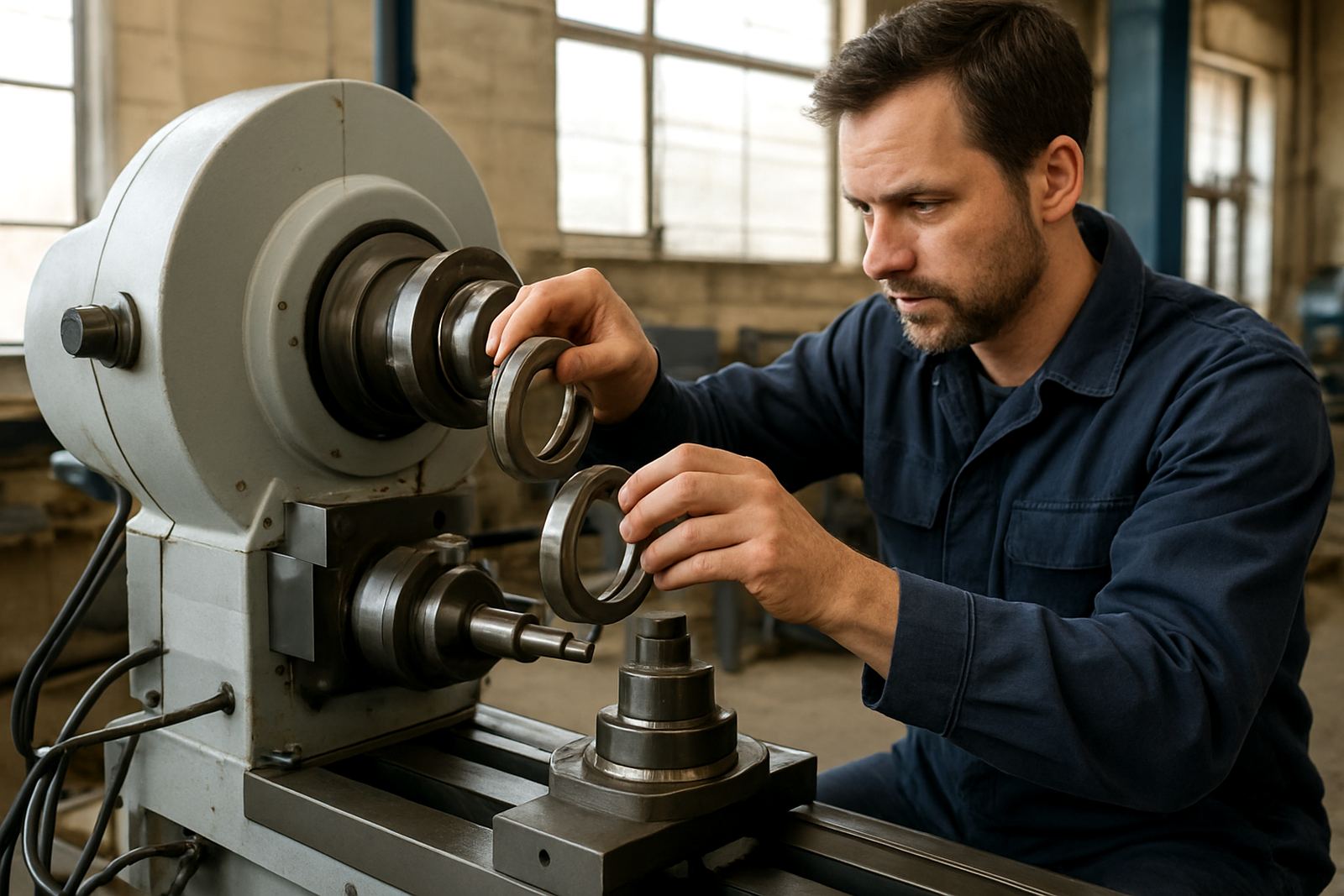
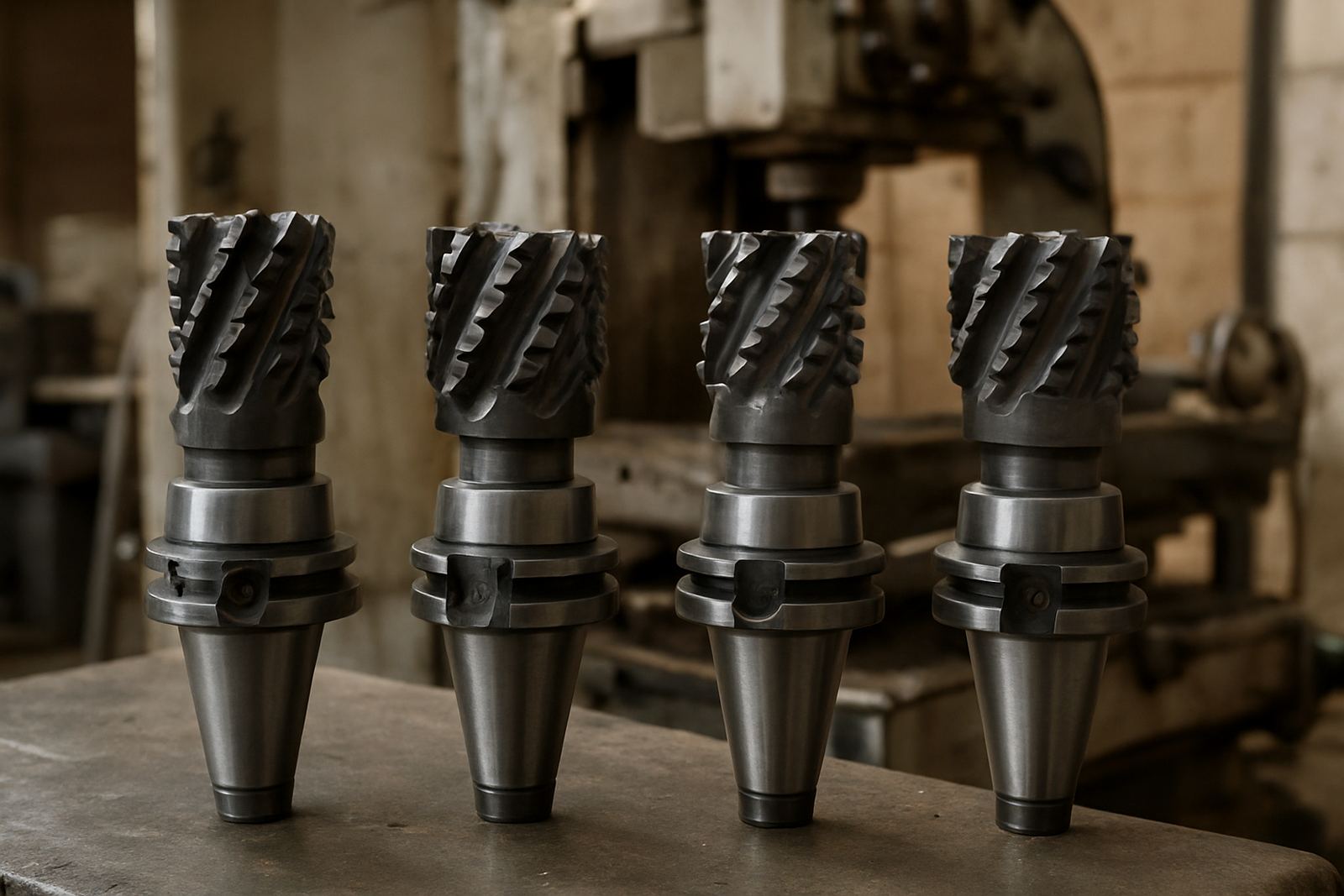
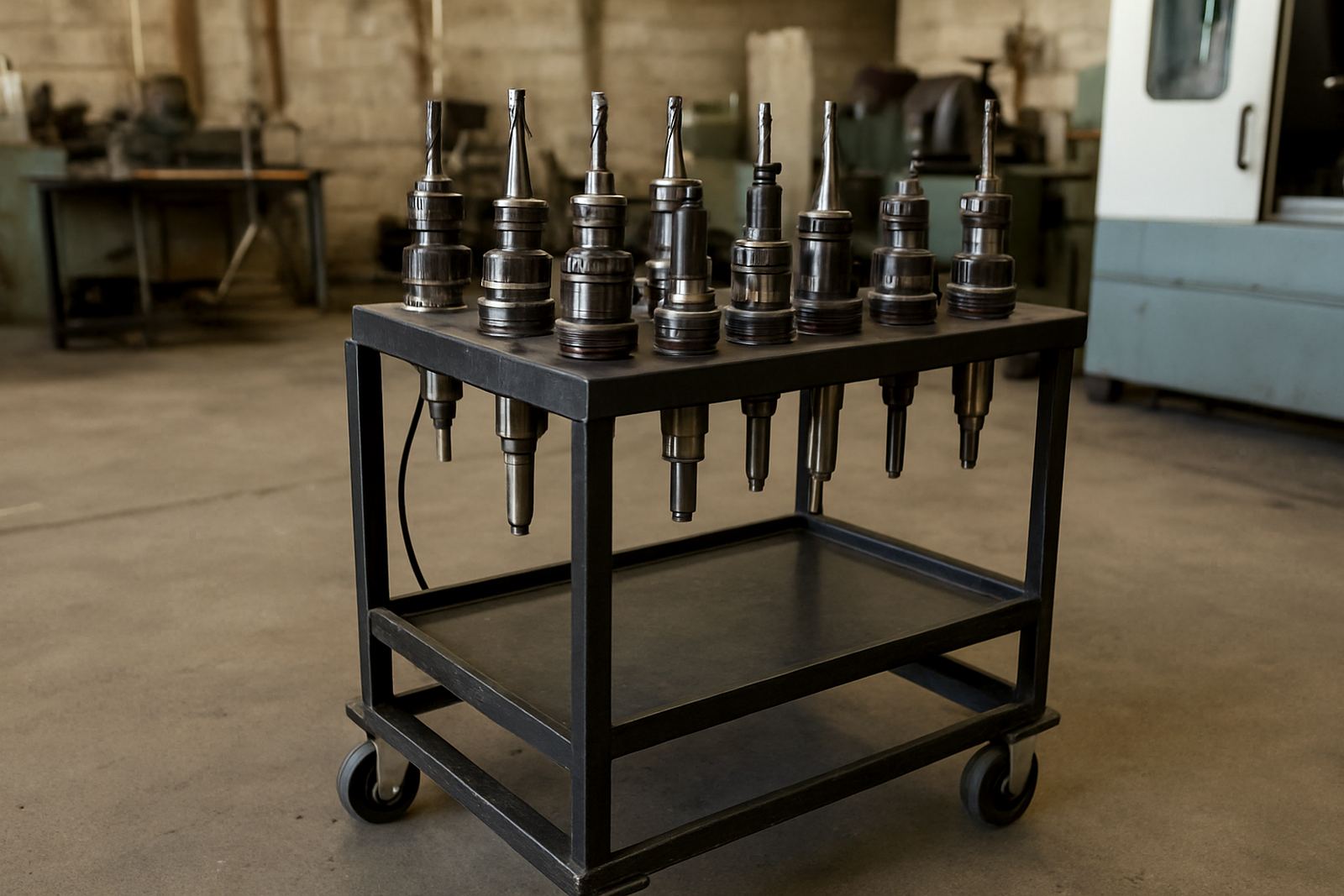
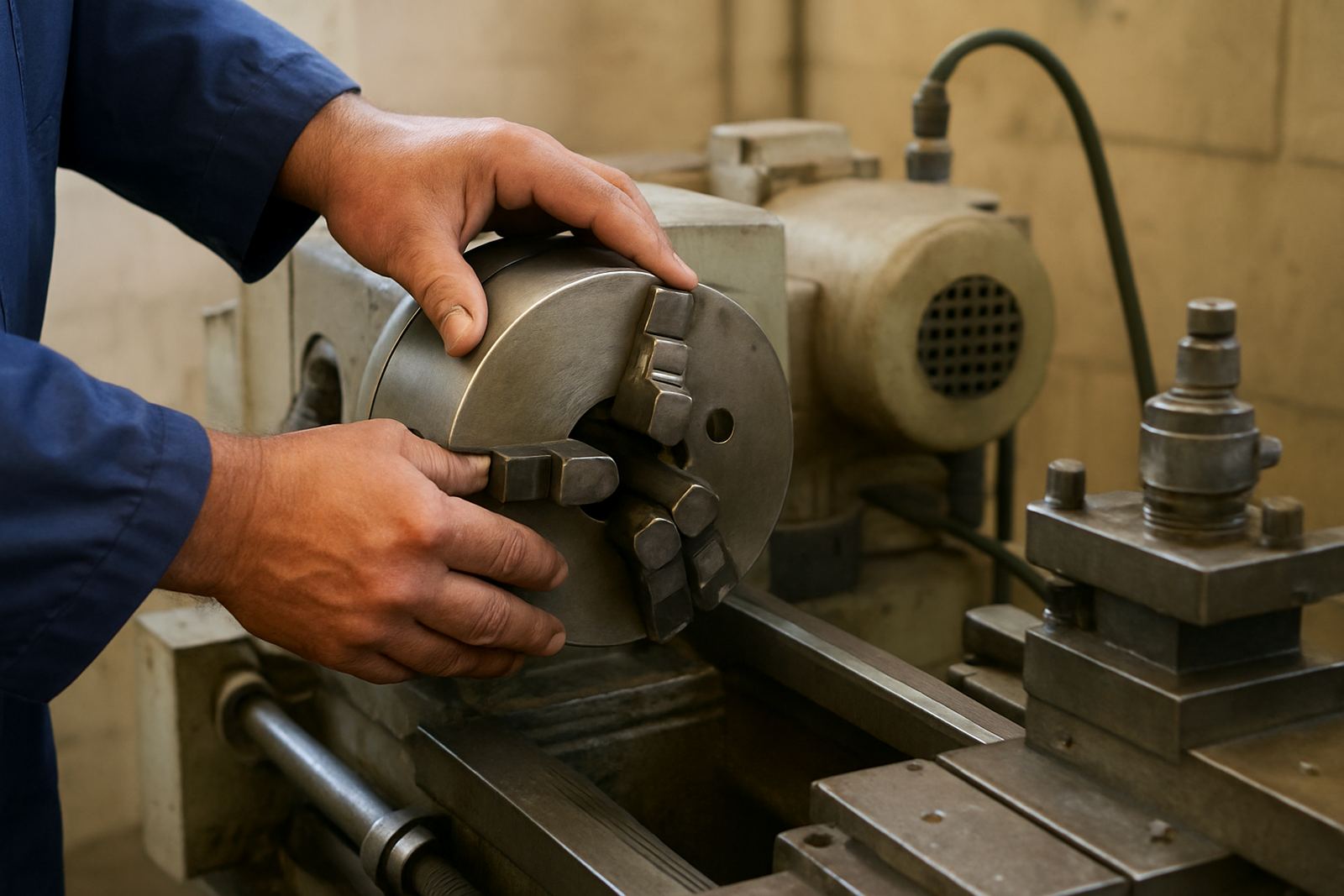
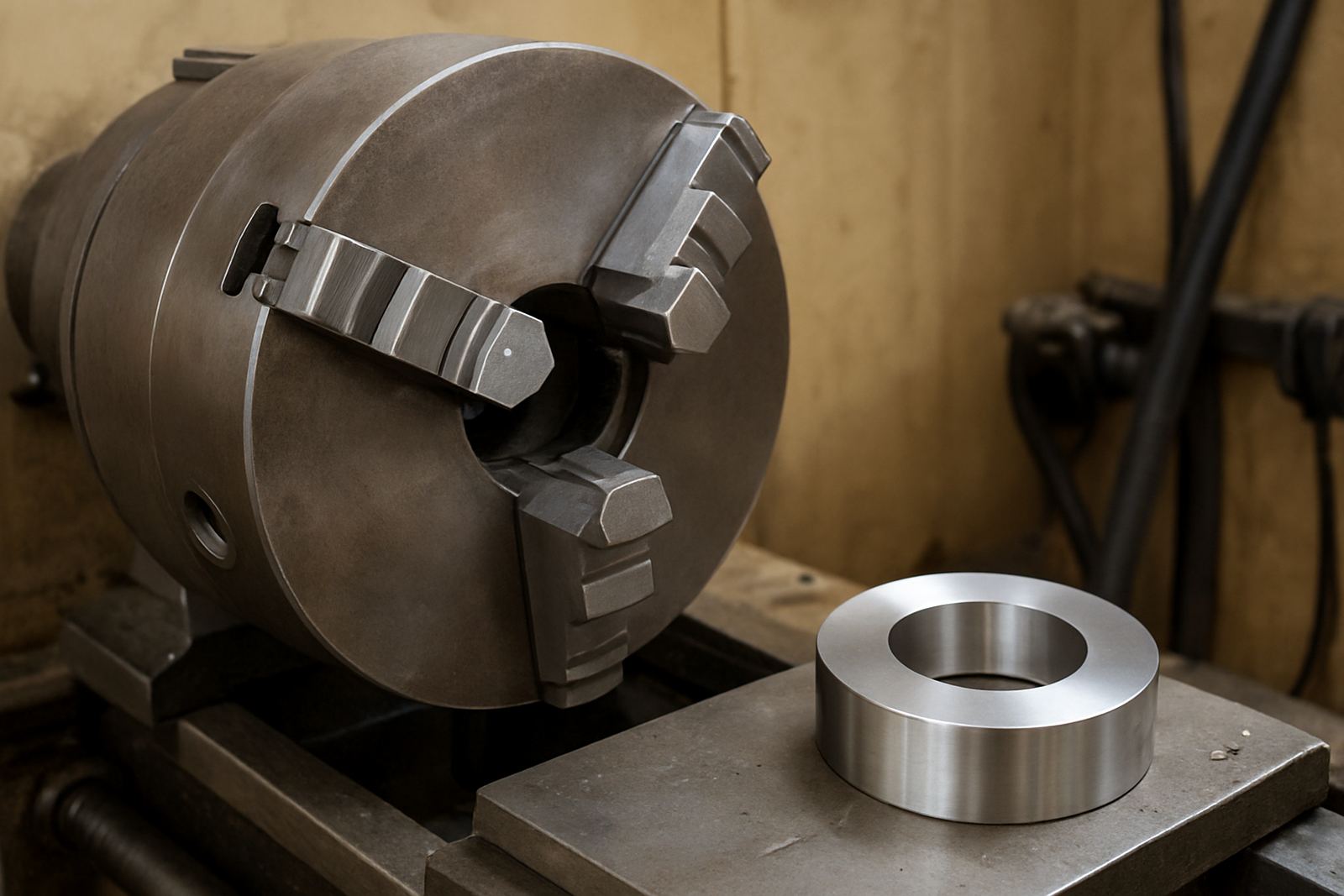
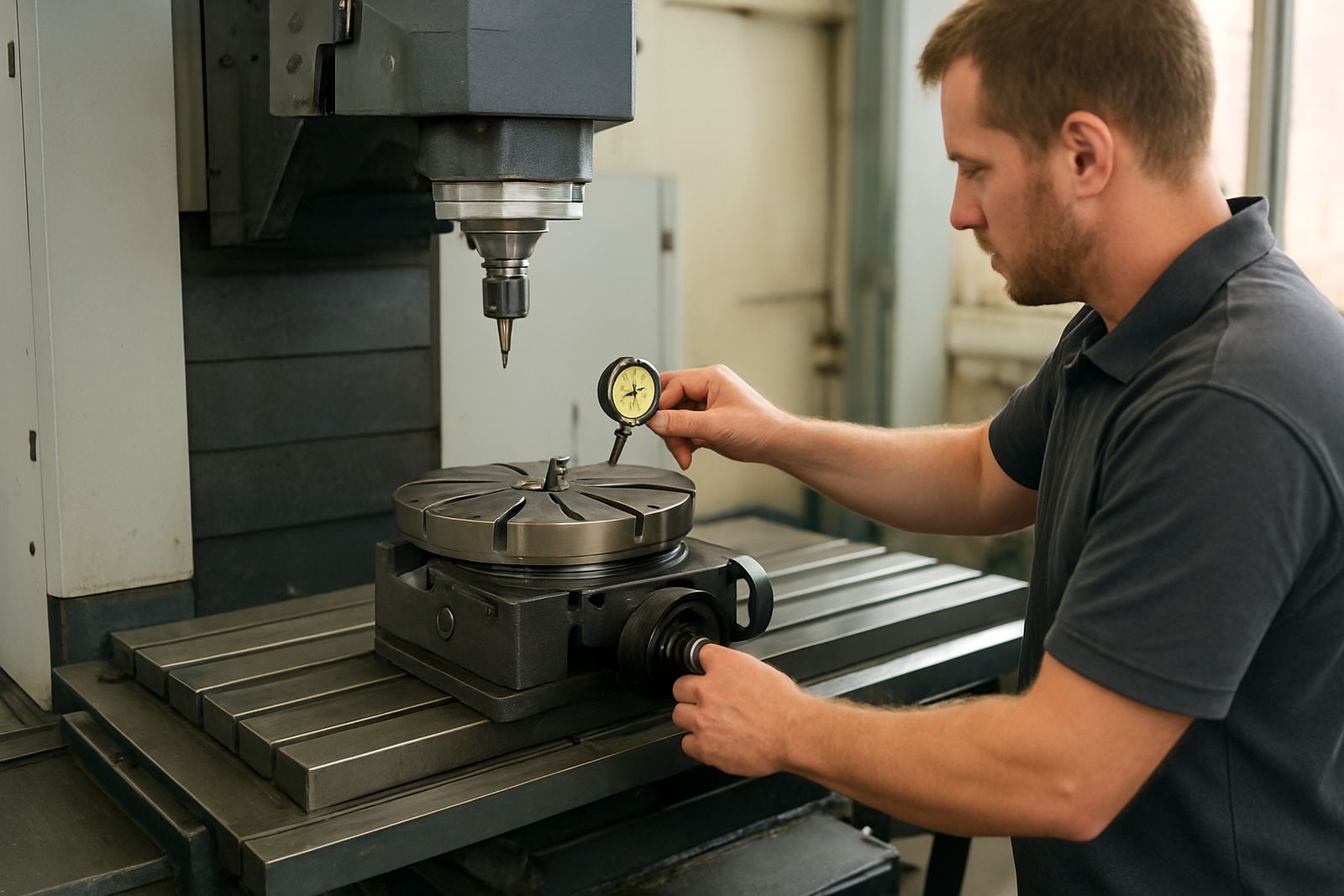
We also support practical workshop tasks such as holder cleaning, tool inspection, chuck jaw machining, vise alignment and presetting service. These are not small extras, they are the checks that keep expensive equipment earning its keep instead of drifting out of spec. A well maintained setup can save a lot of grief later, especially when a job needs to run over a weekend or after a power interruption.
- Tool holders and collets for stable cutting performance
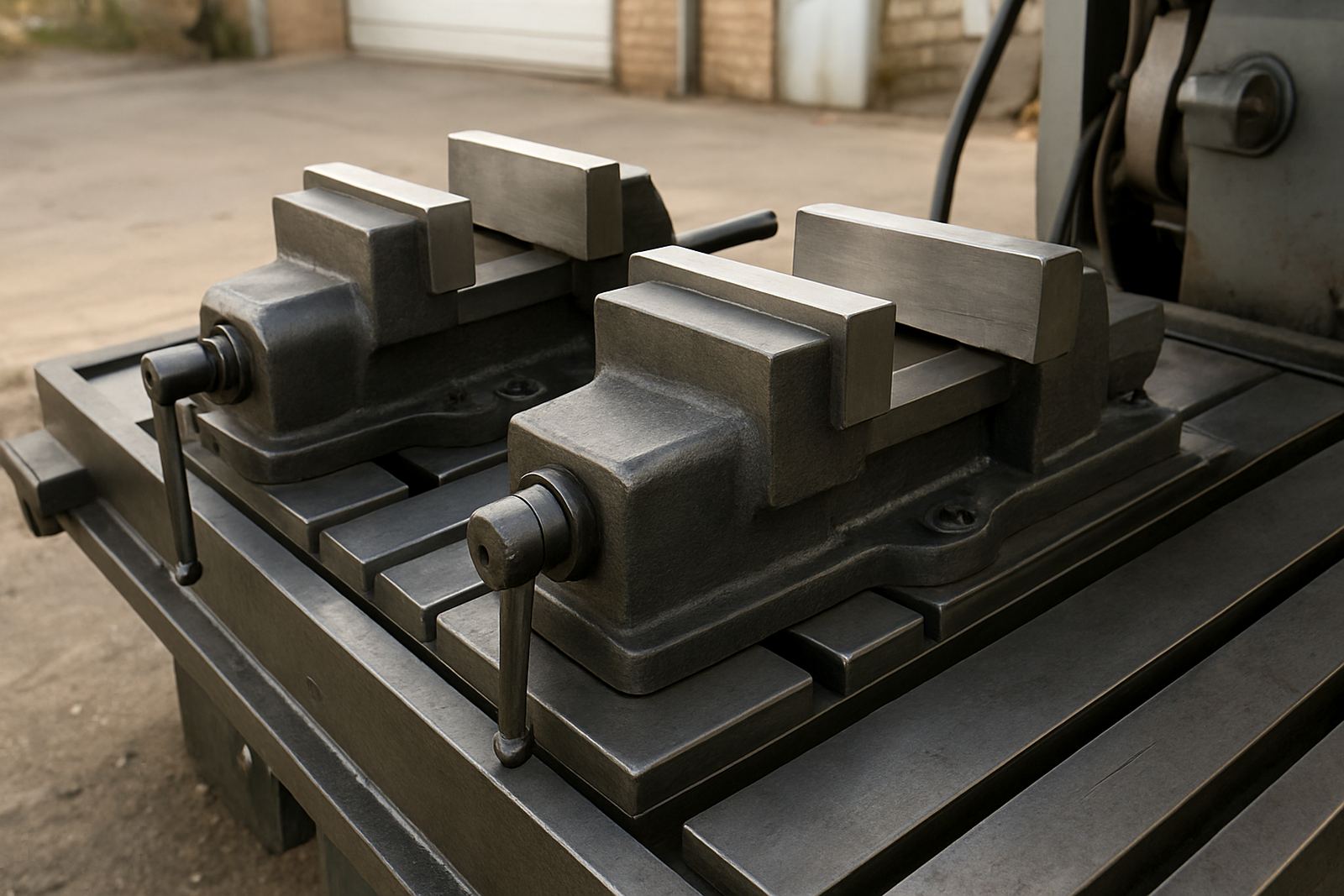
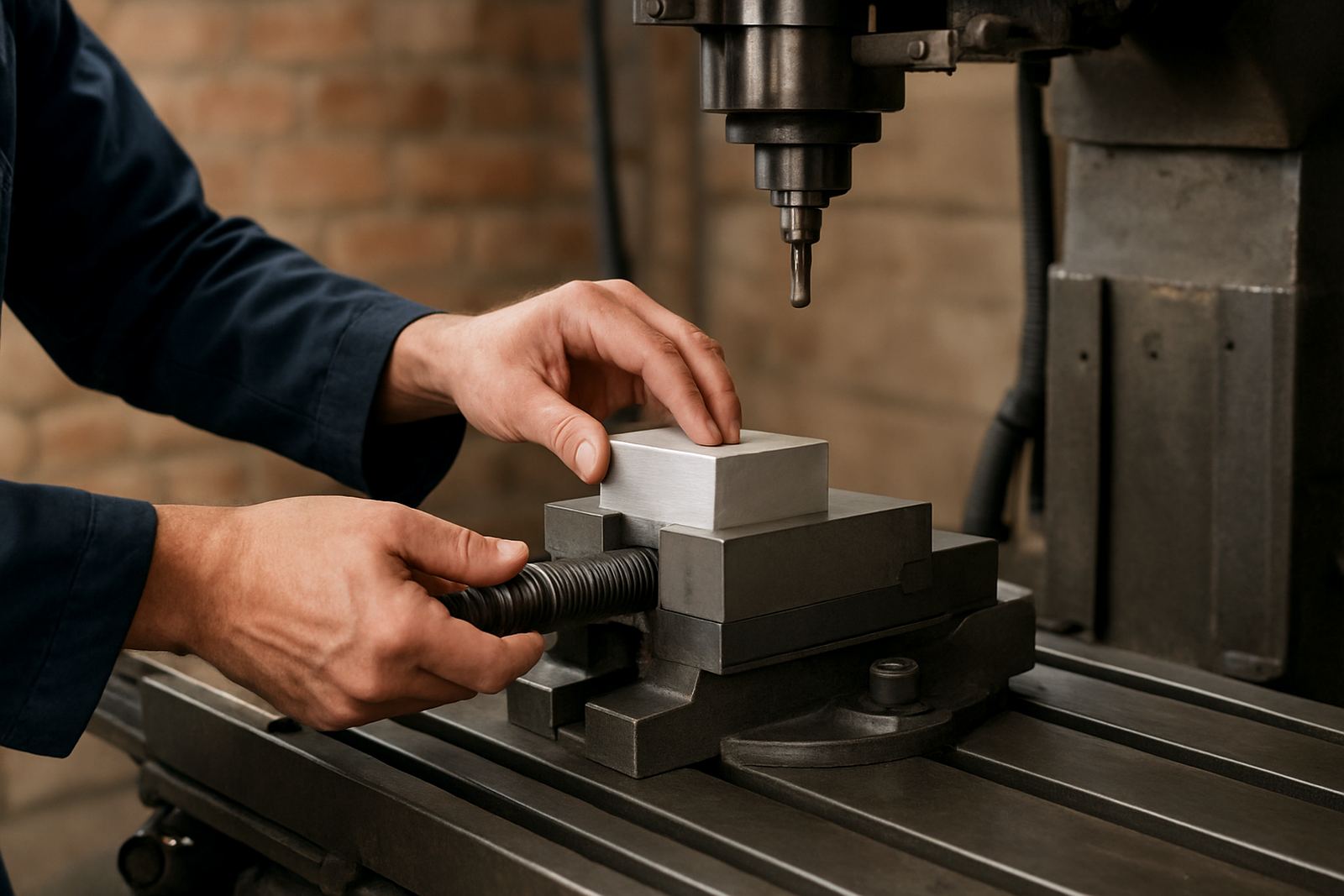
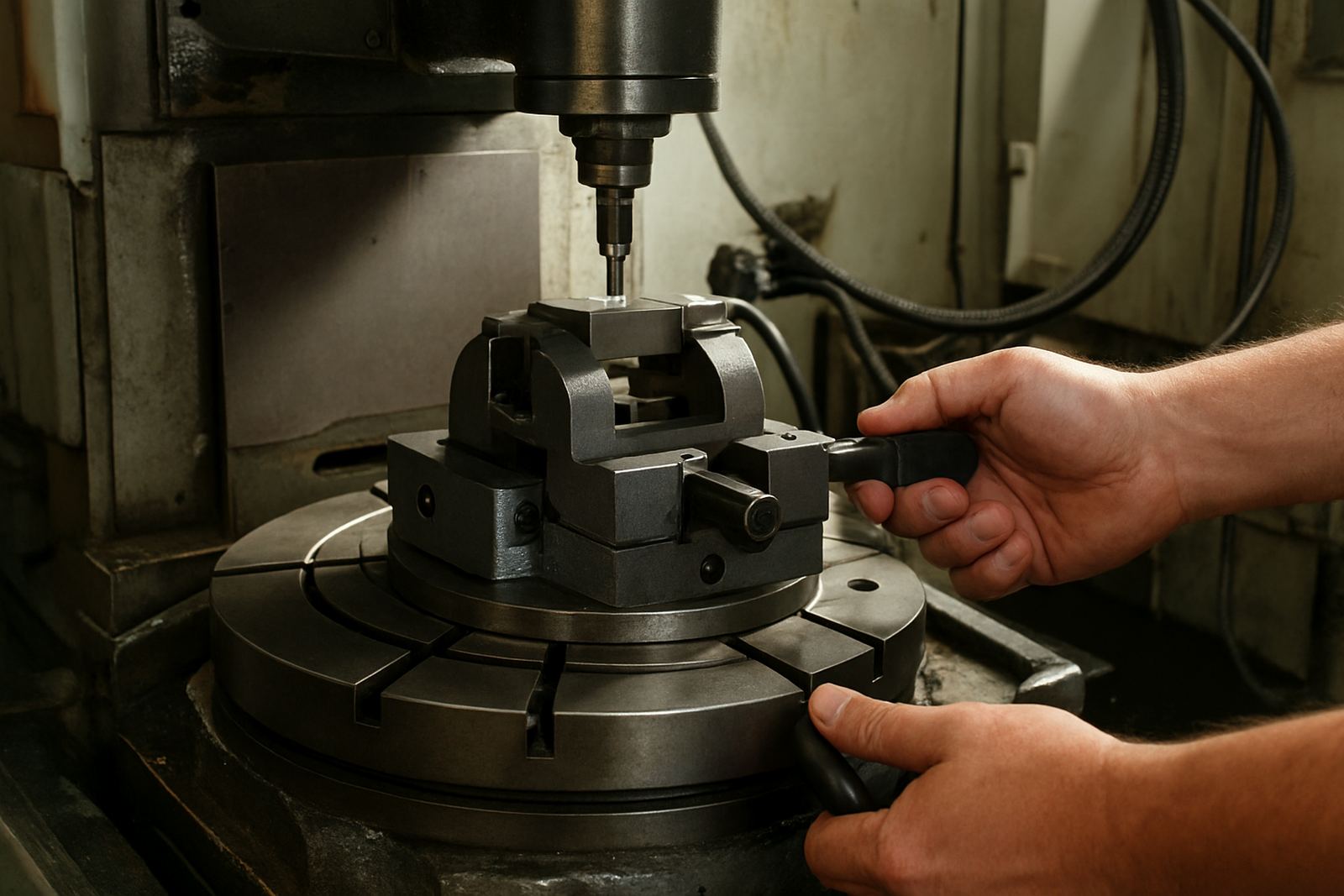
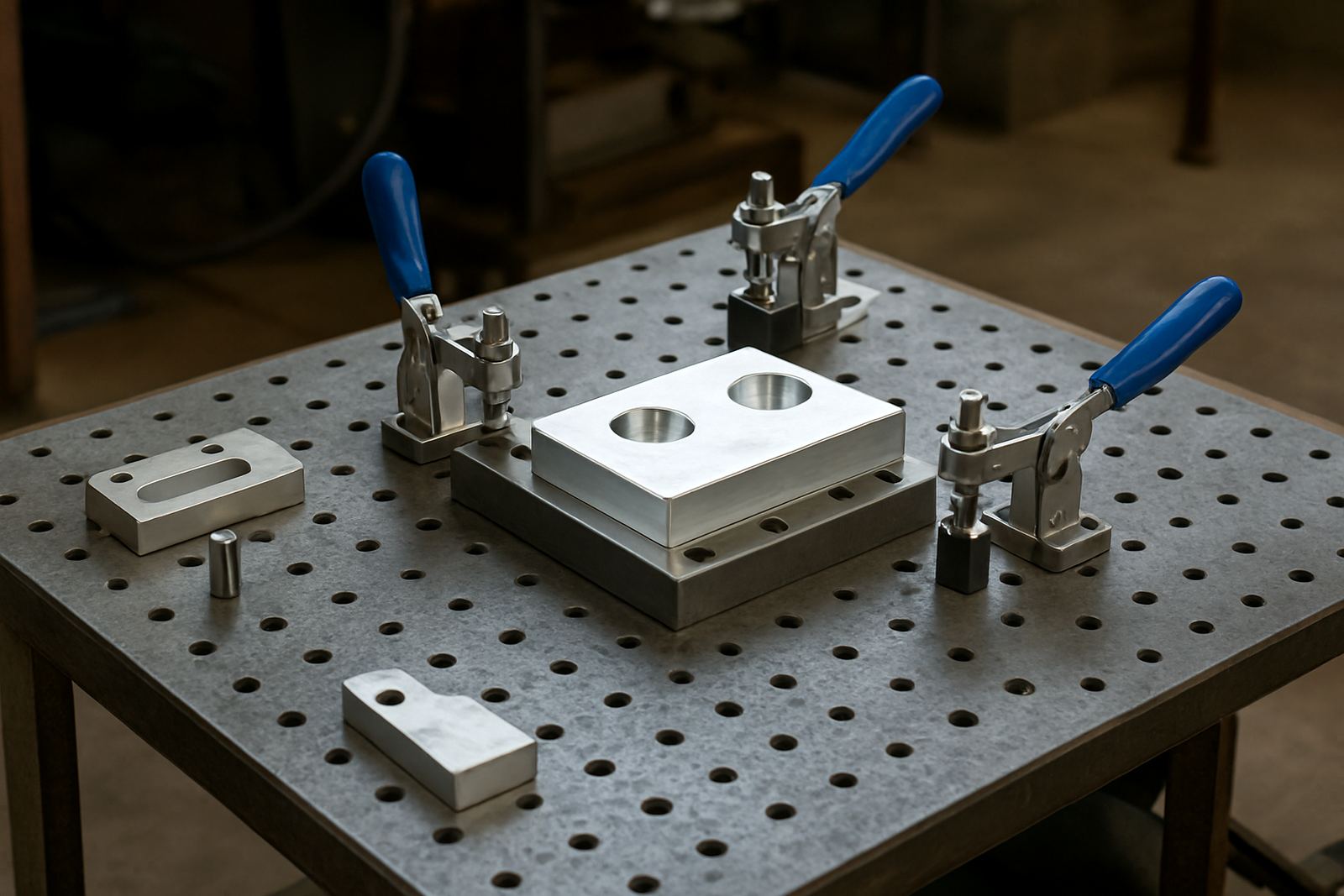
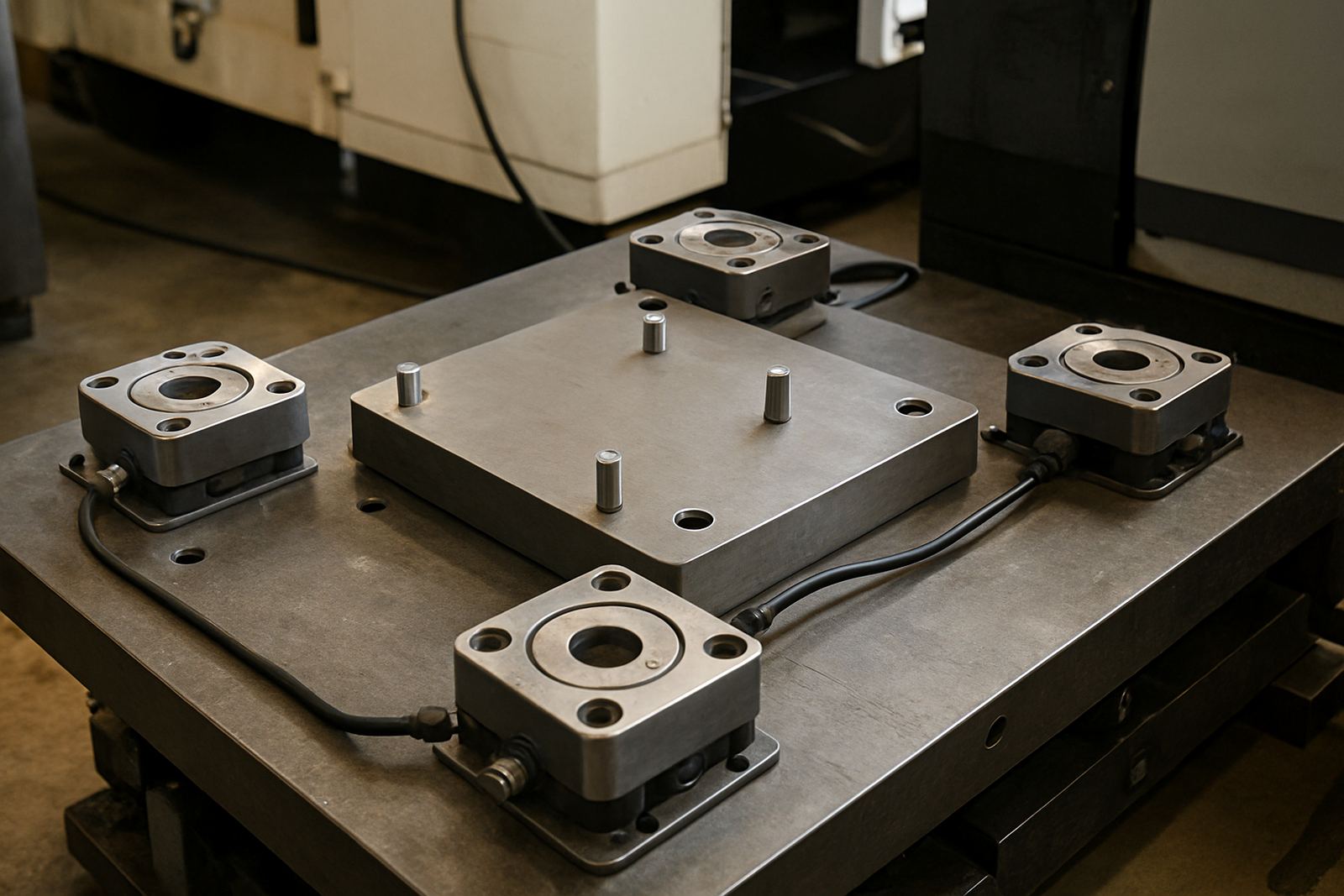
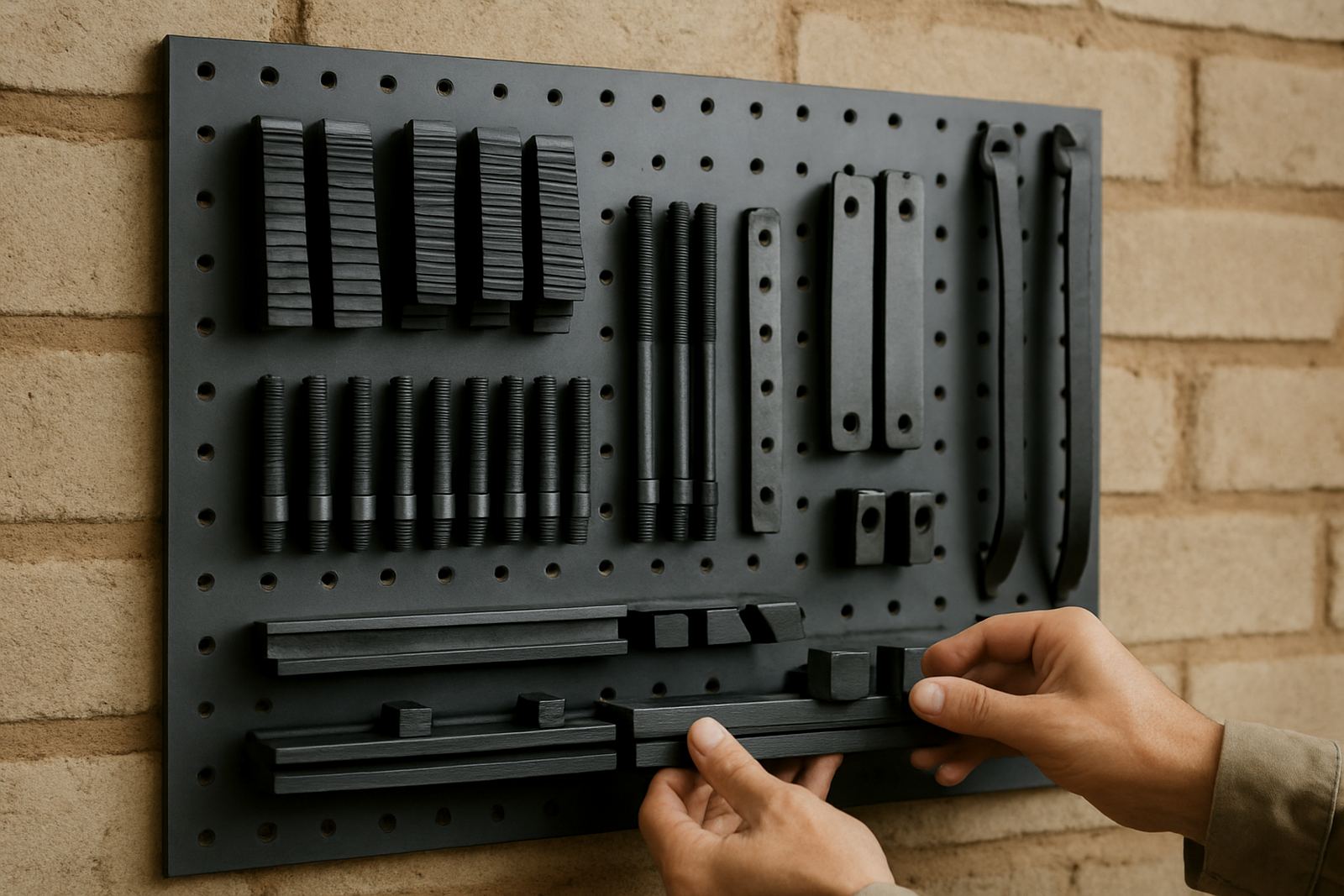
- Workholding systems for repeatable clamping and quicker changeovers
- Presetting and runout checks for better setup control
- Chuck jaw machining and vise alignment for improved accuracy
Scanning and additive equipment for faster production decisions
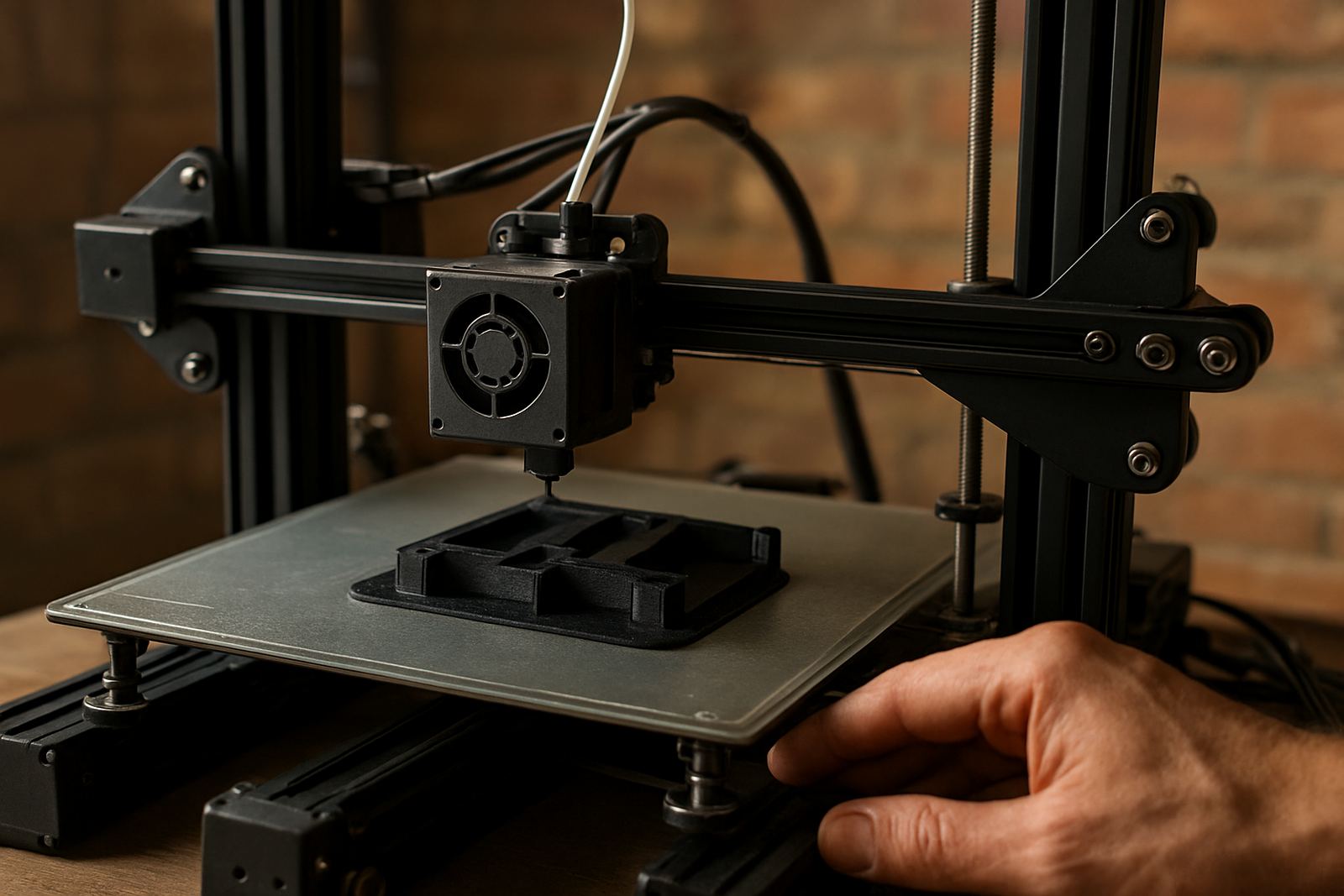
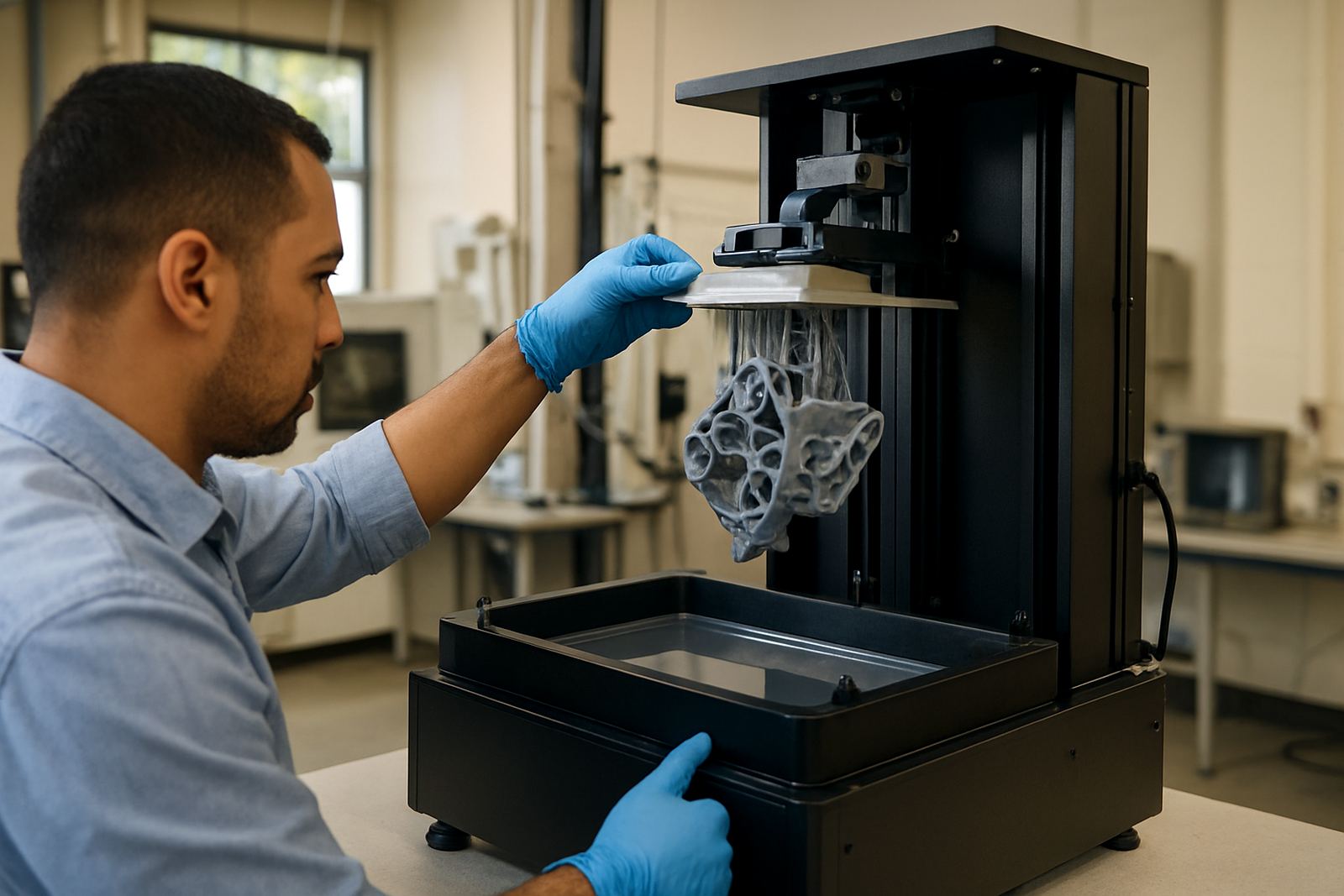
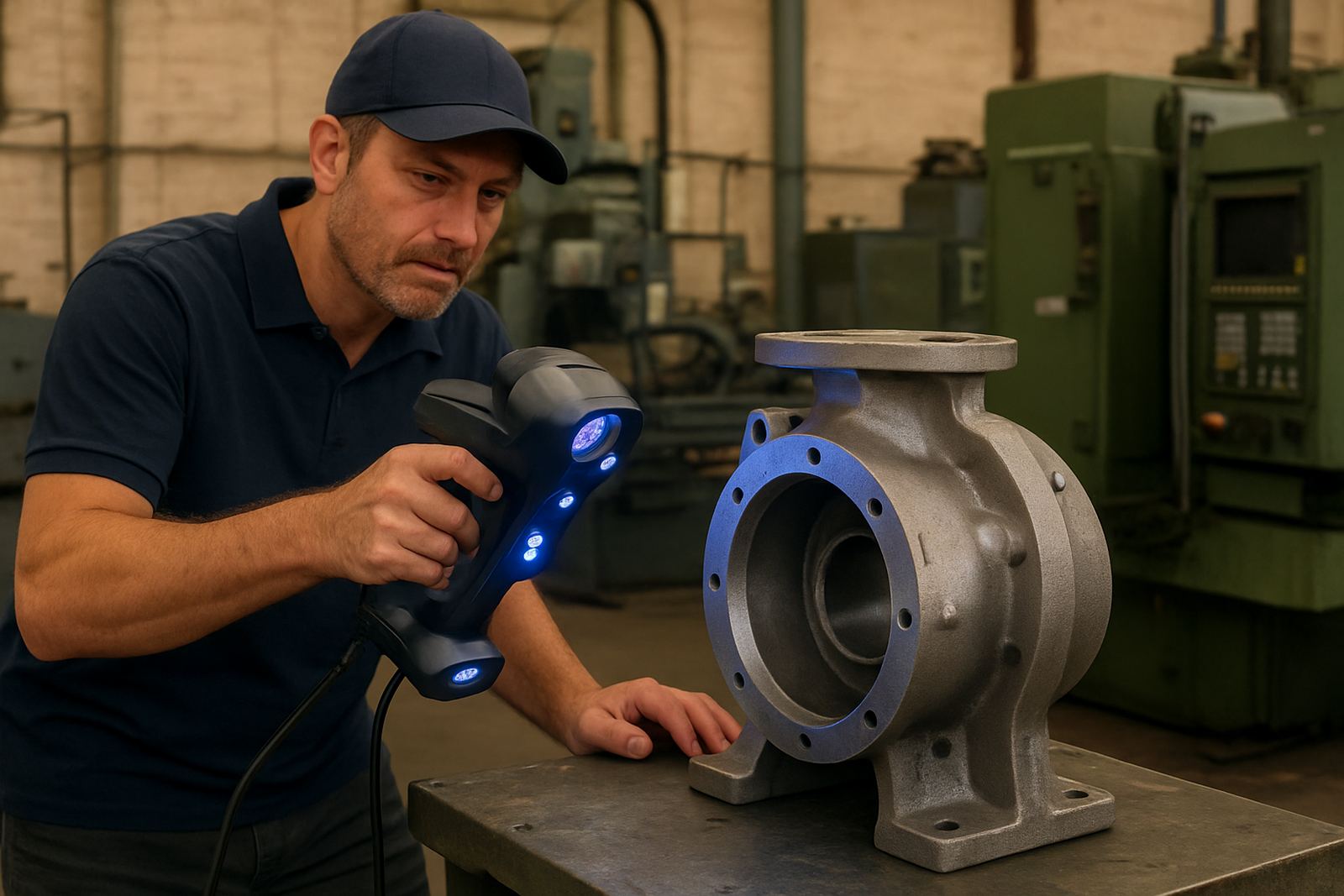
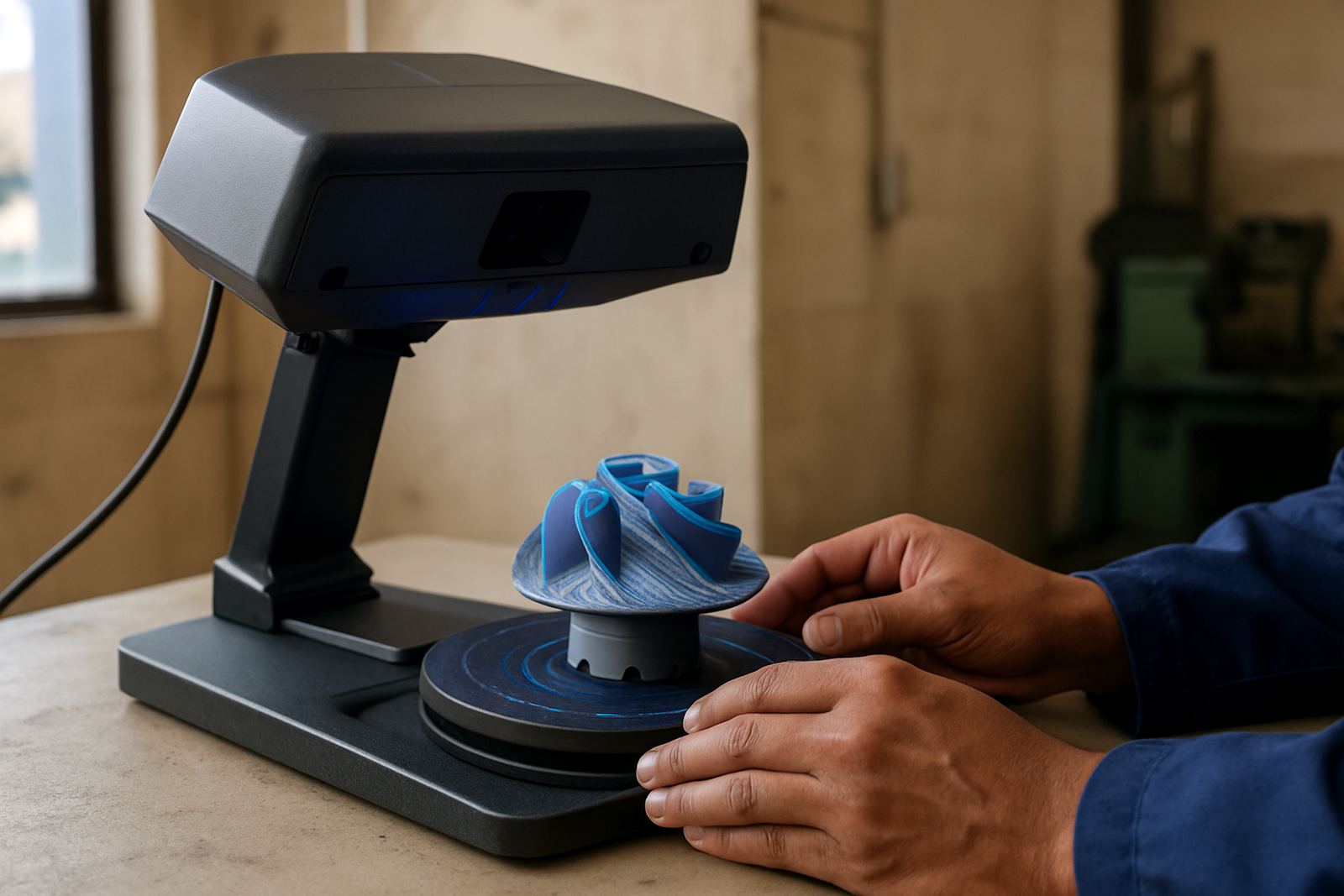
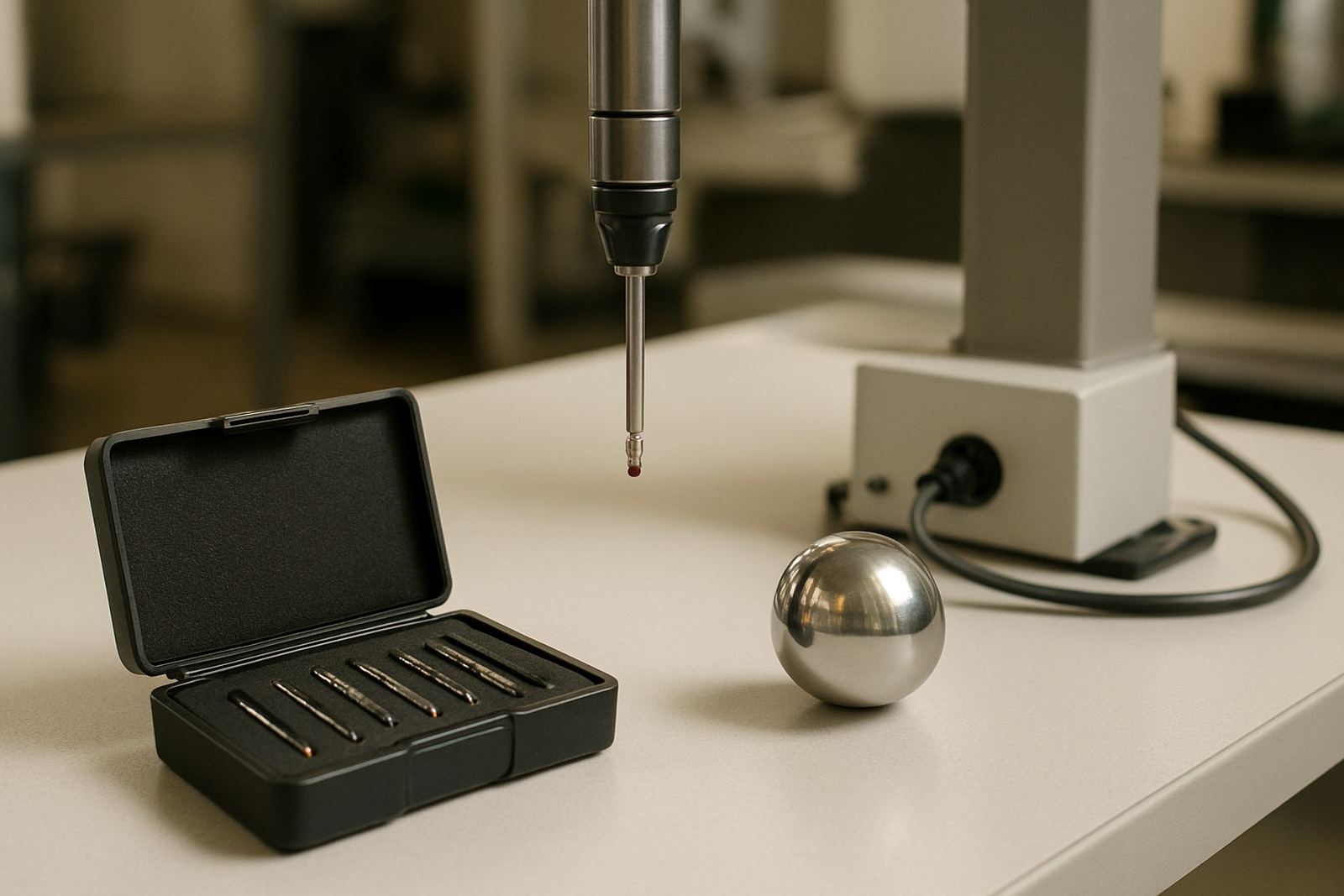
Scanning systems help shops check parts, compare geometry and confirm wear before problems become expensive. That is useful for reverse engineering, first article checks and repair work where the original drawing is missing or incomplete. Additive equipment is equally useful when a team needs a prototype, a jig, a fixture or a replacement component without waiting on long external lead times.
In South African manufacturing, this can shorten turnaround in a way that is easy to measure. A scanned part can be checked against a fitment issue in hours rather than days, and a printed fixture can support a production run while the final machined part is still being planned. It is practical support for shops that need options, not just one method of making a part.
Service support that keeps equipment earning its place
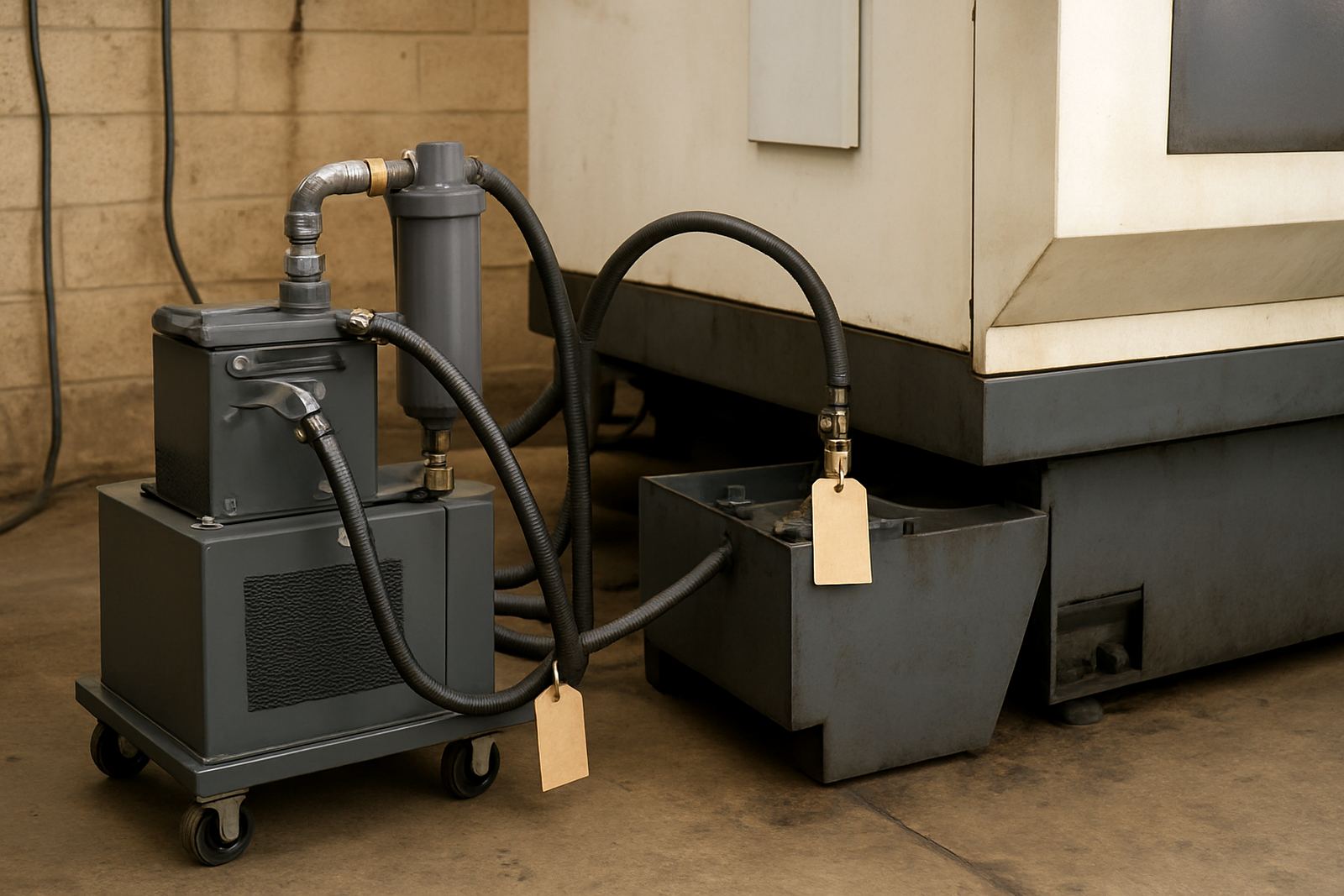
Tooling does not only supply equipment, it supports it through the life of the product. Scanner calibration, printer maintenance, collection and delivery, and routine workshop services all help reduce downtime. That matters in Gqeberha where many operations work with tight schedules and have to plan around municipal interruptions, coastal humidity and power cuts that can upset a full shift in a few minutes.
The service team works with machine shops across the region and nationwide, so support can be organised around production needs rather than a generic callout window. If a machine or accessory is due for checks, the focus is on getting it back into service quickly and properly. No fancy promises, just careful work and straight answers.
Who you will speak to and where we serve
The team includes Morne van der Merwe, Ayanda Mhlabeni, Johan Bester, Zanele Nkomo, Ridwaan Jacobs and Nokulunga Dlamini. That gives customers a direct line to sales, applications, scanning, service coordination and support. Based in Struandale, Gqeberha, the business has been serving local industry since 2008 and works with machine shops across South Africa.
We regularly support customers in Struandale, Markman, Coega, Kariega, Despatch and the Port Elizabeth CBD, with supply and collection arranged to suit the work on hand. If you are comparing product options or trying to solve a machining problem, the quickest way forward is a practical conversation with someone who understands the process from setup to final inspection.