Start with the shank, not the machine
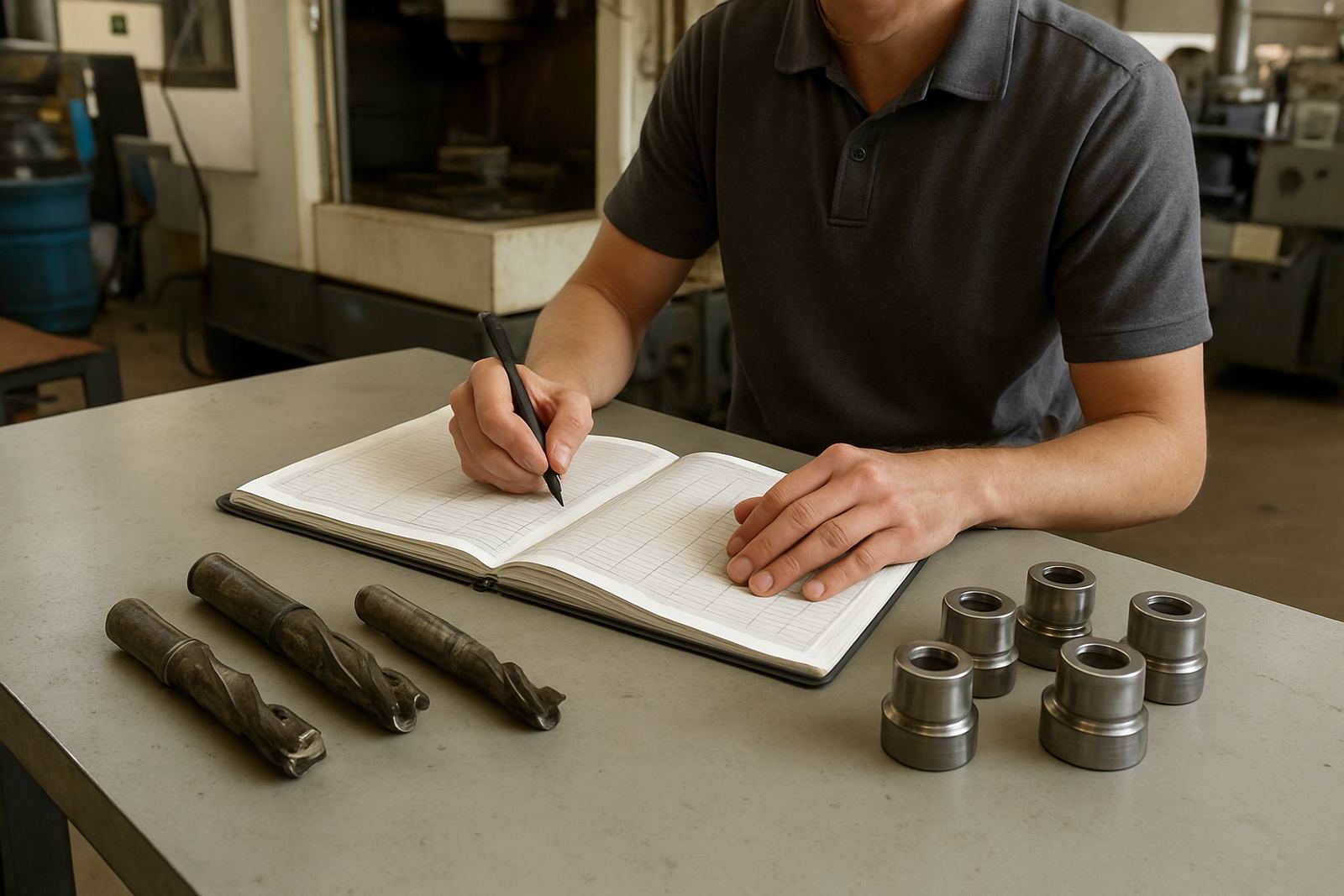
The first step is simple, measure the shank of the cutter, drill or holder you want to grip. A collet must suit the actual tool diameter, not just the machine spindle or the operator’s habit. In many machine shops around Struandale, Markman and Coega, the same machine may run different jobs in one shift, so it pays to check each tool before it goes into the holder.
For general milling and drilling work, common shank sizes are often 3 mm, 4 mm, 6 mm, 8 mm, 10 mm, 12 mm and 16 mm. If the collet bore is too large, the tool can slip or chatter. If it is too tight, the tool will not seat correctly and you can end up forcing parts that should never be forced. That is how you lose accuracy and waste time setting up again.
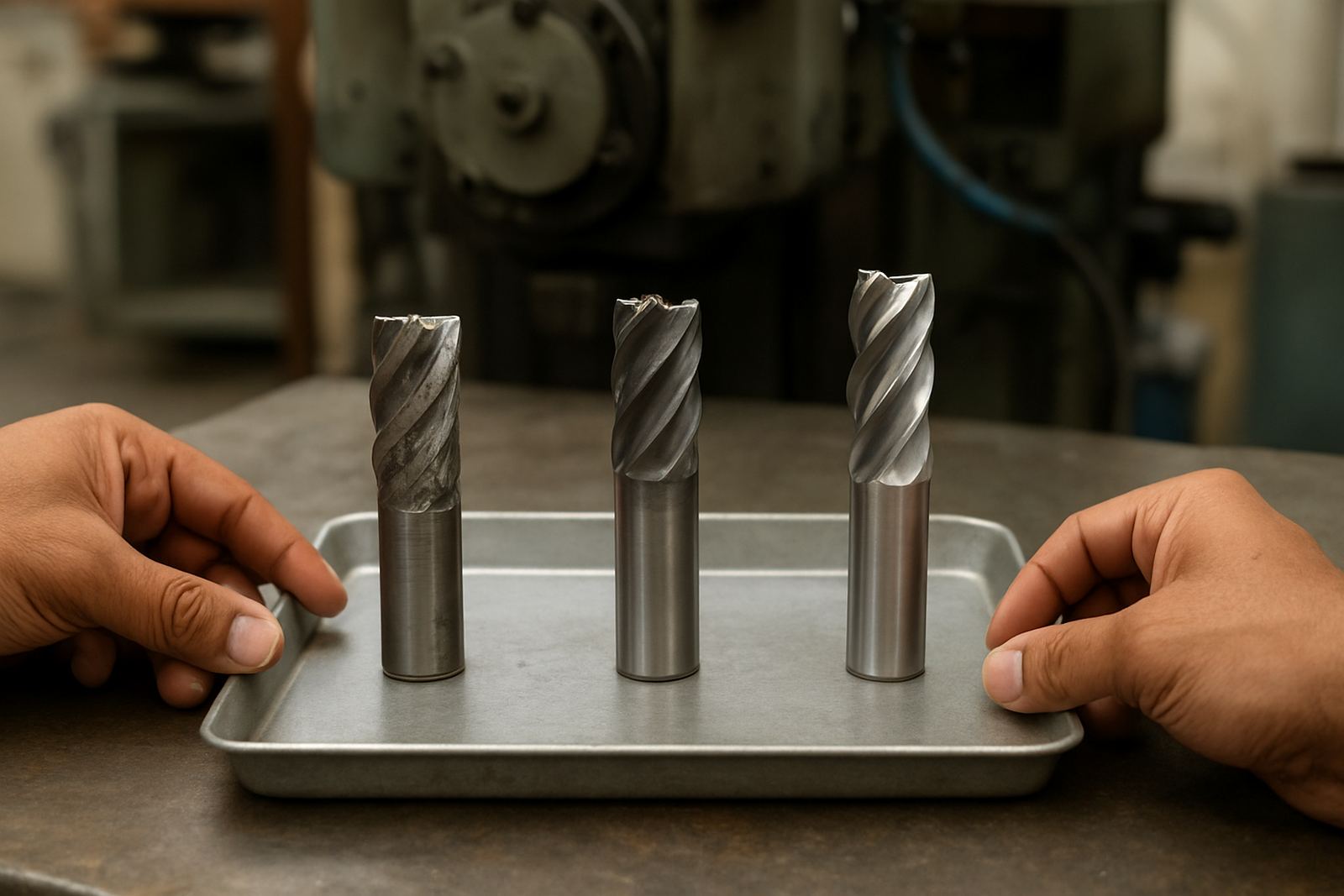
Good measuring practice also matters when tools come back from regrinding. A cutter may look right at a glance, but a fraction of a millimetre changes the fit. In a busy plant in Gqeberha, one missed check can affect the whole batch by lunchtime.
Match common collet sizes to everyday workshop tools
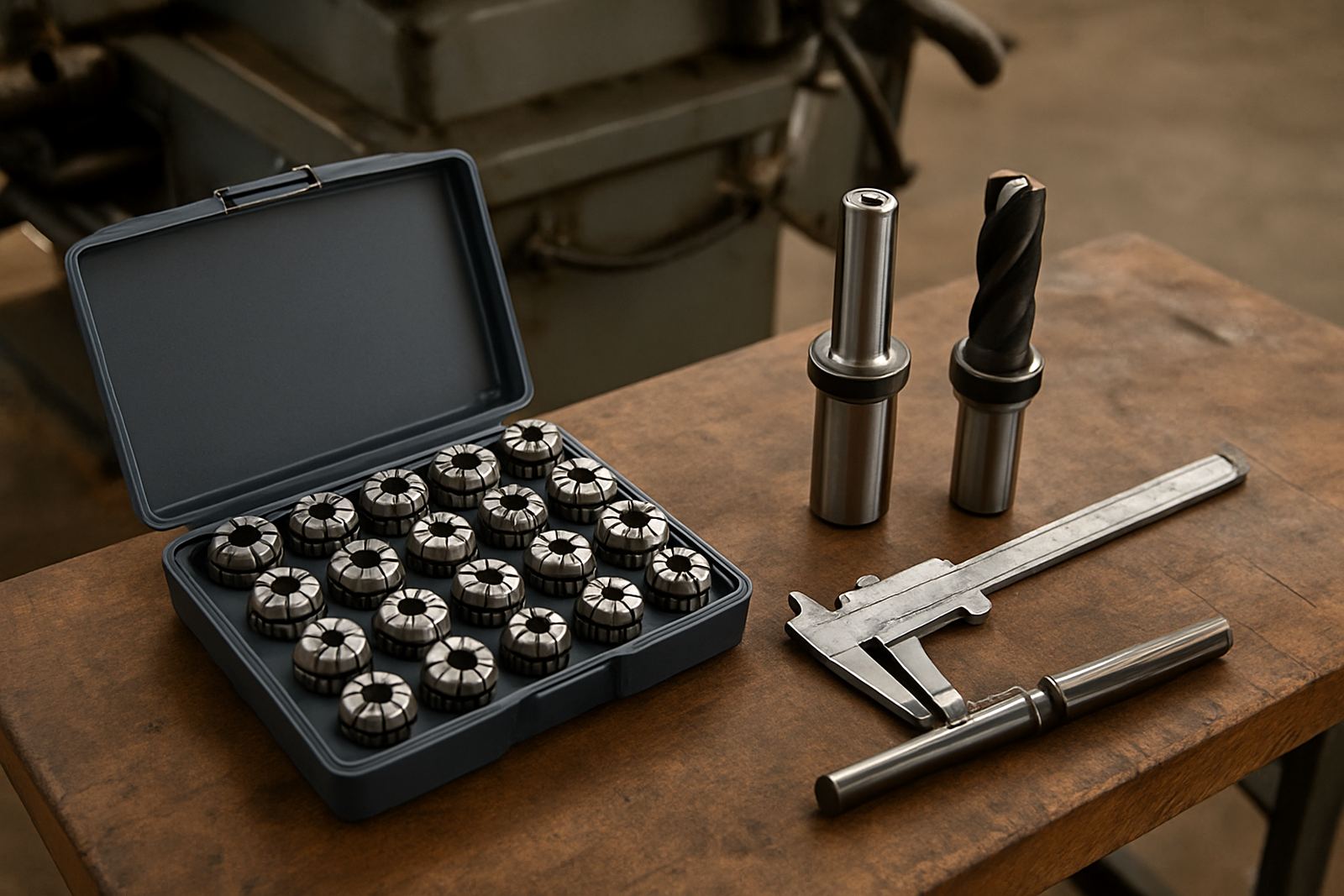
Most shops do not need an endless range, but they do need the right spread for the work they actually run. The most practical approach is to keep the collet sizes that match your common tooling, then fill the gaps around those sizes where needed.
- 3 mm and 4 mm for small engraving cutters, micro drills and fine finishing work
- 6 mm for lighter milling cutters and smaller solid carbide tools
- 8 mm and 10 mm for general purpose end mills and slot drills
- 12 mm for heavier cutting and larger diameter tools
- 16 mm for bigger cutters where the machine and holder are rated for the load
Some workshops try to cover too much with one or two collets and that usually leads to poor results. A 10 mm tool squeezed into the wrong size range may seem acceptable until the finish starts to wander. When you are running production, a small mismatch can be enough to affect tolerance and make the setter chase his tail all afternoon.
Grip range, runout and why small differences matter
Collets are made with a working grip range, but the best performance comes when the tool sits near the middle of that range. If you are always using the very top or bottom of a collet’s capacity, clamp force and concentricity can suffer. That is especially important on fine finishing work, small diameter cutters and high speed jobs.
Runout is one of the main reasons to choose carefully. Even a small amount of wobble increases tool wear and can mark the surface finish. When a collet, holder or spindle has built up dirt, oil or tiny chips, the grip becomes less predictable. In coastal areas like Gqeberha, humidity can also bring light corrosion if holders are left uncleaned for long periods, so regular holder cleaning and runout checks are worth the effort.
Practical shops keep an eye on these points:
- Clean the collet and holder before every setup
- Check for marks, dents or taper wear
- Use the correct tightening method every time
- Replace worn collets before they start affecting accuracy
Set up for the material you are cutting
The right collet size is only part of the setup. The material also matters. Aluminium jobs often tolerate lighter holding forces, while steel and stainless steel put more demand on the grip. If you are working on production parts for automotive, agricultural or general engineering customers in and around Kariega and Despatch, you need a setup that stays stable across a full shift.
Longer tool overhang increases vibration, so a better collet fit becomes even more important. Shorter overhang usually gives more stable cutting, but not every job allows that. When a part has awkward geometry or deep pockets, the collet and holder need to work harder to keep the cutter true.
It is also worth thinking about heat. On the shop floor, machines may run through hot afternoons, stop during load-shedding, then start again with a different operator. That stop-start cycle can affect consistency if the tooling is not checked properly after each restart.
Practical collet choices for common South African workshops
For many machine shops, the best collet set is the one that covers the work they do most often without tying up cash in sizes that sit in the drawer. If your team mostly runs 6 mm and 10 mm cutters, there is little point in buying a wide mix before the essentials are in place. Build the set around actual production needs, then add specialist sizes for specific contracts.
- Job shops: keep a broad spread from 3 mm to 16 mm for mixed work
- Production lines: focus on the few sizes used every day and hold spare collets for downtime prevention
- Prototype and R and D rooms: keep extra small sizes for test pieces and quick changes
- Service and repair workshops: include common metric sizes for fast turnaround on varied parts
We often see workshops in Struandale and Markman using the same holders across multiple machines, which is sensible if the collets are checked and stored properly. The aim is not collecting more parts, it is selecting the few that keep the machine cutting accurately with less faff.
When to service, check or replace collets
Collets are wear parts. They do not last forever, even if they still look usable from the outside. If you notice recurring runout, poor clamp force or visible scoring inside the bore, it is time to inspect them properly. Tooling maintenance also becomes more important when a workshop runs high volumes, because repeated tightening and heat cycles slowly change how the collet performs.
A sensible maintenance routine includes presetting, inspection and checking the tool holder as a complete assembly. For some workshops, collection and delivery of tooling for inspection and regrinding saves valuable time and keeps the flow moving. That matters when you are trying to meet a deadline for a customer in Port Elizabeth CBD while the rest of the floor is still sorting out the morning’s job list.
If you are unsure whether a collet is still serviceable, do not guess. Measure it, inspect it and compare it against a known good part. Guesswork costs more than a proper check.