Why jaw choice changes the whole setup
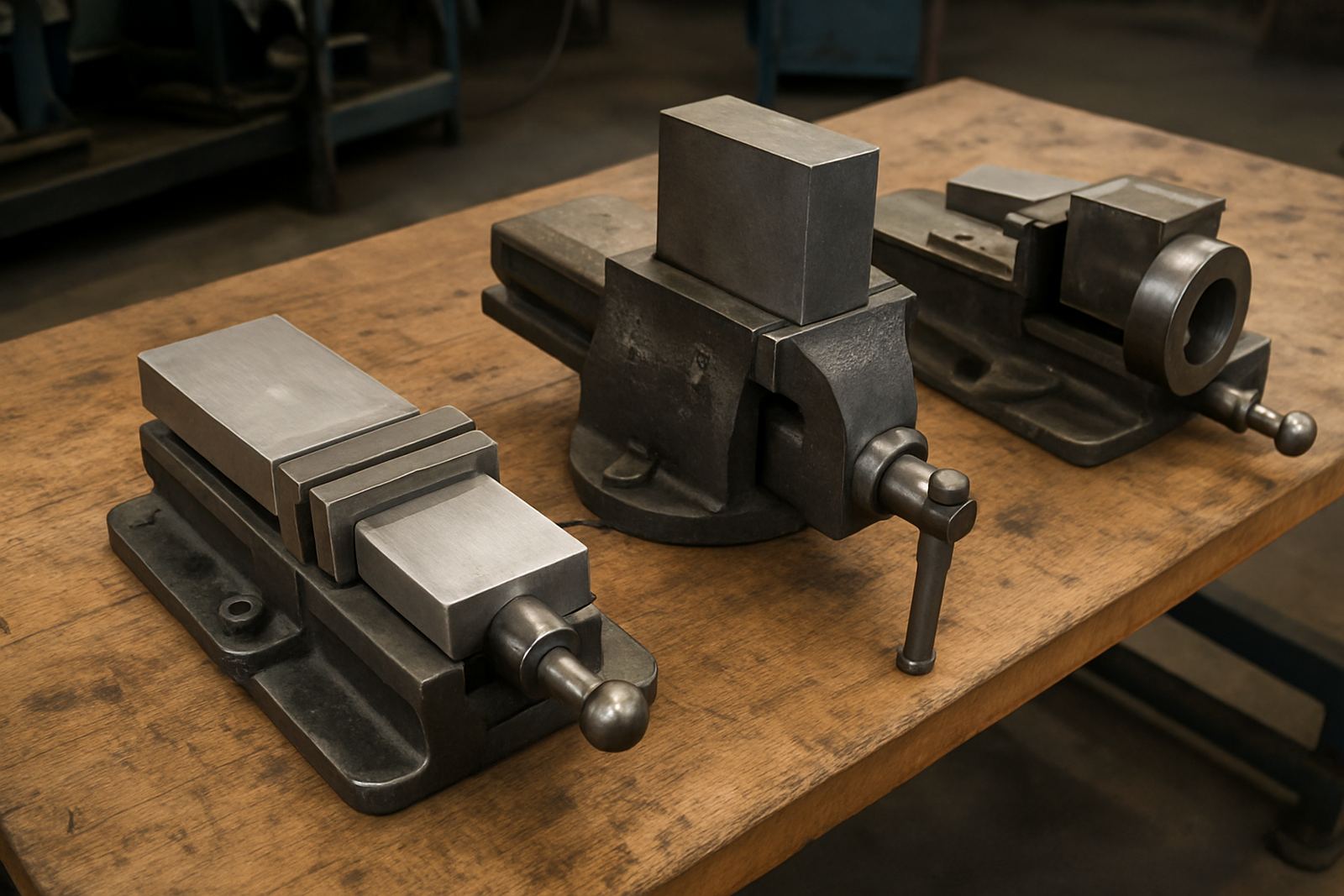
In a milling job, the vise is only as good as the jaws gripping the part. A flat jaw may suit general clamping, while a serrated or soft jaw can be better when the part needs stronger bite or a custom contact face. If the jaw type is wrong, the operator often compensates by tightening harder, and that can mark the work or pull a thin part out of square.
For machine shops in Gqeberha, Kariega and the Markman and Coega industrial areas, the choice often comes down to the job mix. Short production runs, repair work and aluminium parts all ask for a different holding method. It is worth matching the jaw style to the actual material and finish requirement instead of forcing one setup to suit everything.
- Flat jaws are useful for general holding and finished surfaces.
- Serrated jaws help on rough stock and heavier cuts.
- Soft jaws are machined to suit the exact part profile.
- Stepper or gripping jaws can improve access on awkward shapes.
Grip strength without crushing the part
Good grip is not only about tight clamping force. It is about contact area, jaw material and how evenly the load is spread across the part. Thin aluminium, plastic components and small mild steel pieces can distort if the jaws are too aggressive. On the other hand a heavy steel blank may walk in the vise if the jaws are too smooth or worn.
In practice, the operator should look at the cut direction, the part size and how much material sits outside the jaws. If the overhang is long, the part needs more support and often a lower cutting force. A common mistake is to use a standard jaw on a part that really needs soft jaws machined to the profile. That extra preparation takes time, but it can save a full rework later.
- Use softer contact where the surface must stay clean.
- Choose more bite when the stock is rough or scaled.
- Check that the jaw face sits square to the part.
- Do not rely on extra torque to fix poor contact.
Access matters when features are close to the jaw
Jaw shape affects how close the cutter can reach. Tall jaws may hold the part securely but they can block side access, especially on jobs with drilled holes, edge slots or machining on more than one face. Low profile jaws and custom soft jaws can open up tool paths and reduce the need to strip the setup between operations.
This becomes important on production work where every extra clamp change costs time. If the part can be completed in one setup, repeatability usually improves and the operator spends less time tramming and rechecking. On a busy floor in Struandale or Despatch, that time saved matters, especially when power cuts or load-shedding interrupts the day and every restart needs a fresh check.
A practical rule is simple: the jaw should hold the part securely but never hide the area the cutter must reach. If the part has a lot of side detail, plan the jaws before the first cut, not after the problem appears.
Repeatability starts with consistent jaw condition
Two vises that look the same can behave very differently if one set of jaws is worn, dirty or damaged. Even small dents change how a part seats. Chip build-up is another issue. A chip under the workpiece or on the jaw face can throw off height and angular alignment, and that error shows up fast when machining small batches.
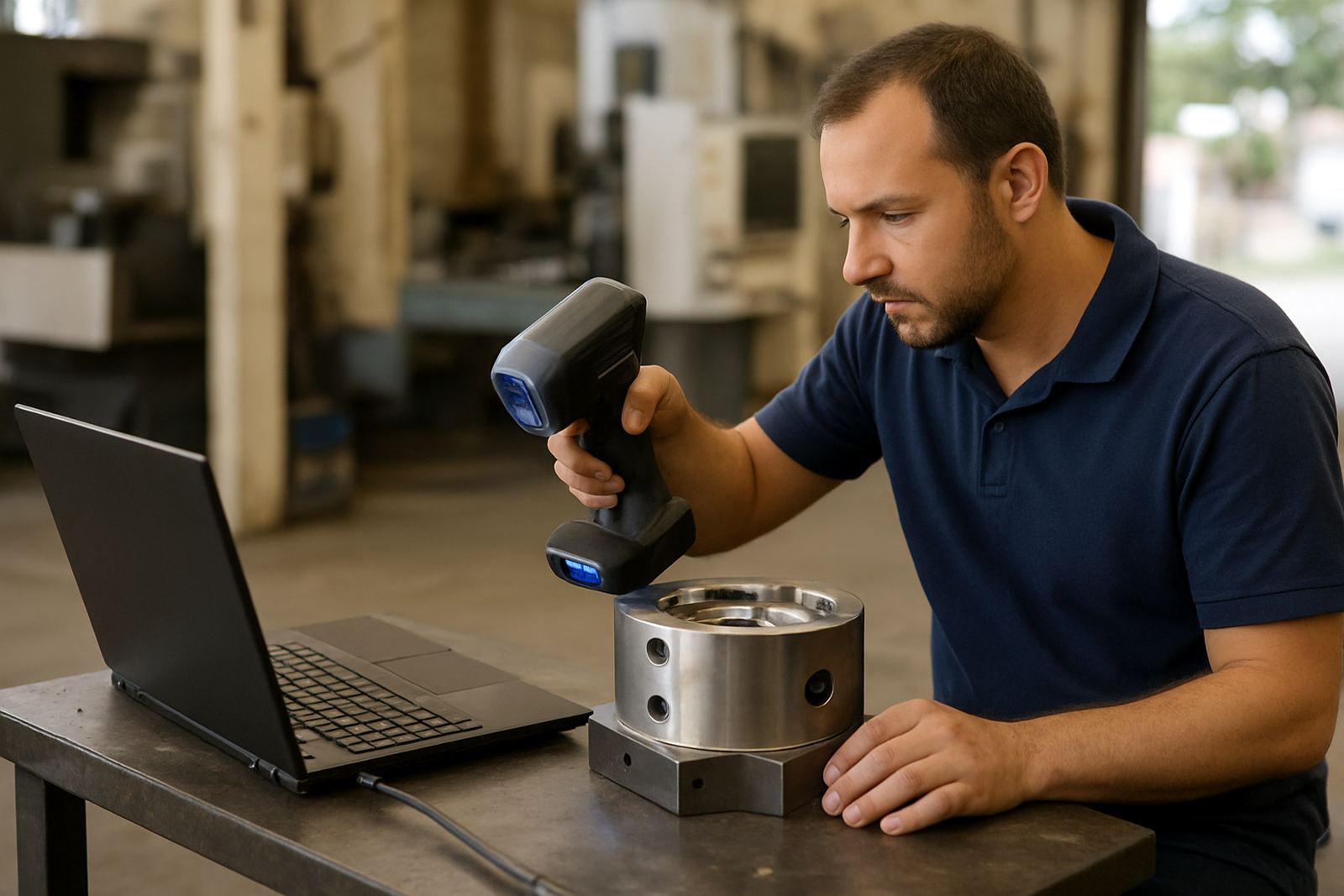
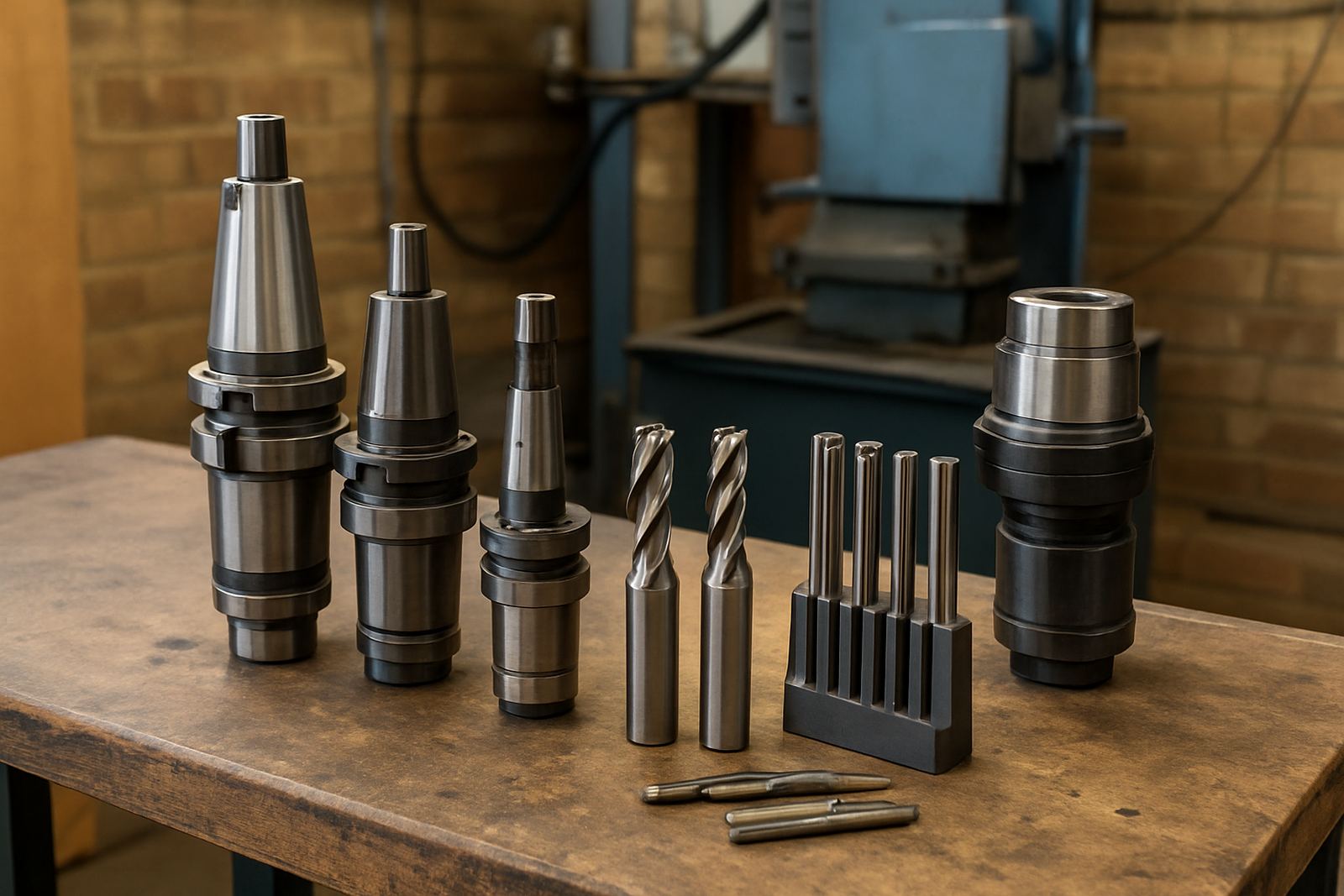
Repeatability is especially important where parts return for a second operation. If the jaw face is clean and the same datum is used every time, the operator can return a job to the machine with far less guesswork. That is why services such as holder cleaning, runout checks, chuck jaw machining and vise alignment are practical shop-floor support, not just maintenance items.
- Inspect jaw faces before each shift.
- Remove chips, coolant residue and swarf build-up.
- Check for jaw lift and loose mounting bolts.
- Re-machine soft jaws when the profile no longer matches the part.
Soft jaws, step jaws and custom profiles for local production
Soft jaws are often the best choice when a part must be gripped on a finished surface or when the job shape changes from batch to batch. They can be machined to fit a casting, round bar or irregular blank, which improves support and reduces marking. Step jaws are useful when the part needs to sit higher without losing stability.
For machine shops serving the Port Elizabeth CBD, Coega and the wider Eastern Cape, this flexibility is handy on repair work and mixed production. A job may arrive as a one-off today and as a repeat order next month. If the jaws can be re-machined in-house, the shop stays quicker and the setup stays tied to the actual part, not a best guess. It is a small detail but it can make a big differnce on repeat work.
Soft jaws do need discipline. They should be cut at the actual clamping pressure and with the same machine condition that will be used for the production run. If the machine or vise changes later, the profile should be checked again.
Checking jaw choice before the first cut
Before the spindle starts, ask three questions: will the part move, will the cutter reach, and will the setup repeat tomorrow? That simple check catches a lot of avoidable errors. If the answer is no to any of them, the jaw choice probably needs to change.
For shops in Gqeberha and surrounding industrial areas, a good workflow is to inspect the jaws, align the vise, preset tools where needed, and only then clamp the part. Scanner calibration and printer maintenance may sit in a separate part of the workshop, but the same discipline applies: the better the preparation, the fewer surprises in production.
- Confirm jaw condition and mounting before clamping.
- Match jaw type to material, finish and cutter access.
- Check part height and overhang against the cut depth.
- Record the setup if the job will return later.
Choosing support that keeps the workshop moving
Jaw selection is not a theory exercise. It affects part quality, tool life and the time a machine spends making chips instead of waiting on adjustments. When a shop has the right jaw style and the right support around it, the setup becomes more predictable and the operator can focus on machining rather than fighting the vice.
Tooling works with machine shops across Struandale, Markman, Coega, Kariega, Despatch and Port Elizabeth CBD, supporting milling setups with practical services like chuck jaw machining, vise alignment, presetting and inspection. For day-to-day work, that kind of support helps keep repeat jobs accurate and awkward jobs under control, even when the schedule is tight.
In the end, the best jaw is the one that holds firm, leaves access where it is needed and can be repeated without drama. That is the standard worth aiming for on any floor.