Why hydraulic holders suit finishing work
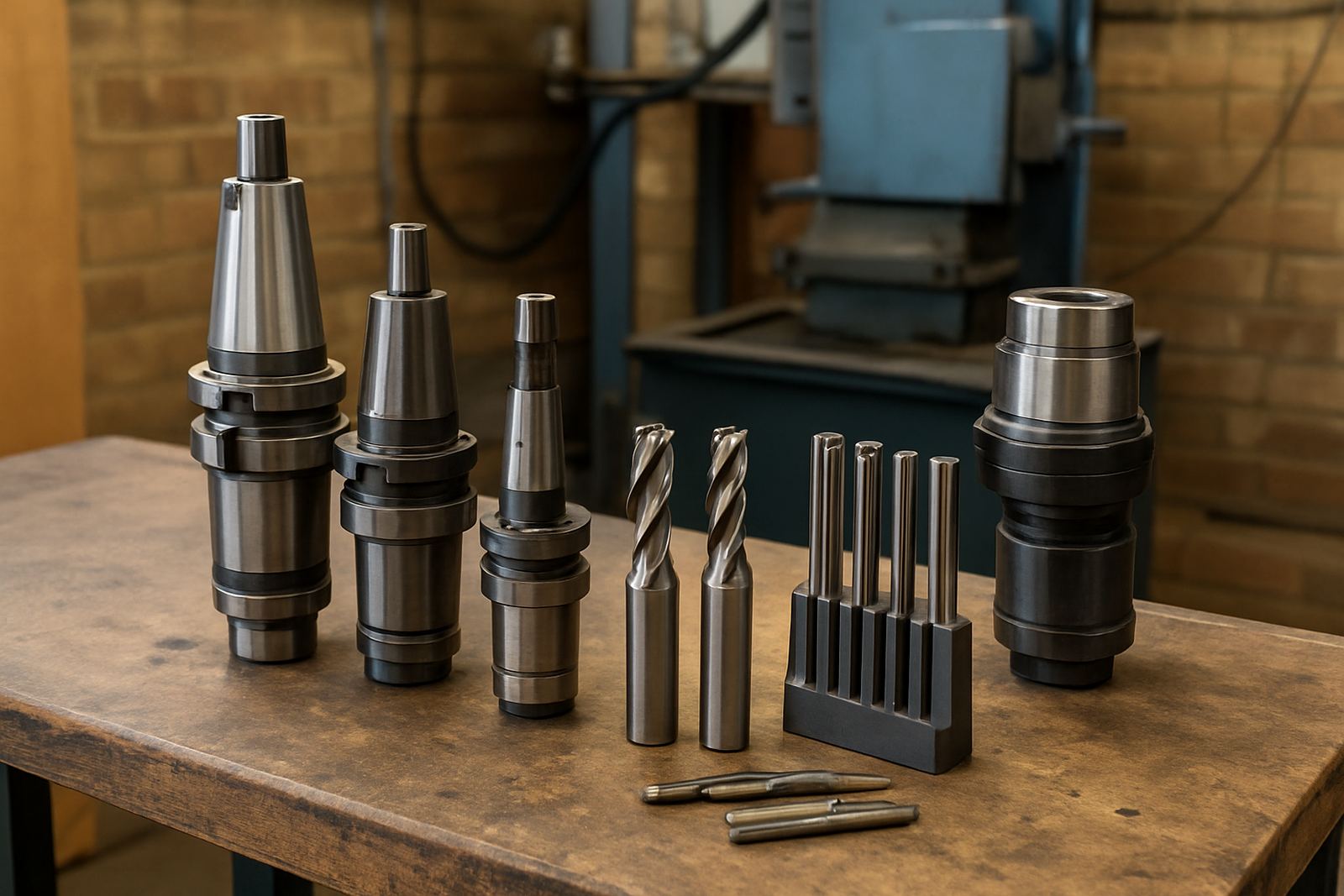
Hydraulic holders are built for accurate, low runout clamping of solid shank tools. In finishing work, that matters because the last few microns show up quickly on bore size, surface finish and tool life. When a reamer, end mill or drill starts true, the cut is easier to control and the result is more consistent from part to part.
For machine shops in Gqeberha, Kariega and Coega, this is especially useful on repeat work where the customer expects the same finish after every batch. A hydraulic holder gives a firm grip without marking the tool shank, and that helps when you are setting up expensive cutters for production runs. It also reduces the need for over-tightening, which is a common cause of poor tool life.
Tooling teams often see hydraulic holders used where the job needs balance between rigidity and a clean surface. They are not the first choice for heavy roughing cuts, but for precision work they earn their place quickly.
Best-fit jobs for reaming and close-tolerance bores
Reaming is one of the clearest applications for a hydraulic holder. A reamer does not want side load, chatter or poor concentricity. If the holder keeps the tool running true, the bore size is easier to hold and the finish is much cleaner. That is why many shops use them on components such as bush housings, bearing seats, hydraulic parts and fitment holes for assembly work.
They are also useful on finishing end mills where the last pass must leave a smooth wall. In aluminium, mild steel and stainless steel, the holder helps keep vibration down and supports a more even cut. On long overhangs, this can mean fewer chatter marks and less polishing after machining.
- Reaming to H7-style fit requirements
- Final finishing passes on mould and die components
- Small diameter drilling where accuracy is critical
- Light milling on parts that must stay within tight size bands
If you are machining parts for pumps, valves or precision assemblies in the Eastern Cape, these are the jobs where hydraulic holders usually prove their value fastest.
When a hydraulic holder is the wrong tool
Not every operation suits a hydraulic holder. If the cut is heavy, interrupted or aggressive, a mechanical shrink-fit or high-grip alternative may be better. Hydraulic holders work best when the goal is control and finish, not maximum torque at all costs. Using them on roughing cuts can shorten tool life and may cause slippage if the setup is pushed beyond the holder’s intended range.
They are also less suitable if the tool shank is damaged or out of size. A hydraulic holder depends on a clean, accurate shank surface. If the shank has scoring, rust or poor diameter consistency, grip and concentricity will suffer. In those cases, the shop should inspect the cutter before use rather than blaming the holder.
- Heavy roughing on large stock removals
- Interrupted cuts with high shock loads
- Worn, scored or undersized shanks
- Jobs needing maximum torque rather than fine finish
That simple matching of holder to job saves time and prevents false economies, especially when load-shedding already eats into production hours and every setup must count.
How to get the best performance on the shop floor
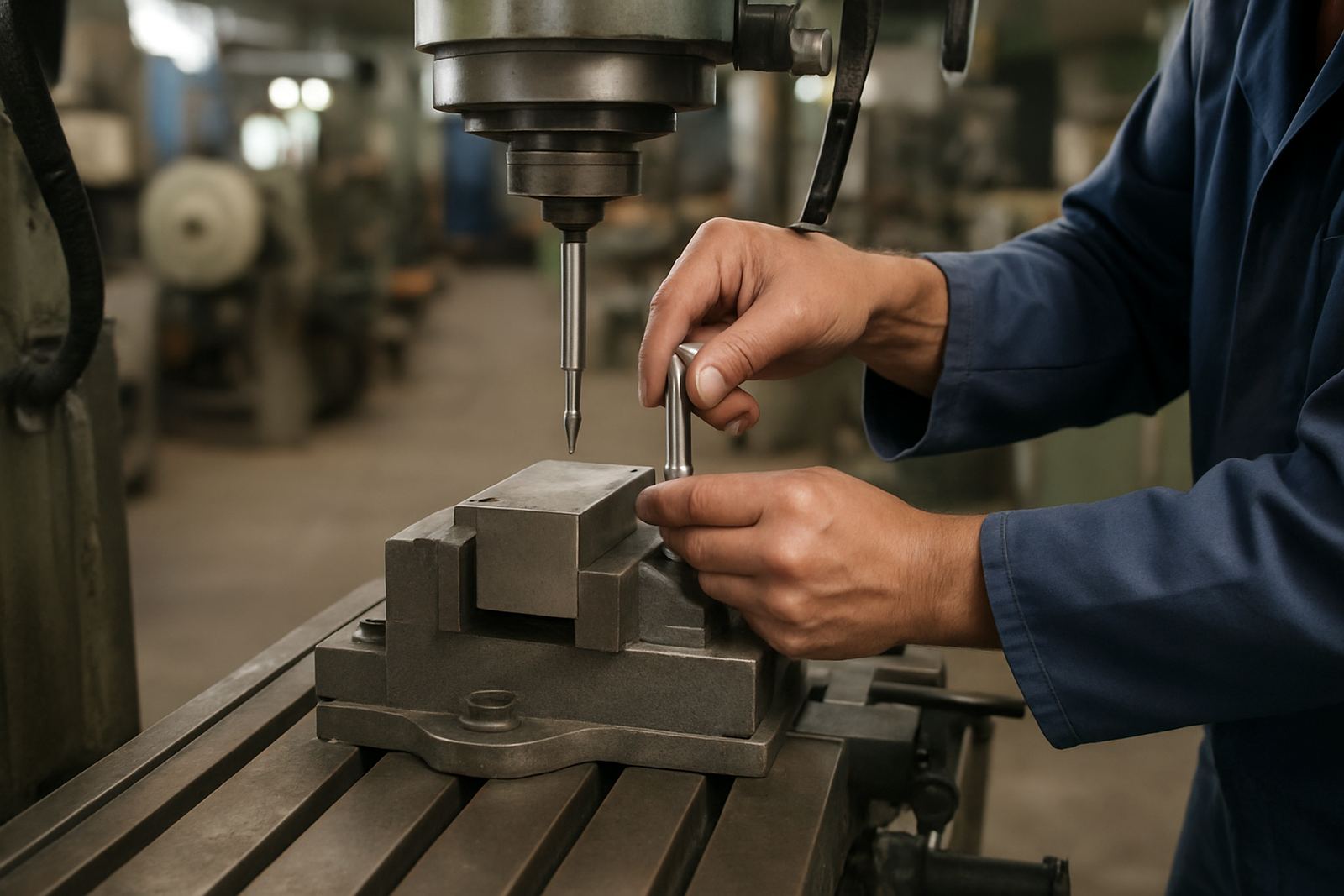
Good results start before the machine runs. Clean the holder bore, inspect the shank and check the clamping area for dust, coolant residue or chips. Even a small amount of contamination can throw off runout and spoil a finishing pass. It is also worth checking the holder with a dial test indicator before use, especially on jobs with tight tolerance requirements.
Many South African workshops run multiple shifts and different operators, so clear setup habits help. Keep a standard method for insertion depth, torque checks and tool projection. If the tool is too far out, even a good hydraulic holder cannot stop chatter. If it is too short, you may lose clearance or reach. The best setup is usually the one that gives enough stiffness with the shortest practical stick-out.
In coastal areas like Gqeberha, moisture and fine dust can work into tooling over time. That means proper storage matters. Wipe holders down after use, keep them dry and do not leave them lying on a bench near coolant splash or grinding dust. It sounds basic but it prevents many avoidable problems.
A local example from Struandale production work
A common case in Struandale is a shop making repeat components for general engineering and maintenance work. A bore that must accept a press fit needs to come out consistent on every batch, not just the first part. If the operator uses a well maintained hydraulic holder on the reamer, then checks the bore after the first piece, it is easier to hold the run over the rest of the job.
On a recent type of job like this, the shop may be running a mix of steel parts and needing collection and delivery between sites in Markman and Coega. That makes setup reliability important because there is not much time to waste on rework. A stable holder, a checked tool and a clear presetting routine can keep the machine making good parts instead of stopping for corrections. It also helps when the same holder is moved between jobs, since the operator knows what to expect from the setup.
For engineering managers, the real gain is not only the finish on the part. It is the time saved across the batch, the fewer rejected pieces and the lower risk of tool damage when production is under pressure.
Choosing holders, support and servicing with confidence
Hydraulic holders are only one part of a working machining system. They should be matched to the correct shank size, machine spindle and tool length, then checked regularly for accuracy. A good service routine can include runout checks, holder cleaning, presetting support and inspection before a production run starts. That is especially useful for shops serving multiple customers across Port Elizabeth CBD, Despatch and Kariega.
Tooling supports these needs from Struandale in Gqeberha, with practical services for machine shops nationwide. The team can assist with tool regrinding, holder cleaning, chuck jaw machining, vise alignment, scanner calibration and printer maintenance, which helps keep the rest of the workshop in step with the holder setup. If a shop is trying to keep finishing work under control, that wider support makes a real difference.
- Check tool shanks for wear before fitting
- Use the holder on finishing and reaming jobs first
- Keep a record of runout on critical tools
- Book periodic inspection before tight-tolerance production
For advice, parts or setup support, contact Tooling at our contact form. When the job calls for precision, the right holder and the right setup can turn a difficult cut into dependable output.