When shrink fit beats general purpose holders
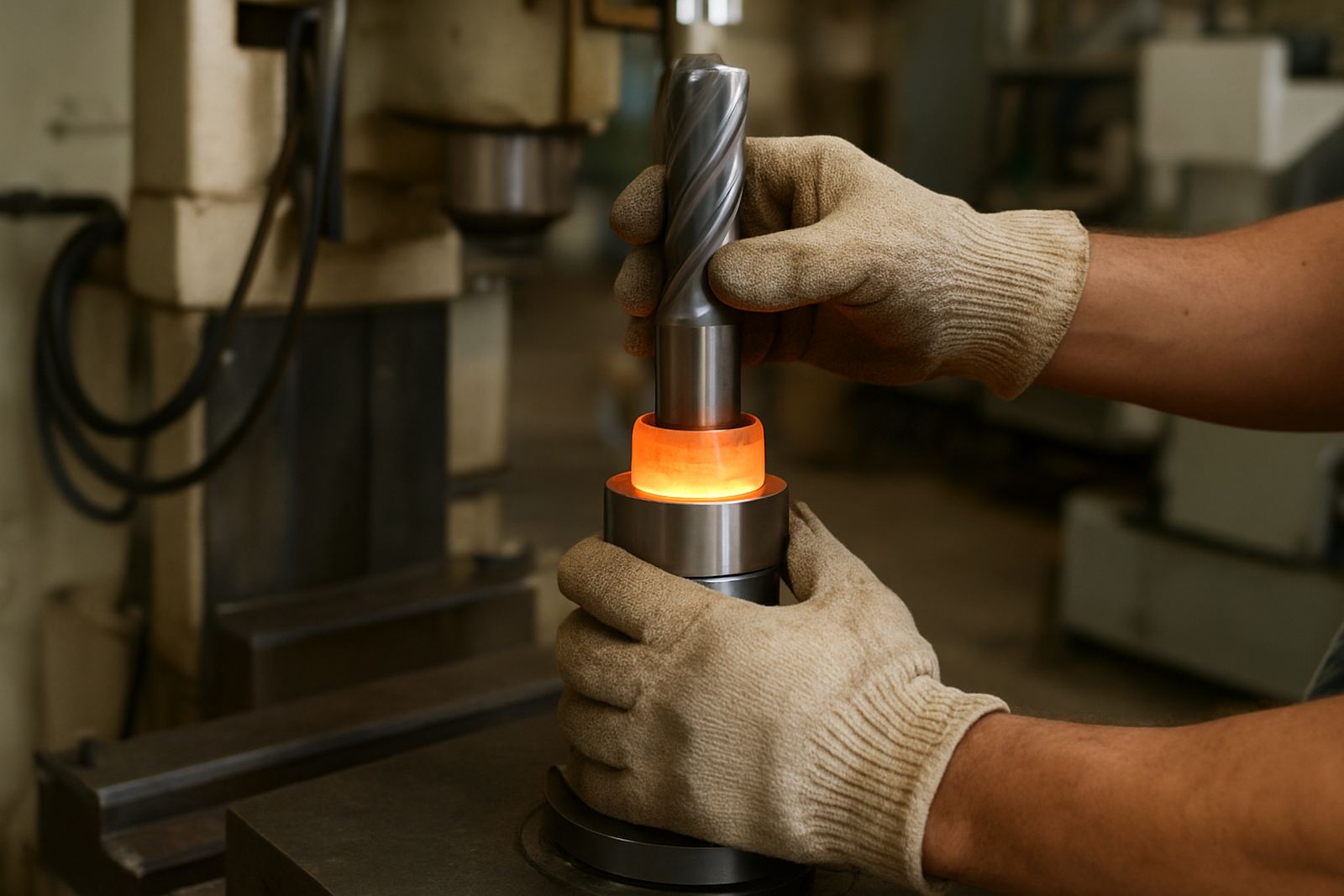
General purpose tool holding has its place, especially where operators change tools often and the work varies from shift to shift. But once a workshop starts chasing tighter tolerances, cleaner finishes and better concentricity, shrink fit clamping starts to make more sense. It grips the shank evenly around the full contact area, which helps reduce runout and keeps the cutter steady under load.
That matters on long runs and on parts where a few microns can decide whether the job passes or comes back for rework. In many South African shops the real cost is not the holder itself, it is the lost time from scrap, re-setting, and tool wear. Shrink fit can reduce those hidden costs because the tool sits straighter and stays put.
It is also a practical choice where access is tight. Because the holder body is slim, operators can reach into deeper pockets and around fixtures more easily than with bulkier systems. On parts with narrow features, that extra clearance can save a lot of manual finishing.
Better concentricity for tighter tolerances
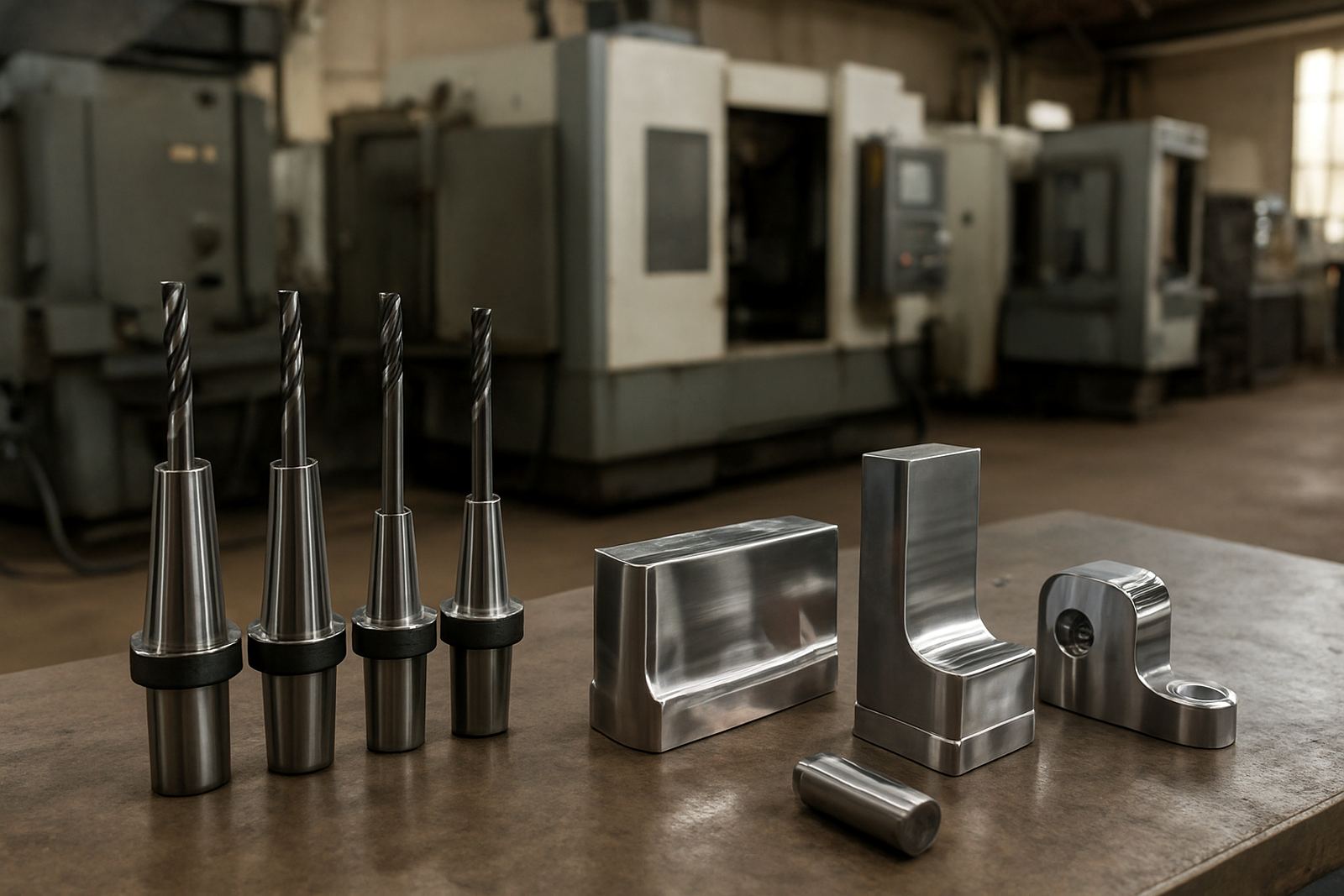
One of the biggest shrink fit benefits is accuracy at the spindle end. If the holder, tool and machine are all in good condition, runout can be kept very low. That helps when using smaller cutters, drilling accurate holes or finishing stainless and tool steel where chatter becomes a problem fast.
In practice, shops in Struandale or Coega working on repeat components will notice the difference most when the same tool is used across many parts. Less variation means more predictable wear and fewer measurement surprises. It is also easier to trust the machine when the holder is doing the same thing every time.
For customers who already check runout, inspect holders and keep collets clean, shrink fit can be the next step up. If the machine is healthy and the cutter is sound, the holder stops being the weak point. That is where the benefit becomes clear.
- Improved repeatability on long production runs
- Lower runout for fine finishing work
- Better balance at higher spindle speeds
- Reduced tool pull-out risk on demanding cuts
Why finish and tool life improve
A stable tool path is not just about accuracy. It also affects surface finish and cutter life. When the tool grips evenly and the setup is balanced, the cutter does not chatter as much and the cutting edges wear more evenly. That can stretch tool life and cut down on rework, which is important when replacement costs keep moving.
For workshops cutting mould components, aerospace parts, general engineering items or precision fittings, the finish can be the difference between a part that needs hand work and one that can move straight to the next stage. On high speed machining, good balance is especially useful because vibration builds quickly if the holding system is not right.
In coastal areas like Gqeberha, humidity can also work against equipment that is left dirty or stored badly. Shrink fit holders still need proper care, but with the right cleaning and inspection routine they remain reliable. That is why holder cleaning, runout checks and tool inspection matter just as much as the holder choice itself.
Where shrink fit is worth the extra setup
Shrink fit is not the answer for every workshop. It suits operations where the same tools are used often enough to justify the heating and cooling process, and where accuracy is worth more than speed of tool change. If a shop is running fine roughing jobs with frequent swaps, a general purpose holder may still be the better fit.
It tends to shine in these situations:
- High precision milling and finishing work
- Repeated production on the same part numbers
- Deep pocket machining with limited clearance
- Higher spindle speeds where balance matters
- Jobs where tool pull-out would be costly
For a busy machine shop in Markman or Despatch, the key question is not whether shrink fit is better in theory. It is whether the production mix rewards the extra accuracy and repeatability enough to justify the workflow. On those jobs, the answer is often yes.
A local example from the Eastern Cape floor
Consider a workshop in Gqeberha making small batches of precision components for a local OEM supplier. The team may be using a mix of cutters on a vertical machining centre, with one job requiring light finishing passes and another demanding deeper side milling. With standard general purpose holders, the operator can spend time checking each setup and still fight variation from one tool to the next.
Once shrink fit is introduced on the finishing tools, the machine behaves more consistently. Tool changes are planned, holders are kept clean, and presetting becomes part of the routine. The result is usually fewer offsets, better surface finish and less time spent chasing size. It also helps if the shop uses collection and delivery for holders and tooling support, because then worn items can be checked and turned around without holding up the whole programme.
That kind of change is especially useful where power interruptions, shift changes and tight delivery windows already put pressure on production. A holder system that removes one variable from the process can save the day more often than people expect.
Getting the most from shrink fit in your workshop
To get the full benefit, the holder alone is not enough. The machine spindle must be in good condition, the cutters must suit the material and the team must follow a clean handling routine. Runout checks should be part of normal maintenance, not only done after a problem shows up.
Good practice usually includes the following:
- Clean the holder bore and shank before every fit
- Check runout after heating and before production
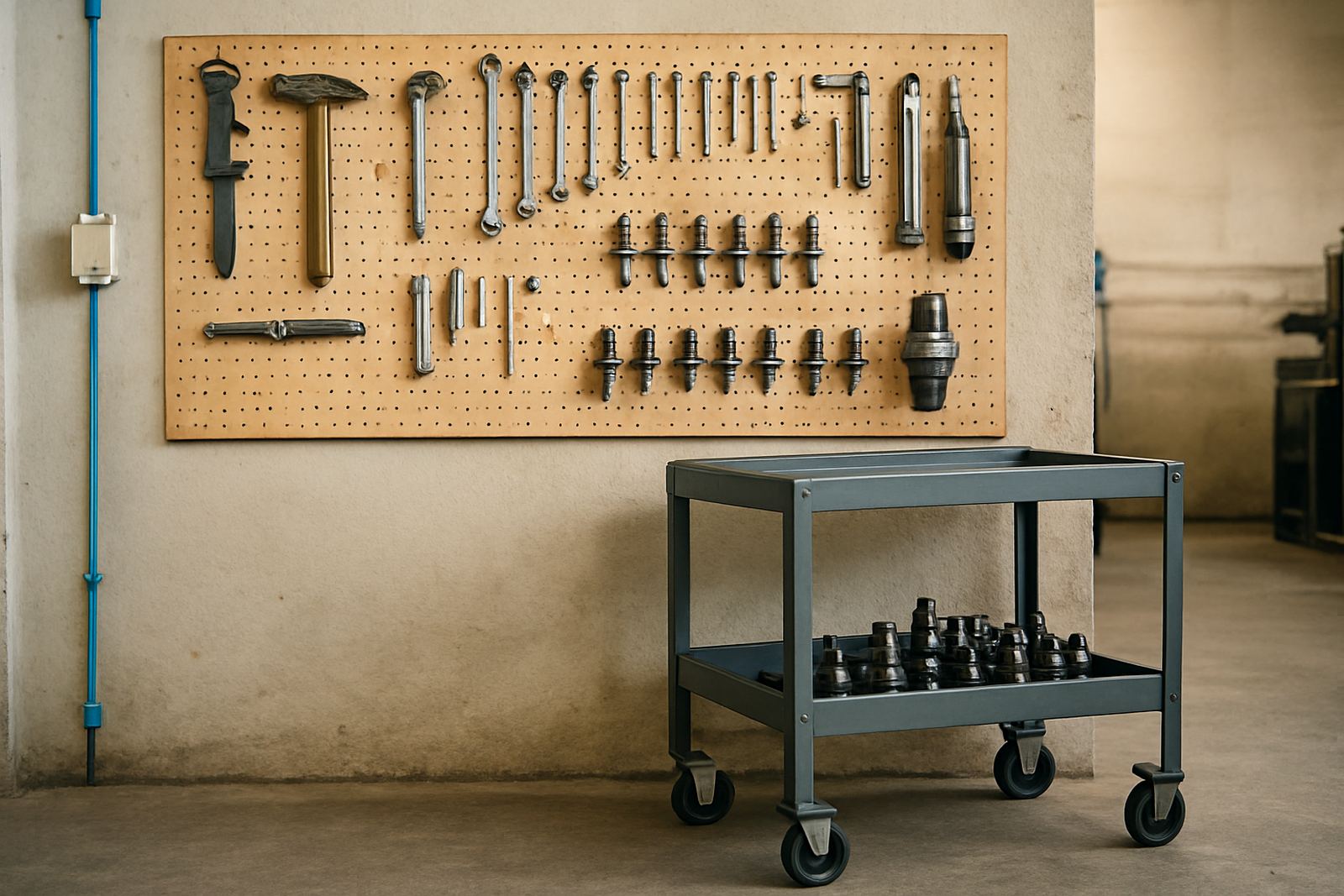
- Store holders properly to avoid knocks and rust
- Use the right clamping length for the cutter diameter
- Inspect for wear if the holder has seen heavy service
Where workshops in Coega, Kariega or Port Elizabeth CBD need support with holder inspection, presetting or tool maintenance, the goal is the same: keep the machine cutting accurately and avoid surprises on the floor. Shrink fit works best when it is part of a wider control process, not treated as a quick fix.