Why coolant mist should be treated like a production problem
In a busy machine shop, mist builds up fast around CNC machines, turning centres and grinder stations. It hangs in the air, settles on windows and lights, and leaves a fine film on machines that should stay clean for accurate work. When operators cannot see the cut clearly, small issues get missed, and that can lead to scrap, rework or slower cycle times.
South African workshops also deal with practical pressures that make mist control worth attention. Summer heat, closed doors on windy days, and load-shedding all affect air movement. In coastal areas such as Gqeberha, humid conditions can make mist feel heavier and linger longer, especially when several machines run in one bay. A proper extraction setup helps keep the work area clearer and easier to manage.
- Better visibility at the spindle and work zone
- Less residue on floors, guards and electrical cabinets
- Improved comfort for operators during long shifts
- Cleaner air around inspection and loading areas
How mist control supports accuracy at the machine
When an operator can see the cut and the part clearly, it is easier to pick up on chip build-up, coolant splash patterns and tool wear. That matters in fine tolerance work where a small change in setup can affect the final part. Mist extraction is not only about comfort, it supports stable machining conditions and cleaner machine area visibility.
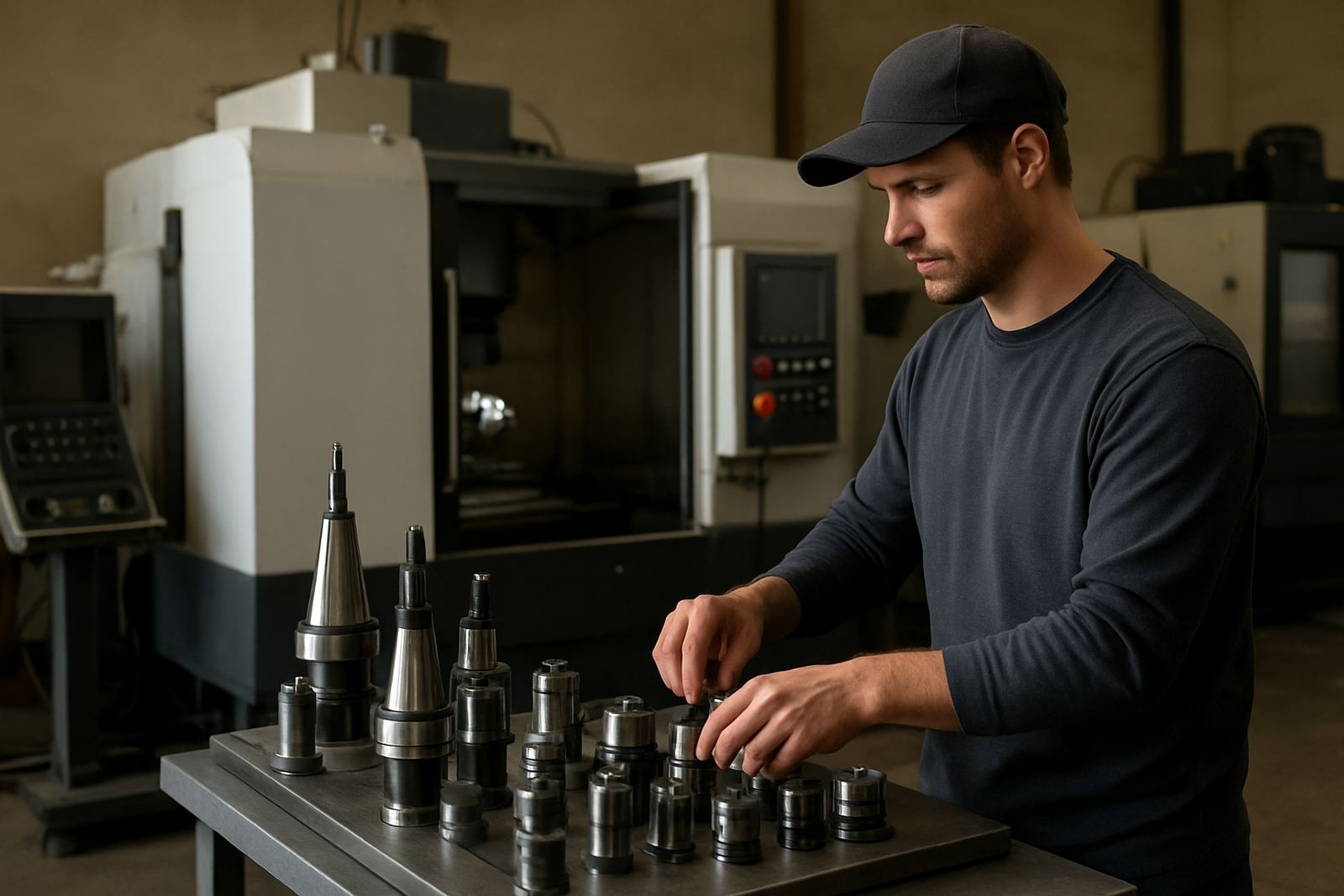
It is also helpful around tooling changes. If a machine is surrounded by mist, checking inserts, holders, collets and fixtures becomes awkward. A clearer zone means faster checks and less chance of making mistakes during setup. In shops doing repeated batches, that can save a surprising amount of time over a month.
Tooling works with machine shops that need practical solutions for real shop floors, from Struandale through to Kariega and Despatch. We often see the same issue: the machine is performing, but the working area is not as clean or clear as it should be. Mist control helps close that gap.
What to look at before choosing a mist extraction setup
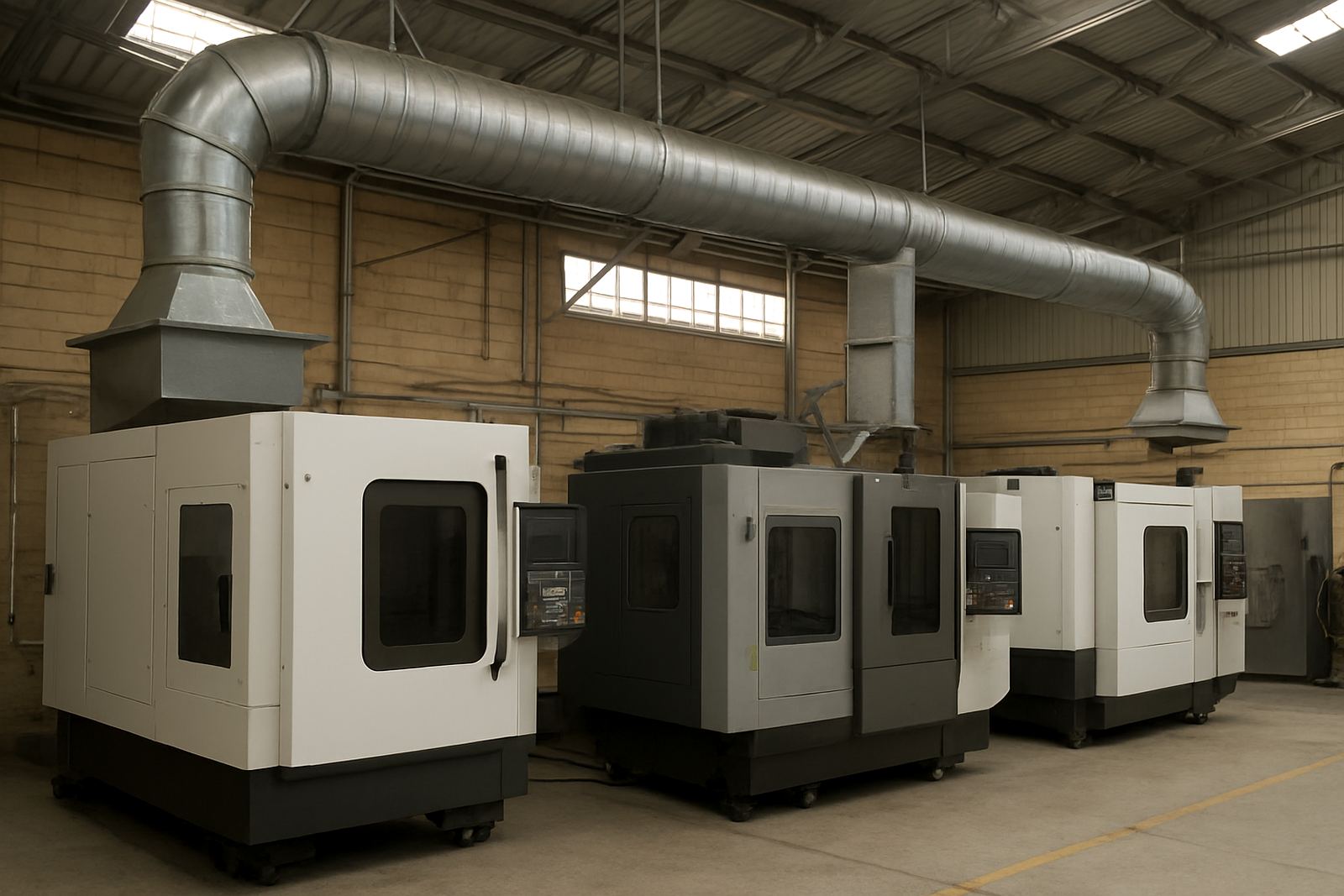
Every workshop is different. The right solution depends on the machine size, the coolant type, the number of machines in use and how the shop is laid out. A small toolroom in Port Elizabeth CBD has different needs to a higher-volume production cell in Coega. Before fitting extraction, it helps to check where the mist is coming from and how it moves through the shop.
- Machine enclosure size and access points
- Coolant delivery style and pressure
- Frequency of door opening during operation
- Whether the shop has shared air space between machines
- Noise limits and working conditions for staff
Some workshops only need local capture at the point of generation. Others need a broader approach that supports several machines in one area. The key is to match the system to the actual working conditions, not to guess based on machine nameplate size alone.
Keeping filters, hoses and fans working properly
A mist extraction unit only does its job if it is maintained. Filters load up over time, hoses can soften or crack, and fans lose efficiency when there is too much build-up. If the system is ignored, the workshop starts to smell oily again and the air gets hazier, which usually means the setup needs attention.
Regular inspection should be part of the maintenance plan, much like checking holders or doing runout checks. In many shops, a quick weekly look and a more thorough monthly service is enough to catch early problems before they interrupt production. If the machine area starts looking wet around the guards or control panels, do not wait for the situation to get worse.
- Check filter condition and pressure drop regularly
- Inspect seals, hose routing and fan operation
- Clean collection points before residue hardens
- Review extraction performance after coolant changes
A Gqeberha example from a mixed production floor
A local workshop in the Struandale area running a mix of CNC milling and turning was struggling with mist collecting on lights and windows. Operators were wiping down panels every day, and the inspection bench nearby was getting a fine oily film. During the warmer months the problem became more noticeable, especially when several machines were in use at once.
After reviewing the layout, the shop improved extraction at the machine level and tightened up routine maintenance on the units. The change was practical rather than dramatic, but it made the floor easier to work in. Visibility improved around the machines and staff spent less time cleaning surfaces between jobs. That kind of improvement matters when a workshop is trying to keep output steady and avoid unnecessary stoppages.
In a place where production schedules are tight and power interruptions can already affect planning, reducing avoidable clean-up time is a real benefit. It helps the team focus on machining, not on wiping mist off everything in sight.
Why machine shops nationwide should treat mist control as part of production
Good mist control supports more than housekeeping. It is part of a controlled machining environment, and that matters whether the workshop is in Gqeberha, East London, Durban or inland industrial zones. Clean air and clear visibility help operators work more confidently, and that can support better consistency across shifts.
It also fits with broader workshop discipline. Shops that look after tool holders, collets, workholding, presetting and inspection usually understand that small maintenance tasks protect the bigger process. Mist extraction belongs in that same category. It is not an optional extra, it is a sensible part of keeping a machine area orderly and productive.
Tooling supplies practical support to machine shops from Struandale and Markman through Coega, Kariega, Despatch and the Port Elizabeth CBD, with collection and delivery available where needed. If your workshop needs clearer air around the machines and better visibility at the cut, it is worth looking at mist control as part of the overall setup.