Why tool life recording matters in repeat work
In a busy shop, tools often get changed by feel. An operator sees a better finish, hears a change in the cut, or simply knows the cutter has done its share. That instinct is useful, but it can also hide waste. Tool life recording gives you a simple record of how long each cutter, insert, collet or holder setup lasts on a specific job, material and machine.
That matters most on repeat machining. If the same component is run every week, small changes in tool wear soon show up in scrap, rework and extra machine time. A carbide end mill that should make 120 parts but is changed at 70 is money left on the table. If it runs too long, the first sign may be a poor bore size or a finish issue that holds up inspection.
For South African machine shops, the pressure is real. Power interruptions, delivery delays and tight production windows all make it harder to absorb waste. Recording tool life helps a shop decide what is actually costing money, not just what feels expensive.
Start with one job, one machine and one operator
You do not need a complicated system to begin. Start with a repeat job that runs often enough to give useful data. Choose one machine, one operator shift and one tool family. That keeps the first set of numbers clean and easier to compare.
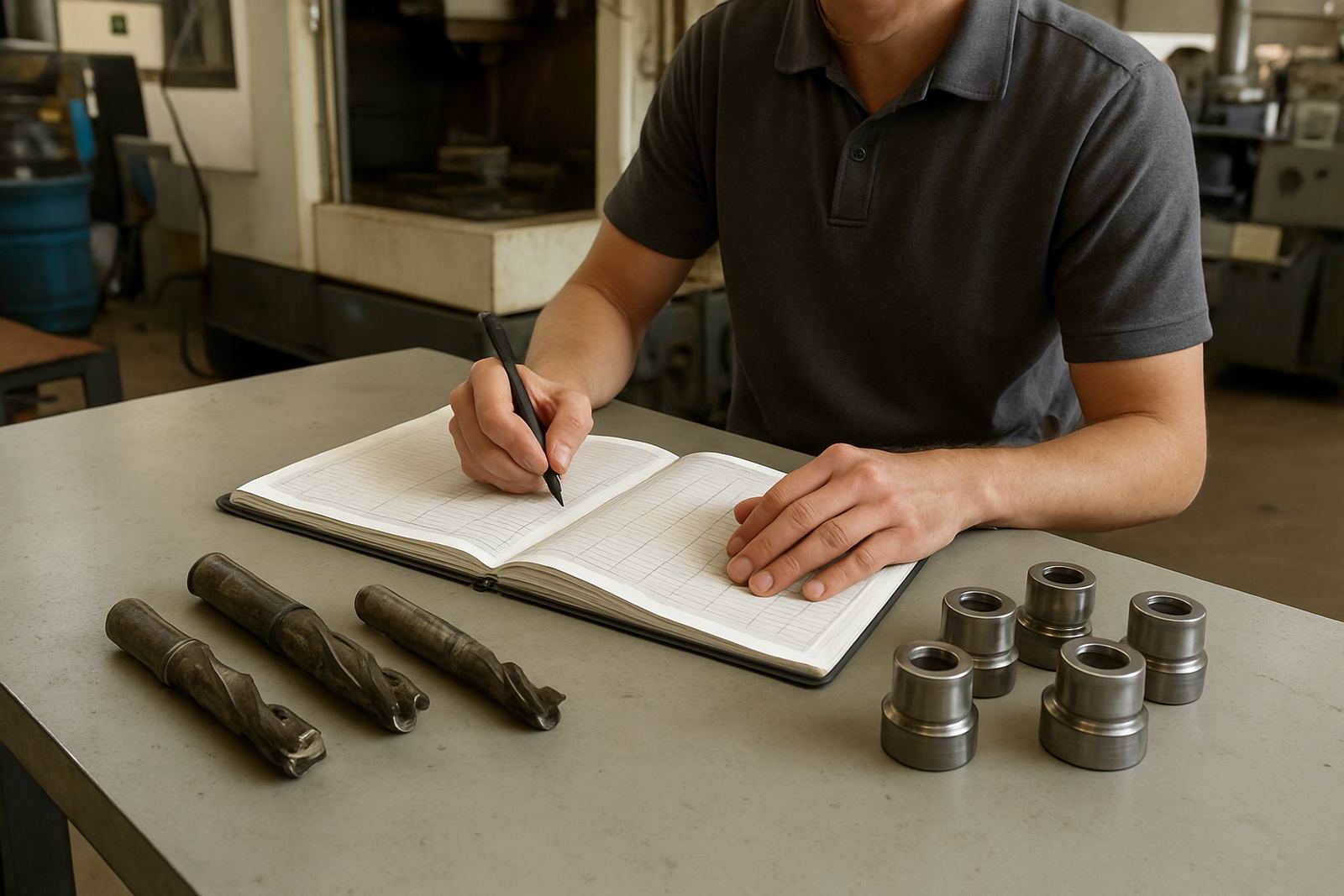
Record the same basics every time a tool is fitted or removed. Keep the format simple so the team will use it even when the workshop is busy.
- Job number and part name
- Material type and hardness if known
- Machine number and spindle speed
- Tool type, diameter and coating
- Start time, finish time and parts produced
- Reason for removal, such as wear, breakage or finish issue
It also helps to note whether the cut was interrupted by load-shedding, a long pause, or a fixture problem. A cutter that sits idle in coolant for half an hour may not behave the same as one that runs continuously.
What to measure so the numbers mean something
Tool life is not only about how many parts a cutter produced. A tool can still be within life, but make parts that are drifting out of tolerance. So the record should include both time and quality. That gives you a better picture of what the tool is actually doing in the cut.
In many shops, the most useful measures are the simplest ones. Track the number of parts, the cutting time, and the first sign of wear. If the tool is used for roughing, note chip colour, sound and load on the machine. If it is for finishing, note the surface result and any change in size. Small details matter, especially when the same setup is repeated every day.
- Parts per edge or insert corner
- Cutting minutes per tool
- Average dimension before adjustment
- Surface finish changes
- Tool breakage or chipping point
Over time, you will see patterns. One batch of material may destroy tools quickly, while another batch runs clean. One machine may show shorter tool life because of runout or a worn holder, not because the cutter itself is poor.
Common reasons tool life drops without warning
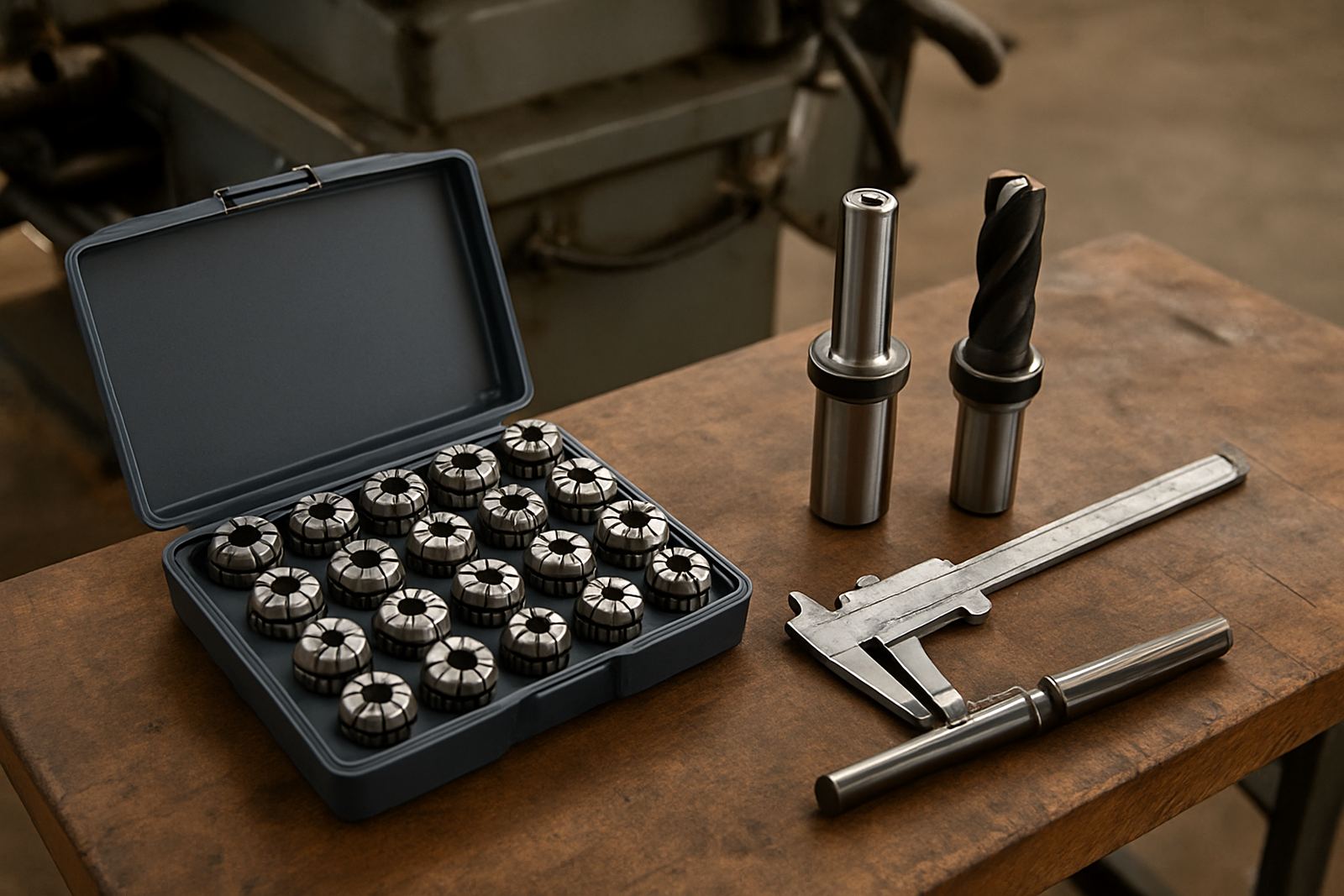
When tool life falls off, the first reaction is often to blame the cutter. Sometimes that is true. But in practice, the real cause is often elsewhere. A holder with poor concentricity, a dirty taper, a worn collet or loose vise jaws can all shorten life and make the cut noisy.
Tooling issues also appear when the shop changes material suppliers or coolant mix without updating the record. A job that used to run well can suddenly need a different feed or a different insert grade. On some machines the spindle itself may be running out more than expected. That means the tool is doing extra work on one side and failing earlier.
Watch for these warning signs:
- Repeat breakage at the same depth of cut
- Short life only on one machine or one shift
- Different finish between the first and last parts of a batch
- Frequent holder or collet cleaning issues
- Dimension creep before the tool is fully worn
If the data points to setup rather than the cutter, the answer may be presetting, runout checks, holder cleaning or vise alignment. Those small actions often recover far more life than buying a more expensive tool.
Using tool records to cut waste and price jobs properly
Once a shop has a few weeks of records, the real value starts to show. You can cost jobs more accurately, order tools in the right quantity, and avoid overchanging tools too early. That means fewer half-used cutters in the scrap bin and less emergency buying at a higher price.
Tool life data also helps with job planning. If a job needs three tool changes per shift, you can schedule them rather than interrupt the run when the operator is already under pressure. This is especially useful on long production runs where even 10 minutes of unscheduled downtime can affect delivery.
Many shops use the record to set a practical replacement point. Not the point where the tool is dead, but the point where part quality stays steady and the machine remains predictable. That is usually the better business decision.
- Estimate tool cost per part
- Compare tools across material batches
- Set replacement limits before scrap appears
- Support quotes with actual shop data
- Plan spare tools and inserts for urgent work
A Gqeberha example from a repeat turning job
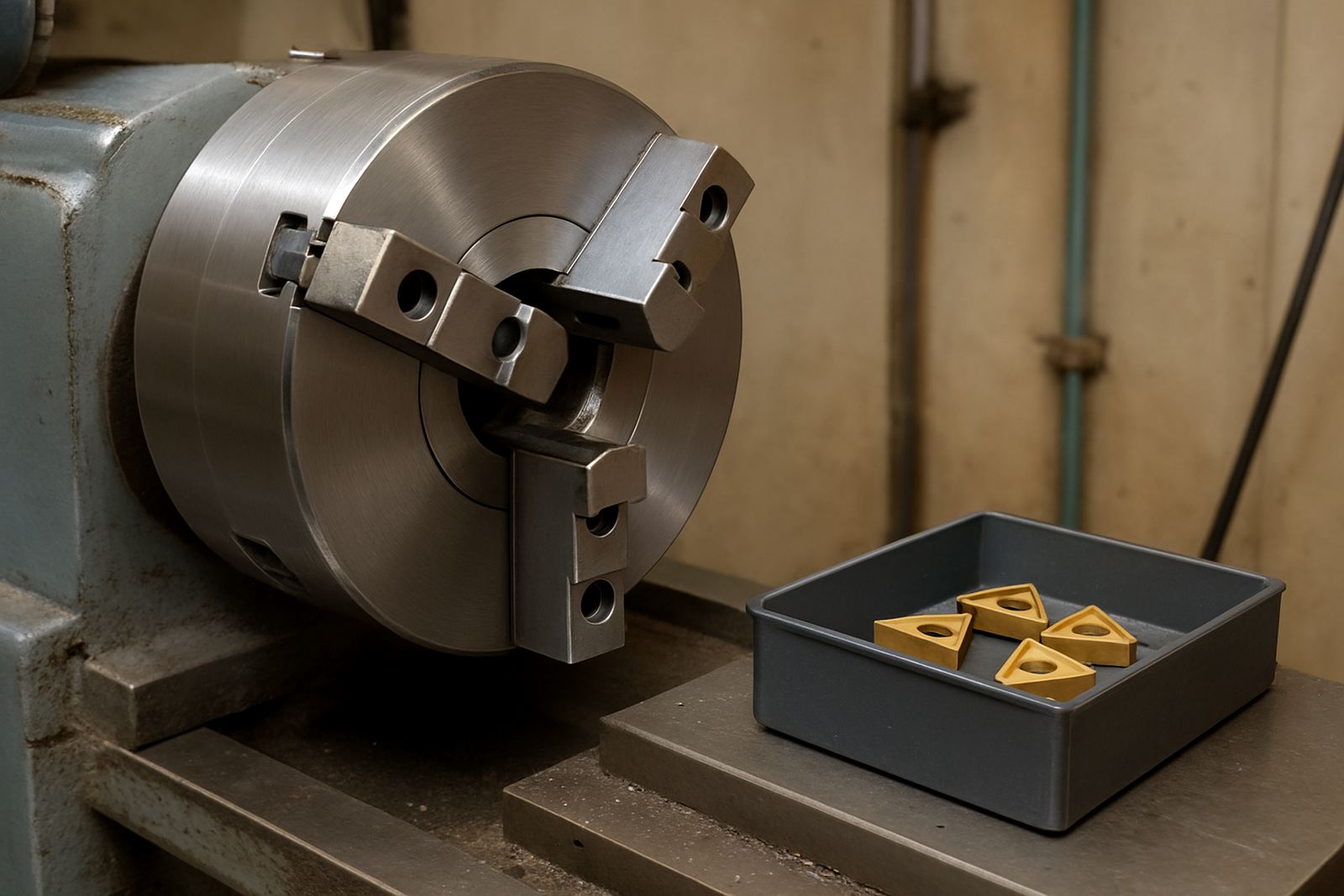
A machine shop in Struandale running a repeat turned component for local industry noticed that one insert holder was lasting only about two thirds of the expected time. The operator had already adjusted feeds twice, but the finish was still changing by the end of each batch. A simple tool life record showed the issue only happened on one machine and one setup.
After checking the holder and collet, the shop found a small amount of debris in the taper and visible wear on the clamping surfaces. Once the holder was cleaned and the runout checked, tool life improved without changing the insert grade. The shop also found that the older machine was losing time after short power interruptions, which left the tool starting and stopping more often than expected.
That one record saved the team from treating the symptom instead of the cause. It also gave the foreman a better way to brief the night shift and keep the job consistent across the week.
Keep the system simple enough that it gets used
The best tool life record is the one the shop actually keeps. If the process takes too long, people will skip it when orders are busy. Use a log sheet, whiteboard or basic spreadsheet, but keep the same fields every time. Make one person responsible for checking the entries at the end of a shift.
Review the record weekly, not once a year. Look for tools that fail early, machines that need more attention and jobs that cost more than expected. Then act on the findings with practical workshop checks, not guesswork. That may mean tool inspection, holder cleaning, presetting, scanner calibration or a closer look at the chuck jaws and vise alignment.
Tool life recording is not paperwork for the sake of it. Done properly, it keeps repeat machining steadier, reduces waste and helps a shop make better calls on every batch.