Why central supply planning saves time on the floor
When a machine shop relies on one central base for tooling support, the order process becomes easier to manage. You can plan for the parts, services, and checks that keep jobs moving, instead of reacting once a machine is already down. For shops in Gqeberha, Kariega, Despatch, Coega, and further afield, that means fewer last minute call outs and less wasted time between jobs.
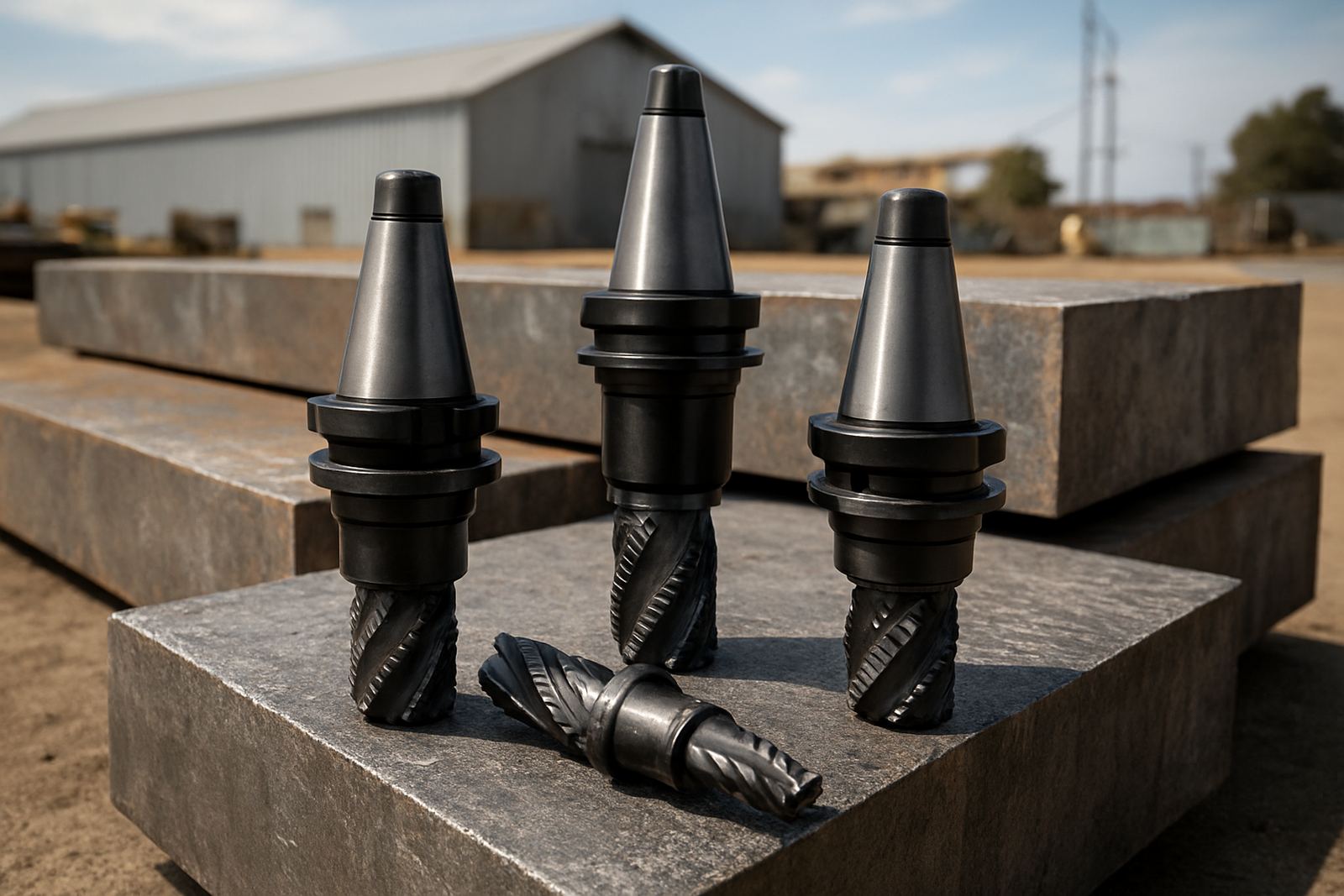
A central base also helps when different departments need different items. One job may need collets and holders, another may need a runout check, while the next batch needs chuck jaw machining or vise alignment before setup starts. If those needs are mapped out in advance, the shop can order once and avoid split orders that cost more in delivery and admin.
- Plan orders around job cards, not panic calls.
- Group consumables, service work and calibration needs together.
- Keep a simple monthly check list for every machine line.
- Use one point of contact so details do not get lost between shifts.
What to order before the machine starts making scrap
Shops often wait until a tolerance drifts before looking at the tooling setup. That can be expensive. A smarter approach is to treat ordering as part of production planning. If a turning cell is running hard, the holder cleaning and inspection cycle should be set in advance. If a milling section is changing over often, presetting and runout checks should sit on the maintenance calendar.
For 3D printing and scanning work, the same rule applies. Printer maintenance and scanner calibration should not wait for a failed part or a complaint from a customer. If the machine room is busy, and the site is affected by load shedding or backup power changes, it is even more important to check equipment before the pressure builds up.
- Set reorder points for high-use items like collets and tool holders.
- Schedule service work by machine hours, not only by calendar date.
- Separate urgent repairs from planned support so the shop stays organised.
- Keep a note of repeat faults, then order around those patterns.
A practical buying rhythm for South African workshops
South African machine shops do best when buying follows a rhythm that suits local operating conditions. Coastal humidity can affect stored items, especially if a workshop is close to the harbour side of Gqeberha or working around the industrial areas of Markman and Struandale. That makes proper storage and cleaning part of the purchasing decision, not an afterthought.
A good rhythm is simple. Check stock at the start of the month, compare it to machine usage, then place the next order before the low point arrives. This avoids expensive courier rushes and helps the team stay focused on production. It also makes it easier to plan collection and delivery where needed, which is useful for shops balancing shifts, transport access and municipal operating hours.
- Inspect stored tooling for dust, surface marks and moisture.
- Keep items clearly marked by machine line or job type.
- Use one monthly review to identify slow moving and fast moving stock.
- Match delivery timing to the workshop's shift pattern.
Why service work matters as much as stock on hand
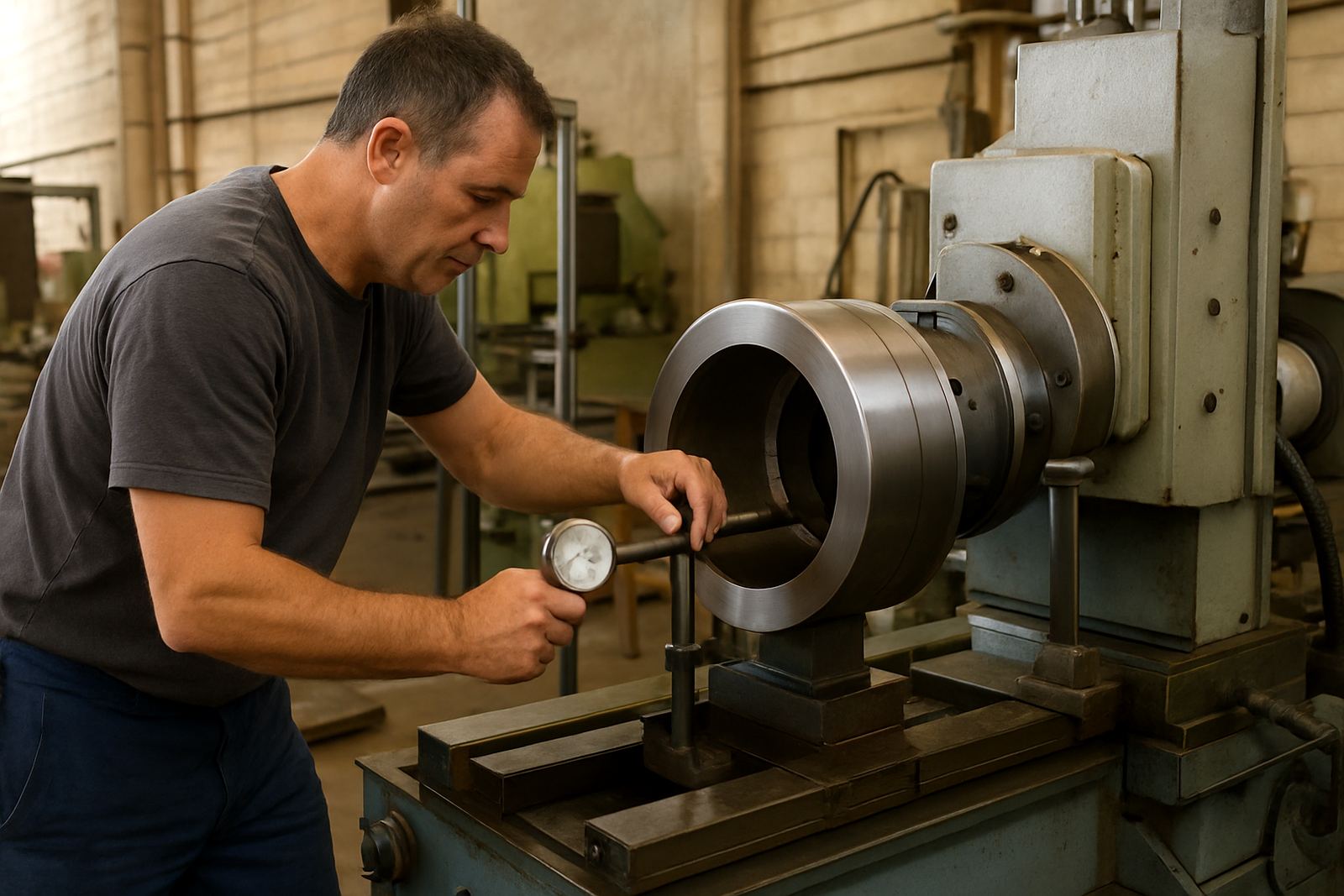
Many shops think supply planning ends when the parcel arrives. In practice, the machine only performs as well as the condition of the setup around it. Tool regrinding, holder cleaning, and inspection work all support the same goal, which is stable output with fewer surprises. If a chuck jaw is worn or a vise is out of line, a fresh tool will not fix the root problem.
That is why it helps to keep service tasks in the same planning process as purchasing. Instead of waiting for a fault, build the service list into the weekly schedule. The team then knows what must be sent in, what can be checked on site, and what should be ready before the next production run starts.
- Combine inspection with routine cleaning so issues are caught early.
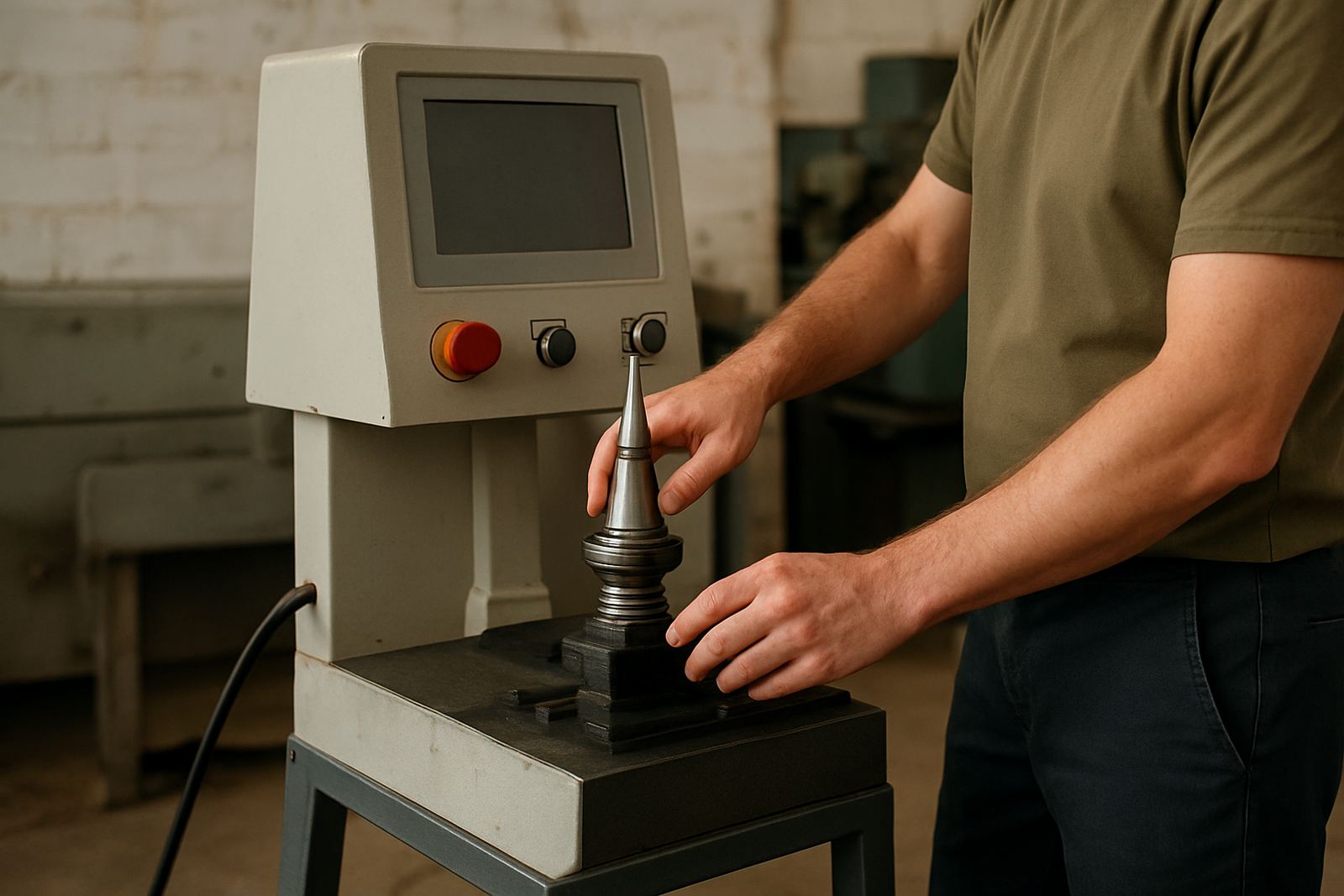
- Use presetting support before new batch work goes live.
- Track repeat wear on jaws, holders and clamping systems.
- Ask for delivery and collection when downtime has to stay short.
Local example from Struandale to the rest of the country
Take a workshop in Struandale running mixed work for local automotive and engineering clients. Monday may start with a milling order that needs fresh setup control, while Tuesday brings a turning job that depends on accurate collets and a clean holder interface. If the shop waits until each machine is already booked out, the team ends up chasing parts instead of controlling the schedule.
A better method is to list the week's expected jobs on Friday, check what support each machine needs, then place one planned order. If a service item must come in from outside Gqeberha, the shop can still keep the line running by timing the work around the delivery. Shops in Coega, Port Elizabeth CBD, Despatch, and Kariega can use the same approach, even if they run different volumes. The principle stays the same: plan the supply around production, not the other way around.
A simple national ordering checklist for shop managers
National supply planning does not have to be complicated. It just needs discipline. A shop manager can keep control by using one checklist for all machines, one contact for support, and one clear plan for service intervals. That is easier for the team, easier for the buyer, and better for machines that must keep working through long shifts and power interruptions.
With the right process, a central base in Gqeberha can support machine shops across South Africa without making the ordering side messy. The goal is not more paperwork. It is fewer mistakes, less waiting and better use of every Rand spent on tooling and support.
- Review machine usage every week.
- Note stock below minimum levels immediately.
- Book service work before failure, not after.
- Keep delivery details current for every site.