Start with the job, not the catalogue
When a workshop is comparing tooling, the first question should be simple: what job must this setup do every day, and what tolerance must it hold? A turning shop in Struandale will weigh tool life, insert access and chip control differently to a maintenance team in Coega looking for quick changeovers and repeatable setup. The right choice depends on material, batch size, spindle speed, coolant use and how often the machine stops for changeovers.
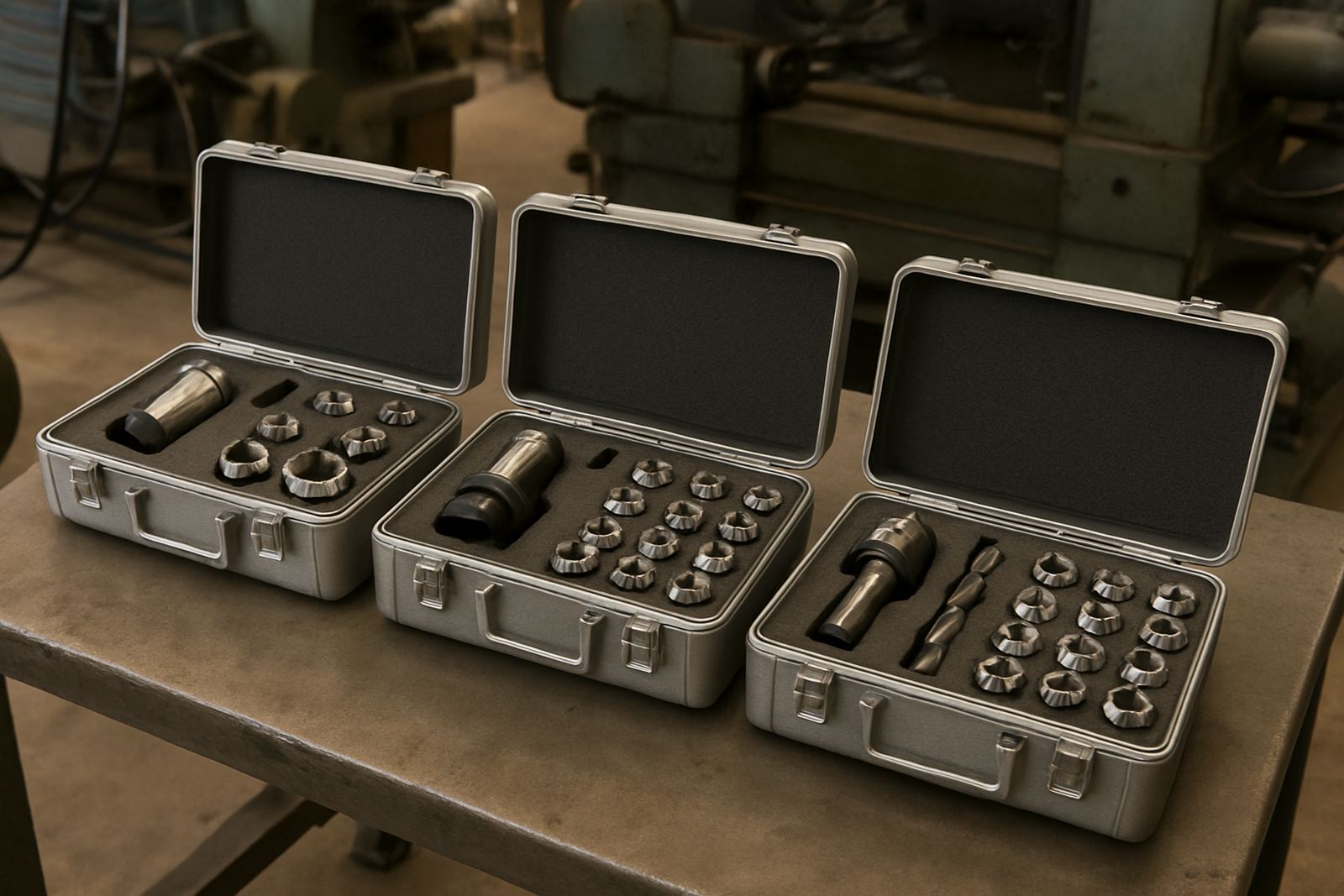
These guides help you narrow the field before you spend money. If you are running mild steel, stainless, aluminium or hardened parts, the needs shift quickly. A collet set that suits light finishing may not suit heavier cuts, and a workholding choice that looks fine on paper can still struggle with runout, vibration or awkward clamping points.
How to compare tooling without wasting time
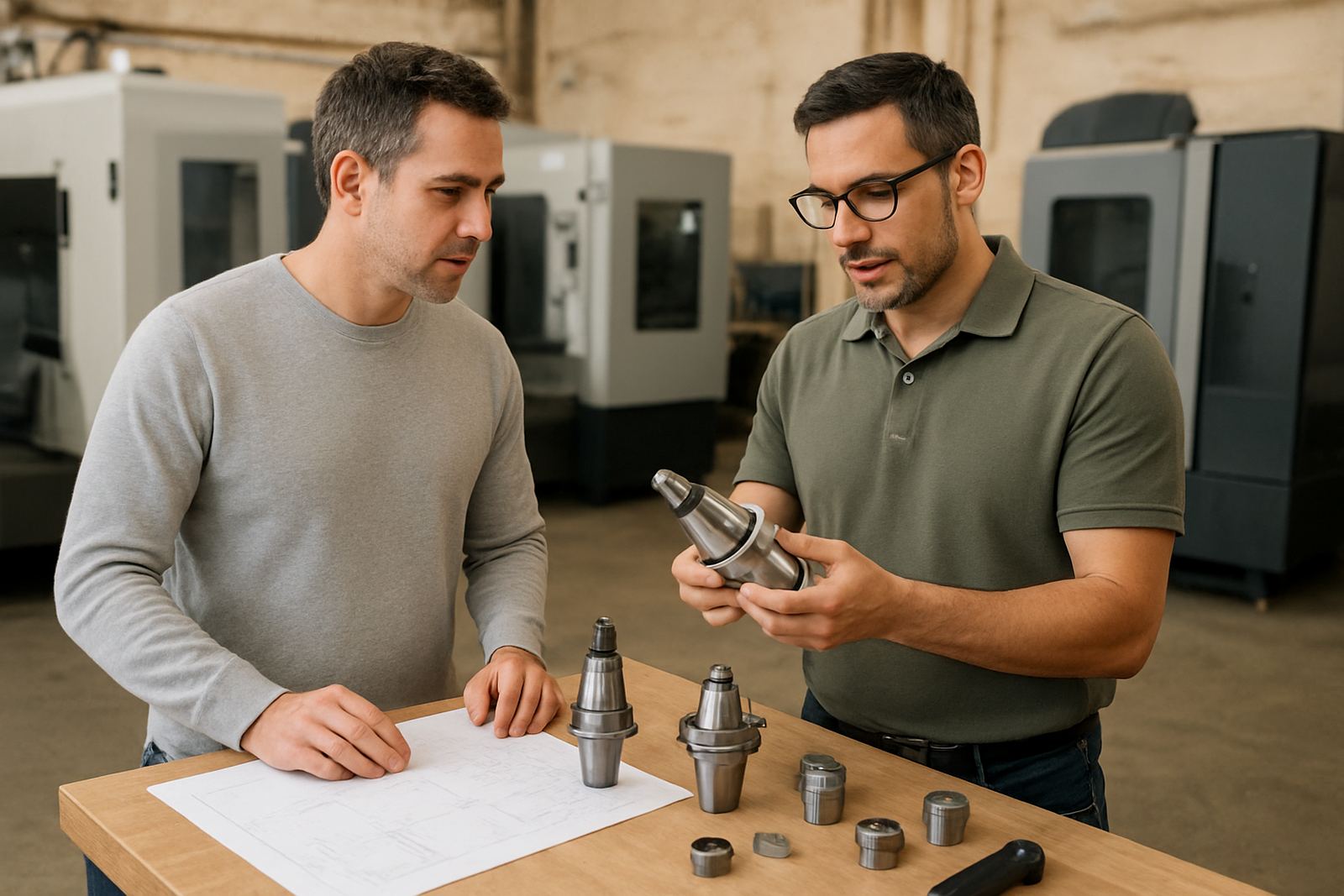
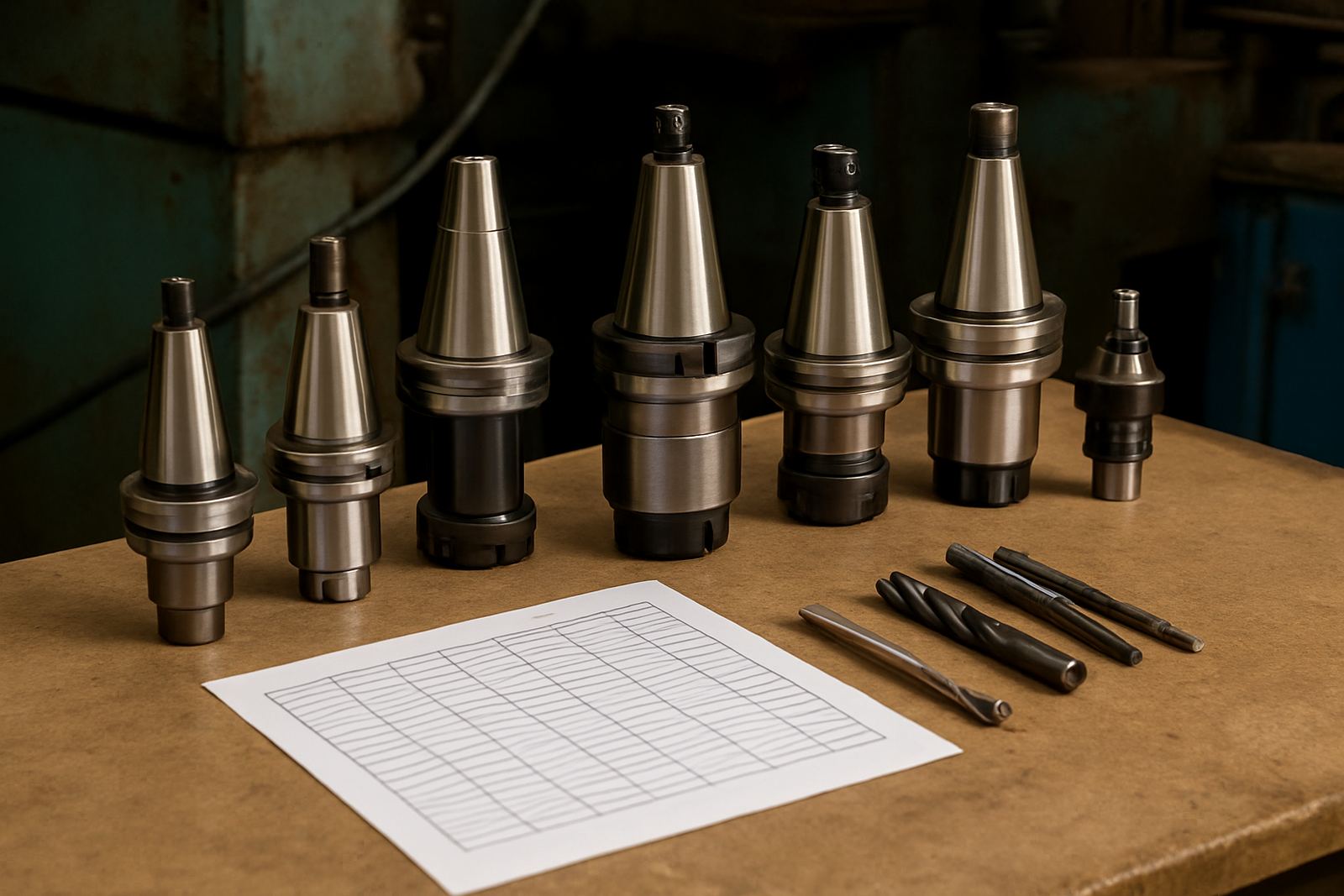
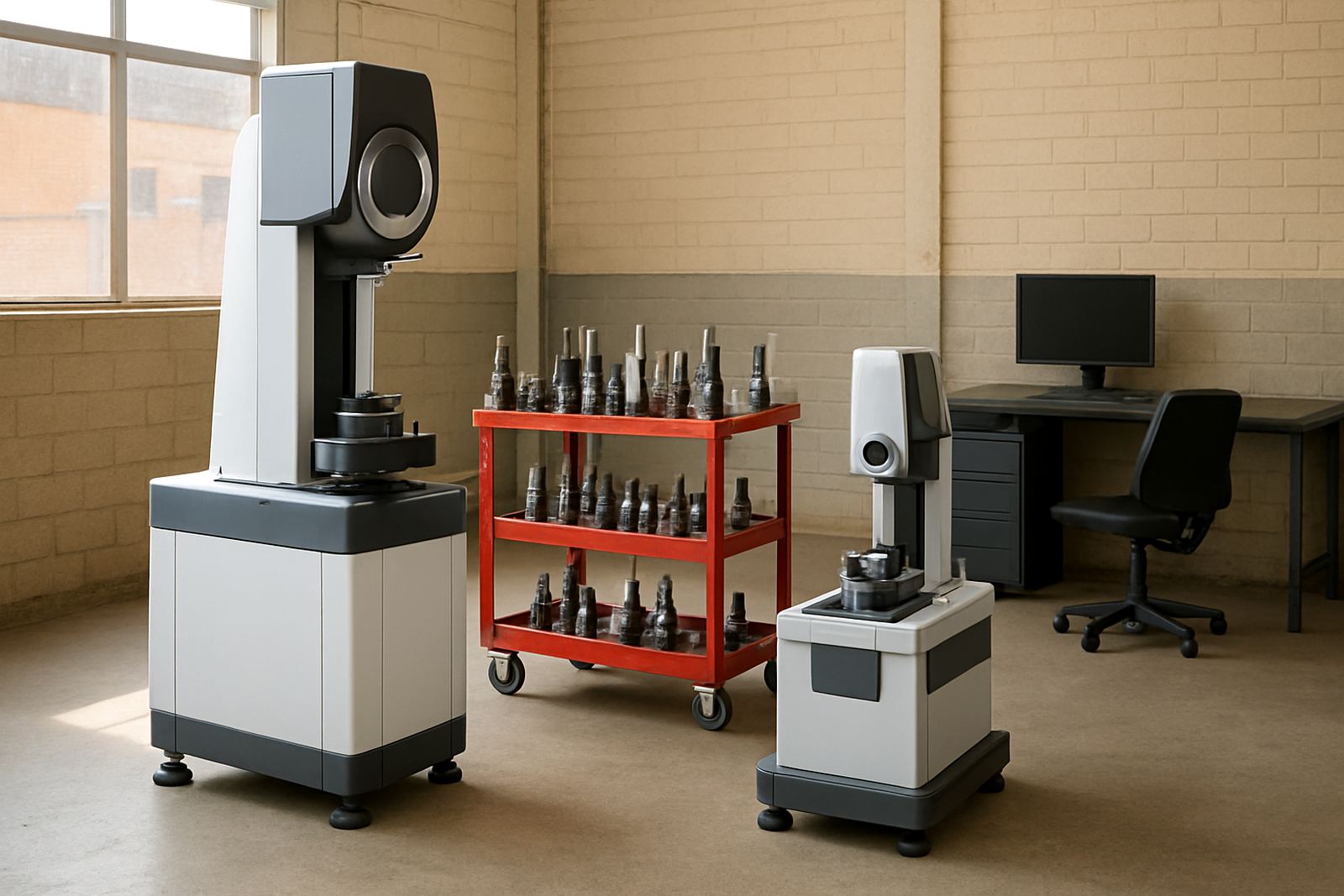
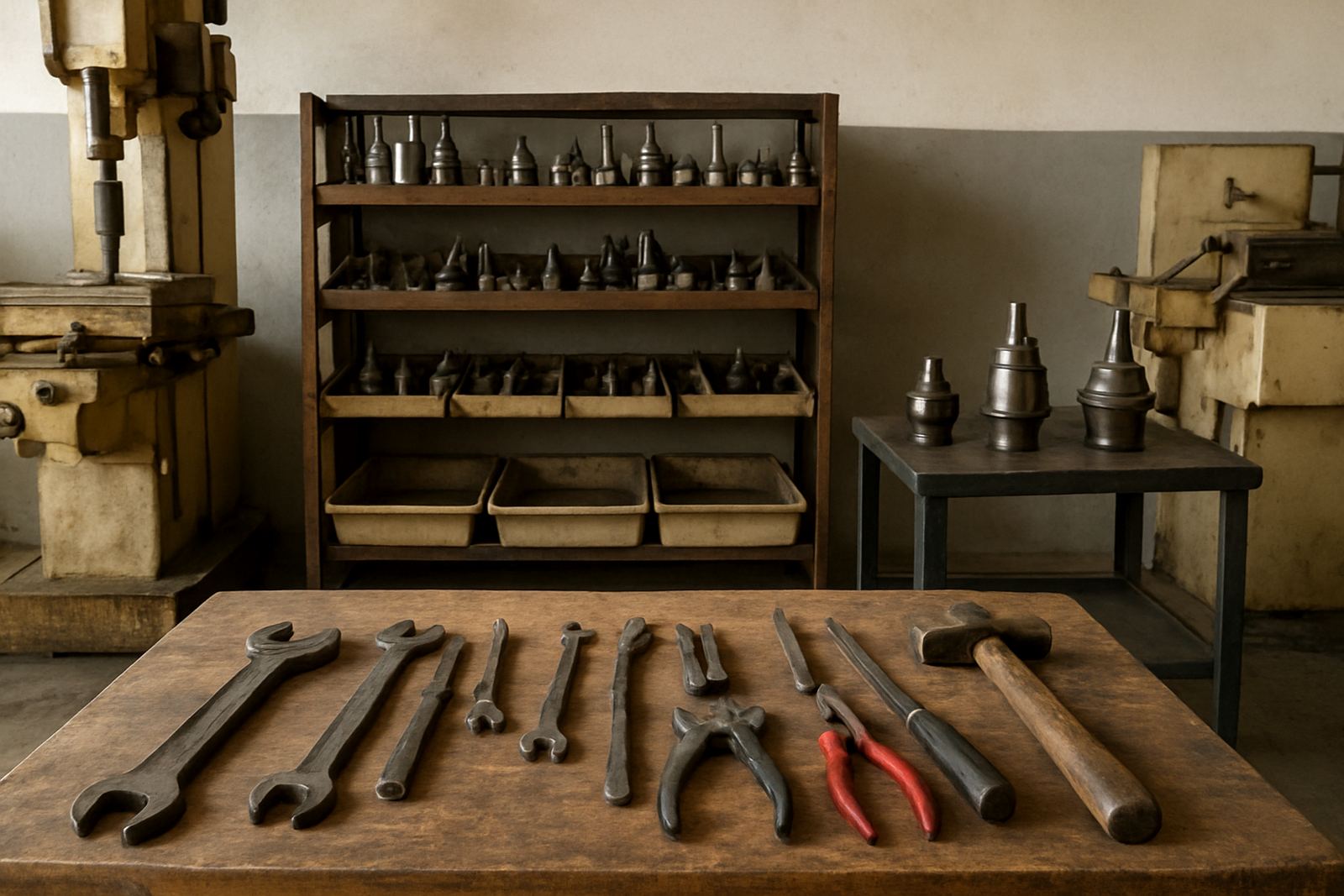
Tooling decisions are easier when the workshop looks at measurable points instead of sales talk. Check fit, concentricity, repeatability and service support. If you are buying holders or collets, ask how they will be inspected, cleaned and stored. Even a high quality part loses accuracy if chips, nicks or poor handling are ignored.
- Match the shank size and taper to the machine spindle and the actual work envelope.
- Check runout limits for roughing, finishing and small diameter tools.
- Ask whether presetting and inspection are available for faster setup.
- Confirm replacement parts and servicing turnarounds for busy sites.
For many South African workshops, downtime costs more than the part itself. That is why practical support matters just as much as the product spec.
Choosing CNC machines for local conditions
A CNC machine guide should account for power interruptions, heat, dust and day to day production pressure. In many plants, load-shedding planning is part of normal operations, so buyers need to know how the machine behaves after a restart and whether the control system protects jobs safely. Reliability, service access and operator friendliness often matter more than features that are only used once in a while.
Think about footprint, floor loading and aisle space too. A machine that fits the price may still be wrong if it cannot be serviced easily or if the workshop has limited lifting access. In Gqeberha and the surrounding industrial areas, salty air and coastal humidity can also affect storage, electrical cabinets and exposed components, so proper protection and maintenance routines are worth asking about.
When 3D printing or scanning makes sense
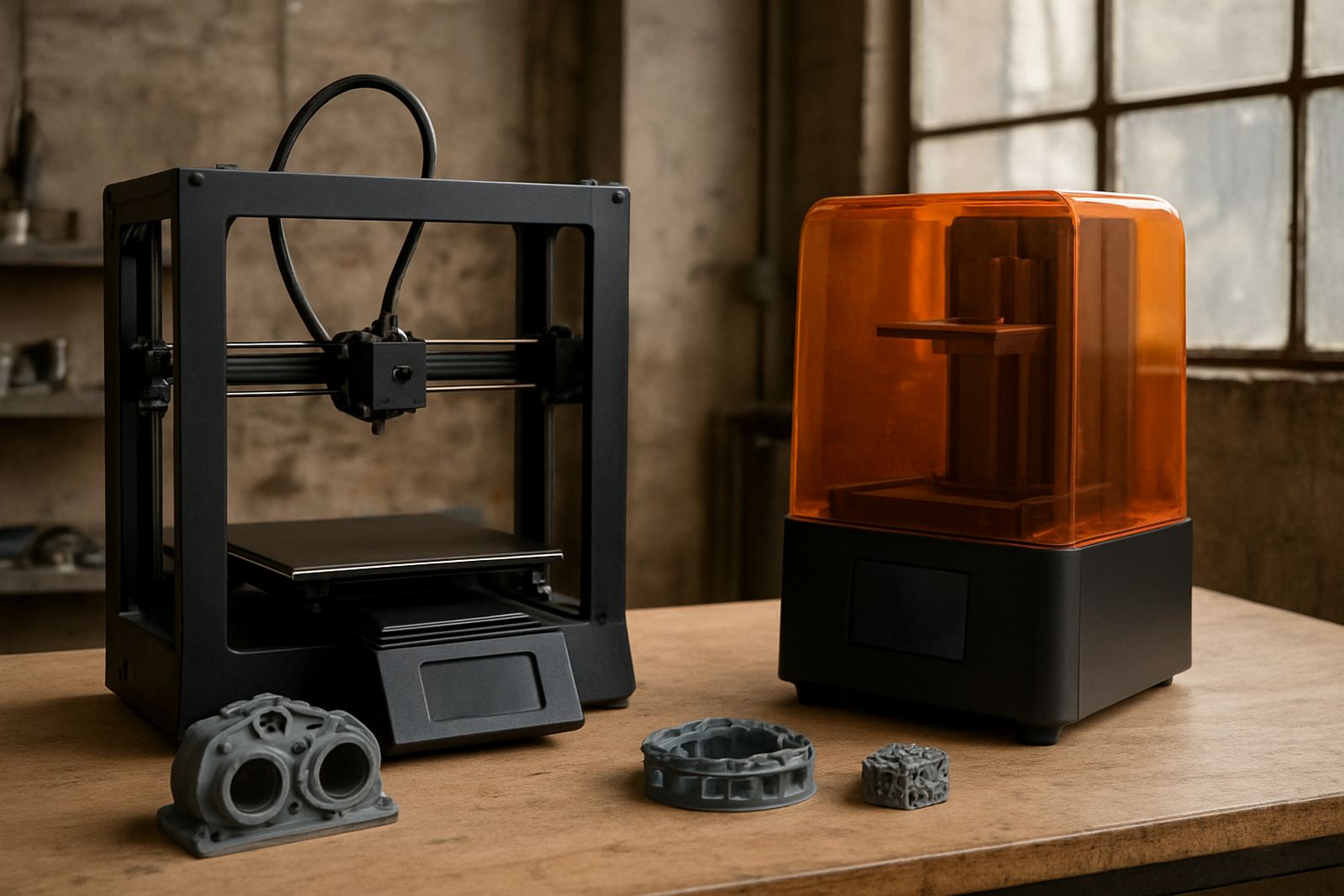
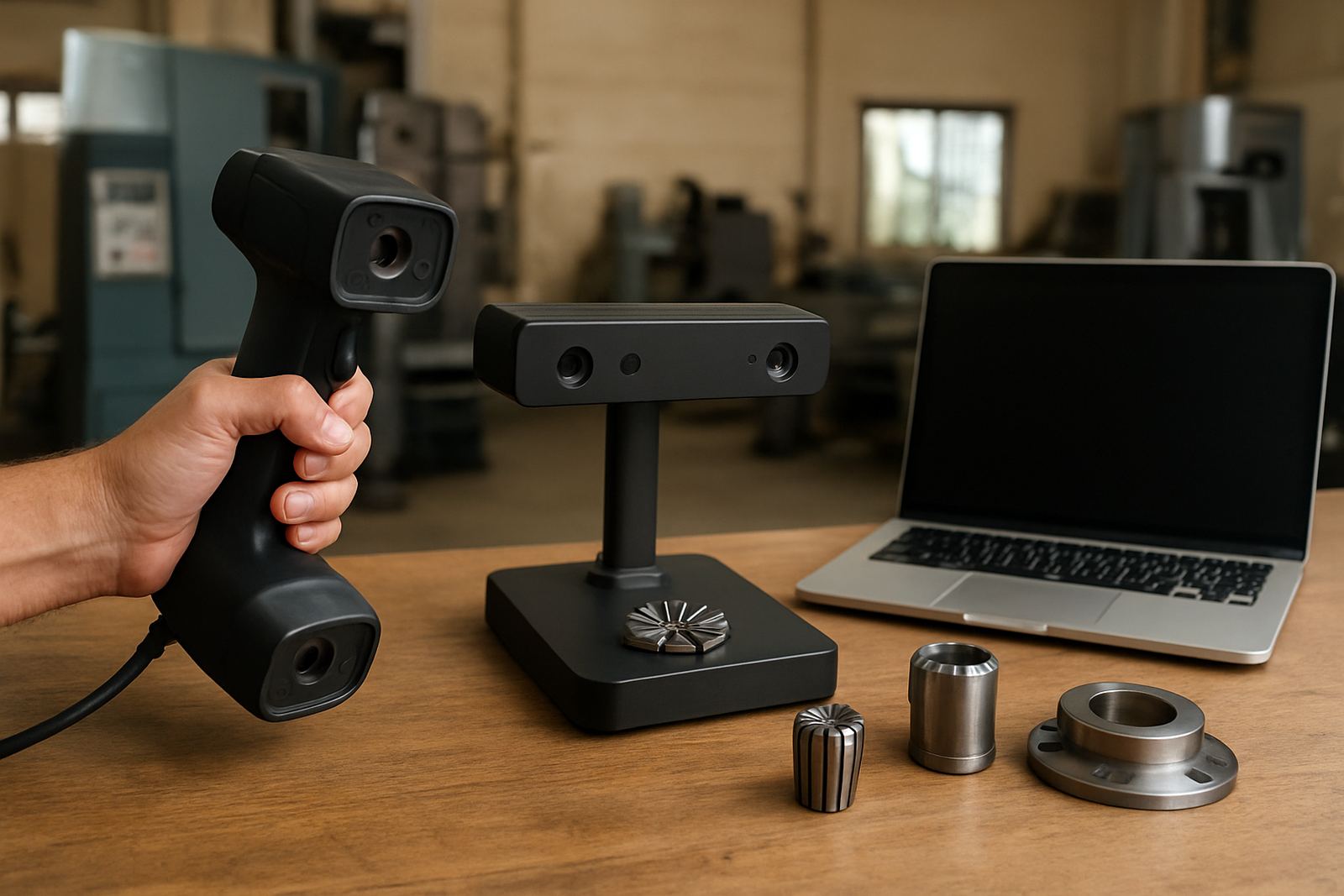
3D printing and scanning are useful when a workshop needs fast prototyping, reverse engineering or short-run parts without tying up milling capacity. They are also practical for checking geometry, confirming fitment and reducing rework before a final part is machined. The key is to choose the method that suits the part and the production target, not the one that sounds newest.
- Use scanning when you need accurate capture of an existing part or worn component.
- Use printing for prototypes, jigs, covers and low-load fixtures.
- Check layer resolution, material choice and post-processing needs.
- Confirm calibration and maintenance support so output stays consistent.
For maintenance teams, this can save hours on site. For production managers, it can reduce waiting time on custom tooling and small replacement parts.
Workholding that supports accuracy on the shop floor
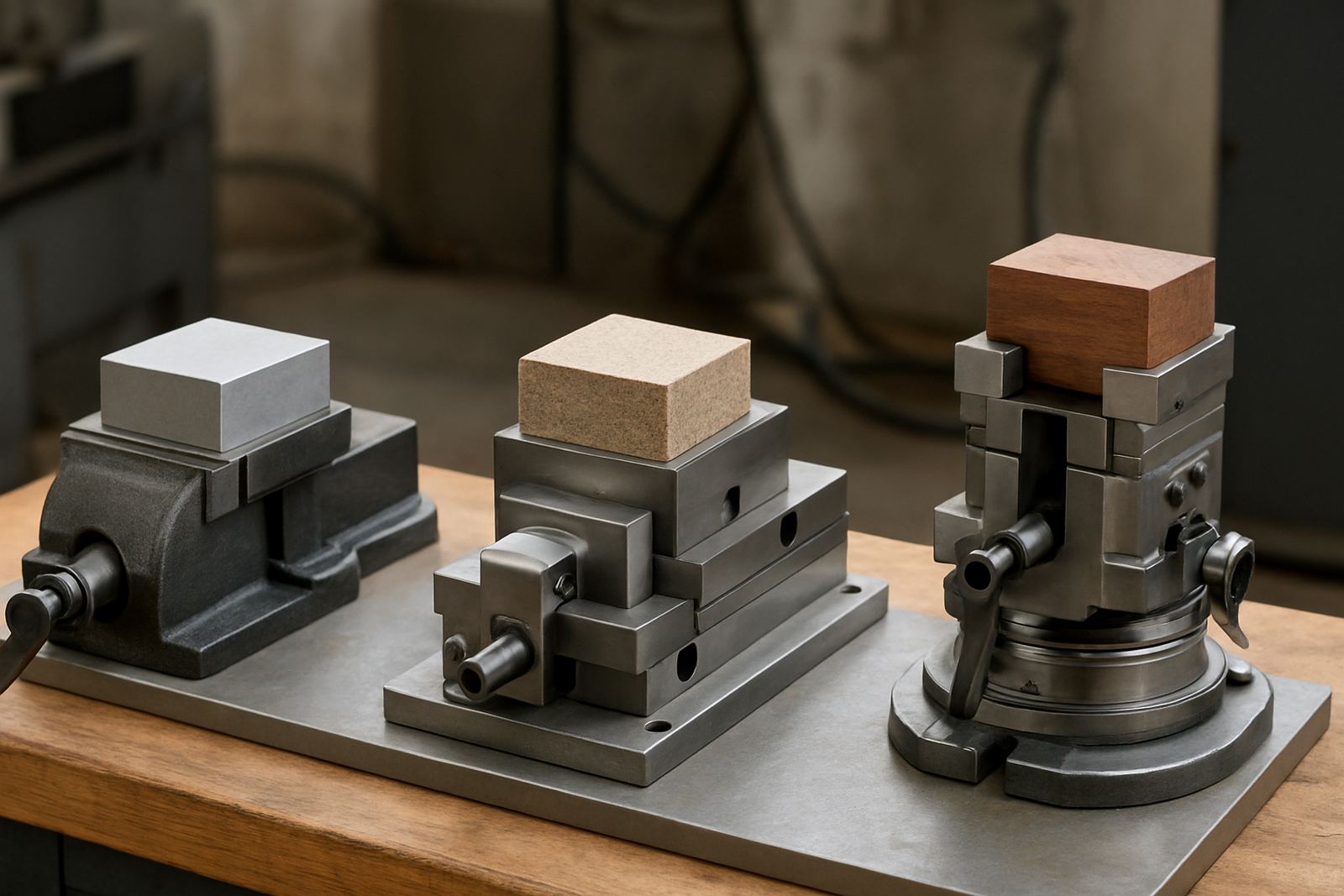
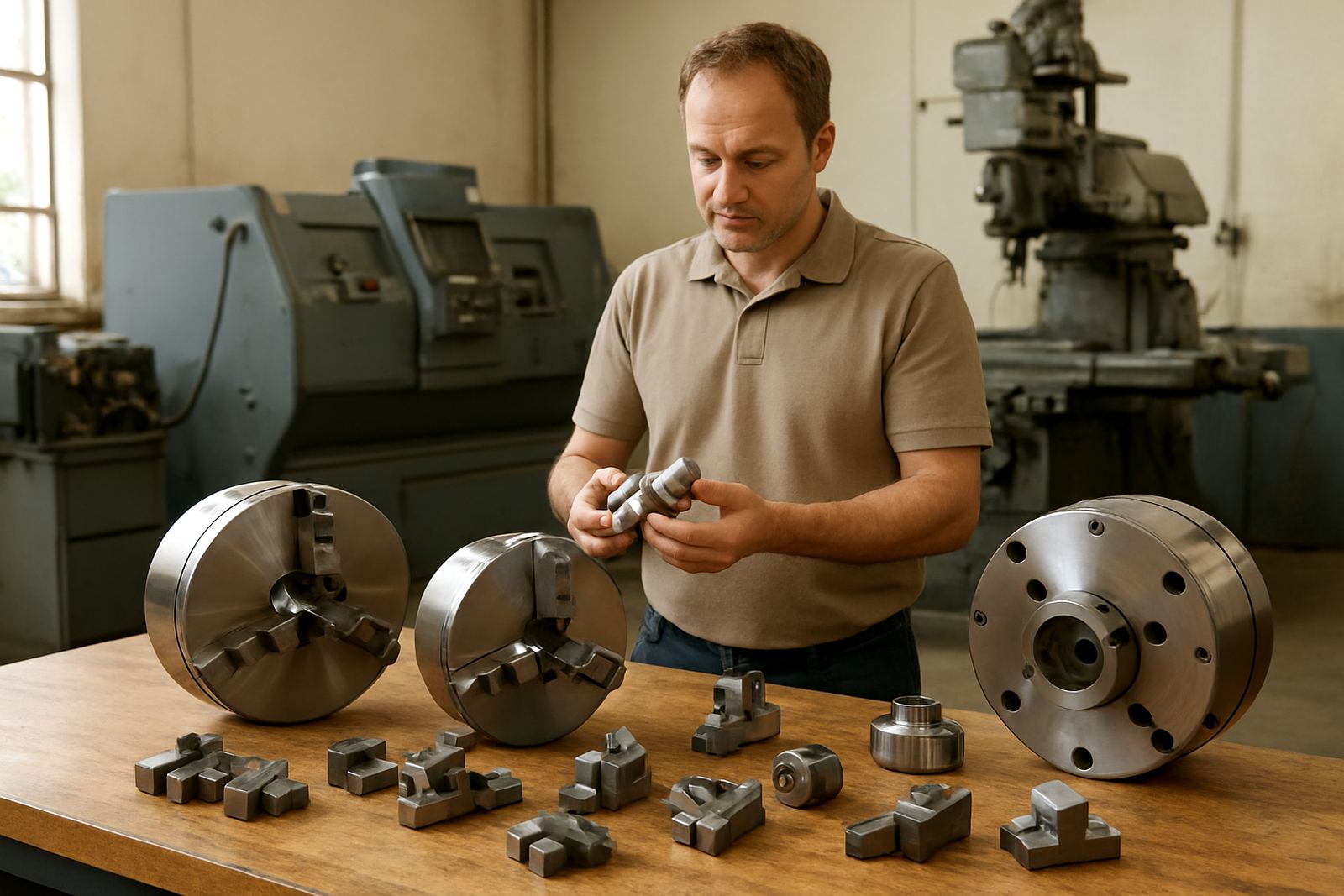
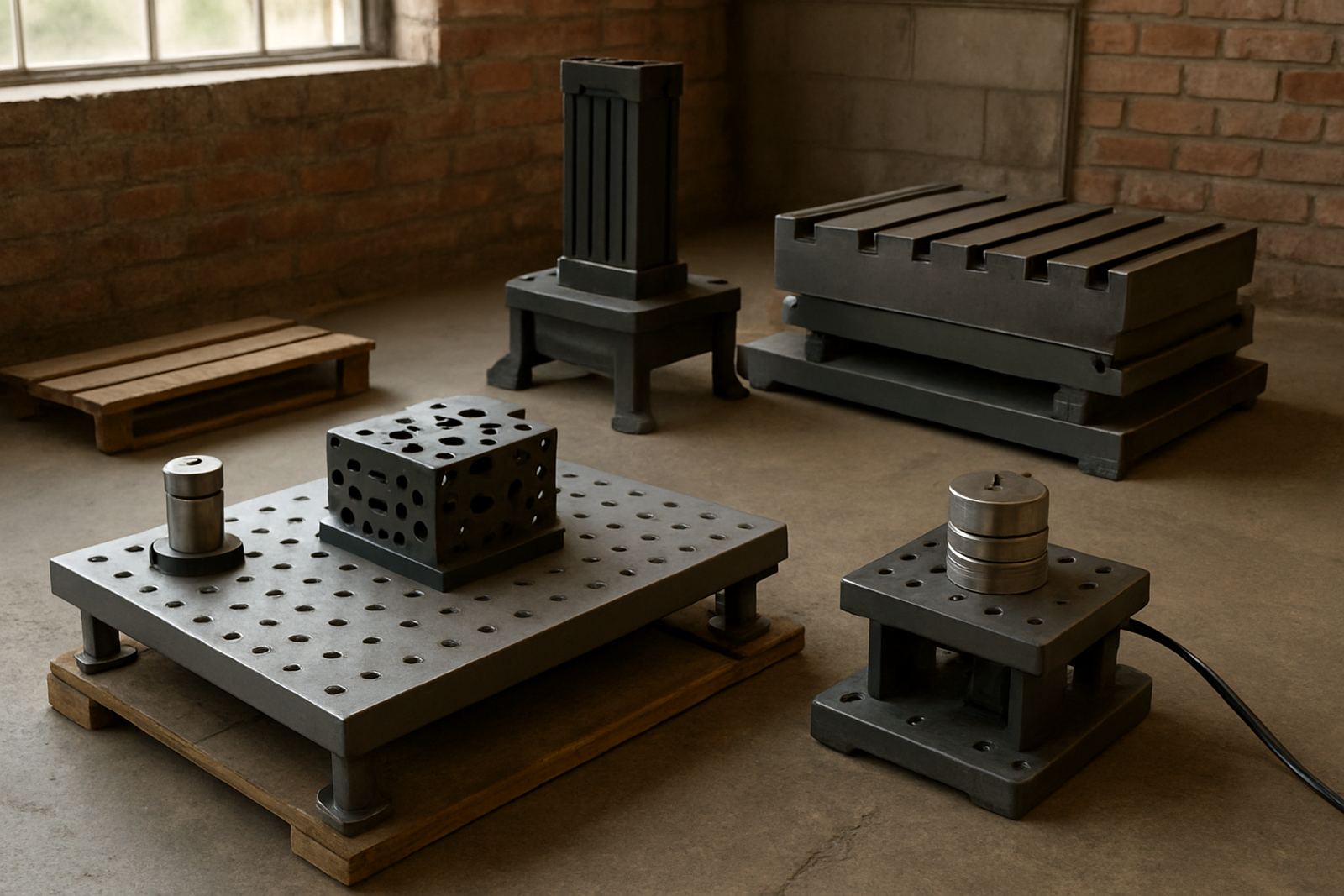
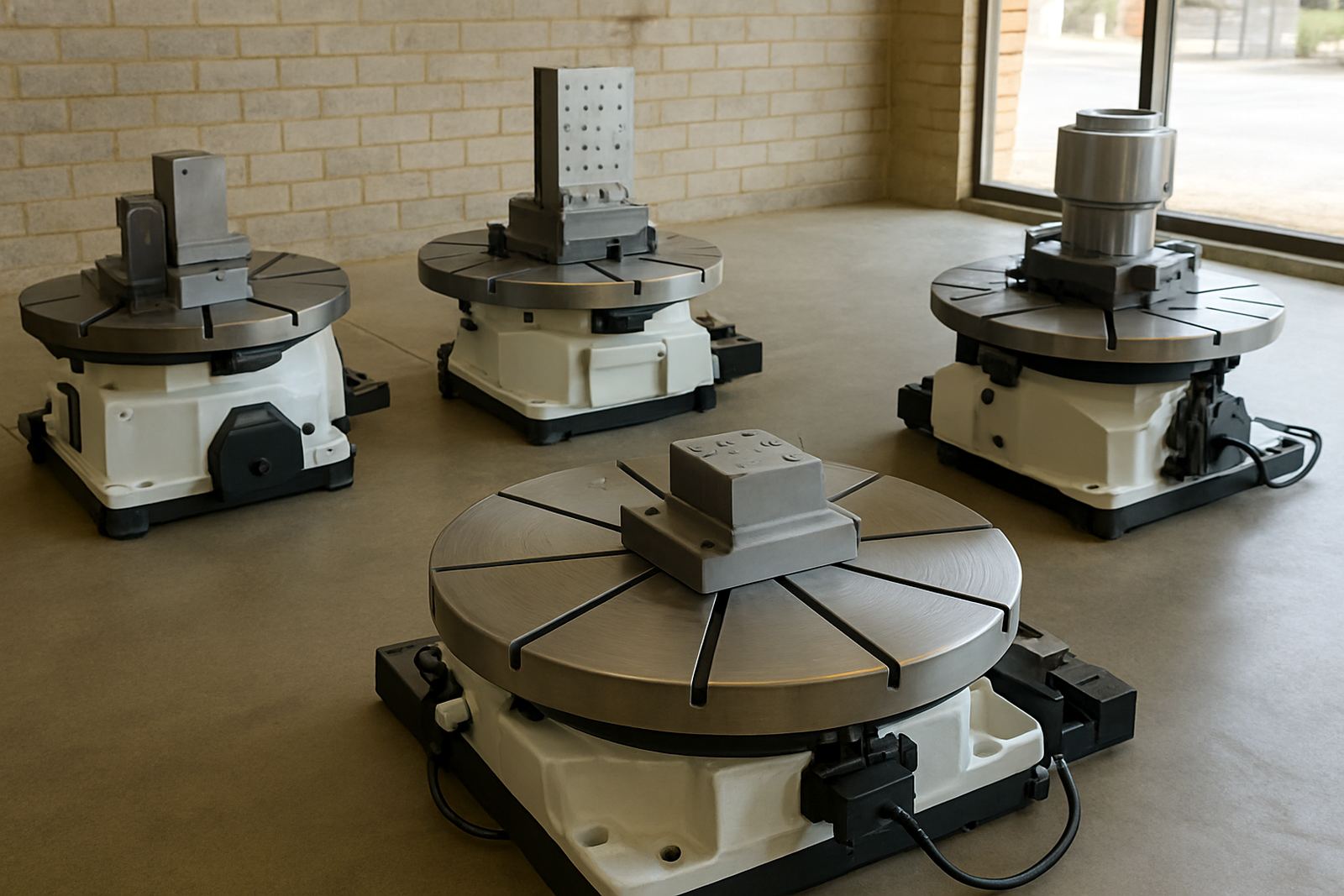
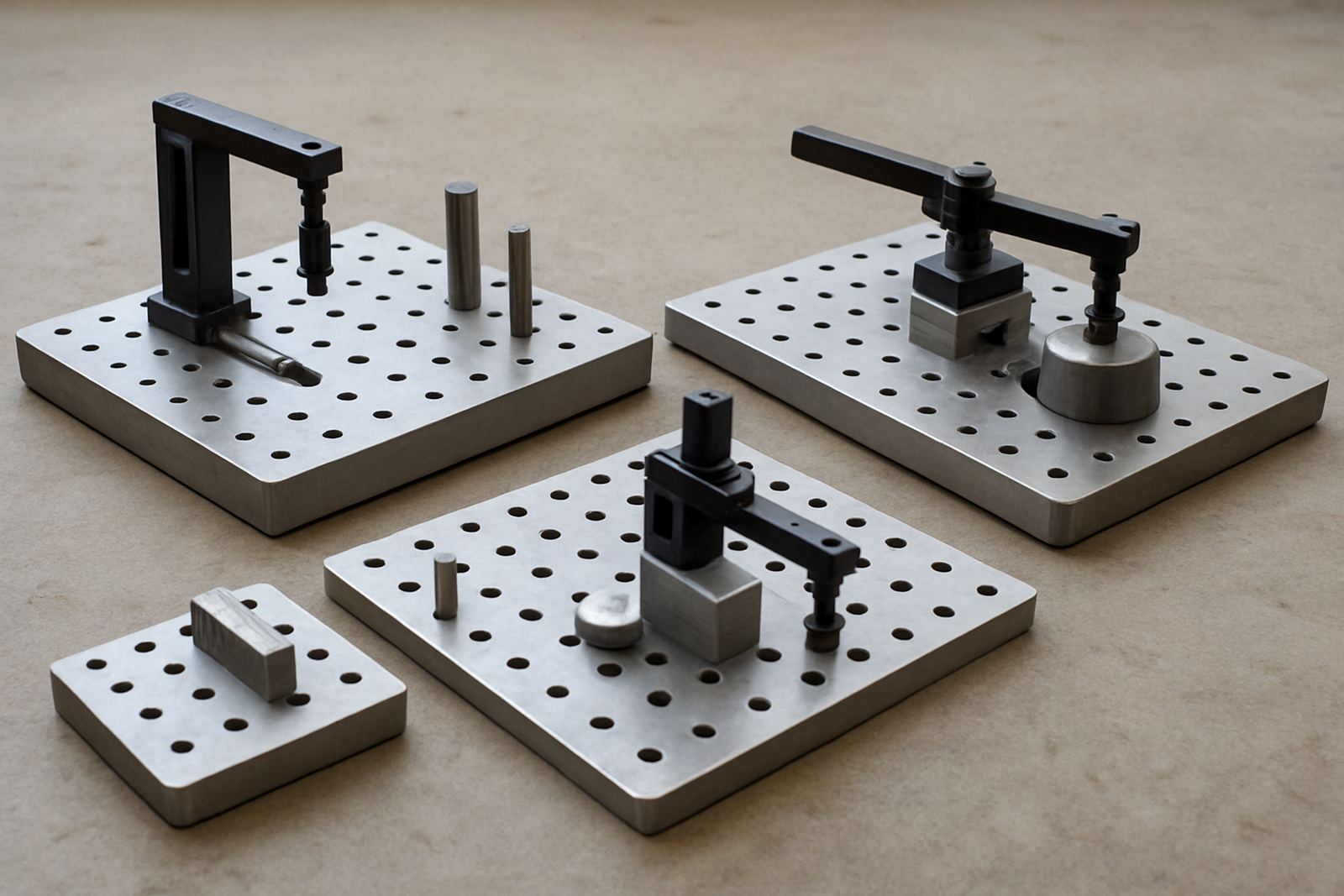
Workholding should hold the part securely without distorting it. That sounds basic, but it is where many setup problems start. A vice that is out of alignment or jaws that are worn can throw off repeatability across a full shift. Chuck jaw machining, vice alignment and holder cleaning all play a role in keeping the machine producing within spec.
If you are comparing clamping systems, look at jaw style, access for the cutter, part changeover time and how easily the setup can be checked by operators. A well chosen system saves time on every run, while a poor one creates small errors that add up quickly. In a busy shop, that can mean extra scrap, rework and frustration.
Support services that keep equipment working
A good selection guide should not stop at the equipment spec. Service support is part of the purchase decision because machines and tooling need upkeep from day one. Regrinding, runout checks, presetting, scanner calibration and printer maintenance all help preserve accuracy and extend working life. If a supplier can collect and deliver, that makes a real difference for teams that cannot spare transport or time.
Before you commit, ask how often the equipment should be checked and what signs point to wear. Small issues like poor holder cleaning or a dull cutting edge can affect finish quality long before a full breakdown appears. A practical support plan keeps production moving and makes the workshop easier to run.