Why probing earns its keep before the first cut
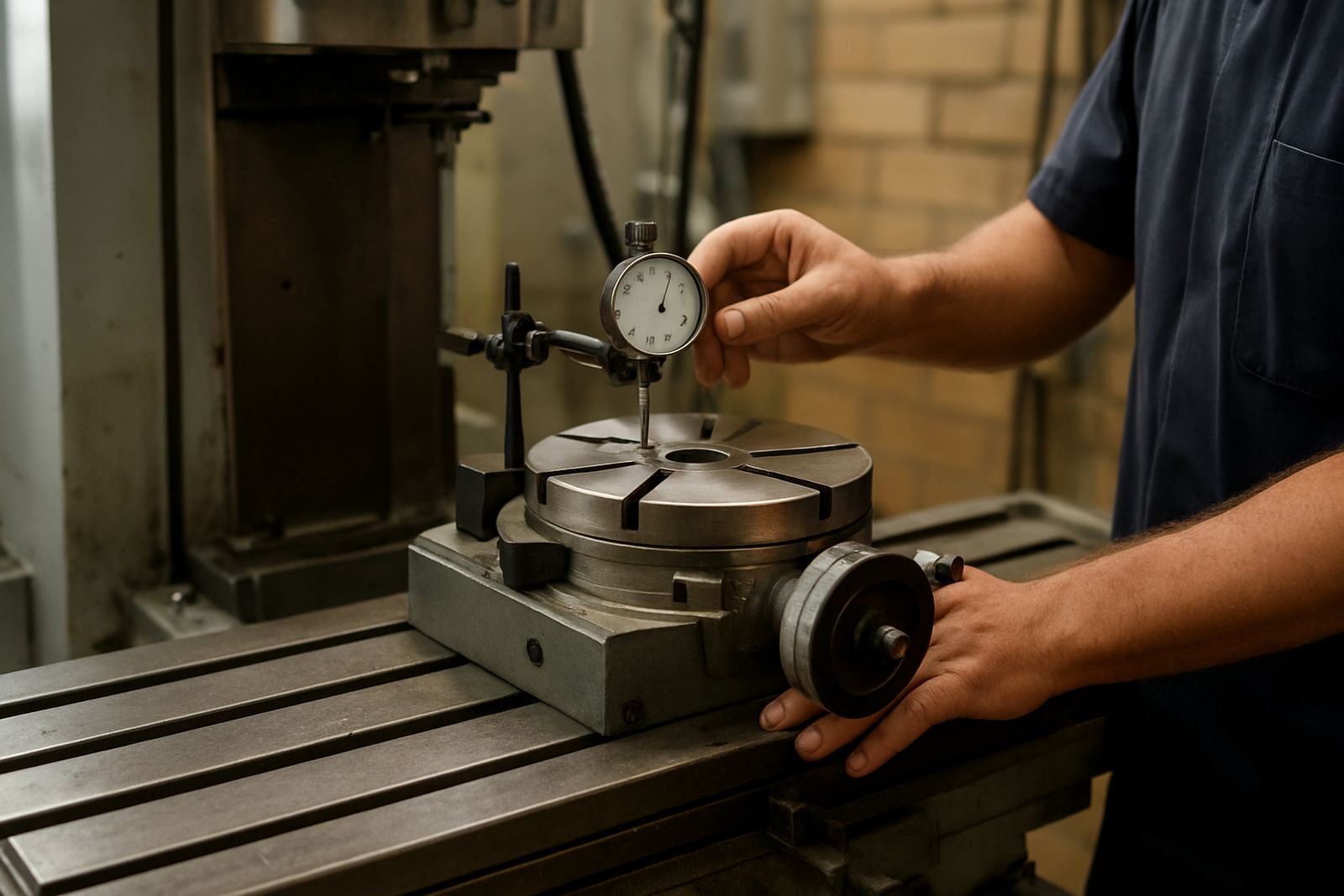
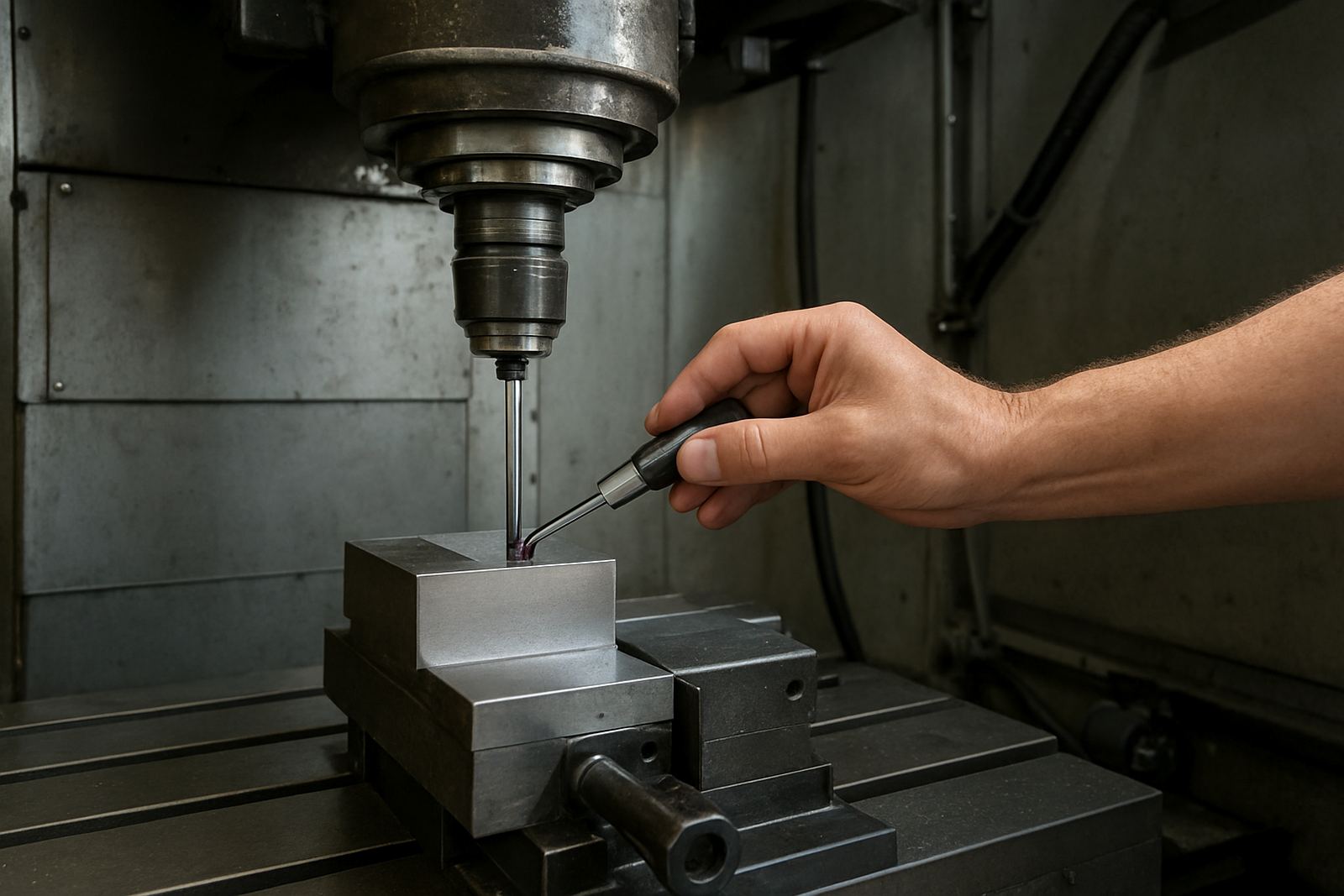
Probing is often treated as a quick extra step, but it is one of the most practical checks in the whole setup. A few measured touches can confirm part position, stock height, vice alignment and tool length before any material is removed. That means less guesswork, fewer crashed tools and a better chance of getting the first part right.
For shops in Struandale, Markman and Coega, the value is simple: machine time is too expensive to waste on avoidable errors. If a job is running on a tight shift, or the power comes back after a load-shedding interruption, a reliable probing routine helps the operator confirm that nothing shifted while the machine was stopped. It also gives the supervisor a cleaner handover between shifts, which is useful when several people touch the same setup in one day.
Probing is not about making the process complicated. It is about checking the basics in a way that can be repeated. Once the routine is standardised, the shop can train new operators faster and keep quality steadier across different jobs and machines.
The setup checks worth doing every time
Not every probing cycle needs to be long. The best routines focus on the checks that prevent expensive mistakes. On turning and milling jobs, that usually means finding the true work position, confirming the face or top surface, and verifying the first tool is actually where the program expects it to be.
- Check the raw stock position before the cycle starts
- Confirm vice jaws or fixtures are sitting square and clamped properly
- Measure tool length and diameter where needed
- Verify part height or top surface after loading
- Run a first-piece check before committing to full production
That list may look basic, but basic is where most setup mistakes live. A part sitting 1 mm off can become a costly machining error by the time the final operation starts. On a long run, one missed offset can affect every component in the batch, not just the first one.
In shops working with tighter tolerances, a probing cycle also helps spot wear before it shows up in the final part. That is especially useful on repeat work where the fixture, cutter or tool holder has already seen many hours of use.
What probing catches that the eye can miss
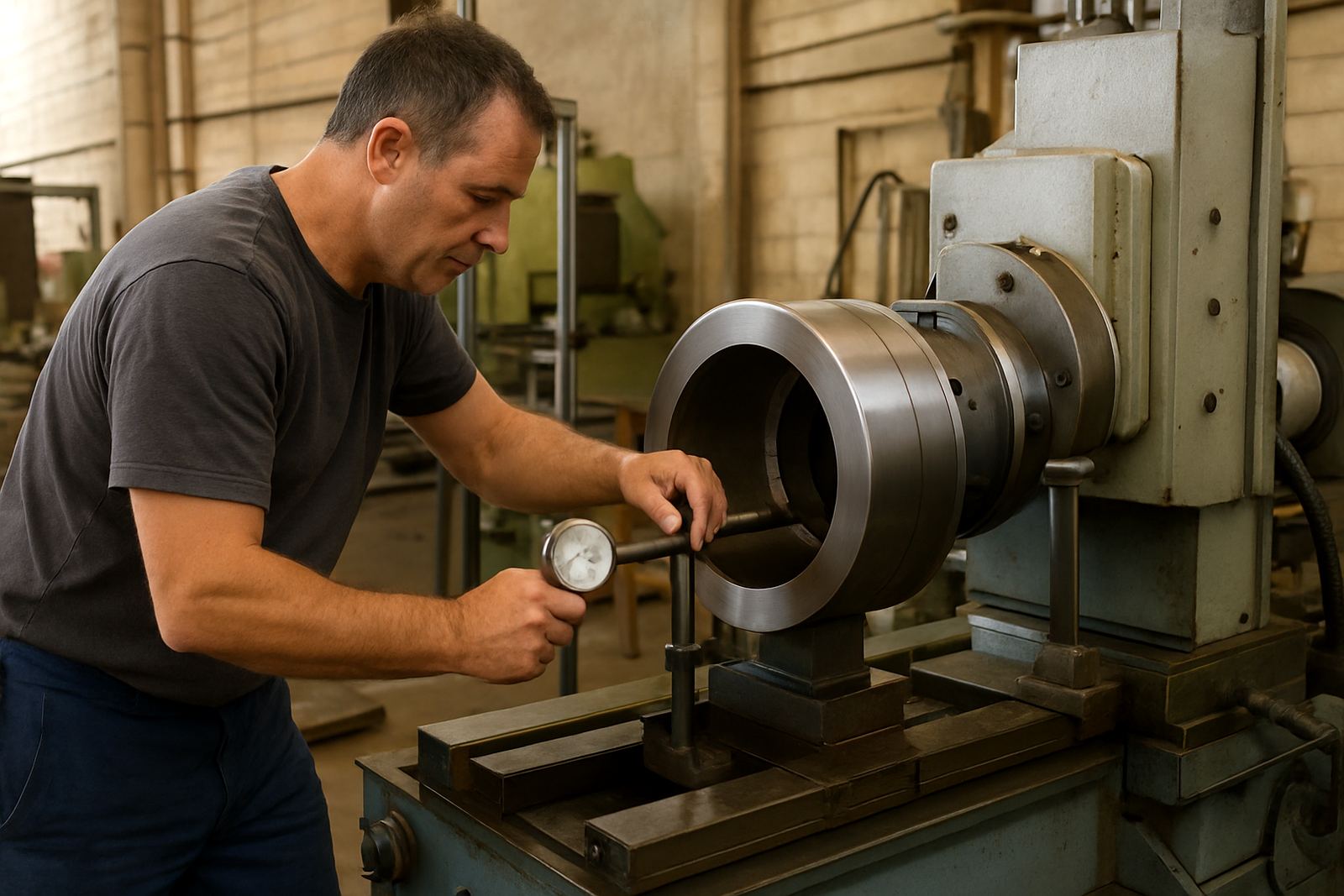
An experienced setter can spot plenty by sight, but probing catches what sight alone can miss. A workpiece may look seated correctly even when a chip is trapped under it. A vice may look straight while the jaw face is slightly out. A tool may look fine in the holder yet still run with measurable runout.
That is where a proper probing routine pays for itself. It gives numbers, not assumptions. A machine shop in Gqeberha that machines small precision parts for agricultural, automotive or general engineering work cannot afford to rely on habit alone. Probe results show whether the setup is stable enough to proceed or whether it needs correction first.
When the job is more complex, probing also helps confirm orientation. On a part with multiple faces, one wrong zero point can send the cutter into the wrong edge, and that mistake usually appears very quickly. The earlier it is found the cheaper it is to fix.
It helps to keep the routine short enough that operators will actually use it every time. If the checklist takes too long, it starts getting skipped when the workshop is under pressure. A good routine is practical, repeatable and suited to the pace of the floor.
A local example from a busy Gqeberha shop
Consider a shop in Struandale running mixed work for a few customers in one day. The morning starts with a small batch of components, then moves to a one-off repair part after lunch. The operator is under pressure because the delivery truck must leave before 4 pm and the next shift needs the machine cleared.
Without a probing routine, the setup might look acceptable at a glance. But if the stock was loaded slightly high, or the vice was cleaned in a hurry, the first cut could leave too little material for the finishing pass. That may only become clear after the part is already half machined. With probing in place, the machine confirms the setup before cutting begins, and the job can be corrected while the fix is still simple.
That sort of control matters just as much in Kariega, Despatch and the Port Elizabeth CBD, where many smaller workshops rely on short lead times and careful material use. When a job is one of several in the queue, losing half an hour to a wrong setup can upset the whole day.
How to keep probing routines consistent across shifts
Consistency is the real value. A probing routine only works if the same steps are followed every time, by every operator. That is why many shops build the process into their setup sheets or job cards. The operator knows what to check, in what order and what counts as acceptable before cutting starts.
- Use the same check order for every repeat job
- Record offsets and corrections clearly
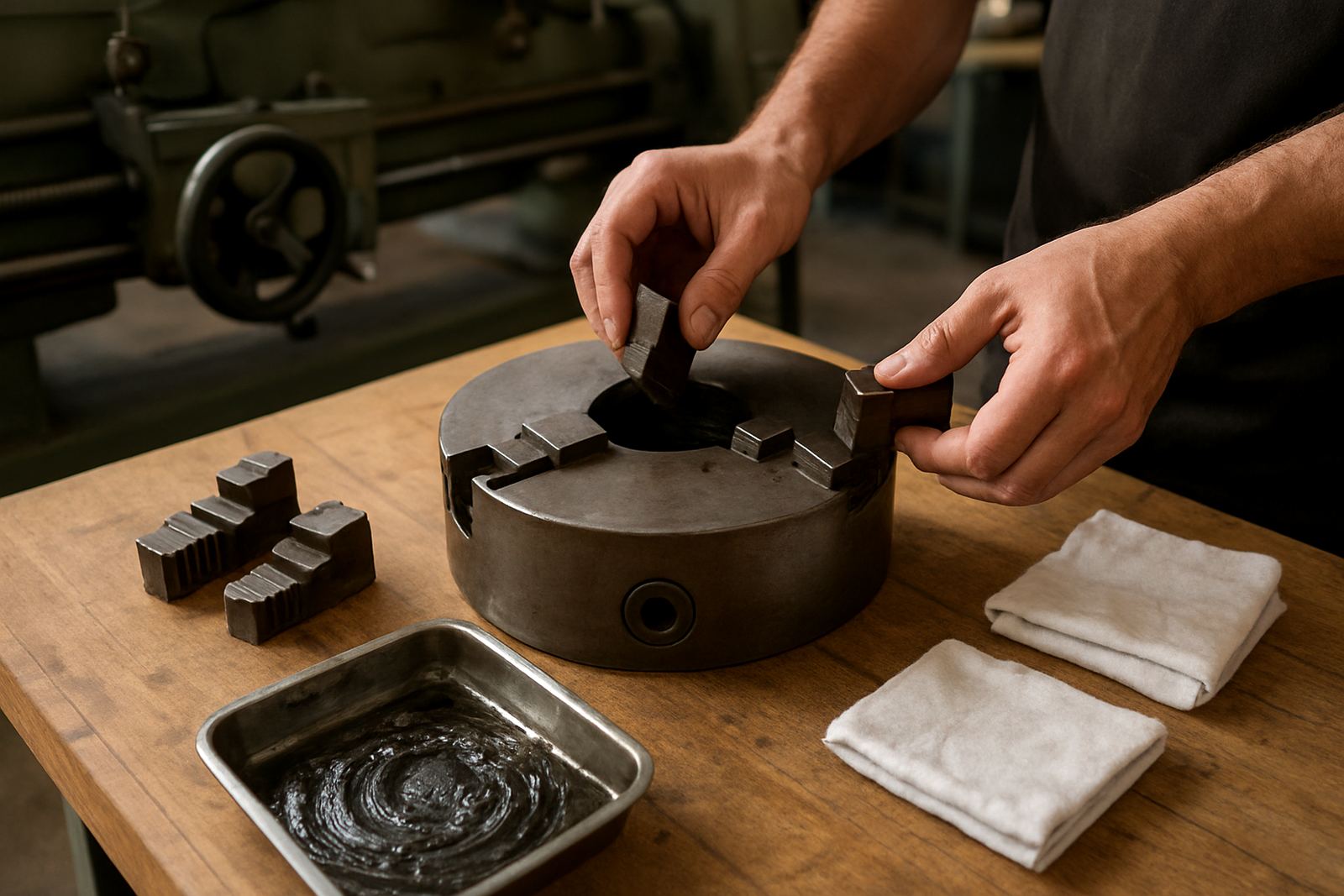
- Clean the contact points before probing
- Confirm the probe or measuring device is calibrated
- Recheck after a power interruption or manual adjustment
It also helps to link probing with other workshop discipline. A clean holder, a properly aligned vice and a preset tool all make the probe reading more meaningful. If the base setup is poor, probing only tells you that it is poor. If the base setup is sound, probing confirms it and lets the machine move ahead with confidence.
In humid coastal conditions, especially near Gqeberha, regular cleaning matters as well. Moisture, fine chips and dust can all affect contact points and fittings if they are ignored. A few extra minutes spent checking the setup is cheaper than replacing damaged material or sorting out a failed first piece later.
Making probe routines part of everyday production
The best shops do not treat probing as a special event. They treat it as part of the normal rhythm of setup, just like tightening a tool holder or checking coolant. Once operators see that the routine protects their time as much as the company’s material, the habit sticks.
For managers, the gain is practical. Less scrap, fewer emergency fixes and better repeatability between shifts. For operators, it means fewer surprises and more control over the first cut. That is especially important when the machine is due for a long run, or when the day includes a mix of short jobs and urgent work.
Tooling works with workshops that need dependable machining support, from tool holders and workholding to inspection, presetting, runout checks and other setup-related services. When the probing routine is matched to the right holder, the right collet and the right fixture, the whole process becomes easier to trust. And in a shop where every minute counts, trust is not a luxury, it is part of production.