Why thin components fail under ordinary clamping
Sheet, plate and thin-wall parts often look easy to hold until the first clamp mark appears. The problem is not only pressure, but where that pressure is applied and how the part reacts once the cutter starts to remove material. A component that measures 3 mm or 5 mm thick can deflect under hand tightening, then spring back after the cut, leaving size variation and poor flatness.
In many shops the first instinct is to tighten harder, but that usually makes matters worse. Thin parts are often made from aluminium, mild steel, stainless steel or engineering plastics, and each material behaves differently. Stainless can gall, aluminium can bruise quickly, and plastic can creep if the clamping point is too small. The better approach is to spread the load, support the underside and reduce cutting forces where possible.
At Tooling in Struandale, we see this with parts coming through machine shops in Coega, Markman and Kariega. A workholding setup that suits a solid block may not suit a laser-cut bracket, a cover plate or a thin spacer. The machine operator needs a grip that is repeatable, especially when the job has to run again next week with the same result.
Vacuum, soft jaws and sacrificial backing plates
For many thin parts, vacuum workholding gives the cleanest result because it pulls the component down evenly instead of pinching it at a few points. It works well on flat sheets and plate components with enough surface area, provided the sealing is sound and the pump capacity matches the setup. In humid coastal conditions near Gqeberha, operators should also keep an eye on moisture and swarf around the seal faces.
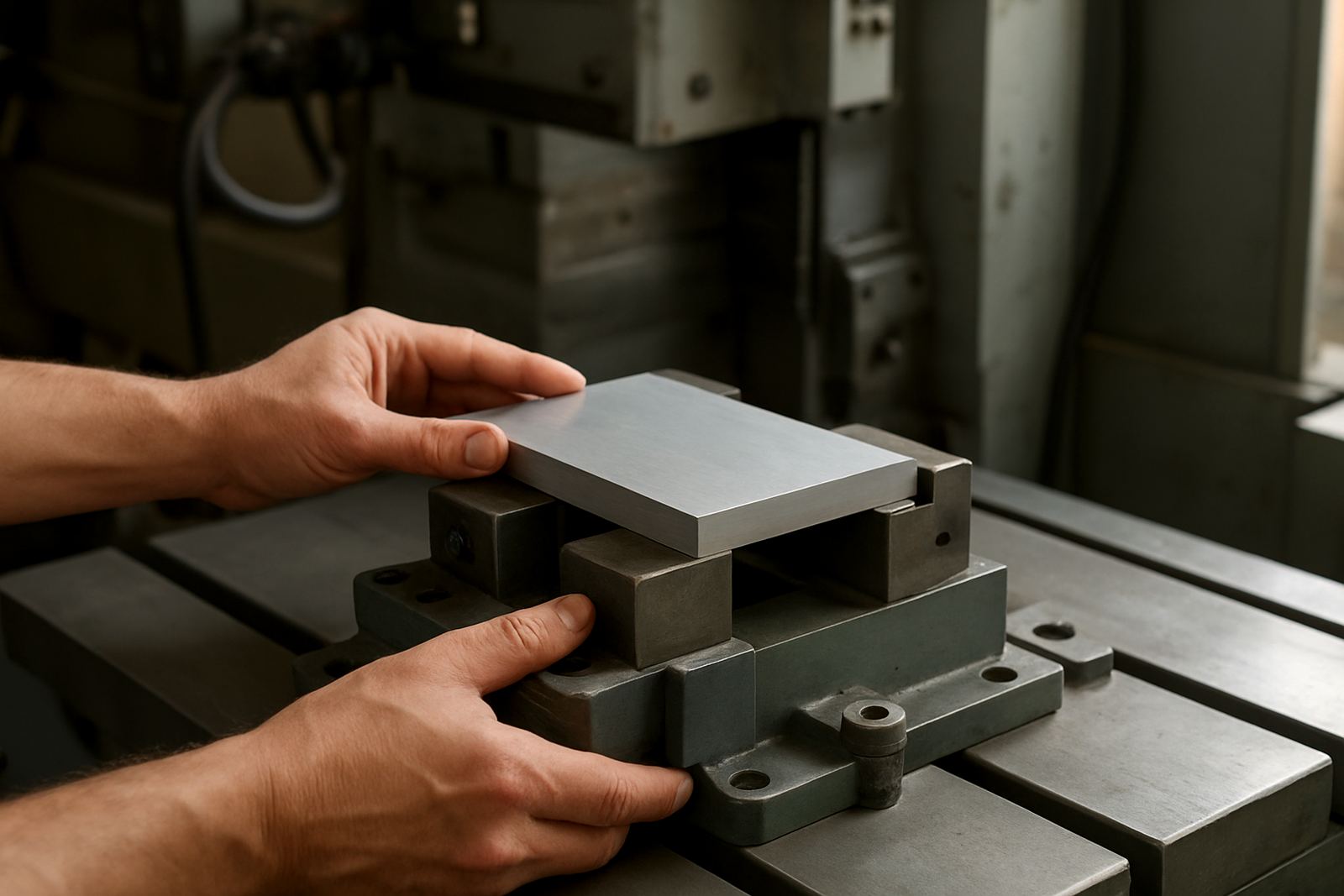
Soft jaws are another practical option, especially when the part has a profile that can be mirrored into the jaws. They reduce marking and help with repeat jobs. Backing plates and sacrificial boards are useful where the cutter may break through, because they support the underside and reduce breakout on the lower face.
If you are machining in batches, it is worth setting up a dedicated fixture plate instead of improvising each time. That saves time, and it makes the part easier to locate after tool changes or during load-shedding interruptions when a job may need to be restarted later the same shift.
- Vacuum suits flat parts with broad contact areas and light side loads.
- Soft jaws suit profiled components and repeated production runs.
- Sacrificial backing helps when breakout or marking must be avoided.
Use location before force, then lock only what is needed
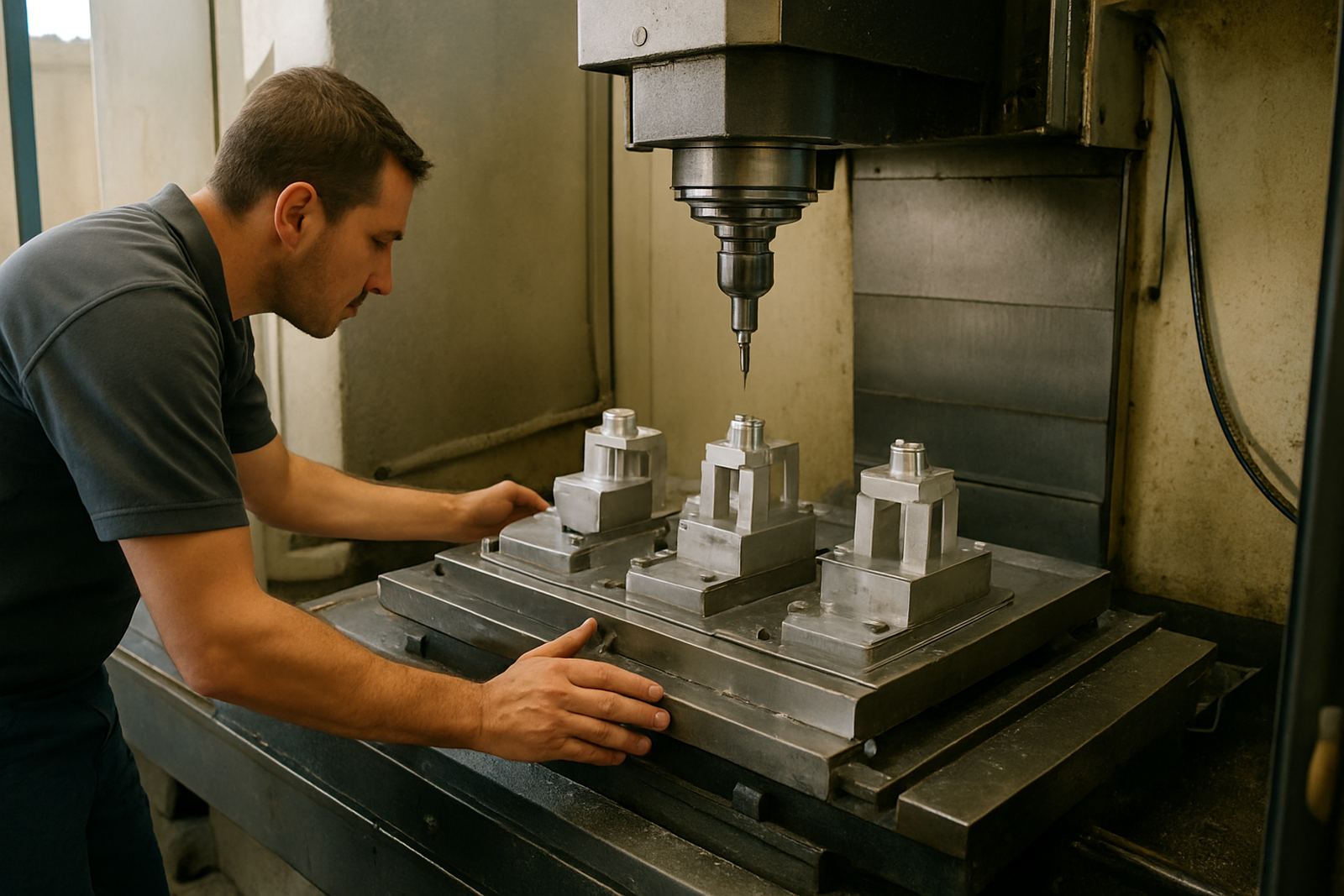
Thin part workholding should start with accurate location. If the part is not positioned correctly before clamping, the operator often uses extra force to pull it into place. That is where distortion begins. Pins, stops, edge locators and dowel-based fixtures can hold the component in the right position with very little pressure.
Once the part is located, clamp only the minimum area needed to stop movement. In many cases two light clamps are better than one hard clamp. Vise alignment matters too, because a skewed jaw can twist a long thin part as soon as the handle is tightened. Presetting the setup and checking runout before cutting can save a full batch from drifting out of tolerance.
For small parts, the answer may be simple as a stop block and a low-profile clamp, while larger thin panels may need multiple support points. The aim is always the same: stop chatter and movement without putting a bend into the component before the cutter even starts.
Cutting strategy matters as much as the clamp
Good workholding can still fail if the machining strategy is too aggressive. Thin parts need lighter passes, sensible tool engagement and sharp cutting edges. A heavy plunge or a full-width cut can lift the component even when the fixture is correct. That is why tool selection and feed direction should match the part thickness and material.
Where possible, rough away material in stages and leave finishing cuts for the last operation. This reduces stress release and helps the part stay flat. If the job needs tabs or bridges, use them carefully and only where the final clean-up can remove them without leaving witness marks. Thin-wall turned parts also benefit from lower cutting pressure and good support inside the bore.
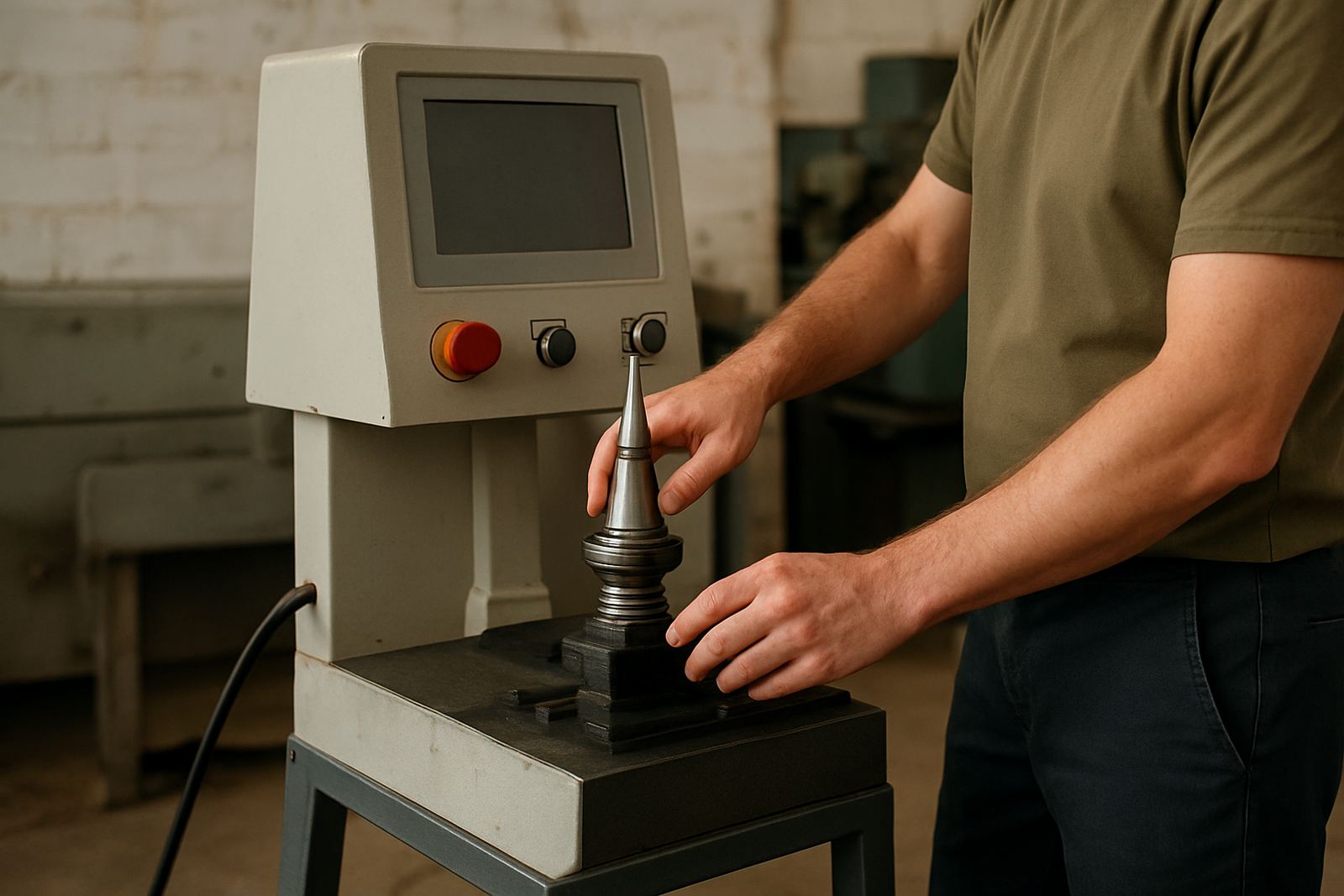
Tool inspection, holder cleaning and runout checks are not extra admin, they are part of keeping thin work under control. A worn cutter or dirty holder creates vibration, and vibration shows up first on delicate work. In a busy workshop in Despatch or the Port Elizabeth CBD, that can be the difference between one good run and a stack of rejected parts.
Local workshop realities in Gqeberha and beyond
Thin part workholding is shaped by everyday conditions in local workshops. Coastal humidity can affect unprotected steel parts, so fixtures should be kept clean and stored properly. Dust and fine swarf from nearby processes can get into vacuum seals, jaws and clamps, which reduces holding power. Power interruptions can also interrupt long jobs, so a setup that can be restarted without re-indicating everything is a real advantage.
We often see machine shops in Struandale, Coega and Kariega handling short runs for automotive, industrial and fabrication work. Many of those jobs involve parts that are thin, awkward or easily bent during handling. Collection and delivery helps when parts need to move between machining, inspection and final assembly without extra handling damage.
When a thin component is critical, it is worth treating the fixture as part of the process, not just an accessory. The fixture should be easy to repeat, easy to clean and strong enough to keep working through normal production pressure.
A practical checklist before you cut
Before starting a thin part job, check the part, the fixture and the tool path together. If any one of those is wrong, the component can distort or chatter. This is especially important when the job must hold flatness, parallelism or a tight hole position after machining.
A simple checklist helps operators stay consistent and makes it easier to train new staff. It also supports better communication between the setter, the programmer and the person doing final inspection. In a busy shop, that kind of clarity saves time and reduces rework.
- Confirm the part is fully supported under the cutting area.
- Check that clamping force is enough, but not excessive.
- Verify tool condition, holder cleanliness and runout.
- Allow for finishing stock so the final pass is light.
- Inspect the first part before releasing the batch.
Thin part workholding is about control, not brute force. The best setup is often the one that looks modest but keeps the part flat, true and ready for the next operation.