
Why roughing holders earn their place on the shop floor
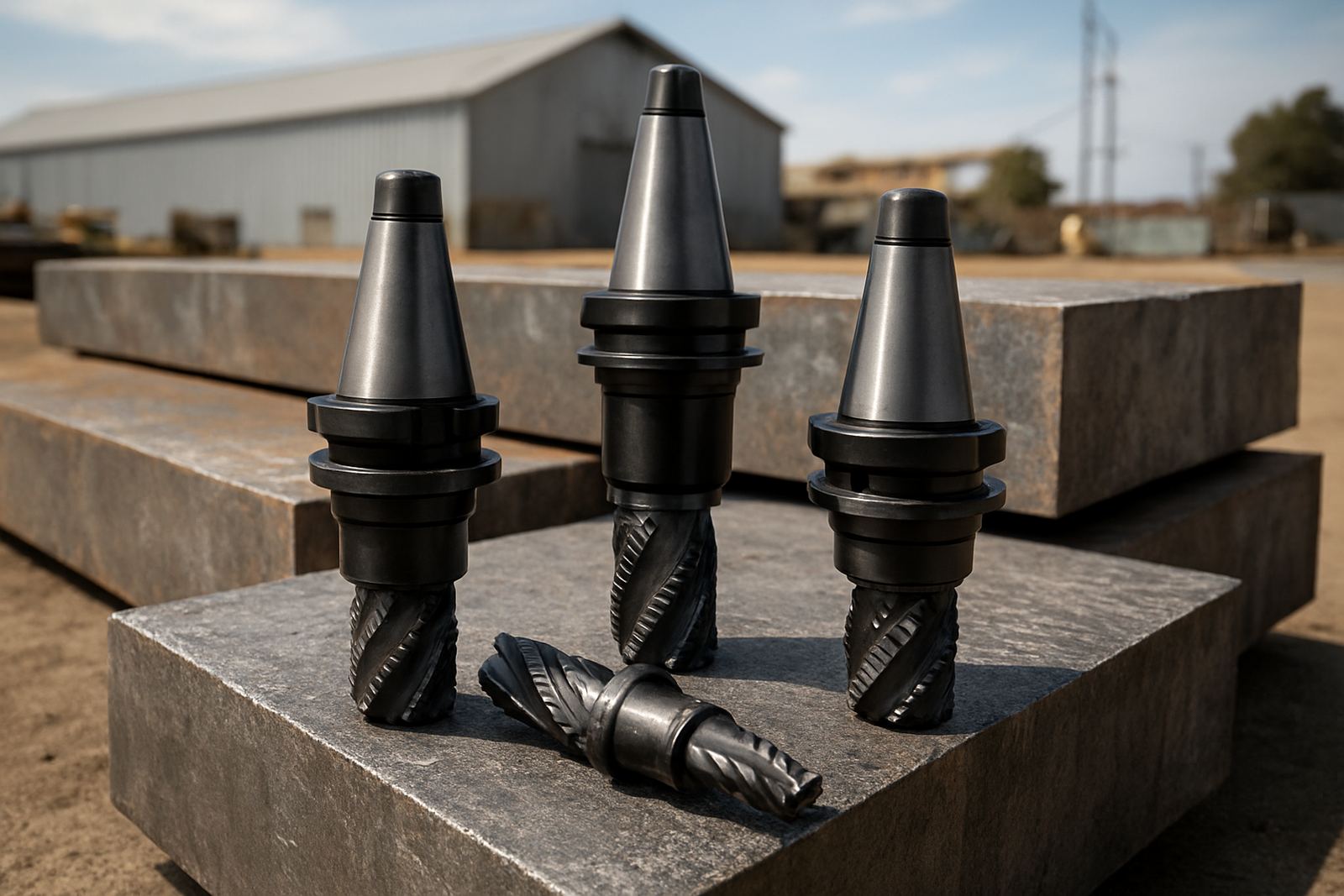
When a cutter takes a heavy bite, the holder is doing more than just gripping the tool. It is managing vibration, resisting pull-out, and helping the spindle stay accurate when the load changes from one pass to the next. On roughing jobs, especially in mild steel, cast material, and scale-heavy stock, a light-duty setup can lose rigidity fast. That shows up as noise, poor finish, shortened tool life, and wasted time on rework.
In Gqeberha and across the Eastern Cape, many workshops run mixed batches. One hour it is a pocketing job, the next it is a block with interrupted cuts and uneven material. A proper heavy roughing holder gives the operator more confidence to push feed rates and maintain consistency. It also helps when power dips or a generator changeover interrupts the rhythm of the shift, because a stable toolpath recovers better after a stop and restart.
What makes a holder suitable for roughing cuts
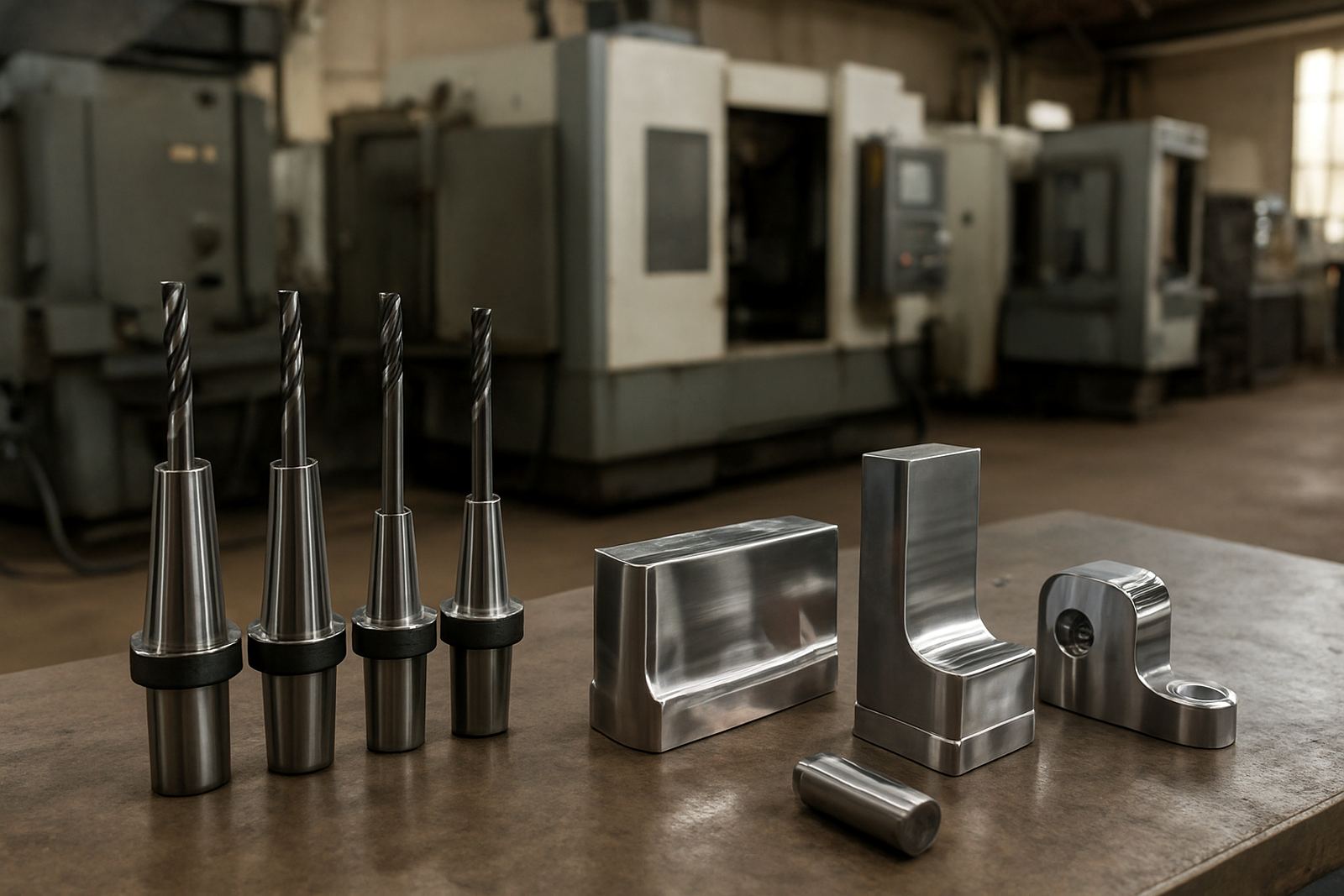
The first requirement is stiffness. The holder should sit true in the spindle and hold the cutting tool with enough clamping force to stop micro-movement under load. The second is balance. Even at moderate spindle speeds, imbalance can build vibration, and roughing already creates its own stress. The third is access. A holder that is too bulky can get in the way, especially on deep pockets or when using long cutters.
- Choose a holder with strong clamping grip for high axial and radial load.
- Check that the gauge length is no longer than necessary.
- Look for clean contact faces and good concentricity before first use.
- Match the holder style to the cutter shank, whether it is cylindrical or threaded.
- Keep an eye on chip clearance so the holder does not pack with swarf.
A roughing holder should not be selected on appearance alone. The right style depends on the machine, the cutter diameter, the depth of cut, and whether the job is continuous or interrupted. For a workshop in Struandale cutting batch quantities all day, the better choice is often the one that gives repeatable results with less operator intervention.
Interrupted cuts demand more than just grip
Interrupted surfaces are where many setups fail. A cutter moving from air into metal, or crossing slots and keyways, sees sudden shock. If the holder flexes, the tool chatters, the finish degrades, and the insert or cutter edge can chip sooner than expected. In these conditions, the holder must absorb shock without allowing the tool to shift.
That is why roughing jobs often need a holder with a shorter overhang and a careful balance between grip strength and tool access. On larger parts, a small increase in stick-out can make a big difference to vibration. In practice, a workshop may save more by reducing overhang 10 mm than by changing cutting data. It is one of those details that gets missed until the operator starts hearing the spindle complain.
- Reduce tool stick-out wherever possible.
- Use a holder with a secure bore or clamping mechanism suited to the cutter style.
- Inspect for scoring, dirt, or coolant residue before fitting.
- Replace worn collets or gripping parts before they affect runout.
Picking the right holder style for the job
There is no single holder style that suits every roughing operation. Some jobs need maximum grip for deeper axial loads, while others need a simpler setup for quick changeovers and multiple tool sizes. A toolroom in Kariega doing short runs will often value flexibility. A production cell in Coega, on the other hand, may prioritise repeatability and fast presetting. The choice should reflect how the machine is used, not just the cutter catalogue.
For roughing, the best starting point is to assess the material, the cutter geometry, and the machine spindle. A holder with solid contact and accurate clamping is usually worth more than a longer, less stable setup. If the toolpath includes heavy side milling or pockets with interrupted engagement, the setup needs even more restraint at the nose of the tool. The goal is not to overcomplicate the machine, but to keep it cutting predictably under load.
- For heavy side loads, favour higher rigidity over extra reach.
- For repeated tool changes, choose a holder system that presets cleanly.
- For mixed work, keep a standardised range of holder sizes on hand.
- For tight tolerances, verify runout before the shift begins.
Runout, cleaning, and inspection before the first cut
Many roughing problems start before the spindle even turns. A holder with dirt, damaged tapers, or worn gripping surfaces can throw the tool off centre. That increases runout and makes one cutting edge do more than its share of the work. The result is premature wear and a rougher cut, even if the machine and programming are correct.
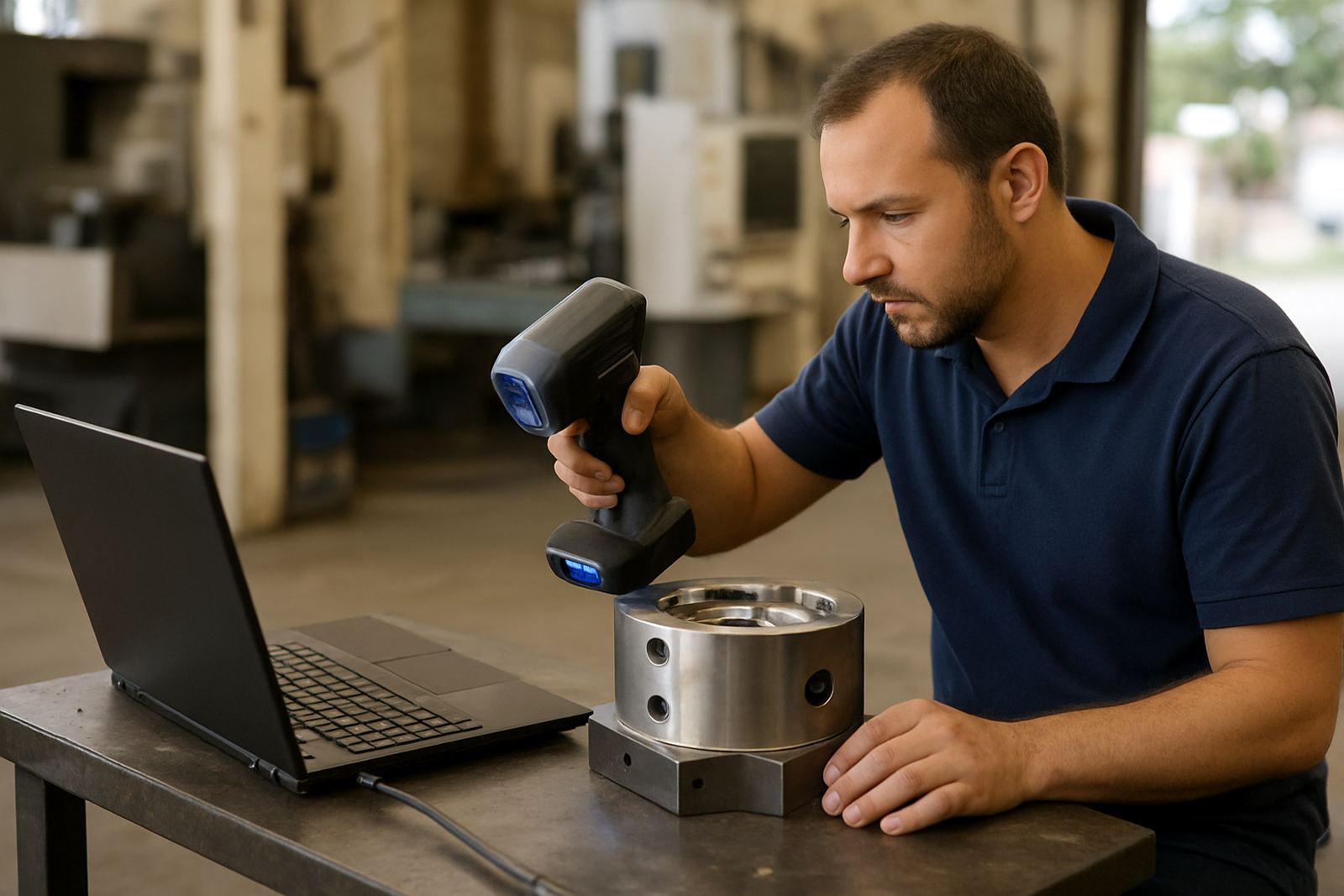
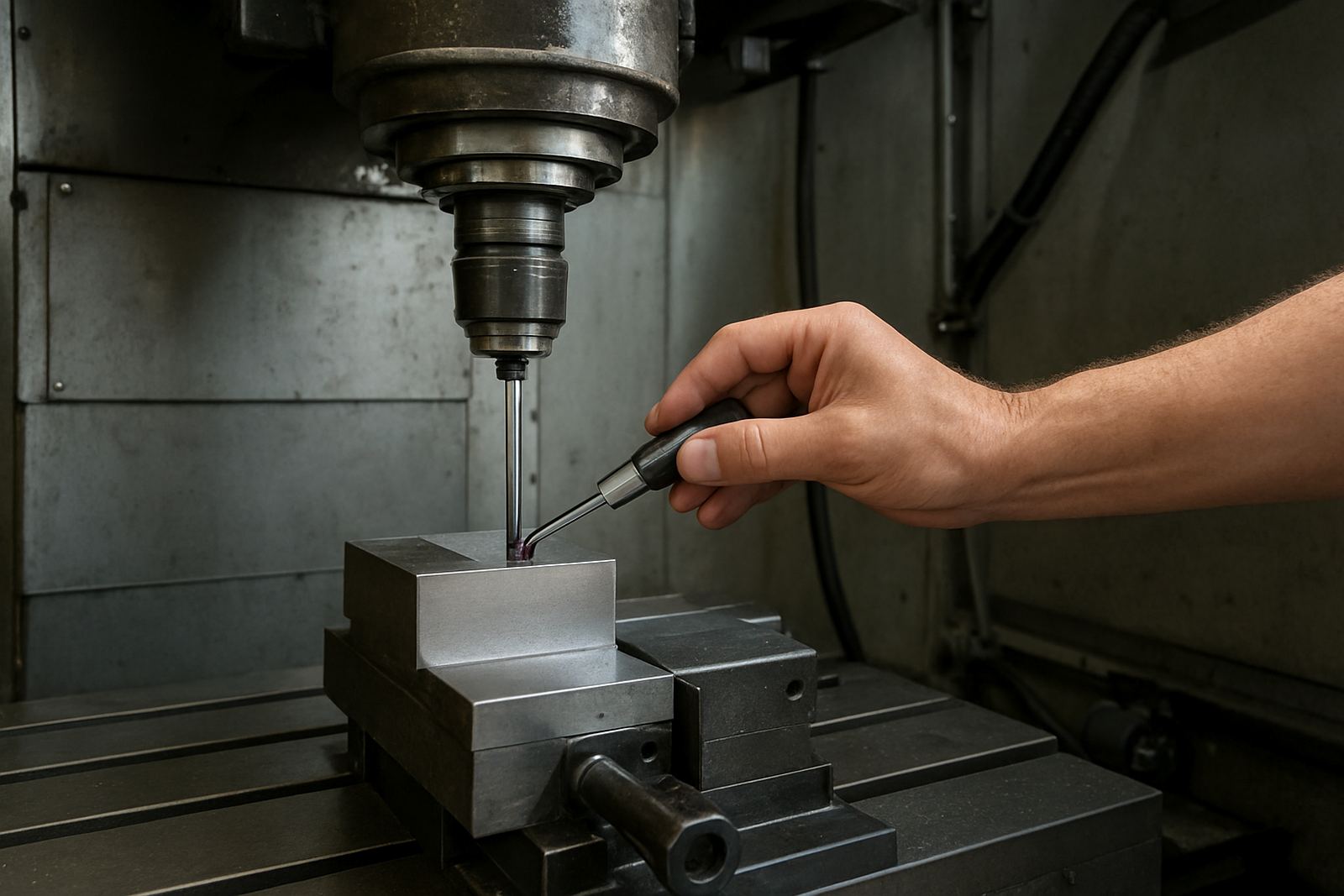
In busy shops, holder cleaning and inspection should be routine. A proper check means cleaning the bore or taper, looking for nicks, and confirming that the cutter seats squarely. Runout checks are worth the time because they show small issues early. If the same tool has started leaving a poor finish on a job it handled last week, the holder may be the cause and not the cutter. That saves a lot of guess work.
Tooling supports practical services that keep these setups in order, including holder cleaning, tool inspection, runout checks, presetting, and chuck jaw machining. For machine shops in Port Elizabeth CBD or Despatch, that kind of support can cut down on downtime when the workload is already tight.
A Gqeberha example: roughing cast parts under pressure
Consider a workshop in Markman machining cast components with uneven skin and frequent interrupted cuts. The job starts with roughing passes that put heavy stress on the tool. If the holder has poor grip or too much stick-out, chatter appears quickly at the shoulder and the operator has to slow down. That affects output and can upset the rest of the schedule.
By switching to a more rigid holder, checking runout, and shortening the exposed tool length, the same shop can often hold a steadier cut. The machine sounds cleaner, the tool lasts longer, and the operator has fewer interruptions for adjustment. In a shop that runs through load-shedding windows or limited production time, those small gains matter. One good setup can spare two or three small stoppages, which adds up over a full week.
The lesson is simple. For roughing work, the holder is not a minor accessory. It is part of the cutting system, and when it is selected well the whole process runs better.
Keeping roughing holders working shift after shift
Heavy roughing holders should be handled as working assets, not throwaway parts. Store them clean and dry, keep gripping surfaces free of chips, and separate damaged items from serviceable ones. In coastal areas like Gqeberha, humidity can encourage corrosion, so a wipe-down and proper storage go a long way. If a holder has seen a hard knock, check it before using it again. A small defect today can become a bigger issue under load tomorrow.
For workshops serving Struandale, Coega, and the wider Eastern Cape, consistency matters more than theory. The best roughing holder is the one that stays true, clamps properly, and keeps the cutter stable when the cut gets ugly. With the right inspection routine and a sensible setup, heavy roughing becomes more predictable and less costly.