What zero point clamping actually does on the floor
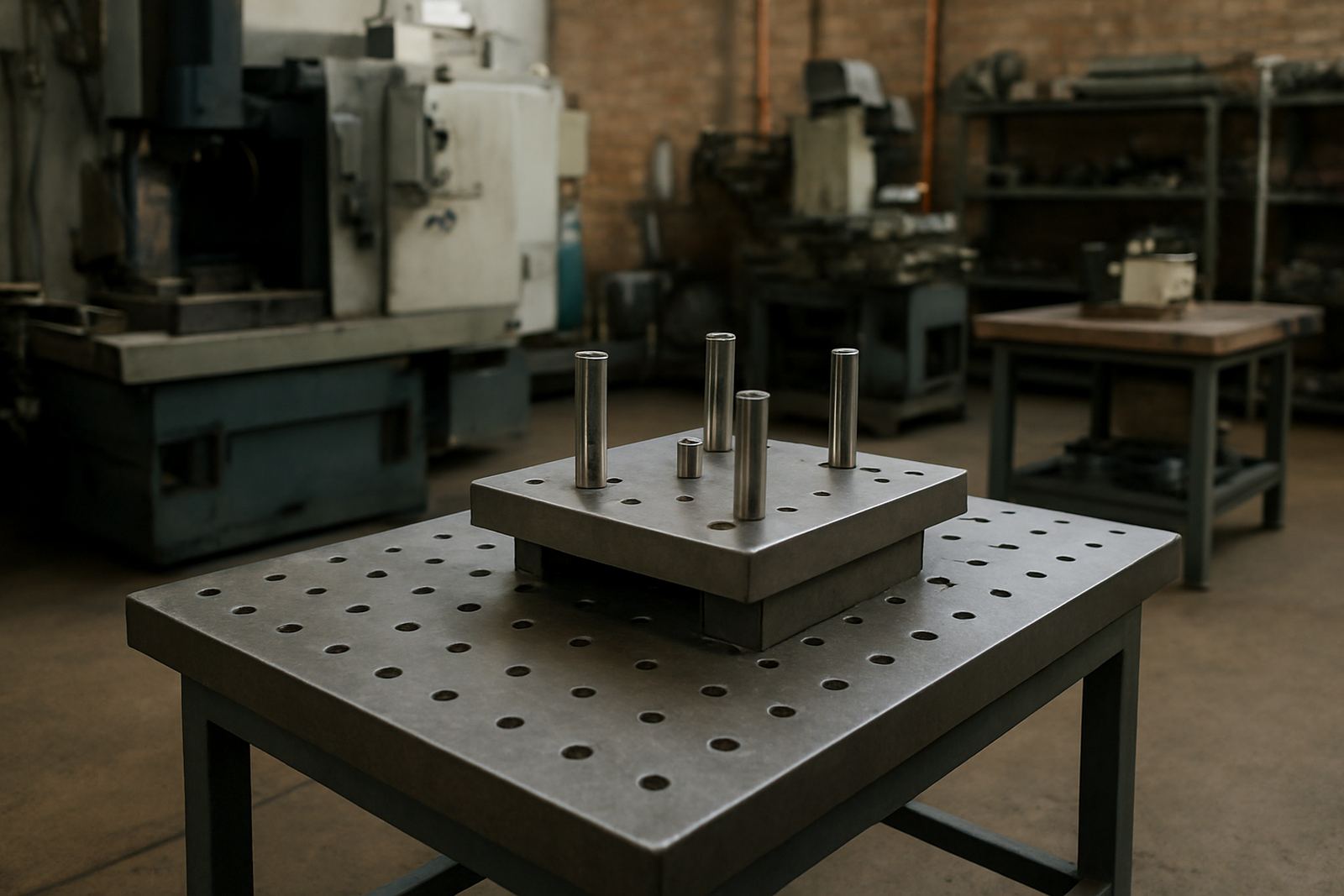
Zero point clamping is a fixed locating system that lets you remove and refit a vice, fixture plate or workholding body and return it to the same position with very small variation. Instead of re-indicating every setup from scratch, the operator locks into a known reference point. That saves time, but more importantly it helps the machine hold the same position from one job to the next.
For machine shops in Struandale, Markman and Coega, that matters when the day is already broken up by short runs, rush jobs and material changes. If a shop is running a CNC mill on one shift and a scanning or inspection task on the next, repeatable location is what keeps the process under control. It is not a magic fix for bad tooling or poor fixturing, but it gives a cleaner start point every time.
In simple terms, the system does two jobs. It speeds up setup and it improves the return to position when the fixture is removed and later replaced. That combination is why many shops see zero point as a production tool, not just a convenience.
Why setup time drops so quickly
Traditional setup usually involves cleaning the table, setting the fixture, indicating edges, checking squareness and then proving the first part. Zero point systems shorten that chain. Once the base is established, the operator can swap fixtures or vises and get back to cutting without starting from zero each time. On repeat work, this can save many minutes per changeover and sometimes far more if the job is awkward.
That saved time becomes useful when power cuts, late deliveries or urgent reworks disrupt the day. A shop in Gqeberha that loses an hour to load-shedding can still claw back part of the shift if the changeover routine is quick. It also helps where labour is tight and one skilled setter is carrying several machines.
- Less time spent indicating and rechecking each setup
- Faster swapping between fixtures, vices and pallets
- Lower risk of errors from repeated manual alignment
- Better use of machine time on short production runs
How repeatability protects accuracy from job to job
Location repeatability is where zero point systems earn their keep. If the fixture returns to the same position after cleaning or removal, the operator can trust the programmed offsets more confidently. That is valuable for multi-op parts, second operations and jobs that must be stored then restarted later in the week.
Repeatability also helps when a shop uses inspection tools, presetting and scanning. If the workholding location shifts less, the measured result is easier to compare across runs. That makes it simpler to track whether a machining issue comes from the tool, the material, or the clamping method. A steady locating system can save a lot of guesswork.
For shops working near the coast, moisture and fine airborne dust can also play a part. If a fixture face is dirty or lightly corroded, the reference may not seat properly. The answer is not just tighter clamping force. It is cleaner interfaces, regular checks and a disciplined maintenance routine.
Where zero point fits with the rest of the workshop
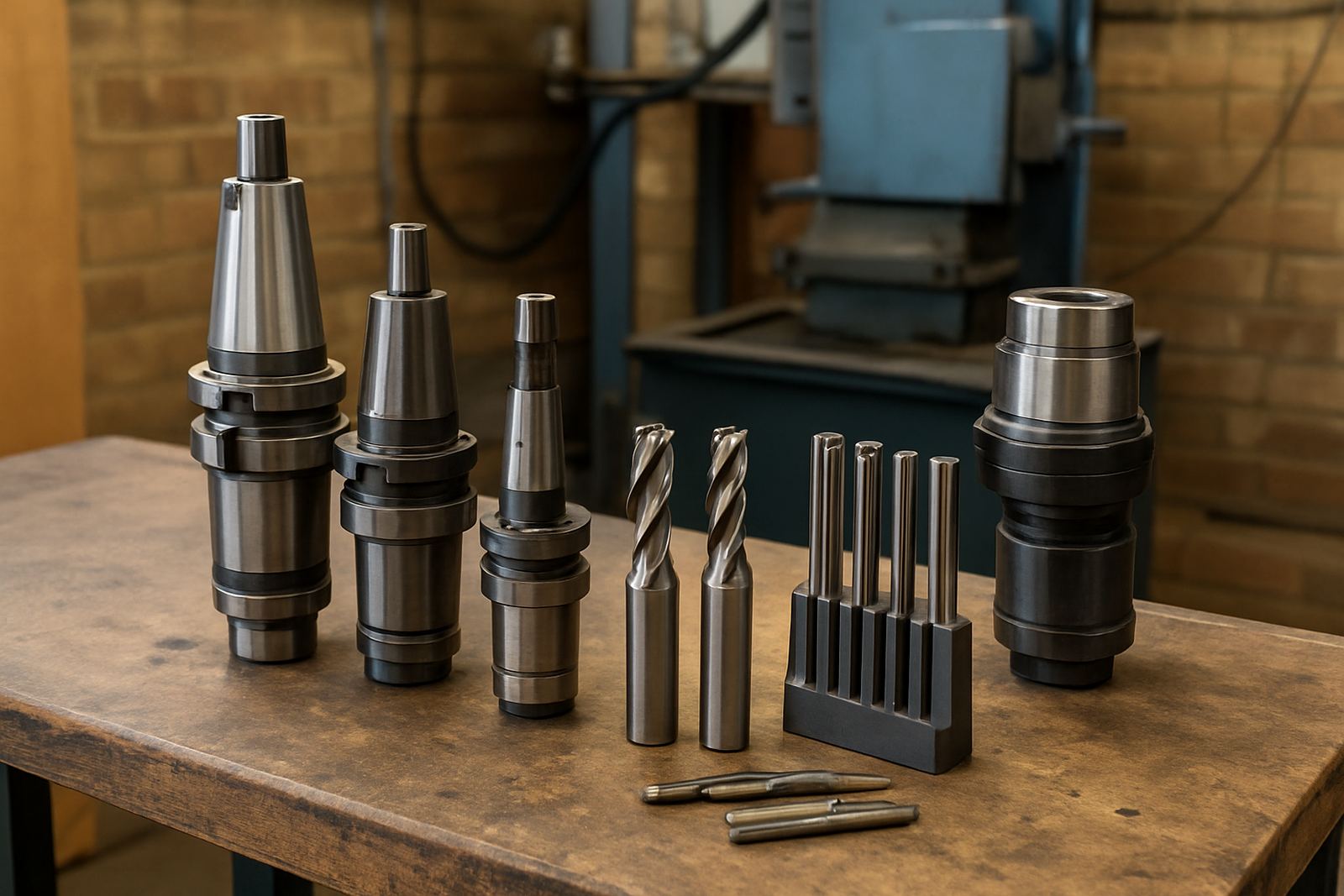
Zero point clamping works best when it forms part of a proper workholding plan. It should sit alongside good toolholders, suitable collets, jaw condition checks and accurate presetting. If the cutter is running true but the vice is misaligned or a chuck jaw is worn, the shop still loses accuracy. The system is only as good as the smallest weak link.
That is why many local workshops pair zero point hardware with routine support services. Holder cleaning, runout checks, chuck jaw machining and vise alignment all help keep the full setup honest. On the 3D printing and scanning side, accurate location matters too, especially where parts must be scanned for inspection or reworked after printing. The same basic rule applies: stable reference points make the whole process easier to trust.
- Check the condition of locating faces before every major changeover
- Keep clamping elements free of chips, oil and coolant residue
- Confirm tool runout before blaming the fixture
- Use presetting where possible to reduce trial cuts
A practical Gqeberha example from a busy job shop
Picture a machine shop in Struandale producing a small batch of components for a customer in Kariega, then turning around to handle an urgent repair for a site in Despatch. Without a zero point system, the team may spend too long stripping fixtures, cleaning the table and re-setting each job. With a fixed locating base, the swap can happen faster and the machine can get back to work before the shift is gone.
That kind of setup is especially helpful when deliveries and collections have to be planned around municipal access, shift times and traffic to the harbour side or Coega. A pallet or fixture that can be removed for cleaning, inspection or transport and then returned to the same spot saves hassle. It also makes it easier to move work between machines without rebuilding the whole setup each time.
For shops that handle both one-off work and repeat batches, the benefit is clear. Less fiddling, fewer chances for error and better use of labour. It is practical savings, not theory.
What to watch before you invest in zero point equipment
Before buying in, a shop should look at the jobs it actually runs. If there are many short runs, frequent fixture changes or multiple operations on the same part, zero point may pay back quickly. If the work is mostly long, simple runs on one setup, the return may be slower. The real answer depends on how much time is lost at changeover and how costly a setup error is.
It is also worth checking whether the machine, fixtures and cleaning routine can support the system. Good clamping faces, accurate machining, regular inspection and sensible maintenance all matter. A system that is neglected can still drift out of position. Good practice is what keeps the claimed repeatability real.
- Match the system to job mix, not to fashion
- Budget for cleaning and maintenance as part of ownership
- Train operators on the correct seating and release process
- Keep spare parts and service support close at hand
Why zero point basics matter for South African production
South African machine shops are under pressure to do more with less. Power interruptions, tight margins and shorter lead times all push the same way. A clean zero point setup helps by reducing non-cutting time and making the machine more predictable. It does not replace skill, but it supports it.
For shops in Gqeberha and surrounding industrial areas, the real gain is steady production. When the operator can remove a fixture, return it, and trust the location, the shift becomes easier to plan. That is the sort of practical improvement that pays its way over time.
Tooling works with machine shops nationwide from Struandale, and our team can help with the support work that keeps clamping and location systems performing properly. If you need advice on setup, inspection or maintenance, use our contact form. Sometimes the smallest change at the table makes the biggest difference on the job.