Built for repeat milling work in local workshops
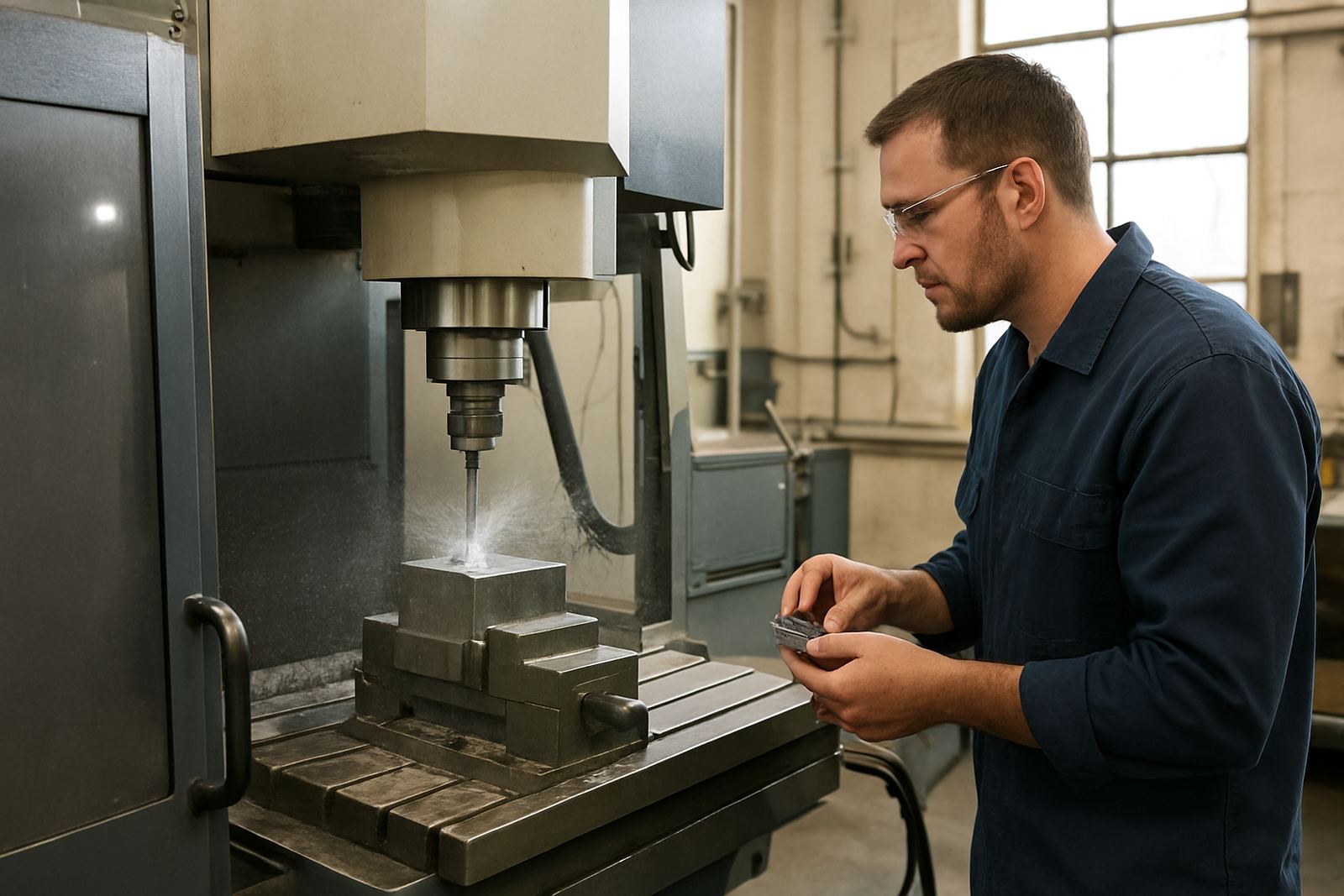
A CNC milling centre is a computer controlled machine used to cut, shape and finish metal parts with repeatable accuracy. In practice it is used for brackets, plates, fixtures, mould inserts, dies, repair parts and production runs where the same part must be made to tight tolerances again and again.
For South African workshops, the main value is consistency. Once the job is set up, the machine can run a batch with less manual hand feeding, which helps when you are balancing labour, power interruptions and delivery targets. It suits shops in Struandale, Markman, Coega and Kariega that handle both short runs and ongoing contract work.
Most vertical mills are best for 2.5D and 3-axis machining, with optional 4-axis or 5-axis capability depending on the model and control package. That gives you enough flexibility for general engineering, mould and die work, maintenance departments and light production lines.
Machine sizes and configuration options
Tooling supplies CNC milling centres in a range of table sizes and travels, so the machine can match the part rather than forcing the part to fit the machine. Small footprint units are useful where floor space is limited, while larger machines suit heavier fixtures and bigger production parts.
- Table sizes commonly from about 800 x 400 mm up to 1 300 x 600 mm or larger
- X, Y and Z travels suited to small component work or larger plate machining
- Spindle speeds for fine finishing, aluminium work or general steel cutting
- Tool magazine capacity for short batches or higher mix production
- Control options for basic programming, conversational work or CAD CAM driven jobs
Options can include coolant systems, chip conveyors, enclosed guarding, probing, through spindle coolant and automatic tool changers. If you are machining copper, aluminium or mild steel, the right spindle speed and table capacity matter more than a long feature list.
Where a vertical CNC mill fits best
These machines suit general engineering shops, mould makers, maintenance teams, small manufacturers and contract machinists. They are a strong choice where a workshop needs accurate repetition without moving into the complexity of a full multi axis cell.
For mould components, the machine handles cavities, pockets, locating faces and drilled features with steady accuracy. For batch work, it can keep hole patterns, slot widths and face dimensions within spec from the first part to the last. That matters when you are making parts for automotive suppliers, food equipment, mining support gear or packaging lines.
The machine is also useful for repair work, especially where worn housings, clamp plates or mounting blocks must be remade to existing dimensions. In coastal areas like Gqeberha, regular cleaning and guarding against humidity is worth planning for, because fine chips and moisture can affect slides, tool holders and electrics over time.
Installation, power and workshop requirements
Before delivery, check that the floor is level, the access route is clear and there is enough space for opening doors, tool change access and maintenance panels. A milling centre needs a solid base and enough room for safe loading of vises, fixtures and raw material.
- 3 phase power is commonly required, with voltage and current set by the machine size
- Clean, stable electrical supply is important where load-shedding or voltage dips are common
- Compressed air may be needed for air blast, guarding or tool change systems
- Coolant, drainage and chip handling should be planned before installation
- Good extraction and housekeeping help keep chips off guides and electrical parts
If your workshop runs on a generator or backup power, check the start-up load and control system tolerance before you place the order. Some sites in the Port Elizabeth CBD or older industrial areas have limited service space, so it pays to measure the route from the loading bay to the final position first.
Care, servicing and day to day upkeep
A CNC milling centre stays accurate when the basics are done properly. Keep tool holders clean, check runout, remove chips from the enclosure and maintain coolant at the right concentration. If a workshop runs mixed materials, it helps to separate tooling for steel, stainless and aluminium where possible.
Tooling supports related services such as tool regrinding, tool inspection, holder cleaning, runout checks, chuck jaw machining, vise alignment, presetting service, scanner calibration, printer maintenance, collection and delivery. That kind of support helps keep the machine ready for production instead of waiting on small faults that grow into bigger ones.
On busy shops, a regular service schedule is usually better than waiting for a breakdown. Check spindle noise, axis backlash, coolant flow and tool changer operation. If parts start drifting out of tolerance, do not ignore it, because a small setup issue can show up across an entire batch.
What to confirm before you order
When choosing a CNC milling centre, it helps to work through the job list first. The right answer for a tooling room is not always the same as the right answer for a high volume production line.
- Largest part size and maximum weight on the table
- Typical materials, such as mild steel, stainless, aluminium or tool steel
- Required tolerances and surface finish
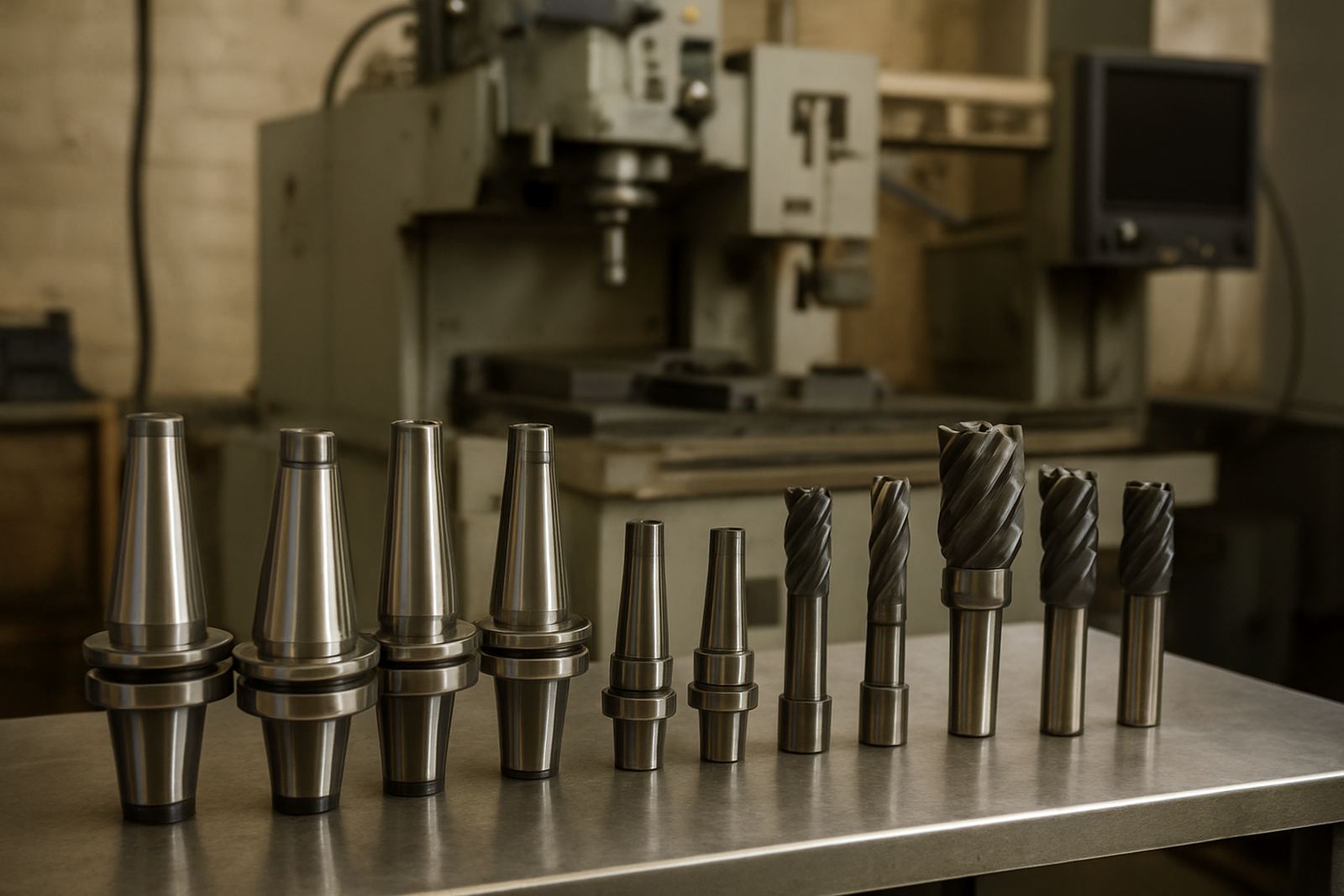
- Tooling interface, spindle taper and tool holder compatibility
- Need for probing, 4th axis work, or higher tool capacity
- Available power supply, compressed air and floor space
It is also worth checking who will commission the machine, train operators and handle follow-up support. For shops in Despatch, Coega or nationwide, reliable installation and service matter just as much as spindle speed. A machine that arrives but cannot be set up properly is of little use.
Key facts
| Machine type | Vertical CNC milling centre |
|---|---|
| Axis configuration | 3-axis standard, optional 4-axis or 5-axis |
| Typical table size | About 800 x 400 mm to 1 300 x 600 mm plus |
| Spindle speed | Suited to fine finishing and general production cutting |
| Power requirement | 3 phase supply, sized to machine model |
| Best use | Batch work, mould components, fixtures and general machining |