
What a self centring vise does on the machine
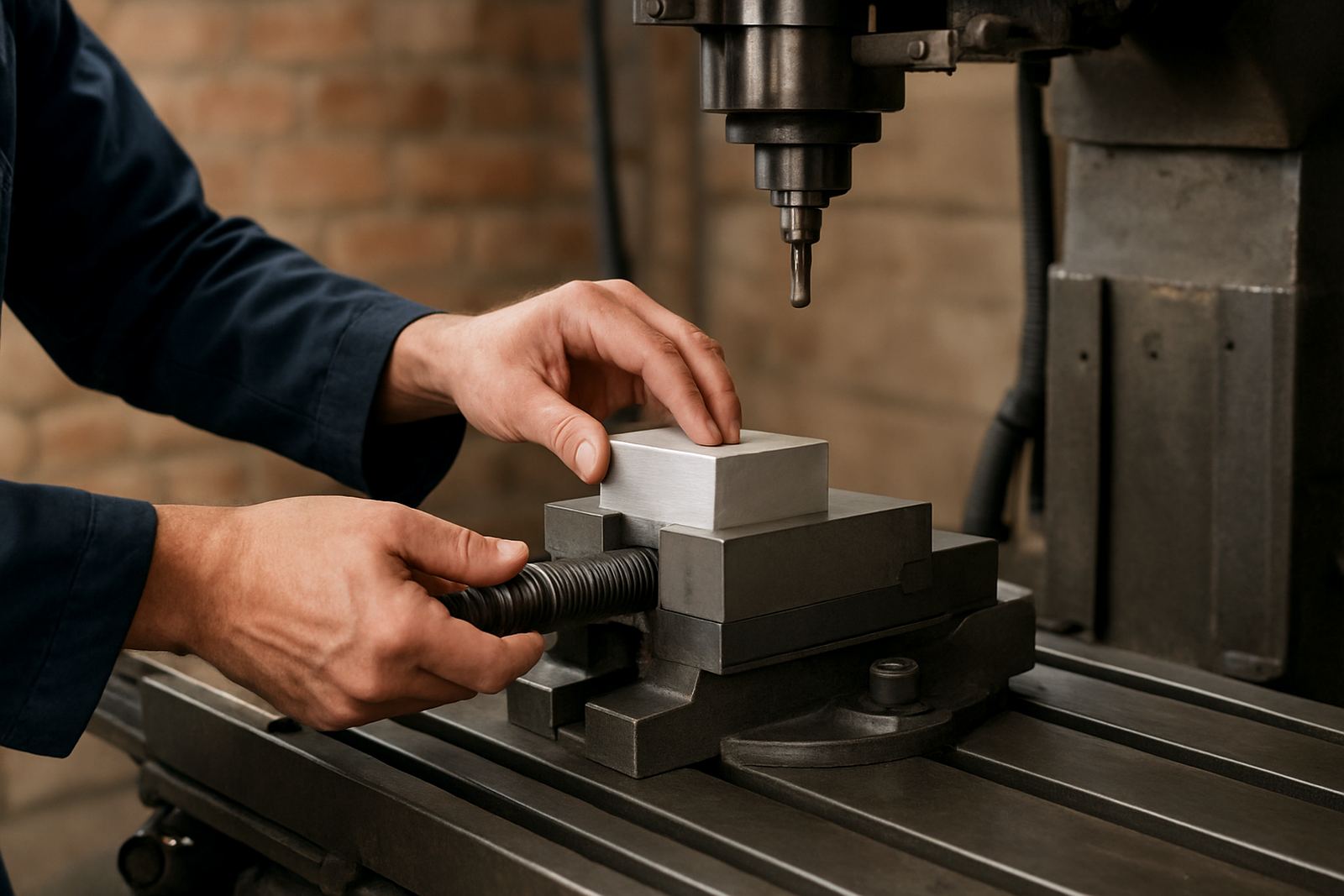
A self centring vise uses two jaws that move together at the same time, so the part stays centred as it is clamped. That makes it a practical choice for repeat work, batch production and jobs where the same component comes back every week or every month.
For shops in Gqeberha, Kariega, Despatch and the Coega area, this helps reduce setup time on CNC mills and manual machines alike. It is also useful when operators need to move from one part size to another without spending too long setting zero points or checking the centreline again and again.
The main advantage is consistency. Once the vise is set up and aligned on the table, the operator can load parts quicker and keep clamping force even on both sides. That matters when you are working to tight tolerances or trying to keep the first-off and last-off parts matching the same dimension.
Sizes and clamp options available
Self centring vises are available in a range of jaw widths and clamping travels to suit smaller job-shop machines and heavier production centres. Common options include compact units for fine work, mid-size vises for general machining, and larger body styles for bigger workpieces and longer cutting cycles.
- Jaw widths suited to light, medium and heavy machining
- Manual screw operated and quick-adjust styles
- Hard jaw and soft jaw options for different part finishes
- Fixed-base and swivel-base variants, depending on setup needs
- Single vise or matched pair use for two-up loading
When choosing size, consider the largest part you machine, the spindle clearance and the table space you have available. A compact unit may be enough for small brackets and housings, while a broader vise body is better for longer components or deeper cutter access. If your shop runs frequent changeovers, a quick-open style can make a big difference.
Where self centring vises work best
These vises suit workshops that repeat the same parts, run short batches, or need accurate clamping without spending time marking and re-marking centre lines. They are commonly used in general engineering, fixture work, maintenance shops and subcontract machining.
They are a good fit for local production in Struandale, Markman and around the Port Elizabeth CBD where space, time and power interruptions all affect output. Because the vise itself does not need electricity, compressed air or gas, it keeps working through load-shedding and fits neatly into manual or CNC setups.
For coastal workshops, a self centring vise should be chosen with corrosion resistance in mind. Humidity and fine airborne dust can affect sliding faces and threaded parts if they are not cleaned and lubricated properly. If you work near the harbour or in high-moisture conditions, plan for regular wipe-downs and inspection.
Installation, alignment and machine setup
Installation is straightforward, but the vise must be aligned properly before production starts. The base should sit flat on the table, with dirt, chips and coolant residue removed first. A bad mounting surface can throw off part location and cause uneven jaw wear.
Most vises are bolted directly to the machine table or to a fixture plate, depending on the shop's workflow. The operator should check parallelism, square the vise to the spindle and confirm that the jaws close evenly. If the machine has a rotary or tilting table, make sure the vise is still secure once the table moves.
- Clean the table and mounting surfaces before tightening
- Check jaw parallelism with a test piece or indicator
- Confirm the vise opens and closes without binding
- Use the correct clamping force for the part material
There is no power or gas requirement for the vise itself. What you need is a correctly prepared machine bed, suitable T-bolts or mounting hardware, and a setup routine that keeps the jaws clean and square.
Care, servicing and workshop upkeep
Good care extends the life of the vise and helps keep repeat machining accurate. Chips left in the jaw guides or screw area can cause stiffness, uneven movement or poor centring. A quick clean after each shift prevents a lot of future problems.
For regular upkeep, inspect the screw, guide surfaces, jaw faces and mounting slots. If the jaws are worn, marked or no longer gripping evenly, the vise should be checked before the next production run. In some cases soft jaws can be remachined, which is often better than forcing worn hard jaws to keep working.
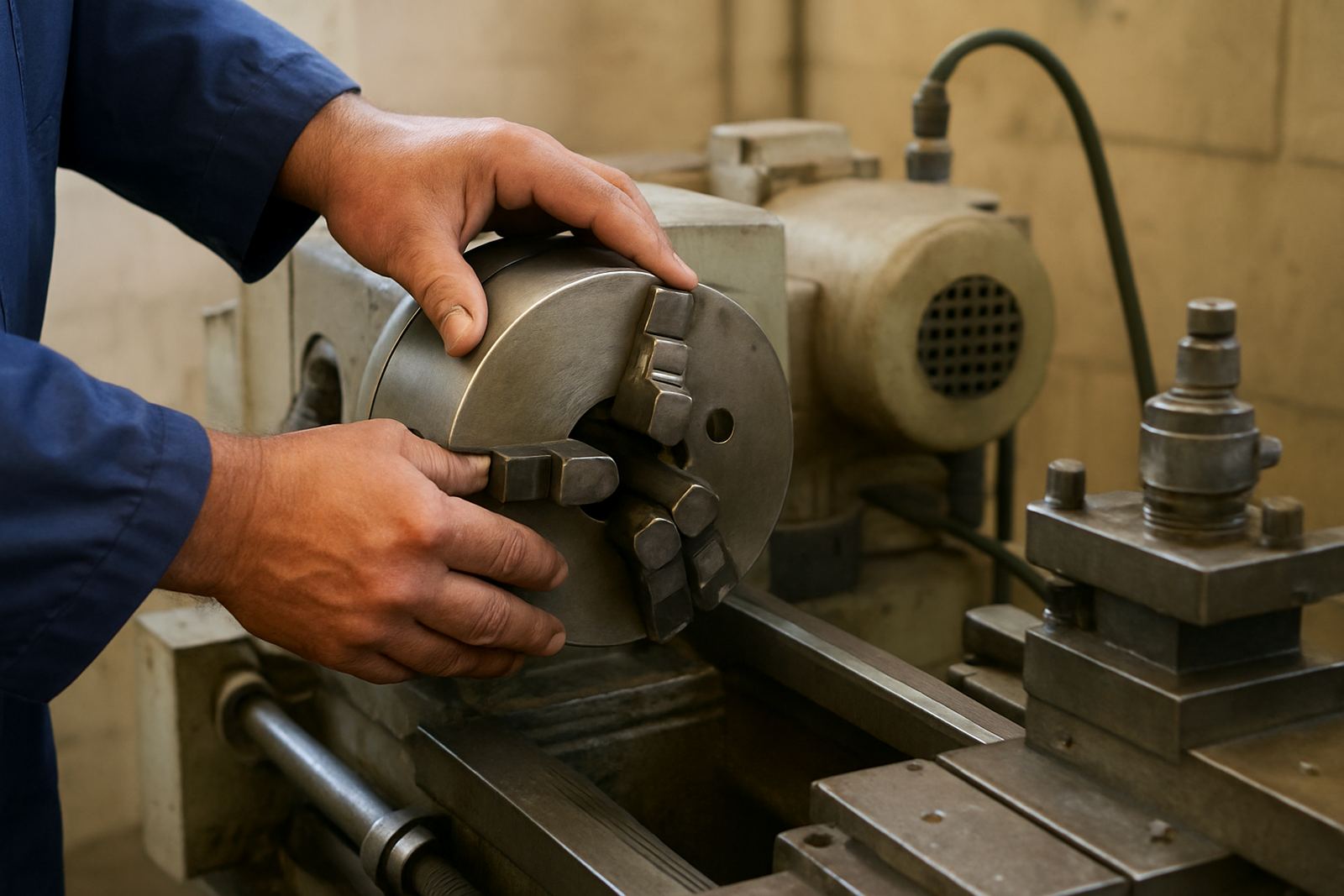
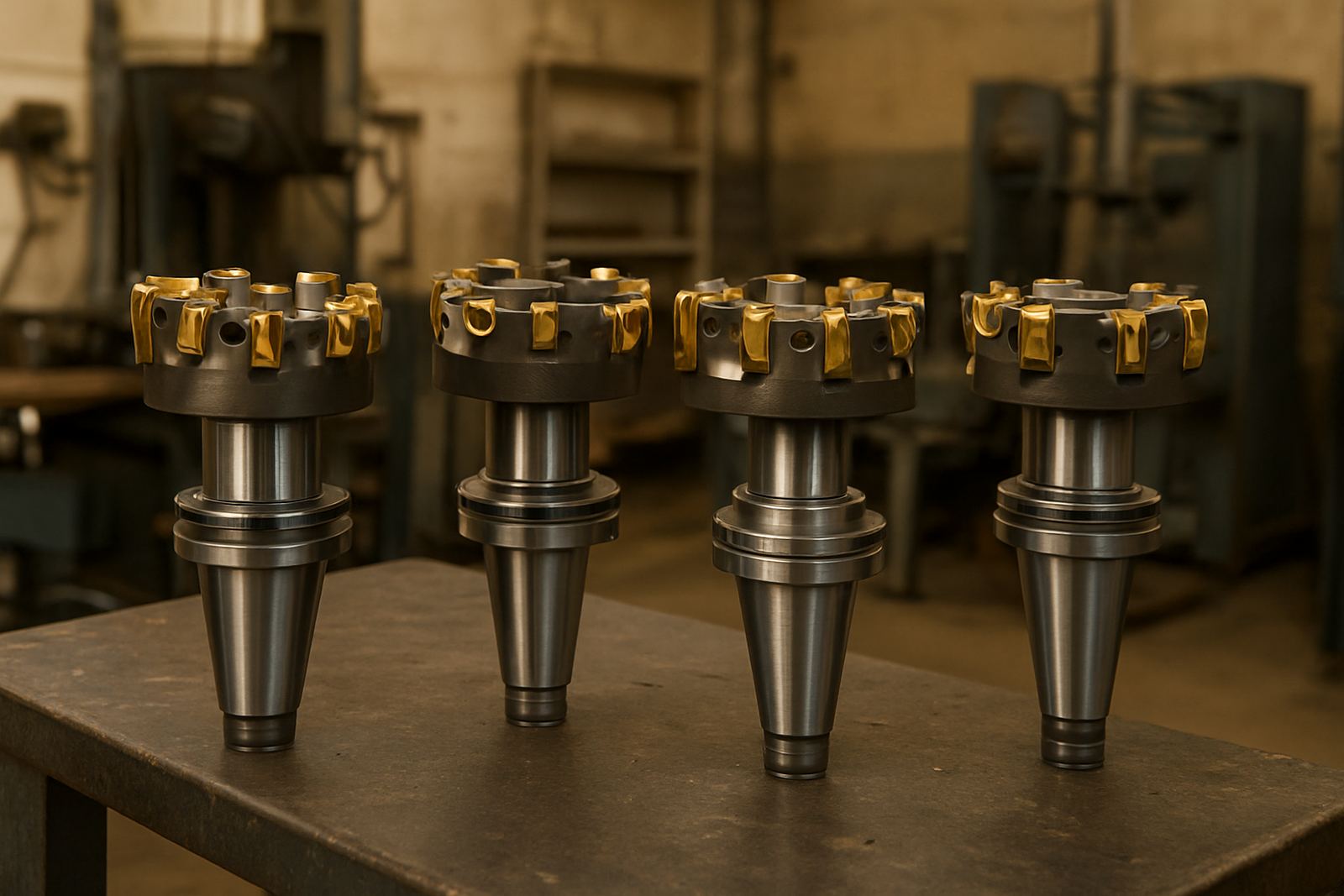
Tooling also supports related workshop servicing such as holder cleaning, runout checks, vise alignment and chuck jaw machining, which helps keep the whole machining setup in order. For shops that run daily, a scheduled inspection every few weeks is worth it, specially if the same vise handles abrasive material or heavy coolant use.
What to confirm before you place an order
Ordering the right self centring vise starts with the part details. The most important points are part size, material type, machine table size and the level of repeat accuracy required. It also helps to know whether the job needs soft jaws, hard jaws or a specific jaw height.
- Maximum and minimum workpiece width
- Required jaw opening and clamping travel
- Machine type and table mounting pattern
- Whether a swivel base is needed or not
- Material being clamped, such as aluminium, mild steel or stainless steel
- Expected production volume and changeover frequency
If the shop handles mixed work, ask for a vise that allows quick jaw changes and simple cleaning. For export work or repeat contract jobs, match the vise to the tolerances on the drawing so the clamping does not become the weak point in the process. A small mismatch here can cost time all week, not just once.
Key facts
| Product type | Self centring vise for machining and repeat clamping |
|---|---|
| Typical use | CNC milling, drilling, light to medium production work |
| Jaw style | Hard jaw and soft jaw options |
| Operation | Manual screw operated, no electricity required |
| Mounting | Table mounted or fixture plate mounted |
| Maintenance | Clean, lubricate and check jaw alignment regularly |