What modular boring tools do in day-to-day machining
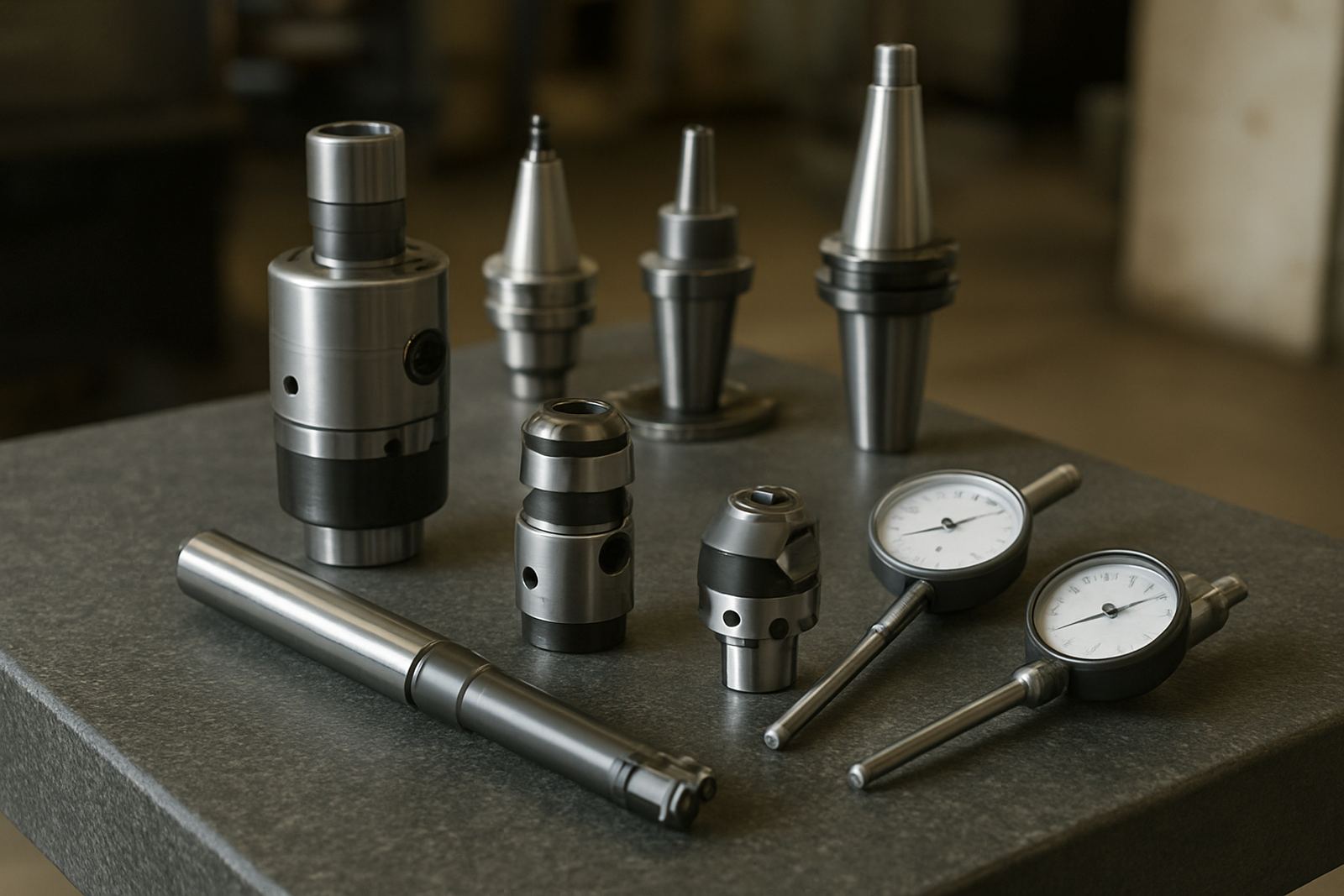
Modular boring tools are adjustable tool assemblies used to enlarge, face and finish internal diameters with proper control over size and concentricity. In plain terms, they let the operator set the cutting edge to the bore size needed, then make fine adjustments as the job calls for it. That makes them useful for roughing and finishing work on housings, sleeves, pump parts, gearbox bodies and similar components.
These systems are built for shops that need consistent repeatability. Instead of changing the whole tool for every bore, the body, holder, boring bar and cutting head can be matched to the task. This saves time at the machine and helps reduce scrap from oversize cuts or chatter. For a busy shop in Gqeberha, Kariega or Coega, that can mean fewer interruptions when the machine is under pressure to keep up.
Tooling supplies modular boring solutions for production environments where accuracy and practicality go hand in hand. The right setup will depend on the machine spindle, the bore depth, the material and the finish needed. A well chosen boring system should cut cleanly in mild steel, stainless steel, cast iron and aluminium, while still holding size after repeat use.
Available sizes, holders and adjustment options
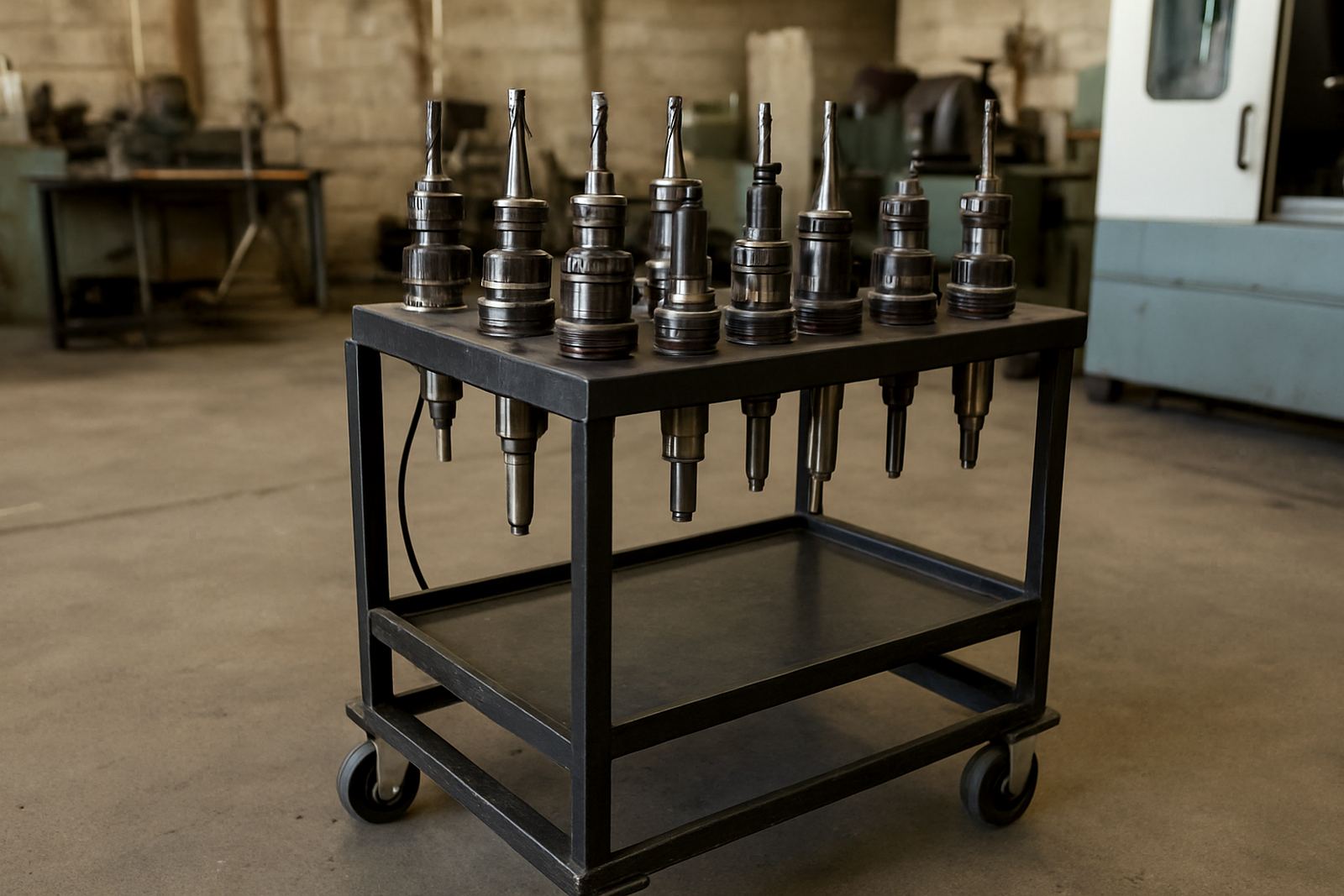
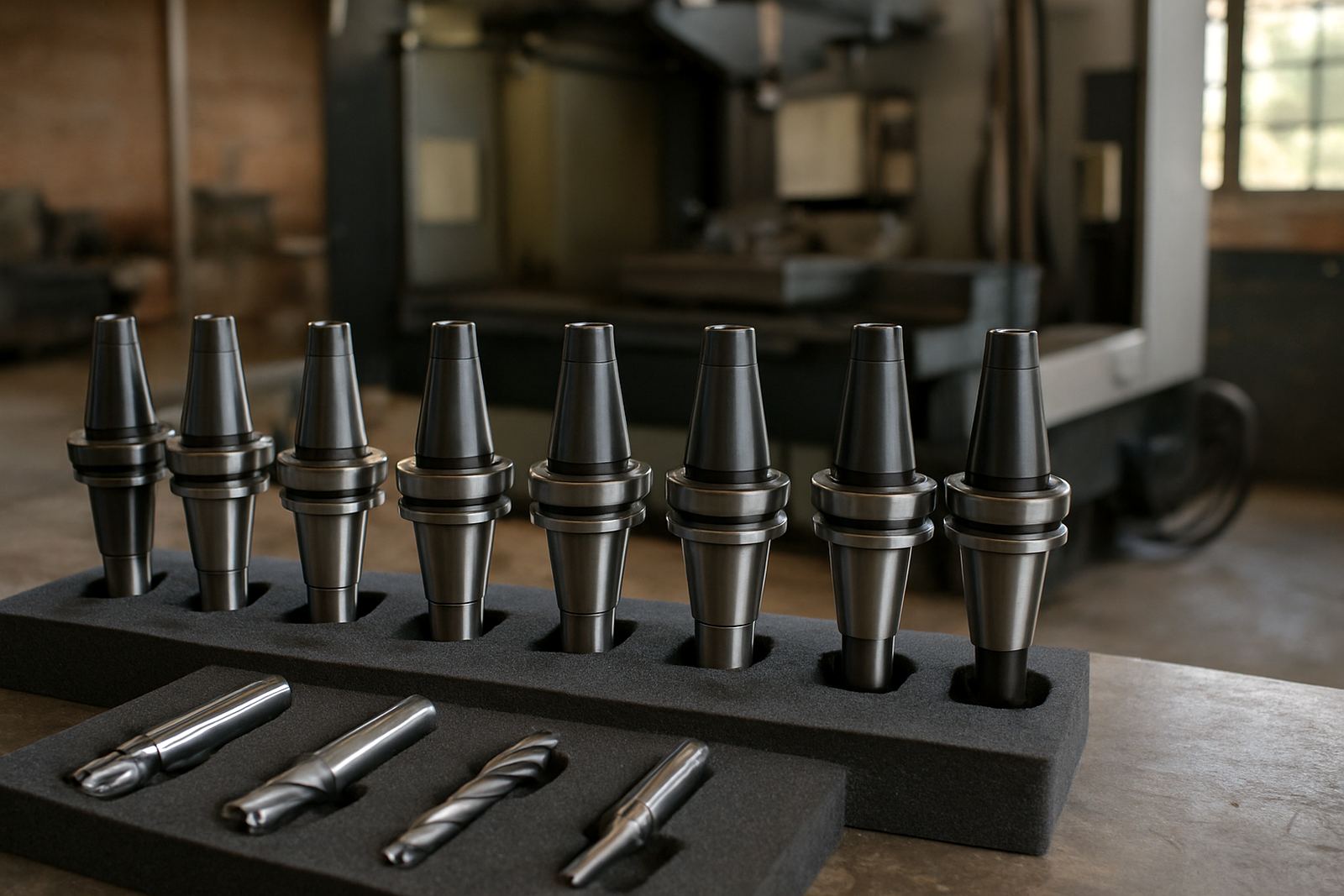
Modular boring tools come in different body diameters and lengths, with several mounting styles to suit the machine and the workpiece. The common route is to choose a modular body that accepts interchangeable heads or cartridges, then select the boring bar length and cutter style for the application. Shorter bars are best for rigidity, while longer bars help reach deep bores where clearance is limited.
Typical options include fine adjustment for finishing cuts, roughing settings for material removal, and interchangeable interfaces for different holders. Some systems suit CNC milling machines with solid shank mounting, while others work better in boring heads or special fixtures. Shops doing mixed work will often keep a few body sizes in stock so one platform can serve several jobs.
- Body diameters commonly used: 16 mm, 20 mm, 25 mm, 32 mm and larger
- Reach options: short, medium and deep boring lengths depending on the setup
- Adjustment: micrometer style or graduated fine adjustment for controlled sizing
- Cutting edge styles: carbide tipped, indexable insert or special purpose heads
- Mounting: cylindrical shank, modular connection or machine specific interface
When ordering, it helps to know the minimum and maximum bore size required, plus the depth of cut and the available spindle clearance. If the bore is long and narrow, a stiffer bar will usually perform better than an extended setup. For intermittent cuts, like on castings, a stronger body and secure clamping make a noticeable difference.
Where these boring systems fit best
These tools suit production machining where internal diameters must be held within a tight range and the finish has to be consistent from part to part. They are used in workshops making hydraulic components, pump housings, flange faces, bearing seats, motor parts and general engineering components. On machines that run through power cuts or load-shedding, a boring setup that sets up quickly can save a lot of time when production restarts.
They are also practical for jobbing shops that handle small batch work. Instead of carrying several fixed boring bars, the operator can use one modular system across different diameters. That is useful when the same machine might run a repair job in the morning and a repeat production order later in the day. In port-side areas, coastal humidity can also affect tool storage, so a system that can be cleaned and protected properly is worth having.
- Best for repeat bores where size and finish must stay consistent
- Useful on CNC lathes, machining centres and dedicated boring machines
- Suitable for repair work, batch production and component finishing
- Helps reduce changeover time between related jobs
For very small diameters or highly interrupted cuts, a standard solid boring bar may still be the better choice. But where a shop needs flexibility, modular boring tools give more control over the setup and allow the cutter to be matched to the job instead of forcing the job to fit the tool.
Installation, setup and machine requirements
Installation starts with matching the tool interface to the machine holder or spindle system. The cutting head must sit square and be clamped properly, with no debris on the mating faces. Before cutting, the operator should check overhang, runout and tool balance as far as the machine allows. A small amount of extra overhang can be acceptable, but too much will invite chatter and poor finish.
These tools do not need gas or coolant to function, but coolant is often recommended for chip control, tool life and finish. For dry cutting, especially on cast iron or some aluminium jobs, good chip evacuation becomes even more important. On machines with through-tool coolant, check that the pressure and nozzle direction suit the cutter style. If a shop is cutting stainless steel in warm coastal conditions, keeping heat under control is a real help.
Power requirements depend on the machine, not the boring tool itself. A stable spindle, sound bearings and accurate axis movement matter more than brute power. The operator should also verify the machine is level, the workholding is tight and the part is supported properly. If the bore is deep, a boring bar support or stabiliser may be needed to stop vibration.
Before the first cut, it is worth making a test pass and measuring the bore at more than one point. That tells you whether the setup is straight and whether the insert is cutting cleanly or pushing material. A quick check at the machine can prevent a costly rework later on, especially when tolerances are tight.
Care, cleaning and servicing for longer tool life
Good care starts with cleaning the tool after every shift. Chips, oil and fine swarf should be removed from the body, clamping faces and adjustment threads. If a modular system is packed away dirty, the next setup can lose accuracy or seize at the adjustment point. In humid areas near Gqeberha, light oil on exposed steel parts helps prevent surface rust.
Inspection should focus on the cutting edge, the adjustment screw, clamping faces and any locating surfaces. If the bore finish starts to vary, check for runout, wear on the insert seat and damage caused by incorrect tightening. A worn cutter can still look serviceable at a glance, but it may be leaving size drift or a rough finish that only shows up at measuring time. Small typo there, but the point stands.
Tooling supports services such as tool inspection, holder cleaning, runout checks and tool regrinding where applicable. For some shops, routine presetting and measurement checks keep the tool ready for immediate use after delivery back from service. That is often cheaper than waiting until the tool is visibly worn out.
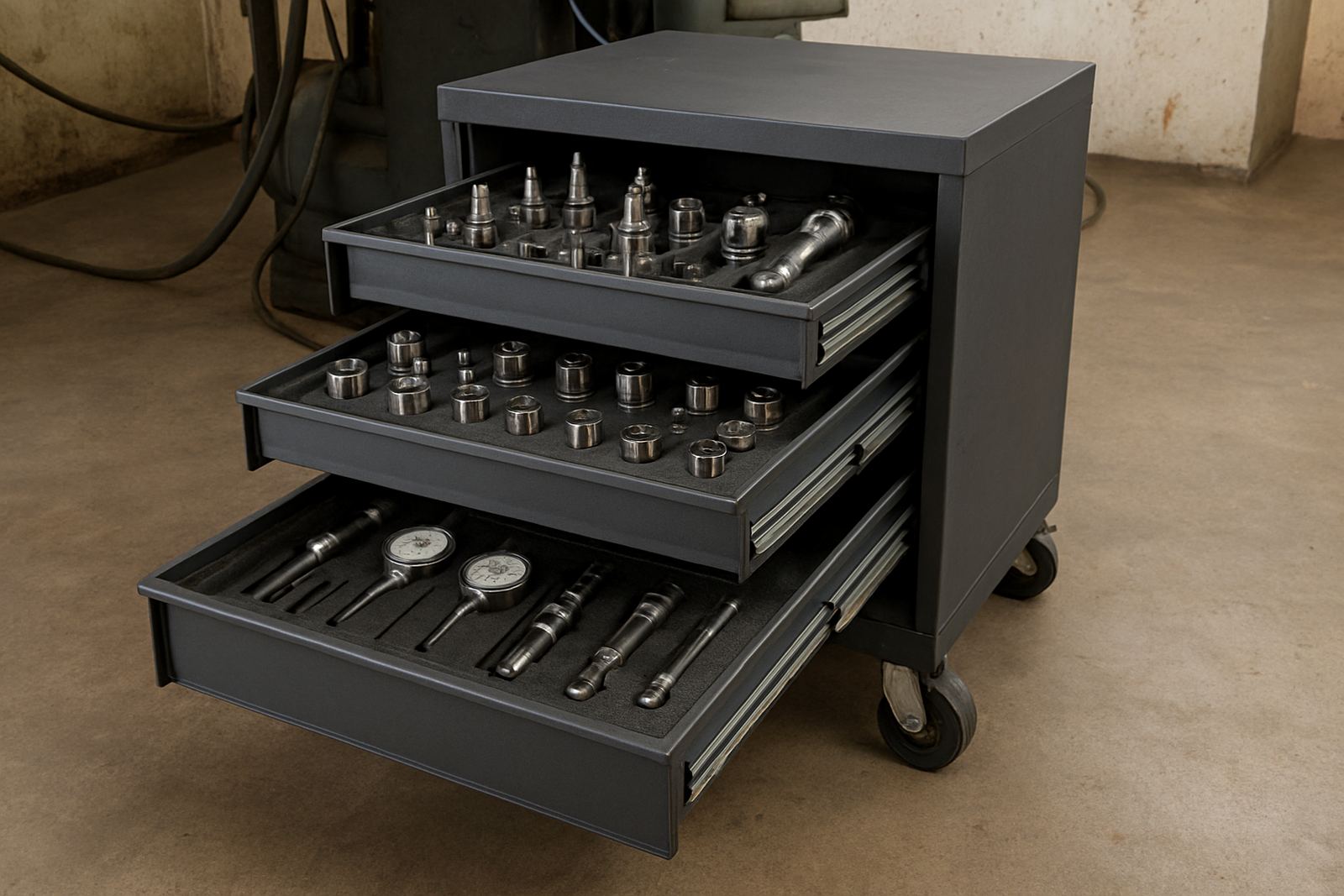
- Clean after use and store in a dry cabinet or sealed case
- Check screws and clamping points for wear or damage
- Measure runout regularly, especially after heavy cuts
- Keep inserts or cutting heads matched to the material being machined
What to confirm before placing an order
Before ordering, confirm the bore diameter range, the depth of the hole and the material to be cut. Those three details normally decide the body size, reach and cutter style. It also helps to know whether the machine is a CNC lathe, milling machine or a dedicated boring setup, because that affects the shank and holder choice.
You should also check the finish requirement, the tolerance band and whether the bore is blind or through. A blind bore usually needs more attention to chip control and tool clearance at the bottom of the hole. If the part has interrupted surfaces or hard spots, mention that too so the tool can be matched correctly.
- Minimum and maximum bore size
- Bore depth and whether the hole is blind or through
- Machine type and available holder interface
- Material to be machined and expected chip form
- Tolerance and surface finish requirement
- Need for coolant, presetting or special adjustment range
If you are serving multiple sites such as Struandale, Markman, Coega, Despatch or Port Elizabeth CBD, it is worth standardising the tool family so operators can swap components without confusion. That saves time on the shop floor and reduces setup mistakes. For advice on the right modular boring tools for your work, contact Tooling in Struandale, Gqeberha on our contact form.
Key facts
| Tool type | Modular adjustable boring system |
|---|---|
| Application | Internal diameter enlargement and finishing |
| Common size range | 16 mm to 32 mm bodies, with larger options available |
| Mounting | Cylindrical shank or modular interface depending on setup |
| Materials | Mild steel, stainless steel, cast iron and aluminium |
| Support services | Presetting, inspection, runout checks and holder cleaning |