What a collet chuck does on the shop floor
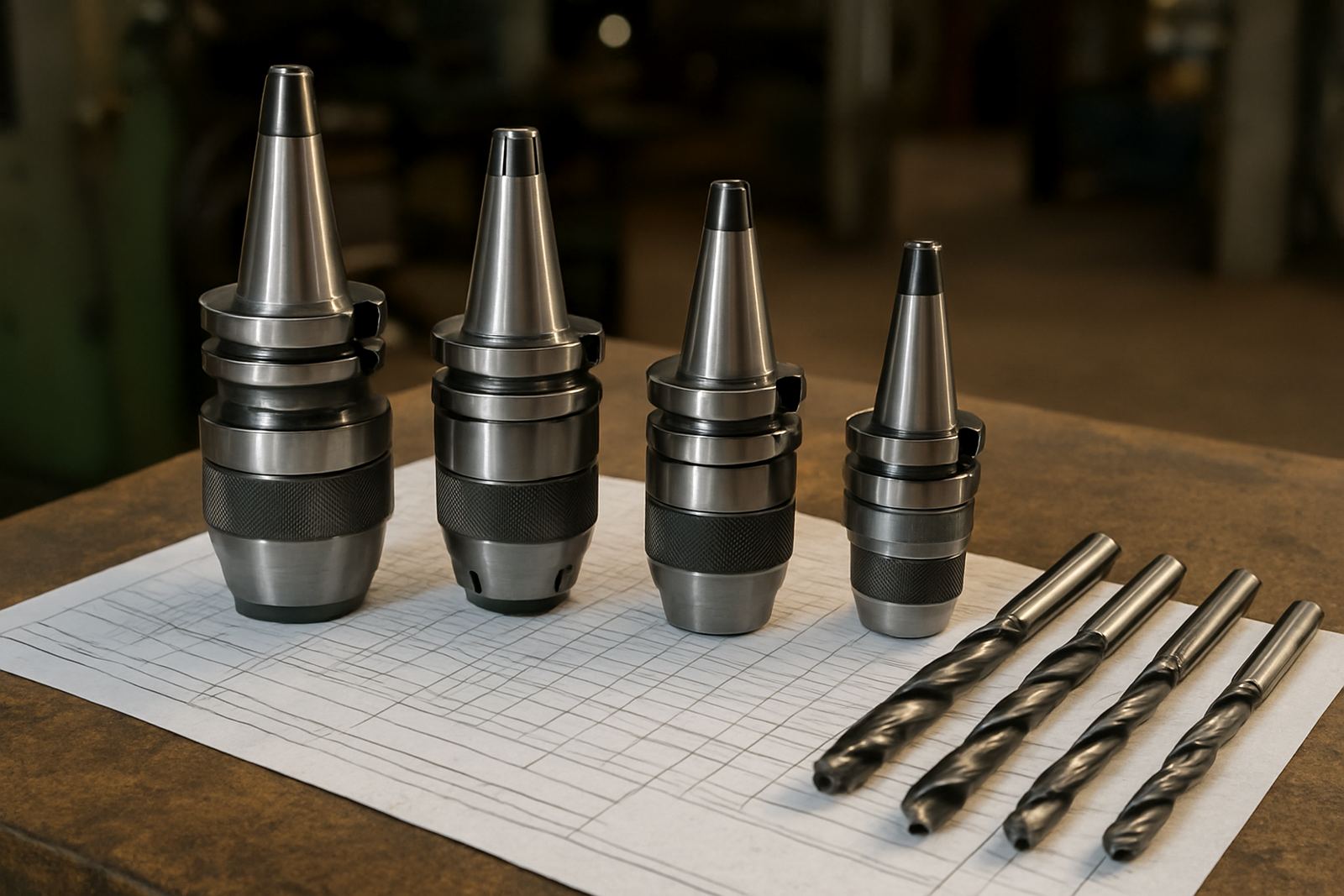
A collet chuck is used to hold a tool or part by clamping it evenly all the way around the shank. That even grip helps reduce runout, which matters when you are drilling small holes, finishing bores or holding slender cutters that must stay true under load. In a machining environment, the difference shows up in better hole quality, cleaner finishes and less chatter at the machine.
Collet chucks suit shops that need quick changeover without giving up accuracy. They are common on milling machines, CNC machining centres, lathes with live tooling, toolroom machines and some special purpose equipment. In a workshop where one machine may run fine work in the morning and maintenance parts after lunch, a collet system saves time and keeps the setup practical.
Tooling supplies collet chuck systems for local conditions too. In Struandale, Markman, Coega and around Gqeberha, shops often work with mixed power supply quality, coastal humidity and dust from daily production. A properly selected chuck helps keep the process stable, but it still needs correct cleaning and careful fitting to hold tolerance shift after shift.
Sizes, tapers and collet options available
Collet chuck systems are chosen around the machine spindle and the tool shank size. Common taper styles include straight shank and taper-mounted bodies, with the exact fit depending on the spindle nose and the machine's toolholding standard. When ordering, the spindle interface must match the machine, otherwise the chuck will not seat correctly and accuracy will suffer.
Collet sizes are normally selected for the shank diameter you use most often. Typical ranges cover smaller work from 1 mm upward through to larger industrial shanks, with metric and imperial options often required in the same shop. A good setup may include one main chuck body plus a set of matching collets for the most common cutter sizes, instead of forcing every tool into a single oversized clamp.
- Metric and imperial collet sizes for mixed production work
- Different nose lengths for clearance around guards and fixtures
- High-precision collets for fine finishing and close tolerance drilling
- Standard duty options for general machining and toolroom use
- Extra gripping ranges for shops that change tools often
For machine shops serving Kariega, Despatch or the Port Elizabeth CBD, it often makes sense to keep the most used sizes on the shelf. That avoids downtime when a worn collet needs replacing and a critical job must still ship before the afternoon load-shedding window.
Where collet chucks work best in South African machining
Collet chucks are a strong choice anywhere repeatability matters and the tool shank is round or accurately ground. They are well suited to drilling, reaming, light to medium milling, engraving, finishing passes and toolroom work. They also help when short setups are needed for jobbing shops that handle many different parts in a week.
In production work, a collet chuck is useful when operators need a quick, accurate hold without the bulk of a larger holder. That makes it practical on compact machines and in smaller bays where space is tight. In maintenance departments and fabrication shops, it helps when odd parts come in from plant shutdown work, and the team needs a dependable grip without wasting time on complicated tooling.
- Drilling and reaming where hole position and finish matter
- Milling small components and repeat jobs
- Toolroom applications with frequent tool changes
- Prototype and repair work with varied part sizes
- Light production where consistency is important
At the coast, humidity can lead to surface corrosion if tooling is left wet or oily grit is not cleaned out. Inboard from Gqeberha, dust and fine chips still find their way into the clamping surfaces. That is why the right collet chuck is only part of the answer, the rest is how it is handled between shifts.
Fitting, tightening and machine requirements
Most collet chuck systems do not need power or gas to operate because clamping is mechanical. The machine does, however, need the correct spindle or holder interface and enough clearance for the chuck body and cutting tool. If the machine uses coolant, the chuck and collets should be suitable for that environment and cleaned so coolant residue does not build up around the grip surfaces.
Installation should be done with the spindle clean, the taper free from burrs and the drawbar or retention system set to the correct specification. Tightening must be even and within the recommended torque or pull force for the system in use. If the chuck is forced into a dirty spindle or mismatched taper it will not sit true, and no amount of careful machining will make up for that.
It is also worth checking clearance around guards, tool changers and fixtures before ordering. A chuck that is technically correct but too long for the machine can create avoidable setup issues. On older machines in workshops around Struandale or Markman, extra care is often needed because spindle accessories may have been changed over the years and the paperwork is not always complete.
Care, cleaning and rework that keeps accuracy up
Collet chucks need regular cleaning, inspection and careful storage. Chips, oil residue and surface rust will affect grip and can increase runout. After use, wipe the body and collet bores clean, then check for visible scoring, cracks or worn contact surfaces. If a collet has slipped or been overtightened, replace it before it causes tool movement or poor surface finish.
Tooling supports workshops with related maintenance services that help keep the system in shape, including tool regrinding, tool inspection, holder cleaning, runout checks, presetting service and holder and chuck related checks. For busy sites in Coega or across the metro, that can be the difference between planned maintenance and an unplanned stoppage during a rush order.
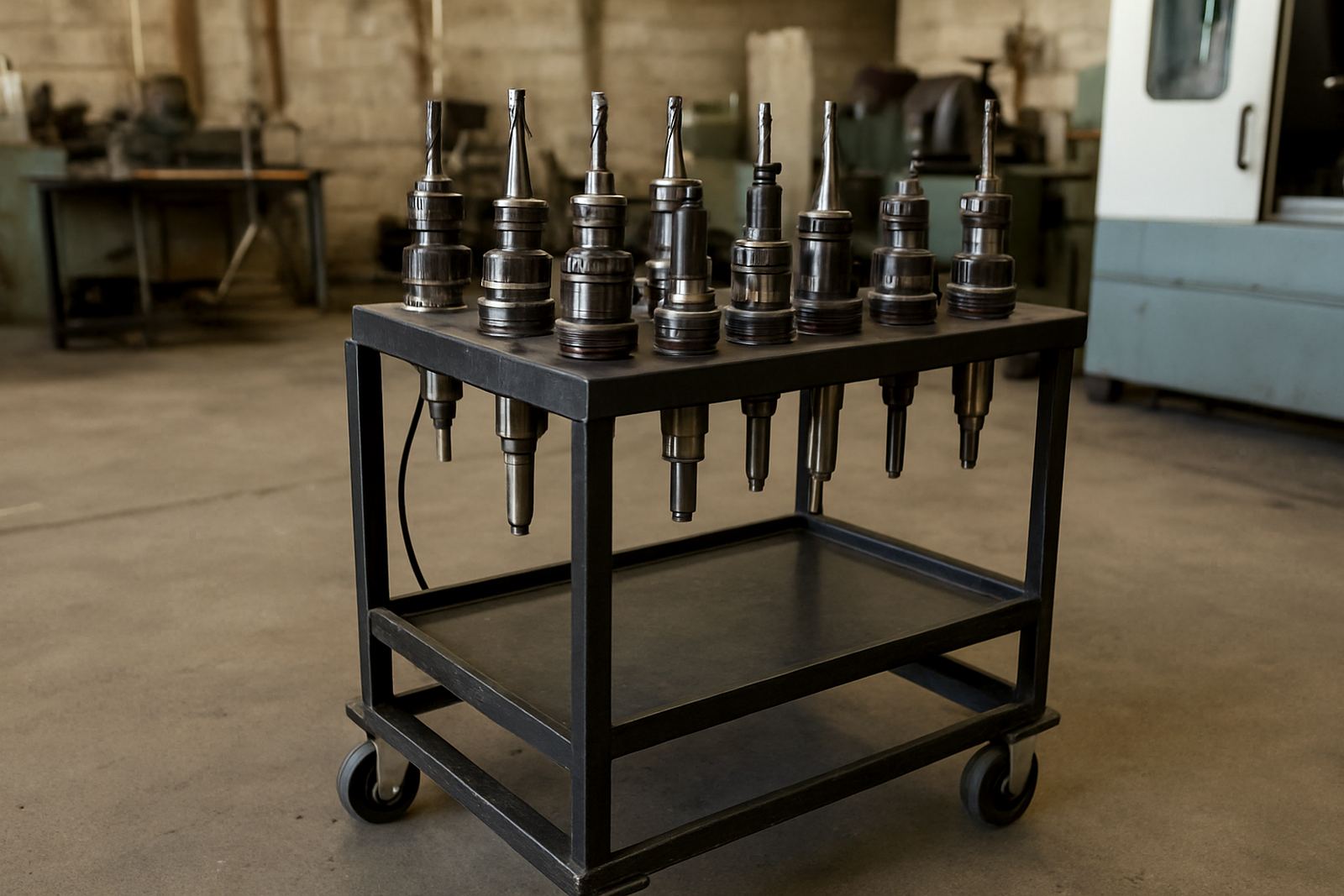
Do not leave collets sitting loose in chip trays or on oily benches. Store them in order by size where possible, and keep the matching parts together so the correct set goes back into service. If a shop runs through power interruptions, check the chuck again after restart before putting a part back on cycle. It only takes a minute and can prevent scrap.
What to confirm before you place an order
When ordering a collet chuck, start with the machine make and spindle interface, then confirm the tool shank sizes you use most often. The exact taper or mount, the required clamping range and the intended application all need to be clear. A chuck for a high-speed finishing job is not always the same choice as one used for rougher production milling.
It also helps to know whether you need one-off quantities, spare collets, pull studs or matching accessories. If the machine uses coolant through the holder or has a restricted nose clearance, that should be mentioned up front. For shops that work across different branches or sites, order the same system across the fleet where possible so operators do not mix incompatible parts.
- Machine model and spindle interface
- Tool shank diameter and tolerance range
- Required balance, speed and accuracy level
- Need for coolant, clearance or special nose length
- Whether spare collets and accessories are needed
If you are unsure, send the details through with photos of the existing holder and spindle area. That saves time and cuts down on ordering the wrong size. It also helps when a machine is down and a replacement has to be sourced quickly for a workshop in Gqeberha or sent further afield nationwide.
Key facts
| Product type | Collet chuck system for drilling, milling and toolroom use |
|---|---|
| Typical applications | CNC machining, manual milling, toolroom work, light production |
| Holding method | Even circumferential grip on matched collets and tool shanks |
| Common sizes | Metric and imperial collet ranges, selected to suit the spindle and tool diameter |
| Machine needs | Matched spindle interface, clean taper, correct tightening, no gas required |
| Service support | Inspection, cleaning, runout checks, presetting and related holder care |