What hydraulic holders do in day to day machining
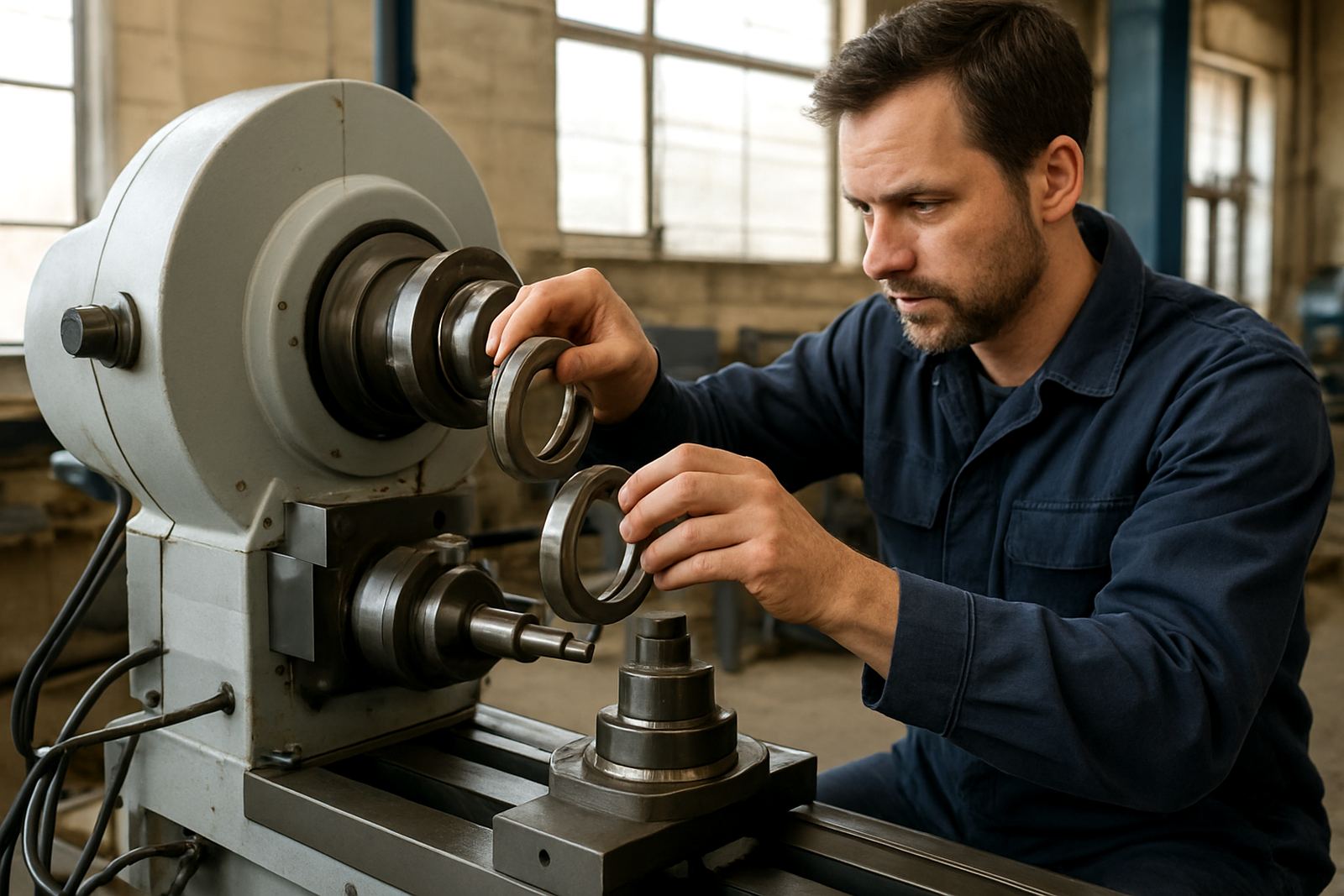
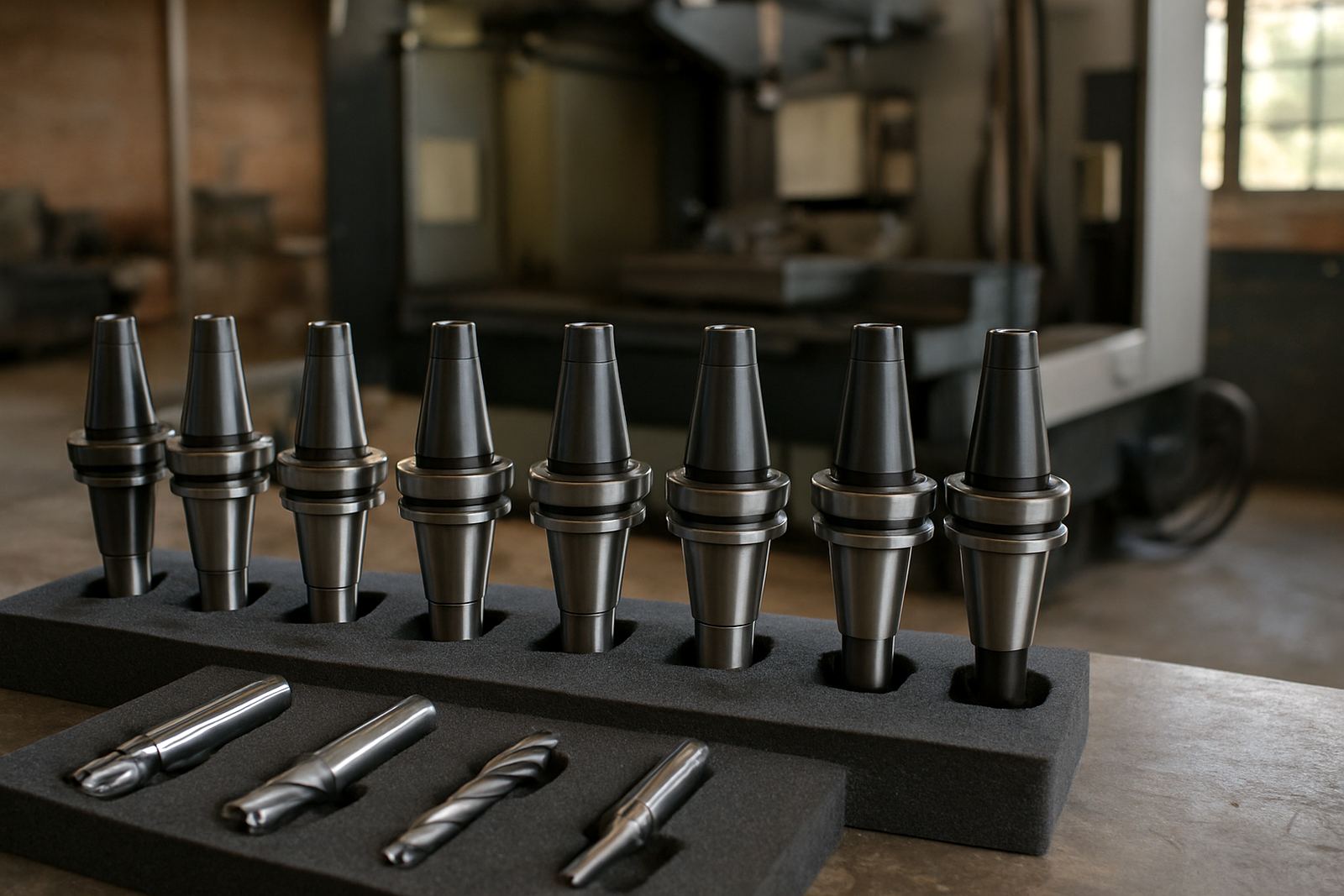
Hydraulic holders clamp a cutting tool by means of internal fluid pressure, giving a very even grip around the shank. That makes them useful when you are running small end mills, long reach cutters or tools that do not like distortion. Compared with a hard mechanical grip, the contact is more uniform and the runout stays low, which helps keep finishes cleaner and tool life more consistent.
In practical terms, they are a good fit for finishing passes, thin wall components, mould work, and jobs where you want the machine to remove less vibration from the process. Shops in Struandale and Markman often use them on CNC milling centres for repeat work where each part must match the last one. The holder supports the tool without over squeezing it, so the cutter can do its job with less chatter.
- Best for finishing and light to medium cutting duties
- Helps reduce vibration on delicate cutters
- Suitable for high speed spindle use within the holder rating
- Useful where surface finish and size control matter
Sizes, shanks and interface options to match your machine
Hydraulic holders are supplied in common taper and shank arrangements so they can suit a wide range of machining centres, from compact vertical machines to larger production units. The main choice is the machine interface, followed by the tool shank diameter and the projection you need. If your machine uses a specific taper, that must match exactly. The cutter side is usually chosen to suit the tool diameter, with adapters available in some cases.
Typical shank sizes include 3 mm, 4 mm, 6 mm, 8 mm, 10 mm, 12 mm and 16 mm for smaller work, with larger sizes available for heavier milling. Straight shank and reduced neck versions are common where access is tight or the workpiece has deep pockets. Some users in Gqeberha choose slim body holders for mould cavities, while general jobbing shops often keep a mixed set for different cutter diameters and stick out lengths.
- Choose the machine taper to suit your spindle exactly
- Check the cutter shank diameter, length and reach required
- Consider slim body styles for narrow pockets and close walls
- Ask for the clamping range if you use several tool sizes in one shift
Where hydraulic holders work best on South African shop floors
These holders are most useful where finish and repeatability matter more than brute clamping force. They suit aluminium, mild steel, stainless steel and many mould materials when you are doing profiling, finishing, slotting with smaller cutters or light high speed cuts. In coastal areas like Port Elizabeth CBD and the wider Gqeberha side, they also help because good clamping consistency matters when humidity is high and tools may pick up fine corrosion if they are left dirty after shift change.
They are not the first choice for roughing with large cutters, interrupted heavy cuts or jobs with severe impact loads. For that kind of work, another holder style may be more suitable. But for precision finishing, reaming support, slender carbide cutters and high value components, hydraulic holders are a solid option. They also help when the job needs the same tool performance across multiple machines and operators.
- Finishing on mould and die work
- Small diameter cutters and long reach cutters
- Repeat production where tool balance matters
- Work that needs cleaner surface finish and controlled deflection
Installation, machine setup and power needs
Hydraulic holders do not need gas or an external power supply in daily use. The hydraulic clamping action is built into the holder itself, so once the tool is fitted and the screw or activation point is set, the holder clamps mechanically through internal fluid pressure. That makes them straightforward on the shop floor. What matters is correct installation, clean contact faces and the right amount of tool stick out.
Before use, make sure the taper and spindle are clean, the pull stud or retention system matches the machine, and the holder is tightened to the proper specification. If the machine has through spindle coolant, confirm that the holder is rated for it if you intend to use coolant through the tool. Balancing becomes more important as spindle speeds rise, especially on finer work. A holder that is not seated properly can still give trouble, so the fit must be checked each time.
- No gas line required
- No external electrical supply for clamping
- Machine taper, drawbar and pull stud must match
- Check coolant compatibility if using through-tool coolant
Care, cleaning and servicing between jobs
Good care starts with keeping the taper, bore and shank clean. Chips and coolant residue can affect concentricity and shorten the life of the holder. Wipe the holder down after use, dry it before storage and avoid leaving it in a damp tool cart over the weekend. In coastal workshops around Gqeberha, that extra care is worth it because surface rust can start quicker than expected if tools are put away wet. Small detail but it saves money over time.
Tooling can assist with holder cleaning, inspection and runout checks, which helps keep holders in spec before they go back into production. If you see scoring, poor clamping feel, unusual vibration or a change in finish, the holder should be checked. Never force a cutter into a worn bore. For shops running shift work and load-shedding backup plans, it is wise to keep holders organised and tagged so problem units are picked up before the next changeover.
- Clean bore and taper after each shift
- Store dry and protected from dust
- Inspect for runout changes or marks on the shank seat
- Book servicing if clamping feel changes or finish quality drops
What to confirm before you order
Ordering the right hydraulic holder is mostly about matching the machine and the cutting tool. If you know your spindle taper, shank size, required projection and whether coolant through the holder is needed, selection becomes much easier. It also helps to know the cutting material, because carbide and HSS tools may need different support depending on the job. A few minutes of checking up front can prevent delays on the floor later.
Tell us the machine model if available, the tool diameter, the stick out from the nose and whether you are using roughing or finishing passes. If the job runs in a high speed spindle or on tight tolerance parts, ask about runout expectations. For shops in Coega, Despatch and Kariega, collection and delivery can be arranged, which helps when production windows are short and machine time is already booked.
- Machine taper and spindle type
- Tool shank diameter and length
- Required projection and neck clearance
- Coolant through-tool requirement
- Application type: finishing, profiling or light milling
Key facts
| Runout | Low runout design for precision finishing work, typically used where close concentricity is required |
|---|---|
| Tool shank range | Common sizes from 3 mm to 16 mm, with larger options available on request |
| Machine interfaces | Supplied to match common CNC spindle tapers and retention systems |
| Clamping method | Internal hydraulic clamping, no external gas or power needed |
| Best use | Finishing, mould work, small cutters, long reach tools and delicate cuts |
| Maintenance | Clean bore and taper, inspect regularly, and arrange runout checks when needed |