What a zero point system does on the shop floor
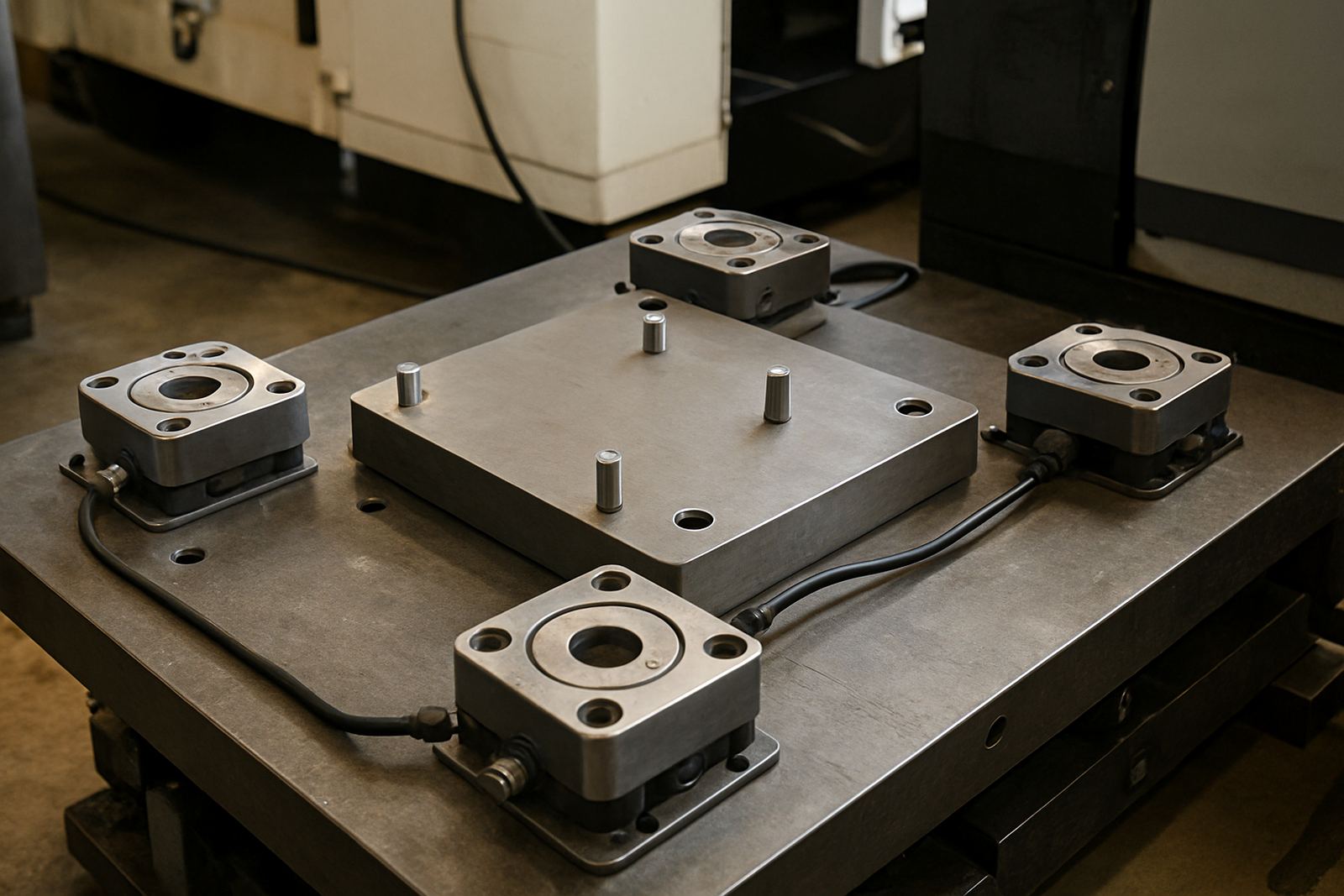
A zero point system is a quick change clamping base that gives your fixture a fixed reference point. Instead of measuring and re-aligning every time, the base and receiver locate the workholding in the same position with very little variation. That matters when you are changing jobs often, running multiple operators, or moving between milling, drilling, probing and inspection. The result is less wasted time, fewer alignment errors and more consistent output from the first part to the last.
In practical terms, it is a mechanical locating and clamping solution that sits on the machine table, tombstone, subplate or pallet. Once installed and indicated in, it allows repeat setdown with high positional accuracy. Many South African workshops use it to speed up batch work, reduce downtime during load-shedding windows, and keep machines productive when the program has to be restarted after a stop. It is a proper help in a shop where every minute counts.
Where zero point clamping suits best
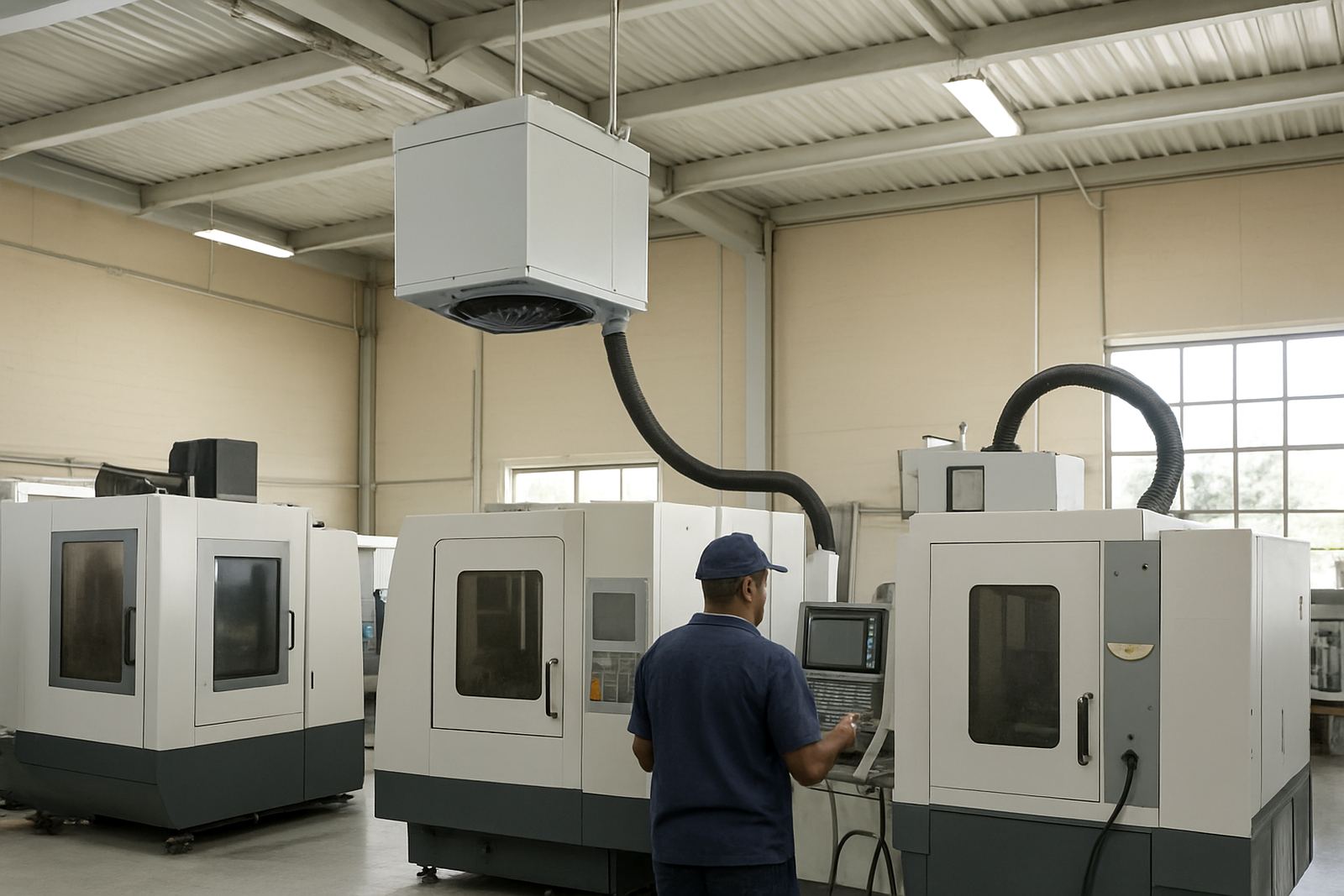
These systems are ideal for machine shops, toolrooms and jobbing plants that need quick fixture changeovers without giving up accuracy. They suit vertical machining centres, horizontal machining centres, 4th axis setups, EDM fixtures, and inspection stations where repeat location is important. If your work changes daily, or even several times a shift, a zero point base can pay for itself by reducing setup labour and machine idle time.
- Small and medium batch production
- Toolroom and prototype work
- Fixture plates and modular subplates
- Pallet changing on CNC machines
- Repeat inspection and gauging stations
It also helps on coastal sites where humidity and fine airborne dust can affect precision equipment. In Gqeberha, Kariega and Coega, good workholding discipline makes a real difference because corrosion, grit and poor cleaning can quickly affect repeatability. A zero point system gives you a more controlled base, provided the mating faces are kept clean.
Sizes, layouts and holding styles to consider
Zero point systems come in different body sizes and mounting layouts to suit light, medium or heavy fixtures. Common formats include single-point and multi-point layouts, round or rectangular receiver modules, and base plates with more than one clamp station. Some setups are designed for compact subplates, while others are built for larger pallets that carry several vices, tombstones or custom fixtures. The right choice depends on table size, fixture mass and how often you swap setups.
You should also consider clamping style. Mechanical clamping is widely used for its simplicity and no-power hold. Some systems use manual actuation, while others are pneumatically released for faster changeovers. If your shop has compressed air on the machine line, a pneumatic release option can be very convenient, but it still needs clean, dry air. For manual systems, no power or gas is needed at the clamping point, which keeps installation straightforward and helps in areas where air supply is limited or unreliable.
- Base plate footprint to suit machine table space
- Number of receivers needed for each fixture
- Clamp force required for part weight and cutting loads
- Manual or pneumatic release preference
- Compatibility with existing vices, pallets and subplates
Installation and site requirements
Installation starts with a clean, flat mounting surface and a careful indication of the base. The receiver or base plate must be aligned properly before final fastening, because the system will only repeat as accurately as it was installed. On a CNC table, the mounting holes, T-slots or adapter plate need to suit the chosen layout. If the machine uses coolant heavily, the setup should allow drainage and easy cleaning around the clamping face.
For most mechanical zero point systems, there is no electrical connection, no gas bottle and no special utility requirement beyond the machine space and, if applicable, a clean air supply for pneumatic release. That makes it suitable for shops dealing with load-shedding, as the clamping position is maintained mechanically once locked. If you are running compressed air from a central line, make sure the air is dry and filtered. Wet air can cause sticking and shortens service life, especially in coastal conditions.
- Check table flatness and mounting hole pattern before fitting
- Keep the mating faces free of chips, rust and coolant residue
- Use the correct torque on fasteners, not guesswork
- Confirm clearance for tool path, probe access and spindle travel
Care, cleaning and servicing for longer life
Zero point systems work best when they are treated as precision components. Chips, swarf and dried coolant must be removed after each setup because even a small particle can affect location. Wipe the mating surfaces with a lint-free cloth, inspect the clamping face for scoring, and check that the locking action feels consistent. In shops with abrasive dust or stainless work, this should be part of the daily routine.
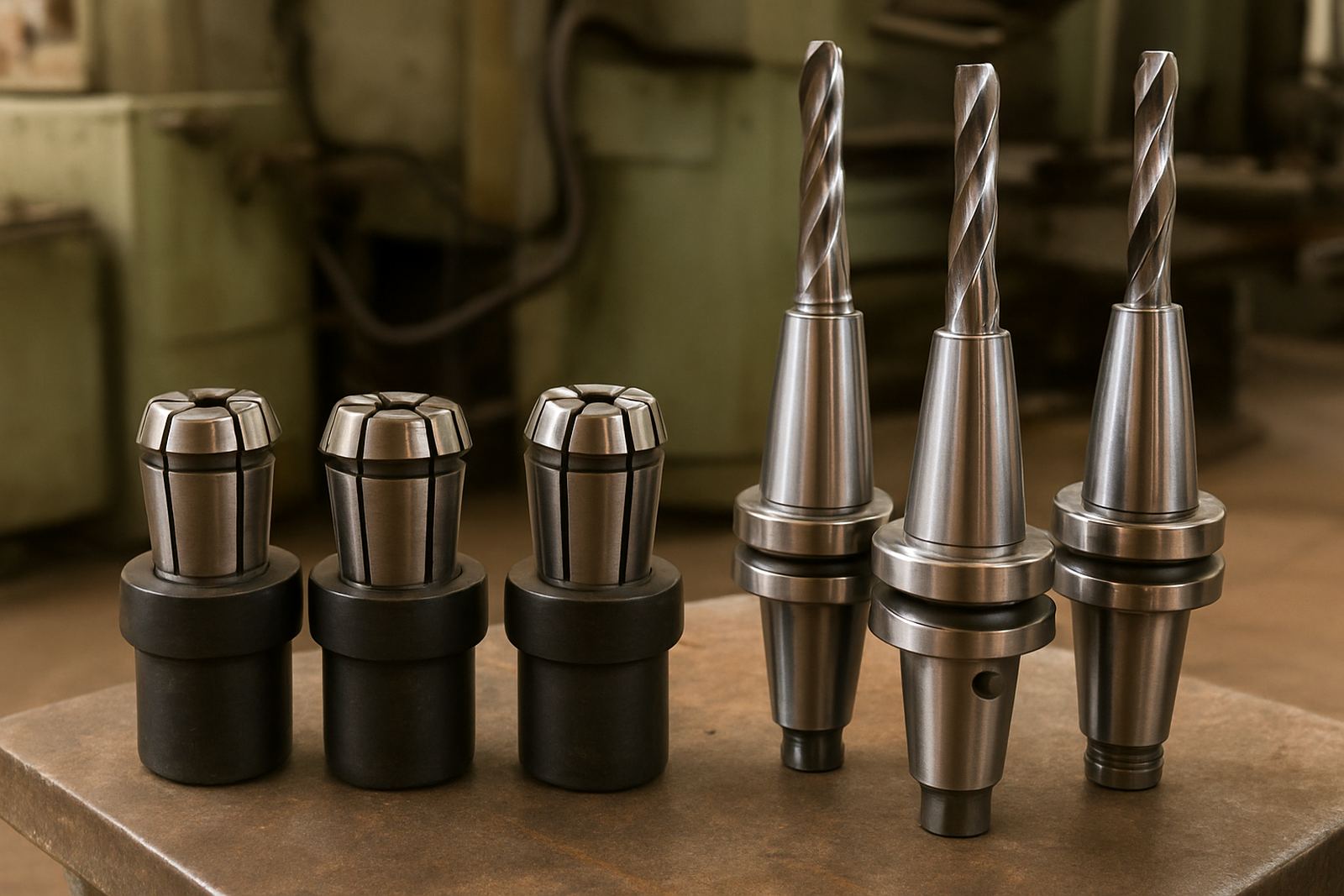
Regular servicing can include runout checks on the fixtures that interface with the system, holder cleaning where adapters are used, and inspection of wear surfaces and seals. If your setup uses air release, check for leaks and keep the air line clean. On heavily used fixtures, periodic strip, clean and inspection of the receiver units is good practice. That is especially useful where machines are running long shifts and there is little time for unexpected stoppages.
- Daily cleaning of locating faces
- Weekly inspection for wear, rust and chip build-up
- Check release and clamp repeatability at service intervals
- Replace worn adapters before they mark the base
What to check before you place an order
Before ordering a zero point system, you need to define the machine type, table size, and the fixture weight it must carry. It also helps to know whether you are changing whole pallets, smaller plates or individual vices. If you are unsure, send photos of the machine table, the current workholding and the type of parts you machine. That makes it easier to match the clamping layout to your operation.
You should also confirm the required repeatability, clamp force, and whether the system must work with existing fixtures or new ones. Ask about the mounting pattern, the stroke or release method, and whether any adapters are needed for your subplates. In a busy shop, one wrong assumption can cost a lot of time, so it is better to measure twice and order once. If your team handles mixed work across Struandale, Markman or Coega, a standardised setup across machines can simplify training and reduce mistakes.
- Machine model and table size
- Fixture weight and cutting load
- Required repeatability and clamp force
- Manual or pneumatic release
- Need for adapters, subplates or custom drilling
Why South African workshops choose this approach
For manufacturers in Gqeberha and beyond, a zero point system is less about fancy kit and more about practical production control. It shortens setup time, supports repeatable quality and helps shops make better use of every machine hour. That matters whether you are running aluminium components, steel brackets, mould inserts or mixed jobbing work.
Tooling serves machine shops nationwide from Struandale, with support for selection, setup advice and related services such as presetting, inspection and alignment work. If your fixtures need to be reworked, cleaned or checked for runout, it is easier to keep the whole process under one roof. Good clamping is not just about holding a part, it is about keeping the job on size and getting the next changeover done without fuss.
Key facts
| Product type | Quick change zero point clamping base system |
|---|---|
| Location accuracy | High repeatable location for fixture and pallet changes |
| Clamp style | Mechanical clamping, with pneumatic release options on selected systems |
| Power requirement | No electrical power required for mechanical systems |
| Air requirement | None for manual systems, clean dry compressed air for pneumatic release versions |
| Typical use | CNC milling, pallet changing, fixture plates, toolroom and inspection setups |