
What a manual chuck does on the machine
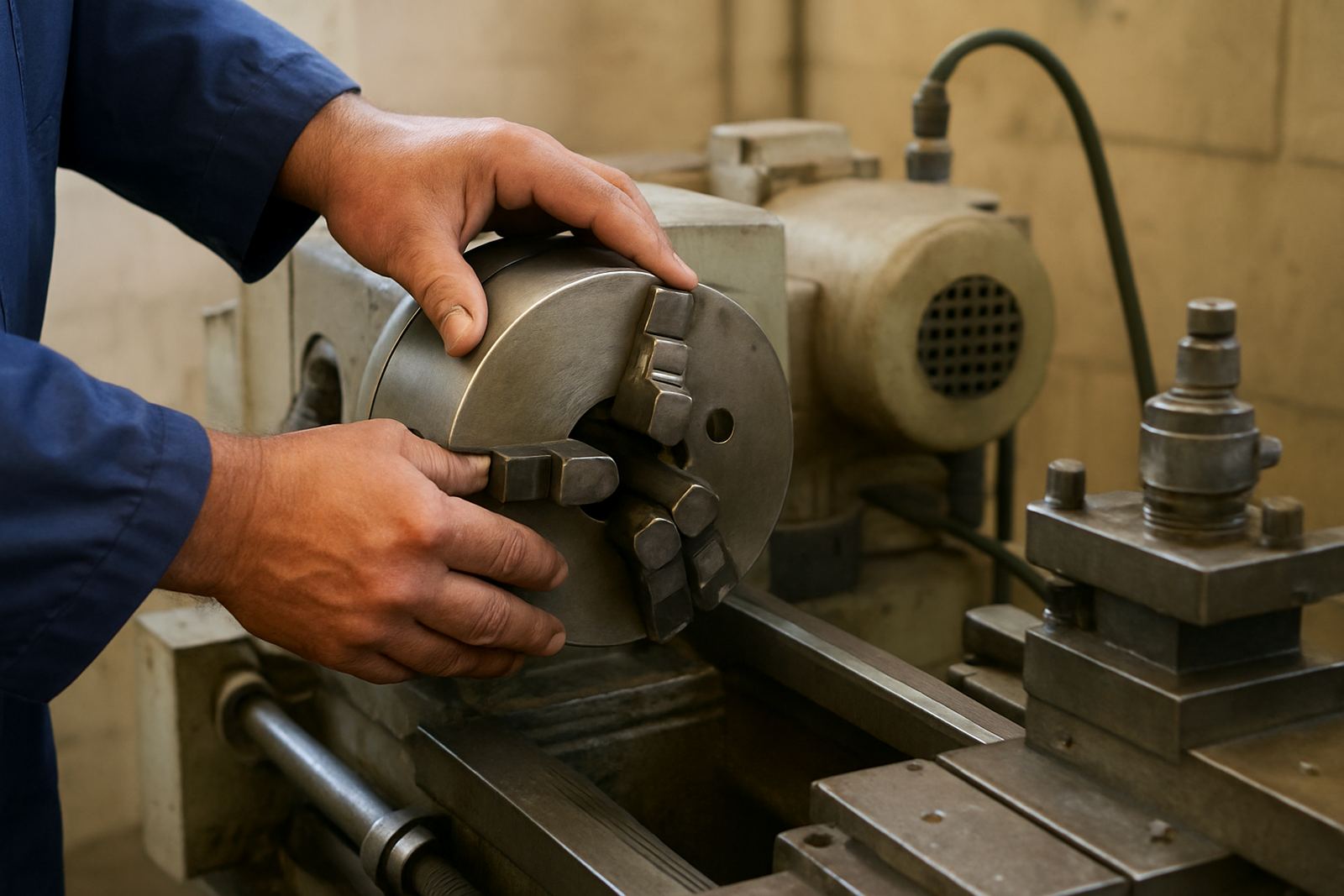
A manual chuck holds the workpiece on the spindle and gives the operator direct control over clamping force. On a three jaw chuck, round and hex stock can be centred quickly for repetitive turning. A four jaw chuck gives independent jaw movement, which is useful when you need to grip irregular shapes, square bar, or true up a part that is not running central.
These chucks are used every day in jobbing shops, maintenance bays and production lines where the operator wants a simple, mechanical clamping solution. There is no air line, no hydraulic pack and no electrical supply needed for the chuck itself, so installation is straightforward on the right spindle nose or adaptor. It is a practical option for plants in Struandale, Markman, Coega and Kariega where uptime matters and loadshedding can interrupt powered accessories.
- Three jaw chuck for fast centring on round and hex stock
- Four jaw chuck for independent adjustment and off-centre gripping
- Suitable for manual lathes, turning centres and some special-purpose machines
Sizes, jaw styles and mounting choices
Manual chucks are supplied in a range of diameters to suit smaller bench lathes through to heavier turning work. Common sizes include 160 mm, 200 mm, 250 mm, 315 mm and 400 mm, with larger sizes available for specific applications. The right size depends on spindle capacity, bore size, part weight and the amount of grip you need on the job.
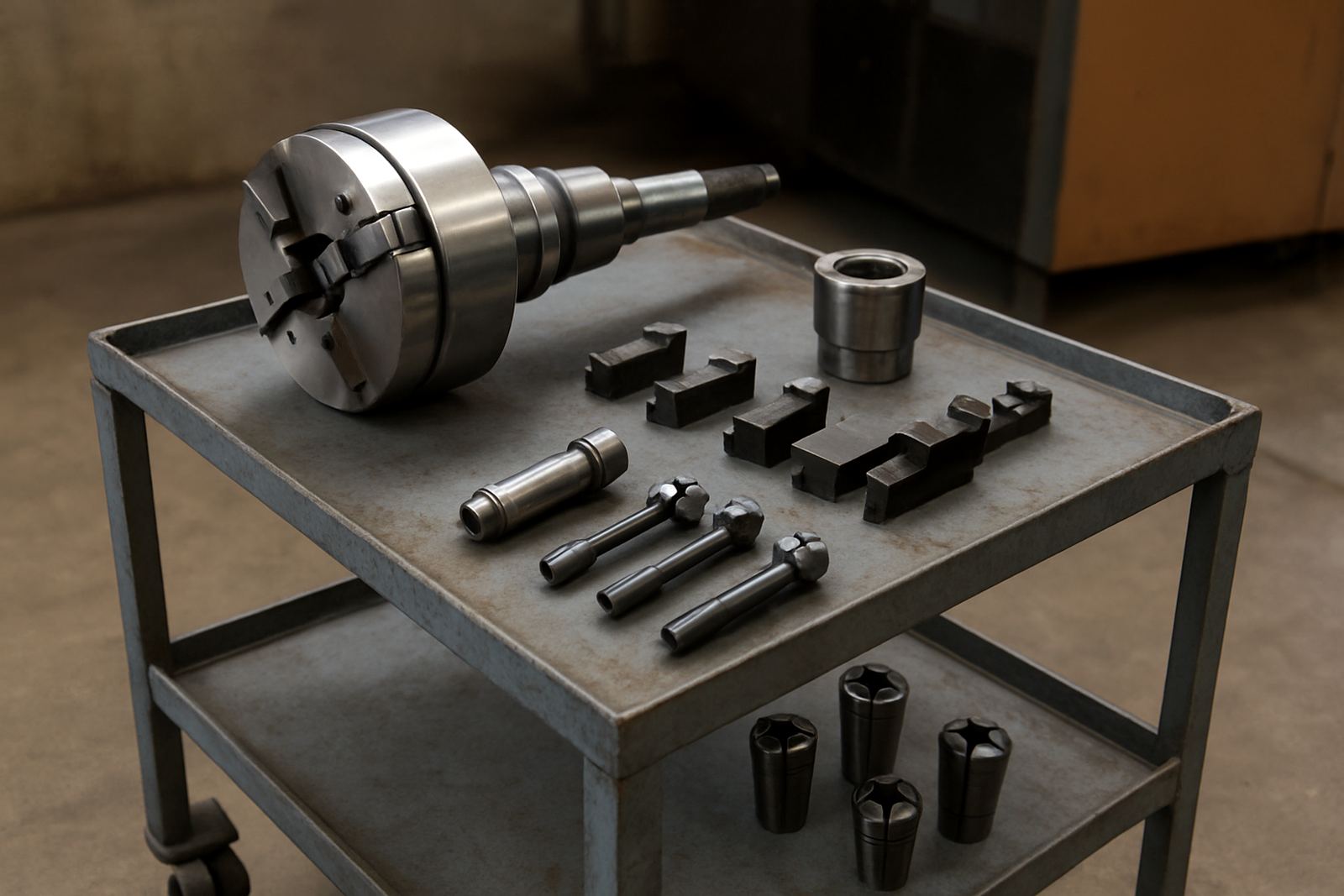
Jaw style also matters. Hard jaws suit general gripping and can be machined to match repeat parts. Soft jaws are often chosen when the job needs a cleaner contact surface or a custom internal profile. For four jaw work, each jaw moves on its own, so you can dial in concentricity on castings, rough bar and non-standard parts. Check the spindle mount carefully, because the chuck must match the machine nose or backplate arrangement properly, otherwise setup time goes up and runout can become a problem.
- Diameters commonly supplied: 160 mm to 400 mm and above on request
- Jaw options: hard jaws, soft jaws, reversible jaws where applicable
- Mounting options: backplate mounted or direct spindle mount depending on machine
Where manual chucks suit South African workshops
Manual chucks suit general engineering shops, repair workshops, toolrooms and small batch production where operators change jobs often. They are a good fit for bush machining, shaft work, flange work and one-off parts where a simple clamping system saves time. In many plants, the four jaw chuck is kept for setup and repair work while the three jaw chuck handles repeat parts during the day.
For coastal areas like Gqeberha, a well kept chuck also helps in humid conditions where light corrosion can start on exposed steel surfaces. Shops working near the harbour or in older industrial buildings should pay extra attention to cleaning and lubrication. If the machine sees vibration, heavy cuts or frequent swarf build-up, regular checks become even more important, because a chuck that binds or grips unevenly can affect part finish and tool life.
- Best for jobbing work, maintenance and short production runs
- Useful for round, square, hex and irregular workpieces
- Well suited to workshops that need simple, dependable clamping
Installing the chuck and checking the setup
Before fitting any chuck, confirm the spindle nose, backplate thread or bolt pattern and check that the mating faces are clean. A small chip between the backplate and spindle can throw the chuck out enough to create runout or vibration. The chuck should seat squarely and be torqued according to the machine and fixing arrangement, not just nipped up by feel.
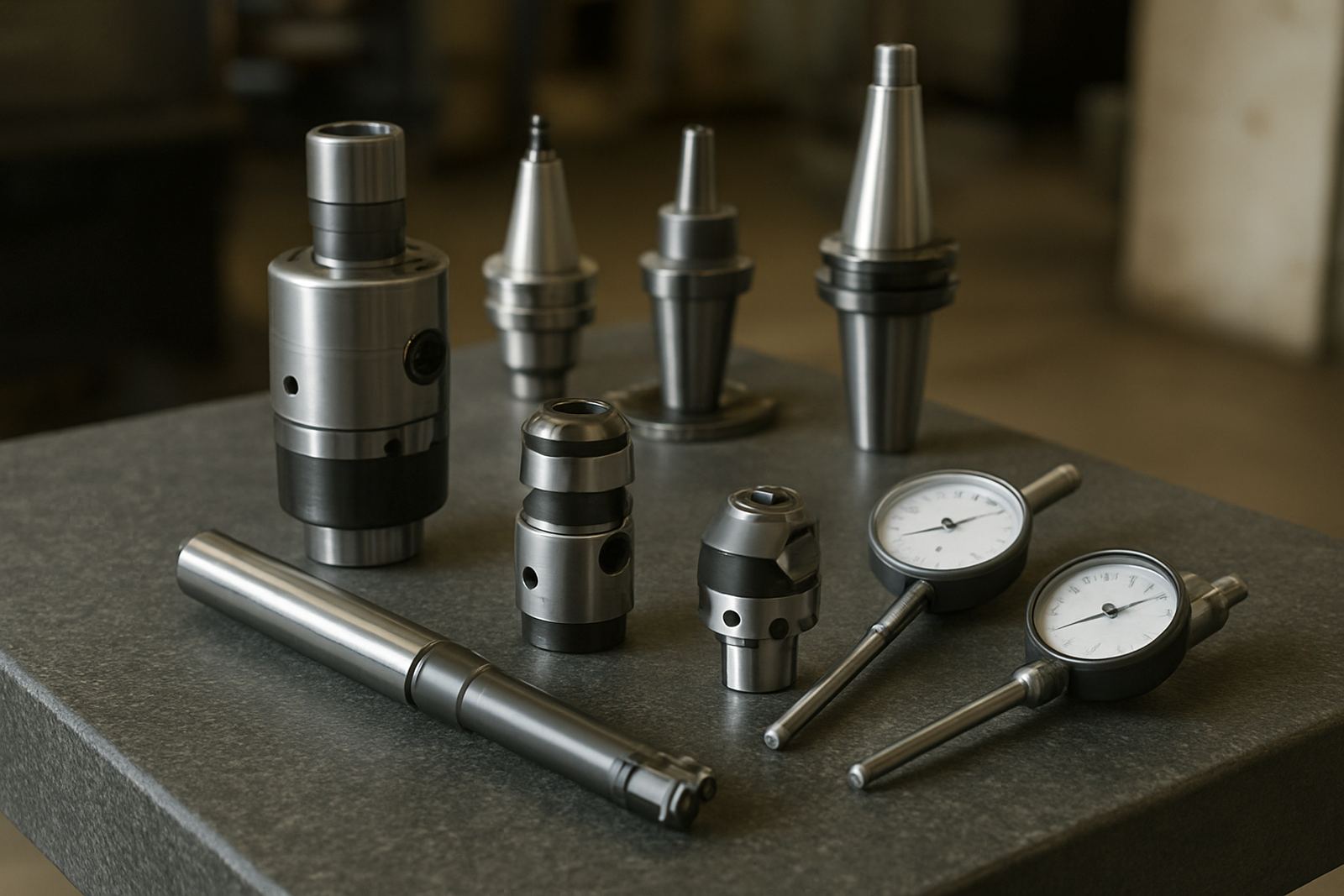
Manual chucks do not need power or gas, but they do need correct mechanical setup. After mounting, check runout with a dial indicator and inspect jaw travel through the full grip range. If the chuck is being used on a machine with coolant, make sure swarf is not packing into the scroll or jaw ways. A quick test cut on scrap stock is worth doing before you load a customer part.
- Check spindle nose, bolt pattern and backplate compatibility first
- Clean mating faces before mounting
- Measure runout after installation and again after the first job
Care, servicing and wear parts to watch
A manual chuck lasts longer when it is cleaned often and lubricated on schedule. The scroll, jaw ways and adjustment threads should be kept free of chips, dried coolant and grinding dust. If the chuck starts to feel stiff, grips unevenly or marks parts, it may need cleaning or inspection. In many cases a proper service can restore smooth movement and save a full replacement.
Tooling supports workshop upkeep with services such as chuck jaw machining, holder cleaning, runout checks and tool inspection. That matters for shops in Despatch, Port Elizabeth CBD and surrounding industrial areas where production schedules are tight and a weekend breakdown can push jobs back into the next week. If the chuck has been dropped, run dry or used on abrasive material, do not ignore the signs, because wear often shows up first in poor repeatability and slow setup times.
- Clean out swarf and coolant residue after use
- Lubricate moving parts regularly
- Watch for jaw wear, stiff scroll movement and rising runout
What to confirm before you order
When ordering a manual chuck, give the machine type, spindle mount, chuck diameter and the workpiece sizes you need to hold. If the job is mostly round bar, a three jaw model may be the better pick. If you work on castings, squares or odd shapes, a four jaw model gives more control. Also confirm whether you need hard jaws, soft jaws or replacement jaws, because the wrong jaw set can slow the whole setup. Small detail but important.
It also helps to state the required clamping range, maximum part weight and whether the chuck will be used for light finishing or heavier roughing. Shops that cut a mix of materials, from mild steel to stainless, should mention that too so the chuck choice matches the load. If you are unsure, Tooling can assist with sizing and application advice from Struandale, with support for machine shops nationwide.
- Machine type and spindle mount
- Chuck diameter and jaw style needed
- Workpiece size, material and typical duty
Key facts
| Product type | Manual chuck for lathes and turning centres |
|---|---|
| Chuck options | Three jaw and four jaw |
| Common sizes | 160 mm, 200 mm, 250 mm, 315 mm, 400 mm |
| Mounting | Backplate or direct spindle fit, depending on machine |
| Power or gas need | None for the chuck itself |
| Typical use | Round, hex, square and irregular workholding |