
What a Tool Presetter Does in a Busy Machine Shop
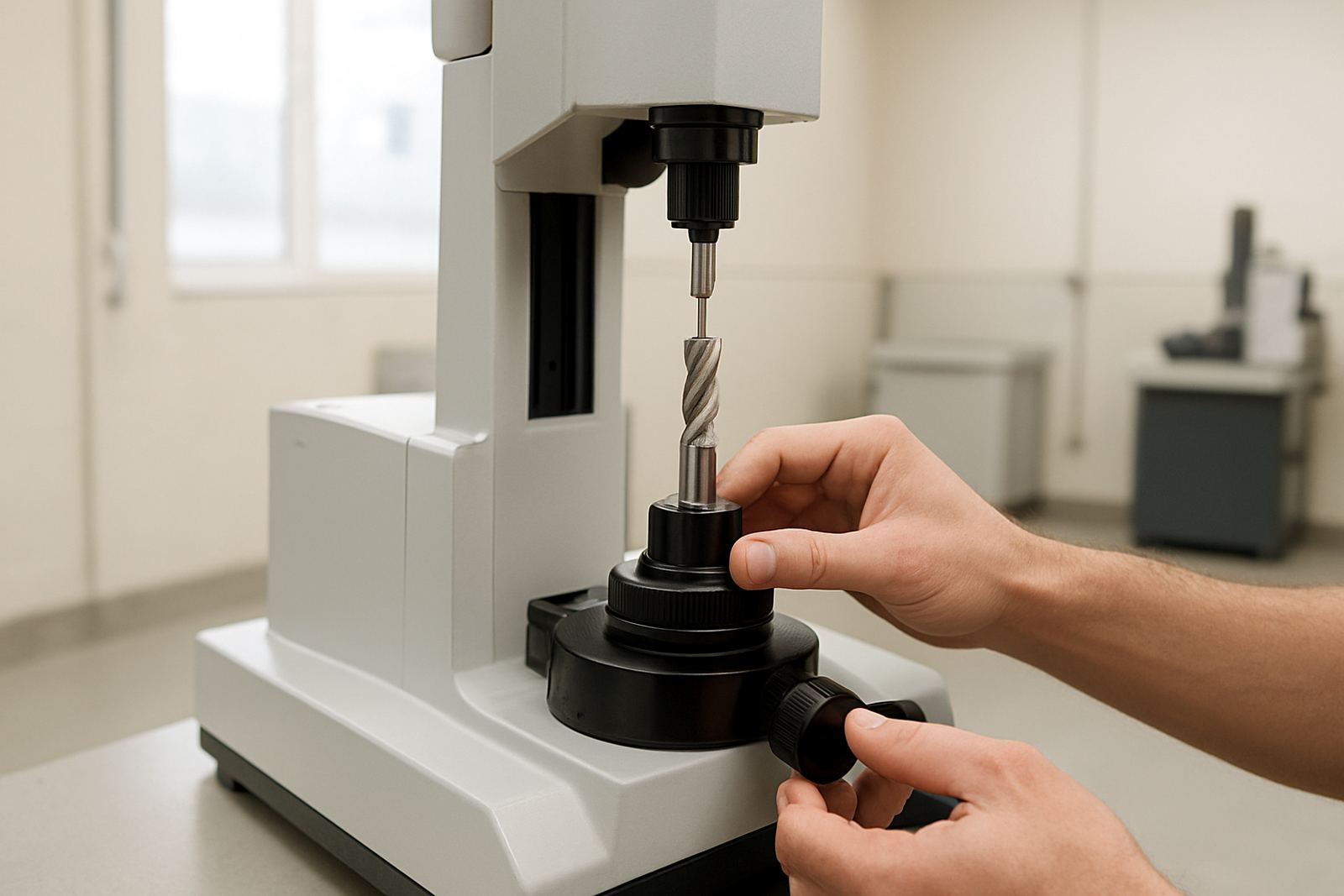
A tool presetter is an offline measuring system used to check tool length, diameter and runout before the tool goes into the CNC machine. Instead of setting tools in the spindle and stopping production, the operator measures each tool on a stable base with a camera, touch probe or measuring edge, then enters the values into the machine offset table. That reduces setup time and helps keep the first part closer to spec. In many shops the biggest gain is not only speed, but consistency from shift to shift.
These units suit milling, drilling and turning environments where repeatability matters. A presetter is especially useful when the shop runs short batches, multiple tool changes or tight tolerance work on aluminium, mild steel, stainless steel and engineering plastics. It is also practical where load-shedding disrupts production, because tools can be prepared and checked before the machine comes back on. That gives the team a better start to the day, and fewer scrap parts.
Typical Sizes, Measuring Range and Options
Tool presetters are supplied in several table sizes and measuring envelopes so the unit matches the tooling you use every week. Small benchtop models suit compact tool rooms and lower-volume work. Larger floor-standing systems handle longer cutters, bigger tool assemblies and heavier holders. Depending on the model, the measuring carriage may move manually or by motorised axis for smoother positioning.
Common options include digital cameras, edge-finding systems, barcode input, thermal compensation and printer output for setup records. Some systems include spindle tapers or quick-change arbors to match the holder types in your shop. For customers running mixed tooling, a wider measuring range is useful, while high-volume workshops often ask for repeatable fine adjustment and clear on-screen measurements.
- Measuring range: typically from small micro tools up to long cutters and assemblies, depending on model
- Display: digital readout with image or measurement interface
- Base: rigid cast or welded frame for stable readings
- Lighting: integrated low-glare light for clear tool edges
- Output: manual entry, USB export or network-ready options on selected models
Where It Suits Best: From Struandale to Nationwide Production
In Gqeberha, Coega and Markman, many workshops work with short lead times and frequent job changes. A tool presetter suits toolrooms, component manufacturers, general engineering shops, CNC jobbing houses and production lines that need the next set of tools ready before the current cycle finishes. It also helps where operators share machines across shifts, because offsets can be checked against the same reference every time.
For smaller shops in Despatch, Kariega or the Port Elizabeth CBD, the presetter can sit in the preparation area beside the tool crib or inspection bench. In larger plants, it is often placed close to the machine room so preset tools move straight to the machine with less handling. That reduces damage to cutting edges, holders and collets. It also makes it easier to keep records for repeat jobs and customer audits.
- Good for repeated tool changeovers and mixed batch work
- Useful where first-off approval must happen quickly
- Helps reduce tool setup errors caused by manual measuring
- Supports shops working with imported and locally made tooling
Installation Space, Power and Workshop Requirements
Most tool presetters need a level floor, a clean indoor position and enough room for the operator to move long tools without bumping nearby racks. A stable surface matters because vibration and floor flex can affect readings. The room should be free of coolant spray, grinding dust and heavy traffic. If the unit is near a machine, keep it away from swarf and forklift paths. In coastal areas like Gqeberha, humidity control is worth planning for, because moisture can affect electrical components and steel surfaces.
Power needs depend on the model, but many units run on standard single-phase supply while larger systems may need 3 phase. A clean power feed and surge protection are strongly recommended where load-shedding or voltage dips are common. No gas supply is normally required. Some models may need compressed air for clamping or cleaning functions, so check the supply pressure and filtration if that option is included. Allow enough bench height and lighting so the operator can read the display without strain.
Care, Cleaning and Routine Servicing
Like any measuring system, a tool presetter gives the best results when it is kept clean and checked on a schedule. Wipe the measuring area daily with a lint-free cloth and keep coolant mist off the optics and slideways. Do not use coarse rags or strong solvents on lenses or scale covers. If your shop uses oil-based cutting fluids, clean the base and contact areas more often because residue can build up quickly.
Routine servicing should include alignment checks, calibration verification and inspection of moving parts. If the image is not sharp, the readings drift, or the slide feels stiff, the unit should be checked before the next production run. We can assist with scanner calibration, holder cleaning, runout checks and related workshop services so the presetter continues to match the rest of the setup process. A small issue caught early usually saves a full shift of wasted work, which matters when order books are tight.
- Daily: wipe measuring surfaces and remove swarf
- Weekly: check lighting, clamps and visible damage
- Monthly: verify calibration against known standards
- As needed: inspect cables, display response and mechanical movement
What to Check Before You Order
When you order a tool presetter, start with the tooling you actually use. Measure the longest tool, biggest holder and smallest cutter in the shop, then compare that with the machine's measuring range and taper support. If you run collet holders, shell mills, drill chucks or boring assemblies, make sure the spindle interface or adapters suit those holders. If the shop changes over between very short and very long tools, ask for a range that gives some spare capacity, not only the bare minimum.
It is also worth checking the level of accuracy required for your work. A general engineering shop may need practical setup speed, while a tighter tolerance shop will want finer measurement resolution and better repeatability. Ask about software output, operator training, service access and spare parts availability. If you need records for ISO systems or customer traceability, confirm that setup data can be saved or printed. And if the unit will be moved between areas, ask how it should be packed and levelled again on site.
- Tool length and diameter range
- Holder types and taper compatibility
- Required measurement resolution
- Power supply and air requirements
- Data output, printer or USB needs
- Space available in the tool room
Key facts
| Product type | Offline tool presetting system |
|---|---|
| Primary use | Set tool length, diameter and runout before machining |
| Typical supply | Single-phase or 3 phase depending on model |
| Environment | Clean indoor workshop, away from coolant spray and swarf |
| Options | Camera, digital readout, printer output, barcode input, air-assisted clamping |
| Best for | CNC milling, drilling, turning and repeat setup work |