Built For Daily Workshop Use
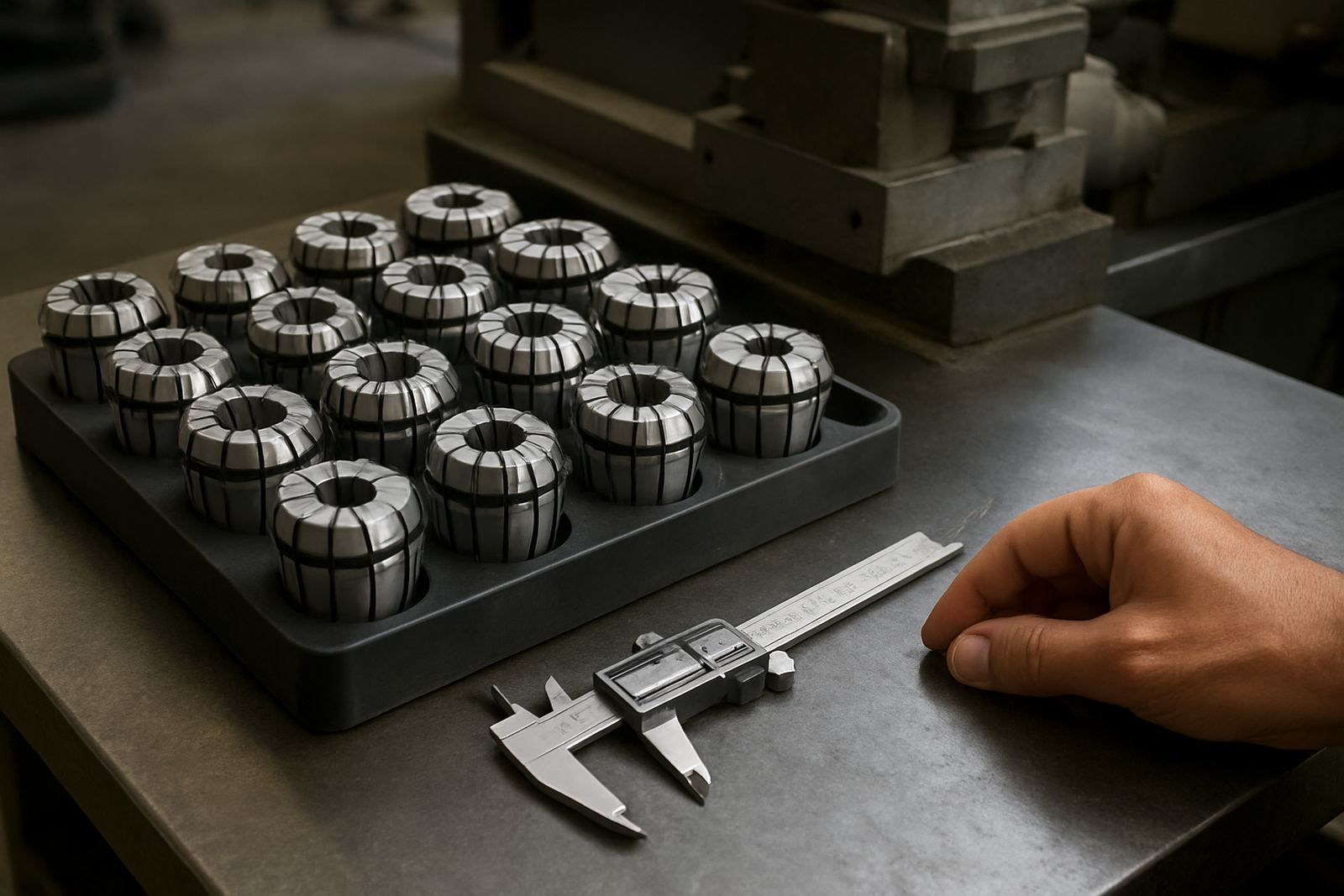
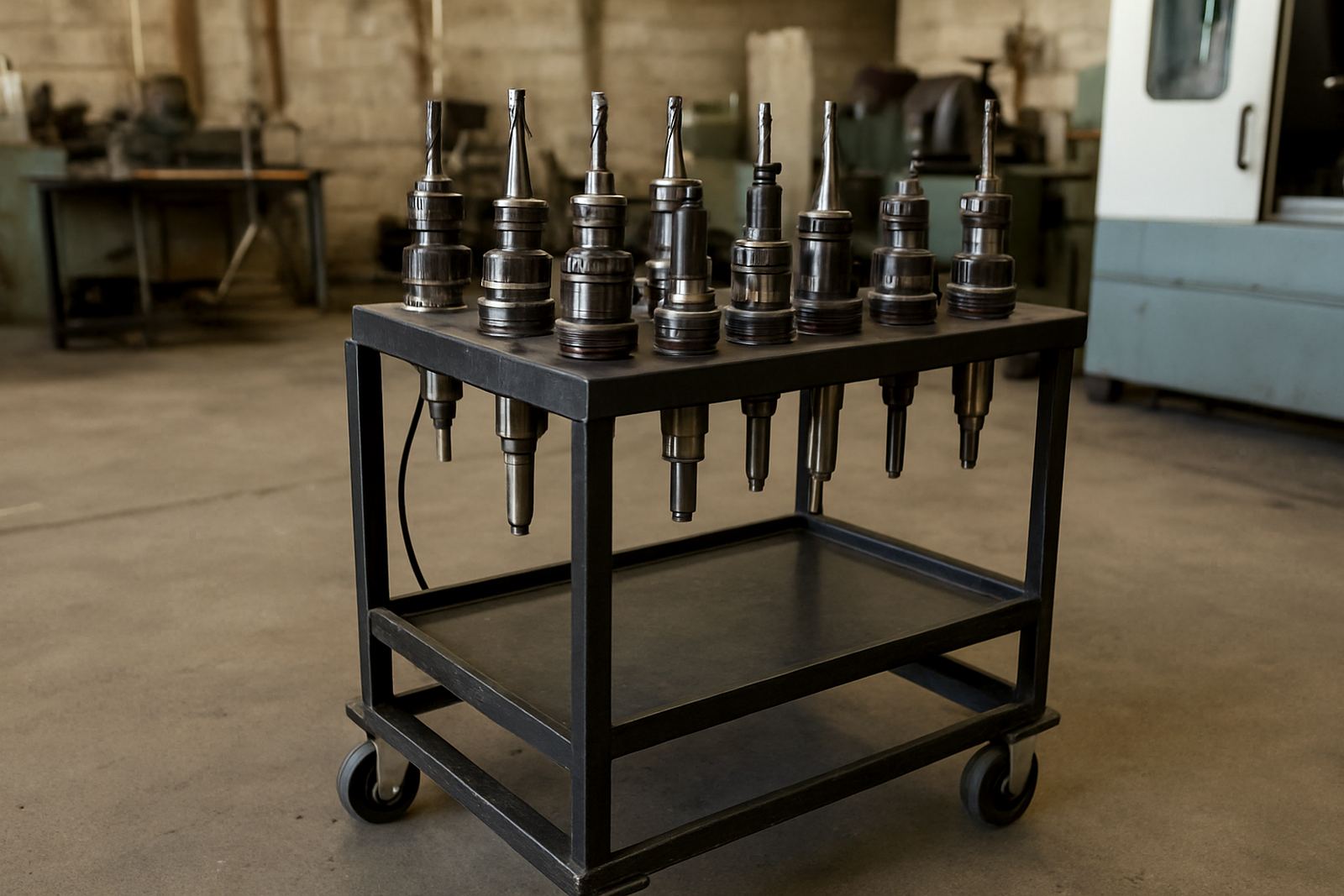
A tool cabinet is a lockable storage unit for machining accessories, measuring equipment and small parts that must stay clean and easy to reach. In a South African machine shop, that usually means end mill holders, collets, gauges, torque tools, inserts and setup items that need proper control between jobs.
Tool cabinets from Tooling are suited to workshops that run CNC mills, turning centres, toolrooms and maintenance bays. They help reduce damage from chips, oil mist and damp coastal air, which matters in Struandale, Coega and other industrial areas near the harbour. If a room is shared between setters, operators and quality staff, a cabinet also helps keep responsibility clear.
Sizes, Drawer Layouts And Storage Options
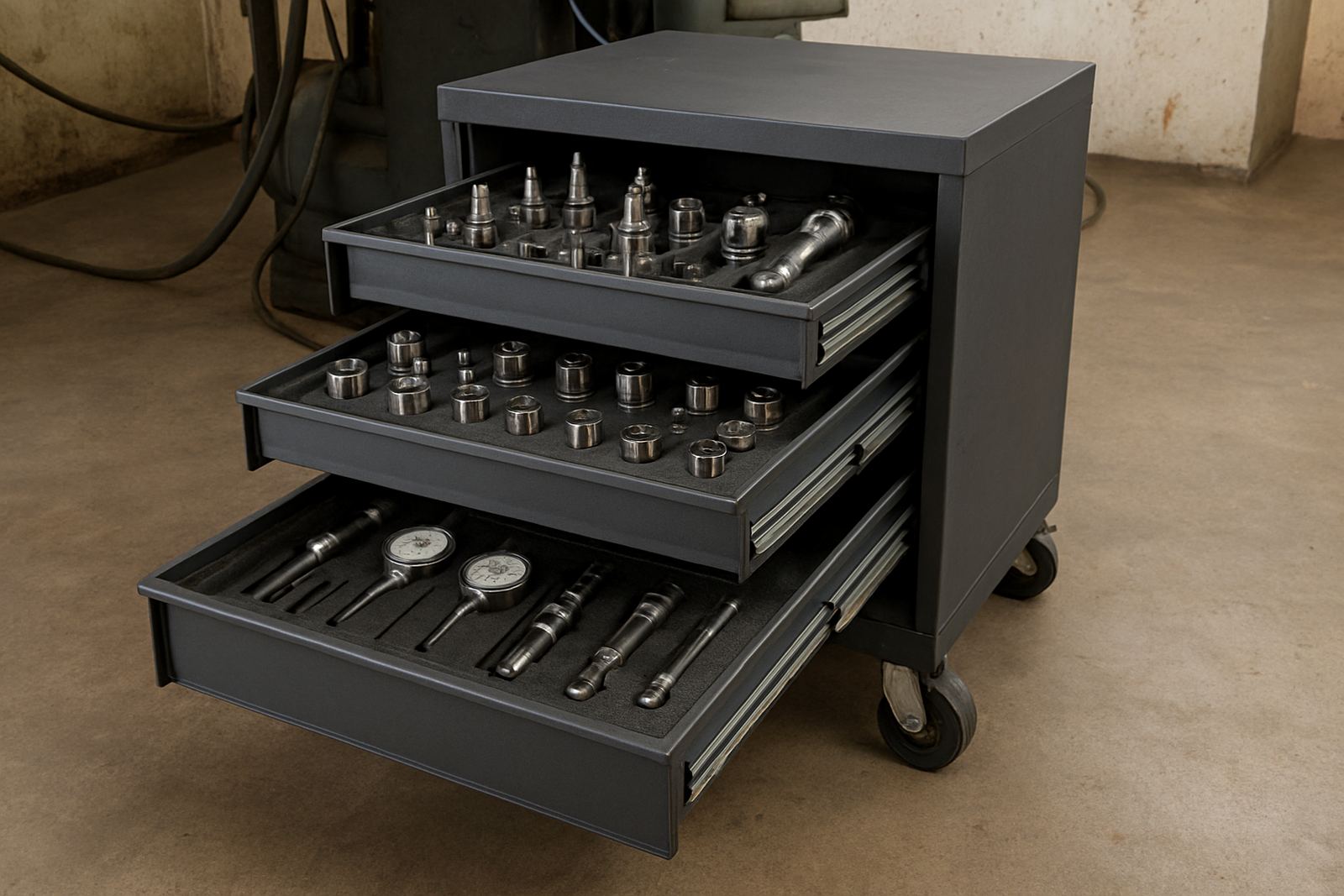
Most cabinets are ordered by storage need rather than by a single standard size. Common layouts include compact floor cabinets for smaller toolrooms, mid-height units for everyday holder storage, and larger multi-drawer cabinets for mixed measuring and workholding gear. Some buyers need deep drawers for larger cutter holders, while others want shallow trays for collets and smaller accessories.
Typical options include powder-coated steel bodies, adjustable drawer dividers, lockable doors, and foam or tray inserts for delicate items. If the shop handles higher volumes, it is worth separating storage by function, for example one drawer for HSK or BT style holders, another for collets and sleeves, and another for gauges and calibration items.
- Single-door cabinets for general storage and bulky items
- Multi-drawer units for sorted access to holders and collets
- Heavy-duty frames for busy shift work and frequent opening
- Internal trays or divider kits for small precision parts
Where Tool Cabinets Fit Best
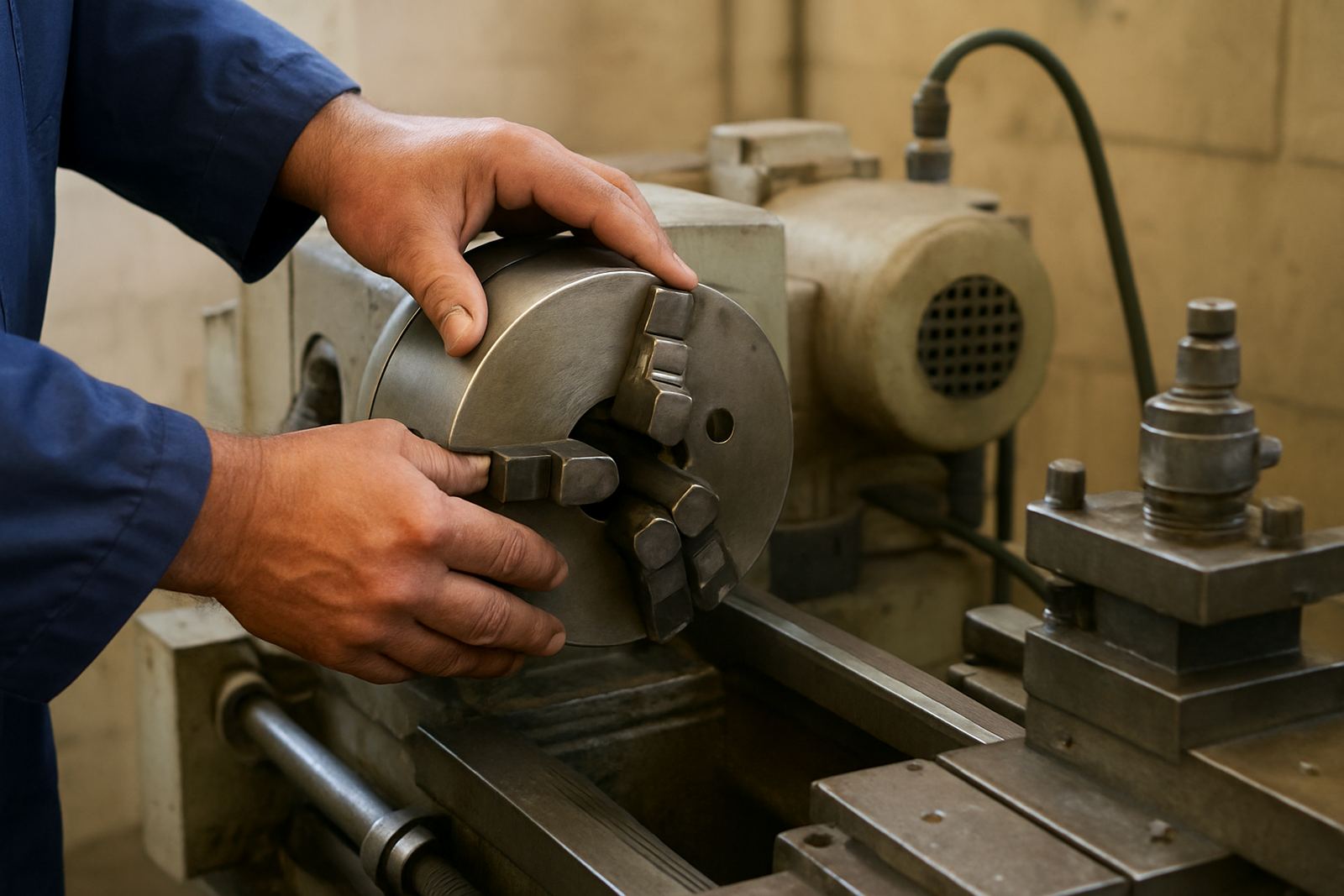
These cabinets suit machine shops, subcontractors, maintenance departments, tooling rooms and inspection areas. They are useful where several people need access to the same equipment, especially on sites that run day and night or depend on planned shutdowns. Keeping holders and gauges in one place also helps with job setup times, which is important when a machine must be back in service before the next shift starts.
They are also practical in facilities that deal with dust, coolant mist or vibration. In coastal conditions, a closed cabinet offers better protection than open shelving, particularly for measuring tools and precision collets. For smaller shops in Port Elizabeth CBD or Despatch, a well planned cabinet can free up bench space and improve workflow without major changes to the room.
- Machine shops needing organised storage for tooling
- Quality control areas storing measuring equipment
- Maintenance rooms with mixed spares and setup tools
- Sites wanting better protection from dust and humidity
Installation, Access And Site Requirements
Most tool cabinets only need a level floor, enough clearance for doors or drawers, and a sensible position near the setup or inspection area. No power or gas is normally required for the cabinet itself. If the unit includes internal lighting or a lock system, power needs should be checked before ordering, but standard storage cabinets are mechanical and simple to place.
Before installation, make sure the floor can take the load when the cabinet is fully stocked. A loaded cabinet can become very heavy, so uneven concrete, old paint buildup or cracked sections should be checked first. On sites affected by load-shedding, a cabinet is still useful because it protects critical tooling when the machines are off and the shop is running on reduced staff.
For moving into a workshop, plan access through doorways, around machines and past pedestrian routes. If the cabinet will stand near a door or roller shutter, allow space for airflow and safe opening. A missing key can stop a shift, so keep spares stored in a controlled place, not tucked into a drawer where they get lost.
Care, Cleaning And Servicing
Good cabinet care is simple but should be done regularly. Wipe down the shelves and drawers, remove chips and dust, and keep oily rags out of the storage area. In humid conditions, a quick inspection once a week helps spot surface rust or condensation before it spreads to collets and measuring tools. If the cabinet holds precision items, use labelled inserts so tools do not knock against each other.
Tooling also supports related workshop services that help keep stored equipment in working order, including tool inspection, holder cleaning, runout checks and presetting service. That matters when a cabinet is used as part of a controlled toolroom instead of just general storage. If a drawer starts sticking or the lock feels loose, sort it early before the cabinet turns into a nuisance.
- Clean chips and coolant residue off shelves and drawer slides
- Check locks, hinges and handles for wear
- Keep heavy items in lower drawers to reduce strain
- Inspect for corrosion in humid or seaside environments
What To Check Before You Order
When ordering a tool cabinet, start with what must be stored and how often it is used. List the largest holders, the number of collet sets, gauges and measuring items, then decide if you need drawers, doors or a mix of both. Check internal depth carefully because some holders need more space than expected, and a tight fit leads to damage over time.
Ask about load capacity per shelf or drawer, locking style, finish, and whether inserts or trays are included. If the cabinet will stand in a workshop with coolant mist or near an exterior wall, a tougher coating can help. It is also worth checking delivery access to your site in Struandale, Markman, Coega, Kariega, Despatch or the Port Elizabeth CBD so the cabinet arrives without delays.
- External size and internal usable space
- Drawer depth, load rating and locking method
- Finish suited to humidity and workshop conditions
- Need for trays, dividers or foam inserts
- Delivery access and placement in the workshop
Key facts
| Product type | Lockable steel tool cabinet for machining and measuring storage |
|---|---|
| Common use | Holders, collets, gauges, setup tools and small workholding items |
| Typical sizes | Compact, mid-height and large multi-drawer formats |
| Material | Powder-coated steel with optional inserts or dividers |
| Power or gas needed | None for standard cabinets |
| Best suited to | Machine shops, toolrooms, maintenance bays and inspection areas |