What ER collets do on the machine floor
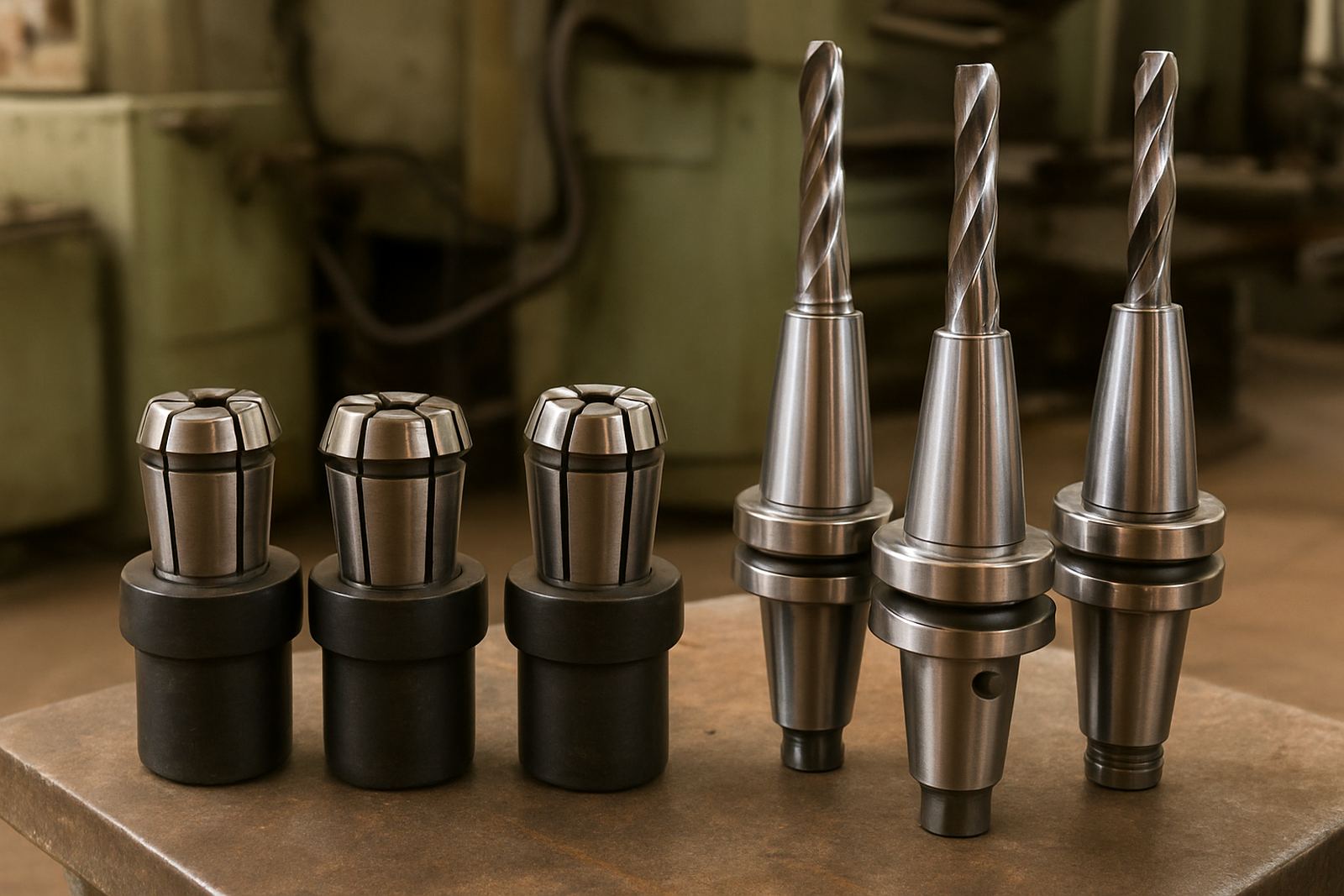
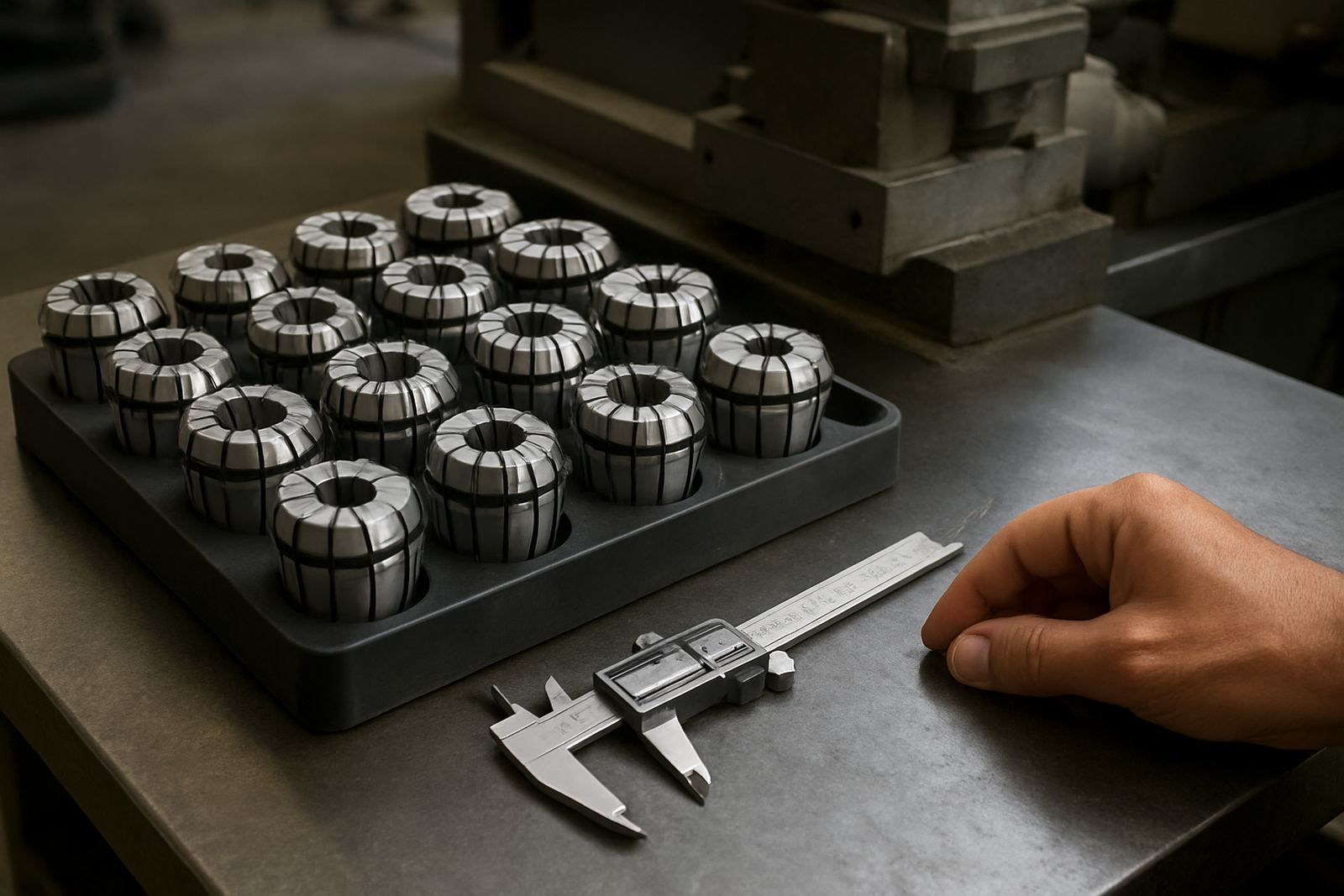
Tooling supplies ER collets in the common size families used in local production. The usual choices are ER8, ER11, ER16, ER20, ER25, ER32 and ER40, with the exact holder system depending on the machine and the cutter size. Smaller series suit fine work and slim shanks, while larger series are better for heavier clamping on bigger cutters.
Each ER size has a clamping range. A single collet can usually hold several shank diameters within that range, which is why shops often keep a mixed set on hand. For example, a collet marked for 8 mm will generally clamp tools close to that size within the maker’s stated range, while still giving a tight grip. It is important not to force a tool into the wrong size, because that can mark the shank and affect runout.
- Available for round shanks in metric sizes used in South African workshops
- Suitable for carbide end mills, drills, reamers and similar tooling
- Works with matching ER nuts and holders for the selected series
- Useful for both general machining and finer tolerance work
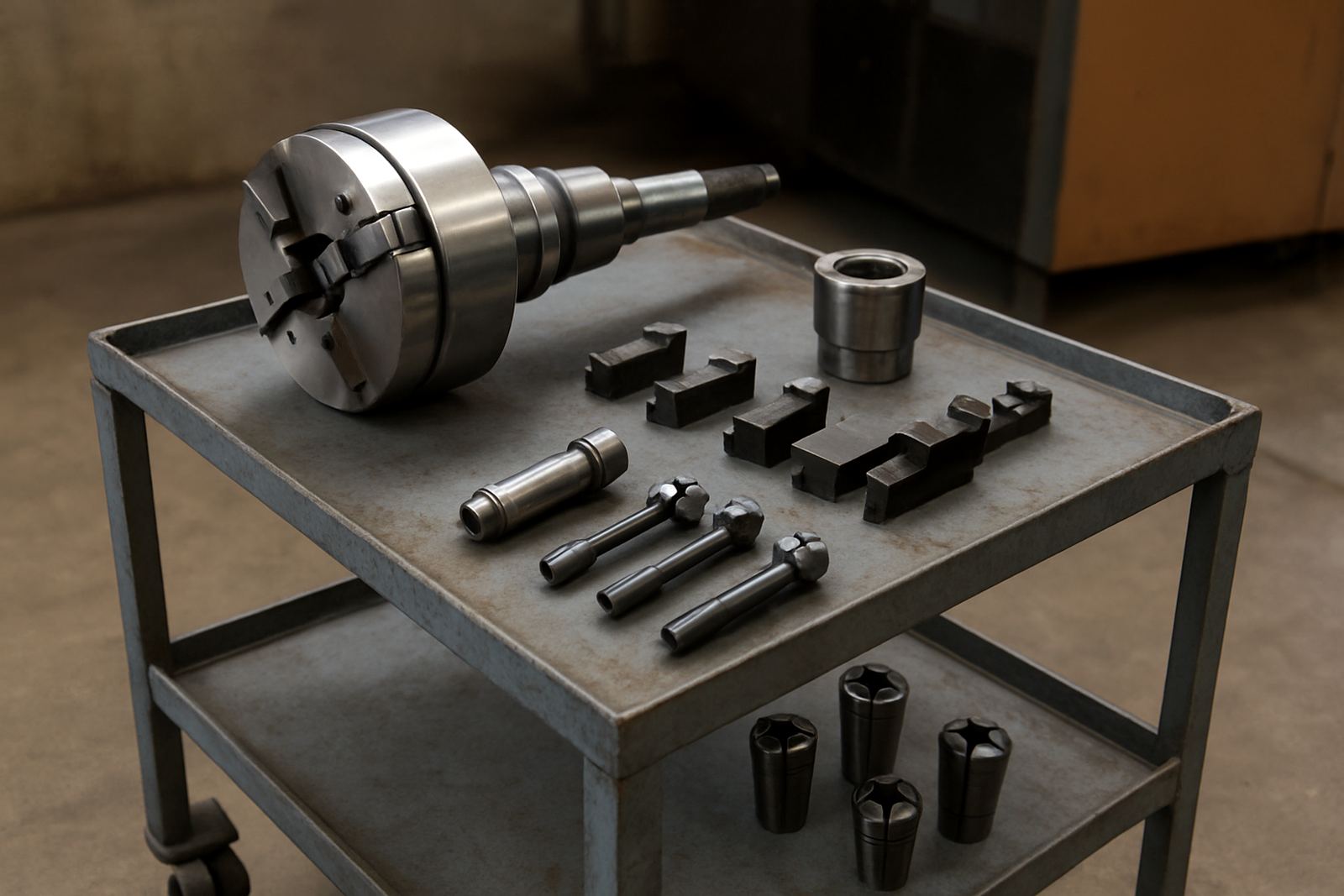
Where the job calls for frequent tool swaps, one holder with a matching set of collets can cover a lot of ground. That keeps the box simple and reduces the time spent hunting for odd sizes.
Where ER collets fit best in local production
Installation is straightforward, but the small steps matter. Clean the holder taper, the nut, the collet seat and the shank before assembly. Any chip or burr can throw the tool off centre. Insert the collet into the nut until it snaps into place, fit the tool shank to the required depth and tighten to the correct torque for that holder size. Do not leave the tool sticking out more than needed, because extra overhang increases deflection.
ER collets do not need power, air or gas on their own, but the machine and spindle must be in proper condition. If the spindle taper, drawbar or holder nose has wear, the best collet will not perform well. On CNC equipment, check that the tool length and offset are entered correctly before starting the programme. It sounds basic, but it saves scrapped parts and broken cutters, which every shop has had at some point.
- Check holder and nut compatibility with the ER series being used
- Make sure the collet is seated fully in the nut before tightening
- Keep clamping surfaces free of chips, oil build-up and rust
- Use the correct torque and avoid over-tightening
For shops running through load-shedding, stable restart routines matter as well. After a stoppage, verify the tool setup before continuing the cycle so nothing shifts between jobs.
Care, cleaning and servicing between jobs
When ordering ER collets, the main checks are the series, size range, shank type and the holder system already in use. A shop in Struandale may use a different mix from a maintenance crew in Despatch, so it helps to confirm the exact spindle and holder standard before buying. If the team is working from a drawing or tool list, send the tool shank diameters and the required clamping range rather than guessing.
Also confirm whether you need individual sizes or a full set. Many workshops order the common working sizes first, then fill gaps as jobs come in. If the application includes long reach cutters, roughing tools or repeated changeovers, ask for matching nuts and holders so everything is set up as a complete system. That way the collets are not just sitting in a drawer waiting for the right part that never arrives.
- ER series required, such as ER16, ER20 or ER32
- Tool shank diameter and acceptable clamping range
- Round shank, thread tap holder or other tool type
- Holder and nut compatibility, including thread and taper standard
- Whether you need single items, matched sets or spares for line use
For machine shops serving municipal, industrial or subcontract work, the right collet order keeps production moving and reduces unnecessary changeovers. It is a small part, but it affects the whole setup.
Key facts
| Product type | Precision spring collets for tool gripping |
|---|---|
| Series | ER8, ER11, ER16, ER20, ER25, ER32, ER40 |
| Clamping | Multiple shank diameters within each series range |
| Typical use | CNC milling, drilling, tapping and light finishing |
| Power or gas | Not required for the collet itself |
| Service support | Inspection, runout checks, holder cleaning and presetting |