Fast clamping for repeat turning work
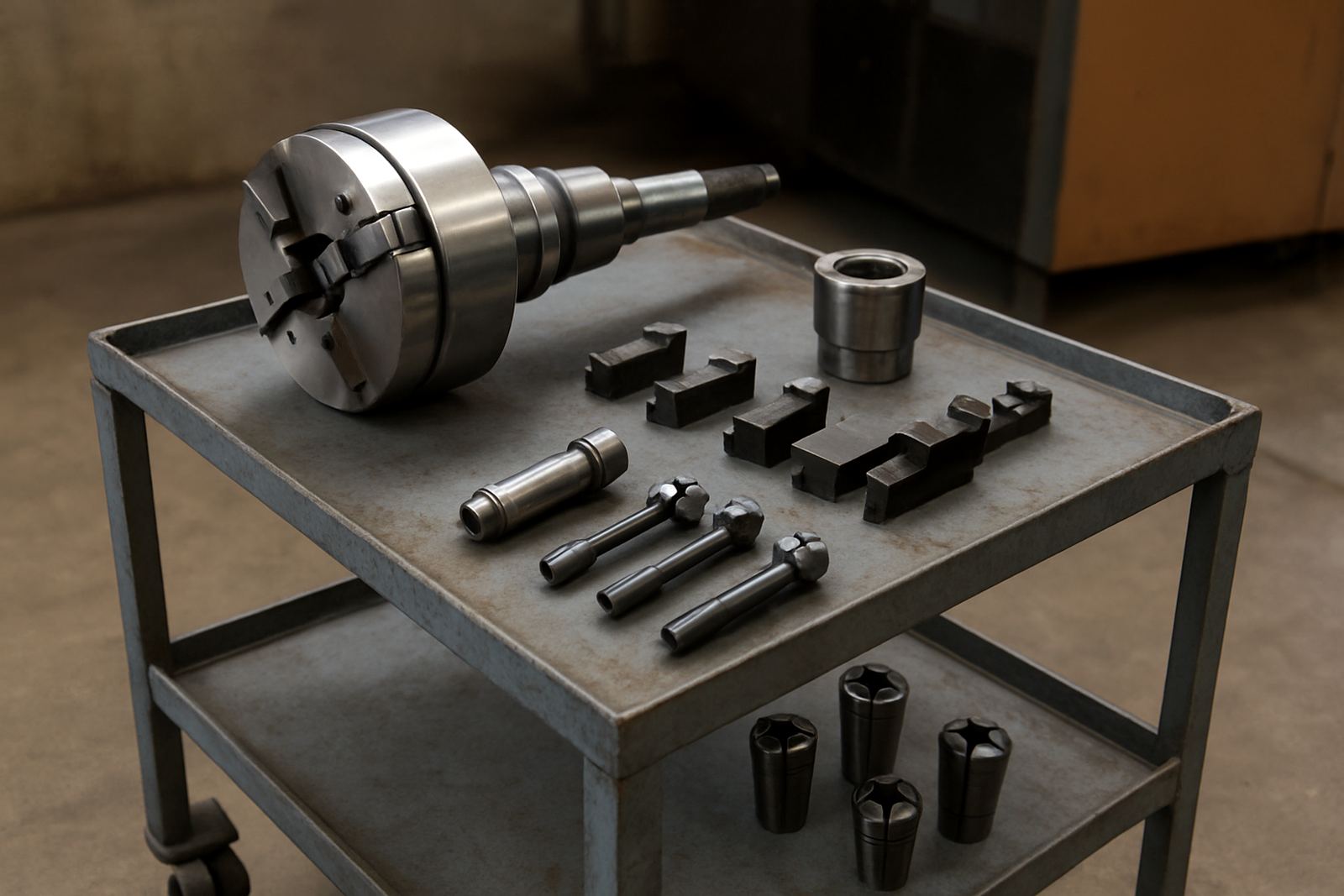
Power chucks are machine-mounted workholding units that use hydraulic or pneumatic force to grip a component in the lathe. In production turning, that means quicker loading, steadier clamping pressure, and less operator effort compared with manual chucking. For shops running batches of shafts, bushes, flanges, sleeves, or similar round parts, the time saved at every load adds up quickly.
These chucks are used where consistency matters. When the same part is loaded many times in a shift, clamping force must stay repeatable so the part runs true and tool wear stays controlled. That is why many shops in Gqeberha, Kariega, Despatch, Coega, and the wider Eastern Cape use power chucks on CNC lathes and conventional turning centres as well.
Power chucks suit high output work, but they also suit any site that wants less fatigue on the setter and better grip on parts with a solid clamping diameter. If your turning work includes frequent changeovers or tight cycle times, they can make a real difference without changing the whole machining process.
Hydraulic or pneumatic: which drive suits your shop
Hydraulic power chucks are common on heavier turning applications because they deliver strong, even clamping force and cope well with larger components. They are a good fit for higher torque work, deeper cuts, and parts that need secure holding with minimal movement. Pneumatic power chucks are often chosen for lighter duty, faster actuation, and environments where compressed air is already available on the machine line.
The choice usually comes down to the machine, the part weight, and the force needed at the jaws. Hydraulic systems need a hydraulic power pack and suitable hoses, while pneumatic systems need clean, dry compressed air at stable pressure. In coastal areas like Port Elizabeth CBD and the port side of Gqeberha, keeping air dry and lines sealed matters because moisture can affect repeatability if it is not managed properly.
- Hydraulic systems: higher clamping force, suited to tougher turning jobs
- Pneumatic systems: faster response, simpler when air supply is already in place
- Both types: best when matched to the spindle bore, chuck size, and jaw setup
For sites that work through load-shedding, the support equipment should be checked too. A power chuck does its job best when the hydraulic unit, air supply, controls, and machine interlocks are all working as one system, otherwise you can lose pressure or cycle consistency.
Sizes, jaw styles, and common options
Power chucks are available in several diameters and jaw layouts so they can match the lathe and the workpiece. The most common sizes are in the 160 mm to 630 mm range, although larger special sizes are available for bigger turning centres and heavy industrial work. Jaw stroke, body depth, and mounting pattern all need to suit the spindle nose and the application.
Soft jaws are widely used for precision gripping because they can be bored to suit the exact component diameter. Hard jaws are chosen for general production, raw stock, or parts where a tougher grip is needed. Some setups use two-jaw or three-jaw configurations, and some work calls for custom jaw machining when the part form is unusual. For better concentricity, the full jaw set should be matched to the job and the chuck should be set up by someone who understands runout limits.
- Chuck diameter matched to the lathe spindle and part size
- Jaw type selected for raw stock, finished parts, or soft jaw boring
- Through-bore and mount pattern checked before ordering
- Clamping stroke and closing force confirmed against the workpiece
If you are turning parts with thin walls, plated surfaces, or finished bores, ask about grip pressure and jaw contact area. Too much force can distort a part, while too little force risks slip. Getting that balance right is where proper application support makes a big difference, especially on repeat work.
Where power chucks suit best
These chucks are used in automotive subcontracting, general engineering, metal fabrication, agricultural component work, pump parts, and precision machining. They are especially useful where the same component is made many times and the operator needs quick, repeatable loading between cycles. That includes shaft production, ring turning, flange machining, and repair work with a steady batch size.
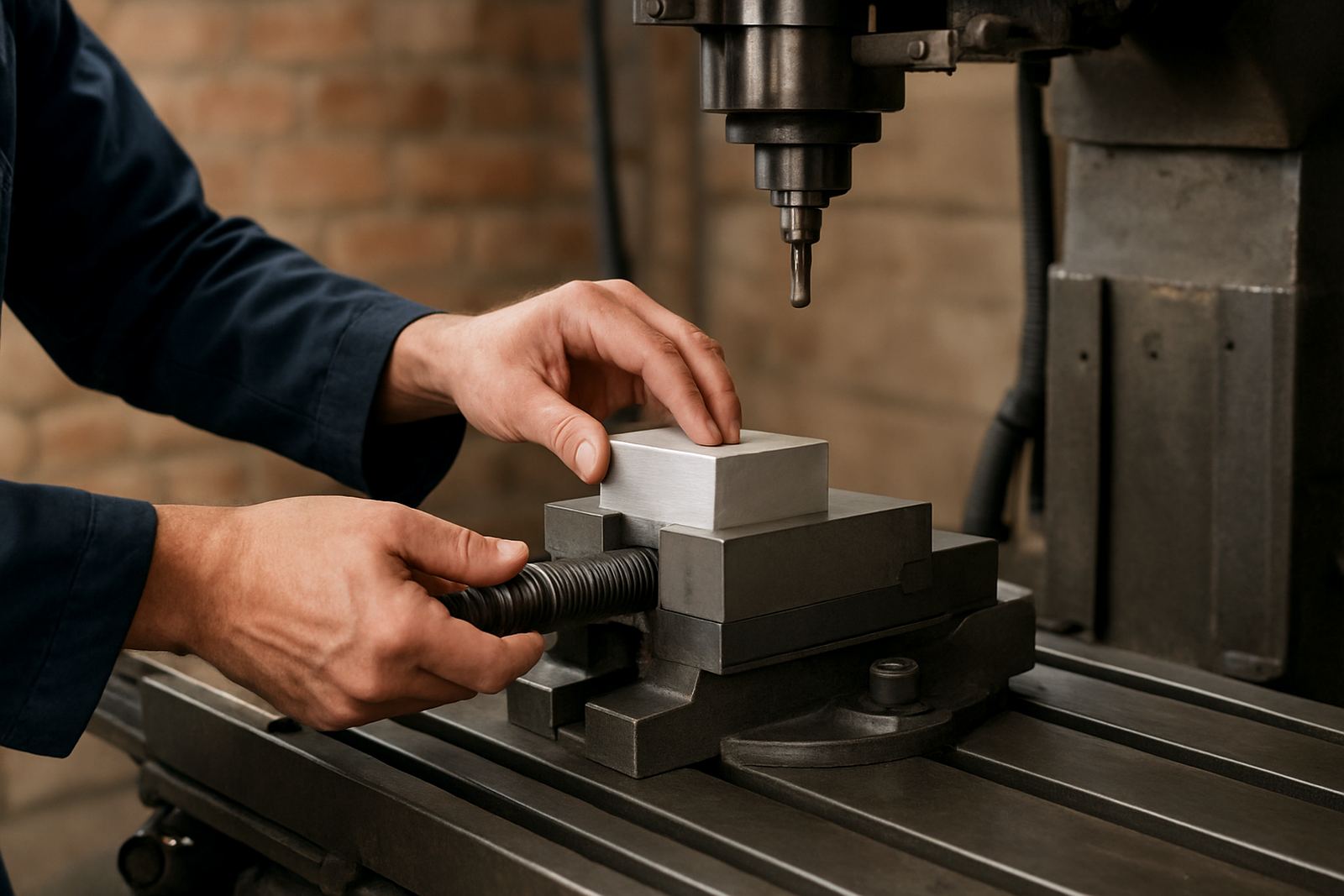
They also suit shops that want more control over part location. Once the chuck and jaws are set correctly, the machine can hold parts more consistently than hand tightening, which helps reduce variation from one part to the next. In a busy shop in Struandale or Markman, that can mean fewer interruptions and better output through the shift.
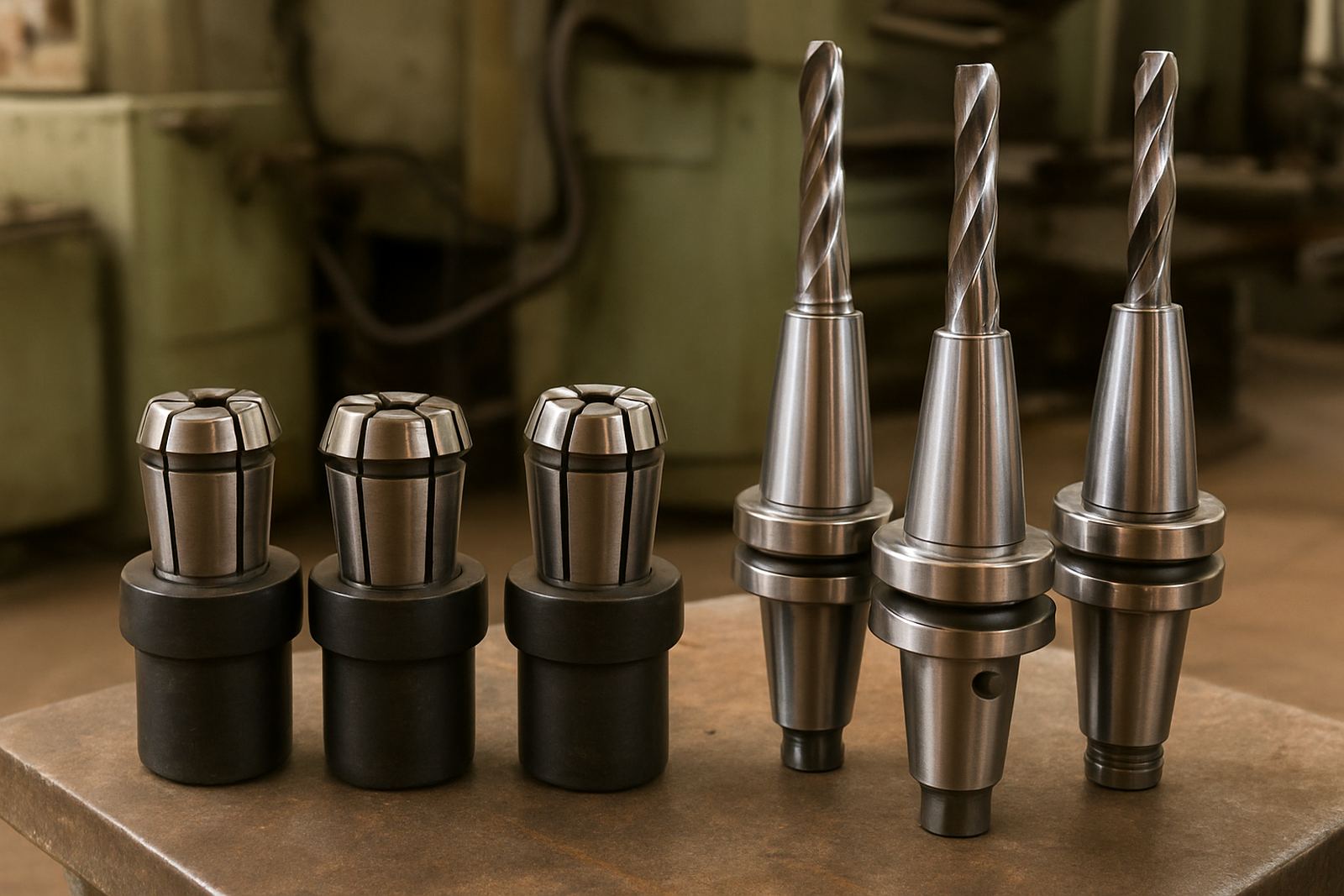
For difficult parts, a power chuck can be paired with a suitable collet, arbor, or special jaw arrangement depending on the machine and the component geometry. The key is to choose the setup around the part, not force the part into a general-purpose solution.
Installation, power supply, and machine checks
Before installation, the chuck mounting type, spindle nose, and flange dimensions must be confirmed. The chuck body has to sit square to the spindle face so that runout stays within tolerance. On hydraulic systems, the oil pressure, line size, seals, and valve response must match the chuck specification. On pneumatic systems, the air pressure, filtration, lubrication requirements, and moisture control should be checked properly, especially in humid coastal conditions.
The machine also needs safe integration with the control system. That includes interlocks, pressure monitoring, and a clear method for confirming clamp state before spindle rotation. If the machine is already used for production turning, it is worth checking coolant splash, swarf build-up, and access for maintenance before final fitment.
- Confirm spindle nose, flange pattern, and chuck body depth
- Check required hydraulic pressure or air pressure before ordering
- Make sure the machine has safe clamp and unclamp control
- Allow space for hoses, fittings, and future servicing
It is also wise to check power stability on the site. Where load-shedding is common, machines may restart after an outage and hydraulic or air systems can lose their last set condition. A proper restart procedure protects the chuck, the jaws, and the workpiece.
Care, inspection, and servicing that keep accuracy up
Like any precision workholding system, a power chuck needs regular care. Chips and coolant should be cleared from the jaw faces, scroll area, and mounting surfaces. Hydraulic units need oil level checks, leak inspection, and filter maintenance. Pneumatic systems need dry, clean air and regular draining of moisture traps. If a chuck starts showing uneven grip or poor repeatability, stop and inspect it before production drift affects the job.
Tooling supports related services such as chuck jaw machining, holder cleaning, runout checks, and tool inspection, which helps keep the complete setup working properly. If a job depends on close concentricity, even a small amount of wear or dirt can show up in the finished part. A clean chuck with sound jaws will usually give better results than one that is overloaded or left unchecked for too long.
We recommend looking at jaw wear, body damage, mounting bolts, and clamp force during scheduled service. On busy plants, a planned check every few months can prevent downtime later, and it is often cheaper than dealing with scrap parts or a machine sitting idle.
What to confirm when you place an order
To supply the right power chuck, we need clear details from the machine and the workpiece. The more accurate the information, the better the fit and the faster the turnaround. If you are not sure about one of the items, our applications team can help you work through it with the part drawing or an existing chuck sample.
- Lathe make, model, and spindle nose type
- Required chuck diameter and jaw configuration
- Hydraulic or pneumatic actuation preference
- Part material, finished diameter, and clamping area
- Required holding force, speed, and repeat cycle rate
- Whether soft jaws, hard jaws, or special jaw machining is needed
For machine shops in Gqeberha, Coega, Kariega, Despatch, and beyond, Tooling can help match the chuck to the job so the setup works in production, not just on paper. We also arrange collection and delivery where needed, which is useful when a machine is down and the replacement needs to get moving quickly.
Key facts
| Product type | Hydraulic and pneumatic power chucks for lathe workholding |
|---|---|
| Common sizes | 160 mm to 630 mm, with larger options available |
| Jaw options | Soft jaws, hard jaws, and custom jaw machining |
| Typical use | Production turning, repeat batch work, and precision clamping |
| Mounting | Matched to spindle nose and machine flange pattern |
| Support area | Struandale, Gqeberha, and machine shops nationwide |