
What a face mill arbor does on the machine
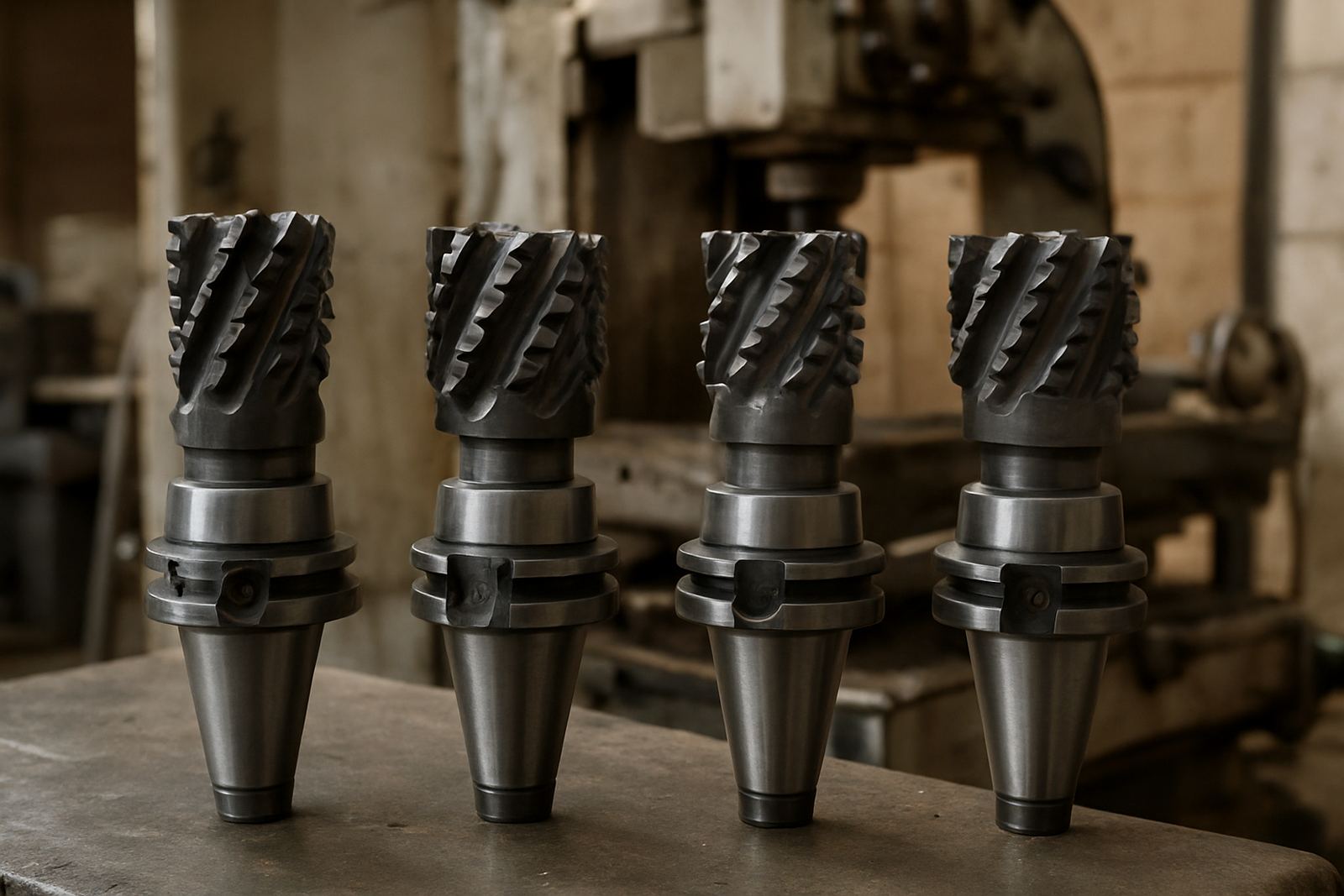
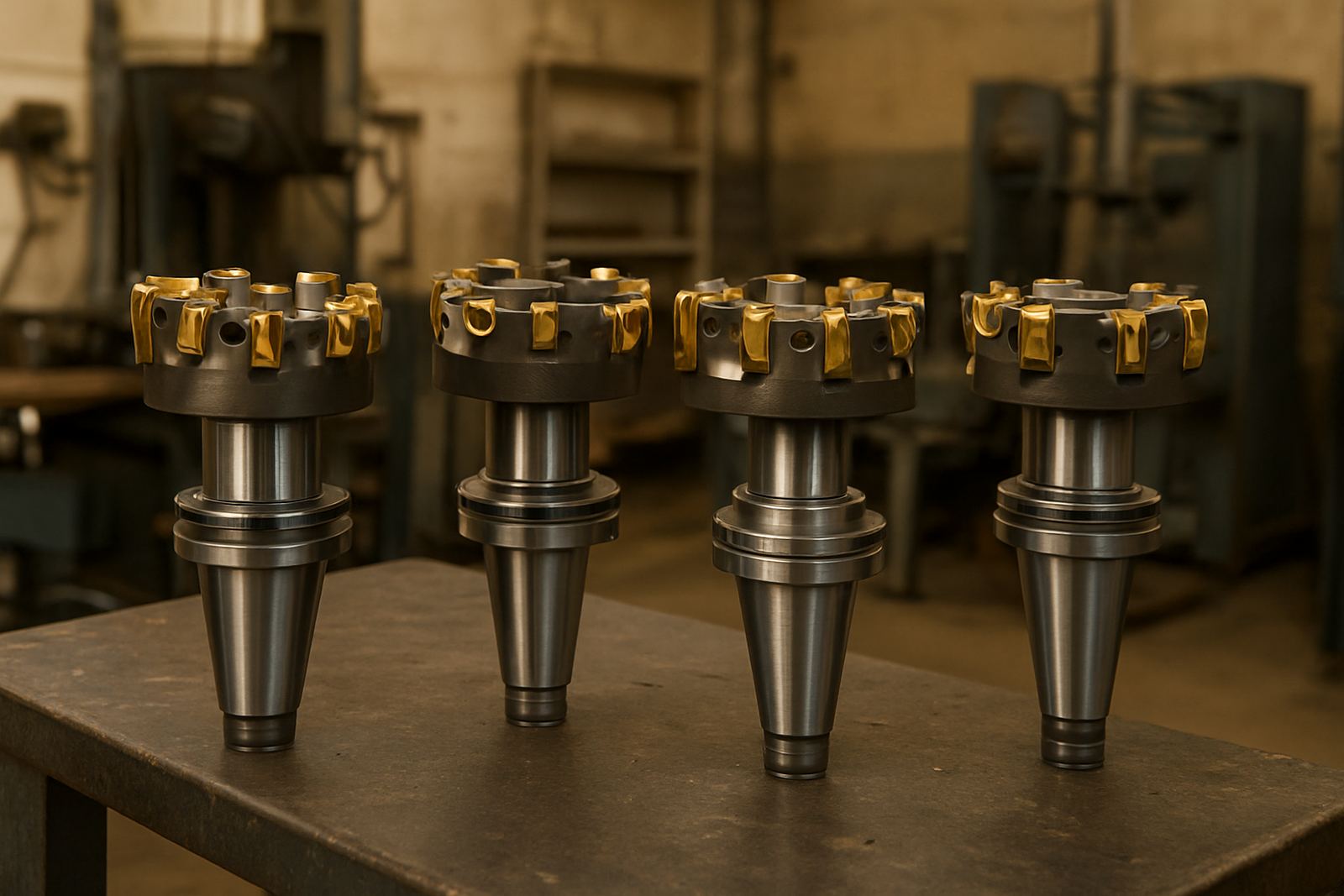
A face mill arbor is the interface between the milling spindle and the cutter body. Its job is to hold the face mill true, keep runout low, and transfer cutting forces without chatter. On heavier facing jobs this matters a lot because even a small amount of movement shows up as poor finish, uneven tool wear, and extra machine strain.
In a South African production environment, that usually means a machine shop wants a setup that can handle steel, cast iron, aluminium, and general engineering work without constant adjustment. A proper arbor gives the cutter a firm seat, with the drawbar or retention system keeping everything pulled up tight. If the arbor is not matched correctly to the spindle taper, the full face mill cannot perform as it should, even if the inserts are in good condition.
These arbors suit face milling on manual and CNC milling centres, including jobs where flatness and repeatability are important. For shops working under load-shedding schedules, a stable setup also helps because you want each run to come out right the first time, not after extra touch-ups.
- Used to mount indexable face mills securely
- Improves concentricity and finish quality
- Reduces chatter on wider cuts and interrupted cuts
- Suitable for CNC and conventional milling centres
Sizes, spindle fits and cutter options
Face mill arbors are supplied in a range of shank and taper arrangements so they can suit the milling centre in use. Common options include Morse taper, ISO, BT and CAT style holders, depending on the machine spindle and the adapter system already on site. Arbor diameter and cutter pilot size must also match the face mill body. If the fit is loose or the pilot is wrong, the tool will not run true.
Typical face mill arbor setups are selected by cutter diameter, spindle interface, and the length required to clear the table, vice, or fixture. Shorter arbors are often better for rigidity, while longer reach is needed for some workholding setups. Shops in Markman, Coega, Kariega and Despatch often ask for a practical mid-range option that works across several machines, rather than a one-job special.
When ordering, check the taper, gauge length, drawbar thread, pilot diameter and any locating features required by the cutter body. If the arbor is for a high-speed application, balancing becomes more important. That is especially true where finishes matter and the spindle is running for long periods.
- Common spindle interfaces available for many milling centres
- Face mill body pilot diameter must match the arbor
- Short and extended reach options available
- Balancing may be required for higher speed use
Where face mill arbors are used in local production
These arbors suit general engineering, maintenance departments, fabrication shops and production lines that need reliable surfacing of large components. They are commonly used for squaring blocks, finishing plate surfaces, cleaning up flame-cut edges and preparing mating faces before assembly. In a port city like Gqeberha, many shops also use them on repair work for marine, automotive and plant maintenance jobs where turnaround time matters.
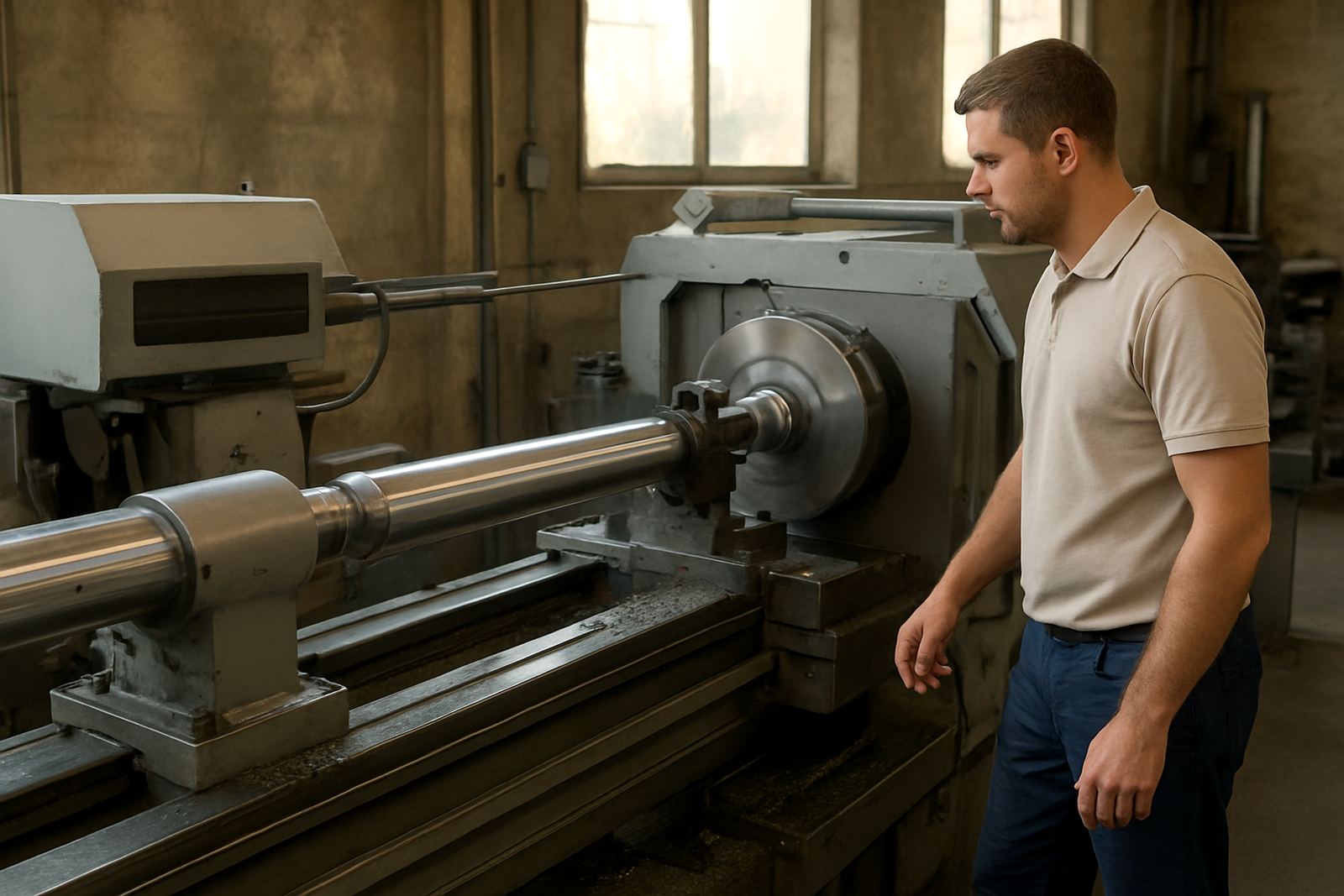
Because the tool has to carry a wider cutter, the machine and the fixture need to be set up properly. Good clamping, clean taper surfaces, and the correct cutter overhang all help the arbor do its job. On older mills, a face mill arbor can make a big difference to the quality of the cut, provided the spindle bearings and machine alignment are still sound.
These tools are not just for heavy removal. They are also useful when you need a consistent finish over a large area. In many shops the face mill gets used right after roughing, so the arbor has to stay accurate from job to job. If your cutters are already maintained through holder cleaning or runout checks, that same discipline should apply to the arbor too.
Installation, setup and machine power needs
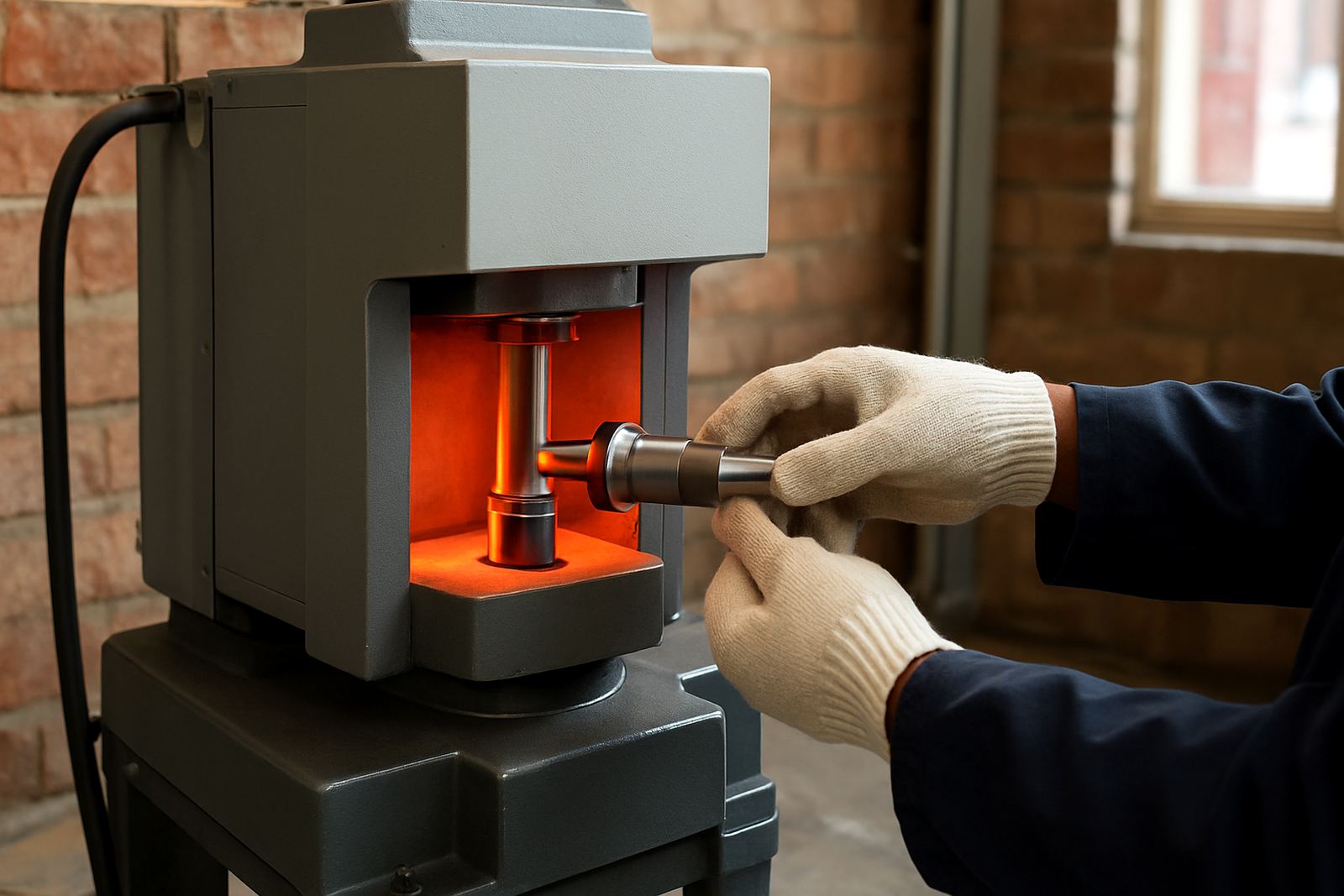
Installation starts with the correct spindle interface and a clean mating face. Any chips, coolant residue or burrs on the taper can affect concentricity. The arbor should be inserted fully, secured with the correct drawbar or retention system, and checked before the first cut. The face mill body then mounts onto the arbor pilot and is tightened to the stated torque. If the cutter is not seated properly, the tool will mark the workpiece and the machine will complain through vibration.
No gas supply is needed for a face mill arbor. Power requirements depend on the milling centre and the cutter size, not on the arbor itself. Larger face mills need enough spindle power and torque to maintain feed under load, especially on steel and cast iron. For shops working through municipal power interruptions or generator changeovers, it helps to keep the setup simple and repeatable so you can resume cutting quickly after a stop.
- Clean the spindle taper and arbor before installation
- Use the correct drawbar and tightening method
- Confirm cutter torque after mounting
- Check machine power and spindle speed for the cutter size
Care, servicing and signs the arbor needs attention
A face mill arbor should be kept clean, lightly protected from corrosion, and checked regularly for wear marks, bruising on the taper, or damaged threads. In coastal areas such as Gqeberha, humidity can lead to surface rust if tooling is left exposed. After use, wipe the arbor down and store it in a dry rack or sleeve. If the shop uses coolant heavily, make sure the arbor is not left sitting wet in the holder cabinet.
Signs of trouble include poor surface finish, visible vibration, recurring insert wear on one side, and measurable runout at the cutter face. If the arbor has been dropped or knocked during handling, it should be inspected before reuse. Tooling offers holder cleaning, runout checks, tool inspection and collection and delivery for local customers, which helps keep arbors and related toolholding in working order.
Routine servicing also includes checking the face mill body, inserts, and the machine spindle itself. Often a cutting issue blamed on the arbor is actually caused by dirt on the taper or a worn cutter seat. A measured approach saves money and time, and it stops good tooling from being replaced early.
What to confirm before you place an order
Before ordering, confirm the milling machine spindle type, the face mill body interface, and the cutter diameter you plan to run. If the machine is shared across several departments, it is worth listing the most common cutter sizes and overhangs so the arbor can suit the work instead of one single job. That is especially useful for shops in Struandale, Markman and Coega where production runs can change quickly.
Also check whether you need a standard arbor or one with a special extension, reducing adapter, or balancing requirement. For some jobs, the issue is not the arbor itself but the fit between arbor, cutter and workholding. If the cutter has a particular pilot size, or if you need clearance around a vice, the exact dimensions must be right from the start.
- Spindle taper and drawbar type
- Face mill body pilot diameter and fixing method
- Required cutter diameter and reach
- Maximum spindle speed and balancing needs
- Material to be machined and expected cut depth
If you are unsure, send the machine model, spindle details, and the face mill body dimensions. A quick check up front avoids delays and saves on unnecessary swop-outs later.
Key facts
| Product type | Face mill arbor for milling centres |
|---|---|
| Typical use | Mounting indexable face mills for facing and surfacing |
| Spindle interfaces | Morse taper, ISO, BT and CAT style options |
| Cutter fit | Pilot diameter matched to face mill body |
| Servicing support | Tool inspection, holder cleaning and runout checks |
| Service area | Gqeberha, Struandale, Markman, Coega, Kariega, Despatch and nationwide |