Mobile storage built for machine shop work
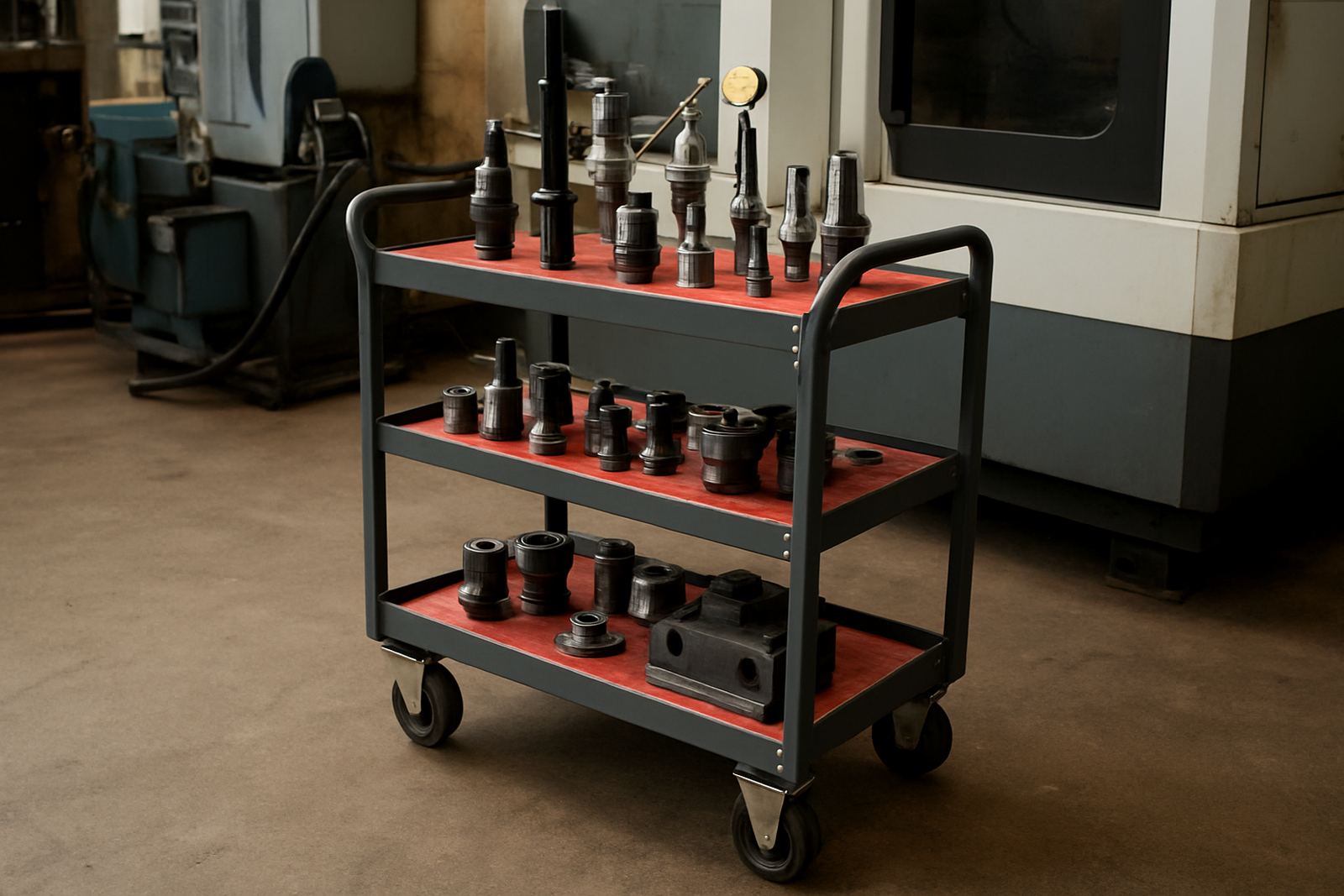
Tool trolleys are purpose-made mobile carts used to store and move tooling between the tool room, presetting area and machine line. They are not general storage boxes on wheels. A proper trolley gives each item a fixed place, with trays, drawers or pegs for holders, collets, spanners, gauges and job-specific cutters. That means the operator can load the next job without hunting for missing parts or carrying loose tools across the floor.
In a South African production environment, that matters. Shops in Struandale, Markman and Coega often work with tight turnaround times, load-shedding interruptions and mixed shift patterns. A trolley helps keep the full setup together, so the team can park the job, move it safely and come back to it with less confusion. It also reduces the chance of tools getting knocked against a bench or dropped on concrete, which is where damage starts.
Most tool trolleys are steel-framed, powder-coated and fitted with heavy-duty swivel castors. Locking brakes keep the unit steady while loading or unloading. Some models are open top for quick access, while others include drawers, lipped shelves or hanging rails. For coastal workshops, a coated steel finish and regular wipe-downs help protect against humidity and salt air.
Sizes and layout options for different shops
Tool trolleys come in a few practical sizes, from compact units that fit beside a CNC machine to larger carts for tool rooms and maintenance teams. A smaller trolley may suit a workshop that runs a few repeat jobs and needs a neat, mobile station for changeovers. A larger unit is better when the team carries multiple holders, torque tools, measuring equipment and spare inserts for several machines at once.
Typical options include 2-shelf carts, 3-shelf carts, drawer-based trolleys and combination units with shelves on top and storage below. Many shops prefer adjustable partitions or removable trays, because tooling rarely stays the same from one order to the next. If your team uses tooling presets or scanner-based setups, the trolley can be laid out to match the workflow from storage to machine.
When selecting size, check aisle width, doorway clearance and whether the trolley must travel over uneven floors, expansion joints or yard thresholds. In Kariega, Despatch and Port Elizabeth CBD, some plants have mixed floor levels and narrow service corridors, so overall width and castor size matter more than people expect. A slightly larger wheel can make movement easier on rougher surfaces. not every workshop needs the biggest trolley, but the trolley must suit the way the shop actually moves tools.
Where tool trolleys suit best in manufacturing
Tool trolleys suit CNC turning, milling, tool rooms, maintenance bays, prototyping areas and 3D print support areas where tools and accessories need to stay grouped. They are especially helpful where one person supports more than one machine, or where a setter needs to move between presetting, inspection and production. A trolley also works well for small batch work where the next setup must be ready while the current part is still running.
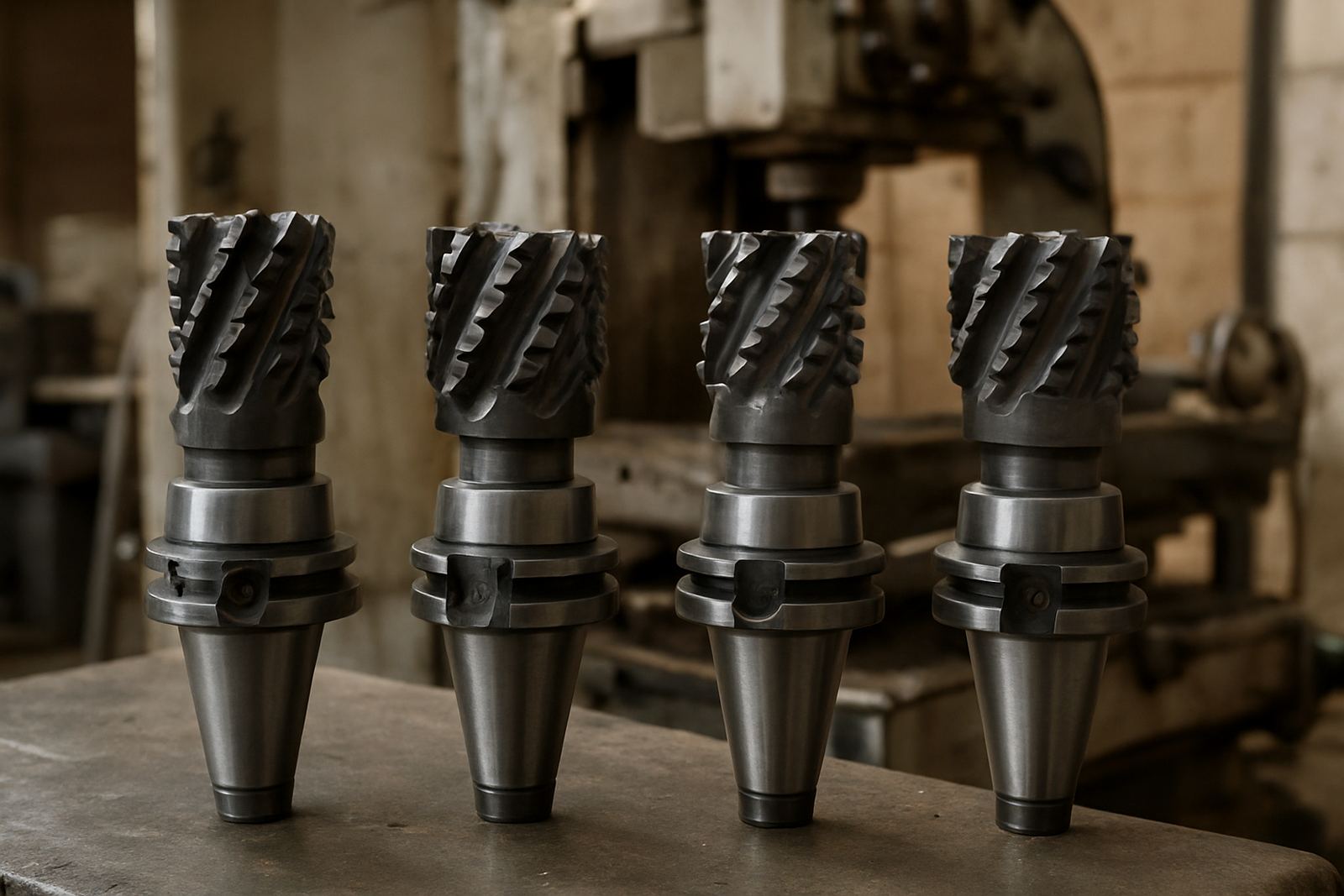
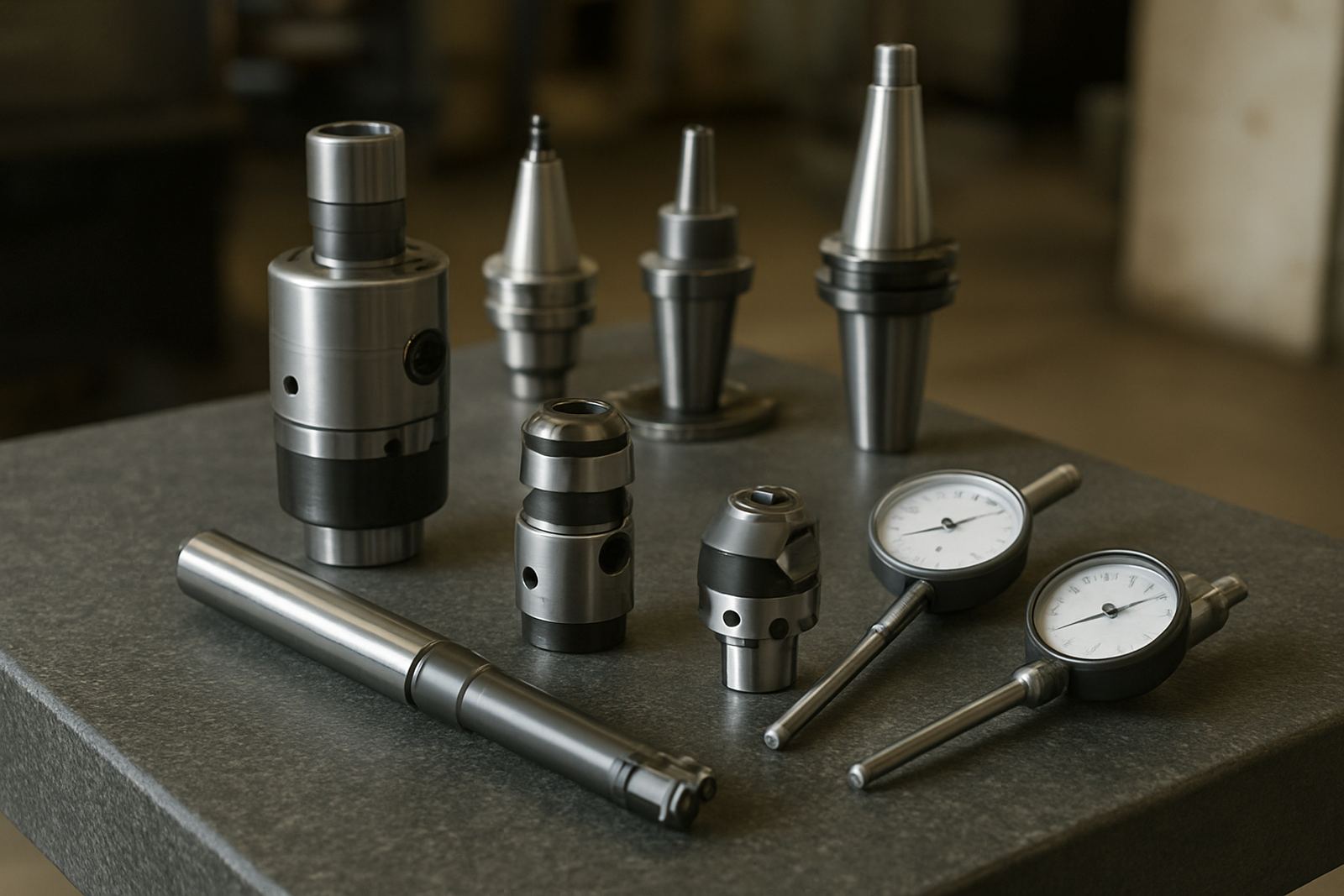
For shops handling tool holders, collets and workholding systems, a trolley can be organised by machine type, spindle interface or job number. That makes it easier to keep matched items together. For example, a setter can load a trolley with the correct chuck jaws, clamps, parallels and gauges for one job, then park it next to the machine until it is needed. It saves time and reduces mix-ups.
Tool trolleys are also useful in service departments and field support vehicles, especially where collection and delivery forms part of the workflow. If the shop moves tooling between branches in Gqeberha, Coega or even out to other towns in the Eastern Cape, a trolley keeps items together during transit. It is a simple idea, but it helps keep the whole process calmer and cleaner.
Installation, power and workshop conditions
Most tool trolleys do not need fixed installation, gas or electrical connection. That makes them easy to put into service straight away, which is useful in workshops affected by load-shedding or limited socket access. The main setup work is practical: fit the castors, check the brake action, confirm the shelves or drawers are level, and set the trolley layout for the tools you use most often.
If the trolley includes a lockable drawer system or lighting for a presetting area, then a power supply may be needed for accessories, but the cart itself remains manual. Before ordering, measure the route it must travel. Check door widths, floor cracks, oil spill areas and the turning space around machines. In humid coastal areas around Gqeberha, wiping down metal surfaces and keeping drawers closed helps protect precision items from dust and moisture.
For heavier carts, make sure the castors are rated for the loaded weight, not just the empty frame. A trolley that feels fine when empty can become difficult to steer once it carries full holder sets, gauges and tooling blocks. If the floor is uneven, ask for larger castors and reliable wheel brakes, because the trolley must stay put while someone is reaching into it.
Care, servicing and workshop handling
Tool trolleys need simple but regular care. Clean chips, oil and coolant off the shelves and drawer runners. Check castor bolts and wheel bearings, because grit and metal dust build up quickly in machine shops. If the trolley carries precision tooling, avoid overloading the top shelf and keep heavier items lower down so the unit stays stable during movement.
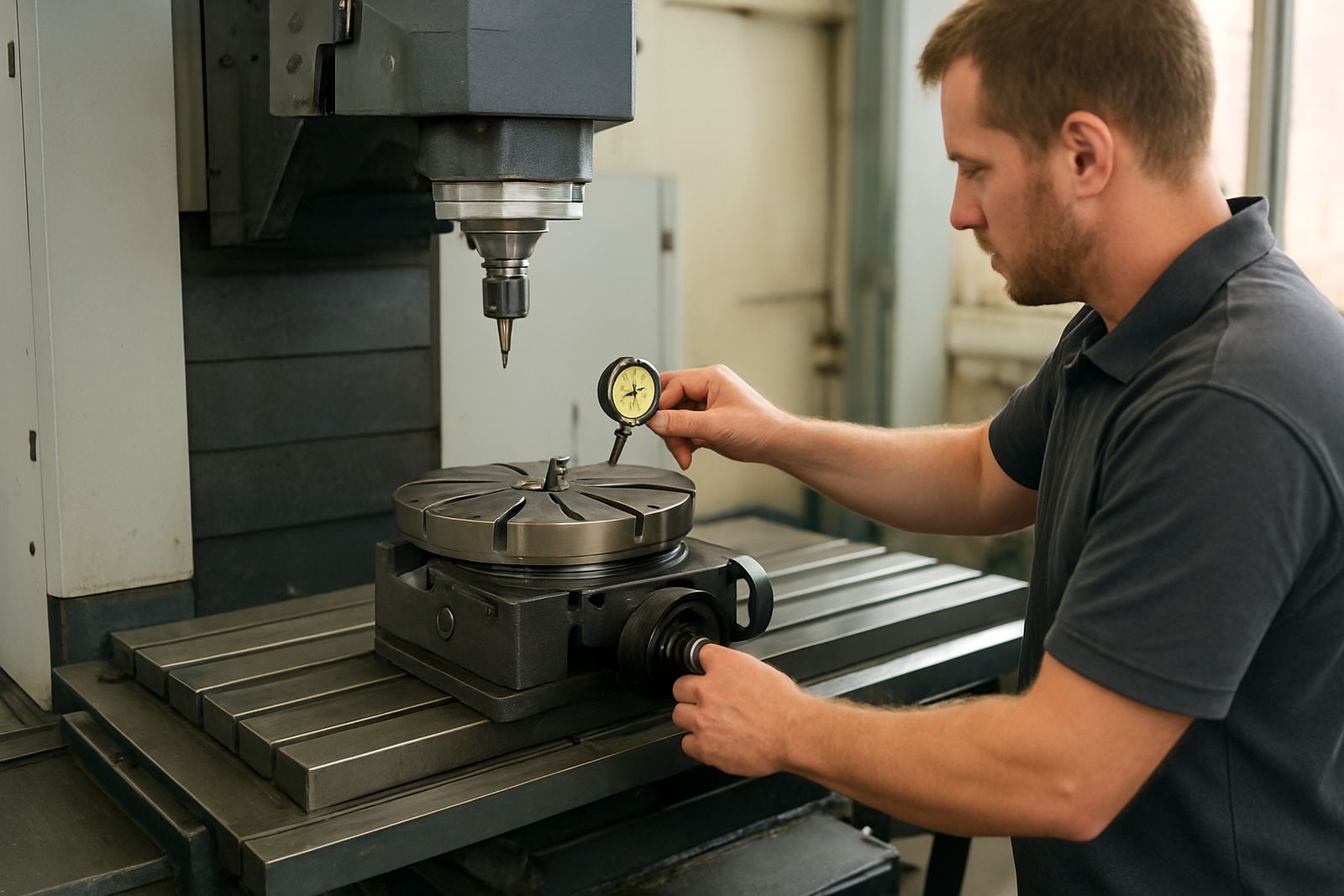
In workshops that already use holder cleaning, tool inspection, runout checks and presetting services, the trolley should support those routines rather than replace them. Keep holders dry before storing them, and separate sharpened tools from damaged or awaiting-regrind items. That way the trolley becomes part of a clean workflow instead of a mixed storage point. A quick monthly check usually catches loose fasteners, bent handles and worn wheels before they turn into a bigger problem.
If the trolley is used for delivery between branches or shared between machines, label the shelves or drawers clearly. This helps when multiple setters use the same cart on different shifts. Small habits like that make a proper difference in day to day shop control.
What to confirm before you order
When ordering tool trolleys, start with the real workload. Count how many holders, collets, gauges, spanners and setting tools must fit on the cart. Then decide whether you need open shelves, drawers, hooks or partitions. Ask for the overall dimensions, usable shelf size, castor diameter and load rating. These details matter more than a glossy picture, especially if the trolley must pass through a narrow aisle or sit next to a CNC machine with limited space.
It also helps to match the trolley to the type of work. A production line may need a fast-access cart for repeat jobs, while a tool room may need a locked unit with drawer storage. If the trolley will be used around scanning, presetting or printer maintenance, ask how the layout can support those tasks too. The right cart should make the job faster, not add extra steps.
Tooling serves machine shops from Struandale and the wider Gqeberha area through to branches and worksites nationwide. If you need help matching a trolley to your setup, the team can advise on dimensions, layout and practical use in your shop. A good trolley is simple equipment, but when it fits the workflow properly, the difference is easy to see.
Key facts
| Product type | Mobile tool trolley for CNC and workshop use |
|---|---|
| Typical sizes | Compact 600 mm wide units to larger 900 mm plus carts, depending on layout |
| Materials | Powder-coated steel with heavy-duty castors |
| Common features | Shelves, drawers, trays, handles, locking brakes |
| Typical load use | Light to heavy tooling storage, subject to castor and frame rating |
| Maintenance | Cleaning, castor checks, fastener checks and corrosion control |