How a shrink fit unit works in day to day machining
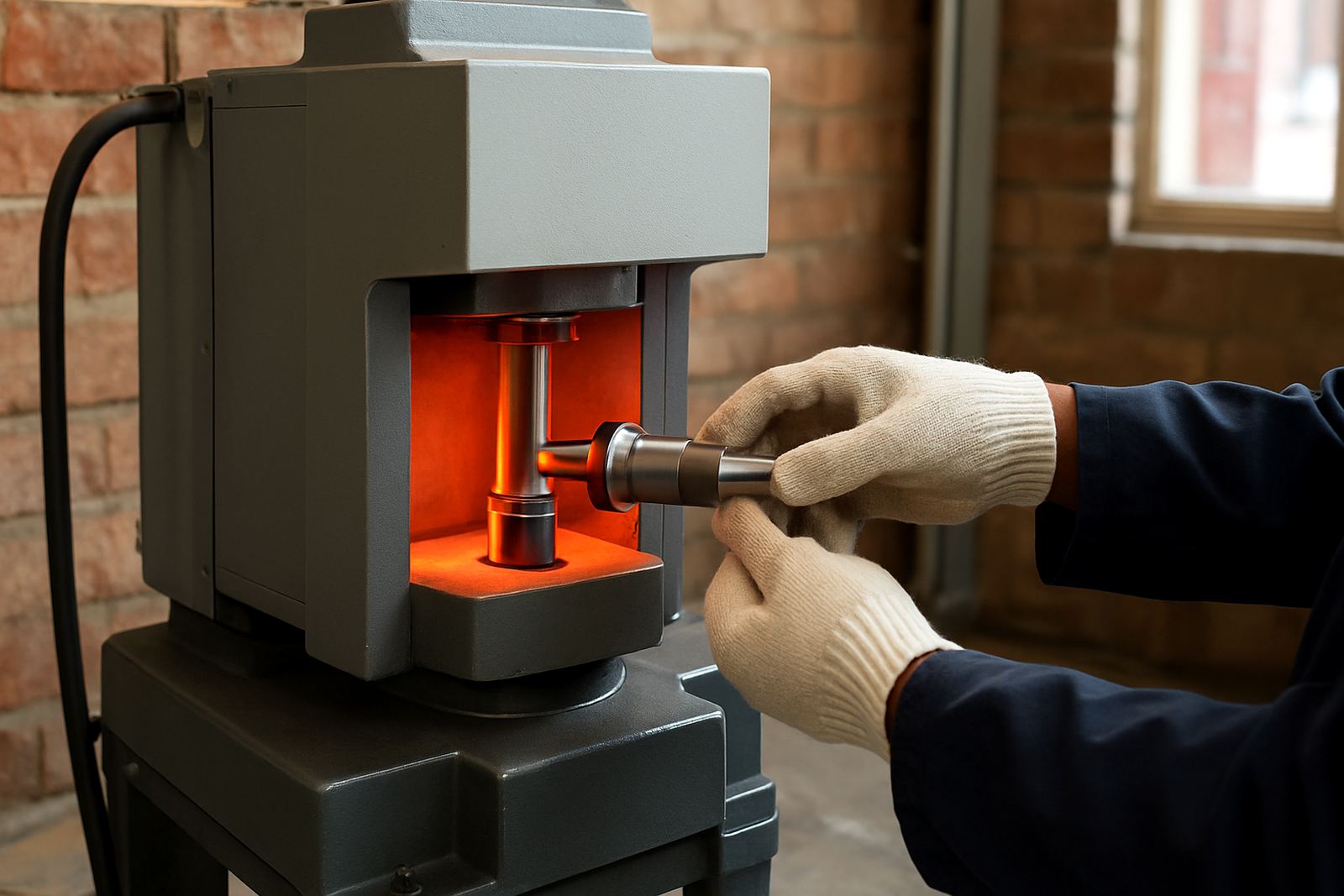
A shrink fit unit uses controlled heat to expand the holder opening just enough for the cutter or collet tool to slide in. Once the holder cools, it contracts around the tool shank and creates a firm grip with very low runout. That tight fit helps on fine finishing work, small diameter cutters, and long reaches where vibration can spoil a job. In a busy toolroom, it also cuts down on the time spent adjusting clamping force by hand.
For workshops around Struandale, Markman and Coega, the main benefit is consistency across repeat jobs. Operators get a clean tool change process and a stable setup for CNC milling, drilling, and high speed machining. It is especially useful where a job calls for accuracy in the micron range, because even a small amount of movement at the holder can show up on the part.
Sizes, formats and temperature ranges to ask for
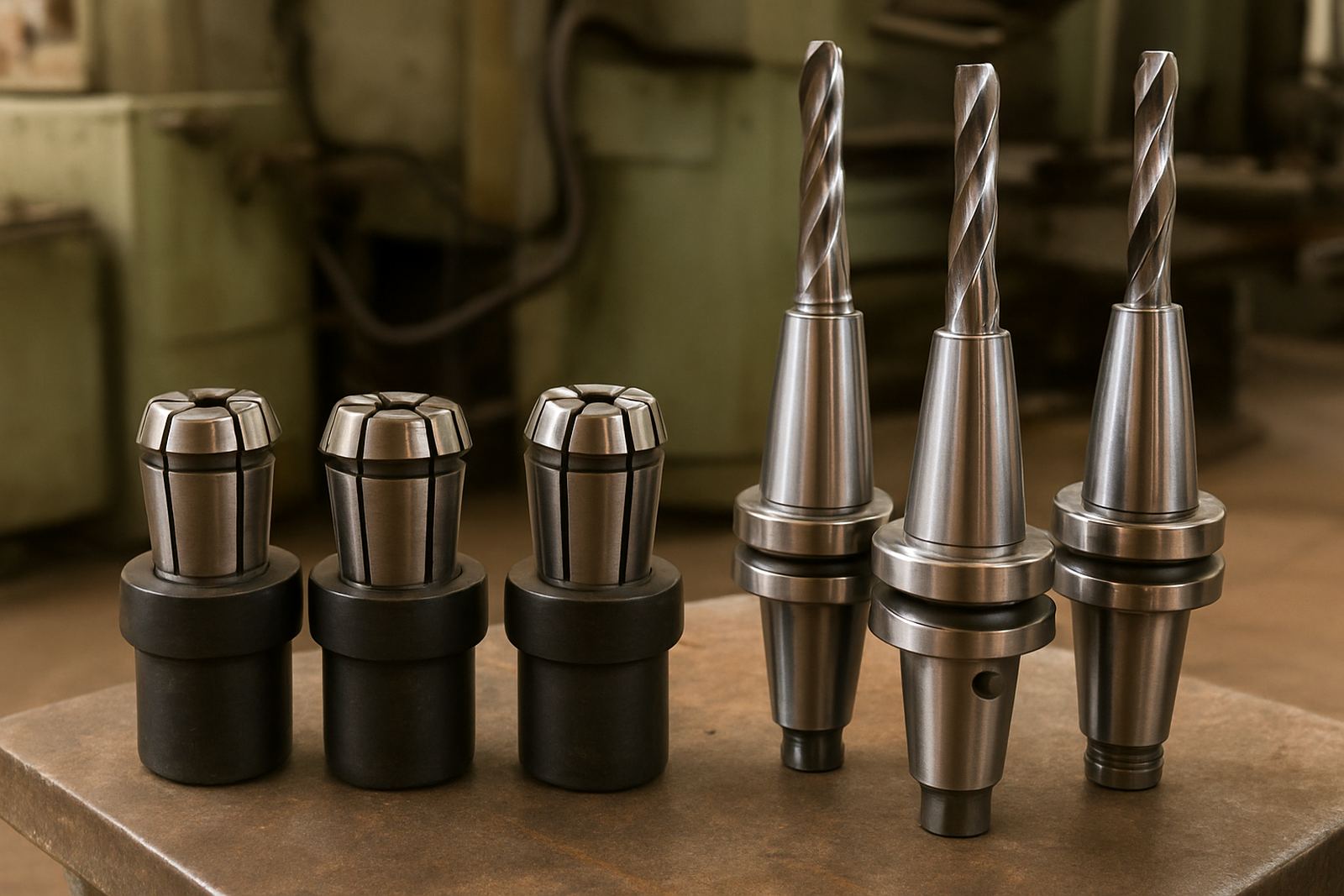
Shrink fit units are usually selected around the toolholder system you already run, so the first check is the holder shank size and the cutter diameters you use most often. Common setups suit smaller toolroom work as well as larger production lines, with heating collars and inserts matched to the holder body. Some units are bench mounted for a compact bay, while others are trolley style for moving between machines. For larger shops, a higher capacity unit makes sense when there are many tool changes during the day.
- Holder sizes commonly used for 6 mm to 32 mm tooling, depending on the system
- Heating cycles designed for fast changeover without overheating the holder
- Options for manual, digital, or preset temperature control
- Cooling aids such as air cooling, forced cooling, or dedicated chill methods
- Accessories for different holder tapers and clamping styles
When comparing options, check the temperature range, power draw, and the largest diameter you need to handle. If your work includes both light cutters and heavier production tools, it is worth confirming the full spread of sizes before ordering.
Where shrink fit units suit best in South African workshops
These units suit machine shops that want better concentricity on milling, drilling and finish cutting. They are a good fit for automotive suppliers, general engineering, mould and die work, and contract shops running short batches with tight tolerance demands. In Gqeberha and surrounding industrial areas, they are useful where production has to keep moving even during load shedding, because good tool preparation lowers the chance of scrap when power returns and the machine is back in service.
They also suit shops near the coast where humidity can affect stored tooling. A shrink fit setup helps keep holders in better condition when paired with proper cleaning and dry storage. If you run high speed spindles, a clean holder and accurate fit can make a noticeable difference to surface finish. It is not a cure for poor setup though, so the machine, holder and cutter all still need to be checked carefully.
- High speed CNC milling rooms
- Toolrooms with repeat jobs and fine tolerances
- Workshops cutting hardened material or small cutters
- Production lines needing shorter setup times
Power, installation and site requirements
Most shrink fit units need a stable electrical supply and a proper bench or floor space with enough room around the heating head. The exact power requirement depends on the model, but workshops should confirm the voltage, phase, and current draw before delivery. If the unit includes active cooling or a chiller, allow extra space for ventilation and access. A clean, level surface matters because hot holders must be handled safely and placed straight for cooling. That sounds simple but it saves trouble later.
Installation is usually straightforward for an existing toolroom. The unit should be placed away from coolant splash, grinding dust, and heavy vibration. If the workshop has generator backup or inverter supply during outages, check that the machine can tolerate the switchover without faults. Where gas is part of the process, the supply and any fittings must be matched to site rules and handled by qualified staff. Good cable management, a clear storage area for holders, and marked hot and cold zones all help operators work safely.
Care, cleaning and servicing for longer holder life
Like any precision shop item, a shrink fit unit works best when kept clean and checked often. Heating faces must stay free of swarf, oil and coolant residue. If contaminants build up, heat transfer becomes uneven and holders can mark or seize. After use, allow the unit to cool before wiping down the contact surfaces and storing the accessories. On a coast side workshop, this is even more important because moisture can creep into the system and affect the finish on holders.
- Inspect the heating coil or induction area for wear and damage
- Check cables, plugs and switches for heat marks or loose connections
- Keep holder bores clean and dry before each cycle
- Use the correct cooling method for the holder material
- Schedule regular checks for temperature accuracy and repeatability
Tooling can assist with holder cleaning, runout checks, inspection, and collection and delivery. If the unit starts taking longer to heat or the clamp behaviour changes, it should be looked at before it starts affecting production.
What to confirm when you order a shrink fit unit
Before ordering, confirm the holder type, the largest and smallest tool sizes, and how many changeovers you expect per shift. Ask whether you need a bench unit or a mobile unit, and whether the site has the right electrical supply. It also helps to know if the workshop handles high speed finishing, heavy roughing, or mixed production, because that affects the temperature range and cooling method you should choose. If the shop runs multiple machines, ask about preset programs and quick size change settings.
You should also check the working space around the unit, operator training needs, and any local safety rules tied to heat, lifting, or gas use. For machine shops in Struandale, Despatch, Kariega and the Port Elizabeth CBD, collection and delivery can reduce downtime when servicing or calibration is needed. When the order details are clear from the start, the unit arrives ready for the actual work, not just the brochure spec.
Key facts
| Product type | Shrink fit heating and cooling unit for precision tool clamping |
|---|---|
| Main use | Secure toolholding with improved concentricity and repeatable runout control |
| Typical tool range | 6 mm to 32 mm, depending on holder system and insert set |
| Power supply | Varies by model, confirm voltage, phase and current before ordering |
| Control | Manual or digital temperature control, model dependent |
| Application areas | CNC milling, toolrooms, high speed finishing, mould and die work |