What a modular clamping kit does on the workshop floor
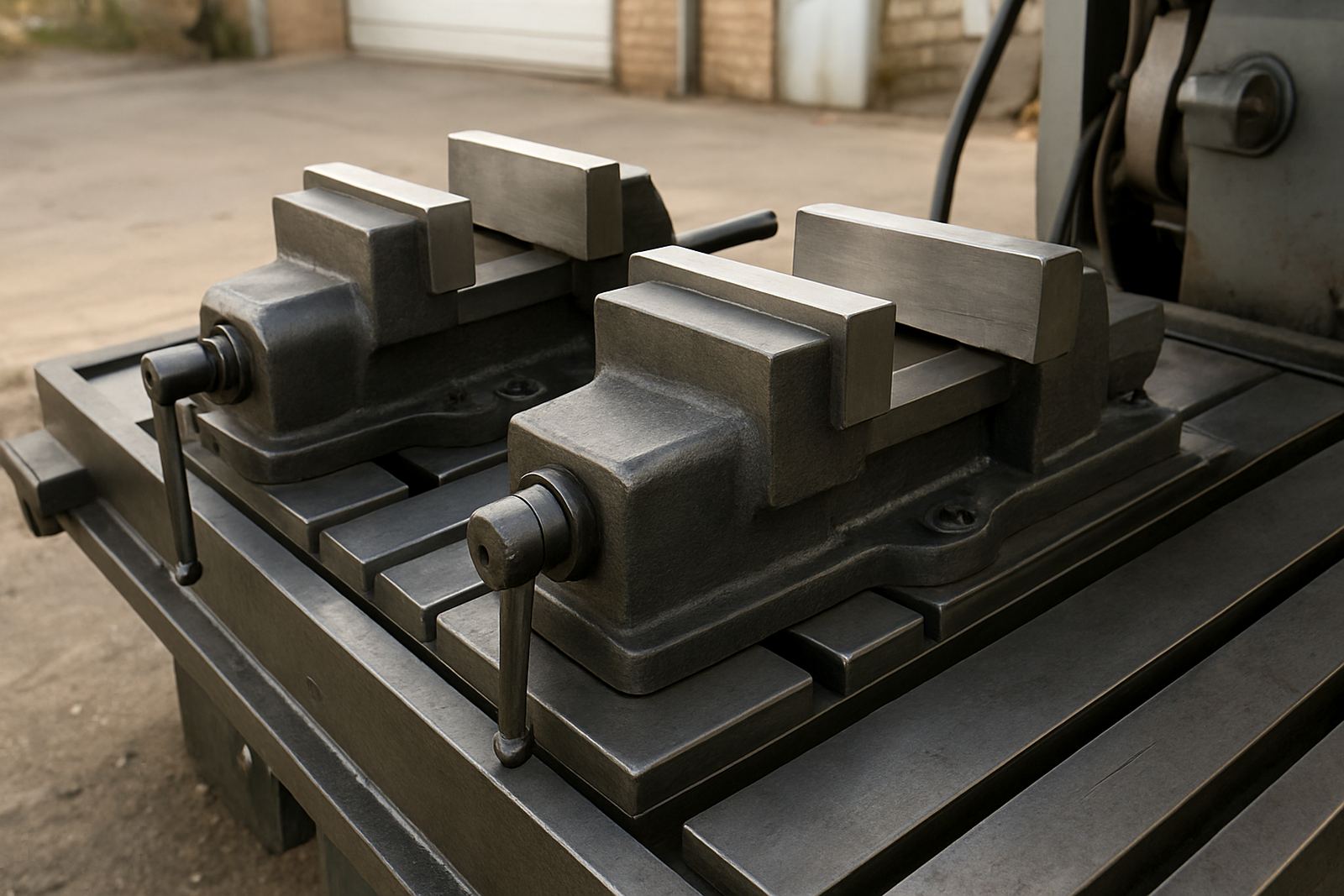
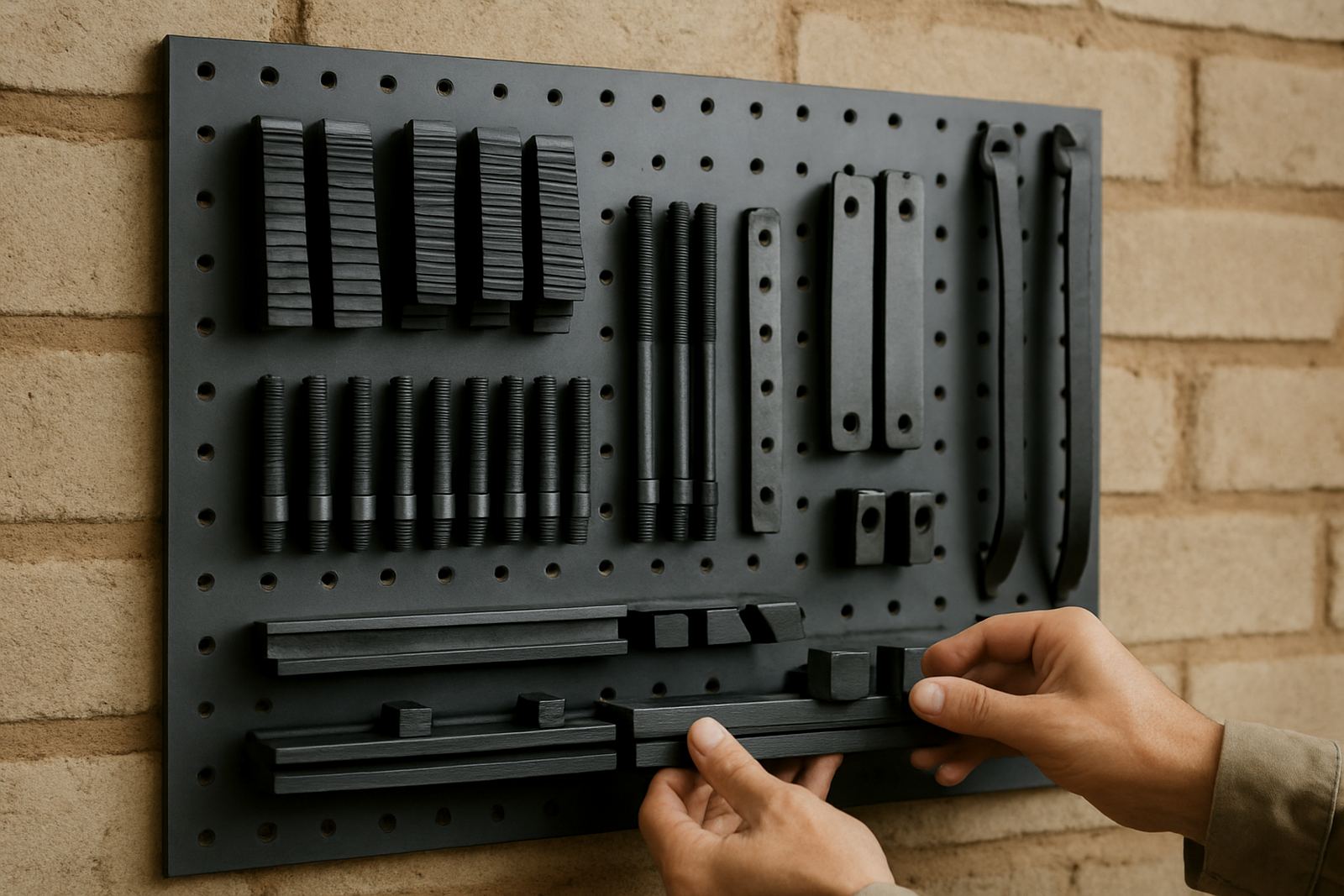
A modular clamping kit is a set of clamping blocks, studs, nuts, step clamps, risers and locating parts used to build a custom fixture on a machine table or plate. Instead of making a special fixture for every job, you can assemble the clamping arrangement you need, then break it down and reuse the parts for the next component.
This suits machine shops in Gqeberha, Kariega, Despatch and the wider Eastern Cape where short runs are common and changeovers need to happen quickly. It is practical for milling, drilling, probing and light finishing work where the part needs support without blocking tool access. The set is also useful when a workpiece has uneven surfaces, cast sections or multiple machining faces.
- Builds fast, reusable fixtures for varied parts
- Helps with clamping on machine tables, fixture plates and angle plates
- Suitable for low volume work, prototypes and repair jobs
- Useful where operators need repeatable positioning between setups
Typical sizes and kit options to look for
Most modular clamping kits are supplied in matched size ranges so the pieces work together correctly. Common thread sizes include M8, M10, M12 and M16, with related studs, nuts and blocks selected to suit the machine table and the mass of the part. Smaller kits are handy for compact jobs and lighter fixtures, while larger kits are better for heavier castings, fixtures and deeper setups.
Many shops keep more than one size on hand because a single kit does not always cover every machine, especially if you run both smaller vertical mills and larger machining centres. The right choice depends on table slot width, stud length, part height and how much clearance you need around the cutter. If you are working near the limits of a fixture, it is worth checking the clamping stack up before the job starts.
- Thread sizes commonly supplied: M8, M10, M12, M16
- Stud lengths often selected from short, medium and extended options
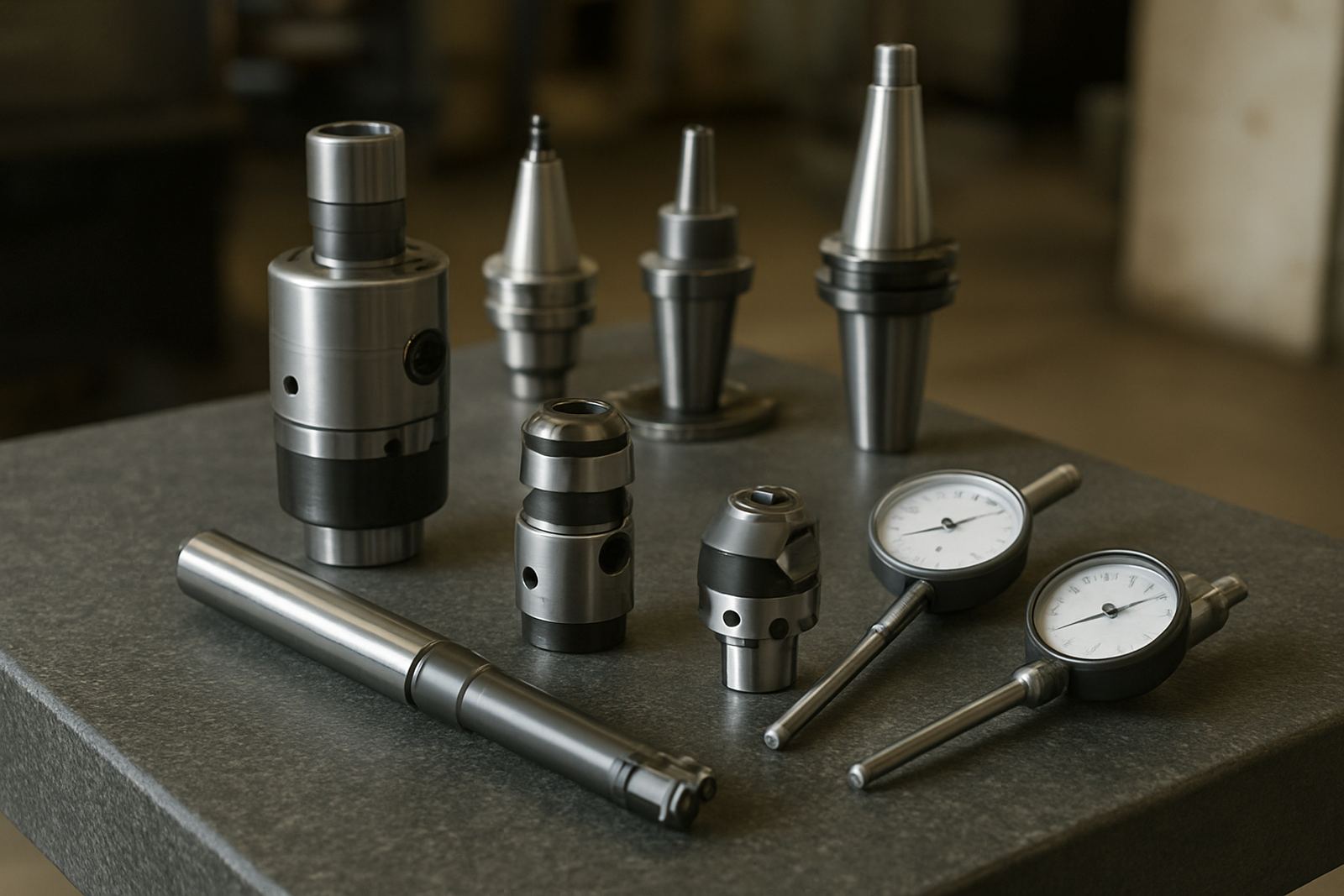
- Components may include clamp bridges, step blocks, toe clamps and T-slot hardware
- Some kits are packed in steel cases or organised trays for easier storage
Where the kit suits best in local machining work
This kind of clamping set suits general engineering, maintenance workshops, contract machining, toolrooms and production cells that change jobs often. It is a good fit for fixture building on CNC mills, conventional machines and inspection setups where repeatability matters more than custom fabrication. Shops handling brackets, housings, plates, flanges, repair parts and small production batches will usually get regular use from it.
In coastal conditions around Gqeberha, humidity can affect storage and surface condition if parts are left exposed, so keeping the kit clean and lightly oiled helps. On load-shedding affected sites, modular parts are still useful because once the fixture is assembled it does not rely on power to stay clamped. That makes them a practical choice for workshops that need to restart work quickly after interruptions.
- General engineering and CNC jobbing shops
- Fixture plates, inspection stations and setup tables
- Prototype work and low volume repeat runs
- Repair jobs where the original fixture no longer suits the part
Installation, setup and machine compatibility
Installation is straightforward, but accuracy comes from the setup. The machine table or fixture plate should be clean, the T-slots checked, and the clamping stack arranged so the load is spread properly under the workpiece. Keep the clamp line low where possible, and use suitable support blocks to prevent the part lifting when cutting forces change.
No electrical power or compressed gas is needed for the clamping kit itself. It is a manual fixture system, so the main requirement is correct machine compatibility and enough clearance for the cutter, tool holder and workholding. If the part sits high, check spindle reach and safe tool access before tightening down. A quick dry run can save a lot of grief, especially on awkward jobs.
- Needs clean table slots or fixture plate holes
- No power, air or gas required for the clamping hardware
- Confirm spindle reach, tool clearance and part height before cutting
- Use correct torque and evenly loaded clamp points
Care, cleaning and service support for longer life
Clamping parts last longer when they are cleaned after each job and stored away from chips and moisture. Wipe down studs, nuts and step blocks, check for burrs on clamp faces, and make sure the threads run freely. If a component starts to gall or bind, do not force it back into service because that can damage the rest of the kit. A light protective oil is usually enough for normal shop storage, and it helps in coastal areas where rust can start fast.
For workshops that keep busy schedules, regular inspection makes sense. Check for worn threads, bent studs, cracked clamps and damaged T-slot hardware. If parts are being reused on high value work, a simple inspection routine avoids poor hold-down and keeps setup times predictable. Tooling also supports related workshop services such as holder cleaning, runout checks, chuck jaw machining, vise alignment and collection and delivery in the local area.
- Clean chips from threads and contact faces after use
- Store with light oil in a dry cabinet or closed case
- Replace bent, cracked or badly worn parts early
- Inspect before critical jobs and repeat setups
What to check before you place an order
Before ordering, measure the machine table slot width, thread size and available setup height. Check the type of work you run most often, because the parts needed for a small aluminium bracket are different from what you would want for a heavy steel housing. It also helps to know whether your team needs more clamp bridges, more studs or more support blocks, rather than buying a mixed kit that does not match the real work.
It is also worth checking the finish condition you need. Some workshops want a basic kit for general use, while others need a more complete set with extra lengths and matching accessories. If you are building fixtures for repeat work, keep the dimensions and a simple parts list on file so replacement items can be ordered quickly. That saves time when a clamp goes missing or a thread is damaged in the middle of a job, which happens more often than people admit.
- Machine table slot size and thread type
- Required stud length and clamp height
- Typical part size, material and weight
- Need for extra support blocks, step clamps or locating pieces
- Storage and rust prevention requirements for your workshop
Key facts
| Product type | Modular clamping kit for fixture building and machining setups |
|---|---|
| Common thread sizes | M8, M10, M12 and M16 |
| Typical use | CNC milling, drilling, prototyping and low volume work |
| Power or gas needed | None, manual clamping hardware only |
| Material finish | Machined metal components with storage case or tray |
| Support services | Tool regrinding, inspection, holder cleaning, runout checks, presetting and delivery |