
What sealed collets do in a machining setup
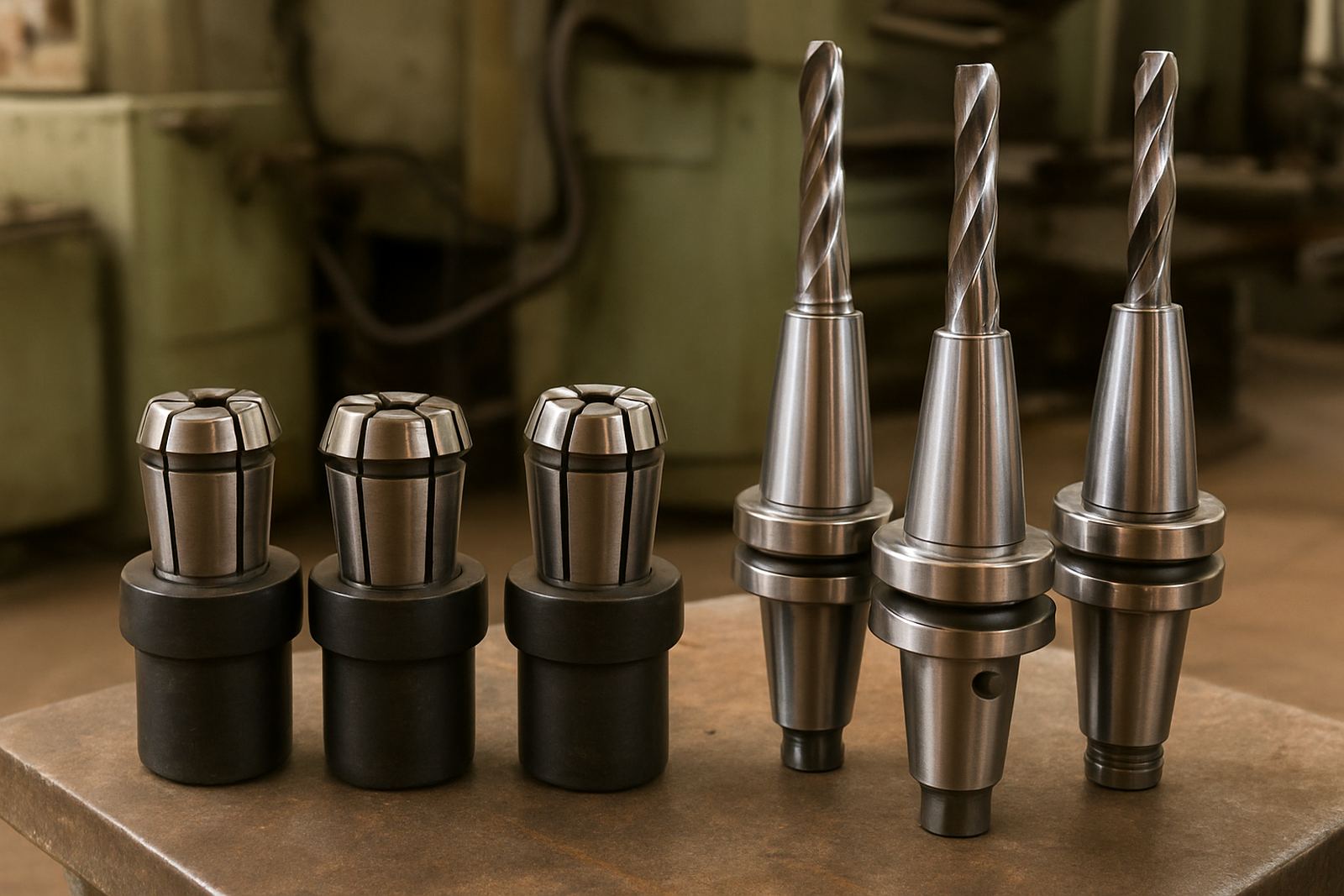
Sealed collets are designed to keep coolant moving through the spindle and into the cutting zone, rather than letting fluid escape around the tool shank. That helps push chips out of the hole, keeps temperatures steadier and gives drill bits, reamers and small carbide tools a better chance of holding size. In South African workshops where operators are running mixed jobs all day, this matters when the machine is cutting mild steel one hour and aluminium or stainless the next.
These collets are used in collet chucks and compatible toolholding systems where coolant-through delivery is part of the machine set-up. They are not a generic clamp part. They need the correct body profile, collet size and sealing arrangement to match the holder and the tool diameter. If the seal is not right, coolant pressure drops, chips pack in the hole and drilling performance suffers.
For shops in Gqeberha, Kariega and Coega, sealed collets are especially useful on deep-hole drilling, tapped holes and parts that must come off the machine cleanly before the next operation. The benefit is simple: better chip evacuation, less heat and more consistent finish.
Sizes, shank ranges and common options
Sealed collets are supplied in a range of tool diameters and body styles to suit different holders and production needs. The most common sizes cover fine work in small components as well as heavier drilling in production parts. Matching the exact size is important, because even a small mismatch can affect runout and grip.
- Tool diameter ranges typically from 3 mm up to 25 mm, depending on holder type
- Metric and imperial sizes are available for mixed workshop environments
- Coolant-through sealing styles for drilled and through-spindle applications
- High-grip versions for better hold on smooth shanks and carbide tools
- Options for general purpose drilling, reaming and light milling
When choosing a size, the tool shank must sit fully within the gripping zone without bottoming out in the collet body. A 6 mm collet should not be used as a near-enough fit for 6.35 mm tooling, and the opposite is also a bad idea. If the fit is wrong, you will see vibration, premature wear and poor repeatability from job to job.
Where sealed collets suit South African machine shops
These collets are a good fit for CNC machining centres, production drill stations and high-volume toolrooms where cycle time and consistency matter. They are also useful in workshops that handle subcontract work, because the parts and materials can change quickly through the week. A shop in Markman doing short runs for automotive suppliers will use them differently from a small jobbing shop in Despatch, but the need is the same: stable grip and reliable coolant flow.
They suit applications such as:
- Deep-hole drilling in steel and stainless steel
- High-speed drilling in aluminium and non-ferrous metals
- Reaming where chip evacuation must stay clean
- Production parts that need repeatable hole size
- Jobs where coolant mist and heat build-up are a problem
In coastal areas like Gqeberha, humidity can also affect storage and handling. Keeping collets dry and clean helps avoid staining, corrosion and sticky residue on the sealing faces. That is basic workshop care, but it makes a difference over time.
Installation, coolant pressure and machine requirements
Sealed collets do not need power or gas on their own, but they do rely on the machine's coolant system and holder compatibility. The spindle, holder and collet must all be set up to allow coolant to pass through cleanly. If the machine has blocked lines or weak pump pressure, the system will not perform as intended.
Before fitting, make sure the holder bore and sealing surfaces are clean. Light contamination from swarf, oil or old coolant can cause leaks. The tool shank should be smooth, free of burrs and within the recommended diameter range. On some machines, coolant pressure settings need to be checked after fitting because too much pressure can cause misting or leakage at weak points in the setup.
- Check holder compatibility before ordering
- Confirm coolant-through capability on the machine
- Clean sealing faces and collet pockets before installation
- Use the correct tightening torque for the holder system
- Test coolant flow on a trial tool before full production
There is no gas requirement for sealed collets. The main requirement is a healthy coolant supply and a machine that is already set up to use through-tool delivery properly. If a workshop is running through load-shedding schedules, it helps to inspect seals and stock levels when the machine is down so the next shift is not delayed.
Care, cleaning and servicing between jobs
Good collet care starts with cleaning after each shift. Sealed collets work best when the sealing faces, inside bore and grip area are free of chips and coolant residue. If chips are left in place they can mark the surface, affect concentricity and shorten service life. A clean, dry storage tray is better than leaving collets loose in a drawer with cutters and sockets.
Tooling offers holder cleaning, runout checks and presetting service to keep the full toolholding set working properly. If a collet has visible wear, scoring or distortion, it should be removed from service rather than pushed on until failure. In production shops, even a small amount of runout can cost time and scrap parts, so regular inspection is worth the effort.
- Inspect seals and gripping faces for wear
- Remove chips with clean air and approved cleaning methods
- Check runout when changing batch jobs
- Store by size and type so the correct collet is easy to find
For deeper maintenance, our team can advise on inspection intervals based on usage, material type and the amount of coolant exposure. A high-production line in Coega will need more frequent checks than a small maintenance workshop, and that schedule should be set by actual wear not guesswork.
What to check when ordering sealed collets
Before placing an order, confirm the holder type, tool diameter and whether the application needs coolant-through sealing. The wrong collet can fit badly even if it looks right on paper. It is also worth checking whether the job calls for standard grip or higher grip on smooth shanks, because that choice affects tool holding and finish quality.
Please have the following details ready:
- Holder make-up and body style
- Tool shank diameter in mm or inches
- Coolant-through requirement and expected pressure
- Material being machined, such as steel, aluminium or stainless
- Machine model and any holder restrictions
- Quantity needed for running stock and spare changeovers
If you are unsure, our Struandale team can check the application with you before supply. That is usually faster than dealing with a mismatch after the job has already started, and it avoids repeat freight between branches or sites.
Key facts
| Product type | Coolant-through sealed collets |
|---|---|
| Tool diameter range | Typically 3 mm to 25 mm, depending on holder type |
| Use case | Drilling, reaming, light milling and deep-hole chip evacuation |
| Material suitability | Mild steel, stainless steel, aluminium and non-ferrous alloys |
| Machine needs | Compatible coolant-through holder and healthy coolant pump |
| Service support | Runout checks, holder cleaning and presetting service |
| Base | Struandale, Gqeberha with nationwide supply |