
What coolant filtration does in a machining cell
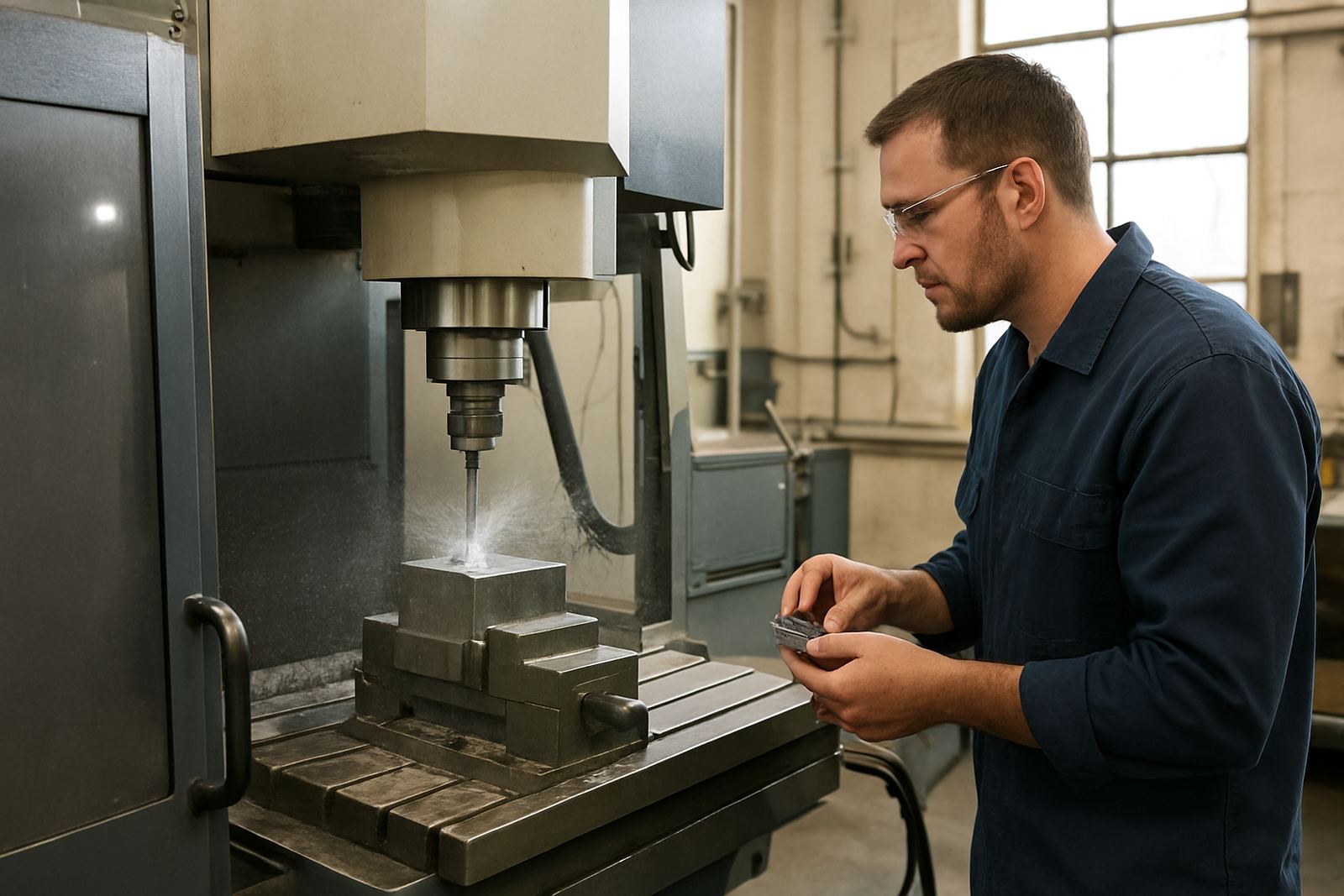
Coolant filtration units remove swarf, grit, fines and sludge from recirculating coolant before it goes back to the machine. In simple terms, they help the coolant do its job for longer, instead of turning into a carrying fluid for dirt. That matters on turning, milling, grinding and drilling lines where contamination can block nozzles, wear pumps and leave a poor surface finish.
In busy shops around Struandale, Markman and Coega, coolant often picks up a mix of aluminium fines, steel chips, abrasive dust and oil carryover. If that build-up is left unchecked, filters clog faster, smell becomes a problem and operators spend more time cleaning sumps than cutting parts. A proper filtration setup helps reduce that cycle and keeps coolant condition more predictable from shift to shift.
- Removes free chips, fine particles and sludge from process coolant
- Supports longer coolant life and more stable cutting conditions
- Helps protect pumps, seals, spray nozzles and machine interiors
- Can reduce manual sump cleaning and downtime between jobs
Sizes and filtration options for different shop layouts
Tooling supplies filtration units for small standalone machines through to central coolant systems serving multiple machining cells. Selection depends on coolant tank size, flow rate, contamination level and how the machine is used across the day. A grinding line with fine abrasive sludge needs a different approach to a machining centre producing larger chips, so the filter media and circulation rate should match the real load.
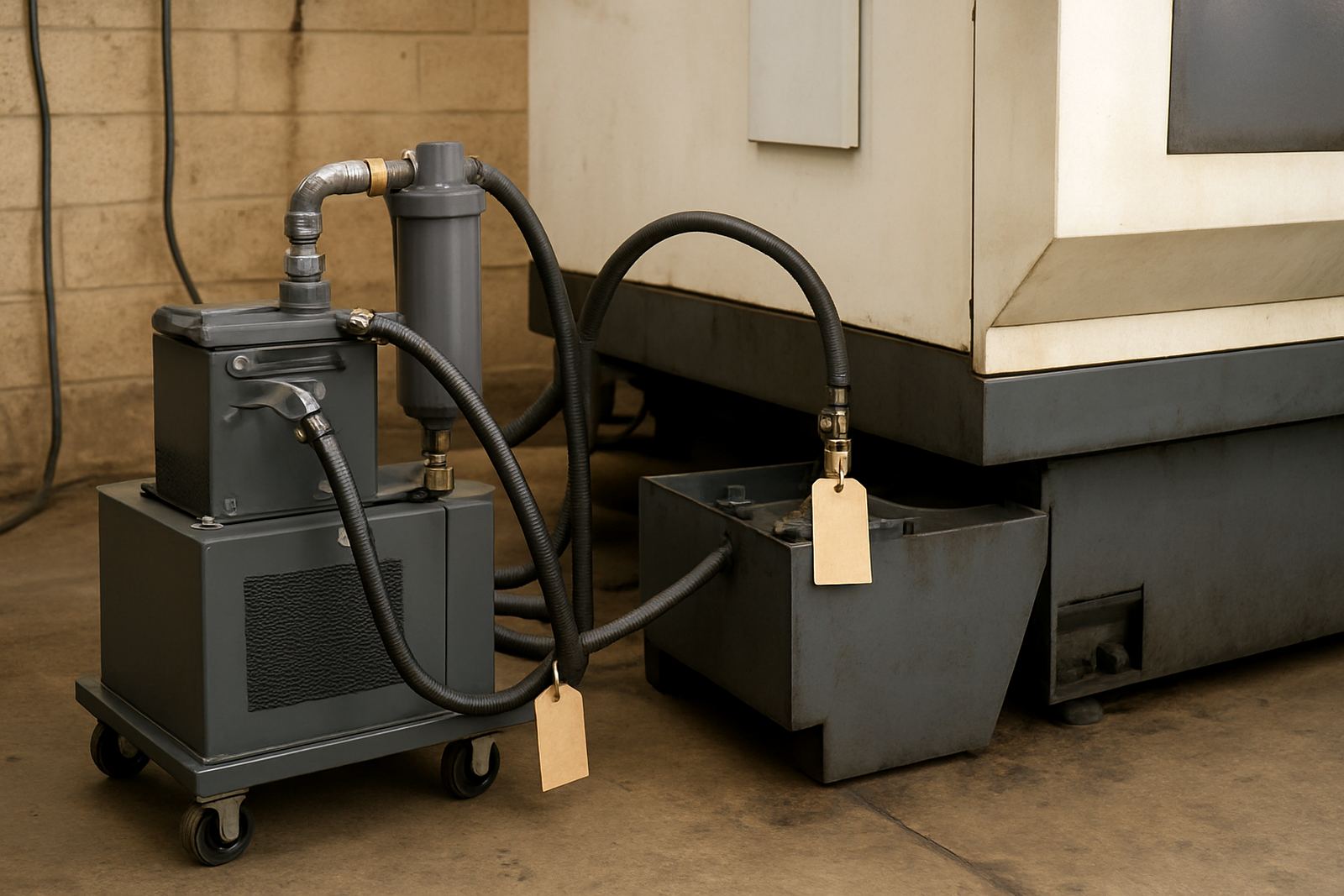
Common options include bag filtration, cartridge-style filtration, magnetic pre-separation for ferrous fines and compact skid-mounted units for limited floor space. Some shops need a simple mobile unit for one machine, while others need a fixed installation with a return line, settling stage and easy drain access. We also see a fair amount of demand from shops doing mixed work, where one cell machines steel and another handles aluminium, so the filtration has to be flexible enough to cope with both.
- Compact single-machine units for smaller tanks and lower flow rates
- Medium-capacity systems for machining centres and general engineering shops
- Higher-flow systems for multi-machine coolant circuits or production cells
- Optional pre-separation stages for swarf, magnetic fines or heavy sludge
Where coolant filtration suits best
These units suit workshops that run long shifts, high-speed machining or repeat production where coolant quality directly affects part consistency. They are useful in automotive component work, general engineering, precision turning, toolroom environments and any site where fine chips are constantly recirculating. In coastal areas like Gqeberha, managing coolant properly also helps when humidity and temperature swings make fluid breakdown more likely.
Filtration is worth serious attention where surface finish matters, where nozzle blockage causes scrap, or where expensive coolant is being replaced too often. It also suits shops that have limited maintenance labour and need equipment that can run with only routine attention. If your team is trying to keep the plant tidy and compliant with site housekeeping rules, better filtration can reduce the mess around machine bases and sumps, which matters for both safety and inspections.
- Machine shops with repeated chip load and continuous coolant recirculation
- Facilities near the coast where coolant life can shorten faster
- Production cells that need cleaner nozzles and steadier pump performance
- Sites aiming to reduce manual cleaning during load-shedding restart cycles
Installation needs and site utilities
Most coolant filtration units need a suitable footprint beside or behind the machine, a return path for dirty coolant and access for service. Depending on the setup, installation may include hoses or pipework, inlet and outlet connections, drain points and a mounting position that allows the filter to be changed without spilling fluid. If the unit is on a separate skid, check that the floor can carry the full operating weight when the tank is filled.
Power requirements vary by model, but many systems use single-phase or three-phase supply for pumps and any auxiliary drive. In workshops affected by load-shedding, it helps to plan how the unit restarts after an outage and whether the machine control logic or external pump needs any reset. Some units can be placed on UPS-backed control circuits, but the actual pump load still needs proper electrical planning. No gas supply is normally required for coolant filtration, which keeps the setup straightforward. A clean inlet path and sensible operator access matter more than fancy extras.
- Allow enough clearance for filter removal and sediment cleaning
- Check whether the system needs single-phase or three-phase power
- Confirm tank volume, coolant return height and available floor space
- No gas supply is normally needed for standard coolant filtration units
Care, servicing and day to day operation
Good filtration still needs routine care. Filters, baskets and magnetic stages should be checked before they choke flow, and sludge should be removed before it hardens in the sump. Operators should watch for changes in flow, coolant colour, smell and pump noise because those are often the first signs that contamination is building again. A unit can be working, yet still not be cleaning enough if nobody checks the pressure drop or flow rate.
In practical terms, the service interval depends on chip load, coolant type and the kind of material being machined. Shops cutting cast iron or doing heavy roughing will usually need more frequent attention than light finishing work. Tooling can assist with scheduled support on site or by arrangement, including collection and delivery where required. We also recommend keeping a spare set of consumables in the store room so you are not waiting on a filter change when production is already behind. Small habits make a big difference here, especially when the plant is running on tight hours.
- Inspect filter media, screens and sludge build-up on a set schedule
- Track pump flow and note any drop in nozzle performance
- Clean tanks and sumps before contamination reaches the pump intake
- Keep consumables on hand for fast changeover during busy weeks
What to confirm when ordering a unit
When ordering coolant filtration, give the actual machine model or sump dimensions, coolant type and the amount of material generated per shift. It also helps to know whether you are dealing with steel, aluminium, cast iron or mixed materials, because that affects the type of swarf and fine contamination in the fluid. If the machine is part of a production cell, include the expected flow demand and whether the unit must sit near a wall, under a mezzanine or in a tight service corridor.
Please also check whether you need a portable unit or a fixed installation, whether the pump has to overcome lift height, and if there are any site rules about noise, drainage or waste handling. In municipal or industrial parks around Gqeberha, some sites require clearer waste separation and proper disposal of collected sludge, so it pays to plan that at the start. The more accurate the order details, the easier it is to match the filtration unit to the job and avoid costly rework later.
- Machine type, sump size and approximate coolant volume
- Material being machined and expected chip or sludge load
- Power supply available on site and preferred installation layout
- Any space limits, drain restrictions or waste handling requirements
Key facts
| Product type | Coolant filtration units for machining cells and standalone machines |
|---|---|
| Typical applications | Turning, milling, grinding, drilling and mixed production lines |
| Filtration methods | Bag, cartridge, magnetic pre-separation and combined systems |
| Capacity range | Compact single-machine units through to multi-machine circulation systems |
| Utilities | Single-phase or three-phase power depending on model, no gas required |
| Service support | Routine filter changes, sump cleaning, collection and delivery by arrangement |