
What fixture plates do on the shop floor
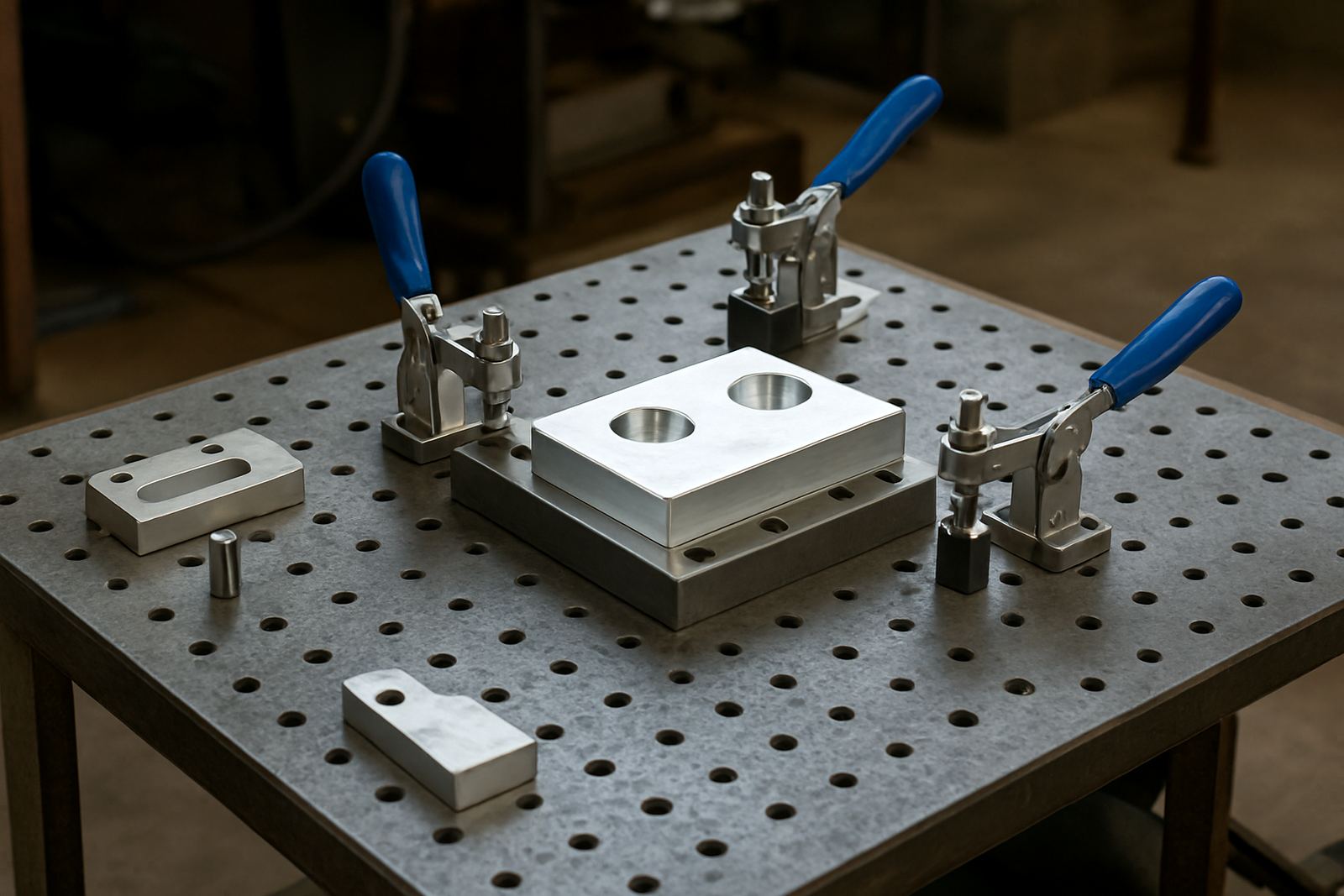
Fixture plates create a repeatable base for holding parts, sub-assemblies and jigs during machining, inspection and assembly. Instead of starting each job from scratch, you can leave reference positions, clamp points and datum locations in place, then return to the same setup with far less adjustment. That matters when you are running small batches, repeat orders or mixed work through the week.
In a busy machine shop, the value is simple: less downtime between jobs, fewer alignment errors and better use of spindle time. A well chosen plate can support vices, soft jaws, pallets, blocks and special fixtures without overcrowding the table. For shops in Struandale, Markman and Coega, that kind of flexibility helps when orders change at short notice and operators have to keep machines moving.
Plate sizes, hole patterns and setup options
Fixture plates are generally supplied in standard sizes to suit common machine tables and work envelopes, with custom drilling patterns available for special applications. Typical options include square or rectangular plates, zero point style layouts, grid drilling and tapped hole patterns that can accept clamps, stops and locators. Depending on the job, the plate may be used as a permanent base or as a changeable pallet.
Common plate thicknesses range from 20 mm to 50 mm, with larger or heavier jobs sometimes needing thicker material for rigidity. Hole spacing is usually laid out on a regular pitch to make fixturing simpler, and edge clearance should be planned so that clamps, vises and tooling can move without fouling. If you are working on larger castings, sheet parts or multi-op components, a broader surface area can help spread load more evenly and reduce distortion.
- Standard sizes: 300 x 300 mm, 400 x 600 mm, 500 x 500 mm, 600 x 800 mm
- Material options: aluminium for lighter setups, steel for heavier duty use
- Mounting styles: tapped grid, through-hole, locating dowels, modular clamp interface
- Finish options: machined surface, protective coating, corrosion resistant treatment for humid coastal shops
Where fixture plates work best
Fixture plates suit CNC milling, drilling, tapping, probing and light to medium duty repetitive production. They are also useful on manual mills, inspection benches and hybrid workflows where one part is machined, checked and then re-mounted for a second operation. For job shops in Gqeberha, this is especially handy when orders vary from day to day and every minute of set up time counts.
They are a practical choice for automotive component work, general engineering, mould and die support, prototype runs and maintenance departments that need dependable location points. Shops handling parts from Coega or Kariega often need quick turnarounds, and a plate with repeatable locating can help keep second ops aligned. In coastal areas, plated surfaces and fasteners should be selected with corrosion in mind because salt air can shorten service life if maintenance is neglected.
- Best for repeat jobs, multi-side machining and quick toolroom changeovers
- Suitable for vices, tombstones, clamps, risers and custom fixtures
- Useful where operators need to swap parts without re-indicating every time
Installation, machine fit and utility needs
Most fixture plates need proper alignment to the machine table, then secure fastening using the correct bolts, locating pins or T-slot hardware. Before installation, check the table size, slot spacing, spindle travel and maximum Z clearance so the plate does not reduce usable work height. On larger machines, lifting points should be planned in advance because a thick plate can be awkward to handle safely.
Power and gas requirements are usually limited, which makes fixture plates straightforward to integrate. The plate itself does not normally need electrical supply, compressed air or coolant connections, although the tooling mounted on it may do so. If the plate forms part of an automated cell or pallet change system, air supply, sensors or index hardware may be needed and those details must be checked before ordering. It is also worth confirming whether the machine floor can support the full load when the plate, workpiece and clamping gear are combined.
- Check table dimensions and T-slot layout before purchase
- Confirm machine travel, spindle reach and part height clearance
- Plan lifting, storage and safe handling for heavier plates
- Allow for coolant washdown and chip evacuation around the base
Care, cleaning and servicing between jobs
To keep a fixture plate accurate, the surface should be cleaned after each shift and inspected for raised burrs, coolant staining and damaged threads. Chips left in holes or under locating parts can throw off repeatability, so a quick wipe-down and air blast is worth the effort. In shops dealing with cast iron, aluminium or abrasive swarf, more frequent cleaning may be needed.
Tooling can support ongoing upkeep with holder cleaning, runout checks, fixture inspection and general maintenance advice. If a plate is used daily, schedule periodic verification of flatness, bolt torque and thread condition, especially on heavier jobs where clamping loads are high. Where humidity is high, a light protective coating can help prevent surface oxidation. One missed clean up can lead to a bad locate on the next job and that is time nobody gets back.
What to confirm when ordering a fixture plate
Before ordering, check the part envelope, clamp arrangement, machine model and whether the plate needs to support future jobs as well as the current one. If the work includes awkward castings, long shafts or thin-wall components, the fixture plate should allow enough freedom for stops, supports and anti-lift points without forcing the operator into a poor setup. It also helps to know whether the same plate will be moved between machines or kept on one centre only.
Useful details to provide include the drawing or sample part, preferred datum positions, clamping style and any need for custom hole patterns. If you want fast repeat changeovers, ask about preset reference points and whether the plate should be matched to existing vices or fixture blocks. For shops in Despatch or the Port Elizabeth CBD, delivery and collection can be arranged with other service items when required, which helps cut wasted travel time.
- Part size, weight and material
- Machine table size and slot spacing
- Required hole pattern, clamp type and datum positions
- Expected batch size and repeat order frequency
- Need for corrosion resistance, coating or custom machining
Key facts
| Product type | Modular fixture plate for repeatable workholding |
|---|---|
| Typical sizes | 300 x 300 mm up to 600 x 800 mm, with custom options |
| Material options | Aluminium, steel or other specified engineering metal |
| Mounting styles | Tapped grid, through-hole, dowel located and hybrid layouts |
| Power and gas | Normally none required, unless used with automated fixtures |
| Care interval | Clean after each shift, inspect threads and check flatness regularly |