
Compact workholding for 5-axis access
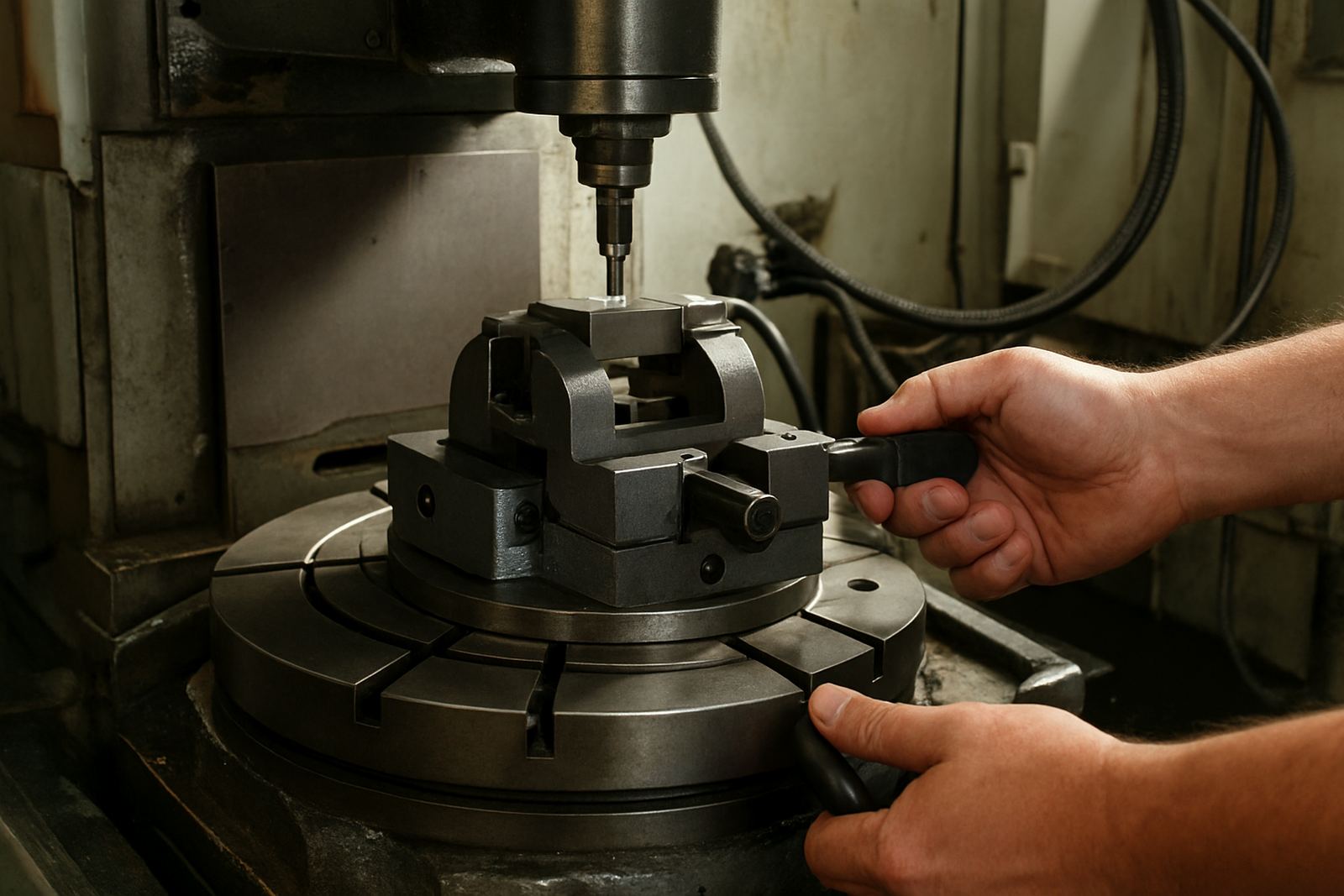
A five axis vise is a low profile clamping unit made for machining parts on multiple faces without the jaws getting in the way. In practice, that means better tool access, shorter setups and less time moving parts between operations. These vises are used on vertical machining centres and 5-axis machines where you need good hold without losing clearance around the spindle, probe or tool changer.
For shops in Gqeberha, Kariega, Coega and Despatch, the main gain is consistency. Once the part is seated and indicated in, the vise gives repeatable grip across batch work, whether you are cutting aluminium housings, mild steel brackets or stainless components. It is a practical choice when you need accuracy but cant afford bulky clamping that blocks the fifth axis movement.
- Low profile for better tool and spindle access
- Suitable for 3+2 and full 5-axis workholding
- Repeatable clamping for short runs and production batches
- Helps reduce time spent resetting parts between operations
Sizes, jaw openings and clamping options
Five axis vises are available in compact widths for small to medium parts, as well as wider bodies for jobs that need more support. Common choices include single vises for one-off parts and paired setups for tombstone style fixtures or pallet work. Jaw widths, opening capacity and clamping force should be matched to the part size and the machine envelope.
Most shops will choose between fixed jaw and moveable jaw layouts, with soft jaws, step jaws or ground jaws depending on the finish needed. If you machine thin-walled parts, a gentler clamp with good support is usually better than simply tightening harder. On heavier cuts, a vise with positive pull-down action gives more security and helps keep the work seated under load.
- Body widths commonly used for compact machining centres
- Jaw opening selected to suit the part and fixture stack height
- Soft jaws for repeat work and shaped components
- Ground jaws for tighter location and cleaner set-up
- Multi-vise layouts for higher throughput on repetitive jobs
Where these vises suit best
These vises suit toolrooms, production shops and contract machinists working on components that need access from several sides in one setup. They are used for mould and die parts, automotive brackets, precision plates, jigs, medical components, and general engineering work. A five axis vise is especially useful where part geometry makes normal side clamping awkward or where the cutter must pass close to the fixture.
In coastal areas such as Gqeberha and Port Elizabeth CBD, it also helps to choose workholding with good corrosion resistance and a habit of regular cleaning. Fine grinding dust, coolant residue and humidity can quickly affect slide action and jaw condition if the vise is left dirty. Shops in Struandale, Markman and Coega often keep a dedicated set for aluminium and another for harder steels so that wear stays under control.
If your machine runs on long shifts or through load shedding windows, a vise with simple manual clamping is still useful because it does not depend on power or gas. The machine itself may need clean compressed air for chip blow-off or probing systems, but the vise normally only needs proper installation and routine care.
Installation on the machine table
Installation is straightforward, but accuracy matters. The vise should sit on a clean machine table or fixture plate with chips removed from the slots and mounting faces. Use the correct T-bolts or stud kit, torque the fixings evenly and check that the body is square to the axis before you start production. If the job needs maximum repeatability, many shops use a dial indicator or probe to confirm alignment each time the vise is moved.
It is also worth checking the machine envelope, especially on 5-axis machines where head movement and table rotation can create unexpected clearance issues. Make sure the vise height does not interfere with tool length, probe clearance or the rotary axis range. A lower profile often gives more freedom for angled machining and reduces the need for long, flexible cutters.
- Clean table and mounting surfaces before fitting
- Use correct clamping hardware and torque settings
- Check squareness, height and rotary clearance
- Confirm access for probe, cutter and chip evacuation
Care, cleaning and servicing in South African workshops
Good care makes a big difference to vise life. After use, remove chips from the jaws, screw threads and base faces, then wipe down with a light protective oil if the machine will stand idle. Coolant and fine swarf can build up around the moving parts and affect repeat clamping, so regular cleaning is worth the time. In humid coastal conditions, this matters even more because surface rust can start fast if a vise is parked dirty.
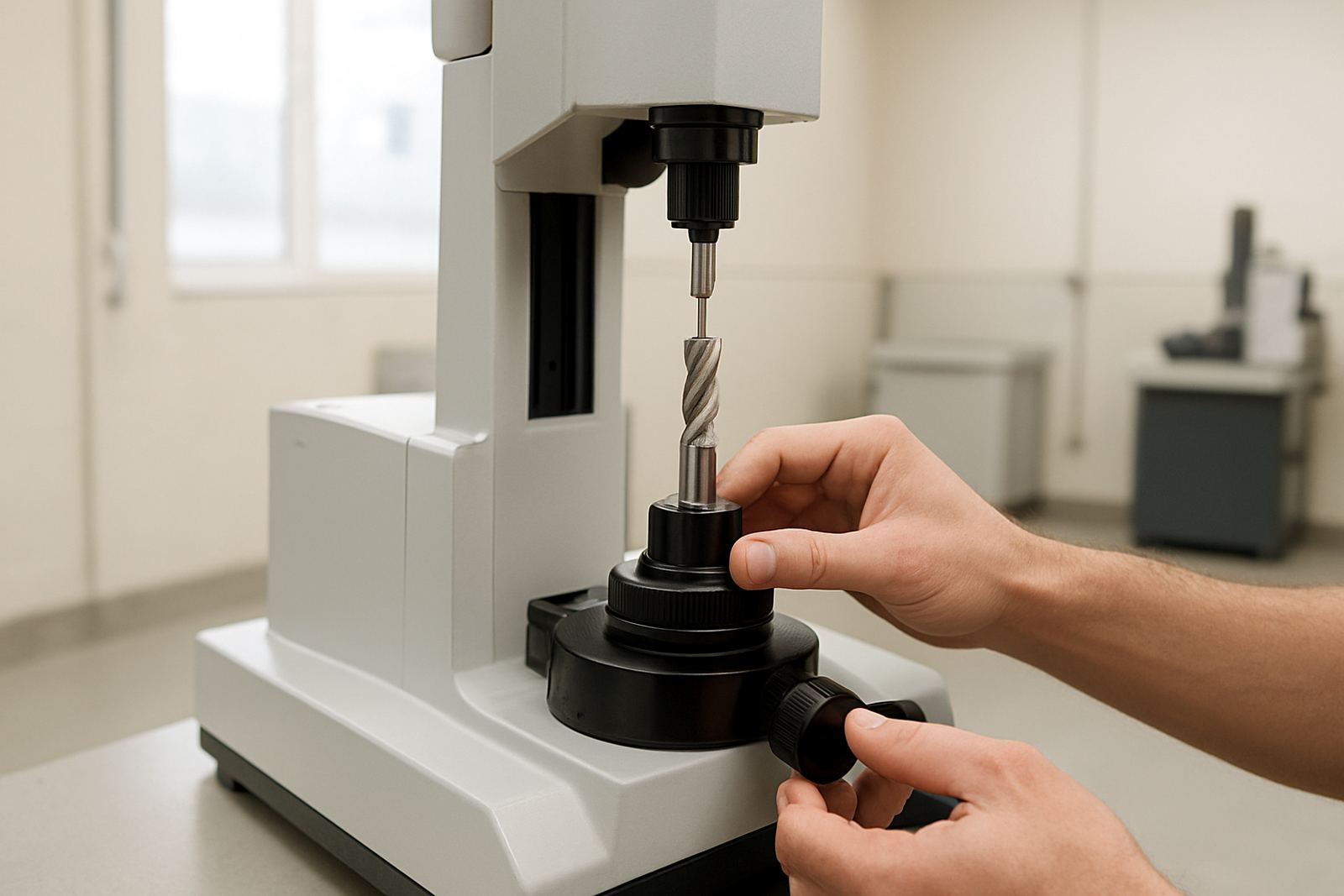
For shops that want to keep workholding in top condition, Tooling offers holder cleaning, chuck jaw machining, vise alignment and runout checks as part of a practical maintenance routine. If a vise starts to bind, lose grip or clamp unevenly, it should be inspected before it damages parts or throws dimensions out. Small issues can become bigger ones after a few long shifts, especially when the same setup is used day after day.
- Clean chips from jaws, screw threads and mounting faces
- Keep clamping surfaces lightly protected when idle
- Check for jaw wear, scoring and poor movement
- Schedule inspection before accuracy starts drifting
What to confirm before you order
Before ordering, confirm the machine type, table size, fixture plate layout and the biggest part you expect to clamp. You should also note jaw opening, body width, clamping method and whether you need soft jaws, step jaws or a special setup for repeat jobs. If you are machining multiple parts per cycle, measure the spacing needed between vises so tools can reach each side without collision.
It helps to send through a drawing or part photo with the job notes. That lets the right clamping size be selected first time, instead of guessing and then finding the jaws are too high or the opening is too small. If you are in Gqeberha, Coega or further afield, collection and delivery can be arranged, and our team can help match the vise to your machine and workpiece rather than forcing a one-size-fits-all solution.
For technical questions, contact Tooling in Struandale, Gqeberha at our contact form. The team can assist with selection, setup guidance and servicing needs for shops across South Africa.
Key facts
| Product type | Five axis vise for CNC workholding |
|---|---|
| Typical use | Multi-side access machining, 3+2 and 5-axis applications |
| Jaw width | Compact to medium sizes depending on setup |
| Jaw opening | Selected to suit part size and fixture height |
| Mounting | Machine table or fixture plate with T-slot or stud fixing |
| Power or gas need | None for the vise itself |