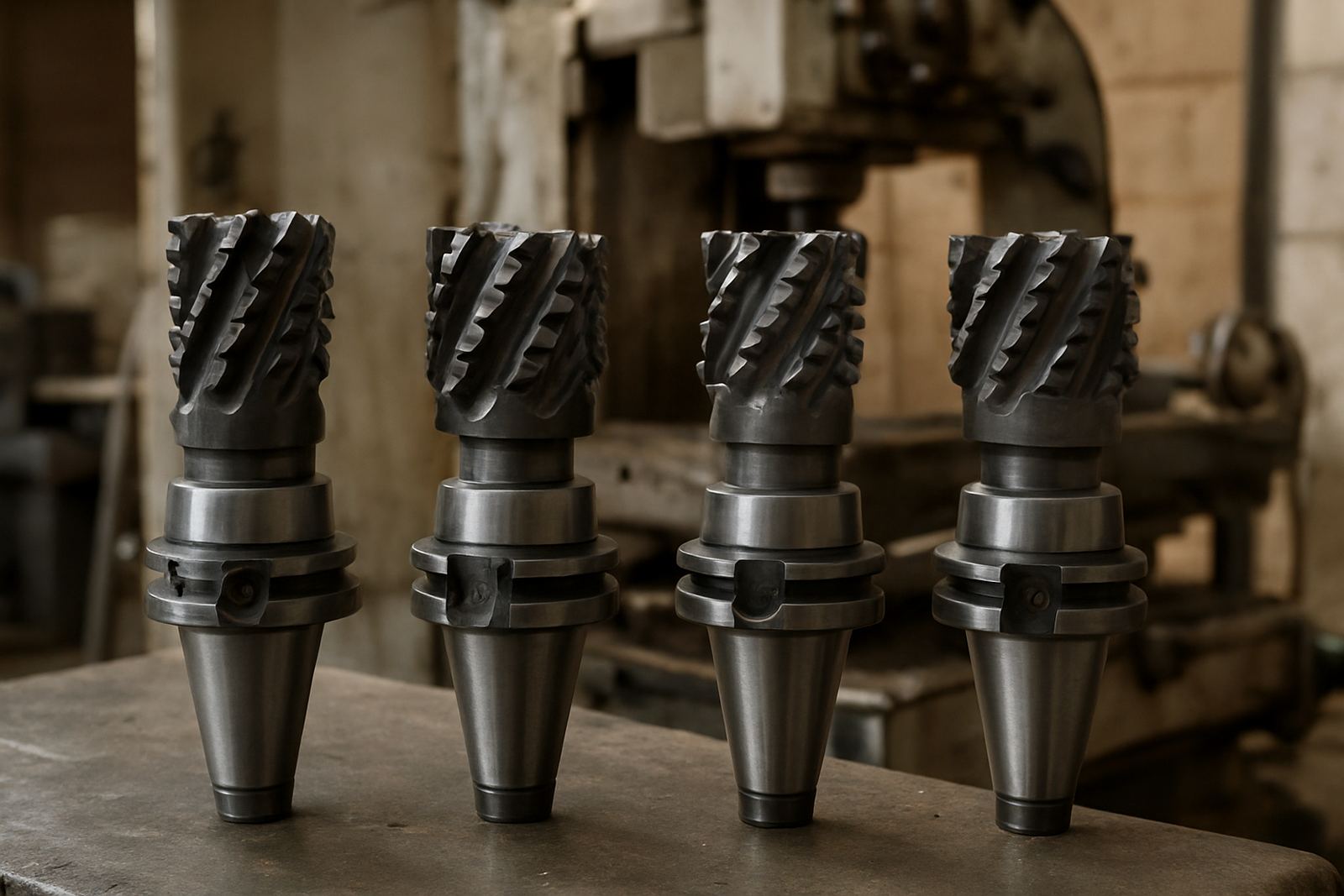
General purpose holders for everyday milling
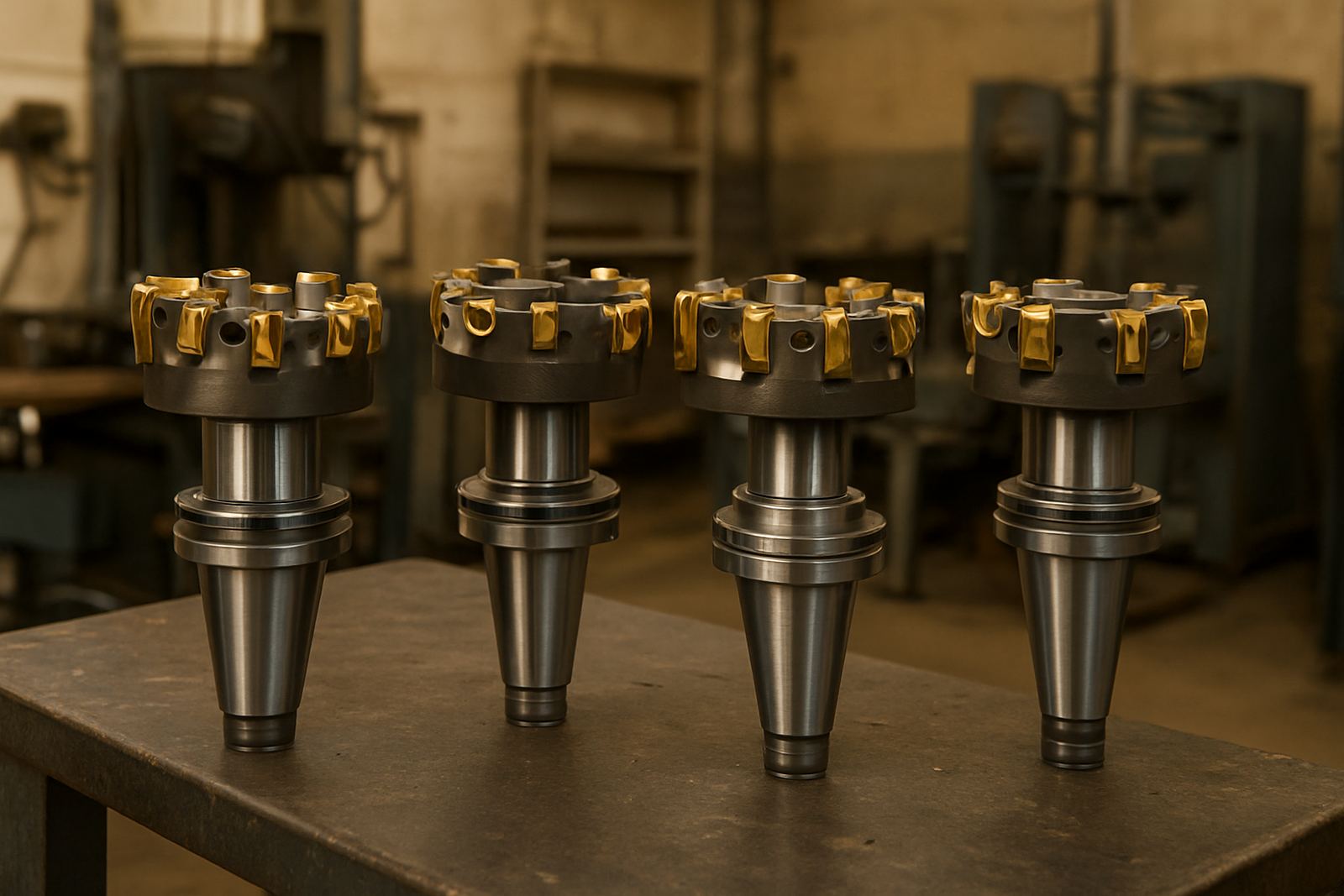
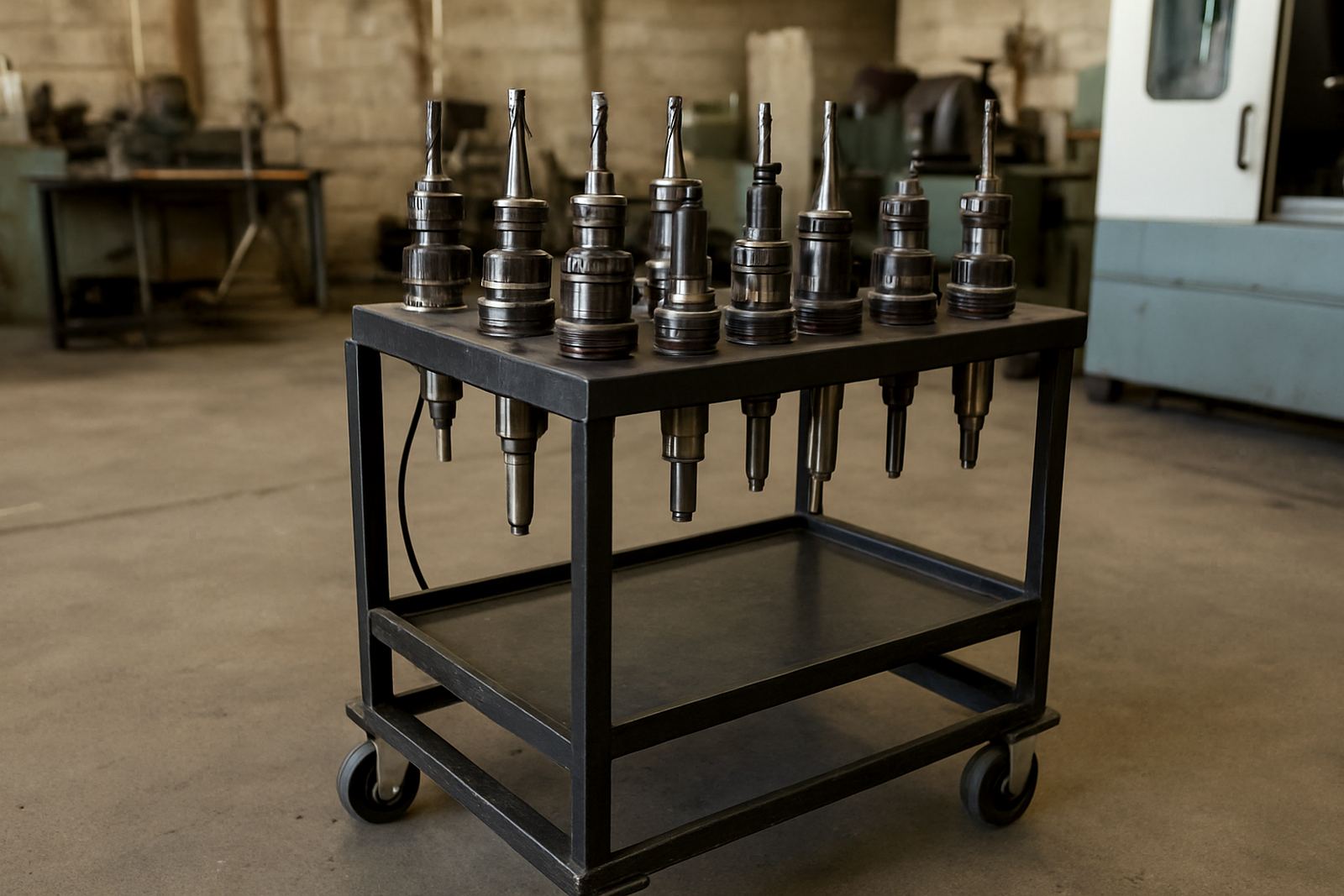
Side lock holders are used to clamp end mills, slot drills, roughing cutters and other straight-shank tools with a simple side-lock screw. They are valued in machine shops because the setup is straightforward, the grip is firm and the holder suits repeated use on conventional and CNC milling machines. For many workshops in Gqeberha, Kariega and Coega, that makes them a sensible option for production work where time on the machine counts.
These holders are especially useful for roughing cuts, medium duty milling and general manufacturing where you need dependable retention rather than a specialised high-speed setup. They also suit toolrooms and maintenance departments that run mixed jobs, from small component work to heavier stock removal. If your operation changes tooling often, the side lock format keeps things quick without making the setup overcomplicated.
Sizes, shank types and holder options
Tooling supplies side lock holders in a range of common shank sizes to match standard milling machines and spindle adapters. The most requested sizes are typically 6 mm, 8 mm, 10 mm, 12 mm, 16 mm and 20 mm, with larger diameters available for heavier applications. Depending on the holder style, you can also choose between standard length and extended reach versions for jobs where access is tight.
- Common shank sizes: 6 mm to 20 mm and larger on request
- Tool clamping: side lock screw with straight-shank tools
- Length options: standard and extended reach
- Machine fit: suitable for milling machines, machining centres and toolroom setups
- Use case: roughing, slotting and everyday production milling
When you order, it helps to match the holder to the cutter diameter and the spindle interface on the machine. If the machine sees frequent tool changes or long shifts, a holder with clean internal surfaces and accurate outside dimensions will save time at the spindle and reduce setup variation. In busy plants that run on load-shedding schedules, consistency matters even more because every restart needs to count.
Where side lock holders work best
These holders suit general milling across automotive, fabrication, maintenance, machining and light engineering work. They are a practical fit for shops in Struandale, Markman and Despatch where production often includes mixed batches, repair jobs and short lead times. Side lock holders also work well on older machines that need dependable tooling without unnecessary complexity.
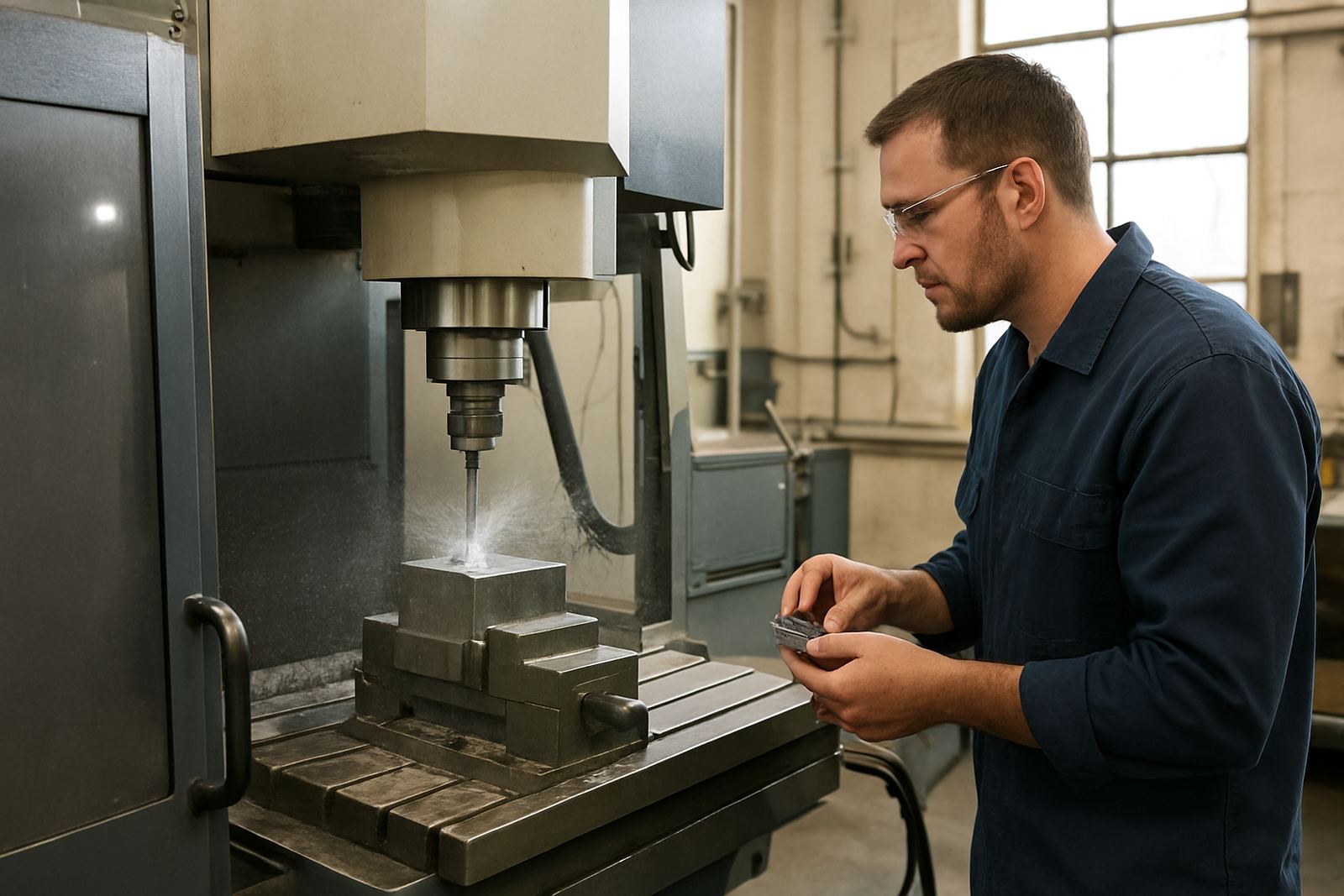
They are commonly used for roughing passes, face milling, slotting and other cuts where the tool sees moderate to high cutting load. In humid coastal conditions around Gqeberha, a solid holder with correct cleaning and storage helps limit corrosion and keeps the clamping screw working properly. If the shop machines mild steel, aluminium or general-purpose alloy material, a side lock holder is often one of the easiest holders to keep in regular rotation.
- Good for roughing and everyday milling
- Suitable for toolrooms and production lines
- Useful on conventional mills and CNC machines
- Works well for frequent setup changes
- Handy for mixed-job workshops and maintenance teams
Installation, machine setup and power requirements
Side lock holders do not need gas or coolant supply to function, but the machine setup should still be correct. The spindle taper or adapter must match the machine, and the cutter must be inserted to the correct depth before the side screw is tightened. Use the correct hex key or wrench size so the screw seats properly, and avoid over-tightening because that can mark the tool shank or distort the clamping area.
For best results, keep the holder clean at the taper, bore and screw contact points before installation. Check spindle runout where possible, especially on finishing jobs or when you are using long cutters. On CNC machines, confirm that the programmed tool length and diameter are correct after fitting the holder. In shops where power interruptions are common, it is worth recording the setup position so the tool can go back in quickly after a stop without wasting time re-measuring.
Care, cleaning and servicing in coastal workshops
Side lock holders last longer when they are cleaned after use and stored away from swarf and moisture. Wipe the bore, screw thread and external surfaces before putting them back into service. If coolant residue or fine chips are left in place, the holder can lose accuracy and the screw may start to bind. A simple cleaning routine after each shift is usually enough for most workshops.
Tooling also provides supporting services that help keep holders performing properly, including tool inspection, holder cleaning, runout checks and collection and delivery in the Gqeberha area. For plants near the harbour and other coastal zones, regular care matters because salt in the air can affect exposed metal surfaces faster than many workshops expect. A light protective oil and proper storage make a clear difference over time.
- Clean after each use and before fitting a new cutter
- Check the side screw for wear or damage
- Keep taper and bore surfaces lightly protected
- Inspect runout during routine maintenance
- Store dry, away from chips and coolant mist
What to check when ordering holders
Before placing an order, confirm the cutter shank size, the required holder type and the machine spindle interface. Measure the cutting tool carefully, because even a small mismatch can affect grip and runout. If the job needs deeper reach, check the overall length and note whether the machine has enough clearance around the workpiece, vise or fixture. It is also worth checking whether the holder will be used with manual tightening or in a production environment with repeated tool changes.
If you are buying for a shop with several operators, ask for the exact machine model, tool diameter and any preferred setup method. That helps avoid delays and unnecessary back-and-forth. For customers across Port Elizabeth CBD, Coega and Kariega, the right information up front usually means faster supply and fewer surprises on the floor.
- Cutter shank diameter
- Machine spindle or adapter type
- Required reach and overall length
- Expected cutting load and material type
- Whether the holder is for CNC or manual milling
Key facts
| Product type | Side lock milling holder |
|---|---|
| Common sizes | 6 mm, 8 mm, 10 mm, 12 mm, 16 mm, 20 mm and larger on request |
| Typical use | Roughing, slotting and general production milling |
| Machine compatibility | Conventional milling machines, machining centres and toolroom setups |
| Clamp method | Side lock screw for straight-shank tools |
| Service areas | Struandale, Markman, Coega, Kariega, Despatch and Port Elizabeth CBD |