
Accurate setup for milling and CNC work
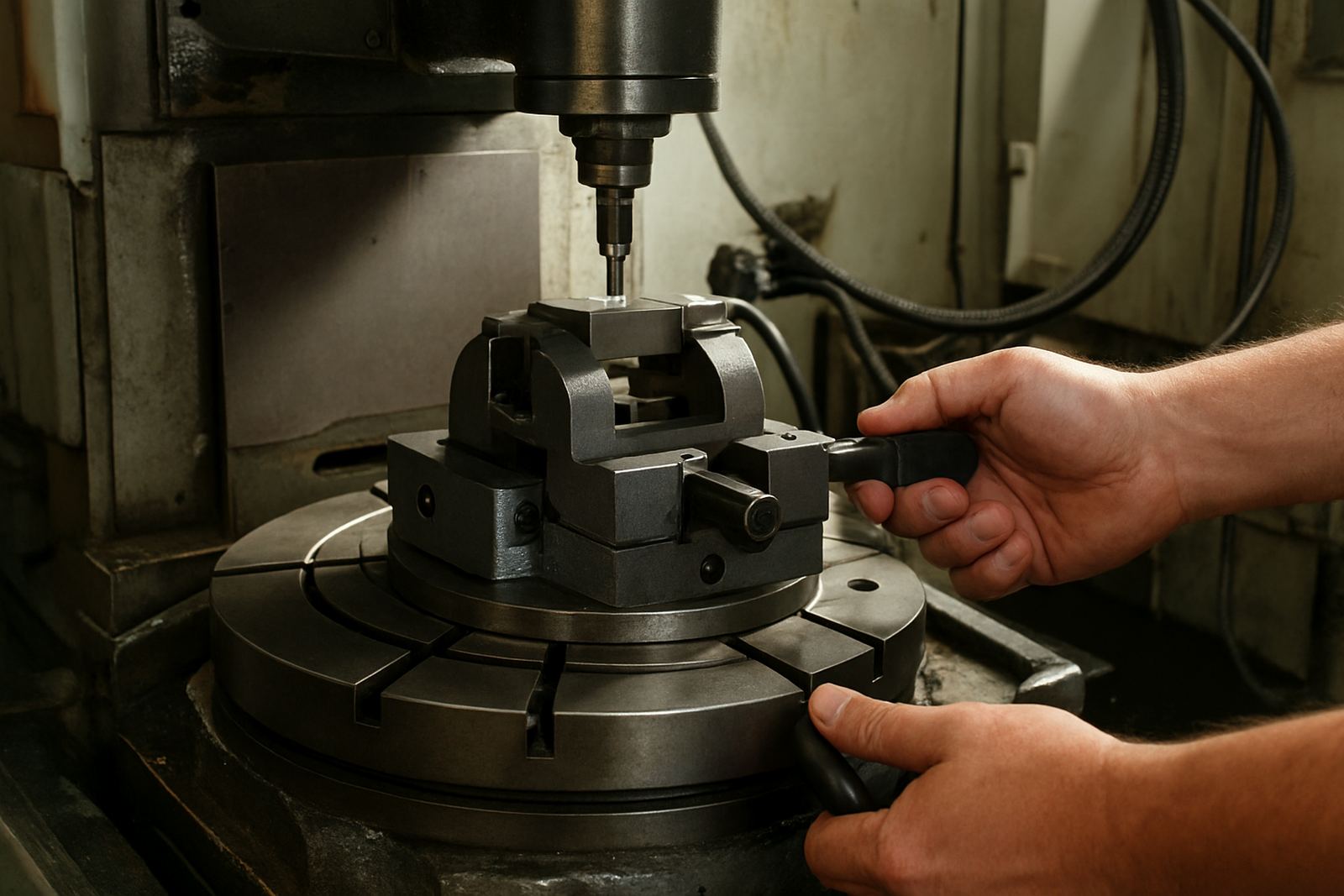
Edge finders are used to locate the exact edge of a workpiece, vice jaw or fixture before machining starts. On the shop floor that means less trial and error, cleaner first-off parts and fewer costly reworks. For a machine shop in Struandale, Markman or Coega, a dependable edge finder can save time on every setup where the job changes often.
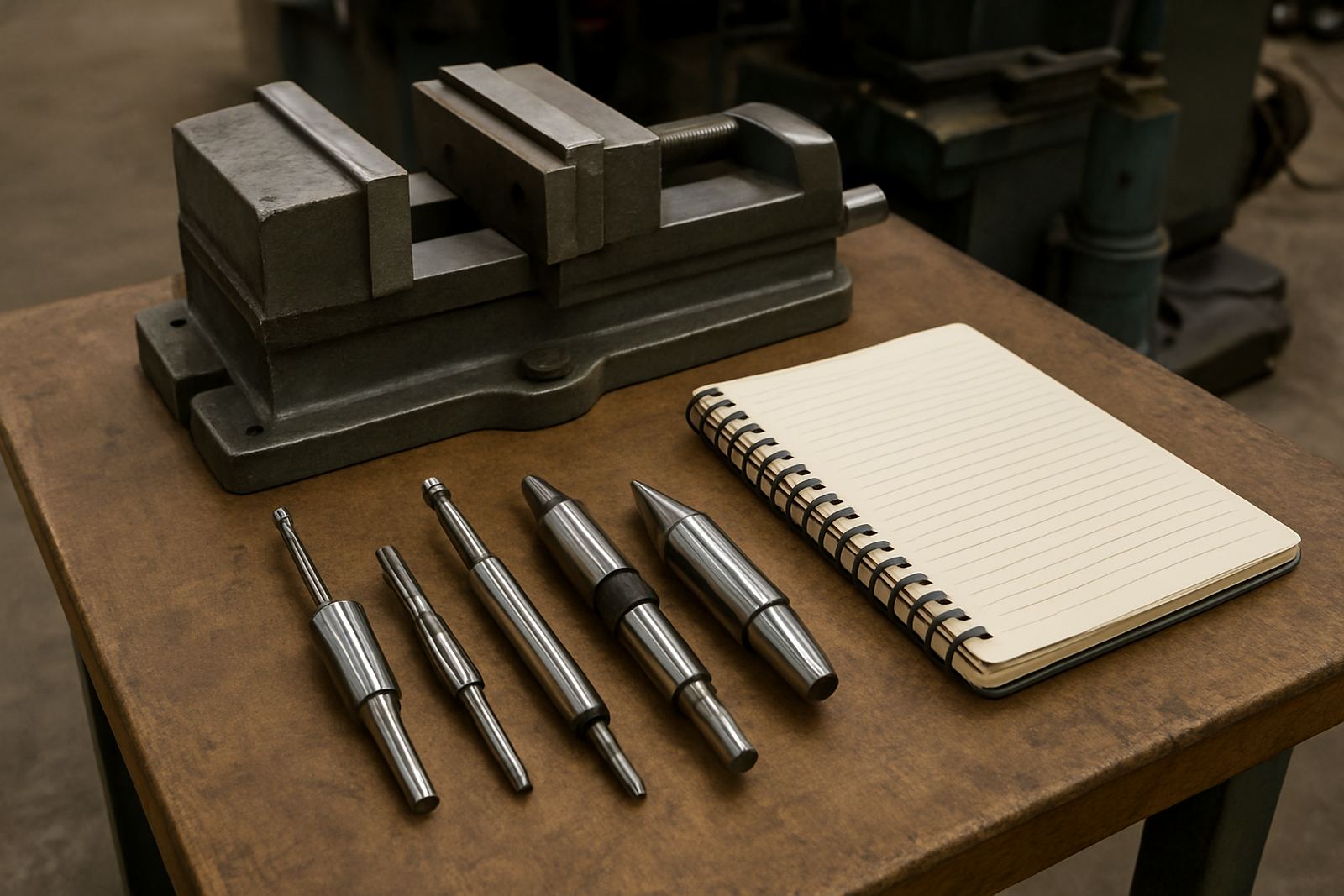
Mechanical edge finders use a spring-loaded tip that shifts when it touches the workpiece edge. Electronic units give a signal when contact is made, which many operators prefer for repeatable work and tighter setup routines. Both types suit milling machines and CNC centres, and both are useful when the operator needs a clear reference from a raw blank, a clamped component or a fixture plate.
- Suitable for manual mills and CNC machines
- Helps establish X and Y zero positions
- Useful for jobbing work, maintenance shops and small batch production
- Available for different spindle taper and collet arrangements
Mechanical or electronic: choosing the right type
Mechanical edge finders are simple, durable and easy to understand. They work well in busy workshops where operators want a low-maintenance tool for everyday setting out. Many shops keep one close to the machine because it does not need batteries or a power supply. That makes it practical during load-shedding too, when the shop is running on generators or shifting between machines.
Electronic edge finders are better suited to operators who want a clear indication and a more sensitive touch point. They can be especially handy when work is delicate, when the edge is hard to see, or when the machine room lighting is not ideal. Some electronic styles also suit smaller features where contact needs to be controlled carefully.
- Mechanical type: no batteries, straightforward use, ideal for rugged daily setting
- Electronic type: clear contact signal, good for finer positioning
- Choose based on machine type, operator preference and the tolerance required
- Ask for compatibility with your tool holder or collet system
Sizes, shanks and common options
Edge finders are supplied in a range of shank sizes and body diameters to suit different machines and workholding arrangements. Some are made for direct fitting into a collet, while others suit a tool holder or chuck arrangement. The correct size depends on the machine spindle, the available tool space and how close the operator needs to get to the part.
When ordering, check the shank diameter, overall length and tip style. A larger body may be easier to see and handle, but smaller tools can work better in tight setups with clamps, vices or close side walls. For shops machining general engineering parts, plate work or light production runs, it helps to keep one or two common sizes available so setup does not stop waiting for the right tool.
- Typical shank sizes include 6 mm, 10 mm, 1/2 inch and 8 mm options
- Available in straight shank and holder mounted formats
- Different tip styles for face, side or edge reference work
- Confirm spindle clearance before placing an order
Where edge finders fit best in local production
Edge finders are used in engineering shops, maintenance departments, toolrooms and short-run production lines. They are especially useful where operators change jobs often, for example in Kariega and Despatch businesses handling brackets, bushings, plates and small machined assemblies. The quicker the setup, the faster the machine gets back to cutting, and the less time is lost in manual checking.
They also suit workshops working with imported material that may vary slightly from batch to batch. In coastal conditions around Gqeberha, equipment is often exposed to humidity and fine dust, so a clean and properly stored edge finder helps keep setup accuracy consistent. If the shop does high-mix work or serves multiple customers, it is worth choosing a model that can be kept close at hand and checked regularly.
- Good for machine shops, toolrooms and maintenance teams
- Useful on jobs with frequent changeovers
- Suitable for work in coastal humidity if stored correctly
- Helps reduce scrap from poor initial alignment
Installation, power needs and practical use
Most mechanical edge finders need no power at all, so they are ready to use as soon as they are fitted into the machine. Electronic types may use a battery or machine-side supply depending on the model, so it is important to confirm the operating requirement before buying. There is no gas requirement for either type. The main requirement is that the machine spindle, holder or collet is clean and seated properly.
For safe use, the operator should jog the machine slowly until contact is made, then read the shift or signal and zero the axis as required. Never force the tool into the edge. A clean spindle taper, the correct holder and a stable workpiece all matter. If a machine has runout, chipped jaws or an out-of-square vice, the edge finder will not fix that on its own, so the setup should be checked first.
- Mechanical units: no power, no gas, simple fitment
- Electronic units: confirm battery or supply requirements
- Use on clean, stable workholding only
- Slow jogging protects the tool and the part
Care, servicing and what to check before ordering
Edge finders last longer when they are wiped clean after use and kept in a protective case or drawer. The contact tip should be inspected for wear, and the shank checked for scoring or damage. If the workshop handles coolant, swarf or fine abrasive dust, the tool should be cleaned more often so the moving parts do not bind. In busy shops, a quick inspection before each shift is worth the effort.
Tooling also assists with related workshop services such as tool inspection, holder cleaning, runout checks, presetting and scanner calibration. That helps keep the edge finder working as part of a proper setup process, not as a stand-alone item. Before placing an order, confirm the machine type, the shank size, whether you need mechanical or electronic operation, and if the tool will fit into existing holders without interference.
- Check spindle taper, collet size and holder clearance
- Confirm whether the machine needs metric or imperial sizing
- Ask if the job needs side contact, face contact or both
- Inspect the tip, springs and electrical function regularly
Key facts
| Product type | Mechanical and electronic edge finding tools |
|---|---|
| Use | Locating workpiece edges and setting X and Y zero |
| Common sizes | 6 mm, 8 mm, 10 mm and 1/2 inch shanks |
| Power needs | Mechanical units require none; electronic units may use battery or supply |
| Compatibility | Milling machines, CNC centres, jig borers and toolrooms |
| Care | Clean after use, inspect tip wear and store dry |